Understand equine Cushing’s (PPID): early and classic signs, ACTH/TRH testing, pergolide (Prascend) tips, and daily diet, pasture, and hoof care to lower l...
Article
•
Designer Mixes
Cushing’s Disease in Horses: Symptoms and Behavior

Shari Shidate
Designer Mixes contributor
Cushing’s disease in horses is most often called PPID, short for pituitary pars intermedia dysfunction. You will still hear people say “equine Cushing’s,” but it is helpful to know that horse PPID is not quite the same as Cushing’s in dogs or humans. In horses, cortisol is not the main diagnostic target, and testing typically focuses on pituitary hormones like ACTH.
PPID is common in older horses and ponies, and it can sneak up slowly. Many owners first notice “little” changes like a coat that fails to shed normally, a grouchy attitude under saddle, or a horse that suddenly becomes sore-footed.
As a veterinary assistant, I have learned that catching PPID early is one of the best gifts you can give your horse. With the right veterinary support, many horses live comfortably for years.
What PPID is
PPID develops when the pars intermedia portion of the pituitary gland loses normal dopamine regulation over time. That loss of inhibition can lead to enlargement (hyperplasia) or benign tumor changes (adenoma) in the pars intermedia and increased production of POMC-derived peptides such as ACTH (and related hormones).
As those hormone patterns shift, the effects can show up throughout the body, especially:
- Metabolism (how your horse uses energy and regulates blood sugar)
- Immune function (ability to fight infection)
- Muscles and topline
- Skin and hair growth
- Hoof health, including risk of laminitis
Behavior changes are often the result of discomfort (like sore feet), fatigue, muscle loss, or recurrent infections. Some horses also become more anxious or dull because they simply do not feel well.
Key PPID symptoms
PPID signs can look different from horse to horse. Some show one obvious symptom, while others show several mild changes that add up. PPID is most common in older horses, but younger horses can be affected too, just less often.
Classic physical signs
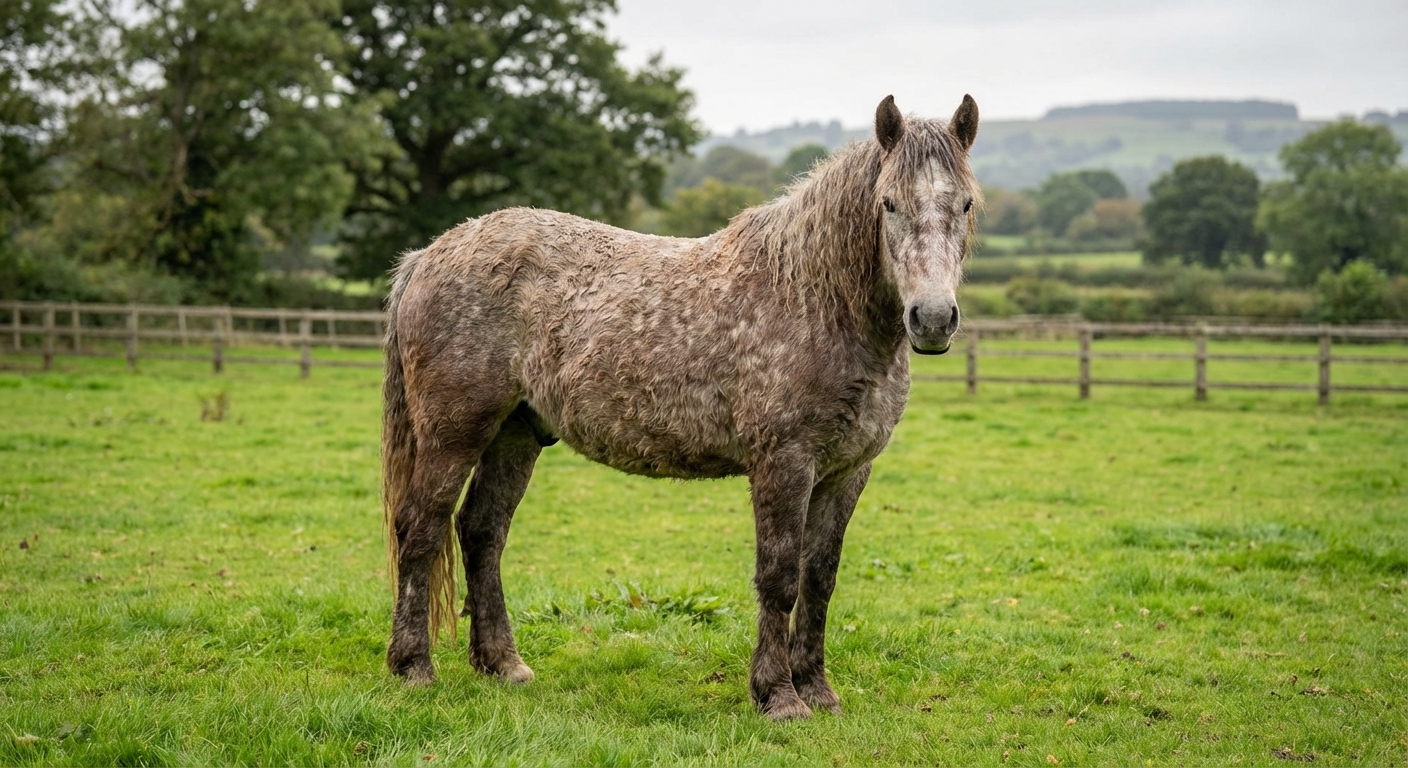
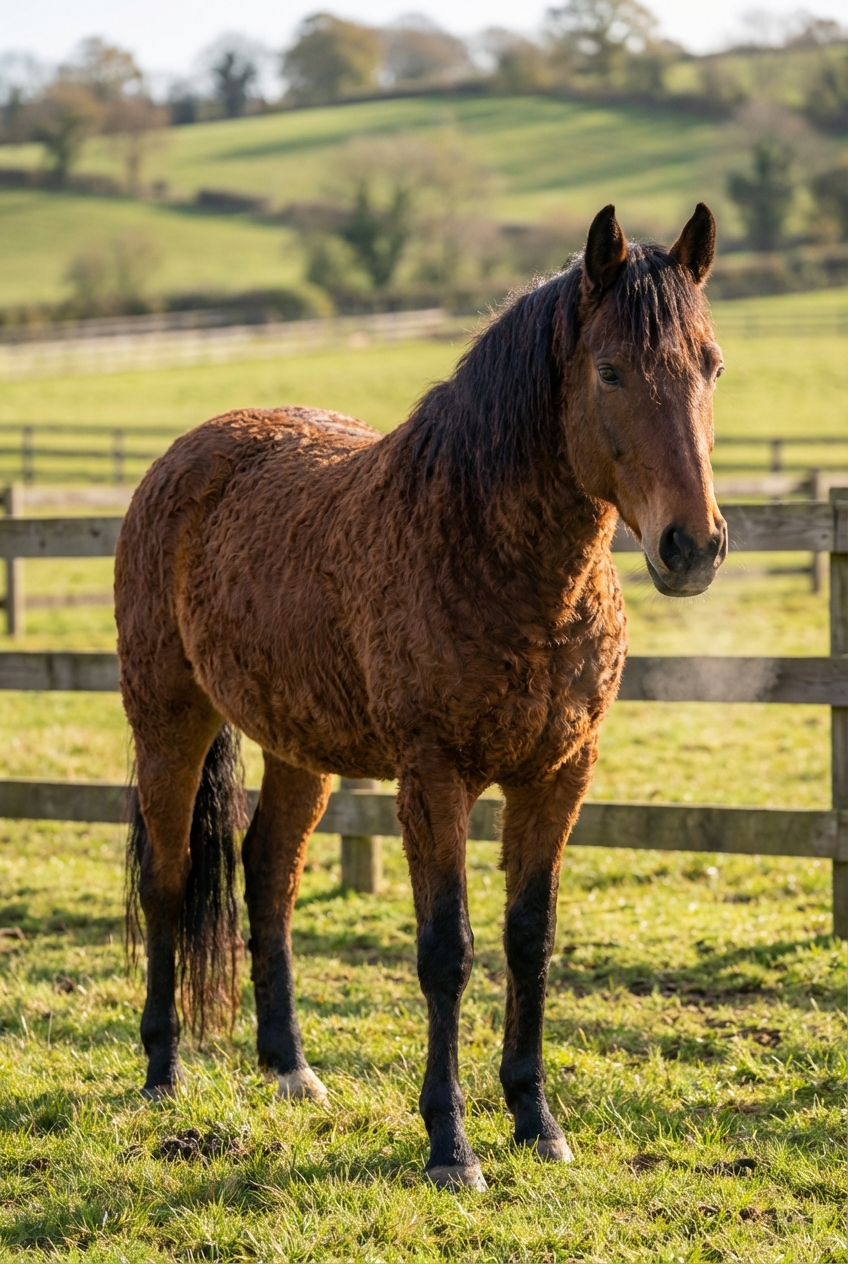
- Long, delayed-shedding coat (often wavy or curly), especially when other horses have shed out
- Excess sweating or sweating with minimal work
- Weight changes: some horses gain abnormal fat pads, while others lose weight
- Muscle wasting and a “dropped” topline, sometimes with a pot-bellied look
- Increased drinking and urination (you may notice wetter bedding or larger puddles)
- Recurrent infections (skin, sinus, respiratory, dental) or wounds that heal slowly
- Skin changes such as dandruff or irritation, and in some cases thinner or more fragile skin
Hoof and laminitis red flags
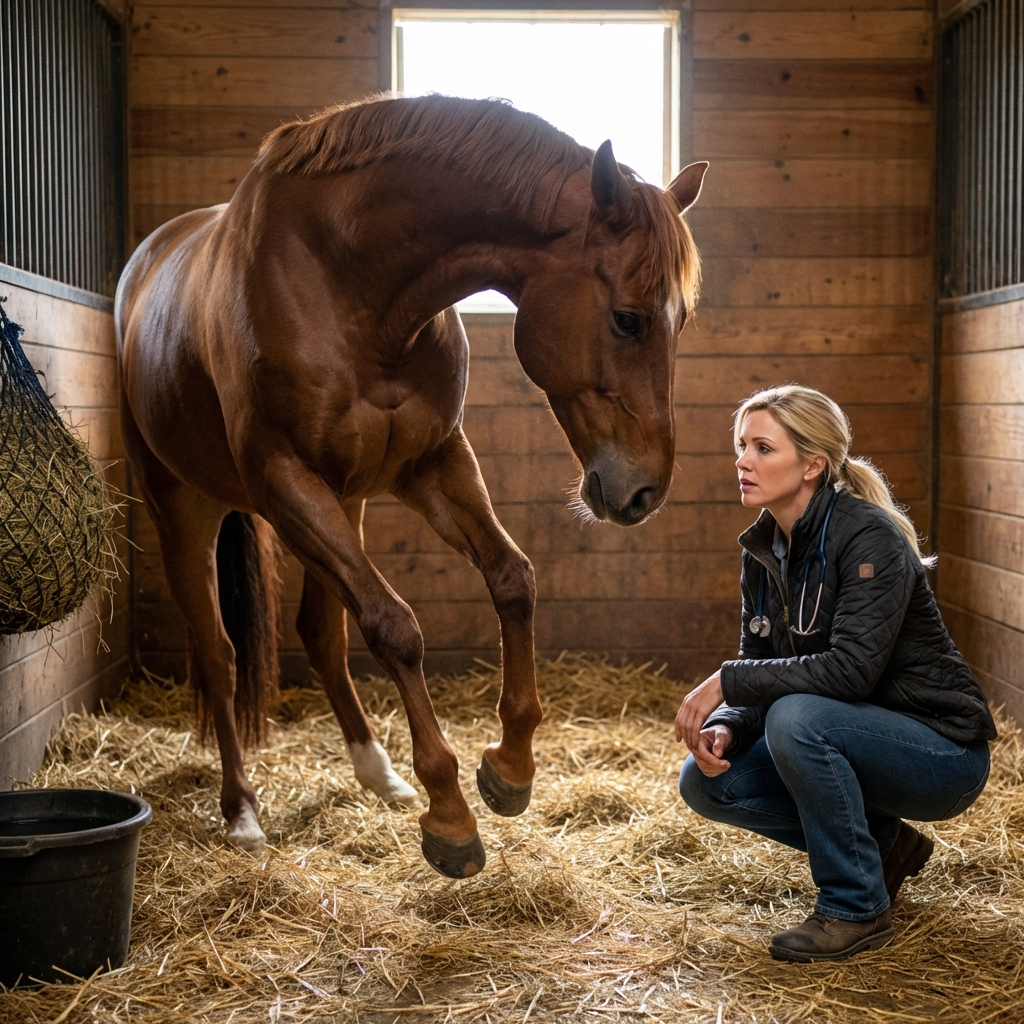
Laminitis risk is one of the most serious parts of PPID. The risk is often highest when PPID overlaps with insulin dysregulation, which is common and treatable with a good plan. Please reach out to your veterinarian quickly if you notice:
- Foot soreness, especially on turns or hard ground
- Reluctance to move or “walking on eggshells”
- Leaning back or shifting weight frequently
- Increased digital pulses or warm hooves
Performance and energy signs
- Lethargy or reduced stamina
- Stiffness and longer warm-up time
- Loss of condition despite what seems like an adequate diet
- More soreness after work
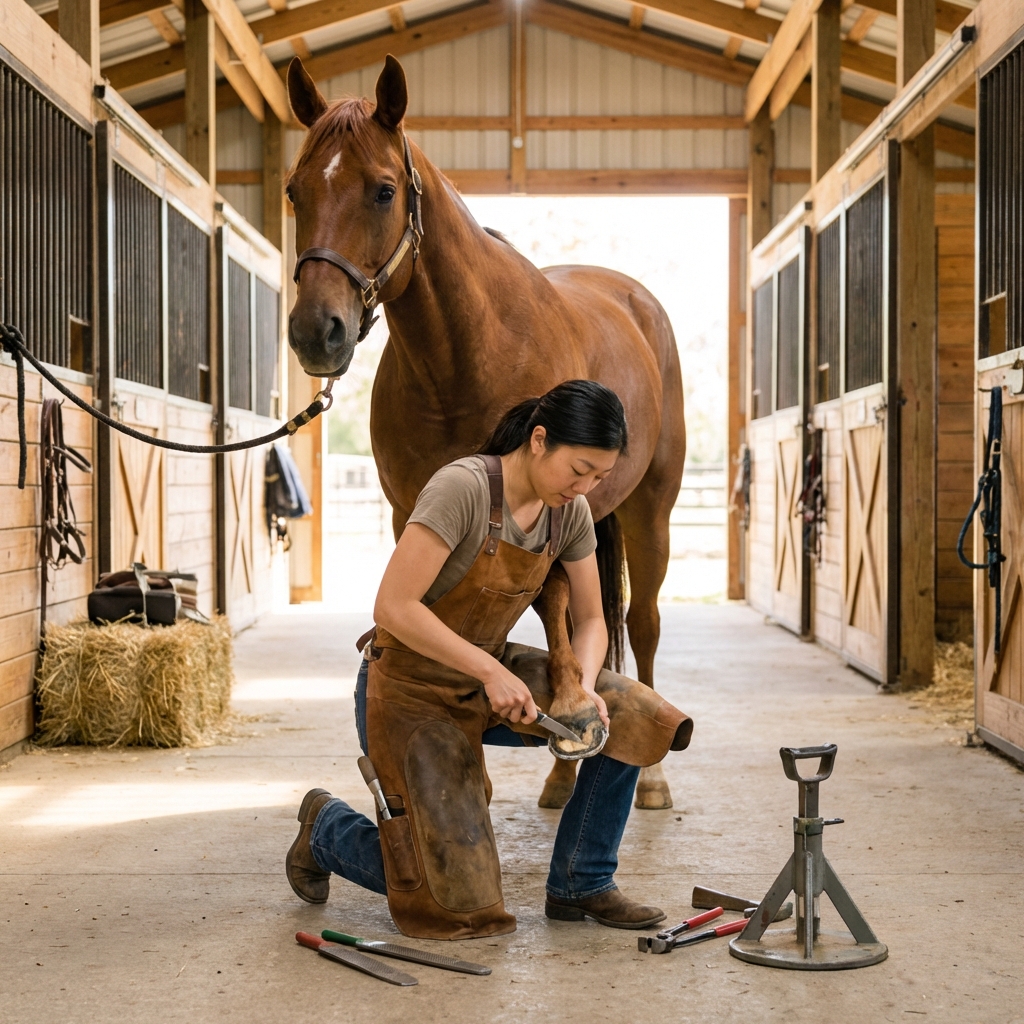
Tip: A coat that fails to shed normally plus any new hoof tenderness is enough reason to ask your vet about PPID testing.
Behavior changes
PPID is not a “behavior problem” at its core. When behavior shifts, it is often a clue that something physical has changed. It is also worth remembering that many other issues can look similar, including dental pain, arthritis, ulcers, chronic infections, and metabolic concerns like EMS. This is why a veterinary exam matters.
Common patterns
- More grumpy or reactive, especially when being tacked up or asked to move forward
- Spookier or more anxious than usual
- More stubborn or reluctant to pick up feet (sometimes due to hoof pain)
- Depressed or withdrawn in the herd, less interested in interaction
- Food-seeking behavior or agitation around feeding time
Attitude vs discomfort
If your horse’s behavior changes, ask yourself:
- Is the change new or getting worse over weeks to months?
- Does it line up with work (saddle time) or movement (turning, walking downhill, hard ground)?
- Is your horse also showing coat changes, muscle loss, or infections?
When behavior and body changes happen together, it is time to look deeper.
Testing and diagnosis
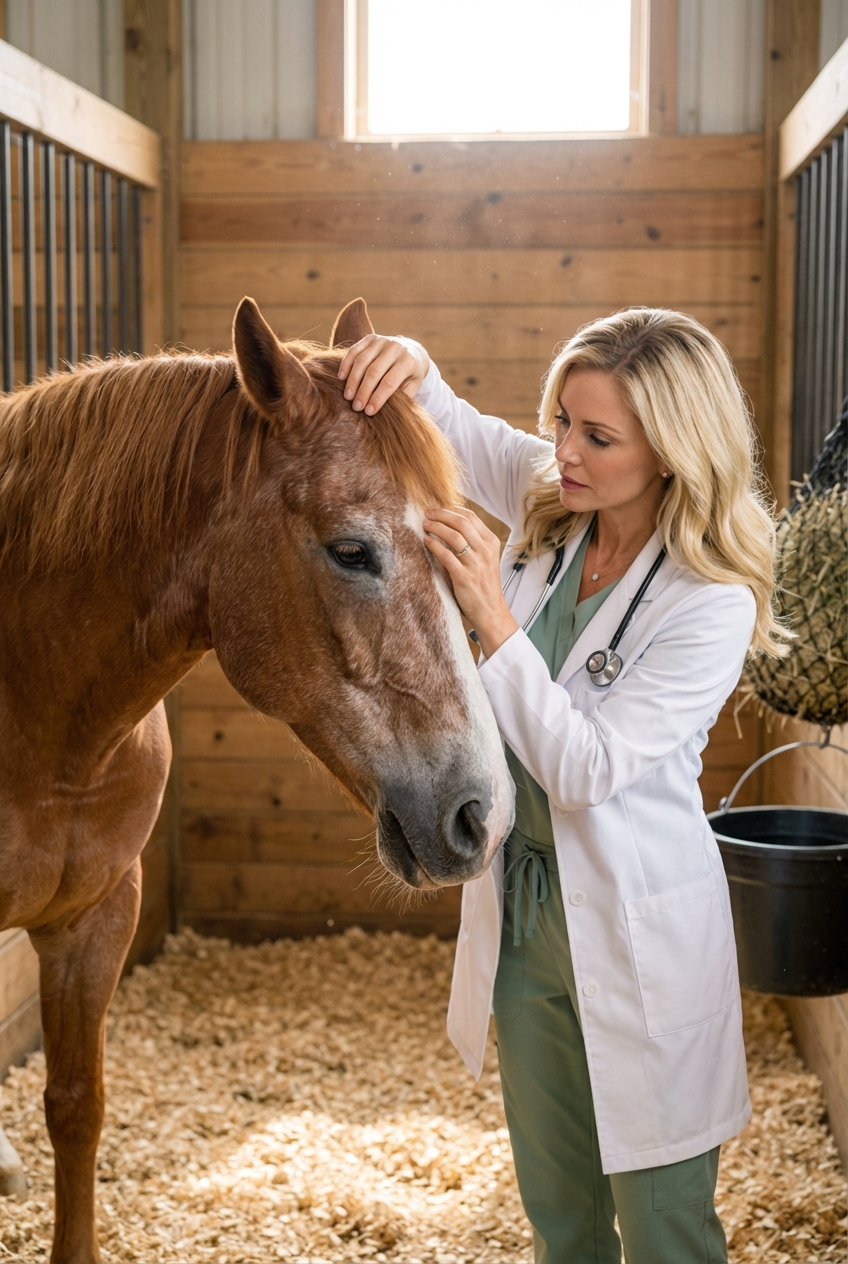
Diagnosis is made with a combination of your horse’s history, physical exam findings, and bloodwork. Your vet may discuss:
- ACTH blood test: one of the most common screening tests for PPID
- Seasonal effects: ACTH values can change in the fall, so labs often use seasonally adjusted reference ranges
- TRH stimulation test: used by some veterinarians for early or borderline cases, depending on availability and regional practice
- Additional metabolic testing: because PPID can overlap with insulin dysregulation, which increases laminitis risk
If your horse is showing signs but results are borderline, your vet may suggest retesting or monitoring over time. Early PPID can be subtle, and that does not mean it is “nothing.”
Management basics
PPID management is not one-size-fits-all. Your veterinarian is your best partner here, especially if laminitis risk is on the table. These are the pillars most care plans include.
Medication
Many horses are treated with pergolide (often sold as Prascend). When medication is started, you may see improvements in energy, coat quality, and overall comfort over weeks to months. Some horses have a temporary dip in appetite or seem a bit dull at first, often called the “pergolide veil.” If you see that, let your vet know. Dose adjustments or a more gradual approach can help.
Most horses also need follow-up testing after starting pergolide and then periodic rechecks to dial in the dose. And do not stop pergolide abruptly unless your veterinarian tells you to.
Diet and pasture planning
- Prioritize low sugar and starch choices if your horse is insulin dysregulated or laminitis-prone
- Use hay testing when possible to guide decisions
- Consider grazing control strategies such as limited turnout times or a properly fitted grazing muzzle, with your vet’s guidance
- Keep treats simple, and avoid high-sugar snacks
Hoof care and movement
- Stay on a consistent farrier schedule
- Take hoof soreness seriously and involve your vet early
- Encourage appropriate movement if your horse is comfortable, since inactivity can worsen metabolic health
Coat, skin, and comfort
- Clip as needed to prevent overheating
- Provide shade and fresh water, especially in hot weather or hot climates
- Watch for rain rot and skin infections, and treat early
Dental and parasite control
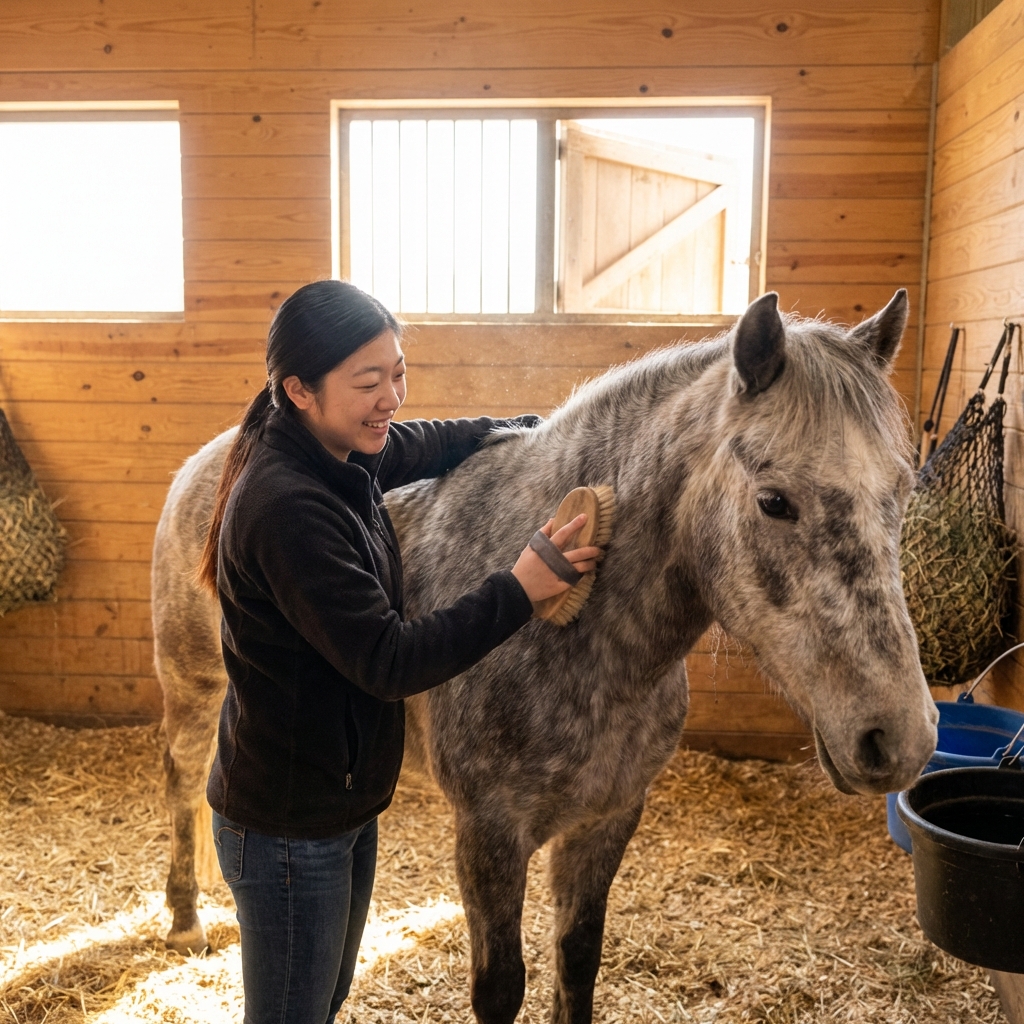
Because PPID can reduce immune resilience, routine dental care and a smart deworming plan based on fecal egg counts are especially important. Your vet can help you tailor this to your barn and your horse.
When it is urgent
Please contact your veterinarian promptly or seek emergency care if you notice:
- Any signs of laminitis (sudden lameness, heat in hooves, strong pulses, rocked-back stance)
- Not eating for more than a few hours, especially with dullness or colic signs
- High fever, heavy nasal discharge, or rapid breathing
- Rapid weight loss or severe weakness
- Profuse sweating unrelated to heat or work
These situations deserve fast attention, whether or not PPID is already diagnosed.
Simple tracker
PPID is often managed best when you can show your veterinarian patterns over time. Here is an easy checklist to track weekly:
- Coat: shedding progress, sweating, dandruff
- Water intake: any noticeable increase
- Body condition: topline, belly shape, fat pads
- Feet: warmth, pulses, soreness, changes in stride
- Energy and attitude: willingness to work, irritability, anxiety
- Infections: skin flare-ups, abscesses, slow-healing cuts
If you want to take it one step further, snap one clear photo per month from the side in the same lighting. Those pictures can be incredibly helpful.
Bottom line
PPID is common, manageable, and absolutely worth addressing early. If your horse has a coat that fails to shed normally, unexplained behavior shifts, or any hint of laminitis, talk with your veterinarian about testing. Small changes now can prevent big problems later, and your horse will thank you for it in comfort and quality of life.