Understand equine Cushing’s (PPID): early coat and behavior clues, laminitis warning signs, ACTH/TRH testing, and day-to-day management with pergolide, die...
Article
•
Designer Mixes
Cushing’s Disease in Horses

Shari Shidate
Designer Mixes contributor
Cushing’s disease in horses is one of those diagnoses that can feel scary at first, especially if your horse has been dealing with chronic laminitis, slow shedding, or repeated infections. The encouraging news is this: with the right testing, consistent treatment, and everyday management, many horses with PPID live comfortable, happy lives for years.
As a veterinary assistant, I have seen how much better everyone feels when owners understand what is happening inside their horse’s body and what steps actually make a meaningful difference. Let’s break it down in plain language.
Quick note: This article is for educational purposes and is not a substitute for veterinary care. Always work with your veterinarian for diagnosis and treatment decisions.
What PPID is
In horses, “Cushing’s disease” is most often called PPID, which stands for Pituitary Pars Intermedia Dysfunction. It is a common hormonal disorder in older horses, ponies, and donkeys.
With PPID, a part of the pituitary gland becomes overactive and releases abnormal hormone signals. Those signals can affect:
- Insulin regulation and blood sugar stability
- Immune function
- Hair coat and temperature regulation
- Muscles, fat distribution, and energy levels
- Hoof health, including laminitis risk
Think of PPID as a body-wide “hormone traffic problem” that creates downstream issues, some subtle and some very obvious.
Common signs
PPID can look different from horse to horse. Some show classic signs, while others start with mild changes that are easy to blame on “just getting older.”
Classic signs
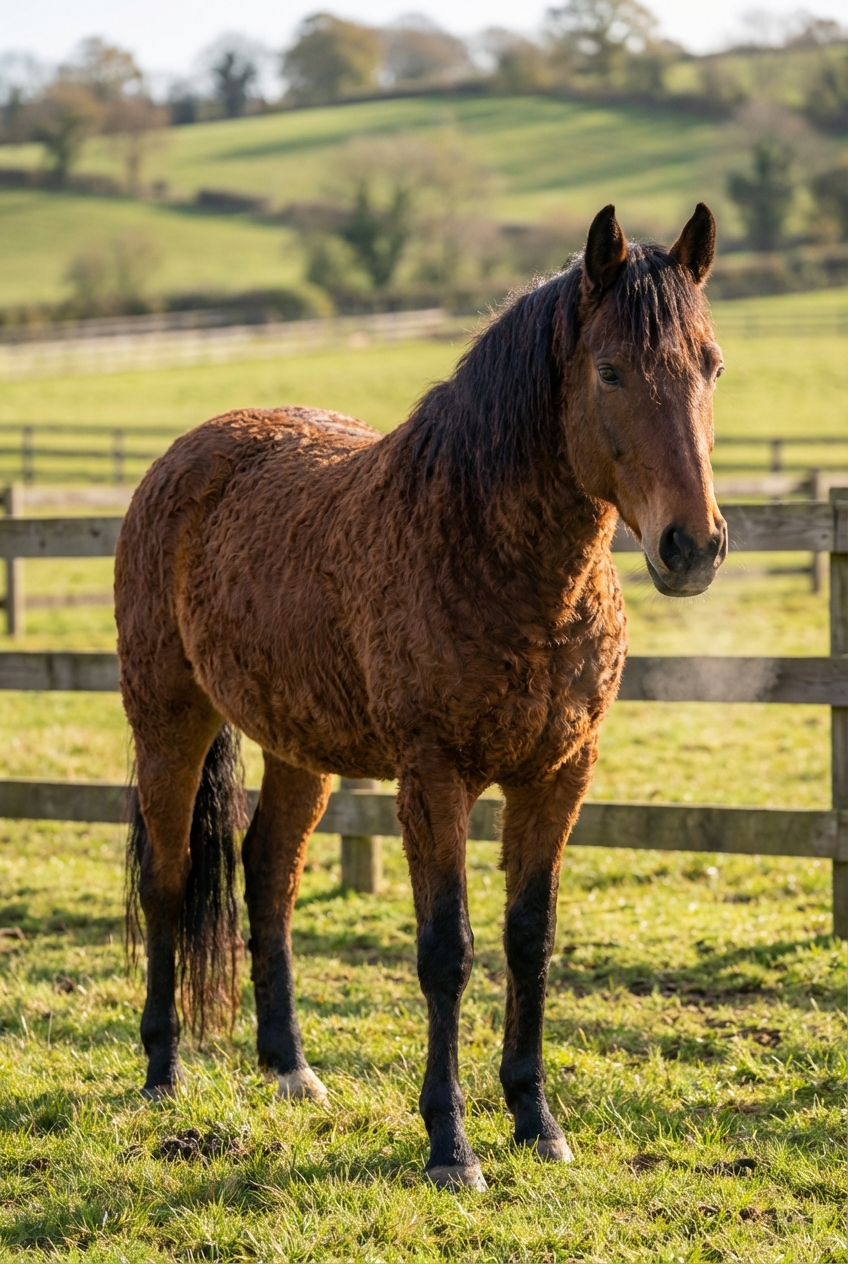
- Long, thick, or delayed-shedding hair coat (sometimes curly)
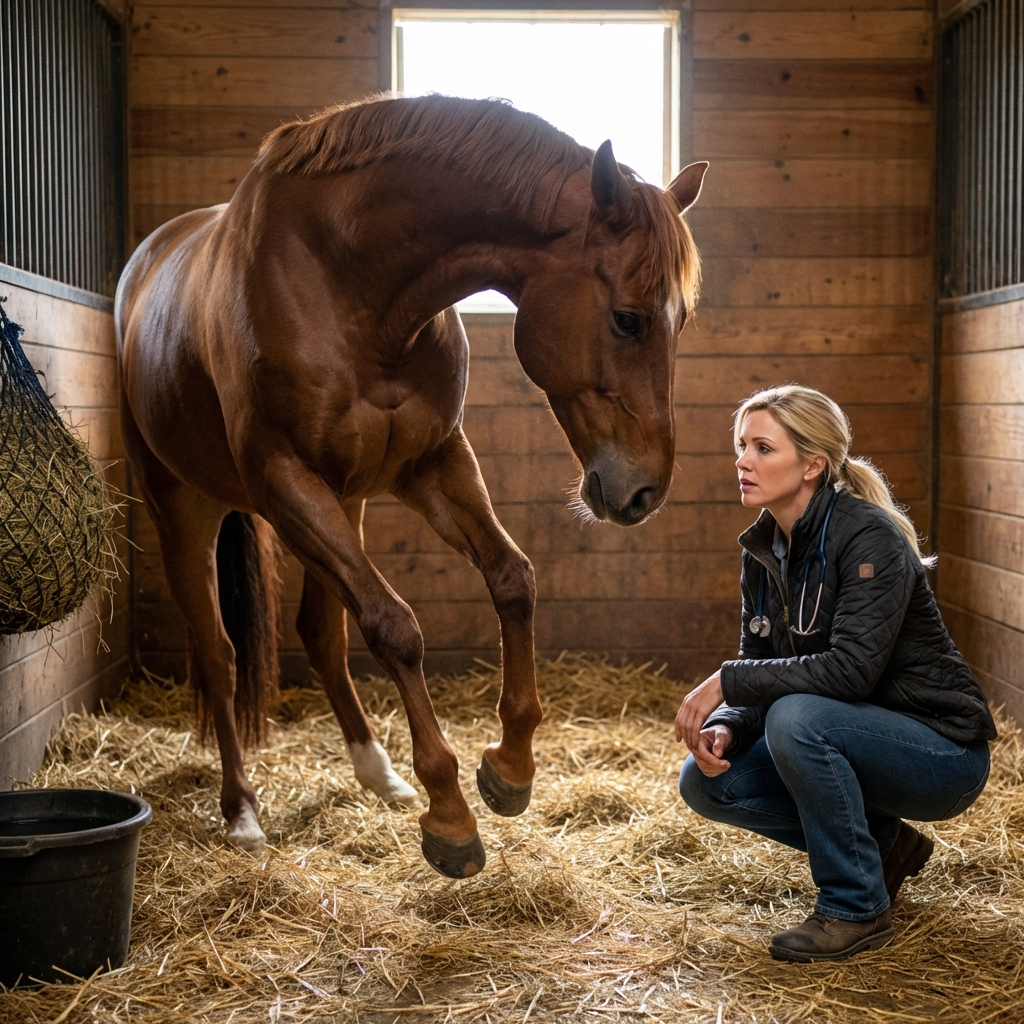
- Laminitis or repeated hoof soreness
- Muscle loss over the topline
- Pot-bellied appearance from muscle changes
- Excess sweating or trouble handling heat, especially with hypertrichosis
- Increased drinking and urination
Early signs
- Low energy or “not quite themselves”
- More frequent infections (skin, sinus, dental issues)
- Slow wound healing
- Unexplained weight changes or abnormal fat pads
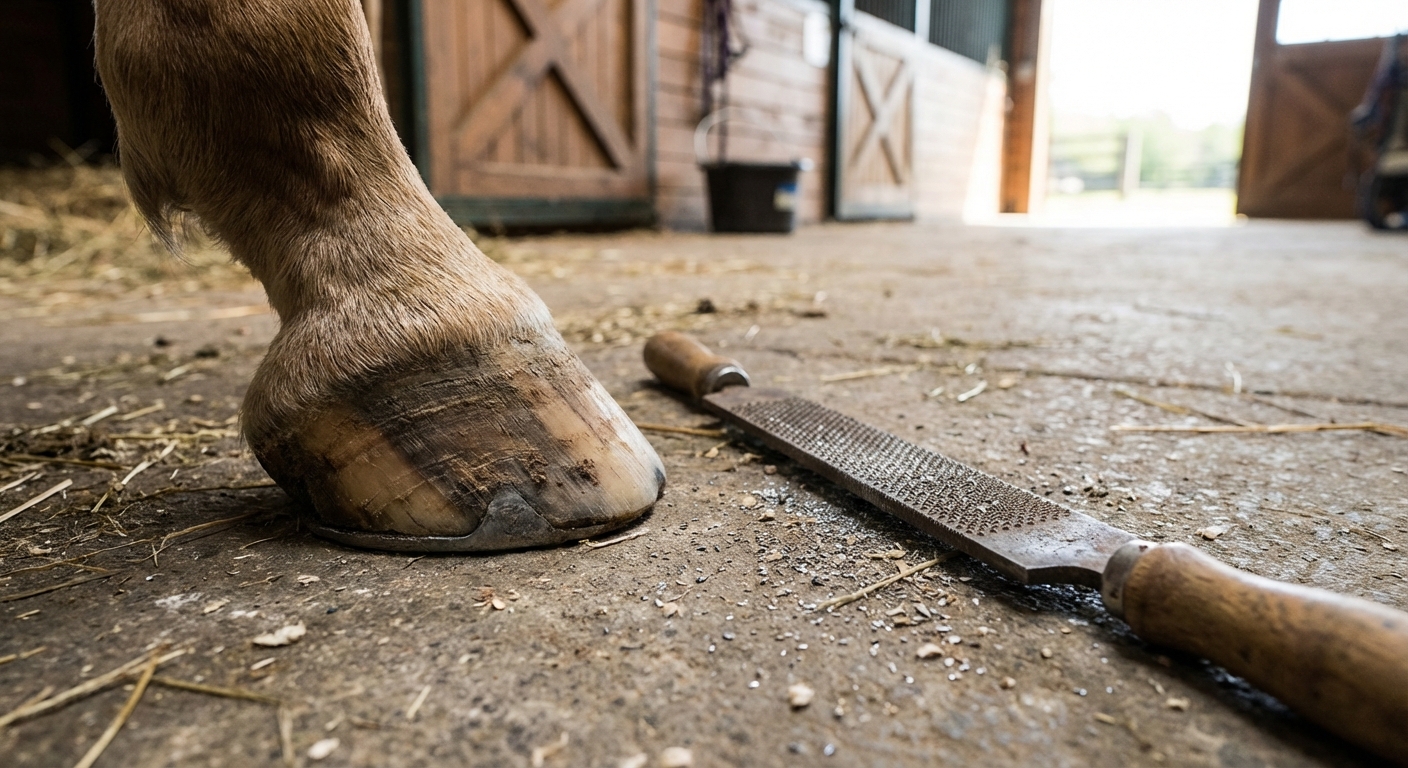
If laminitis is on the table, treat it like an urgent issue and call your veterinarian promptly. Laminitis can become life-changing if not addressed early.
Laminitis risk
One of the biggest concerns with PPID is its relationship with insulin dysregulation. Some horses with PPID also have insulin dysregulation, and high insulin is strongly linked to laminitis.
It is also important to know that laminitis risk is often influenced by overlapping conditions like equine metabolic syndrome (EMS). A horse can have PPID, EMS, or both, and the management plan may change depending on which pieces are present. This is why insulin testing is so valuable.
This is why good care is not just about the pituitary gland. It is also about managing:
- Dietary sugars and starches
- Body condition and weight
- Pasture exposure
- Any underlying insulin issues
Diagnosis
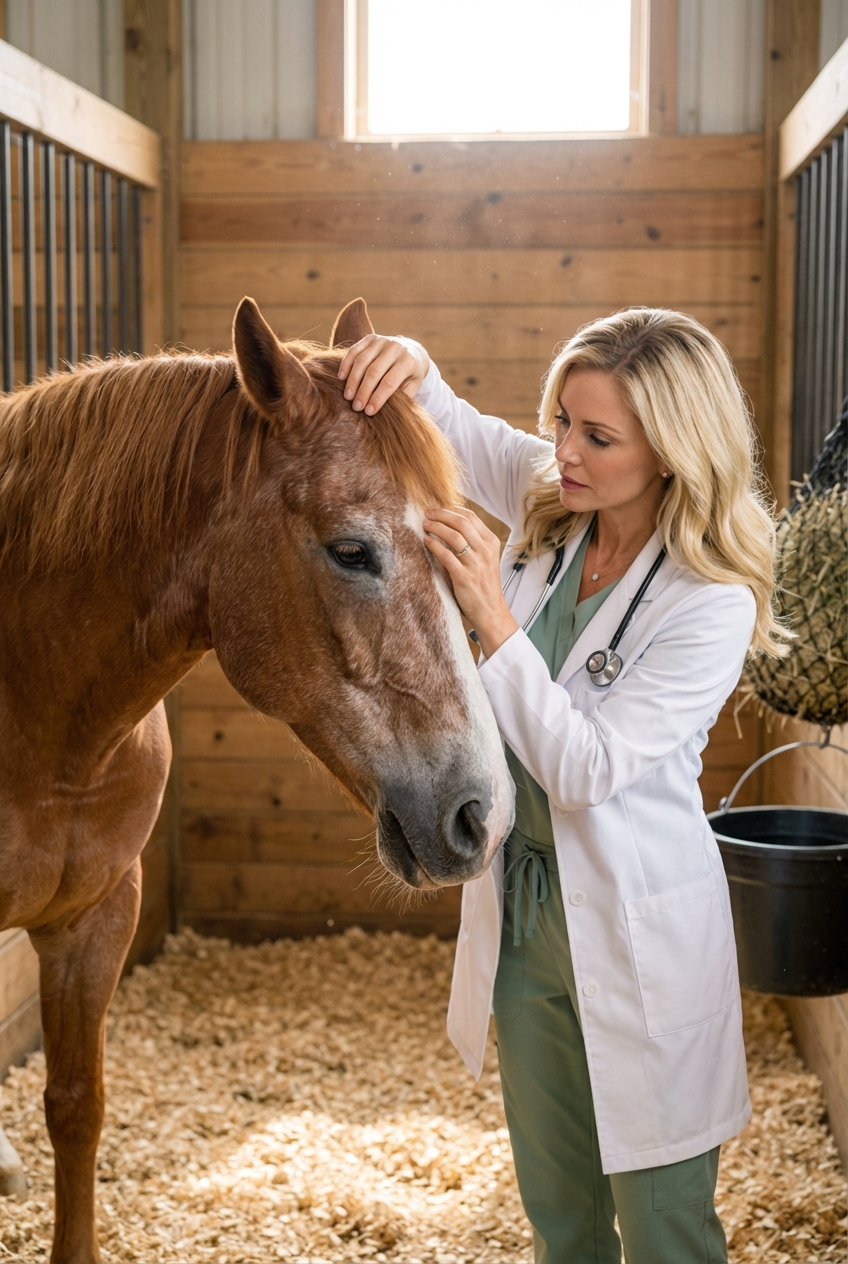
Diagnosis usually involves a veterinary exam plus blood testing. Your veterinarian will choose the best test based on your horse’s symptoms, the time of year, and overall health.
Common tests
- ACTH blood test: Often used as a screening test. Results must be interpreted with season in mind because ACTH naturally rises in the fall. Many labs use seasonally adjusted reference ranges.
- TRH stimulation test: Can be more sensitive for early PPID in some cases, but it is not ideal for every horse or every situation.
One more nuance that matters: pain, illness, and stress can affect ACTH results. If your horse is actively dealing with laminitis or another illness, your veterinarian may time testing carefully or recommend repeat testing.
Practical tip: if your horse has strong clinical signs but borderline labs, your vet may recommend repeating testing or discussing a treatment trial. PPID can be dynamic, especially early on.
Donkey note: Donkeys can present a little differently, and ACTH interpretation may not be identical to horses. Your veterinarian will guide test choice and interpretation.
Treatment
Once PPID is confirmed, treatment focuses on improving quality of life, reducing complications, and lowering laminitis risk where possible.
Pergolide (Prascend)
The primary medication for PPID is pergolide, commonly known by the brand name Prascend. It helps regulate the abnormal hormone signaling from the pituitary gland.
Many horses show improvements in:
- Hair coat shedding
- Energy and attitude
- Immune resilience
- Laminitis risk when combined with appropriate diet management
Most horses need ongoing treatment long-term, and dosing is individualized. A “start low, go slow” approach is common, with veterinary guidance and follow-up bloodwork to confirm the dose is appropriate.
The “pergolide veil”
Some horses develop decreased appetite or mild depression when starting pergolide or increasing the dose. This is often called the “pergolide veil.” It is often temporary, but any significant appetite change should be taken seriously. If this happens, call your veterinarian. Many times the solution is adjusting the dose, ramping up more slowly, or changing how it is given.
Hoof care and pain control
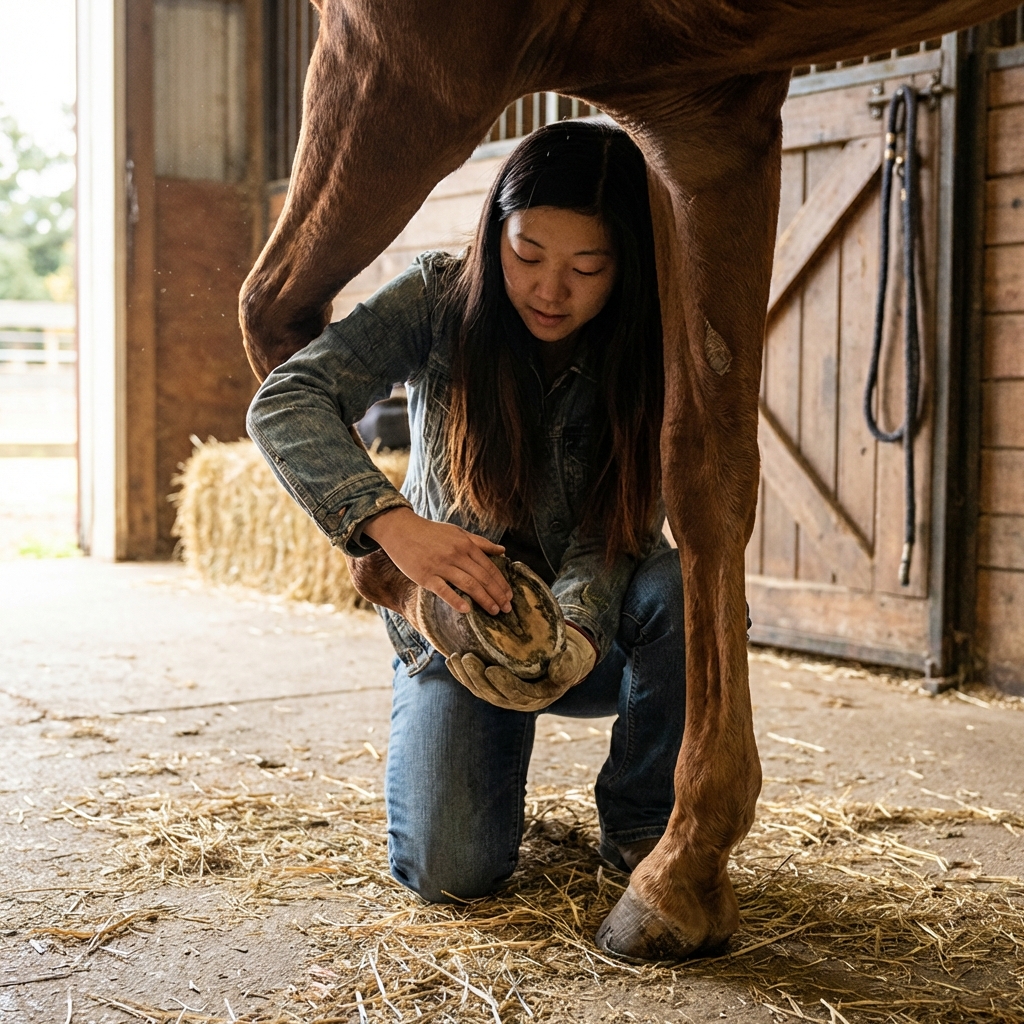
If laminitis is present or suspected, your vet and farrier should work closely together. Supportive trimming, appropriate shoeing or boots, stall rest when needed, and pain control can be crucial.
Nutrition and daily care
Good management is not about perfection. It is about consistent choices that reduce hormone and insulin stress on your horse’s body.
Feeding basics
- Base the diet on low non-structural carbohydrate (NSC) forage when insulin dysregulation is a concern.
- Soak hay if your veterinarian recommends it to reduce water-soluble sugars.
- Limit grain and sweet feeds unless specifically needed for a hard-keeper under veterinary guidance.
- Use a ration balancer or vitamin-mineral supplement to cover nutritional gaps without adding lots of calories.
- Watch treats: choose low-sugar options and keep quantities small.
Because individual needs vary, it is best to ask your veterinarian about testing for insulin dysregulation (and whether additional testing for EMS is appropriate) and reviewing your specific hay and feed.
Pasture strategies
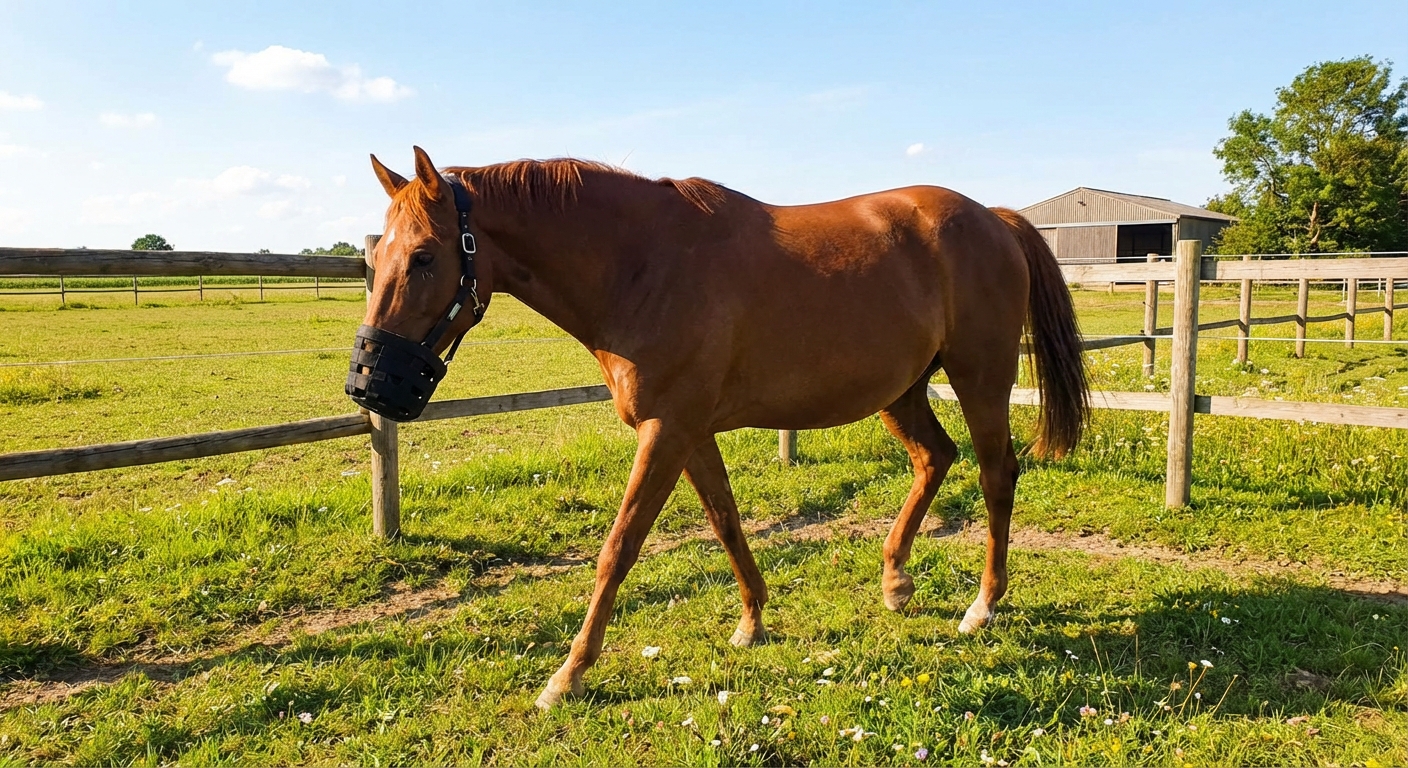
Pasture can be tricky because grass sugar levels change with season, temperature, sunlight, and stress on the grass. If your horse is laminitis-prone:
- Use a grazing muzzle if recommended
- Consider dry-lot turnout with controlled forage
- Avoid turnout during higher-risk times based on your region and your vet’s advice
Clipping and infection control
PPID horses can struggle to shed and can overheat easily, especially those with hypertrichosis. Many owners find seasonal body clipping improves comfort and helps prevent skin issues.
- Clip as needed to prevent sweating and overheating.
- Groom regularly to monitor for rain rot, fungus, and wounds.
- Stay ahead of dentistry because dental pain can worsen weight loss and immune stress.
- Keep vaccines and parasite control up to date based on your vet’s recommendations, since immune function can be weaker with PPID.
Monitoring at home
You do not need complicated tools to do a great job. A simple routine goes a long way.
Weekly checks
- Body condition and topline changes
- Water intake changes or unusually wet bedding
- Coat shedding progress and sweating
- Hoof heat, digital pulse, and comfort on turns
Veterinary checks
- ACTH or other follow-up testing as directed, using your lab’s seasonal guidance
- Recheck labs after dose changes on your veterinarian’s timeline, often after several weeks
- Review of diet and hay source changes
- Farrier schedule consistency
If your PPID horse has had laminitis before, do not wait for “obvious” lameness. Subtle soreness and a stronger digital pulse can be early warning signs.
Prognosis
For many horses, PPID becomes a manageable condition rather than a constant crisis. The best outcomes usually happen when owners and veterinarians work together on:
- Early diagnosis
- Appropriate pergolide dosing
- Low-sugar feeding when needed
- Proactive hoof care
- Regular monitoring and adjustments
If you are feeling overwhelmed, start with the basics: confirm the diagnosis, protect the feet, and tighten up the diet. Those three steps alone can make a dramatic difference.
Call the vet now
- Any signs of laminitis: reluctance to move, rocking back on heels, strong digital pulse, heat in the feet
- Sudden or significant loss of appetite after starting or changing pergolide
- Rapid weight loss, lethargy, or fever
- Non-healing wounds or repeated infections
- Marked increase in drinking and urination
Your veterinarian can tailor testing and treatment, and can help you set realistic management goals that fit your horse and your barn routine.