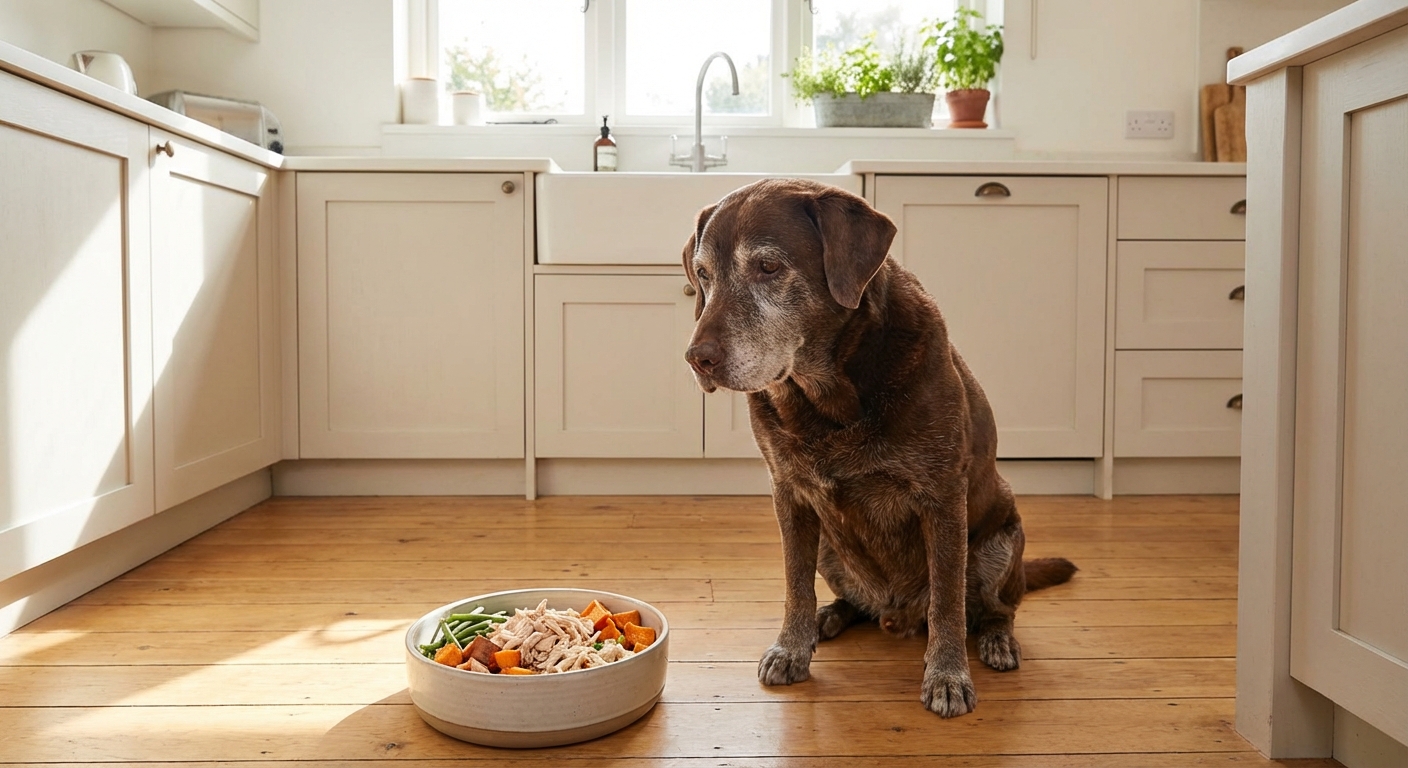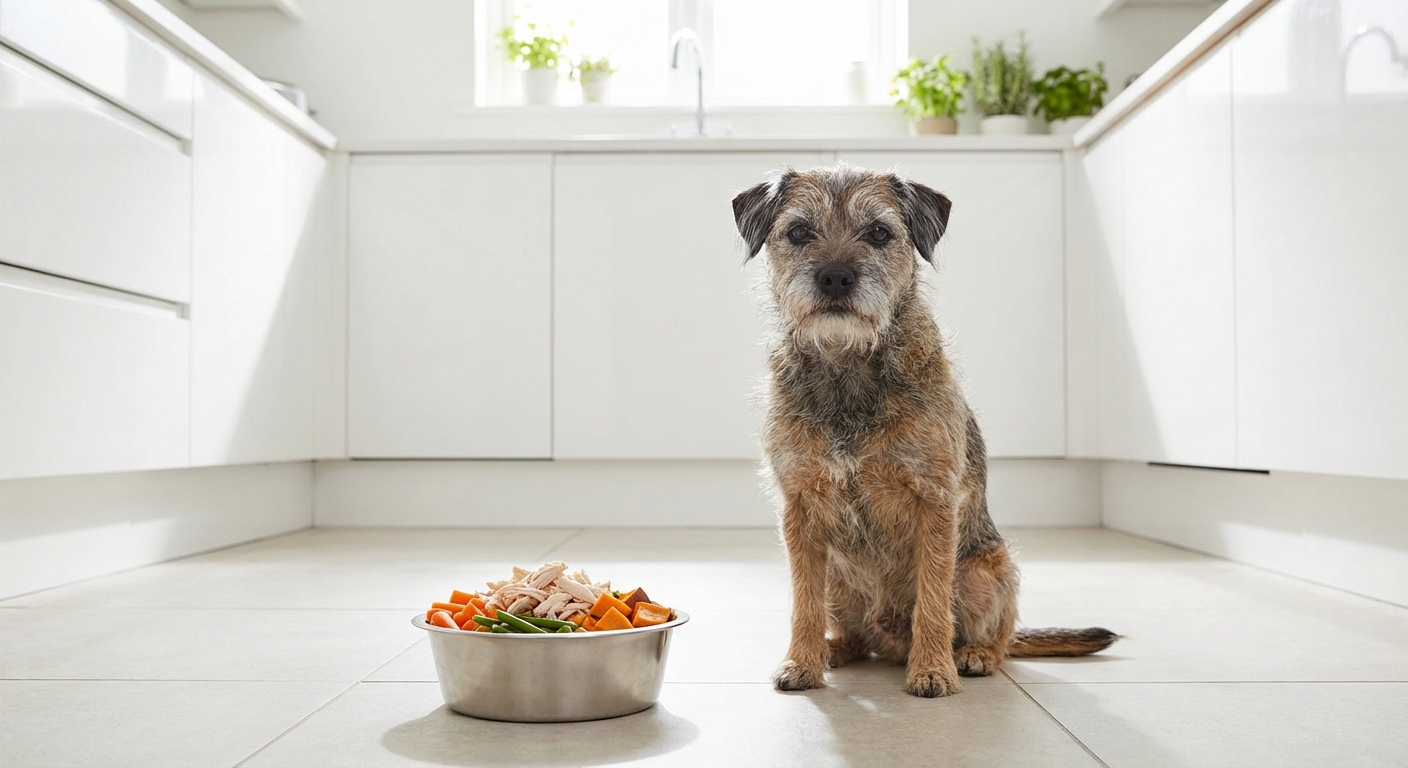
Support a dog with Cushing’s disease using lean proteins, fiber-rich vegetables, smart carbs, and controlled fats. Get label tips, treat ideas, and safe fe...
Article
•
Designer Mixes
Cushing’s Disease in Dogs: Symptoms, Tips, and Vet-Approved Advice

Shari Shidate
Designer Mixes contributor
Cushing’s disease can feel confusing at first, especially because the early signs often look like “just getting older.” But the good news is this: with the right diagnosis and a thoughtful plan, many dogs with Cushing’s live happy, comfortable lives.
As a veterinary assistant, I have seen how much relief families feel once they understand what’s going on and what steps to take next. Let’s walk through vet-recommended symptoms, testing, treatment options, and practical at-home tips you can start today.
What it is
Cushing’s disease, also called hyperadrenocorticism, happens when a dog’s body makes too much cortisol over time. Cortisol is a normal, necessary hormone. It helps with stress response, metabolism, blood sugar regulation, and inflammation control. Chronic excess cortisol can strain nearly every body system.
Main types
- Pituitary-dependent Cushing’s (most common): A small tumor in the pituitary gland signals the adrenal glands to produce excess cortisol.
- Adrenal-dependent Cushing’s: A tumor in one adrenal gland produces excess cortisol.
- Iatrogenic Cushing’s: Caused by long-term corticosteroid use (like prednisone). These medications can create signs of excess cortisol and suppress the body’s normal hypothalamic-pituitary-adrenal (HPA) axis.
Who is at risk
Cushing’s is most often diagnosed in middle-aged to older dogs. Many affected dogs are smaller breeds, though any breed can develop it. Cats can get Cushing’s too, but it is rare.
Symptoms
Many signs develop slowly, so they are easy to miss. These are the most common symptoms veterinarians look for:
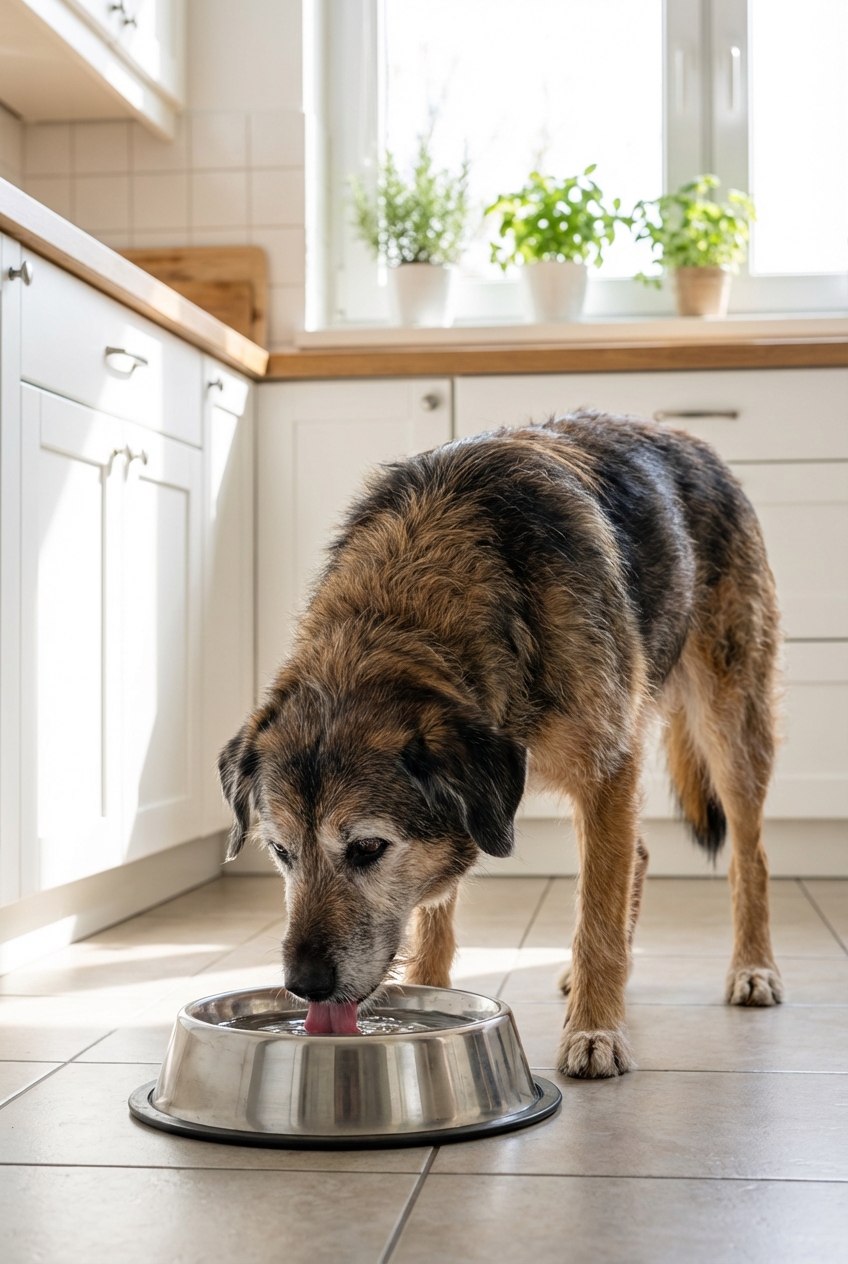
- Increased thirst and increased urination
- Increased appetite, often acting constantly hungry
- Pot-bellied appearance from muscle weakness and fat redistribution
- Panting more than usual, even at rest
- Hair loss or thinning coat, often on the body (not usually itchy)
- Thin skin, easy bruising, slower wound healing
- Recurring infections (skin infections, ear infections, urinary tract infections)
- Low energy, decreased interest in play or walks
- Muscle loss, especially over the back and hind end
Important note: These symptoms can overlap with diabetes, kidney disease, thyroid issues, liver disease, and even certain medications. That is why testing matters.

When it is urgent
Most Cushing’s cases are not a sudden emergency. But complications can become urgent. Contact your veterinarian or an emergency clinic right away if you notice:
- Collapse, severe weakness, or trouble standing
- Repeated vomiting or diarrhea, especially with lethargy
- Labored breathing or extreme panting that does not settle
- Sudden blindness or disorientation (this can happen with high blood pressure)
- Signs of a painful abdomen, pacing, or crying out
- Blood in urine or inability to urinate
Dogs with Cushing’s may be at increased risk for high blood pressure, blood clots, pancreatitis, and infections. Your veterinarian will help assess your dog’s individual risk and what monitoring makes the most sense.
How vets diagnose it
There is no single “perfect” test for every dog. Veterinarians typically combine history, exam findings, screening lab work, and one or more hormone tests.
Step 1: Screening tests
- Blood chemistry and CBC: may show elevated liver enzymes (especially ALP), cholesterol changes, stress leukogram, and other patterns.
- Urinalysis: may show dilute urine and sometimes urinary infection.
- Urine culture: often recommended because some dogs have UTIs without obvious symptoms.
Step 2: Hormone tests
- ACTH stimulation test: often used to diagnose and to monitor certain medications. Helpful, but can miss some cases.
- Low-dose dexamethasone suppression test (LDDST): commonly used to diagnose and can sometimes suggest pituitary versus adrenal origin, but it is not definitive.
- Urine cortisol:creatinine ratio: usually a screening tool. A normal result makes Cushing’s less likely, but a high result does not confirm it on its own.
Step 3: Imaging
- Abdominal ultrasound: helps evaluate adrenal glands, liver, gallbladder, and other organs.
- Advanced imaging (CT or MRI): sometimes recommended, especially for adrenal tumors or complex pituitary cases.
If your dog’s results are borderline, it does not mean your vet is “unsure.” It often means Cushing’s is a nuanced diagnosis, and your vet is working to avoid treating the wrong condition.
Treatment options
Treatment depends on the type of Cushing’s, the severity of symptoms, and your dog’s overall health. Your veterinarian will tailor a plan that balances symptom control with safety. Some dogs with very mild signs may be monitored without starting medication right away. That decision is always case-by-case.
Medication
- Trilostane: commonly prescribed to reduce cortisol production. It is used for many dogs with pituitary-dependent Cushing’s and is also used in some adrenal-dependent cases when appropriate. It requires regular monitoring because dosing needs to be individualized.
- Mitotane: another medication option used for pituitary-dependent Cushing’s and, in some situations, for adrenal tumors when surgery is not an option. It has a different risk profile and monitoring plan.
Why monitoring matters: The goal is not to remove all cortisol. Your dog needs cortisol. The goal is to bring cortisol into a healthier range while improving day-to-day symptoms. That is why vets schedule rechecks and hormone testing after starting or adjusting medication.
Surgery
When Cushing’s is adrenal-dependent and a tumor is confined to one adrenal gland, surgery may be an option and can be curative in many cases. This is a specialty procedure and depends on tumor location, spread, and your dog’s surgical risk.
If steroids caused it
For iatrogenic Cushing’s, your vet will typically create a plan to gradually taper steroids. Never stop steroids abruptly without veterinary guidance because it can cause dangerous hormone imbalances.
Medication side effects to watch for
Call your veterinarian promptly if your dog develops vomiting, diarrhea, loss of appetite, unusual tiredness, trembling, weakness, or collapse after starting or changing medication. These can be signs that cortisol has dropped too low (hypoadrenocorticism), which can become an emergency.

Home care tips
Alongside veterinary treatment, supportive home routines can make a big difference in comfort and safety.
1) Track thirst and bathroom habits
Increased drinking and urination are hallmark signs. Once treatment starts, changes in thirst and urination are often part of how your veterinarian evaluates progress.
- Keep fresh water available at all times.
- Offer more frequent potty breaks to prevent accidents and UTIs.
- Tell your vet if your dog suddenly drinks far less or seems weak, as that can signal cortisol has dropped too low.
2) Support muscle and mobility
Cushing’s can cause muscle loss and weight gain. Aim for gentle, consistent activity.
- Choose short, low-impact walks more often instead of one long outing.
- Use rugs or traction mats at home if floors are slippery.
- Ask your vet if a rehab or senior-strength program is appropriate.
3) Feed for steady energy
There is no one “Cushing’s diet” that fits every dog, but these general vet-friendly goals are common: maintain a healthy weight, support lean muscle, and avoid excessive treats that drive calorie creep.
- Prioritize high-quality protein appropriate for your dog’s kidney and liver status.
- Measure meals, and use part of the daily food as treats.
- Choose treats with simple ingredients, and limit high-fat snacks if your dog has a pancreatitis history.
If you want to add fresh, whole foods, go slowly and check with your veterinarian first, especially if your dog has other diagnoses like diabetes, kidney disease, or pancreatitis.
4) Watch skin and coat
Because cortisol affects immunity and skin integrity, many dogs get recurring infections.
- Check for new bumps, scabs, odor, redness, or excessive flaking.
- Keep grooming gentle, and avoid harsh shampoos unless prescribed.
- Ask your vet about medicated shampoo routines if infections are frequent.
5) Keep a simple journal
This helps your veterinarian adjust medication with confidence.
- Thirst level
- Urination frequency
- Appetite changes
- Panting and restlessness
- Energy and mobility
- Skin changes
What to expect
Most families want to know: “When will my dog feel better?” Improvement is often gradual.
- Thirst and urination: often improve within weeks when medication and dose are a good fit.
- Appetite and panting: may decrease over time.
- Skin and coat: hair regrowth can take months.
- Muscle strength: rebuilding can take time, especially in seniors.
Your veterinarian will likely schedule follow-up testing and adjust the plan based on how your dog is doing clinically, not just by numbers on a lab report.
What else your vet may monitor
Cushing’s can come with other issues that are important to catch early. Depending on your dog, your veterinarian may recommend monitoring for:
- High blood pressure
- Protein in the urine (proteinuria)
- Diabetes
- Gallbladder disease, including concern for gallbladder mucocele in some dogs
- Silent UTIs with periodic urine testing or cultures
Questions to ask
If you suspect Cushing’s or your dog was just diagnosed, these questions can help you feel grounded:
- Which type of Cushing’s do you suspect, and why?
- Which test do you recommend first, and what will it tell us?
- What monitoring schedule should I expect after starting medication?
- What side effects should I watch for at home?
- Do we need to screen for urinary tract infection or high blood pressure?
- Are there other conditions we should rule out (diabetes, hypothyroidism, kidney disease)?
If something feels “off” after starting treatment, trust your instincts and call your vet. The safest Cushing’s plans are the ones adjusted with good communication and good follow-up.
Bottom line
Cushing’s disease is manageable, and you are not behind if you are just now putting the puzzle pieces together. If your dog is drinking more, urinating more, panting, gaining a pot belly, or losing hair, it is worth booking a veterinary visit and asking about Cushing’s testing. With the right treatment and supportive habits at home, many dogs regain comfort, energy, and quality of life.