
Support a dog with Cushing’s disease using lean proteins, fiber-rich vegetables, smart carbs, and controlled fats. Get label tips, treat ideas, and safe fe...
Article
•
Designer Mixes
Cushing’s Disease in Dogs: Life Expectancy and Prognosis

Shari Shidate
Designer Mixes contributor
If your dog was just diagnosed with Cushing’s disease, it is completely normal to jump straight to one question: How much time do we have? As a veterinary assistant in Frisco, Texas, I have seen how scary this diagnosis feels at first. I work alongside our veterinarians, and one thing I can tell you with confidence is this: many dogs with Cushing’s can live comfortably for years, especially when the condition is caught earlier and managed consistently.
Quick note: This article is for education and support. It is not a substitute for veterinary care. Your veterinarian is the best person to guide diagnosis, medication dosing, and monitoring for your dog’s specific case.
Below, I will walk you through typical life expectancy ranges, how treatment can change the outlook, what “early” versus “late” stage often means in real life, and what quality-of-life signs you can track at home to make sure you are headed in the right direction.

Quick overview
Cushing’s disease, also called hyperadrenocorticism, happens when a dog’s body produces too much cortisol over a long period of time. Excess cortisol affects nearly every organ system, including the liver, kidneys, skin, muscles, immune system, and cardiovascular system.
Most dogs do not pass away suddenly from Cushing’s itself. What shortens life expectancy is usually one of these issues:
- Complications such as high blood pressure, blood clots, infections, pancreatitis, or worsening diabetes
- Progressive weakness and muscle wasting that reduces mobility and resilience
- In adrenal tumor cases, tumor behavior and whether surgery is an option
Practical bottom line: with diagnosis, monitoring, and appropriate treatment, many dogs maintain a good quality of life, often for multiple years.
Life expectancy after diagnosis
Every dog is unique, but veterinary studies and everyday clinical experience generally support this takeaway:
- Many treated dogs live 1.5 to 3 years or longer after diagnosis in published reports, and some live significantly longer. The biggest drivers are how early the disease is caught, how well cortisol is controlled, and what other health conditions your dog has.
- Untreated Cushing’s can still allow a dog to live for some time, but the risk of complications rises and quality of life often declines faster.
Age at diagnosis matters too. Cushing’s is commonly diagnosed in middle-aged to senior dogs, so lifespan is also influenced by other age-related conditions like arthritis, heart disease, kidney disease, and cancer.
What I tell families: focus less on one exact number and more on whether your dog is responding to therapy and staying comfortable, active, and engaged with life.
Pituitary vs adrenal
Cushing’s is usually caused by either a pituitary gland tumor or an adrenal gland tumor. The type affects both treatment options and long-term outlook.
Pituitary-dependent Cushing’s (PDH)
This is the most common form in dogs. A small tumor in the pituitary gland signals the adrenal glands to produce excess cortisol.
- Typical treatment: medical management with drugs like trilostane (and in some cases mitotane).
- Prognosis: many dogs do very well when cortisol is controlled and monitoring is consistent.
- Special consideration: a small percentage of pituitary tumors can enlarge over time, leading to neurologic signs. When that happens, the prognosis can worsen and treatment plans may change.
Adrenal-dependent Cushing’s (ADH)
This occurs when a tumor in one adrenal gland produces excess cortisol.
- Treatment options: surgery (adrenalectomy) is often considered the preferred option for a unilateral adrenal tumor when the dog is a good candidate and the tumor appears operable. Medical management is commonly used when surgery is not possible, while staging is underway, or when risks outweigh benefits.
- Prognosis varies more than pituitary Cushing’s because adrenal tumors can be benign or malignant, and surgery is complex.
General pattern:
- If the adrenal tumor is benign and removable, surgery may offer an excellent outcome.
- If the tumor is malignant, invasive, or has spread, prognosis is more guarded and depends on tumor type, location, and overall health.
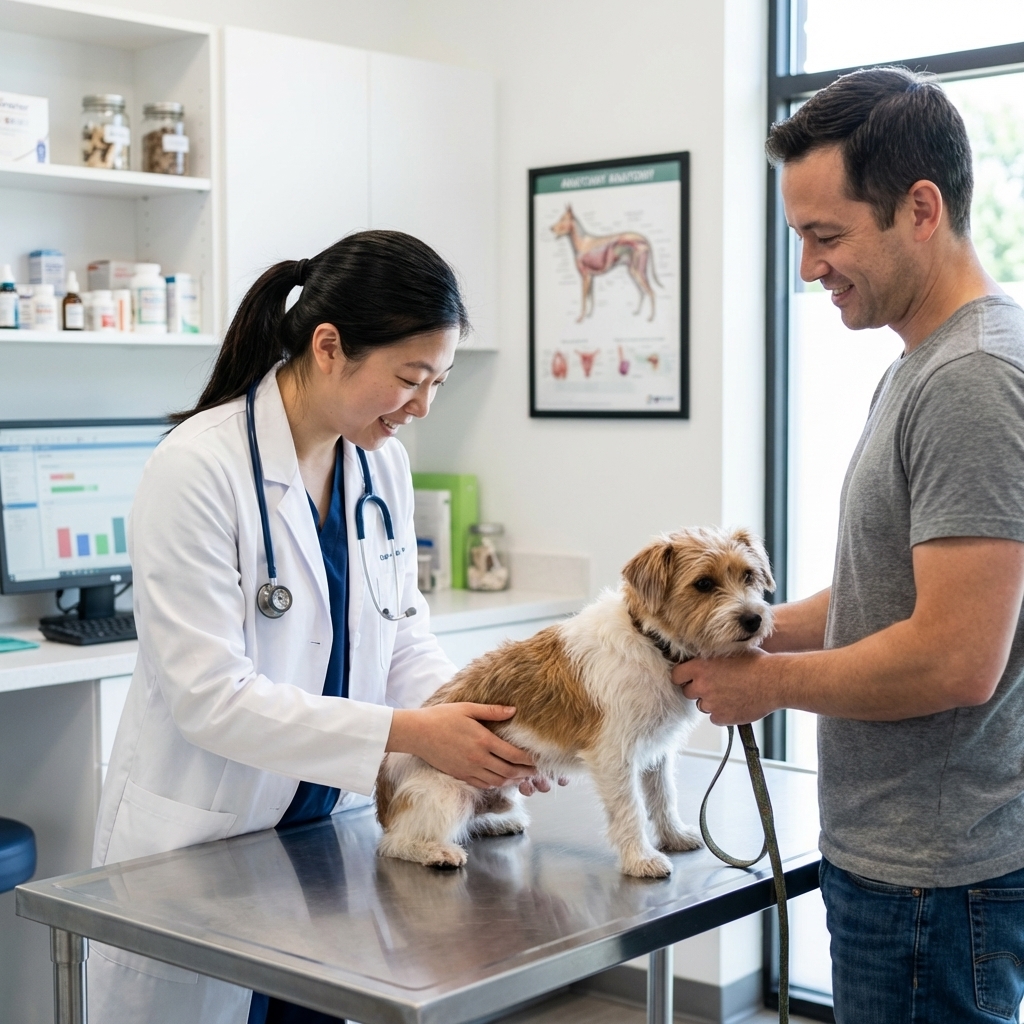
How treatment changes prognosis
Treatment is not only about adding time. It is about giving your dog better days.
Medical management
For many dogs, controlling cortisol improves:
- Excess thirst and urination
- Constant hunger and food-seeking
- Panting and restlessness
- Pot-bellied appearance and muscle weakness over time
- Recurring skin and ear infections
Monitoring is what makes treatment safe and effective. Medications like trilostane have a narrow “sweet spot.” Too little control means symptoms continue. Too much control can cause dangerously low cortisol (hypoadrenocorticism), which can be an emergency.
When should you expect improvement? Many families notice changes in thirst, urination, appetite, and panting within days to a few weeks once the dose is in the right range. Skin and coat changes usually take longer, often weeks to months.
Your veterinarian may use scheduled lab testing, symptom tracking at home, or both. Depending on the clinic and your dog’s plan, monitoring might include an ACTH stimulation test, timed cortisol checks (such as pre-pill and post-pill protocols for trilostane), blood chemistry, electrolytes, urinalysis, blood pressure, and screening for urine protein.
Surgery
For adrenal-dependent Cushing’s, adrenalectomy can be very effective in the right candidate. It is a specialty-level procedure with real risks, so your veterinarian may refer you to a boarded surgeon and often recommend advanced imaging first (such as ultrasound or CT) to assess invasiveness.
If surgery is successful and the tumor is not aggressive, dogs may do very well long term. If surgery is not possible, medical management can still provide symptom relief, but prognosis depends heavily on tumor behavior and complications.
Early vs late stage
Owners often ask what “early” and “late” stage means, because the disease is not officially staged the way some cancers are. In day-to-day veterinary medicine, we usually mean this:
Earlier in the disease
- Symptoms are present but complications are limited
- Lab changes are mild to moderate
- Dog still has better muscle tone and energy
- Blood pressure, blood sugar, and kidney-related markers like urine protein are more stable
Prognosis tends to be better because treatment is started before cortisol has strained multiple systems.
Later in the disease
- More severe muscle wasting, weakness, or trouble standing and climbing stairs
- Repeated infections, poor skin healing, thin skin, hair loss
- Secondary conditions like diabetes, hypertension, protein in the urine (proteinuria), pancreatitis, gallbladder disease, or increased clot risk
- Possible neurologic changes if a pituitary tumor enlarges
Prognosis can be more guarded, but many dogs can still improve with treatment. The goal becomes a mix of longevity and comfort, with careful attention to quality-of-life signals.
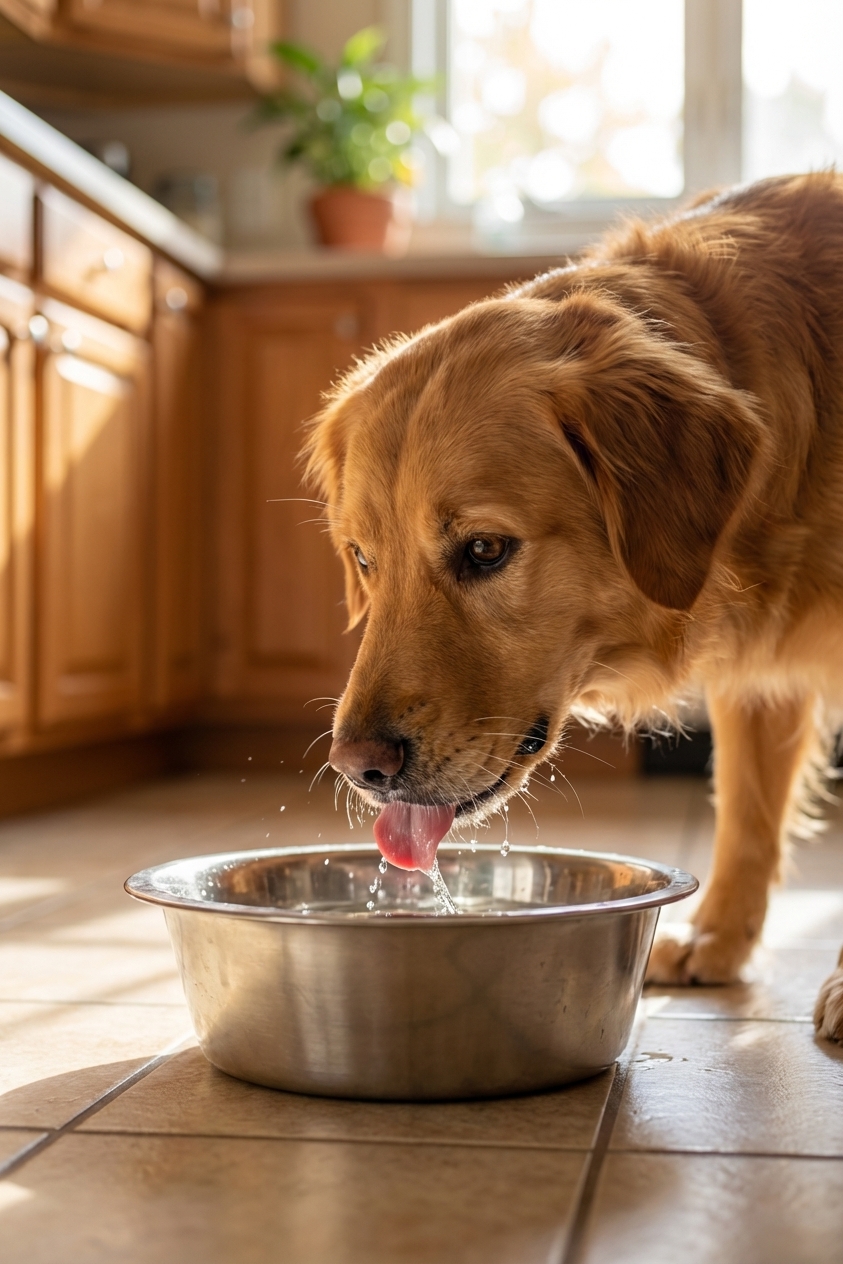
Tests you may hear about
If you are trying to make sense of the next steps, it helps to know the names of a few common tests. Your veterinarian will choose based on your dog’s symptoms, overall health, and what is available locally.
- Screening and confirmation: ACTH stimulation test or a low-dose dexamethasone suppression (LDDS) test
- Clues about the source (pituitary vs adrenal): abdominal ultrasound, endogenous ACTH, and sometimes additional hormone testing
- Staging and safety checks: bloodwork, urinalysis and urine culture, urine protein screening, and blood pressure checks. Advanced imaging (CT) is more common when adrenal tumor surgery is being considered.
If you ever feel lost in the alphabet soup, it is okay. A good question is: “What is this test telling us, and how will it change the plan?”
Quality of life at home
You know your dog best. One of the most helpful things you can do is track a few simple signals weekly, then bring that information to your veterinarian. It helps fine-tune medication and spot complications early.
Signs treatment is working
- Thirst and urination decrease steadily (even if they do not fully normalize right away)
- Appetite becomes reasonable rather than frantic
- Panting decreases, especially at rest
- Energy improves and your dog seeks interaction again
- Coat and skin improve over weeks to months
- Weight stabilizes and muscle tone slowly returns with safe activity
Red flags to call your vet
- Sudden vomiting, diarrhea, collapse, extreme lethargy (possible cortisol suppression or another urgent issue)
- Not eating or refusing water
- Weakness that worsens quickly
- Labored breathing or persistent coughing
- Sudden vision changes or disorientation
- Signs of infection like pustules, foul skin odor, frequent urination accidents, or ear debris
If your dog is on trilostane or mitotane, do not wait on severe symptoms. These medications can be very safe when used correctly, but they must be adjusted promptly if your dog shows warning signs.
What most often limits lifespan
In my experience, families do best when we name the likely risks upfront and watch for them together. Common life-limiting factors include:
- Thromboembolism (blood clots)
- Hypertension and related organ strain
- Protein in the urine (proteinuria) and chronic kidney disease that may be unmasked or complicated by Cushing’s and hypertension
- Diabetes mellitus (Cushing’s can worsen insulin resistance)
- Recurrent urinary tract infections and skin infections
- Pancreatitis
- Progressive neurologic signs in the subset with enlarging pituitary tumors
The good news is that many of these complications can be reduced with consistent veterinary monitoring, appropriate medications, and supportive lifestyle changes.
How you can help
Beyond medication, the day-to-day care you provide matters a lot.
- Keep recheck appointments and do recommended lab work on schedule. Cushing’s is a “manage and monitor” condition.
- Ask about blood pressure checks and urine protein screening if your clinic has not brought it up.
- Prevent infections by staying on top of dental care, grooming, ear cleaning (if needed), and prompt evaluation of skin changes.
- Support muscle and joints with gentle, consistent exercise that matches your dog’s stamina. Think short walks, not weekend warrior workouts.
- Feed with intention. Many dogs with Cushing’s do best with a veterinarian-approved plan that supports lean muscle, stable energy, and healthy weight.
If your dog has other diagnoses alongside Cushing’s, your veterinarian may adjust goals and dosing. That is not a setback. It is personalized medicine.
A note on steroid-related Cushing’s
Less commonly, Cushing’s signs can be caused by long-term steroid medication (this is sometimes called iatrogenic Cushing’s). The approach and prognosis can be different, because the goal is often to work with your veterinarian to reduce steroids safely when possible. Never stop steroids suddenly unless a veterinarian tells you to, because that can be dangerous.
When prognosis is guarded
Some situations truly do carry a tougher outlook, and it is compassionate to be honest about that while still focusing on comfort and good days:
- Adrenal tumors that are invasive or suspected malignant
- Dogs with multiple severe complications at diagnosis (uncontrolled diabetes, severe hypertension, repeated pancreatitis)
- Dogs who cannot tolerate standard medications despite careful adjustments
- Progressive neurologic signs suggesting a growing pituitary mass
If you are in this group, ask your veterinarian about referral options (internal medicine, surgery, oncology, neurology), and also ask about a palliative care plan. Palliative care does not mean giving up. It means prioritizing comfort, appetite, mobility, sleep, and dignity.
Questions to ask
Bring this list to your next visit if you want a clear, specific picture of your dog’s prognosis:
- Is my dog’s Cushing’s more likely pituitary or adrenal based on testing so far?
- What complications are we most concerned about in my dog’s case?
- What monitoring schedule do you recommend, and what test are you using to guide dosing?
- What changes at home should prompt an urgent call?
- If an adrenal tumor is suspected, do you recommend advanced imaging or referral?
- What is our goal right now: symptom control, longest possible survival, comfort, or a mix?
Bottom line
Cushing’s disease is serious, but it is often very manageable. Many dogs respond beautifully to treatment and go back to enjoying walks, meals, naps in the sunshine, and family time. Your role is not to predict the exact number of months or years. Your role is to notice changes early, keep up with monitoring, and advocate for your dog’s comfort and joy.
If you are feeling overwhelmed, take it one step at a time. Start with good monitoring, a solid medication routine, and a simple weekly symptom log. Those small actions add up to better days.