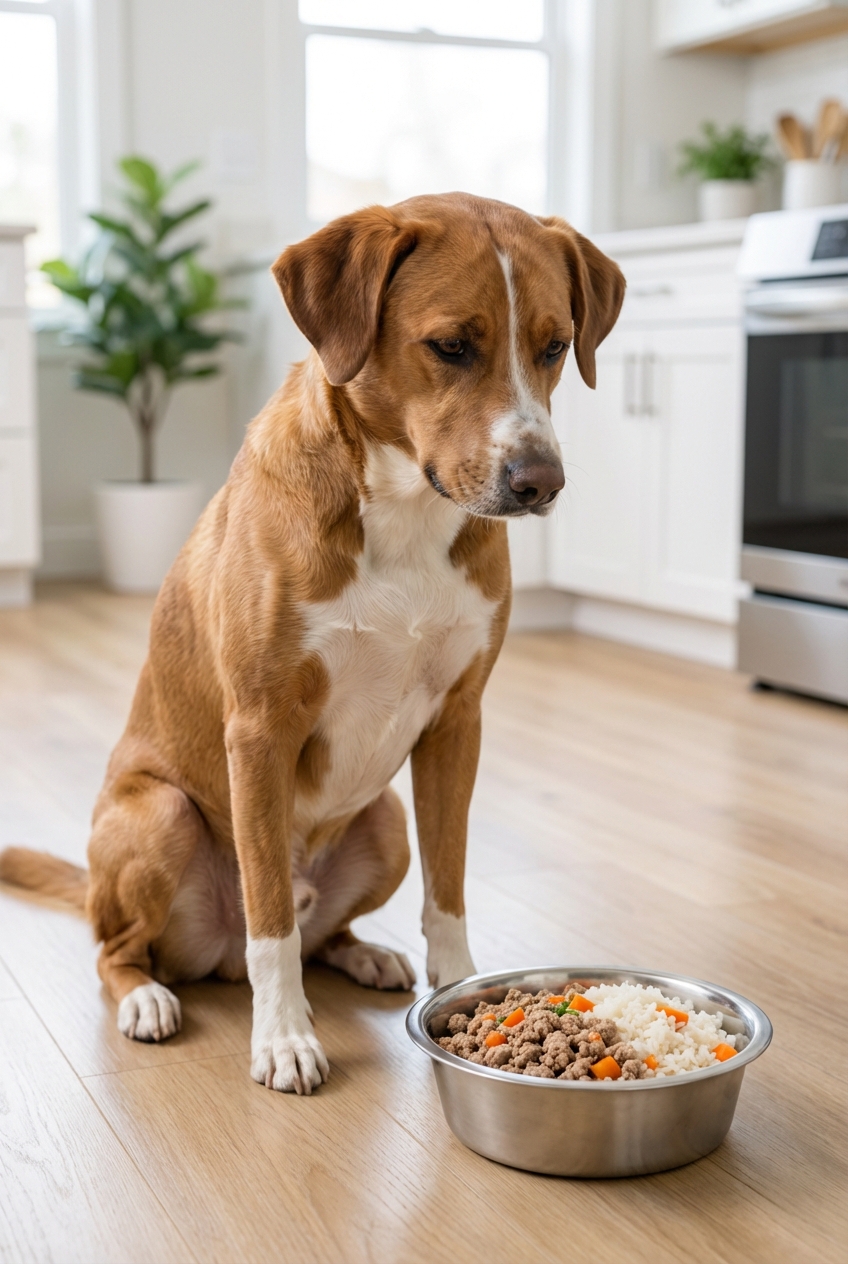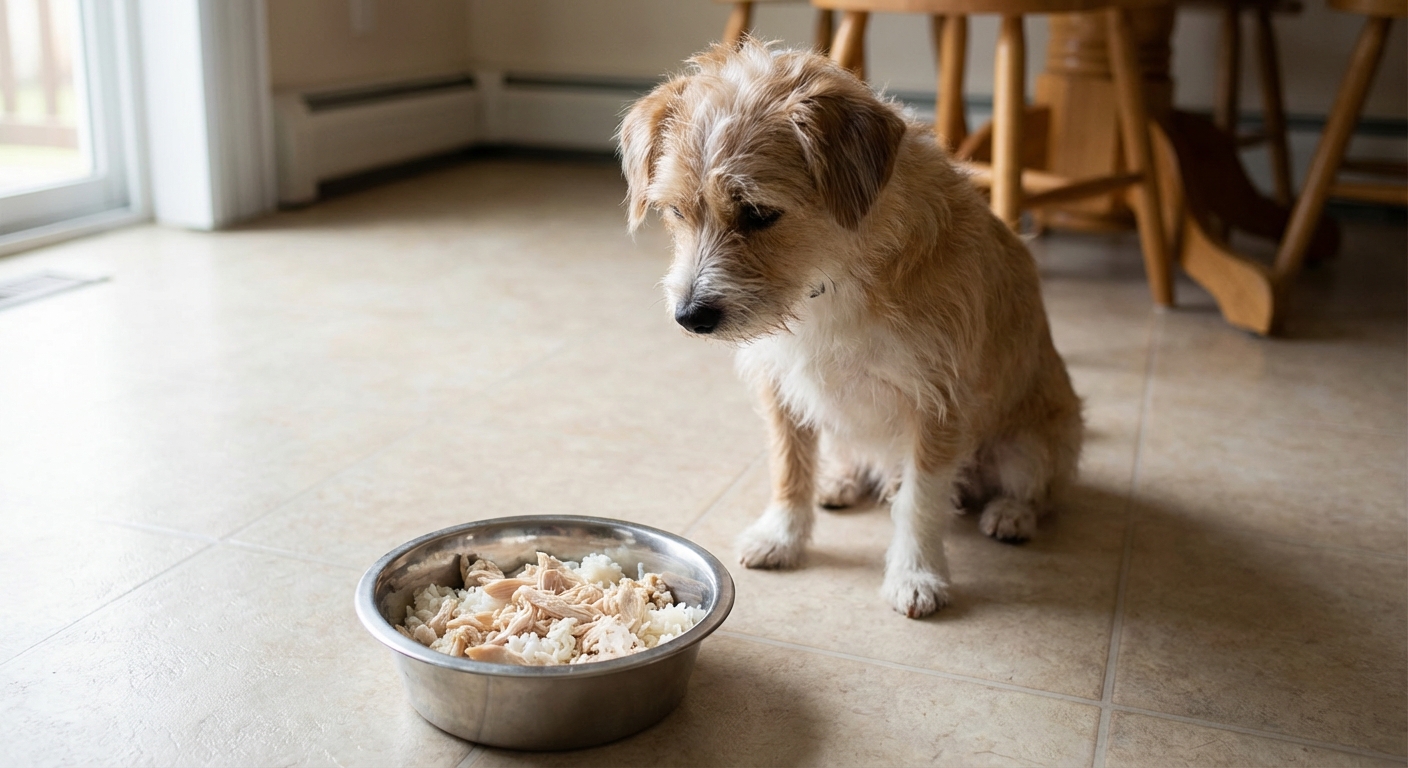
Cushing’s can cause relentless hunger in dogs. Learn vet-friendly diet goals, fiber add-ins, low-fat treat swaps, slow-feeding tools, and a 7-day reset to ...
Article
•
Designer Mixes
Cushing’s Disease Dog Diet: Best Foods to Choose

Shari Shidate
Designer Mixes contributor
Cushing’s disease can make even the happiest dogs feel like their body is stuck in “stress mode.” As a veterinary assistant here in Frisco, Texas, I’ve seen how the right diet does not cure Cushing’s, but it can absolutely support better energy, steadier weight, a healthier coat, and fewer digestive upsets.
The goal is simple: help your dog maintain lean muscle, avoid unnecessary fat gain, and keep blood sugar and inflammation as steady as possible. The best plan also depends on your dog’s full picture, including meds (like trilostane) and other issues such as diabetes, pancreatitis history, high triglycerides, or liver enzyme changes. Let’s walk through the best foods to choose, what to limit, and how to build meals (or pick a commercial food) with confidence.
Quick refresher: what Cushing’s changes
Cushing’s disease (hyperadrenocorticism) happens when the body produces too much cortisol over time, most commonly from a pituitary gland tumor or an adrenal gland tumor. Cortisol affects nearly every organ system.
Common nutrition-related challenges include:
- Increased appetite and food-seeking behavior
- Weight gain, especially around the belly
- Muscle loss and weakness
- Higher risk of high triglycerides (hyperlipidemia), and some dogs may also be more prone to pancreatitis
- More frequent infections and skin issues
- Potential insulin resistance and higher blood sugar in some dogs
Diet helps by supporting a healthier body composition and by reducing extra strain on the pancreas, liver, and gut.
Best foods to choose
1) Lean, high-quality protein
Because many Cushing’s dogs lose muscle, protein is a key part of the plan. Choose lean options to support muscle while avoiding unnecessary dietary fat.
- Chicken breast or turkey breast (skinless)
- Lean ground turkey (drain well after cooking)
- White fish like cod, pollock, tilapia (cooked, boneless)
- Lean beef cuts (sirloin, eye of round), cooked and trimmed
- Egg whites (or whole eggs occasionally if fat is tolerated)
Tip: If your dog has a history of pancreatitis or very high triglycerides, your veterinarian may recommend a specifically low-fat diet. In that case, protein choices and cooking methods matter even more.
2) Fiber-rich vegetables
Many dogs with Cushing’s feel hungry all the time. Non-starchy vegetables add volume and fiber with fewer calories, which can help your dog feel satisfied.
Offer vegetables cooked, lightly steamed, or pureed for easier digestion.
- Green beans
- Broccoli (small portions to prevent gas)
- Zucchini
- Cauliflower (small portions)
- Spinach or kale (moderation, especially for dogs with a calcium oxalate bladder stone history)
- Carrots (a little goes a long way)
- Pumpkin (plain, not pie filling) for stool support
3) Smart carbohydrates
Not every dog with Cushing’s needs low-carb, but many benefit from moderate, higher-fiber carbs rather than sugary treats or refined starches. This can support steadier energy and may be helpful if blood sugar is a concern. If your dog also has diabetes, carb consistency from day to day matters a lot, so do not make major changes without your veterinarian’s guidance.
- Oats (plain, cooked)
- Brown rice (in moderation)
- Quinoa (well-rinsed and cooked)
- Sweet potato (small portions)
4) Healthy fats, but not too much
Some Cushing’s dogs develop high blood fats (hyperlipidemia), and some are pancreatitis-prone, so fat is the nutrient we want to handle thoughtfully.
For many dogs, a small amount of omega-3 fats can support skin health and inflammation balance.
- Fish oil (EPA/DHA) under veterinary guidance
- Sardines in water (boneless, no added salt if possible, tiny portions)
- Salmon (cooked, boneless, small portions if fat is tolerated)
Important: If your dog’s triglycerides are elevated, ask your vet whether omega-3 supplementation is appropriate and what dose is safe.
Foods to limit
Cushing’s dogs often do best when we remove common diet pitfalls that push calories, fat, and sodium too high.
- High-fat meats (bacon, sausage, ribs, fatty ground beef): can worsen hyperlipidemia and may raise pancreatitis risk in susceptible dogs
- Fried foods or foods cooked in lots of oil
- High-fat chews and scraps (bully sticks, fatty jerky, table scraps): easy to overdo, and can be a pancreatitis trigger for some dogs
- High-sugar treats (cookies, sweetened peanut butter, honey-heavy snacks): unnecessary calories and can spike blood sugar
- Very salty foods (deli meats, salty jerky, salty cheese): adds unnecessary sodium and calories, and may contribute to increased thirst in some dogs
- Calorie-dense treats with unclear fat content: harder to portion accurately, and the fat percentage can vary a lot between products
And the standard safety reminder: avoid grapes/raisins, onions, xylitol, macadamia nuts, and chocolate.
Commercial dog food: label tips
If you are feeding kibble or canned food, you can still make excellent choices for Cushing’s. Here’s what I recommend looking for:
- Named animal protein first (chicken, turkey, salmon, beef)
- Named meals are okay (like “chicken meal”). The bigger concern is vague ingredients like “meat meal” or “animal by-product” where the source is not specified.
- Moderate calories to help with weight control (your vet can guide daily calorie targets)
- Fat level appropriate for your dog: many Cushing’s dogs do best with moderate to lower fat, especially if triglycerides are high
- Fiber to help with satiety (some weight-management formulas can be helpful)
- AAFCO statement showing the food is complete and balanced for your dog’s life stage
If your dog has recurrent urinary issues, pancreatitis history, diabetes, or liver changes, ask your veterinarian whether a prescription diet is a better fit. In many cases, it truly can be the safest choice.
Homemade meals: safe guidelines
Homemade can be wonderful, but with Cushing’s we want to be especially careful about getting the balance right. Home-prepared diets can become deficient in calcium, certain vitamins, and trace minerals if they are not formulated properly.
If you want to go homemade, consider working with your veterinarian or a board-certified veterinary nutritionist. That said, here are evidence-based building blocks that are usually Cushing’s-friendly:
A simple bowl framework
- Lean protein: cooked, drained, and portioned
- Cooked vegetables: green beans, zucchini, broccoli, carrots
- Optional fiber-friendly carb: oats, quinoa, brown rice in smaller amounts
- Essential supplements (often needed): calcium source and a complete canine vitamin-mineral mix, as directed by a professional
Sample meal idea (not a complete recipe)
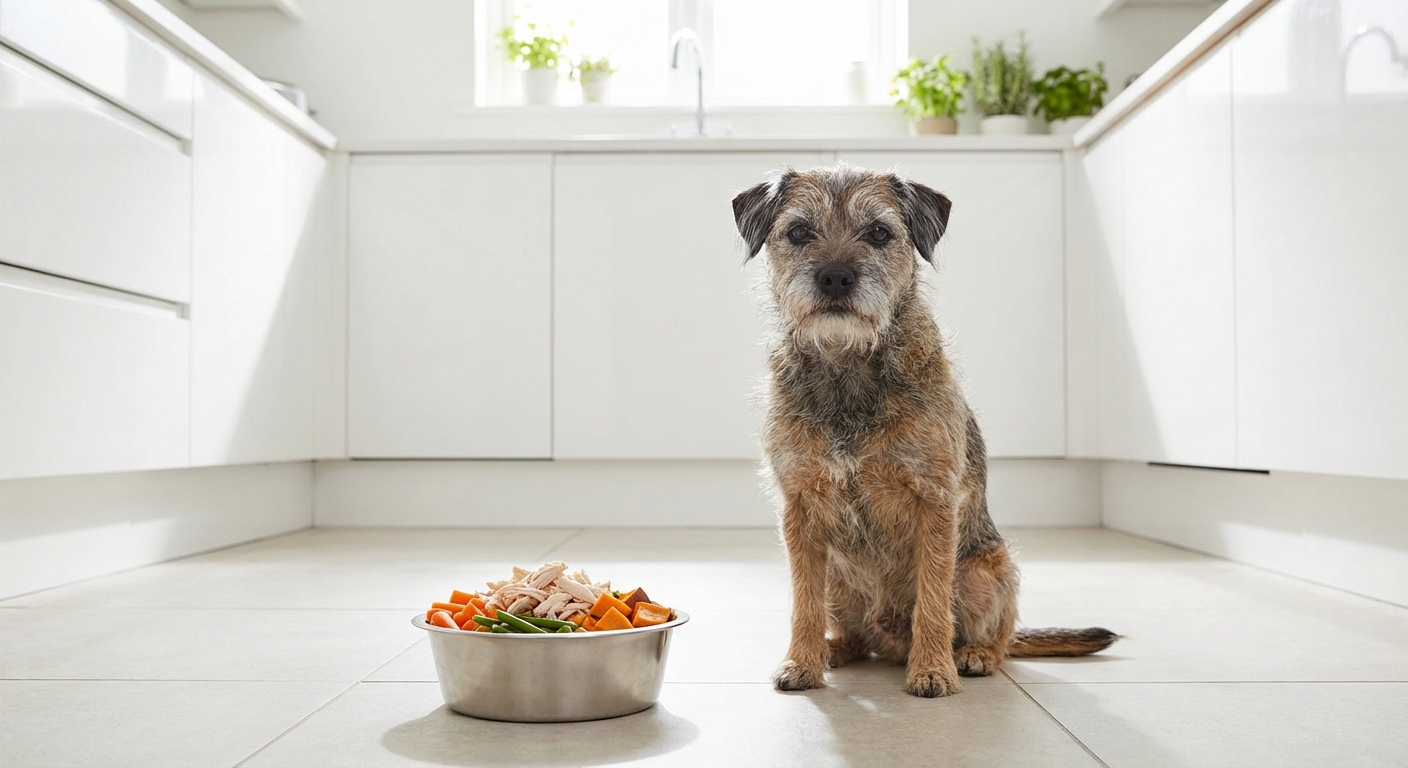
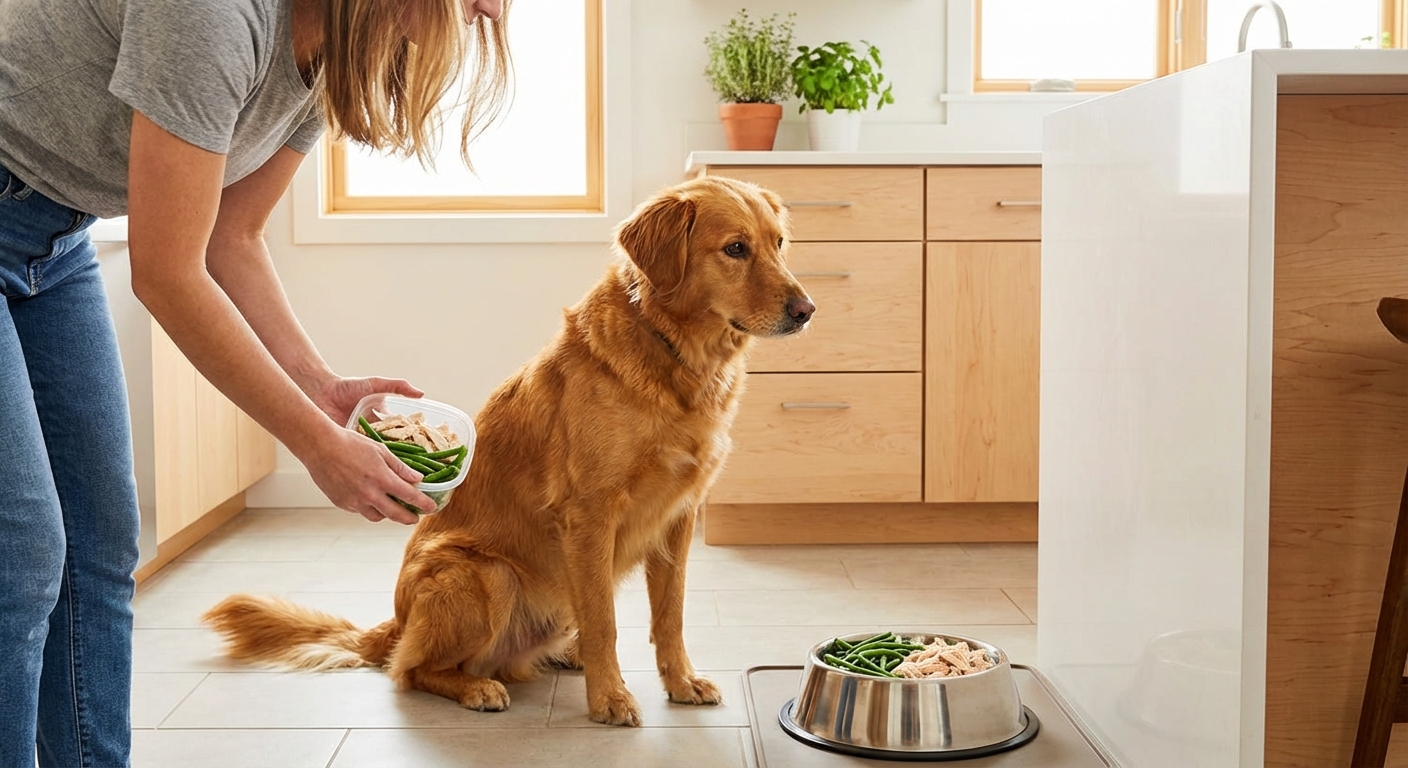
Lean turkey + green beans + a spoon of pumpkin is an easy, gentle combination that many dogs tolerate well. If your dog needs more calories, add a small portion of cooked quinoa or oats.
Action step: ask your vet for your dog’s target weight and daily calories. With Cushing’s, portion control is just as important as ingredient quality.
Treats that fit the plan
Treats are often where Cushing’s diets go off track because the appetite is so intense. The trick is choosing treats that feel generous without being calorie-dense.
- Crunchy low-calorie options: cucumber slices, green beans, zucchini coins
- Protein treats: small pieces of cooked chicken breast or turkey
- Fruit in moderation: blueberries or a thin apple slice (no seeds)
- Frozen option: plain nonfat Greek yogurt on a lick mat in a small portion if dairy is tolerated (avoid flavored products and any artificial sweeteners like xylitol)
Keep treats to 10% or less of daily calories if possible, and measure them just like you measure meals.

Feeding schedule tips
- Split meals: 2 to 4 smaller meals can help with hunger and steadier energy.
- Use slow feeding: puzzle feeders and slow bowls can reduce gulping and make meals more satisfying.
- Measure everything: appetite is not a reliable guide with Cushing’s. Measuring keeps weight and blood fats more stable.
- Weigh weekly: use a baby scale for small dogs or a bathroom scale method for larger dogs.
- Hydration support: many Cushing’s dogs drink more. Provide fresh water at all times and let your vet know if drinking suddenly increases.
Changing foods safely
If you are switching diets, go slow. A gradual transition helps avoid diarrhea and vomiting, which Cushing’s dogs do not need on top of everything else.
- Transition over 7 to 10 days when possible, mixing a little more of the new food in each day.
- If your dog has a sensitive stomach, slow it down further.
- If vomiting or diarrhea starts, pause the transition and call your veterinarian for guidance.
Meds and monitoring
Diet is supportive, but Cushing’s is a medical condition that needs monitoring and often medication (like trilostane). Appetite, energy, and digestion can change as treatment is adjusted, so keep your veterinarian in the loop about any major diet changes.
Regular rechecks and lab work help your vet fine-tune the plan, especially if your dog also has diabetes, high triglycerides, pancreatitis history, or liver changes.
When to call your veterinarian
Contact your veterinarian promptly if you notice:
- Vomiting, diarrhea, or refusal to eat
- Sudden weakness, collapse, or severe lethargy
- Signs of pancreatitis (painful belly, hunched posture, repeated vomiting)
- Rapid weight gain or rapid weight loss
- Recurring skin infections, ear infections, or frequent UTIs
With the right medical plan and a steady, well-chosen diet, many dogs with Cushing’s go on to enjoy great quality of life for years.