Support a dog with Cushing’s disease using lean proteins, fiber-rich vegetables, smart carbs, and controlled fats. Get label tips, treat ideas, and safe fe...
Article
•
Designer Mixes
Cushing Syndrome in Dogs: Symptoms to Watch For

Shari Shidate
Designer Mixes contributor
Cushing syndrome in dogs, also called hyperadrenocorticism, is one of the more common endocrine disorders I see in middle-aged to older dogs. It can sneak up on pet parents. I have seen many dogs come into the clinic with “normal aging” complaints that turned out to be Cushing’s. The good news is that once you know what to look for, you can advocate for the right tests and a treatment plan that helps your dog feel like themselves again.
This guide will walk you through the most helpful Cushing syndrome symptoms, what they can look like at home, and when to call your veterinarian.
What Cushing syndrome is
Cushing syndrome happens when a dog’s body is exposed to too much cortisol for too long. Cortisol is a natural steroid hormone that helps regulate stress response, appetite, immune function, and metabolism. In normal amounts it is essential. In excess, it can cause noticeable changes in thirst, urination, skin, muscles, and behavior.
There are a few main types:
- Pituitary-dependent Cushing’s (PDH): the most common form. A small tumor in the pituitary gland causes the adrenal glands to produce too much cortisol.
- Adrenal-dependent Cushing’s (ADH): a tumor on an adrenal gland produces excess cortisol.
- Iatrogenic Cushing’s: caused by long-term use of steroid medications (like prednisone).
Cushing’s is most often diagnosed in middle-aged to older dogs. It is seen more often in small breeds, but large breeds can be affected too.
Most common symptoms
Cushing’s symptoms tend to build gradually. Many families tell me, “I thought it was just getting older.” Trust that instinct when something feels off and is lasting weeks to months.
Increased thirst and urination
This is often the first big clue. You might notice:
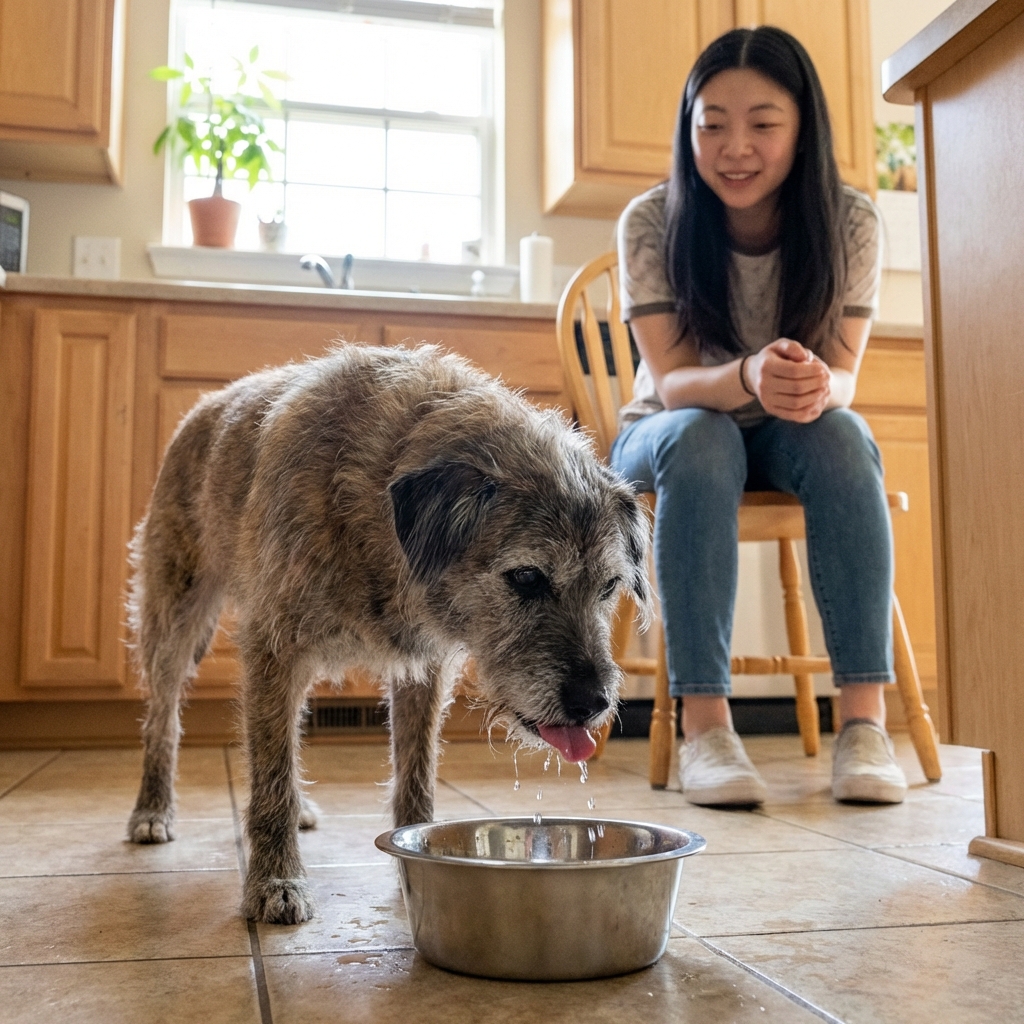
- Refilling the water bowl more often than usual
- Asking to go outside more frequently
- Accidents in the house, even in previously house-trained dogs
- Large volumes of urine
- Waking up overnight to drink or needing a late-night potty break
Why it happens: Excess cortisol can reduce the body’s ability to concentrate urine, leading to increased drinking and peeing.
Increased appetite
Dogs with Cushing’s can act constantly hungry, beg more, steal food, or wake you up for breakfast earlier than usual.
Why it happens: Cortisol can drive appetite up and alter metabolism.
Panting and restlessness
Some dogs pant at rest or seem unable to get comfortable. You may also notice increased anxiety or pacing.
Important note: Panting has many causes, including pain, heart disease, and overheating. If it is new or persistent, it deserves a veterinary visit.
Pot-bellied appearance
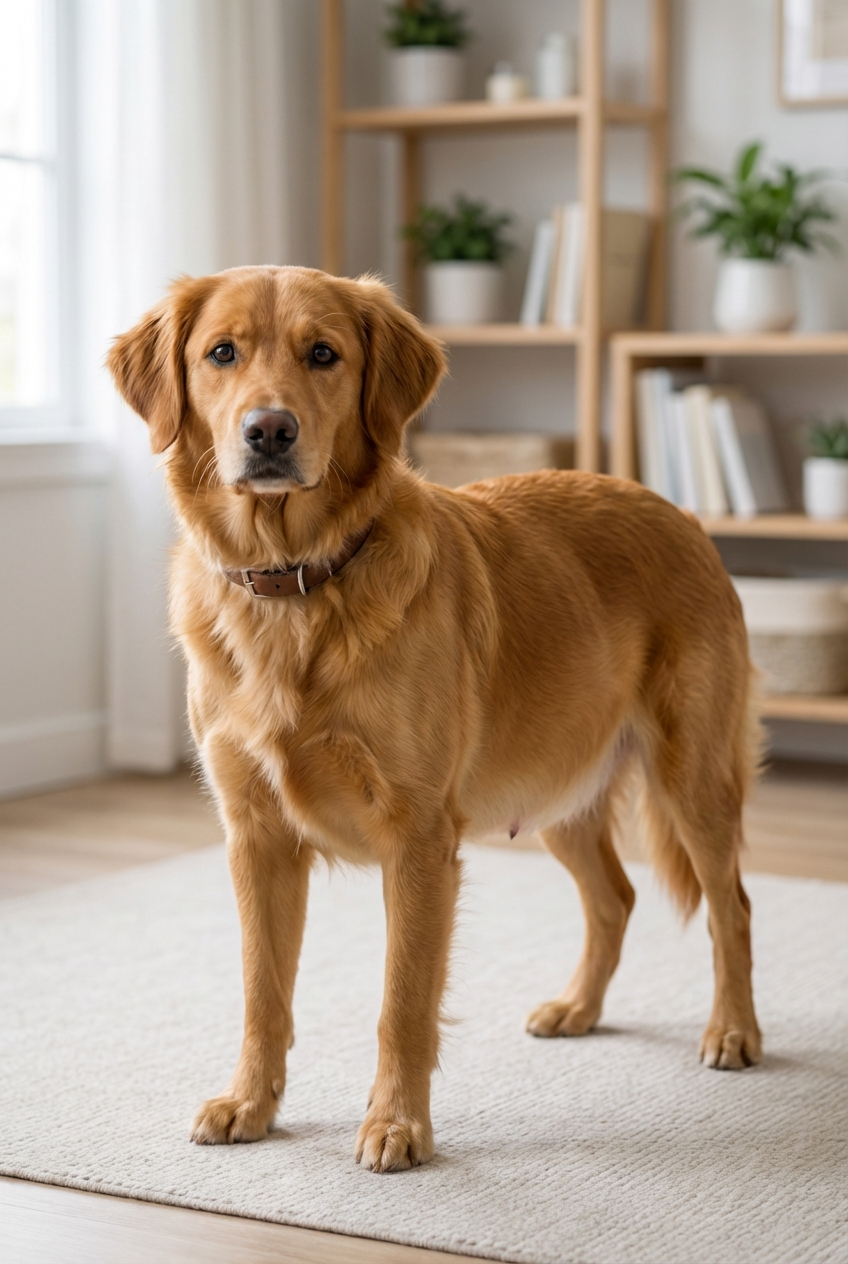
A classic Cushing’s sign is a distended belly, even if the dog is not dramatically overweight. This can happen due to fat redistribution, weakened abdominal muscles, and an enlarged liver (often related to steroid effects on the liver).
Hair loss and coat changes
Hair loss in Cushing’s is often:
- Symmetrical (both sides of the body)
- On the trunk (body) more than the head and legs
- Associated with a dull, dry coat that does not regrow well after shaving
Thin skin, bruising, or slow healing
Excess cortisol can thin the skin and affect collagen, making dogs more prone to:
- Easy bruising
- Skin tears
- Blackheads or comedones
- Slow healing after minor scrapes
Recurring skin or ear infections
Cortisol suppresses parts of the immune system. Dogs with Cushing’s may struggle with:
- Repeated bacterial skin infections
- Yeast overgrowth
- Recurrent ear infections
If your dog is “always on antibiotics” or “always itchy,” Cushing’s is one of several conditions your veterinarian may want to rule out.
Muscle weakness and reduced stamina
You may notice:
- Tiring easily on walks
- Trouble jumping onto the couch or into the car
- Wobbly back legs
This can be from muscle wasting, which is common with chronic high cortisol.
Less obvious symptoms
Not every dog shows the textbook signs. Some symptoms are subtle and easy to miss until you look at the big picture.
- Weight gain without a big diet change
- Heat intolerance and seeking cool floors
- Increased drinking at night or waking up to drink
- Increased frequency of urinary tract infections
- Behavior changes like irritability or reduced interest in play
- Calcinosis cutis (firm, gritty skin plaques). This is less common, but very suggestive when present.
Rare but important: If a pituitary tumor is larger, some dogs can develop neurologic signs such as pacing, circling, seeming “not themselves,” or vision changes. These are uncommon, but they are a good reason to be seen promptly.
Look-alike conditions
One reason Cushing’s can be tricky is that several common issues share similar symptoms. Your veterinarian may consider:
- Diabetes mellitus (also causes increased thirst, urination, and appetite)
- Kidney disease (increased thirst and urination)
- Liver disease (pot-belly, appetite changes, abnormal bloodwork)
- Hypothyroidism (weight gain, hair loss, lethargy)
- Urinary tract infection (frequent urination, accidents)
This is why testing matters. Treating “symptoms only” can delay the right diagnosis.
When to call your vet
If your dog has two or more of these signs for more than a couple of weeks, it is worth scheduling an exam:
- Drinking more, peeing more
- Increased appetite
- Panting at rest
- Pot-bellied shape
- Hair thinning or symmetrical hair loss
- Recurring infections
Seek urgent care if you notice collapse, severe weakness, labored breathing, vomiting with lethargy, or if your dog cannot keep water down.
How it is diagnosed
Diagnosis is usually a step-by-step process. In most clinics, it starts with:
- Physical exam and history: your notes about thirst, appetite, panting, and accidents are valuable.
- Baseline bloodwork and urinalysis: many dogs show changes like elevated liver enzymes, dilute urine, or signs of infection.
- Screening tests: commonly a low-dose dexamethasone suppression (LDDS) test or an ACTH stimulation test, chosen based on your dog’s situation.
- Additional testing: sometimes ultrasound or specialized blood tests help determine which type of Cushing’s is most likely.
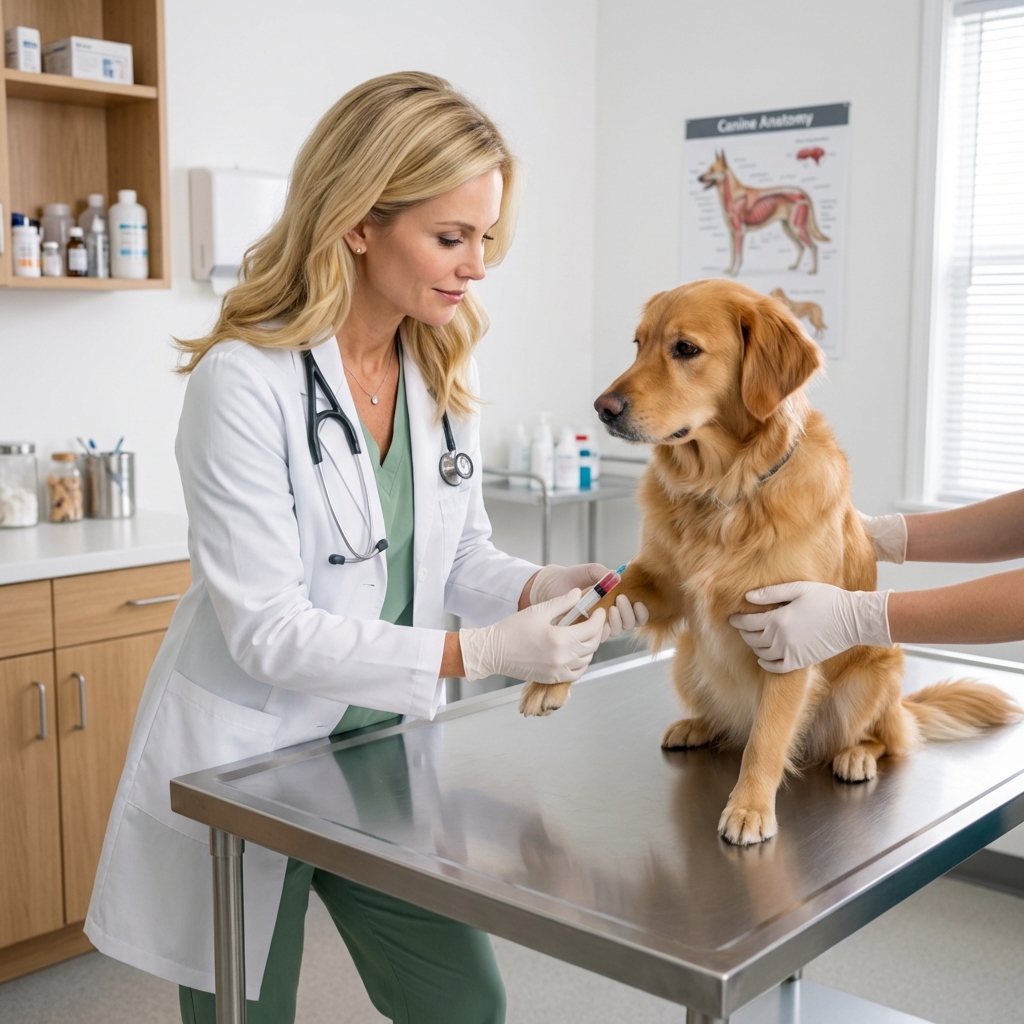
A helpful nuance: Many veterinarians use the LDDS test as a sensitive screening test for naturally occurring Cushing’s. The ACTH stimulation test can be especially useful for identifying iatrogenic Cushing’s and is commonly used to monitor dogs once treatment starts.
If you feel overwhelmed by the testing plan, ask your veterinarian to explain the purpose of each test and what decisions it will guide. A good plan should feel like a clear roadmap.
Treatment and monitoring
Many dogs with Cushing’s do very well once treatment is started and monitored. Treatment depends on the type of Cushing’s and your dog’s overall health.
- Medication: Most commonly, veterinarians prescribe medication to reduce cortisol production. Trilostane is a common first-line choice, and mitotane is used in some cases. These drugs require careful dosing and regular monitoring.
- Surgery: In select adrenal tumor cases, surgical removal may be considered, typically with a specialist.
- Adjusting steroid medications: If Cushing’s is iatrogenic, your veterinarian will guide a safe taper. Never stop steroids suddenly without veterinary direction.
What improves first? Families often notice reduced thirst, fewer accidents, and less panting within weeks. Coat regrowth and skin improvement can take longer.
What monitoring looks like: Expect rechecks and repeat testing after starting or adjusting medication. Your veterinarian may recommend follow-up bloodwork, urine checks, and blood pressure monitoring. Dose adjustments are normal, especially early on.
Possible complications
Cushing’s is manageable, but it is not a “set it and forget it” condition. Chronic high cortisol can increase the risk of issues like high blood pressure, protein in the urine, diabetes, pancreatitis, gallbladder disease (including gallbladder mucocele), urinary tract infections, and blood clots. This is a big reason your veterinarian will recommend ongoing monitoring, even when your dog seems to be doing well at home.
At-home tips
You can make a big difference simply by tracking patterns and supporting your dog’s comfort between visits.
Keep a simple symptom log
- How often you refill the water bowl (and roughly how much)
- Accidents or increased potty trips
- Panting episodes and when they happen
- Appetite changes
- Skin and coat observations
This helps your veterinarian spot trends and evaluate whether treatment is working.
Support healthy weight and muscle
Ask your veterinarian about a safe calorie goal and a gentle activity plan. Short, regular walks are often better than one long outing, especially if your dog pants easily.
Be proactive about infections
If you notice odor, redness, itching, ear debris, or frequent licking, call early. Chronic cortisol excess makes infections more likely and sometimes more stubborn.
Nutrition: keep it steady
There is no one “perfect” Cushing’s diet, but consistency matters. Choose a balanced, veterinary-approved diet and avoid frequent sudden food switches. If you want to explore homemade or fresh foods, do it with guidance so your dog gets the right balance of protein, minerals, and essential fatty acids.
Action step: Take a 10-second video of your dog’s breathing or panting at rest and show it to your veterinarian. It can be surprisingly helpful.
FAQ
Is Cushing’s painful?
Cushing’s itself is not typically described as painful, but it can make dogs uncomfortable through panting, restlessness, muscle weakness, skin infections, and belly distension. Also, secondary problems such as urinary tract infections, pancreatitis, or blood clots can be painful or serious, which is another reason to stay on top of follow-ups.
Can Cushing’s be cured?
Some cases related to adrenal tumors may be treatable with surgery. Many dogs are managed long-term with medication and monitoring. With good follow-up, quality of life can be excellent.
What is the biggest red flag symptom?
In day-to-day life, the most common early red flag is a noticeable increase in thirst and urination, especially when it is paired with increased appetite or panting.
Bottom line
Cushing syndrome is one of those conditions where small changes add up. If your dog seems hungrier, thirstier, more pot-bellied, or is losing hair in a symmetrical pattern, you are not being “overly worried” by asking questions. You are being a caring, observant pet parent.
If you suspect Cushing’s, schedule a veterinary visit and bring notes about what you are seeing at home. The sooner you get clarity, the sooner your dog can get relief.