Make meals more tempting and nutritious with simple dog food toppers: bone broth, cooked eggs, sardines, pumpkin, and steamed veggies—plus portions, storag...
Article
•
Designer Mixes
Cushing Disease in Dogs: Proven Insights & Advice

Shari Shidate
Designer Mixes contributor
Cushing disease is one of those conditions that can sneak up on families. A dog who has always been easy to care for suddenly starts drinking bowls of water, waking you up to go outside, panting more than usual, and gaining weight even though nothing has changed. If you have that gut feeling that something is “off,” you are not overreacting. Cushing disease is relatively common in middle-aged and senior dogs, and with the right diagnosis and plan, many dogs do very well for years.

I am Shari Shidate, a veterinary assistant in Frisco, Texas. In this article, I will walk you through what Cushing disease is, what signs are most meaningful, how vets confirm it, and what you can do at home to support your dog safely. Your veterinarian will tailor testing and treatment to your dog’s history, symptoms, and overall health.
What Cushing disease is
Cushing disease is the common name for hyperadrenocorticism, meaning the body is making (or being exposed to) too much cortisol over time. Cortisol is not “bad.” Dogs need it for normal stress response, metabolism, and immune function. The problem is the constant over-supply, which can gradually affect nearly every organ system.
Main types
- Pituitary-dependent Cushing disease (PDH): The most common form. A small tumor in the pituitary gland causes the adrenal glands to produce excess cortisol.
- Adrenal-dependent Cushing disease (ADH): A tumor in an adrenal gland produces cortisol directly. Less common, but important to identify because treatment decisions can differ.
- Iatrogenic Cushing disease: Caused by long-term steroid medication (like prednisone) or certain steroid-containing products. This is not anyone’s “fault.” It is a known risk of necessary medications.
Why this matters: your veterinarian’s goal is not just to label “Cushing’s,” but to identify which type is most likely, rule out look-alike conditions, and choose a plan that fits your dog’s health and your family’s realities.
Common signs
Cushing disease often shows up as a cluster of changes that build over time. You might notice one sign first, then two, then five.
- Increased thirst and urination (bigger water intake, accidents, asking to go out overnight)
- Increased appetite (food-seeking, scavenging, stealing)
- Panting that seems out of proportion to activity or temperature
- Pot-bellied appearance from muscle weakness and fat redistribution
- Hair loss or thinning coat, often symmetrical on the body
- Thin skin, slow hair regrowth after shaving, recurrent skin or ear infections
- Low energy or exercise intolerance
- Weakness (difficulty jumping, stairs become harder)
Important note: These signs are not diagnostic by themselves. Diabetes, kidney disease, urinary tract infections, hypothyroidism, liver disease, and even normal aging changes can overlap. That is why an accurate, confirmed diagnosis relies on testing.
Why diagnosis can be tricky
Families are often surprised that Cushing disease is not confirmed with one simple test. Cortisol naturally rises and falls throughout the day, and stress can change results. So veterinarians use a step-by-step approach that combines history, exam findings, screening labs, and confirmatory tests.
What your vet checks first
- Physical exam (body condition, muscle tone, skin and coat, panting)
- Urinalysis (urine concentration, signs of infection, glucose)
- Bloodwork (CBC and chemistry panel) to look for patterns often seen with Cushing’s and to rule out other illnesses
Lab patterns that raise suspicion
These findings can support the bigger picture, but they are not proof on their own:
- Elevated ALP (and sometimes ALT)
- “Stress” pattern on CBC (your veterinarian may call it a stress leukogram)
- Dilute urine (low urine concentration), with or without signs of infection
Dogs with Cushing’s can be at higher risk for urinary tract infections, and some infections cause few outward signs. That is why urine testing and follow-up often matter as much as the hormone numbers.
Tests that confirm it
Your veterinarian will choose tests based on your dog’s symptoms, baseline lab work, and medical history. Different clinics may start with different tests because each test answers a slightly different question.
Low-dose dexamethasone suppression test (LDDST)
This test evaluates how cortisol changes after dexamethasone is given. It is commonly used for diagnosis and is generally considered sensitive for detecting Cushing disease. It can sometimes suggest whether the cause is pituitary-dependent.
ACTH stimulation test
This test measures how the adrenal glands respond after stimulation. It can be helpful for diagnosis in certain clinical situations, and it is often used to monitor dogs on medication (especially trilostane).
Urine cortisol:creatinine ratio (UCCR)
This is usually a screening test. A normal result can make Cushing disease less likely, but an abnormal result does not confirm it by itself.
Ultrasound and add-on tests
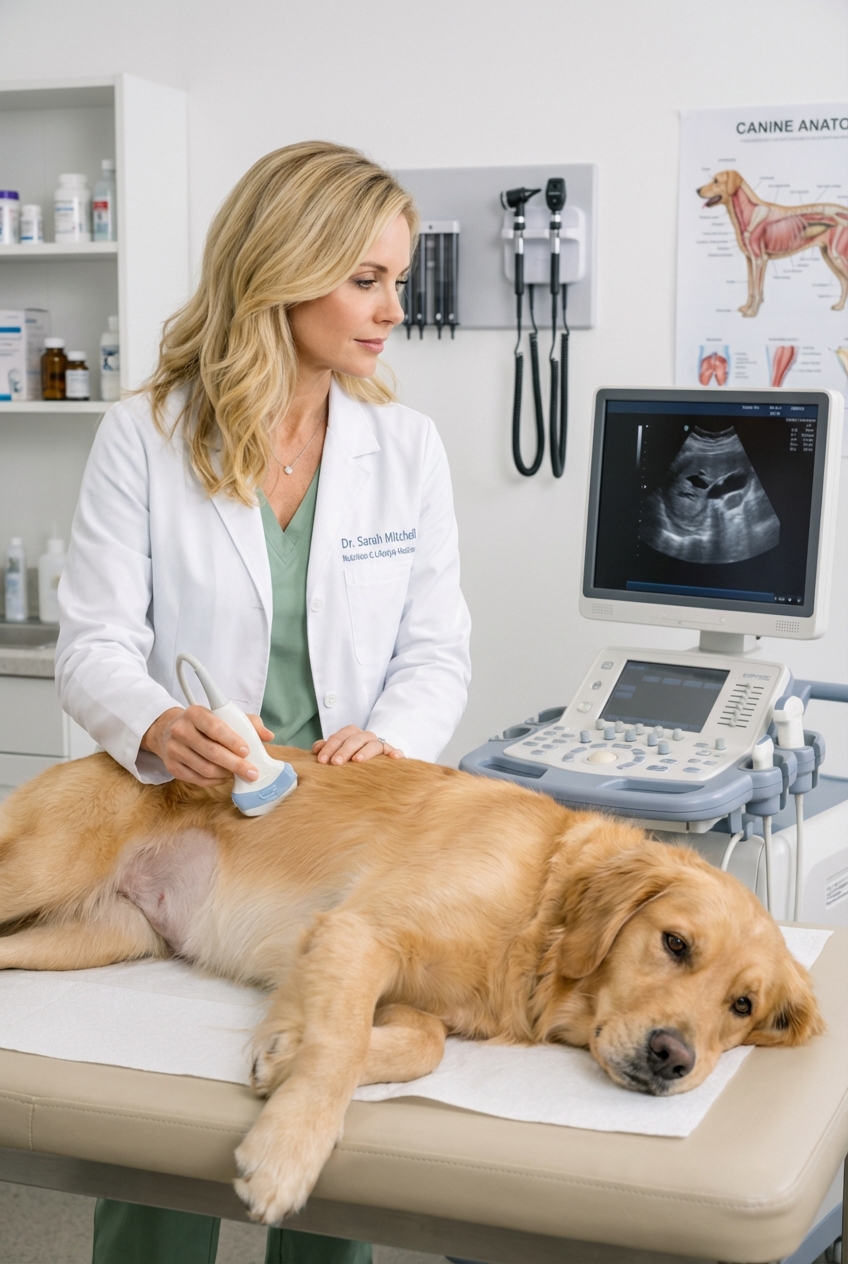
Abdominal ultrasound may be recommended to evaluate the adrenal glands and liver, and to look for changes that support the diagnosis or suggest an adrenal tumor.
When your veterinarian needs help distinguishing PDH from ADH, a classic follow-up blood test is endogenous ACTH. Not every dog needs this step, but it can be useful in select cases.
My gentle encouragement: Ask your veterinarian what question each test is intended to answer. When you understand the purpose, the process feels less overwhelming and more like teamwork.
Moving from diagnosis to a plan
Once testing supports Cushing’s, the next step is choosing treatment based on the most likely type, your dog’s other medical conditions, and what monitoring is realistic for your family.
Treatment options
Most cases are managed long-term rather than cured, but some adrenal tumors may be cured with successful surgery. Many dogs have a great quality of life with consistent care.
Medication (most common)
- Trilostane: Often the first-choice medication for many dogs. It reduces cortisol production. It requires monitoring tests and dose adjustments, especially early on.
- Mitotane: Used in some cases. It has a different mechanism and monitoring needs.
Your vet will discuss which medication is appropriate based on your dog’s type of Cushing’s, other health conditions, and your ability to monitor.
Surgery (selected cases)
If an adrenal tumor is present and your dog is a good candidate, surgery may be discussed. This is specialty-level care and depends on imaging findings, tumor behavior, and surgical risk.
Specialty options (select PDH cases)
In some specialty centers, radiation therapy or pituitary surgery may be options for select pituitary tumors. These are not the right fit for every dog, but they are worth asking about if your veterinarian feels your dog could benefit.
If steroids caused it
The plan may involve a carefully supervised taper of steroid medication. Never stop steroids suddenly unless a veterinarian tells you to. Sudden withdrawal can be dangerous.
What improvement looks like
Many families notice meaningful improvements, but it is not always overnight.
- Thirst and urination often improve first, sometimes within a few weeks once the dose is right.
- Appetite and panting may gradually decrease.
- Skin and coat improvements can take months, especially hair regrowth.
- Muscle strength and stamina may take time and gentle conditioning.
Monitoring schedule
Follow-up testing is not optional. It is how your veterinarian confirms the medication is helping without lowering cortisol too much. Many dogs need rechecks more frequently in the first weeks to months after starting or adjusting medication, then less often once stable. Your clinic will set the timing for your dog.
At-home support
Home care does not replace medical treatment, but it can make a big difference in comfort, safety, and long-term outcomes.
Track the changes that matter
- Measure daily water intake if possible (your vet can tell you what is concerning for your dog’s size).
- Log accidents, nighttime potty trips, appetite changes, and panting episodes.
- Weigh your dog every 2 to 4 weeks and record it.
Help prevent urinary problems
- Offer more frequent potty breaks.
- Ask your vet whether periodic urine cultures are recommended, especially if your dog has recurring infections.
Protect the skin barrier
- Use vet-recommended shampoos if infections or itchiness are recurring.
- Keep nails trimmed and paws clean, especially if your dog is licking.
Nutrition basics
No single food “cures” Cushing disease, but nutrition can support body condition, muscle, and metabolic health.
- Prioritize lean, high-quality protein to support muscle maintenance, especially if your dog is losing muscle.
- Keep treats intentional. Cushing’s can drive hunger, but frequent high-calorie snacks can worsen weight gain.
- Ask before adding supplements. Some supplements can interfere with testing, medications, or underlying conditions.

Gentle exercise
Short walks and low-impact activity help maintain mobility and muscle tone. For many dogs with Cushing’s, consistency beats intensity.
Medication safety
If your dog is being treated for Cushing disease, contact your veterinarian promptly if you notice:
- Vomiting or diarrhea that does not quickly resolve
- Marked lethargy, weakness, or collapse
- Loss of appetite
- Shaking or seeming unusually “off”
- Sudden decrease in thirst and urination compared with baseline (especially if paired with lethargy or vomiting)
These signs can have multiple causes, but they can also indicate cortisol may be too low or that your dog needs a dose adjustment and testing.
Common questions
Is Cushing disease painful?
Not typically in a direct, obvious way like a broken bone. But it can cause discomfort through panting, muscle weakness, recurring infections, and poor skin health. The goal of treatment is to reduce those day-to-day burdens.
Can my dog live a normal life with Cushing’s?
Many dogs do. The biggest keys are consistent medication if prescribed, regular monitoring, and staying alert for infections or other complications.
What happens if we do not treat?
Some families choose not to treat based on age or other medical issues. In untreated cases, symptoms often progress and the risk of complications can increase. Examples include high blood pressure, protein in the urine, infections, diabetes, pancreatitis, gallbladder issues in some dogs, and blood clot risk. This is a personal decision best made with your veterinarian, focusing on comfort and quality of life.
A practical next step
If you suspect Cushing disease, bring your observations to your vet visit. I recommend writing down:
- When the signs began
- How much water your dog drinks in a day (estimate is okay)
- Any accidents, nighttime potty trips, or new behaviors
- Current medications, including steroids and topical products
You know your dog best. When your lived experience meets evidence-based veterinary care, that is when the best outcomes happen.
Cushing disease can be overwhelming at first. Take it one step at a time: confirm the diagnosis, build a monitoring plan, then support your dog’s comfort day by day.
Quick reminder: This article is educational and does not replace veterinary diagnosis or treatment. If your dog is very weak, vomiting repeatedly, or collapses, seek urgent veterinary care.