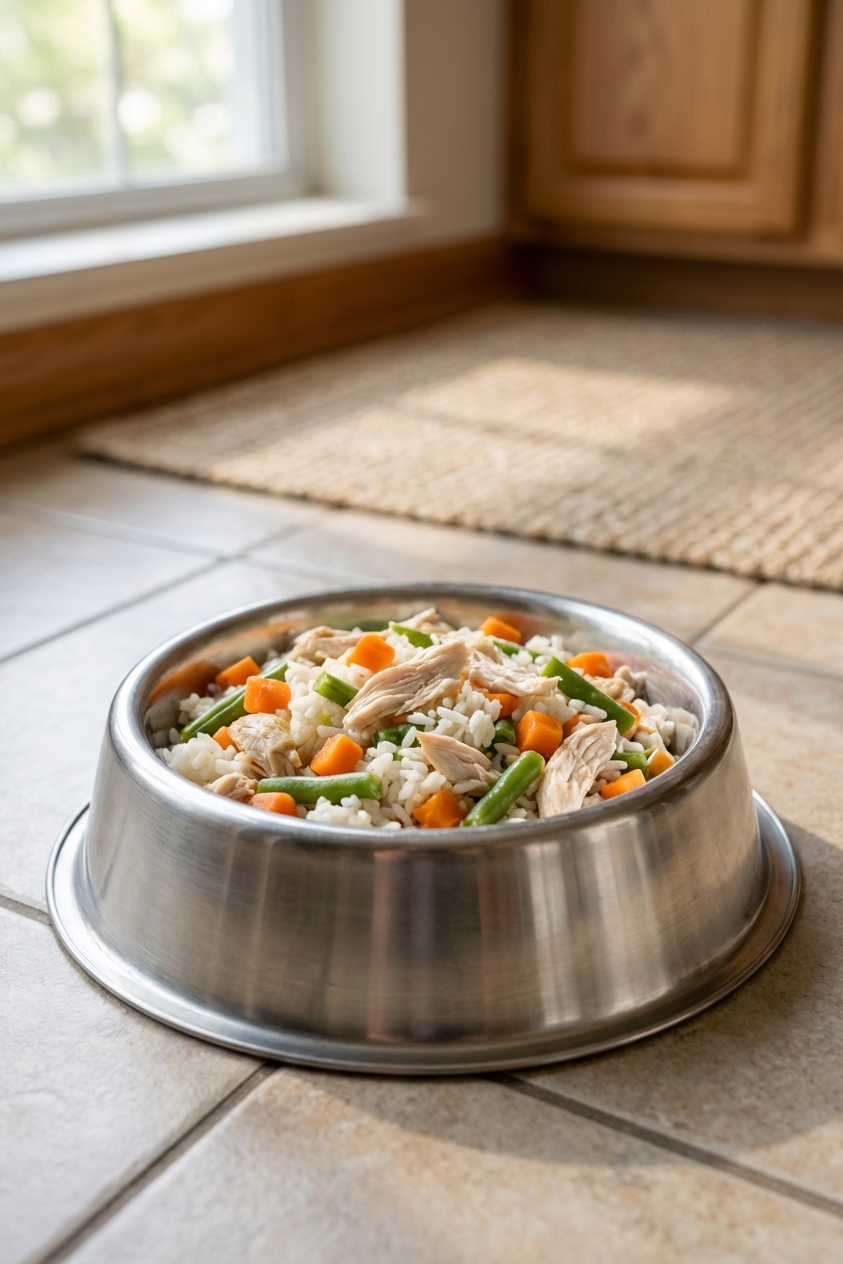
Turn chicken and rice into a more balanced homemade dog meal with veggies, calcium carbonate, and omega-3s. Includes gram weights, portion guidance, swaps, a...
Article
•
Designer Mixes
Cushing Disease in Dogs

Shari Shidate
Designer Mixes contributor
Cushing syndrome, also called hyperadrenocorticism (HAC), is one of those conditions that can sneak up on you. Many dogs do not look seriously “sick” at first. They just seem thirstier, hungrier, a little rounder in the belly, or suddenly accident-prone in the house. The good news is that with the right diagnosis and a practical care plan, many dogs with HAC can feel like themselves again.
Quick terminology note: You will hear “Cushing disease” used in two ways. Some people use it as a catch-all for HAC. More strictly, “Cushing disease” refers to pituitary-dependent HAC. In this guide, I will use “Cushing” in the common, everyday way, and I will specify pituitary vs adrenal when it matters.
What Cushing is
Cushing happens when a dog’s body is exposed to too much cortisol for too long. Cortisol is a normal hormone made by the adrenal glands. In healthy amounts it helps regulate stress response, blood sugar, inflammation, and metabolism. When cortisol stays high, it starts affecting nearly every organ system.
The 3 main types
- Pituitary-dependent HAC (PDH): The most common type. A small tumor in the pituitary gland (in the brain) produces excess ACTH, which tells the adrenal glands to make more cortisol. This pituitary form is what many veterinarians mean by “Cushing disease.”
- Adrenal-dependent HAC (ADH): A tumor in one adrenal gland produces cortisol directly. This is less common than PDH.
- Iatrogenic HAC: Caused by long-term use of steroid medications (like prednisone, dexamethasone, or certain steroid ear, skin, or eye products), leading to cortisol-like effects in the body.
Most dogs diagnosed with Cushing are middle-aged to senior, and it is commonly seen in small and medium breeds, though any dog can be affected.
Signs you may notice
Cushing often shows up as a collection of “little” changes. Some dogs show only a few signs, while others show many. When several changes happen together, it is worth a vet visit and a conversation about testing.
Classic signs
- Increased thirst and a bigger volume of urine
- Increased appetite, sometimes with food-seeking behavior
- Pot-bellied appearance from muscle loss and liver enlargement
- Panting more than usual, even at rest
- Lethargy or reduced interest in walks and play
- Thin skin, easy bruising, slower wound healing
- Hair thinning or symmetrical hair loss, often on the body rather than the head and legs
- Recurrent skin infections or a musty, oily coat
Less obvious signs
- Increased nighttime drinking or accidents
- Weakness in the hind end, trouble jumping, muscle wasting
- Repeated urinary tract infections
- May be at increased risk for pancreatitis, high blood fats, or gallbladder issues (like gallbladder mucoceles) in some dogs
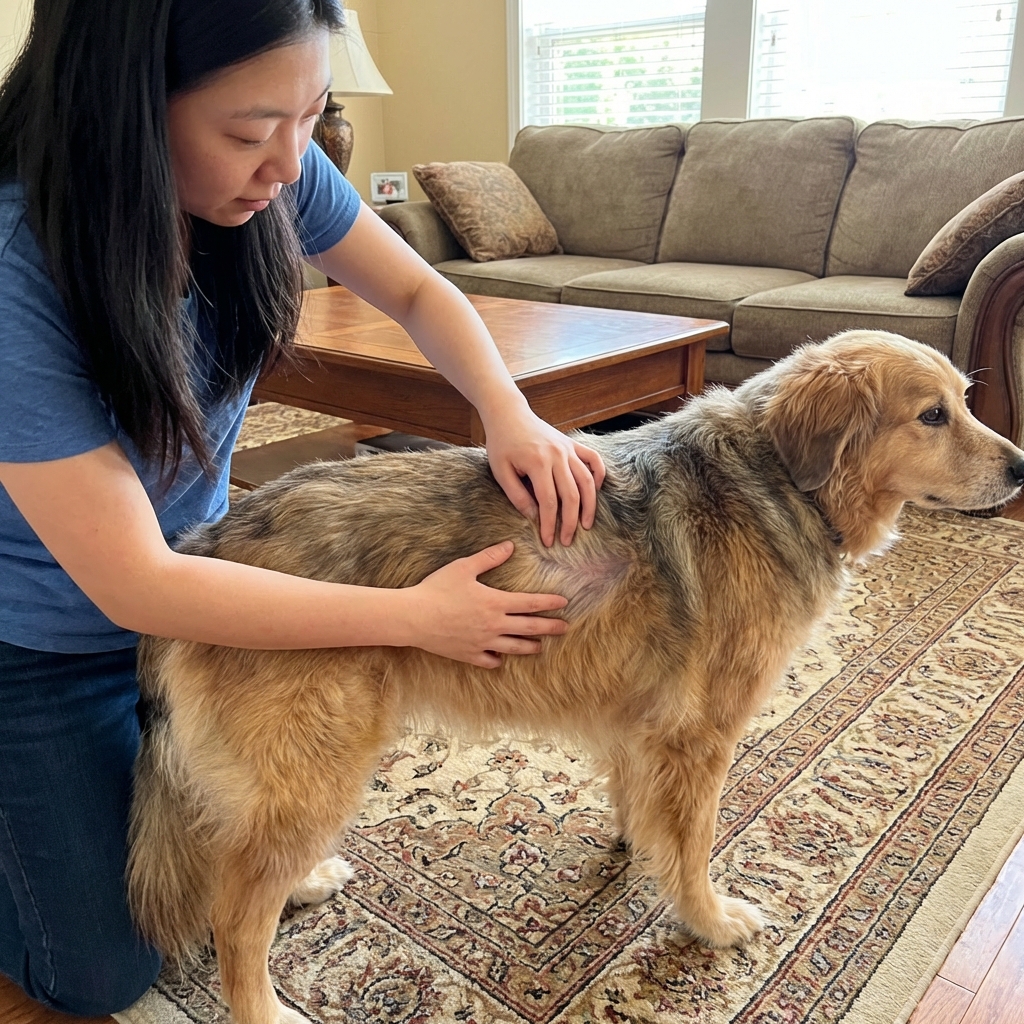
Important: Many of these signs can also happen with diabetes, kidney disease, hypothyroidism, liver disease, or simply aging. That is why testing matters. Guessing can delay the right treatment.
How vets diagnose it
Diagnosing Cushing is usually a step-by-step process. Your veterinarian will put together your dog’s history, symptoms, exam findings, and test results.
Common first tests
- Bloodwork (CBC and chemistry panel): May show patterns seen with Cushing, such as elevated alkaline phosphatase (ALP), increased cholesterol, and a stress leukogram (stress-related white blood cell changes).
- Urinalysis: Helps evaluate urine concentration and look for urinary tract infection, protein in the urine, or glucose.
- Urine culture: Many dogs with Cushing get silent UTIs, meaning no obvious symptoms at home.
Screening and confirmation tests
- Urine cortisol:creatinine ratio (UCCR): Sometimes used as a screening test. It can be helpful when it is normal, but it is not very specific, so an abnormal result usually needs follow-up testing.
- ACTH stimulation test: Measures how the adrenal glands respond to ACTH. It is also commonly used to monitor treatment.
- Low-dose dexamethasone suppression test (LDDST): Often used to diagnose Cushing and can sometimes help suggest whether the cause is pituitary-related.
- Ultrasound: Looks at adrenal size and shape, liver changes, and other abdominal organs. It can be very suggestive (PDH often shows both adrenals enlarged; ADH often shows one adrenal mass with the other smaller), but imaging does not replace endocrine testing.
Why the type matters: Pituitary-dependent cases are most often managed with medication and monitoring. Adrenal tumors may be managed medically or with surgery and specialty care, depending on the tumor and whether it has spread.
It can take time to reach a clear diagnosis, and that is normal. Cushing is not always a straight line, especially early on.
Treatment options
Treatment depends on the cause, your dog’s overall health, and how severe the symptoms are. Many dogs do very well with medical management.
Medication (most common approach)
- Trilostane: One of the most commonly used medications. It reduces cortisol production by blocking an enzyme in the adrenal glands. It requires monitoring and dose adjustments.
- Mitotane: Less commonly used today in many practices but still an option in certain cases. It acts like a chemical adrenalectomy by causing selective damage to cortisol-producing adrenal tissue, so careful monitoring is essential.
Surgery or specialty care
- Adrenal tumor surgery: If a single adrenal tumor is producing cortisol, surgery may be recommended by a specialist, depending on tumor type and whether it has spread.
- Adjusting steroid medications: For iatrogenic HAC, the goal is usually a slow, vet-guided taper of steroids when possible. Stopping steroids abruptly can be dangerous.
If your dog starts treatment and suddenly seems weak, vomits, has diarrhea, stops eating, or collapses, call your veterinarian right away. These can be signs cortisol has dropped too low.
Care tips
As a veterinary assistant, I have seen how much the small daily choices matter. Medication helps, but your home routine is what makes life comfortable and predictable.
1) Manage thirst and potty needs
- Never restrict water unless your veterinarian specifically instructs it. Increased drinking is a symptom, not a bad habit.
- Add more potty breaks, especially before bed and first thing in the morning.
- Use washable pee pads or a waterproof cover if nighttime accidents are happening while you work on treatment.
2) Track symptoms
Keep a simple weekly note in your phone:
- How much your dog is drinking (rough estimate is fine)
- Appetite changes
- Panting episodes
- Accidents, urgency, or signs of UTI
- Skin changes, hair loss, new lumps, bruising
- Energy level and mobility
3) Support skin and infection prevention
- Ask your vet about regular skin checks and whether a medicated shampoo is appropriate.
- Do not ignore ear odor, itchiness, or “hot spots.” Dogs with Cushing can get infections more easily.
- Stay current on parasite prevention, since skin defenses can be weaker.
4) Nutrition and weight support
Many dogs with Cushing gain weight while losing muscle. The goal is a steady, sustainable plan that supports lean body mass.
- Work with your veterinarian to choose a diet that supports healthy protein and an appropriate calorie level.
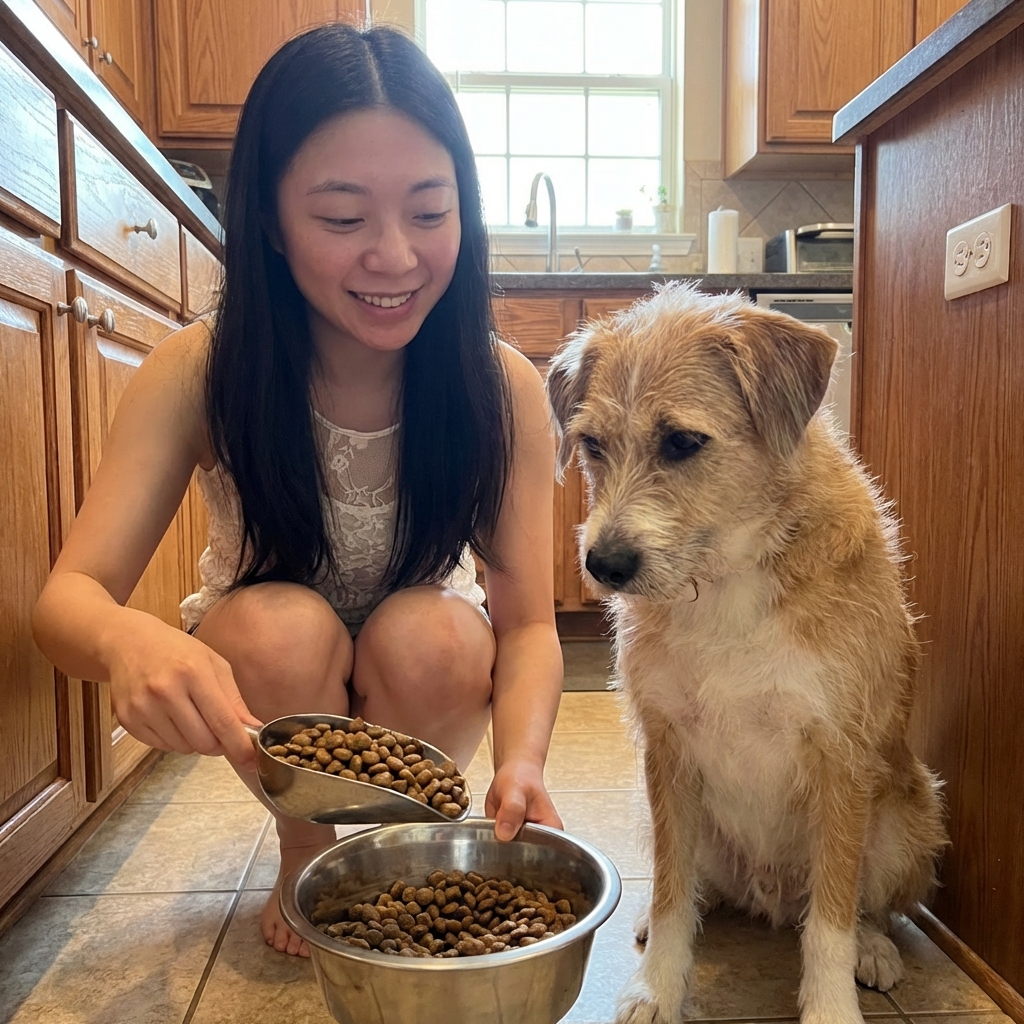
- Measure meals. Cushing hunger can be intense, and “a little extra” adds up quickly.
- Choose low-calorie treats like small pieces of cooked lean meat or vet-approved veggies, depending on your dog’s needs and digestion.
- If you feed homemade meals, do it with guidance. Balanced minerals matter, especially calcium and essential fatty acids.
5) Gentle exercise
- Short, consistent walks are often better than long “weekend warrior” outings.
- Use ramps or steps for the couch or bed if jumping is becoming difficult.
- Ask your vet whether physical therapy is appropriate if muscle weakness is progressing.
Monitoring after diagnosis
Cushing is very manageable, but it is not a set-it-and-forget-it condition. Monitoring helps your veterinarian adjust medication so cortisol stays in a safe range, and it helps catch common complications early.
What monitoring may include
- Follow-up visits and bloodwork after starting or changing medication
- Repeat ACTH stimulation testing in many cases (your vet will choose timing)
- Urinalysis and urine cultures to catch UTIs early
- Blood pressure checks, especially for older dogs (hypertension can occur with Cushing)
- Watching for related issues like diabetes, protein in the urine, and increased blood clot risk in some dogs
Monitoring schedules vary by medication, dose changes, and how your dog is doing. Many dogs need closer rechecks early on, then periodic check-ins once things are stable.
It can take weeks to months for coat and skin changes to improve. Thirst, urination, appetite, and panting often improve sooner when treatment is the right fit.
Outlook
For many dogs, the outlook with Cushing is genuinely good. It is usually a long-term condition, but with treatment and monitoring, many dogs regain comfort, better sleep (for everyone), and a steadier energy level.
Some dogs need a few medication adjustments before things click, and that is normal. Your notes from home and your veterinarian’s follow-up testing work together to find that “sweet spot.”
When it is an emergency
Call your veterinarian or an emergency clinic right away if you notice:
- Collapse, severe weakness, or inability to stand
- Repeated vomiting or diarrhea, especially after starting treatment
- Refusal to eat for more than a day, or sudden extreme lethargy
- Labored breathing, pale gums, or signs of severe pain
- Signs of a urinary blockage or intense straining to urinate
These signs do not always mean Cushing is the cause, but they always deserve quick attention.
Living well with Cushing
If you are feeling overwhelmed, I want to reassure you: you do not have to do everything perfectly to help your dog. Focus on the basics, work closely with your veterinarian, and make changes one step at a time.
Many dogs with Cushing go back to enjoying walks, cuddles, and that spark in their eyes. Your job is to notice the patterns, advocate for your dog, and build a routine that supports comfort and stability.
Sources
- American College of Veterinary Internal Medicine (ACVIM) resources on hyperadrenocorticism
- Merck Veterinary Manual: Hyperadrenocorticism in Dogs
- VCA Animal Hospitals: Cushing’s Disease in Dogs