Support a dog with Cushing’s disease using lean proteins, fiber-rich vegetables, smart carbs, and controlled fats. Get label tips, treat ideas, and safe fe...
Article
•
Designer Mixes
Cushing Disease Diet Tips for Hungry Dogs

Shari Shidate
Designer Mixes contributor
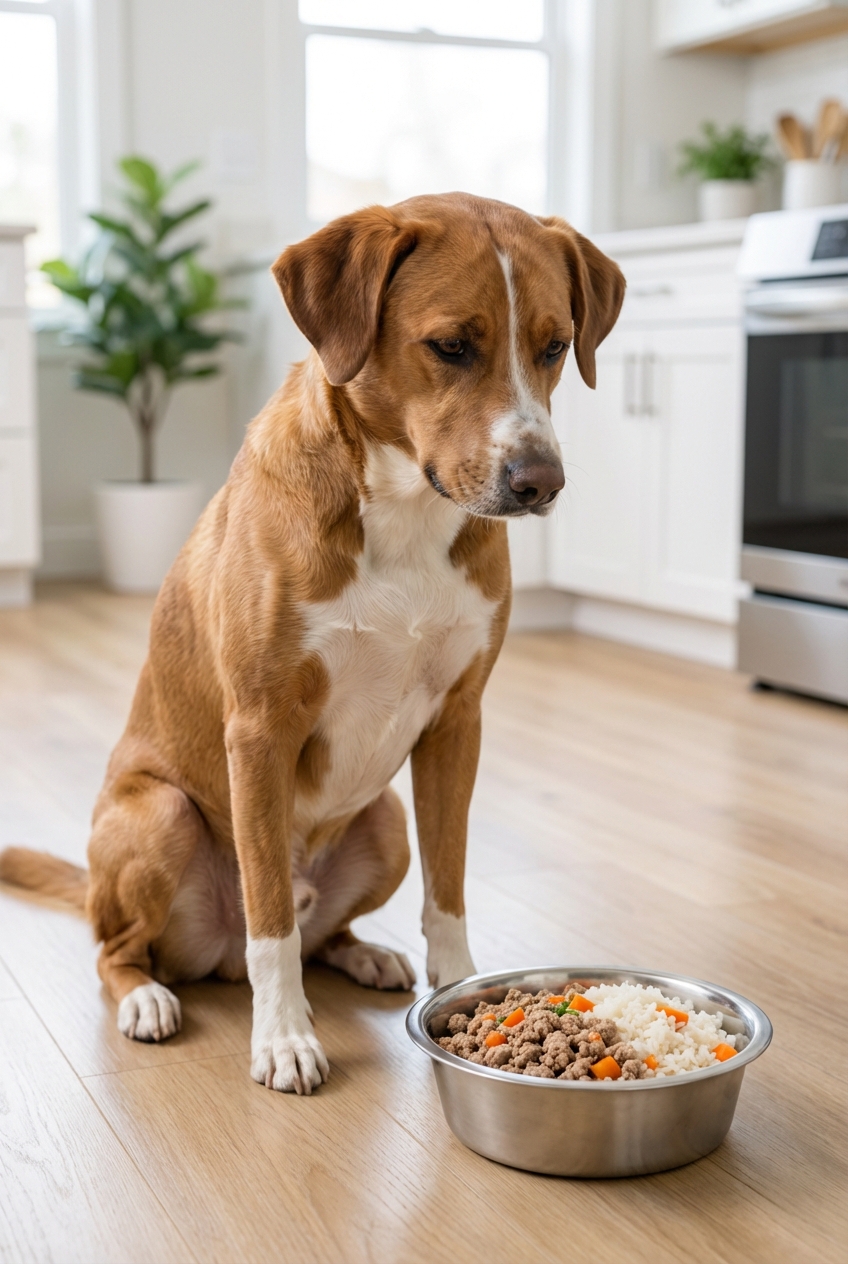
If your dog has Cushing disease (hyperadrenocorticism), you already know the hardest part is often the hunger. Many dogs feel like they could eat all day, every day. As a veterinary assistant here in Frisco, Texas, I want you to know this: that ravenous appetite is not your dog being “bad.” It is a real, hormone-driven symptom. The good news is that smart nutrition choices and feeding strategies can help your dog feel more satisfied while supporting long-term health.
Some common Cushing signs you may also notice include panting, a pot-bellied look, thinning hair or skin changes, and increased thirst and urination.
Important note: Diet does not replace medical treatment for Cushing disease. Your veterinarian will guide medication such as trilostane or mitotane if needed. But diet and routine can make a meaningful difference in comfort, weight management, and quality of life.

Why Cushing dogs feel hungry
Cushing disease typically involves excess cortisol. Cortisol affects appetite, blood sugar regulation, fat storage, and muscle breakdown. That combination can create a perfect storm:
- Increased appetite and food-seeking behaviors
- Weight gain, especially around the belly, even if muscle mass is decreasing
- Hyperlipidemia (high cholesterol and or triglycerides) in some dogs, based on labwork
- Pancreatitis in some dogs, especially if high blood fats are present or there is a prior history
- Increased thirst and urination, which can be mistaken for “always needing something”
So the goal is not simply “feed less.” The goal is feed smarter so your dog feels fuller and stays metabolically supported.
Core diet goals
1) Protect muscle with quality protein
Cortisol can contribute to muscle wasting. Many Cushing dogs do better with adequate, highly digestible protein to support lean body mass, skin, and immune function.
Gentle, practical options (choose based on your dog’s tolerance and your vet’s guidance):
- Skinless chicken or turkey
- Lean beef or pork
- Eggs (especially egg whites if fat needs to be lower)
- White fish
- Therapeutic veterinary diets your vet may select for your dog’s needs, such as weight-management or satiety diets, diabetic support diets, or low-fat diets if hyperlipidemia or pancreatitis risk is a concern
If your dog has kidney disease, significant liver disease, or a history of urate stones, protein targets can change. That is why a quick vet check-in is worth it before making big shifts.
2) Keep fat moderate if needed
Not every Cushing dog needs a low-fat diet, but Cushing disease can be associated with elevated blood lipids in some patients. If your dog has a history of pancreatitis, high triglycerides, or your vet sees concerning labwork, your vet may recommend a lower-fat plan.
- Avoid fatty meats, skin-on poultry, bacon, sausage, and rich table scraps
- Go easy on cheese and high-fat treats
- If your dog is on a very low-fat plan, be cautious with many commercial chews and some peanut-butter-based treats, since they can be surprisingly high in fat
- Choose treats labeled low-fat, or use fresh foods like cucumber slices or a few green beans
3) Use fiber and water for fullness
For the “hungry all the time” dog, fiber can be your best friend. Soluble fiber can help slow gastric emptying. Insoluble fiber adds bulk and can help dogs feel full with fewer calories.
Vet-friendly fiber boosters to ask about:
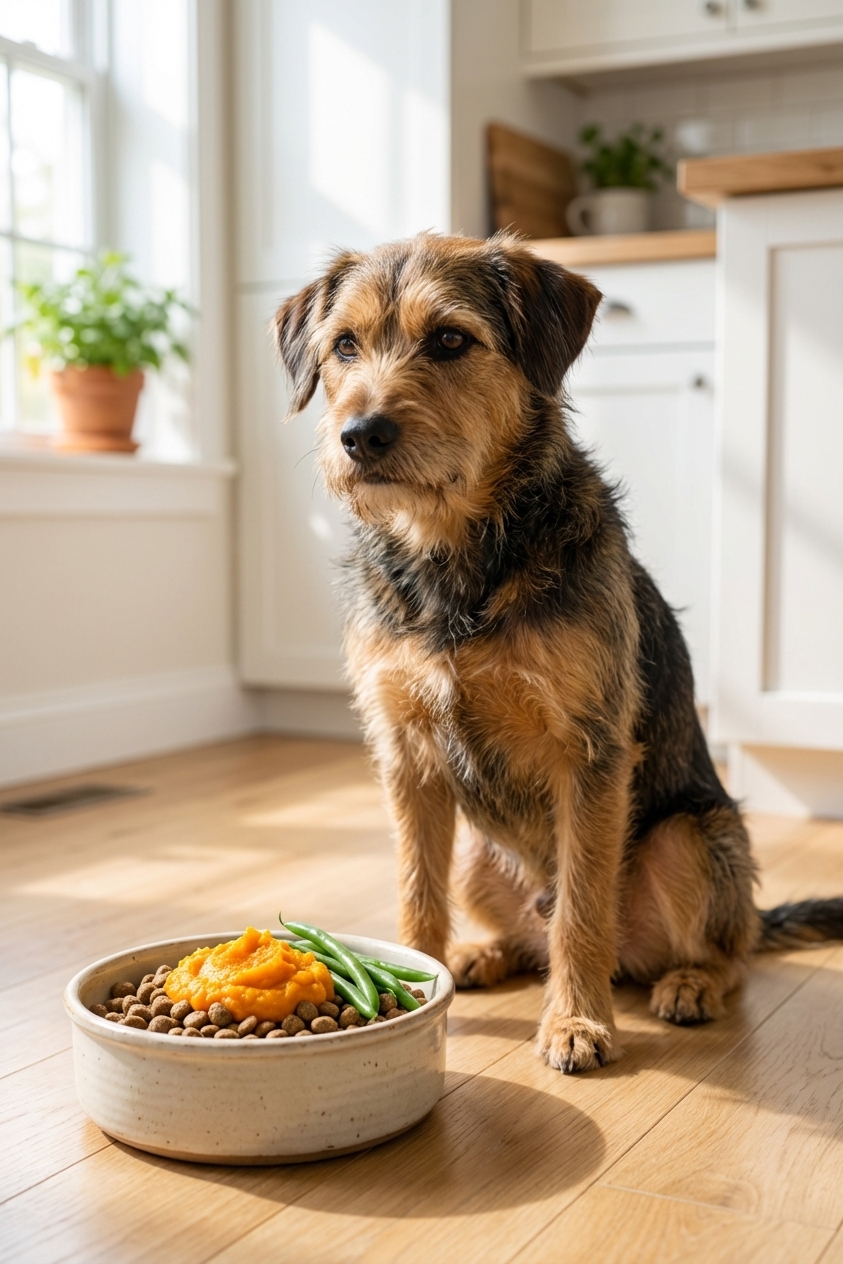
- Canned plain pumpkin (not pie filling)
- Green beans (plain, no salt or seasoning)
- Cooked vegetables like zucchini or carrots
- Psyllium husk in small, veterinarian-guided amounts
Always introduce fiber slowly to prevent gas and loose stools.
Water note: Even though Cushing dogs drink and pee more, do not restrict water unless your veterinarian specifically instructs you to. Keeping fresh water available is important.
4) Choose carbs with your vet in mind
Cushing dogs can have insulin resistance or even concurrent diabetes. That is why it helps to avoid a “treat-heavy” routine and focus on balanced meals with consistent portions.
- Carb choice depends on the complete diet and any diabetes plan. Some dogs do fine with controlled portions of complex carbs (for example, oats, barley, quinoa, or sweet potato), while others need a more tightly consistent-carb approach.
- Avoid frequent high-sugar treats.
- If your dog is diabetic, work closely with your vet because meal timing and carbohydrate consistency matter.
If your dog has high blood pressure, which can happen with Cushing disease, ask your veterinarian whether sodium restriction is appropriate.
Feeding strategies
Split meals
Many families do well with 3 to 4 smaller meals instead of 1 to 2 larger ones. This can reduce begging, help with satiety, and make medication routines easier.
Use volume eating safely
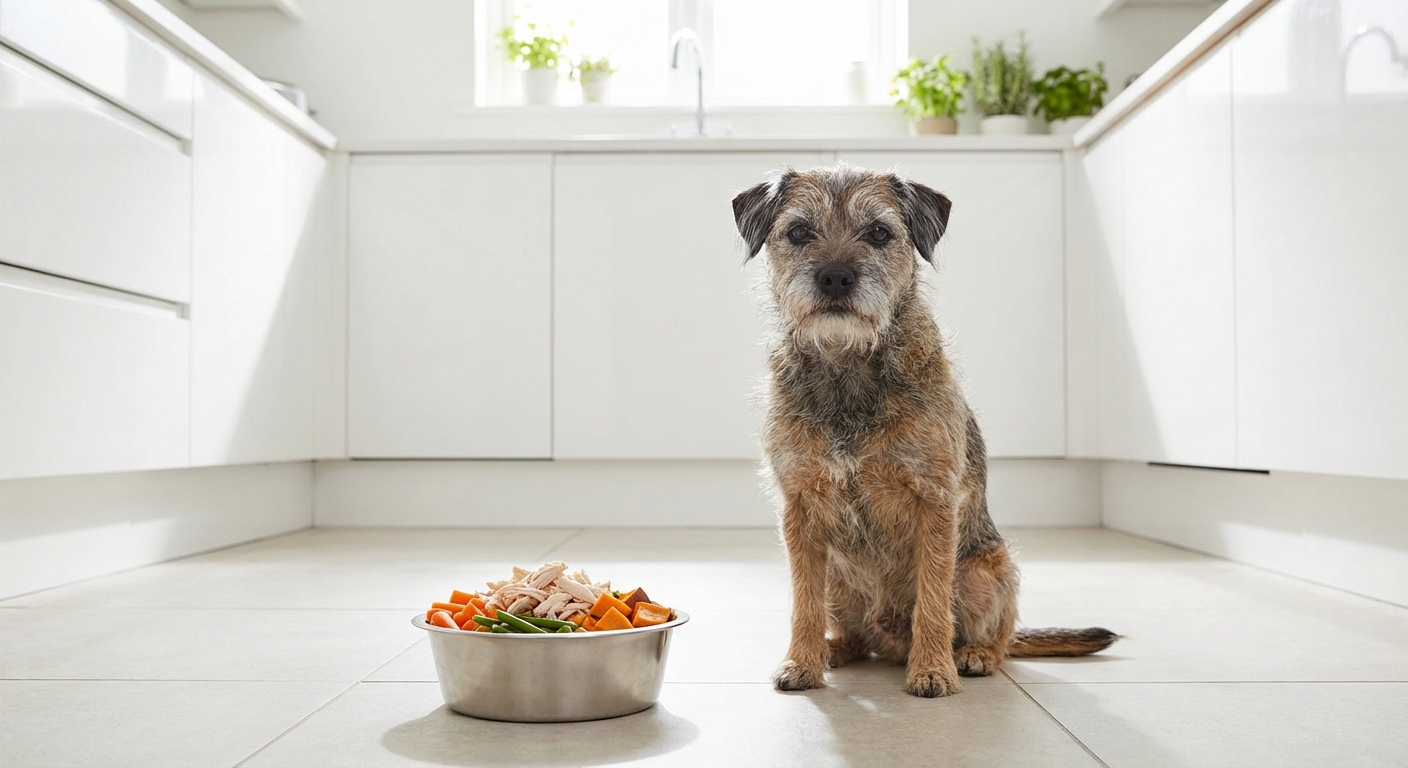
If your dog is gaining weight, it is tempting to cut food drastically. But that can backfire by increasing hunger and stress. Instead, keep calories controlled while increasing volume with low-calorie add-ins like:
- Steamed green beans
- Chopped cucumber
- Cooked zucchini
- A spoon of plain pumpkin
Ask your vet how much is appropriate for your dog’s size and stool tolerance.
Slow feeding and enrichment
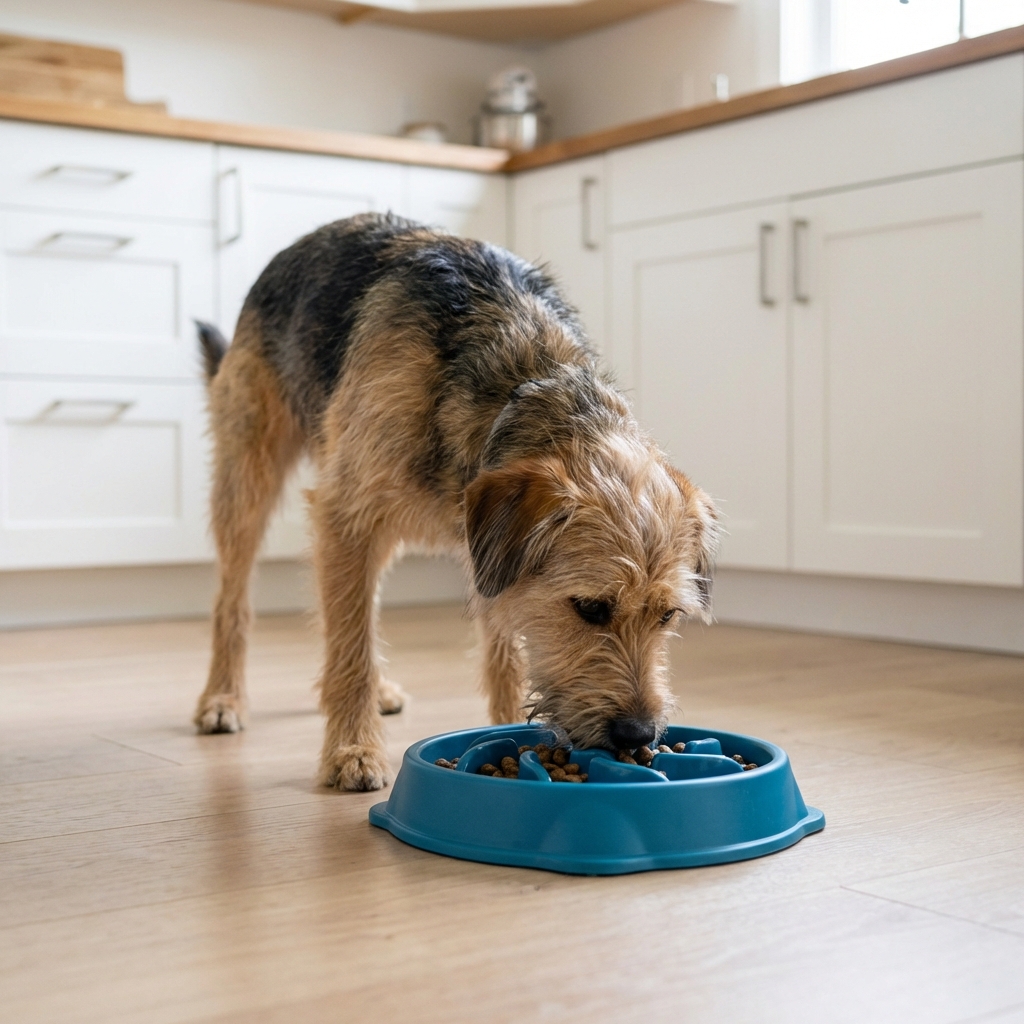
When a dog eats in 30 seconds, satiety signals do not have much time to catch up. Slow feeding tools are simple and often very effective:
- Slow feeder bowls
- Food puzzle toys
- Snuffle mats
- Scatter feeding kibble in the yard (if safe and supervised)
Measure meals and treats
For Cushing dogs, “just a little extra” can add up quickly, especially if activity is lower due to muscle weakness or fatigue. Use a measuring cup or kitchen scale for meals, and keep a simple treat budget for the day.
Plan for tough times
Many Cushing dogs are especially pushy around the times they used to get snacks. A predictable routine can help:
- Offer a low-calorie crunchy snack at the worst begging time (like a few green beans)
- Schedule a short walk, gentle play, or training session instead of an extra meal
- Provide a safe chew that fits your dog’s diet plan. Many dental chews are higher in fat than you would guess, so ask your vet for low-fat friendly options if fat restriction is needed.
Homemade food
Homemade diets can be wonderful, especially for picky dogs or families who want more control over ingredients. But with Cushing disease, the stakes are higher because we are often managing weight, blood lipids, and sometimes other conditions at the same time.
If you want to go homemade, I strongly suggest one of these safer paths:
- Work with a board-certified veterinary nutritionist to create a complete recipe
- Use a veterinary-approved recipe and follow it exactly, including the correct calcium and vitamin-mineral supplement
- Do a partial homemade approach by adding vet-approved low-calorie fiber foods to a complete commercial diet
Simple satiety topper
For many dogs, the easiest win is keeping their regular complete diet and adding a small amount of:
- canned plain pumpkin or
- steamed green beans
Start low and go slow. As a general rule, start with about 1 teaspoon for small dogs and 1 tablespoon for medium to large dogs once daily, then adjust based on stool quality and your vet’s advice.
This helps many dogs feel fuller without unbalancing the diet.

Treats to watch
With Cushing disease, treat choices matter. Some dogs have high cholesterol or triglycerides, and many gain weight easily.
Use caution or avoid
- Fatty meats and greasy leftovers
- High-fat dairy
- Processed treats with lots of calories per bite
- Frequent “people food” snacks that make portions unpredictable
Usually better options
- Small pieces of cooked lean meat
- Carrot coins (some dogs love the crunch)
- Cucumber slices
- Green beans
- Commercial low-fat treats (check the label for fat content and calories)
Reminder: Grapes and raisins, onions, and xylitol are toxic to dogs. If you are not sure about a food, ask your veterinary team.
When hunger is a red flag
Call your veterinarian if you notice any of the following, especially if your dog is on medication for Cushing disease:
- Sudden vomiting, diarrhea, or abdominal pain
- Refusing food or acting unusually tired or weak
- Collapse, tremors, or severe lethargy
- Rapid weight changes
- Drinking dramatically more than usual
Medication dosing may need adjustment, and issues like pancreatitis, diabetes, urinary tract infections, or GI upset can show up alongside Cushing.
Weight goals
If your dog needs to lose weight, slow and steady is safer and more sustainable. Your veterinarian can set a target calorie intake and an appropriate rate of weight loss based on your dog’s body condition score and muscle condition.
At home, take monthly weights if you can, and keep a short log of hunger intensity, stool quality, panting, thirst, and energy. Those notes help your vet fine-tune both medication and diet.
7-day reset
If you want a simple place to start, here is a realistic, vet-friendly reset you can try while you wait for your next appointment. Keep it calm and consistent.
- Day 1 to 2: Measure current food precisely. No new treats. Add a small amount of steamed green beans to one meal (start with about 1 teaspoon for small dogs, 1 tablespoon for medium to large).
- Day 3 to 4: Switch to 3 meals per day if your schedule allows. Introduce a slow feeder bowl.
- Day 5: Replace one high-calorie treat time with a short training session and a few low-calorie treats.
- Day 6: Add a small spoon of plain pumpkin to a meal if stools are normal (same starter amounts as above).
- Day 7: Weigh your dog or do a body condition check. Note energy, panting, thirst, stool quality, and hunger intensity to share with your vet.
The bottom line
Cushing disease can make dogs feel genuinely hungry, but you have more tools than you might think. A plan built around lean protein, appropriate fat for your dog’s labwork and history, smart fiber, measured portions, and slower feeding can help your dog feel satisfied and supported.
If you tell me your dog’s breed mix, age, current weight, and whether they have a history of pancreatitis, hyperlipidemia, diabetes, or high blood pressure, I can help you brainstorm questions to bring to your veterinarian and ideas for a practical feeding routine at home.