Vomiting or diarrhea can be scary. Learn common causes, vet red flags, and safe at-home steps like hydration and bland meals—plus what not to do and when t...
Article
•
Designer Mixes
Cure for Diarrhea in Dogs

Shari Shidate
Designer Mixes contributor
Diarrhea in dogs is common, stressful, and often messy. The good news is that most mild cases improve quickly with the right home care and a little detective work. As a veterinary assistant in Frisco, Texas, I have seen the full range, from simple diet slip-ups to true emergencies. This guide walks you through what to do today, what to feed, what to watch, and when to stop home treatment and call your vet.
Quick note: This article is for general education and is not a substitute for a veterinary diagnosis. When in doubt, call your clinic.
First: is this an emergency?
Before you try any “cure,” do a quick safety check. Diarrhea can dehydrate dogs fast, especially puppies, tiny dogs, and seniors.
Go to the vet or emergency clinic now if you see:
- Blood in the stool (bright red) or black, tarry stool (can mean digested blood)
- Repeated vomiting, vomiting with diarrhea, or cannot keep water down
- Severe lethargy, collapse, pale gums, or obvious pain
- Bloated abdomen or unproductive retching
- Signs of dehydration (sticky gums, sunken eyes, weakness, skin stays “tented” when gently lifted)
- Puppies (especially under 6 months), very small dogs, unvaccinated puppies, or dogs with chronic illness (kidney disease, diabetes, Cushing’s, cancer)
- Diarrhea that lasts more than 24 hours in puppies or small dogs, or more than 48 hours in otherwise healthy adults, or is worsening
- Possible toxin exposure (xylitol, grapes/raisins, medications, trash, antifreeze)
If none of those apply and your dog is bright, alert, and still interested in water, home care is reasonable for a short window.
What the stool can tell you
The look and frequency can hint at where the problem is coming from.
- Large volume, watery, maybe weight loss: often small intestine, dietary intolerance, parasites, infection
- Frequent small stools with mucus or urgency: often large intestine, stress colitis, sudden diet changes
- Greasy, pale, very smelly stool: can indicate maldigestion or malabsorption (such as exocrine pancreatic insufficiency) and sometimes other pancreatic or intestinal disease; needs vet guidance
The 24-hour reset plan (mild cases)
Step 1: protect hydration
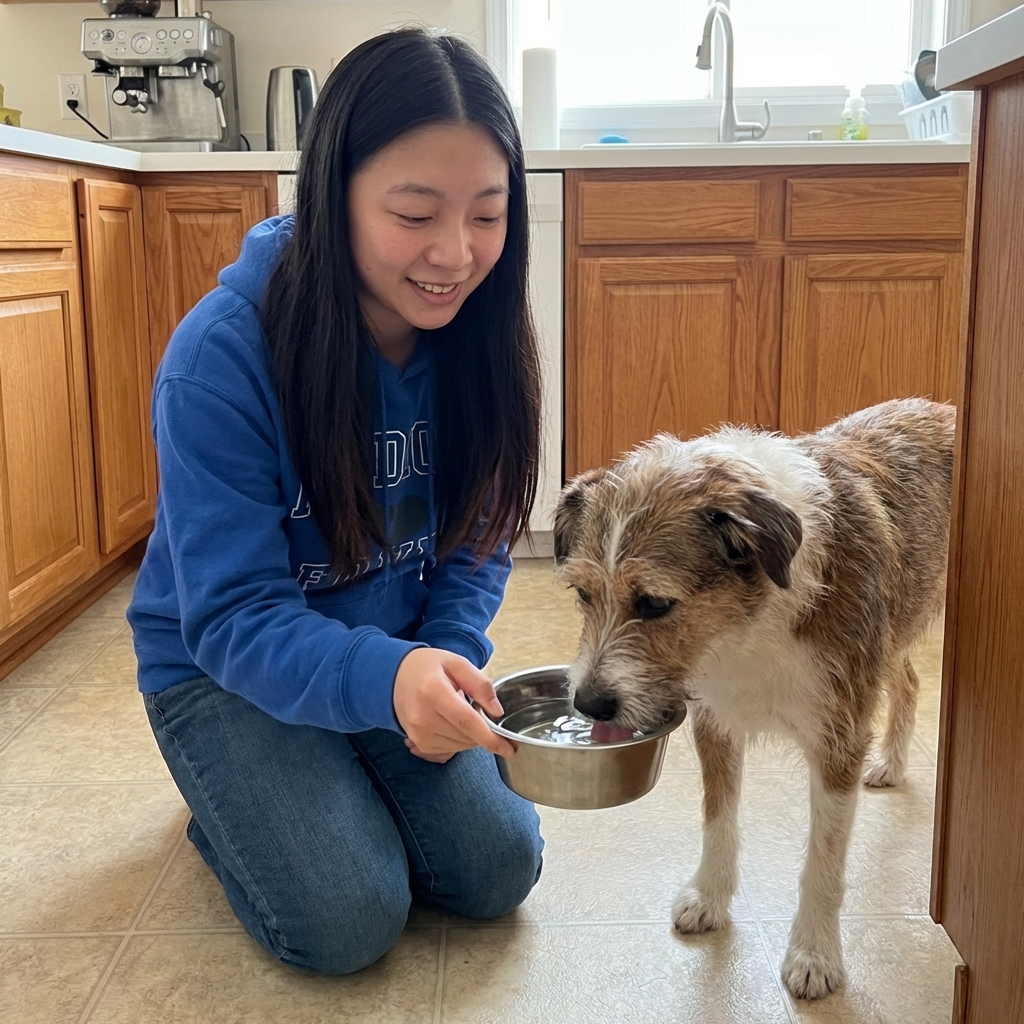
Water matters more than food on day one. Offer frequent small drinks.
- Keep fresh water available.
- If your dog gulps and then vomits, try smaller, more frequent sips. A common tactic is 1 to 2 tablespoons every 10 to 15 minutes for small dogs, or 1 to 2 ounces for medium and large dogs.
- If vomiting continues, your dog seems weak, or you cannot keep fluids down, stop home care and seek veterinary help.
- Ask your vet about a pet-safe oral electrolyte solution if your dog is prone to dehydration.
Step 2: brief food pause (some vets use this)
For a healthy adult dog with mild diarrhea and no vomiting, some veterinarians may recommend a brief food break of 8 to 12 hours. Others prefer feeding a bland diet right away. Either approach can be reasonable depending on your dog and your vet’s preference.
Do not fast puppies, toy breeds, seniors, or dogs with medical conditions unless your veterinarian directs you to. If vomiting, weakness, or worsening diarrhea develops, stop the plan and call your vet.
Step 3: start a bland diet
Feed small bland meals.
- Boiled skinless chicken breast and white rice (classic and effective)
- Lean ground turkey and rice
- Cooked egg (scrambled with no butter or oil) and rice
Feed small portions 3 to 6 times a day. A simple starting point is about 25% to 33% of the normal meal size per feeding, then adjust based on stool and appetite.
Step 4: add stool support (often helpful)
- Plain canned pumpkin (not pie filling): a common rule of thumb is 1 teaspoon per 10 pounds mixed into food. Start low. Too much fiber can cause gas or looser stool in some dogs. Many dogs do best staying under 1 to 4 tablespoons total per day, depending on size.
- Probiotics made for dogs: these can support the gut microbiome, especially after stress, diet changes, or antibiotics. If you want a specific product, ask your vet what they recommend (common clinic options include FortiFlora or Proviable).
If your dog has a history of pancreatitis, keep the diet very low fat and contact your veterinarian before adding extras.
At-home routine while stools normalize
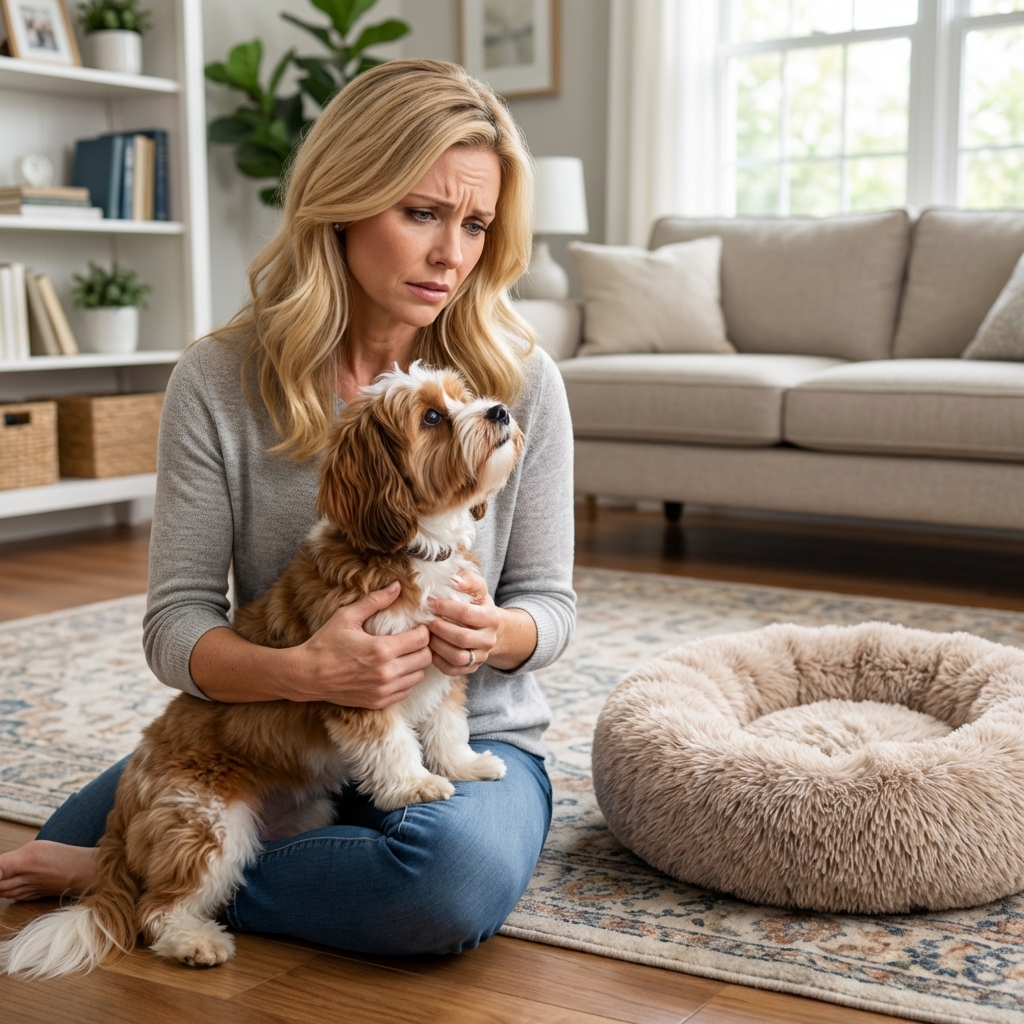
Diarrhea changes behavior because dogs feel urgency, cramping, or anxiety about accidents. A calm plan helps your dog and your home.
Potty routine that reduces accidents
- Take your dog out more often, especially after eating, drinking, playing, and waking.
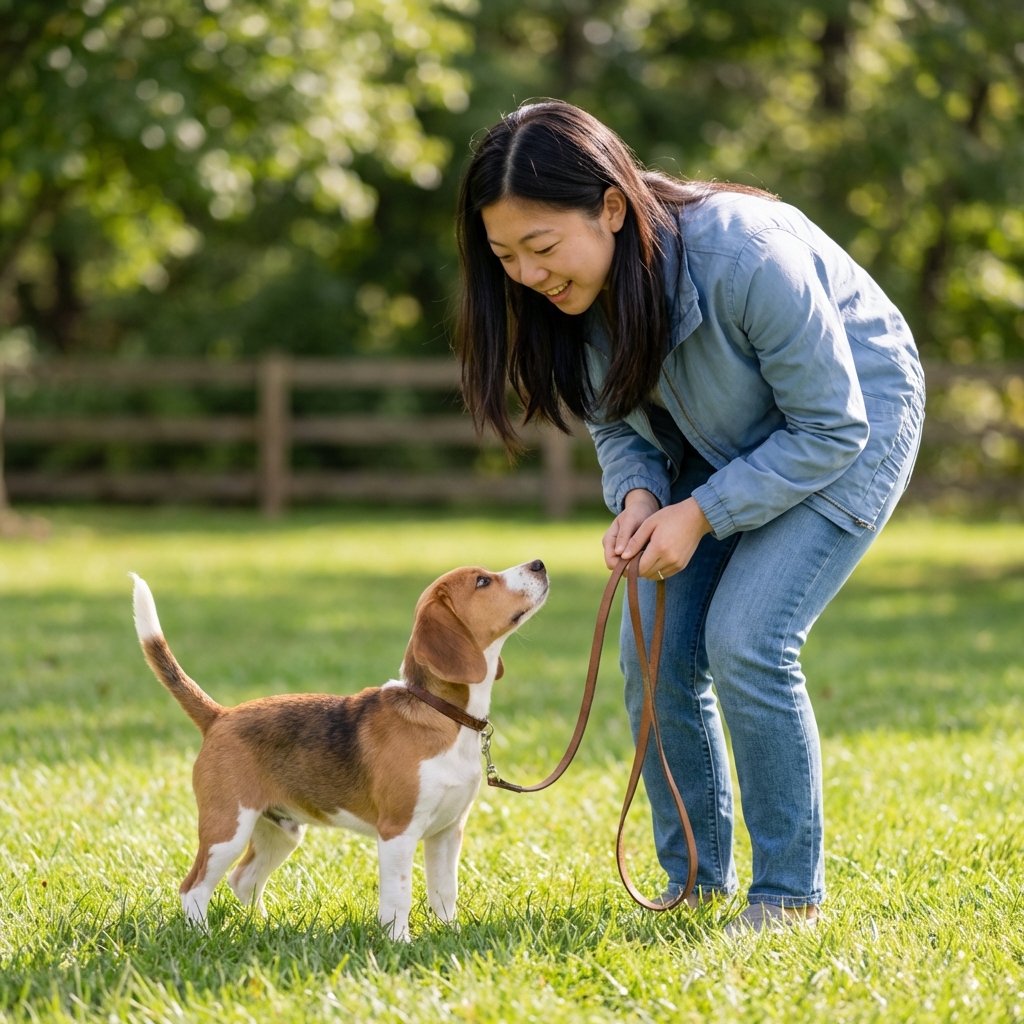
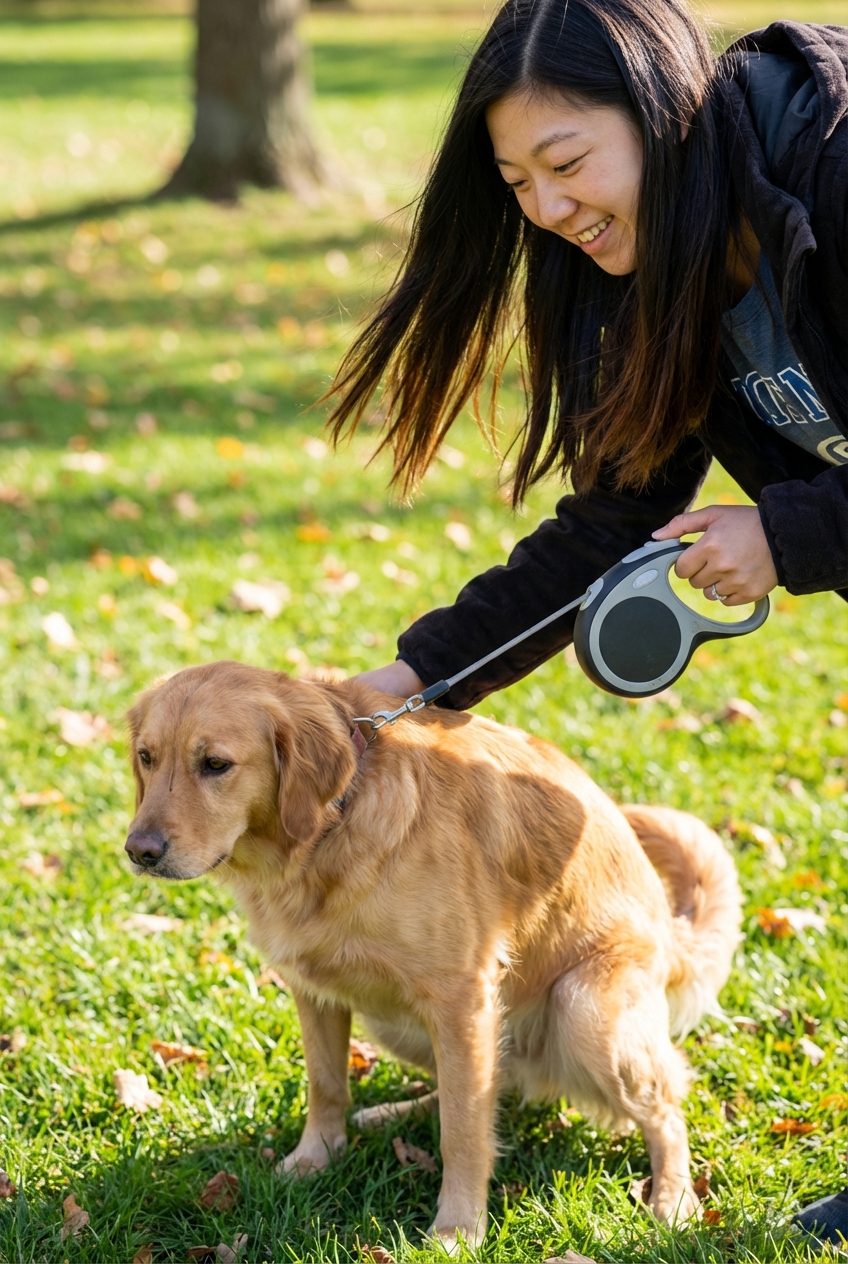
- Use a leash even in the backyard so you can quickly reward the right spot and notice stool changes.
- Pick one “bathroom zone” to keep the scent cue consistent.
- Reward with calm praise, then go right back inside so the potty break does not turn into a long, stimulating outing.
If your dog has an accident indoors
- Do not punish. Dogs do not connect punishment with an upset GI tract and it can increase stress colitis.
- Clean with an enzymatic cleaner to remove odor cues.
- Temporarily limit freedom with a baby gate or keep your dog in the same room as you.
Lower stress (stress can cause diarrhea)
- Keep the day predictable: meals, potty breaks, quiet rest.
- Pause new visitors, dog parks, intense play, and long car rides for 24 to 48 hours.
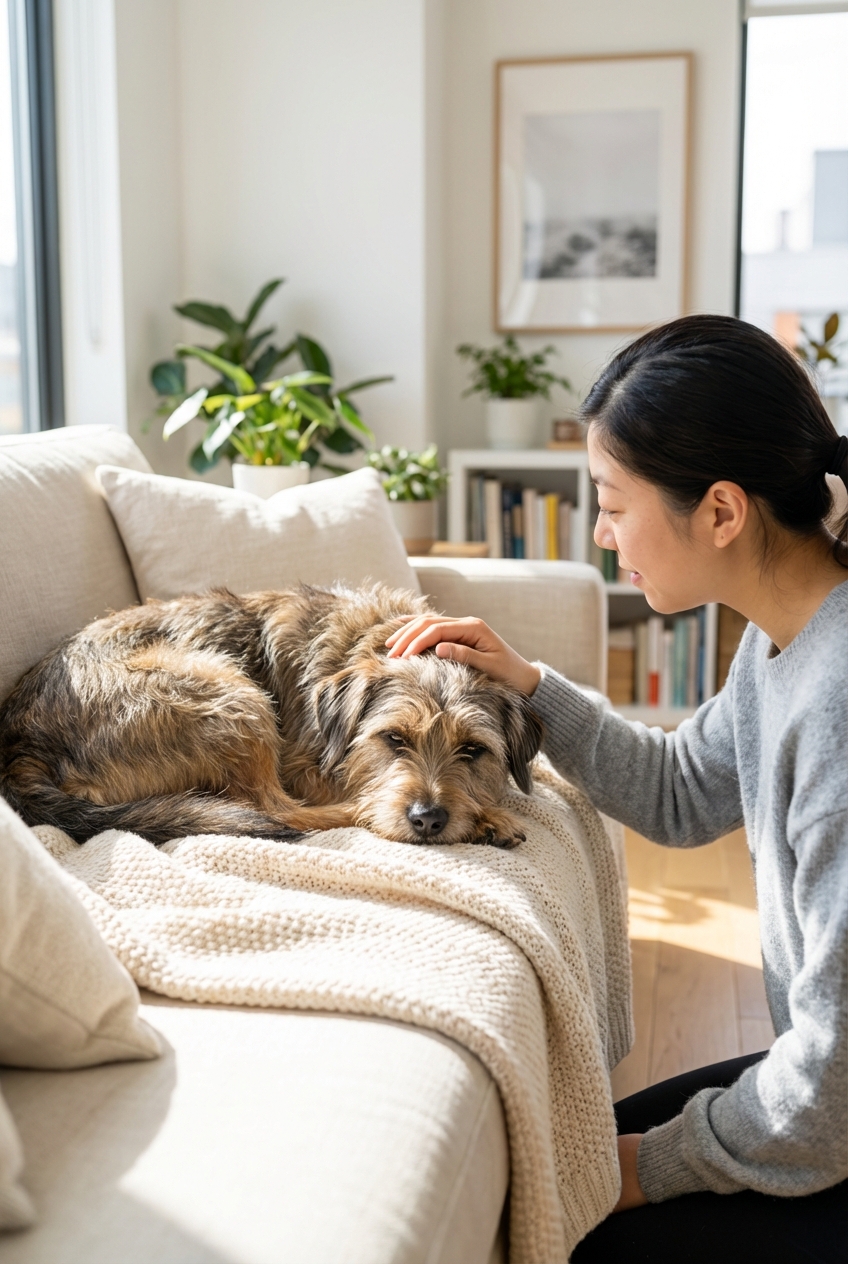
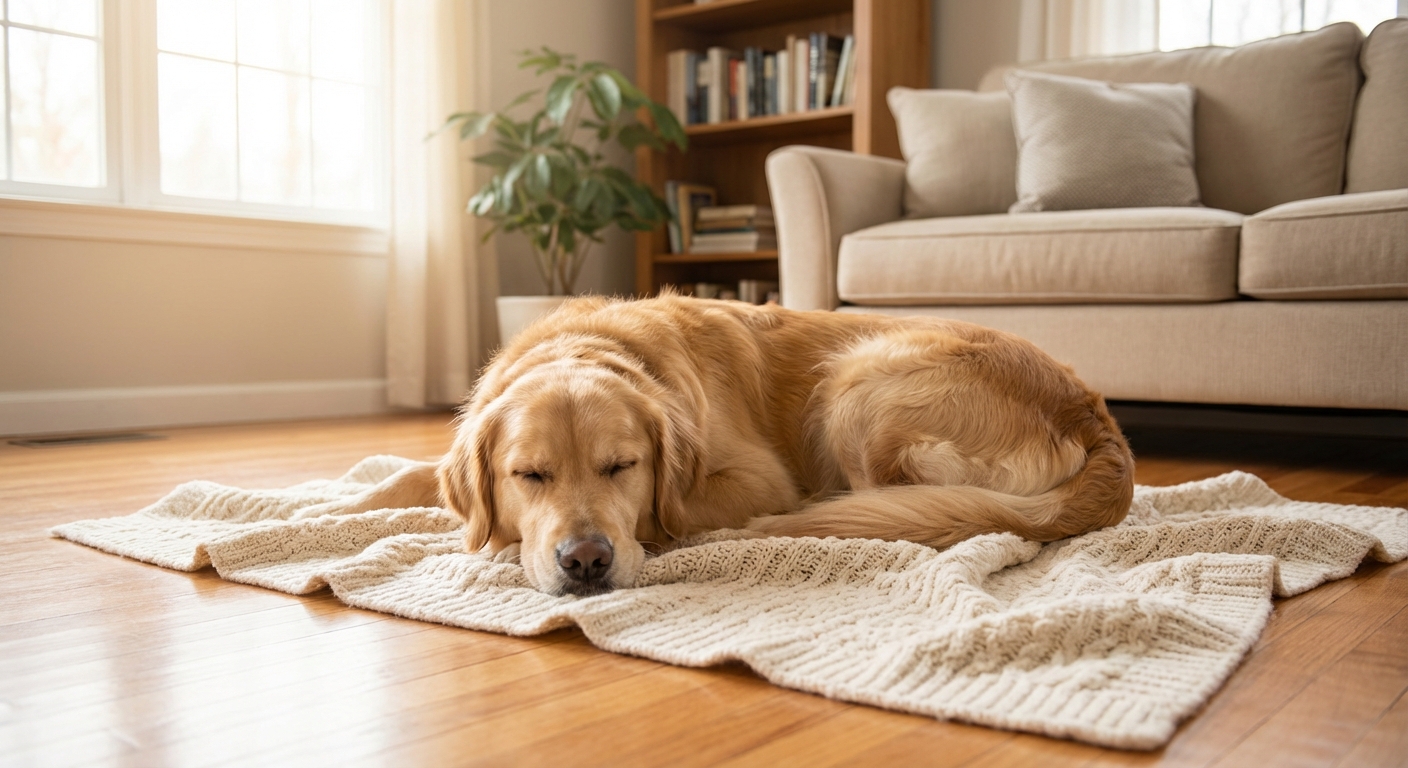
- Offer a quiet space with a washable blanket.
When to suspect a blockage
Foreign bodies (socks, toys, bones, corn cobs) can start with diarrhea and quickly turn serious.
Call your vet promptly if your dog has:
- Diarrhea plus vomiting or repeated dry heaving
- Refusing food or acting painful (praying position, tense belly)
- A history of chewing and you suspect something is missing
- Diarrhea that does not improve with bland diet within 24 to 48 hours
What not to do
- Do not give human anti-diarrheal medication unless your veterinarian tells you to. Some are unsafe for dogs or unsafe with certain infections.
- Do not abruptly switch foods again to “test” a new diet. Stick with bland food until stools are normal.
- Avoid fatty foods like bacon, sausage, greasy leftovers, or rich treats. Fat can trigger pancreatitis in susceptible dogs.
- Do not delay if you see blood, black stool, vomiting, dehydration, weakness, or worsening symptoms.
Common causes (and prevention)
Dietary indiscretion
Trash, table scraps, new treats, chews, or a sudden food switch are top triggers.
- Use a trash can with a locking lid.
- Introduce new foods slowly over 7 to 10 days.
- Limit rich treats and keep treat calories under 10% of daily intake.
Parasites
Giardia and intestinal worms can cause recurring soft stool, mucus, or weight changes. Your vet may request a fecal test, sometimes more than one, because shedding can be intermittent.
- Keep your dog on vet-recommended parasite prevention.
- Pick up stool promptly (especially in shared yards).
- Avoid drinking from puddles, ponds, and other stagnant water when you can.
Contagious GI bugs
Boarding, dog parks, and shared water bowls can spread contagious GI illness. Good hygiene helps: wash bowls, avoid shared water when possible, and keep sick dogs home.
Vaccination is still important, especially the puppy series and parvovirus protection, but most everyday diarrhea viruses and “daycare stomach bugs” are not fully prevented by routine vaccines.
Food sensitivities
Chronic or recurring diarrhea may point to intolerance or inflammatory bowel disease. That is where a vet-directed elimination diet can be a game changer.
When to reintroduce normal food
Once stools are formed and normal for 24 to 48 hours, transition back slowly:
- Day 1: 75% bland diet, 25% regular food
- Day 2: 50% bland, 50% regular
- Day 3: 25% bland, 75% regular
- Day 4: 100% regular food
If diarrhea returns during the transition, step back to the previous ratio and consider calling your vet.
What to track for your vet
If you end up needing a vet visit, this information speeds up diagnosis and helps your dog get relief faster.
- When diarrhea started and how many times per day
- Stool appearance: watery, soft-serve, mucus, blood, black stool
- Vomiting, appetite changes, water intake
- Any new foods, treats, chews, people food, trash access
- Recent travel, boarding, dog park visits, new pets
- Current medications and supplements
A gentle note on “cures”
I love practical home care, but diarrhea is a symptom, not a diagnosis. The best “cure” is matching the plan to the cause, and knowing when home support is enough versus when testing and medication are necessary. If you are unsure, it is always okay to call your veterinarian. You are not overreacting. You are advocating.