Vet-assistant guidance for mild cat diarrhea: fluids, bland meals, cat-specific probiotics, pumpkin, stress tips, hygiene, what to avoid, and when to see you...
Article
•
Designer Mixes
Cure Cat Diarrhea: Comprehensive Overview

Shari Shidate
Designer Mixes contributor
As a veterinary assistant here in Frisco, Texas, I see diarrhea in cats all the time, and I know how stressful it feels. The good news is that many cases are mild and short-lived. The not-so-good news is that diarrhea can also be a sign of something that needs veterinary care quickly. This guide will walk you through what diarrhea means, what commonly causes it, what you can safely do at home, and when it is time to call your veterinarian.
First, what counts as diarrhea?
Diarrhea is stool that is looser or more watery than normal, often with an increase in frequency. Some cats have a sudden messy bowel movement once and then return to normal. Others have repeated watery stool, mucus, straining, or accidents outside the litter box.
It also helps to think in time frames:
- Acute diarrhea: starts suddenly and lasts days.
- Chronic diarrhea: lasts more than 2 to 3 weeks or keeps coming back.
The pattern matters because it can give clues about where the inflammation may be happening.
Small vs. large bowel clues
These are general patterns, not hard rules. Many cats show overlap.
- Small bowel (small intestine) signs, often: larger volume stool, more watery stool, weight loss, poor appetite. Vomiting can occur too.
- Large bowel (colon) signs, often: frequent small stools, mucus, straining, urgency, and sometimes bright red blood. Stools can still be watery.
Common causes of cat diarrhea
Diarrhea is a symptom, not a diagnosis. In clinics, the most common triggers tend to fall into a few big buckets.
Diet-related causes
- Sudden food change: switching brands or flavors too quickly can upset the gut.
- Rich treats and table foods: especially fatty foods.
- Milk and dairy: many adult cats are lactose intolerant.
- Food sensitivity: some cats react to certain proteins or ingredients.
Parasites and infections
- Intestinal parasites: Giardia, roundworms, hookworms, coccidia, and Tritrichomonas foetus can cause diarrhea, sometimes with mucus (Tritrichomonas is especially common in young cats and multi-cat homes).
- Viral or bacterial causes: more likely in kittens, shelter cats, or multi-cat homes.
Medication-related diarrhea
- Antibiotics: can disrupt the normal gut microbiome.
- Dewormers: may cause temporary loose stool in some cats.
- Other medications: any new medication or supplement is worth mentioning to your vet, even if it seems unrelated.
Stress and environment
- New home, new pet, travel, boarding: stress can change gut motility.
- Litter box aversion: if stool is painful or urgent, cats may associate the box with discomfort.
Medical conditions
- Inflammatory bowel disease (IBD)
- Hyperthyroidism (common in older cats)
- Pancreatitis
- Exocrine pancreatic insufficiency (less common, but important)
- Kidney or liver disease
- Cancer (especially in older cats with weight loss)
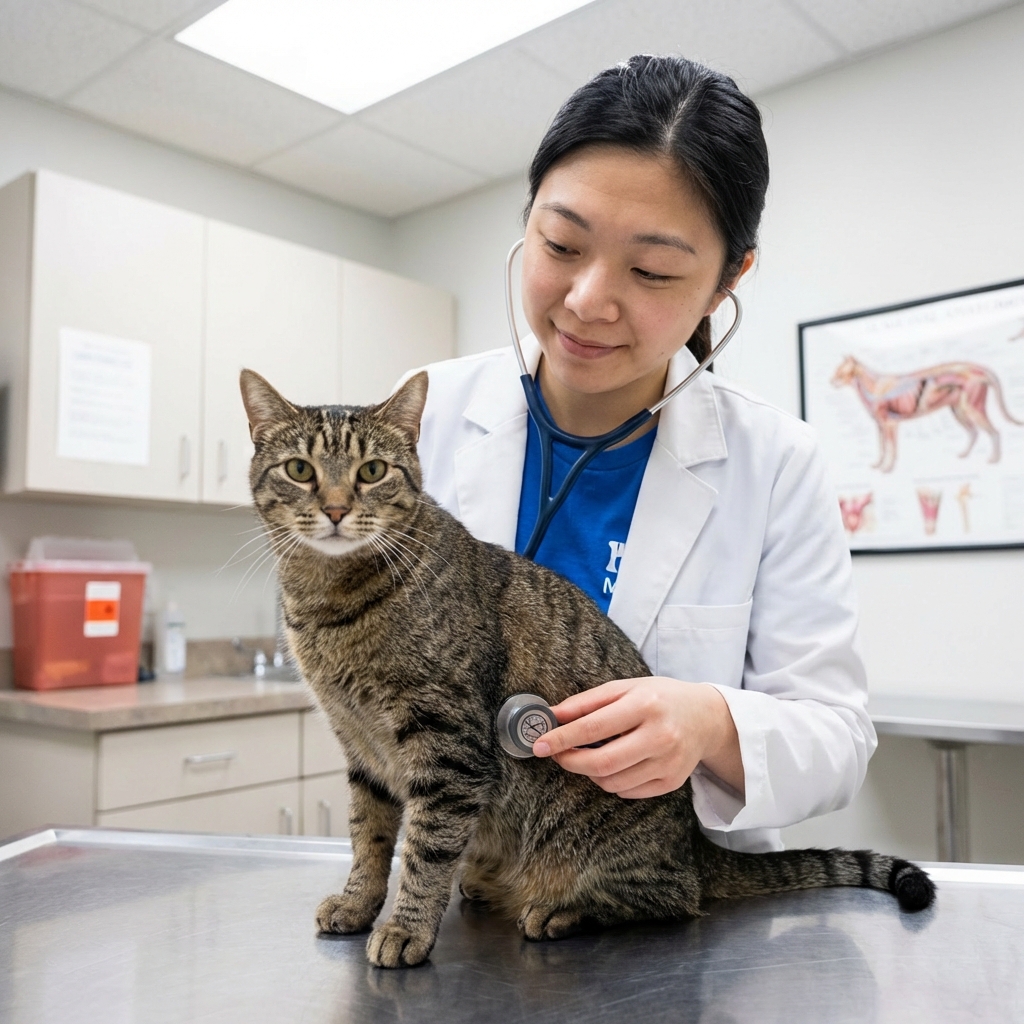
When to call the vet
When in doubt, call. A quick phone check can prevent a long, expensive illness. Below are two practical levels I use when talking to families.
Go to urgent care now
- Continuous watery diarrhea (especially large volume) or your cat cannot keep water down
- Black, tarry stool or a lot of blood in the stool
- Vomiting with diarrhea plus weakness, collapse, or severe lethargy
- Suspected toxin exposure or foreign body risk (string, ribbon, lilies, human meds, rodenticides)
- Kittens who are not fully vaccinated with sudden severe diarrhea (panleukopenia is one reason we treat this as an emergency)
- Panting or open-mouth breathing (not a typical dehydration sign in cats and should be treated as urgent)
Call your vet today (or within 24 hours)
- Diarrhea that lasts more than 24 to 48 hours, even if your cat seems mostly okay
- Repeated diarrhea (multiple episodes in a day)
- Small streaks of bright red blood or mucus that keeps showing up
- Refusing food for more than 24 hours (or 12 hours for kittens)
- Signs of dehydration such as dry or tacky gums, sunken eyes, reduced urination, or a skin tent that stays up when gently lifted at the scruff
- Kittens, senior cats, or cats with chronic illness (these cats can go downhill faster)
If your cat is having diarrhea and seems “off” in any way, trust that instinct and call your veterinarian.
Safe at-home steps for mild diarrhea
If your cat is bright, alert, still drinking, and the diarrhea is mild and very recent, you can often do supportive care while you watch closely. Always call your veterinarian if you are unsure, especially if your cat has any chronic condition.
1) Prioritize hydration
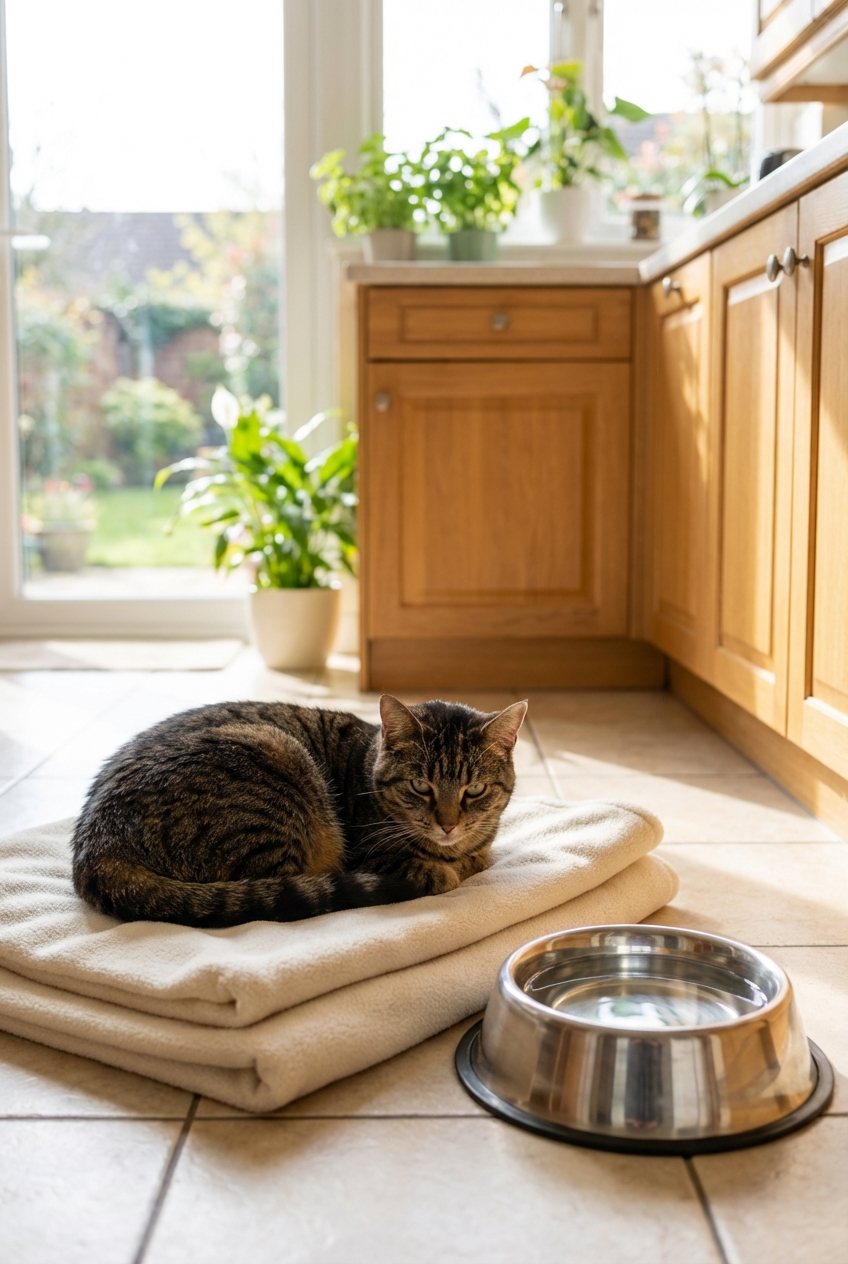
- Offer plenty of fresh water in multiple locations.
- Consider a cat water fountain if your cat prefers moving water.
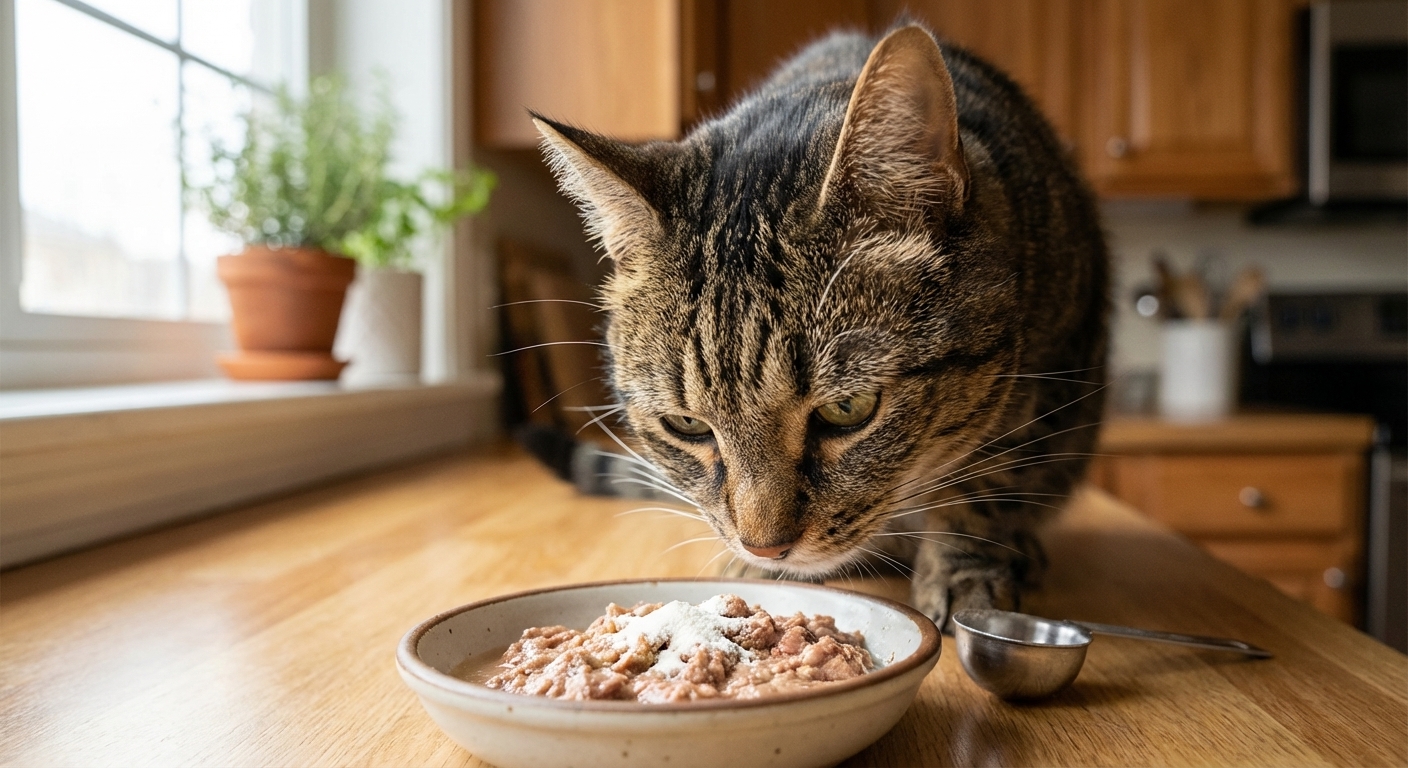
- If your cat will eat, add a little extra water to wet food to boost moisture intake.
2) Simplify the diet (short-term)
Unlike dogs, cats are not good candidates for prolonged fasting. Skipping meals can increase the risk of hepatic lipidosis (fatty liver) in some cats. For mild diarrhea, the goal is a gentle, highly digestible diet, and ideally one that your vet recommends.
- Veterinary GI diets are often the easiest and safest short-term option.
- If your veterinarian approves a home bland plan, common options include plain cooked chicken in small, frequent meals. Some cats do better without rice since cats are obligate carnivores and extra carbohydrates are not necessary for many.
Important: home bland diets are not nutritionally complete. Use them briefly (often 1 to 2 days) unless your veterinarian gives you a balanced recipe or a specific plan.
Transition back to the regular diet slowly once stools normalize, typically over several days.
3) Consider a cat-specific probiotic
Some studies suggest probiotics can help certain cases of acute diarrhea, especially when stress or antibiotics are involved, but results are product and strain specific. Choose a product labeled for cats and follow your veterinarian’s guidance on dosing and duration.
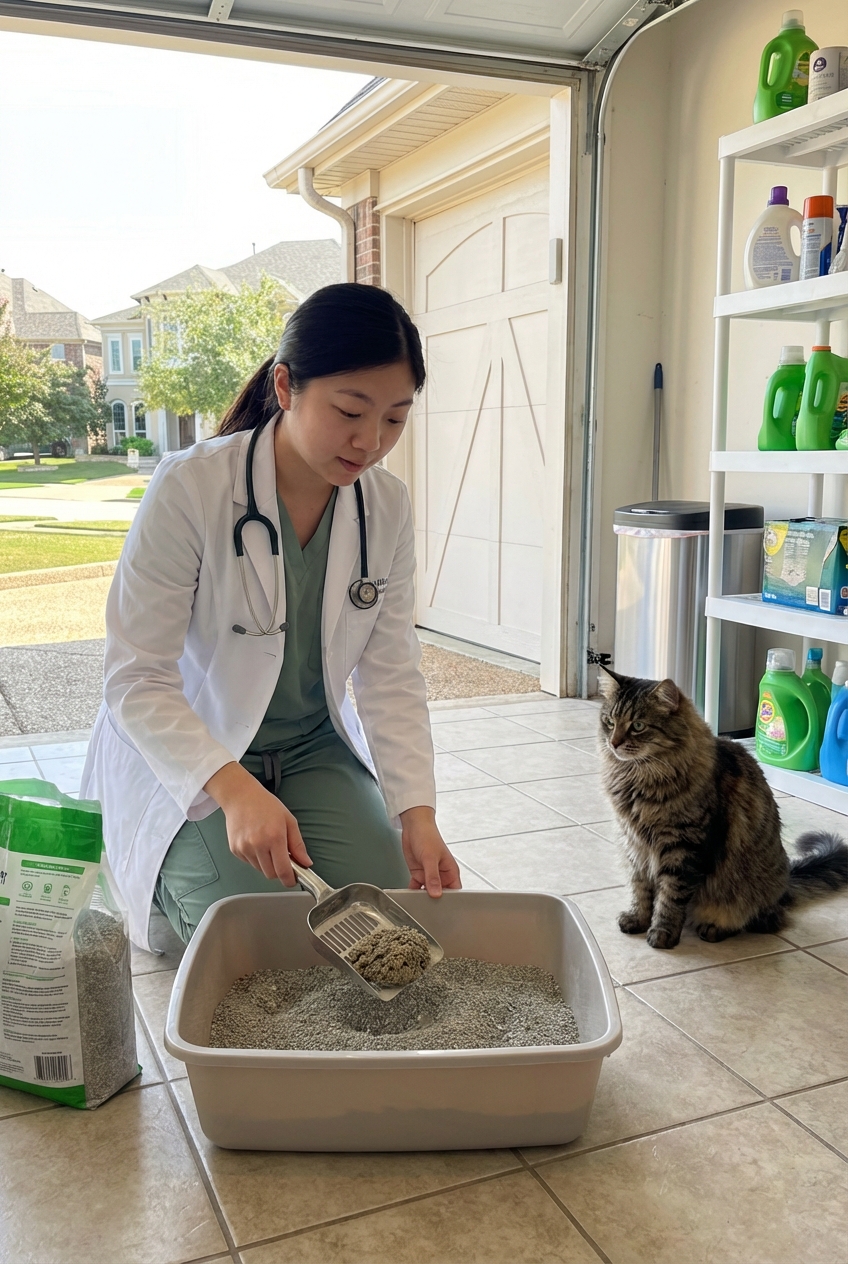
4) Keep the litter box extra clean
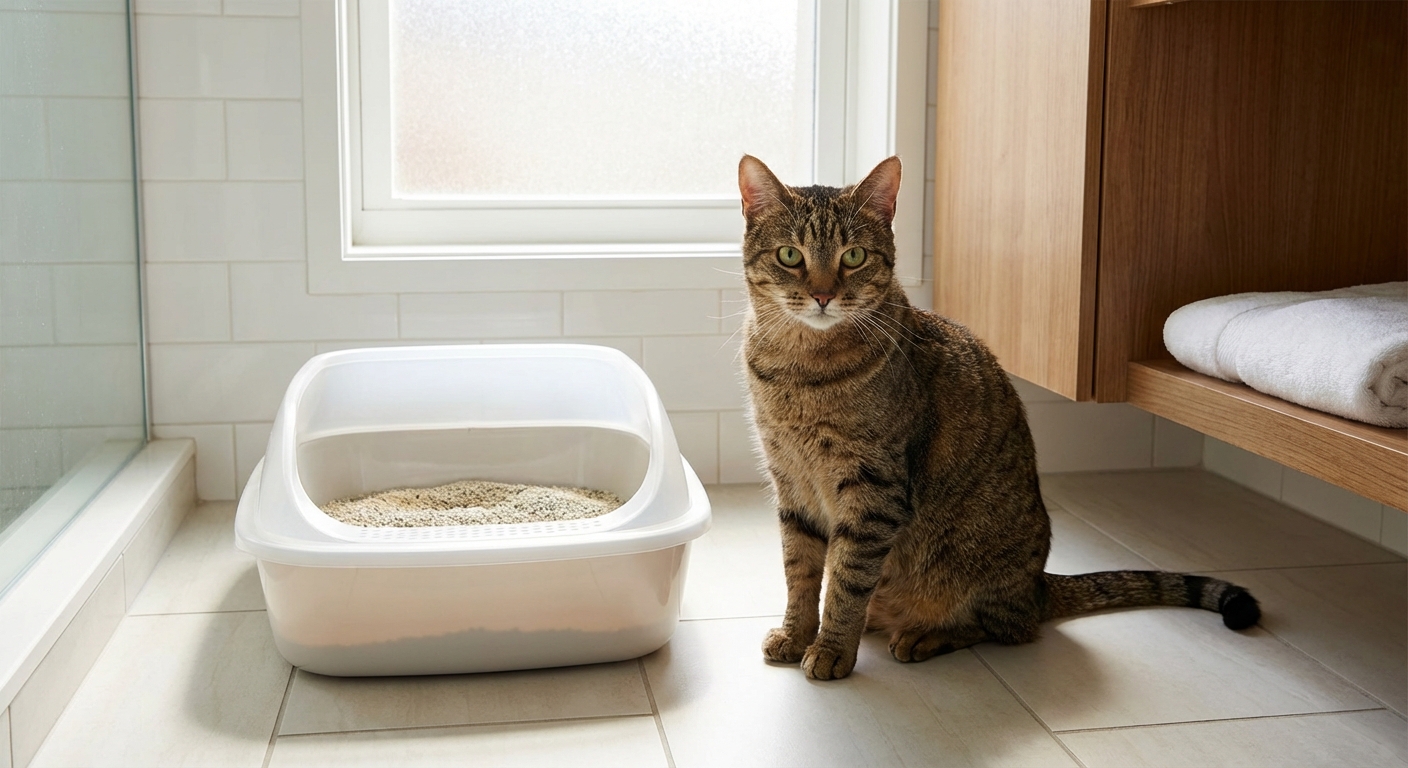
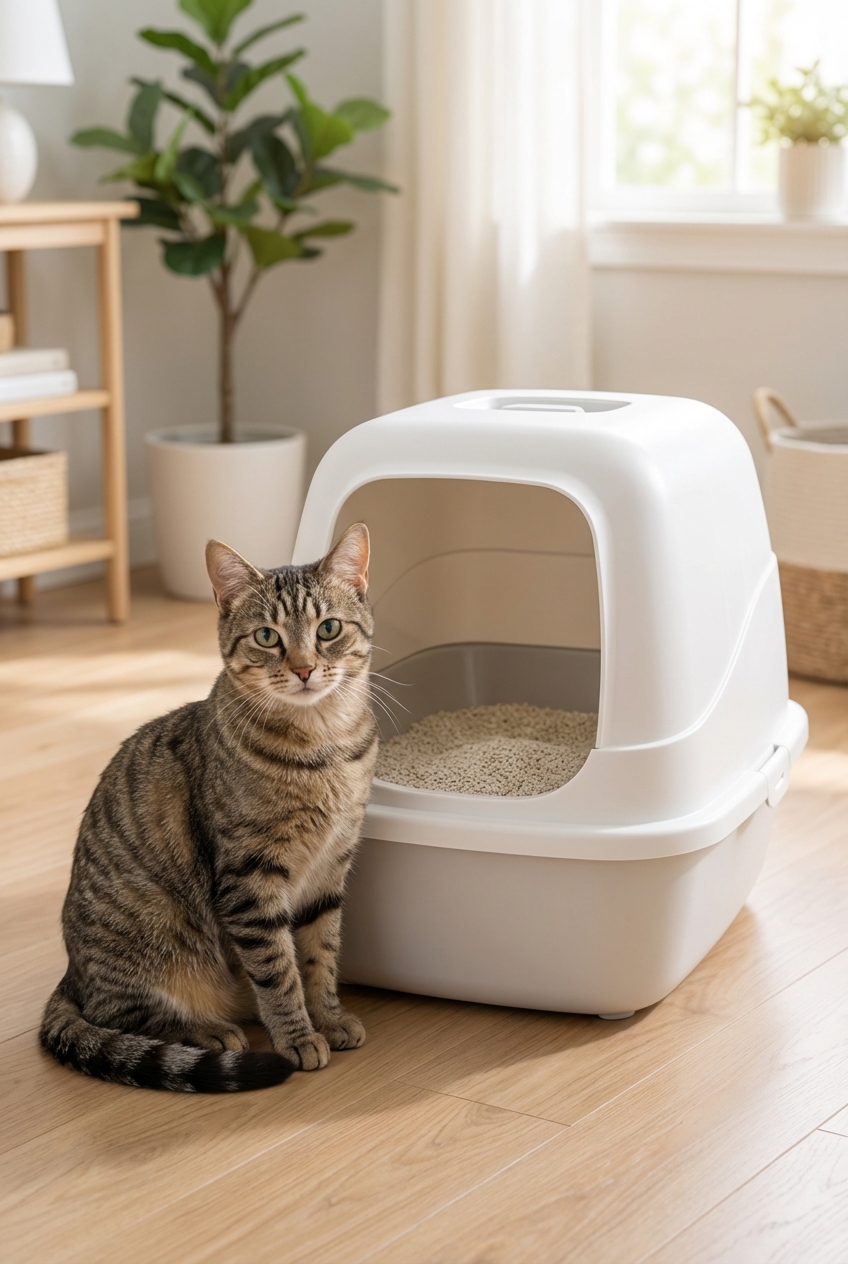
Diarrhea can make cats avoid the box. Scoop more often, keep boxes easy to reach, and consider adding a second box temporarily.
What not to do
These are common mistakes I see well-meaning pet parents make, and they can backfire.
- Do not give human anti-diarrheal medications (like loperamide) unless your veterinarian specifically instructs you. Cats can have serious side effects.
- Do not force dairy or “milk to soothe the stomach.” It often worsens diarrhea.
- Do not switch foods repeatedly trying to find the perfect option overnight. Too many changes can keep the gut irritated.
- Do not ignore weight loss or recurring episodes. Chronic or recurrent diarrhea should be evaluated.
How vets find the cause
If diarrhea persists, returns often, or comes with other symptoms, your vet may recommend testing to stop guessing and start treating the true cause.
Common diagnostic steps
- History and exam: diet, treats, recent changes, stress, outdoor access, and medications or supplements.
- Fecal testing: flotation, Giardia testing, PCR panels when indicated (including Tritrichomonas in the right situation).
- Bloodwork: checks hydration, infection, organ function, and thyroid (especially older cats).
- Urinalysis: helpful for systemic illness.
- Imaging: X-rays or ultrasound if foreign body, obstruction, or organ disease is suspected.
- Diet trials: hydrolyzed or novel protein diets for suspected food sensitivity.
The right plan depends on your cat’s age, symptoms, and how sick they appear.
Treatment options
“Ultimate cure” can be misleading because there is no single fix for every cat. The real cure is matching treatment to the cause, while protecting hydration and gut health.
Common treatments
- Parasite treatment: dewormers or anti-protozoal medications when parasites are found or strongly suspected.
- Diet therapy: GI support diets, fiber adjustment, or elimination diets.
- Probiotics: to support the microbiome, especially after stress or antibiotics, when your vet recommends them.
- Fluids: subcutaneous or IV fluids for dehydration.
- Anti-nausea medication: if vomiting is present.
- B12 supplementation: sometimes recommended for chronic small bowel disease.
- Targeted antibiotics: only when appropriate, since overuse can disrupt the microbiome.
Prevention
Many diarrhea episodes are preventable. Here are a few practical steps that I recommend to families, especially in multi-cat homes.
- Transition foods slowly: mix small amounts of the new food in over 7 to 10 days.
- Keep parasites in mind: routine fecal checks, appropriate preventives, and prompt cleanup of accidents.
- Reduce stress: consistent routines, enrichment, hiding spots, and slow introductions for new pets.
- Avoid risky “string” toys unattended: and keep ribbons, hair ties, and yarn put away.
- Store toxins safely: keep human medications secured and avoid exposure to lilies and rodenticides.
- Schedule wellness exams: especially for seniors, because chronic diarrhea can be an early clue of hyperthyroidism or other disease.
Quick home checklist
If you are in the middle of a messy moment, here is a calm, step-by-step approach.
- Take a photo of the stool and note frequency.
- Check for vomiting, appetite changes, and energy level.
- Encourage water and offer a gentle diet as directed by your vet.
- Save a stool sample if possible. Use a clean, sealed container or a new zip-top bag. If you cannot bring it in within a couple of hours, refrigerate it. Do not freeze unless your vet tells you to.
- Call your veterinarian if symptoms last more than 24 to 48 hours, your cat seems unwell, or anything worsens.
You do not have to figure it out alone. Diarrhea is common, and with the right plan, most cats feel better quickly.