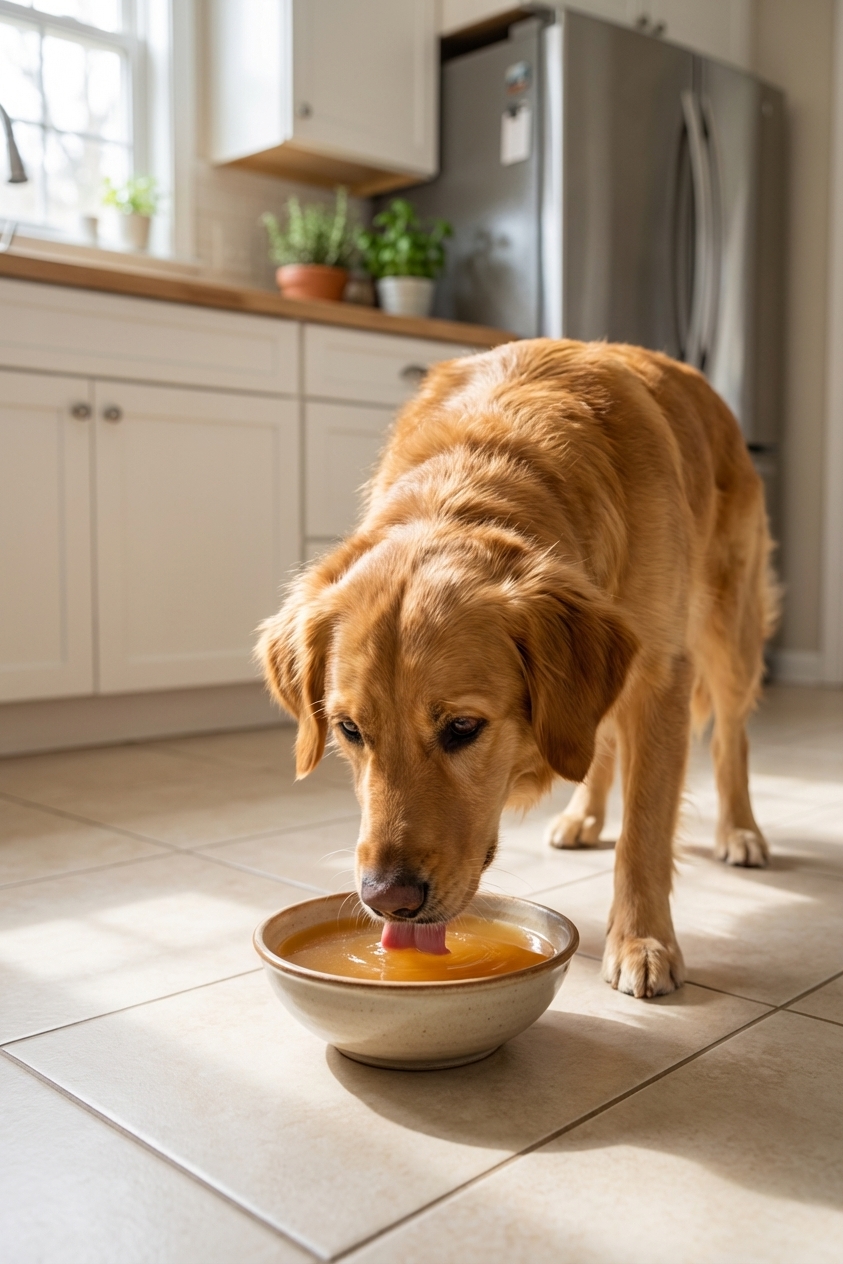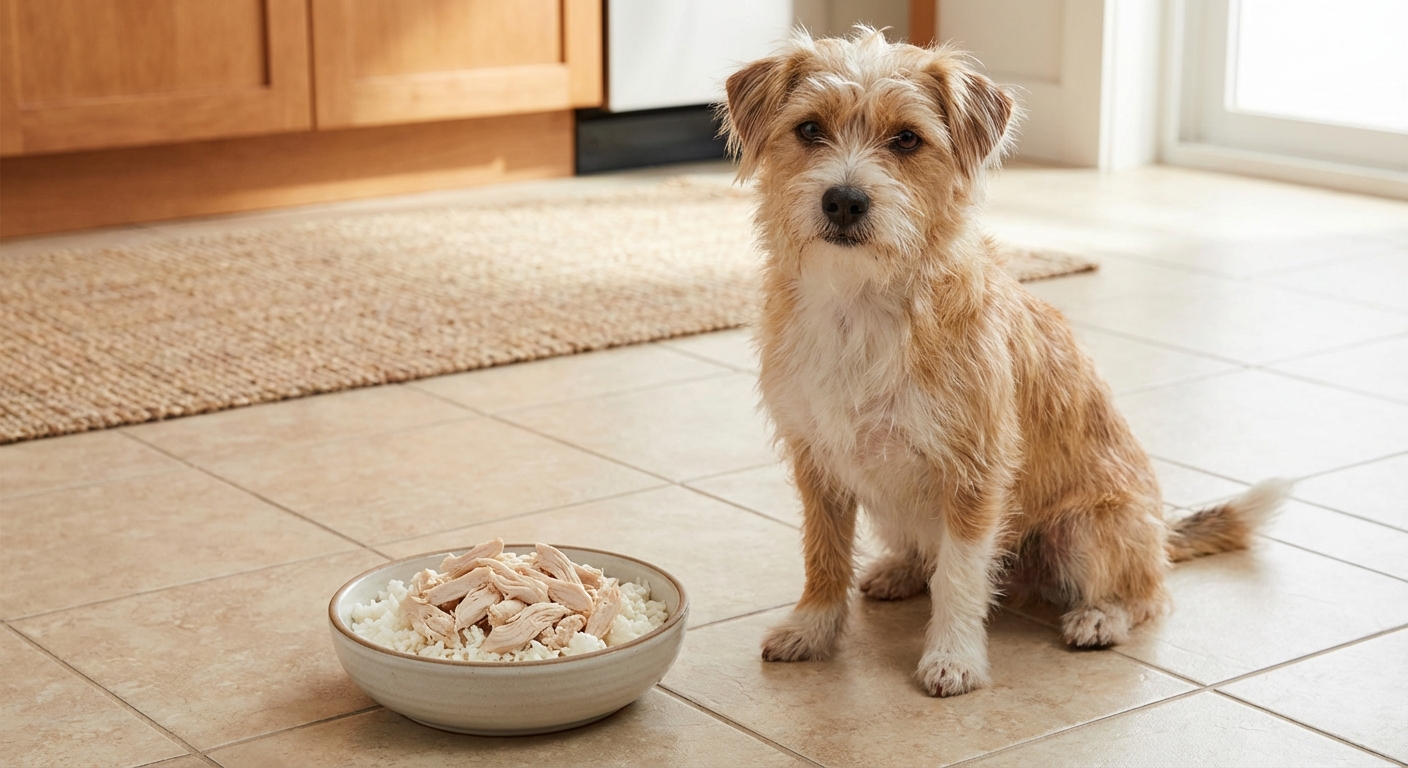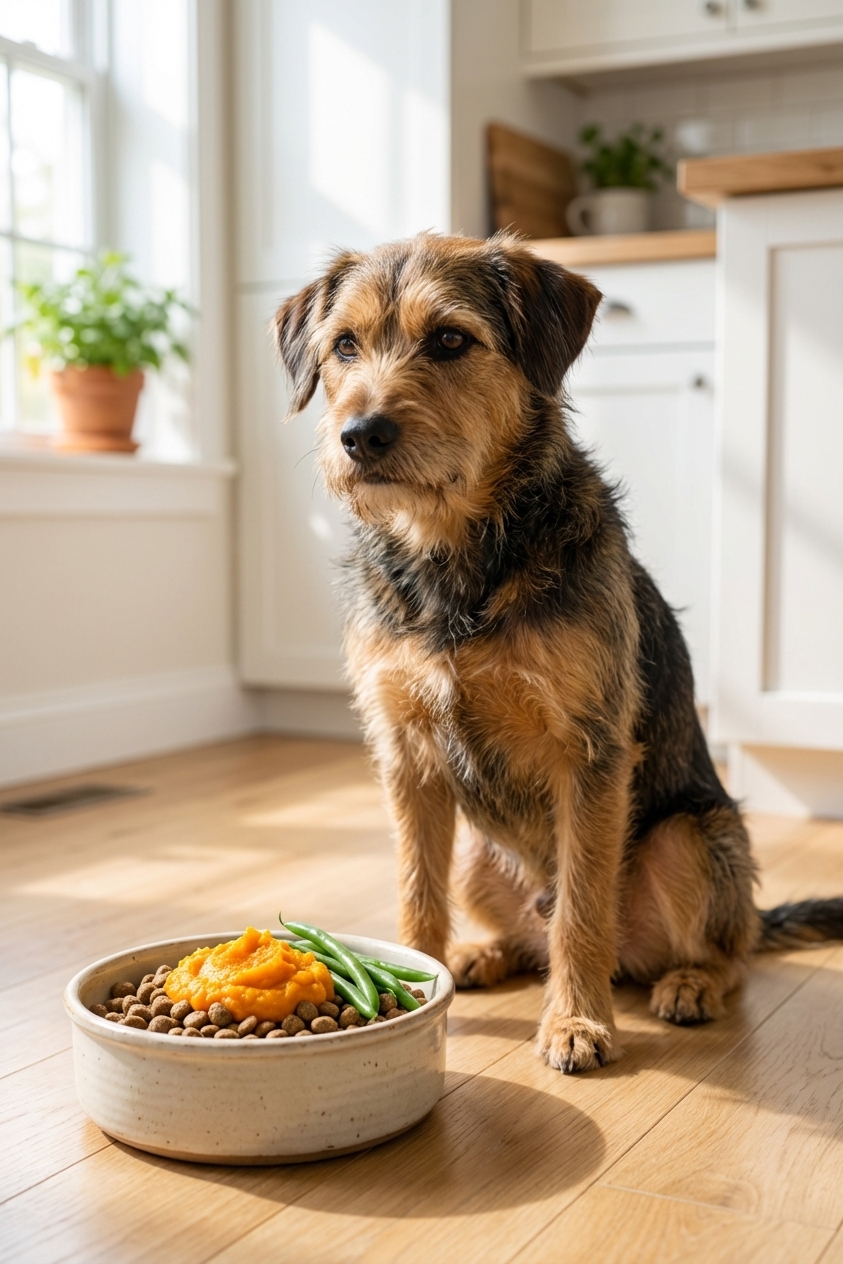
Make meals more tempting and nutritious with simple dog food toppers: bone broth, cooked eggs, sardines, pumpkin, and steamed veggies—plus portions, storag...
Article
•
Designer Mixes
Crate Training Puppy Secrets

Shari Shidate
Designer Mixes contributor
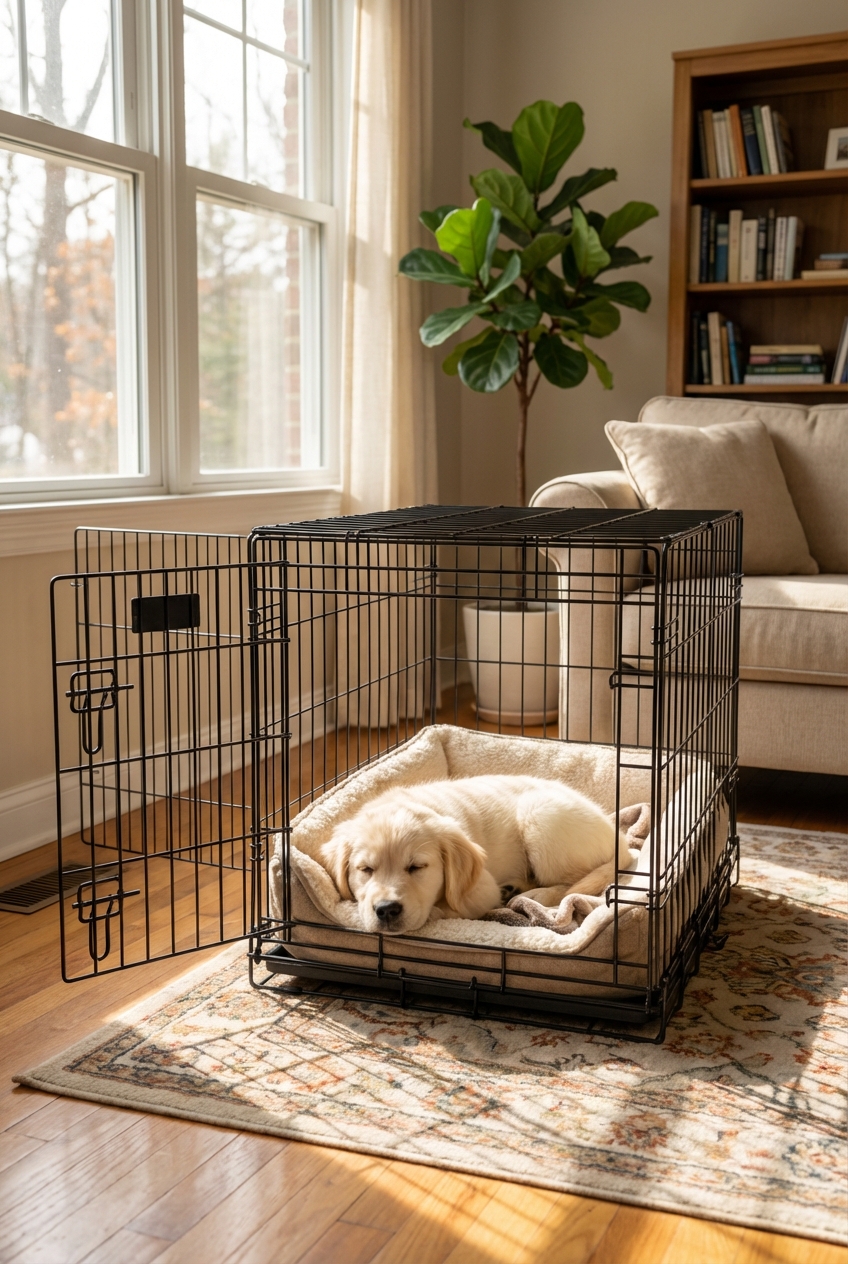
Crate training can feel intimidating, especially when your puppy cries and you start wondering if you are doing something wrong. As a veterinary assistant here in Frisco, Texas, I want you to know this: when it is done kindly and correctly, a crate is not “puppy jail.” It is a safe little bedroom that supports potty training, helps prevent dangerous chewing, and gives your puppy a predictable routine.
The “secrets” are not harsh tricks. They are small, evidence-based details that help many puppies feel secure and help you stay consistent.
What a crate is (and is not)
A crate is a management tool that helps many dogs relax in a cozy, low-distraction resting space. It helps you prevent accidents and rehearse good habits while your puppy’s brain and bladder mature.
A crate is not a place to punish, isolate, or “let them cry it out” for long periods. If the crate becomes scary, the training gets harder, not easier.
If you remember one rule: the crate should predict comfort, not conflict.
Secret #1: Size matters
A crate that is too big often leads to potty accidents because puppies may sleep in one corner and eliminate in the other. A crate that is too small creates stress and physical discomfort.
Quick sizing test
- Your puppy should be able to stand up without hitting their head.
- They should be able to turn around easily.
- They should be able to lie down stretched out.
If you have a growing puppy, choose a crate that comes with a divider so you can expand their space as they grow.
Secret #2: Location matters
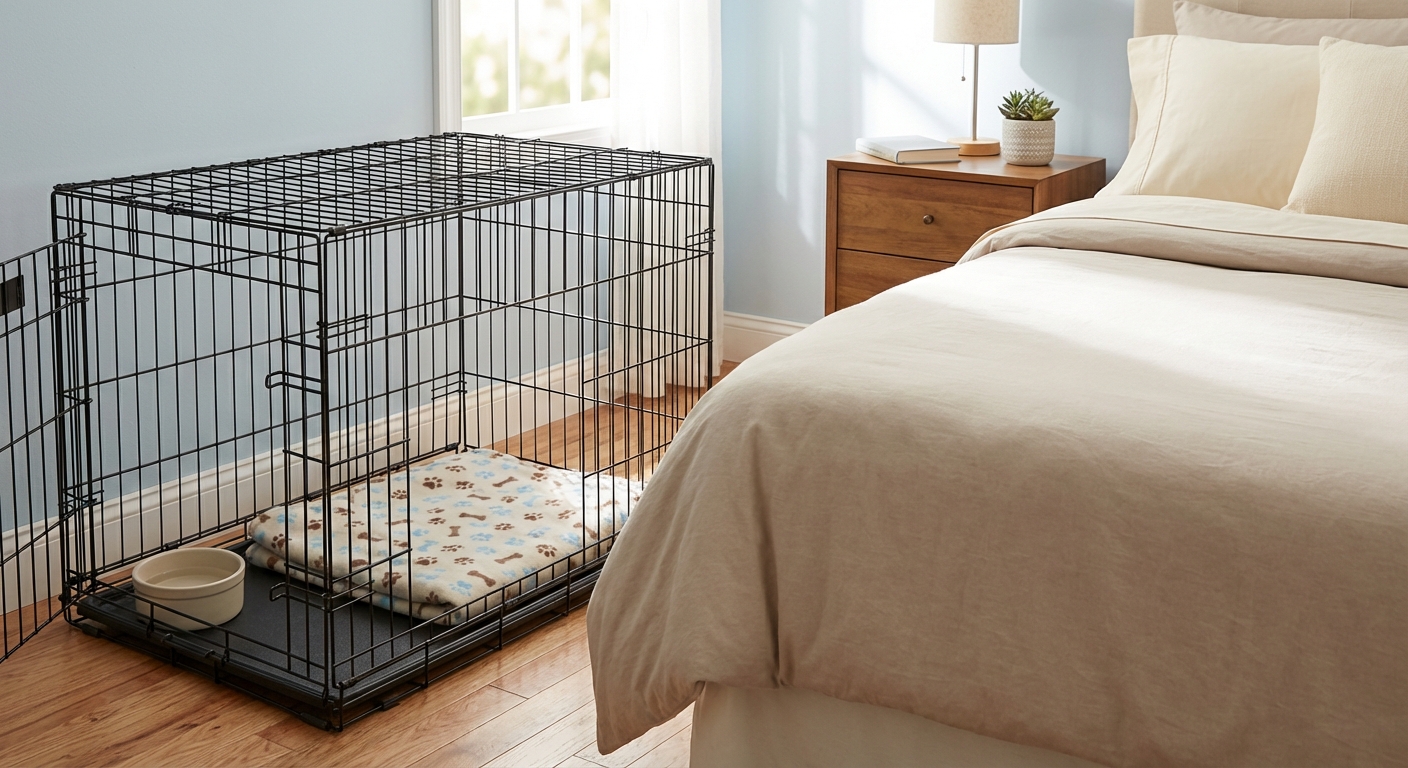
Puppies are social sleepers. If the crate is tucked away in a laundry room, many puppies may panic because they feel alone. Early on, put the crate where life happens.
- Daytime: near the family activity, like the living room.
- Nighttime: in your bedroom or right outside your bedroom door for the first week or two.
This is not “spoiling.” It is smart prevention of separation distress while your puppy builds confidence.
Secret #3: Feed in the crate
Yes, feeding in the crate builds a positive association, but the strategy matters.
How to do it
- Start with the door open and place the bowl just inside.
- Over a few meals, move the bowl farther back.
- Once your puppy is comfortable, gently close the door while they eat and open it right after.
If your puppy stops eating or rushes out the moment you open the door, you moved too fast. Go back one step for a day or two.
Secret #4: Use the right rewards
Puppies do best when the crate comes with a high-value reward they only get there. Think of it as a special paycheck for relaxing.
Great options
- Stuffed KONG-style toy (puppy-safe, sized correctly)
- Lick mat with a thin smear of puppy-safe food
- Long-lasting chew approved for puppies (ask your vet for age-appropriate choices)
Safety note: avoid choking hazards and anything small enough to swallow. Supervise with new chews until you know your puppy’s style. If your puppy is a power chewer or tends to shred rubber, fabric, or mats, do not leave lick mats or chews unattended. Choose safer options and check with your veterinary team if you are unsure.
Secret #5: Teach a schedule
The fastest crate training wins come from rhythm. Puppies relax when life is predictable.
A simple daily pattern
- Potty break
- Play or short training session
- Water and a chance to drink
- Potty break again
- Crate nap with a safe chew
Most puppy “crate problems” are actually unmet needs: they are overtired, under-exercised, or need to potty.
Secret #6: The crying checklist
Some whining is normal at the beginning. Your job is to respond to needs without accidentally rewarding panic.
Step-by-step
- First: take them out for a boring potty break (leash on, no play, no treat “party”).
- Second: return them to the crate calmly.
- Third: if they continue, wait for a brief pause in crying before offering gentle reassurance (soft voice, hand near crate) so you are not rewarding the noise itself.
If crying is frequent, escalating, paired with panicky body language, or regularly lasting more than about 10 to 15 minutes, that is a sign you need a slower plan, more daytime crate practice, or professional help. Persistent distress is not something to “push through.”
Secret #7: Practice in daytime
Many people only use the crate at night, then wonder why bedtime is a struggle. Build the skill when your puppy is calm and your household is awake.
Two easy crate games
- Treat toss: toss one treat into the crate, let your puppy go in and come right back out. Repeat 10 times.
- Relax on cue: when your puppy lies down in the crate on their own, quietly drop a treat between their paws.
Keep sessions short. One to three minutes is plenty for a puppy brain.
Secret #8: Pair with potty training
Crates help puppies hold it, but they do not teach bladder control overnight. Puppies need frequent potty breaks, especially:
- Right after waking up
- After eating
- After play
- After training
- Before crating
A practical guideline many vets and trainers use: puppies can often hold their bladder about one hour per month of age, plus one (with lots of individual variation). Many puppies, especially small breeds, will need more frequent breaks during the day. Nighttime is usually easier than daytime.
Local note: in Texas heat, pups may drink more and need extra potty breaks. Always keep fresh water available when they are not crated.
Secret #9: Choose bedding wisely
Soft bedding looks adorable, but some puppies chew and ingest fabric. That can become an emergency quickly.
Choose based on behavior
- If your puppy chews bedding, start with a flat, tough crate mat or a simple towel you can remove.
- If accidents are common, use washable layers and avoid plush beds until potty training is stronger.
- If your puppy settles well, a supportive bed can improve sleep quality.
Secret #10: Earn more freedom
The crate is temporary management while your puppy learns household rules. As they succeed, you can gradually expand freedom with a playpen or a puppy-proofed room.
Signs your puppy is ready
- Accident-free for several weeks
- Not chewing unsafe items
- Can relax after play without constant supervision
Until then, the crate is not a setback. It is your prevention plan.
How long can a puppy be crated?
Think humane and realistic: puppies need potty breaks, movement, training, and connection. The crate should support your routine, not replace it.
- Daytime: many young puppies do best with short stretches and frequent breaks. Use your puppy’s age, size, and potty history to guide you, and err on the side of more breaks.
- Nighttime: often longer than daytime because they are sleeping, but expect at least one overnight potty trip in the early weeks.
If you are gone for a full workday, plan for a midday break (pet sitter, neighbor, family, daycare, or a safe playpen setup). Prolonged crating can set back potty training and increase frustration.
Crate safety basics
- Collars and tags: many trainers recommend removing collars or dangling tags in the crate to reduce snag risks. If you keep a collar on, make sure it is a breakaway style designed for dogs.
- Crate type: wire crates are airy and great for visibility. Plastic or airline-style crates can feel cozier for some puppies. Choose what helps your puppy settle safely.
- Covers: a crate cover can reduce distractions for some pups, but make sure airflow stays strong. If your home runs warm (hello, Texas summers), skip heavy covers and monitor for overheating.
Common mistakes
Mistake: Using the crate only when you leave
Fix: add short “happy crating” sessions while you are home.
Mistake: Letting an overtired puppy stay up too long
Fix: schedule naps. Many puppies need about 16 to 20 hours of sleep a day.
Mistake: Too much crate time too soon
Fix: build duration gradually and provide exercise, enrichment, and potty breaks.
Mistake: Punishing accidents
Fix: clean with an enzymatic cleaner and tighten your schedule. Accidents are information, not defiance.
Normal settling vs true distress
It is normal to see brief fussing, a few whines, circling, and then your puppy choosing to lie down. True distress looks different and should be taken seriously.
Consider extra help if you see
- Drooling heavily, vomiting, or diarrhea linked to crating
- Trying to break out, bending bars, or injuring teeth or nails
- Nonstop screaming or frantic, escalating behavior
- Sudden new crate intolerance after doing well
If you suspect separation anxiety or panic, reach out to your veterinarian and a qualified trainer (or veterinary behaviorist). A customized plan matters.
When to talk to your vet or trainer
Reach out for help if you notice:
- Panic behaviors: drooling heavily, trying to break out, self-injury, or nonstop screaming
- Sudden new crate intolerance after doing well
- Digestive upset that makes crating uncomfortable
- Concerns about safe chews, nutrition, or teething pain
A certified trainer can customize a plan, and your veterinarian can rule out medical reasons for distress.
A gentle 7-day starter plan
Here is a simple way to start without overwhelming your puppy.
Days 1 to 2
- Crate in a social area.
- Door open. Toss treats in and let your puppy explore.
- Feed one meal with the bowl just inside.
Days 3 to 4
- Short door closes during meals or while licking a mat, 10 to 30 seconds.
- Practice one daytime nap in the crate if your puppy will settle.
Days 5 to 7
- Gradually increase calm crate time to a few minutes, then 15 to 30 minutes.
- Begin a consistent bedtime routine: potty, quiet chew, lights out.
Go at your puppy’s pace. Slow is fast when it prevents fear.