Teach your dog to feel safe in the crate with simple games that build calm independence—treasure hunts, in-and-out choice, door = treats, Kong licking, and...
Article
•
Designer Mixes
Crate Training an Older Dog With Separation Anxiety

Shari Shidate
Designer Mixes contributor
Crate training an older dog with separation anxiety is absolutely possible, but it has to be done with compassion and a plan. Separation anxiety is not stubbornness or “being bad.” It often presents as panic. Your goal is to help your dog feel safe in a predictable space, then gradually teach them that alone time is temporary and manageable.
As a veterinary assistant here in Frisco, Texas, I have seen the biggest breakthroughs happen when families slow down, focus on comfort first, and train in small steps that stay under the dog’s stress threshold.
Quick note: This article is educational and not a substitute for veterinary care or a behavior consultation, especially if your dog is harming themselves or has sudden behavior changes.
Separation anxiety or crate stress?
Before you start, it helps to identify what you are actually dealing with. A dog can dislike confinement without having separation anxiety, and the training approach is a little different.
Common separation anxiety signs
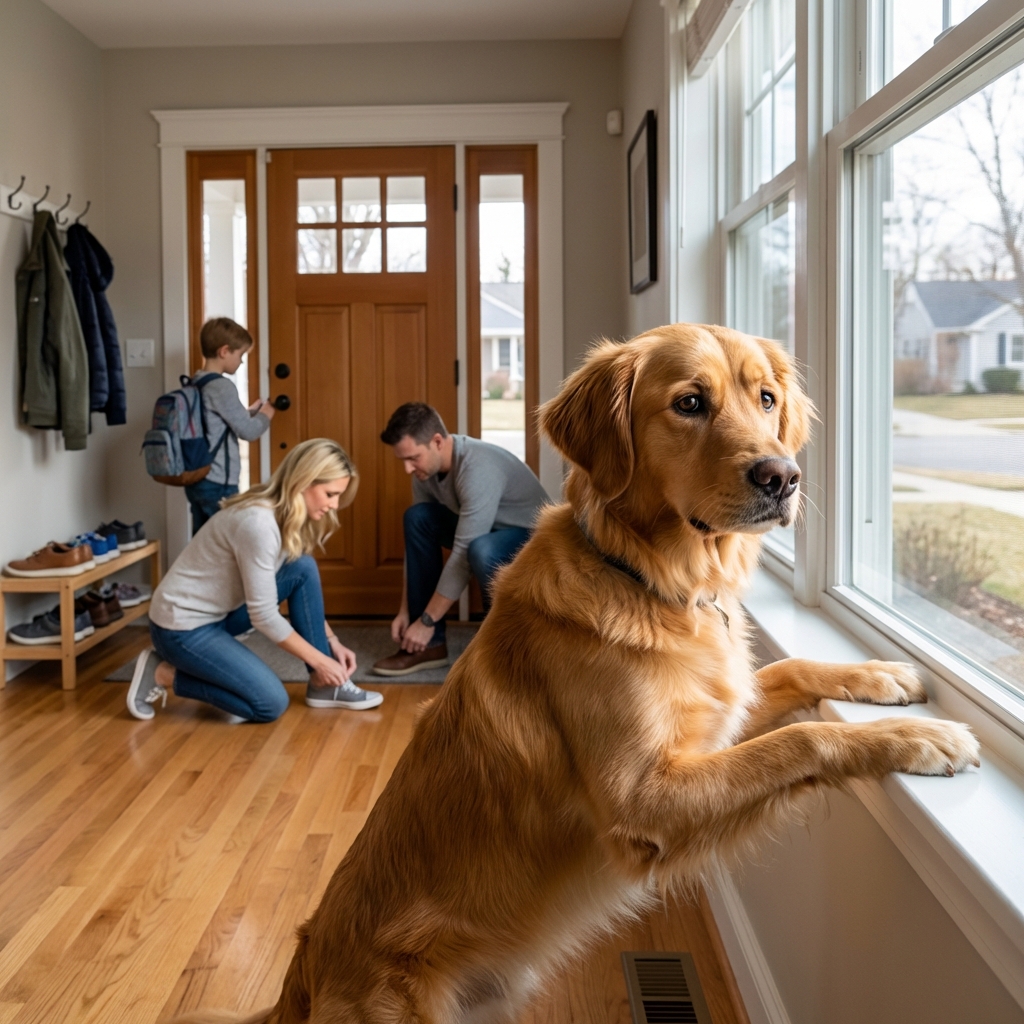
- Distress starts within minutes of you leaving or preparing to leave
- Vocalizing, pacing, drooling, panting, escape attempts
- Destructive behavior focused on exits like doors and windows
- House soiling that happens only when alone (and not explained by a medical issue)
- “Velcro dog” behavior, following you constantly
Common confinement or crate distress signs
- Dog is fine alone in a room, but panics when the crate door closes
- Scratching or biting at crate bars
- Only settles if the crate is open
If your dog is injuring teeth, gums, or nails trying to escape, pause crate training and talk with your veterinarian. In true panic, a crate can become dangerous if used too soon.
Also worth noting for seniors: If accidents are new or increasing, ask your vet about rule-outs like urinary tract infection, kidney disease, GI upset, or pain. Do not assume it is “just anxiety.”
Older dogs are different
Older dogs bring history with them. Some have never seen a crate. Some have been crated too long or as punishment. And many older dogs have new needs like arthritis, vision changes, cognitive changes, or increased sensitivity to noise.
That is why successful crate training for an older dog is less about “getting them used to it” and more about building a positive emotional association, then gradually adding short separations.
Set up for success
Crate and location
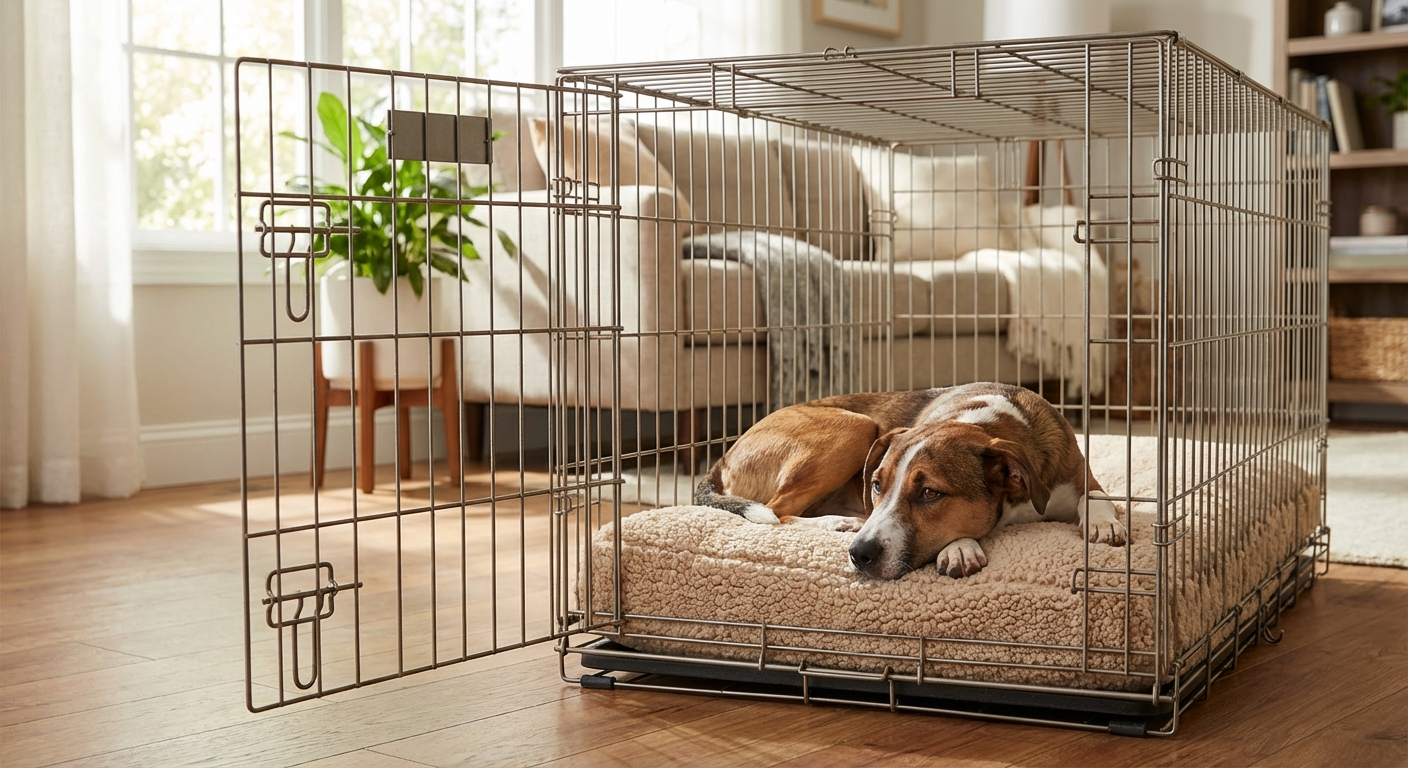
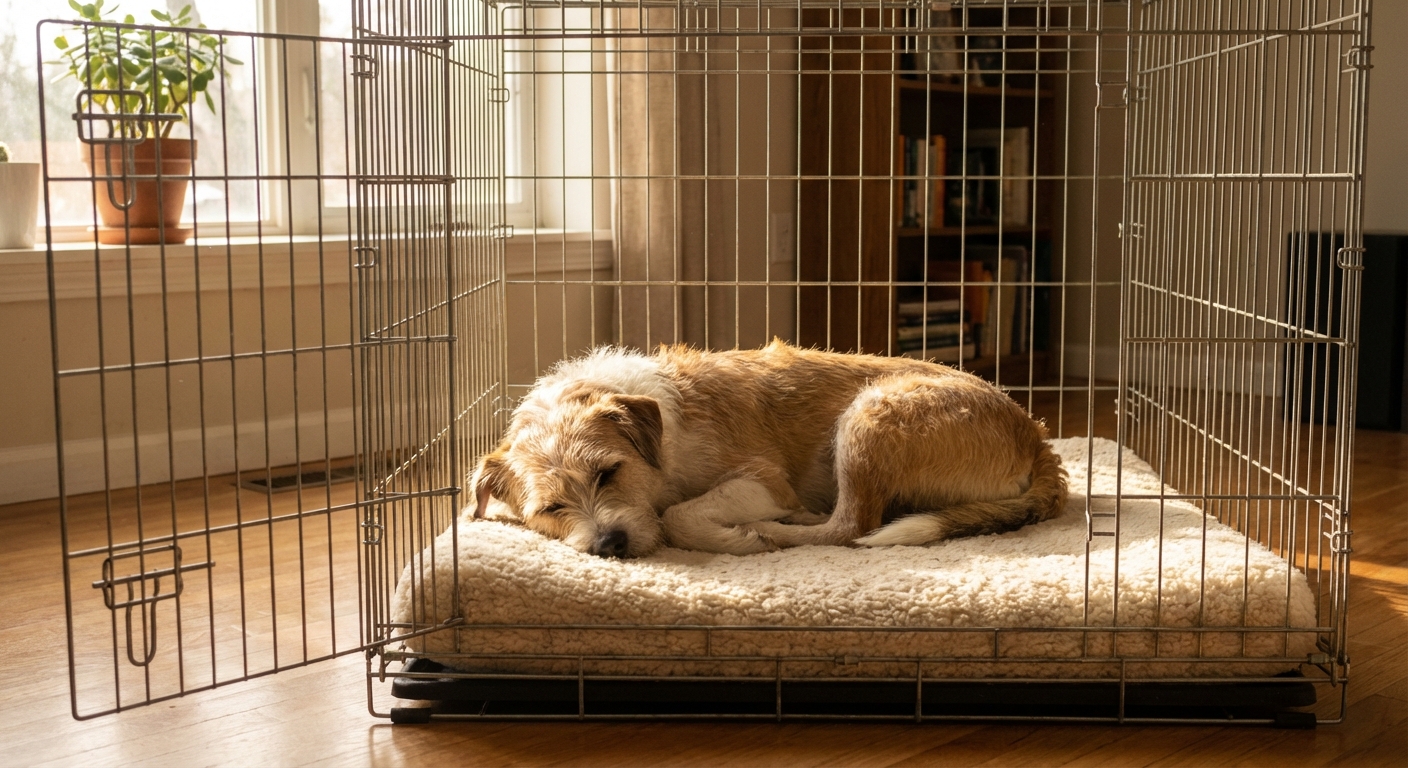
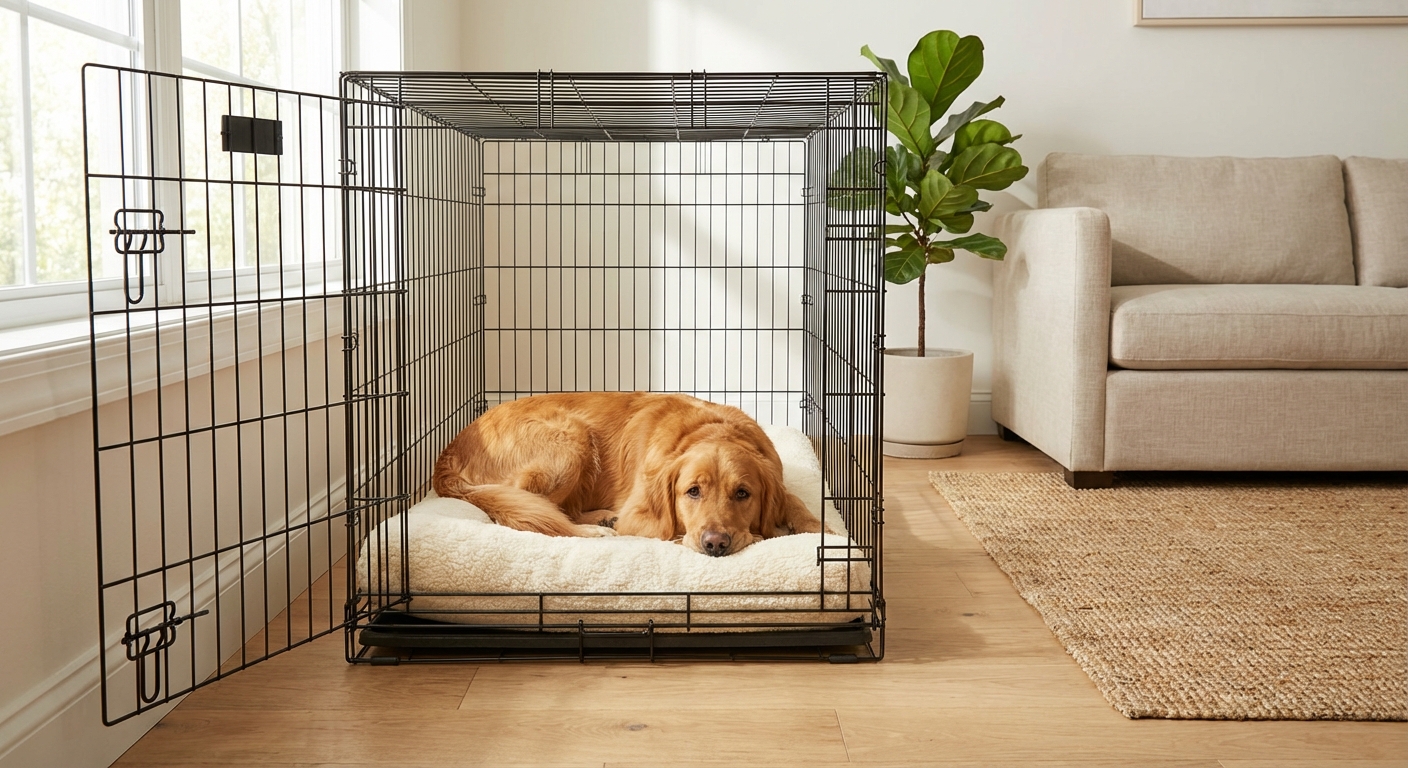
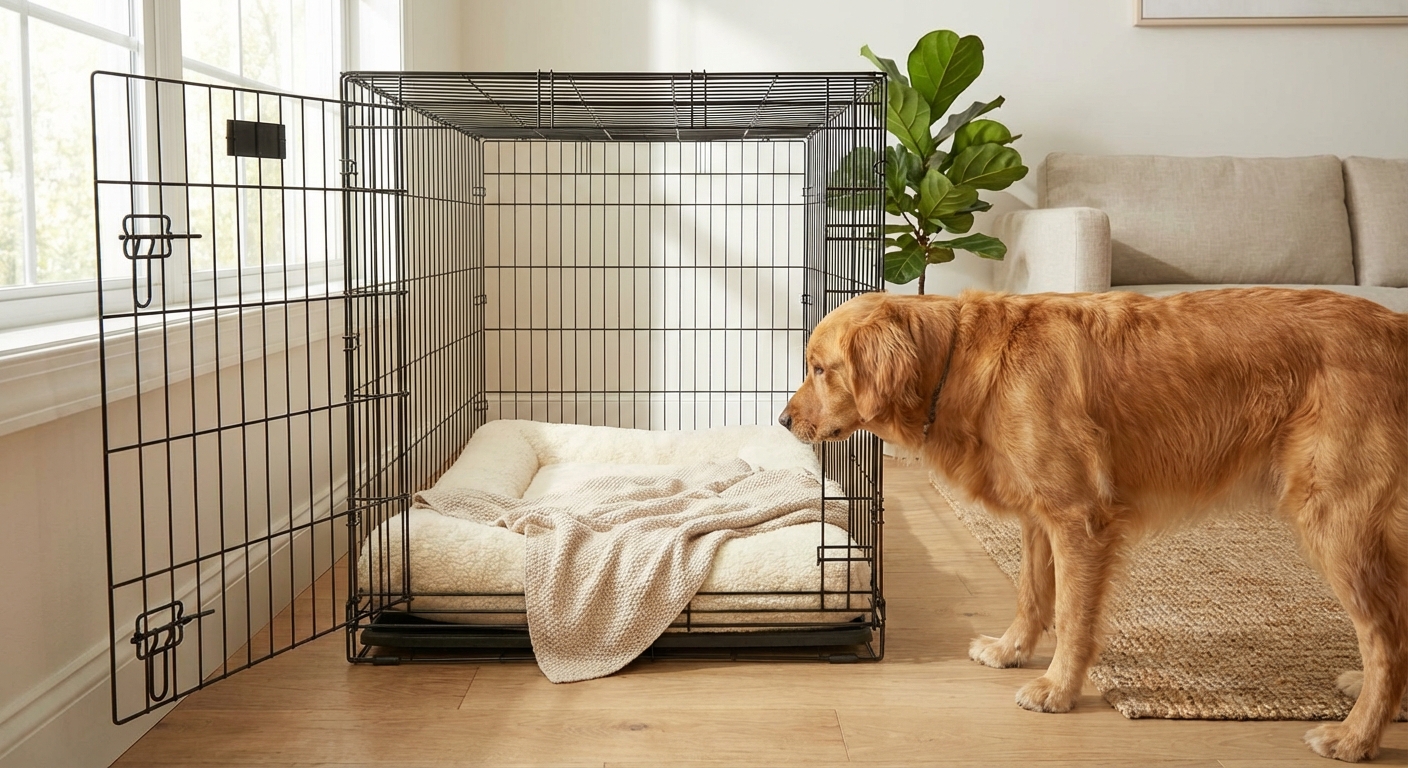
- Size: Your dog should be able to stand up, turn around, and stretch out comfortably.
- Type: Some anxious dogs settle better in a covered wire crate or a sturdy plastic airline-style crate. Others do worse with confinement, especially early on. If your dog chews or bends bars, ask your vet or trainer about a safety-rated, heavy-duty option, or consider starting in a safe room instead.
- Location: Start in a calm, social area where your dog already relaxes. For many dogs, that is the living room or a quiet corner near you.
Physical comfort
- Add a supportive bed or crate pad. If your dog has arthritis, choose thicker, orthopedic support.
- Keep the temperature comfortable and airflow steady.
- Use a cover if it helps your dog settle, but never block ventilation.
Safety note: If your dog chews fabric, skip plush bedding at first and use a chew-resistant mat until you know it is safe.
The step-by-step plan
A widely recommended approach is desensitization and counterconditioning. That is a fancy way of saying: go slowly, pair the crate with good things, and avoid pushing your dog into panic.
What counts as high-value? Think small pieces of chicken, cheese, or freeze-dried liver. If you are using a lot of treats, reduce meal portions a bit so weight stays stable.
Step 1: Crate stays open
- Remove the door or secure it open so it cannot swing and startle your dog.
- Toss high-value treats near the entrance, then just inside, then farther in.
- Let your dog choose to approach and retreat.
Do 3 to 5 mini-sessions a day for 1 to 3 minutes each. Short and happy wins.
Step 2: Feed in the crate
- Start by placing the food bowl near the crate, then gradually move it inside.
- If your dog hesitates, move the bowl closer to the entrance again.
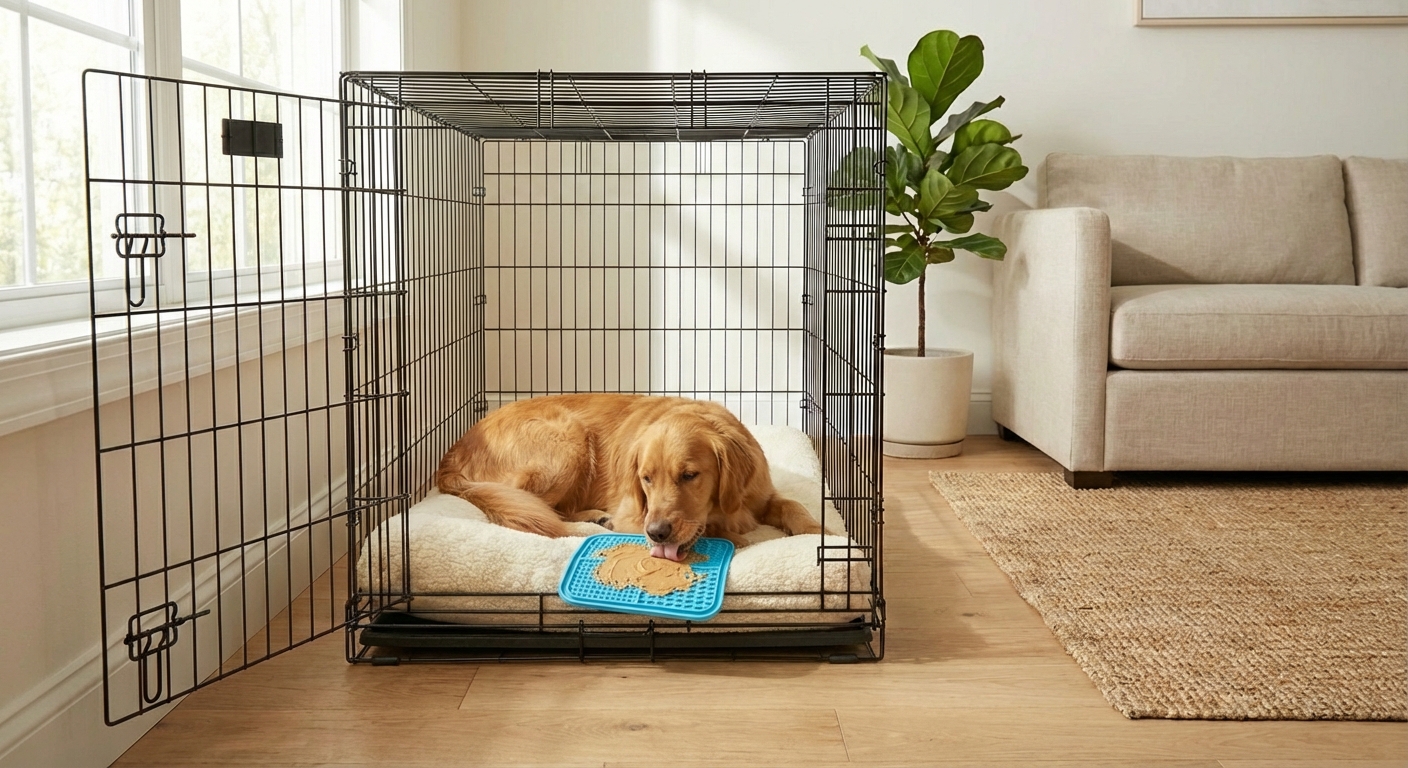
If meals are not motivating, use a stuffed food toy or lick mat instead. Licking can be calming for many dogs.
Food-toy safety: Choose size-appropriate items, supervise the first few sessions, and avoid chews that can splinter or break teeth. When in doubt, ask your vet for safer options.
Step 3: Add a calm settle routine
Once your dog is willingly going in, add a predictable pattern. Predictability lowers anxiety for many dogs.
- Say a cue like “kennel” or “bed.”
- Dog goes in, you calmly drop 2 to 3 treats.
- Offer a long-lasting chew or stuffed toy if it is safe for your dog.
- You sit nearby and read or work quietly.
At this stage, the crate is still open.
Step 4: Door closes briefly
Close the door gently, then calmly reward. Some dogs do fine with a treat delivered right away. Others get more worked up, so you may do better with a quiet pause, then a treat, then another pause. The goal is calm, not excitement.
- 1 second closed, open
- 3 seconds closed, open
- 5 seconds closed, open
- 10 seconds closed, open
If your dog begins to pant, whine, paw, or stop eating, you have moved too fast. Go back to an easier step for a day or two.
Step 5: Build calm time with you nearby
Build relaxed duration in small increments while you remain in the room.
- 30 seconds
- 1 minute
- 3 minutes
- 5 minutes
- 10 minutes
Do not progress based on a calendar. Progress based on your dog’s relaxation. A relaxed dog has a soft face, normal breathing, and can take treats.
Step 6: Micro-departures
This is where separation anxiety training truly starts. You are teaching your dog that departures are not a big deal.
- Stand up, sit down.
- Take one step away, return.
- Walk to the doorway, return.
- Touch the doorknob, return.
- Open the door, close it, return.
- Step outside for 1 second, return.
Mix these in randomly, always returning before distress. Your dog should stay under threshold, meaning mildly aware but not panicking.
Step 7: Real departures
When your dog can handle short absences calmly, start doing brief real departures. Keep them short enough that your dog succeeds.
For many separation anxiety dogs, success looks like 15 seconds, then 30, then 45, then 1 minute, then 90 seconds. It can feel slow, but this pacing helps prevent setbacks.
What to do while training
One of the most important pieces is management. If your dog keeps being left longer than they can handle, they keep rehearsing panic, which slows progress.
- Avoid long absences when possible while you train.
- Use a pet sitter, trusted friend, or family member for coverage.
- Consider day care only if your dog truly enjoys it and comes home settled.
- If you must leave, use the setup where your dog is safest, even if that is not the crate yet.
Think of training as the plan, and management as what protects the plan.
If your dog cries
This is one of the hardest parts for pet parents. Here is the behavior-professional middle ground: do not wait until your dog is hysterical, but also do not teach them that screaming is the magic key.
A practical approach
- If your dog is mildly fussing, wait for a tiny pause, even 1 second of quiet, then calmly let them out.
- If your dog is escalating toward panic, open the crate sooner and reduce difficulty next time.
- Do not scold. Anxiety is an emotion, not a disobedience issue.
In true separation anxiety, “cry it out” often makes things worse because the dog is rehearsing panic.
Daily schedule
Training works best when your dog’s overall stress load is lower.
- Morning: sniffy walk or gentle play, breakfast in a food toy, short crate session with you home
- Midday: short training session, then rest time in a quiet area
- Evening: another enrichment activity, calm family time, very short departure practice
Older dogs often do better with several short sessions instead of one long one. Also plan for senior toileting needs. More frequent potty breaks can prevent accidents and reduce stress.
Tools that help
Enrichment for calm
- Stuffed frozen KONG-style toy (use your dog’s regular food plus a small “bonus” topping)
- Lick mat with dog-safe yogurt or canned pumpkin
- Snuffle mat or scatter feeding before crate time
Sound and scent
- White noise or a fan to reduce outside triggers
- Soft background music at low volume
- A recently worn T-shirt of yours in the crate if your dog does not chew fabric
Skip any tool that increases arousal. Some dogs get more worked up with exciting toys or loud sounds.
Use a camera
A simple pet camera helps you spot early stress signs like pacing, panting, or scanning the room. It is one of the easiest ways to confirm you are truly staying under threshold.
Common mistakes
- Using the crate only when you leave, so the crate predicts separation
- Rushing door-close steps or increasing time too quickly
- Waiting for full panic before adjusting the plan
- Inconsistent criteria, such as sometimes letting the dog out at calm moments and other times waiting until they are frantic
- Skipping management and leaving the dog longer than they can handle during training
When a crate is not right
For some separation anxiety dogs, a crate is simply too confining at first. If your dog panics in the crate but can relax in a puppy-proofed room, start there. You can still do the same desensitization plan using a gated room, exercise pen, or a safe bedroom.
Success is not “crate or nothing.” Success is safety and calm.
Vet and behavior support
Older dogs can have pain, cognitive decline, hearing loss, or GI issues that increase anxiety. If your dog suddenly developed separation problems, a veterinary check is a smart first step.
Ask your vet about
- Pain screening for arthritis or dental disease
- Senior cognitive dysfunction, especially if there is nighttime restlessness
- GI upset or urinary issues that could contribute to restlessness or accidents
- General lab work to rule out medical contributors to behavior changes
- Appropriate medication support if panic is severe
In moderate to severe separation anxiety, working with a qualified trainer who uses fear-free methods can be life-changing. Medication is not a failure. It can lower panic enough for training to actually stick.
Timeline
With mild anxiety, some older dogs begin relaxing in the crate within 2 to 4 weeks of consistent, gentle training. With true separation anxiety, a common timeline is 2 to 6 months, sometimes longer, especially if the dog has had years of rehearsing panic or needs medication support. The encouraging part is that slow progress is still progress.
Focus on one goal: keep your dog feeling safe enough to learn. Calm first, then time.
Quick checklist
- Crate is comfortable and in a calm location
- Crate is introduced open, never forced
- Dog gets high-value rewards only in or near the crate
- Door closing starts at 1 second and builds slowly
- Departures are practiced in small “micro-steps”
- Management prevents long absences during training
- Stop escalation early and reduce difficulty
- Talk with your vet if panic is intense, self-injury risk is present, or symptoms are sudden onset