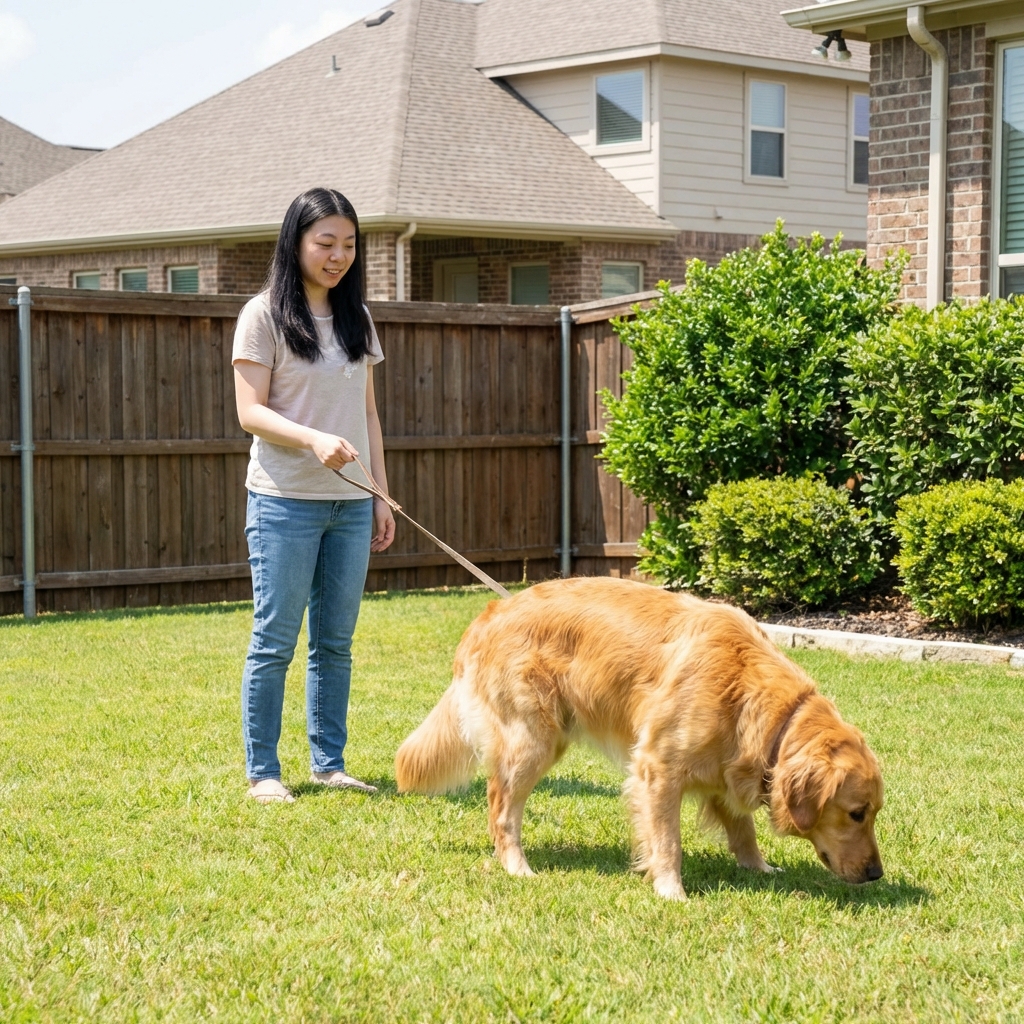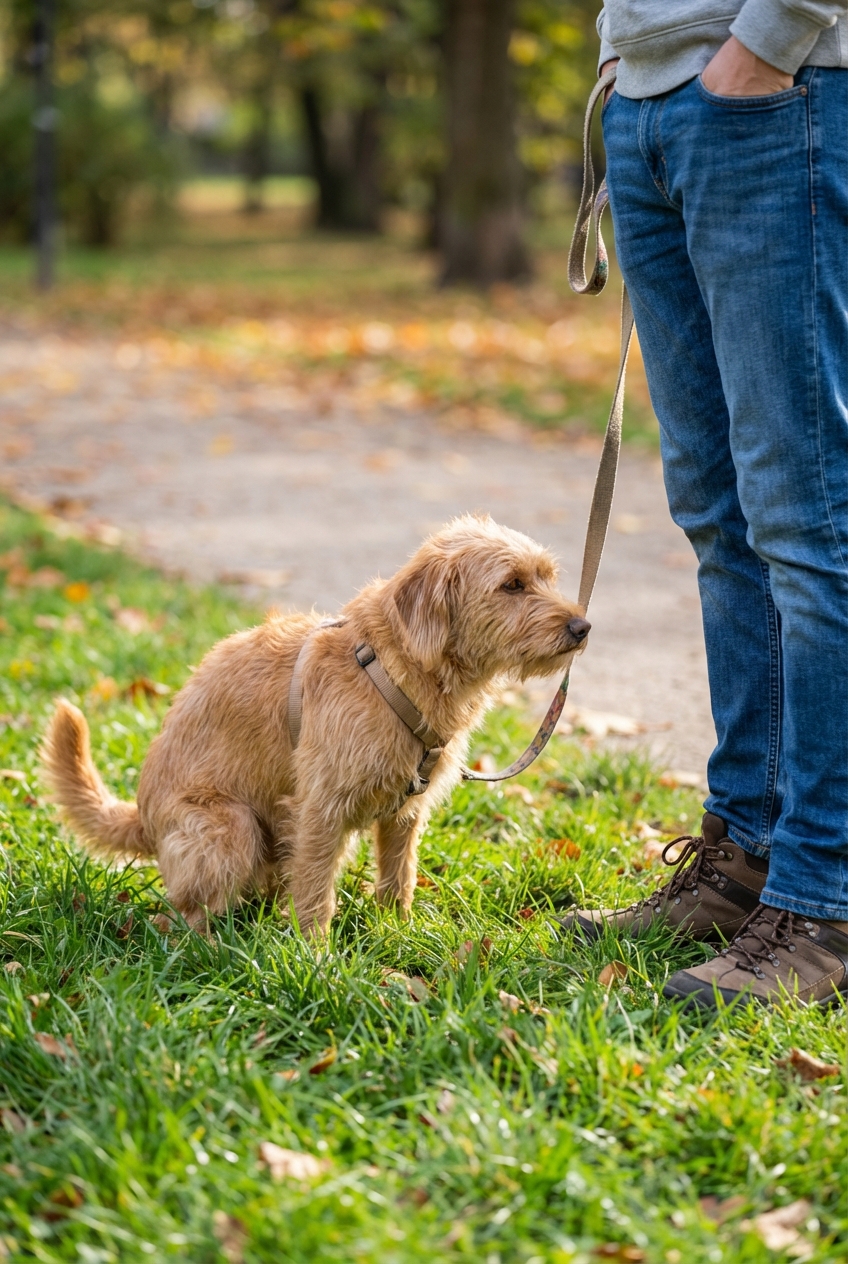
Dog UTI symptoms can mimic stones or other issues. Learn the full treatment plan: urinalysis and culture, correct antibiotics, pain control, hydration, home ...
Article
•
Designer Mixes
Cranberry for Dogs: UTI Prevention and Safe Use

Shari Shidate
Designer Mixes contributor
If you have ever dealt with a dog UTI, you know how fast a normal day can turn into frequent squatting, accidents, and a very uncomfortable pup. It is completely understandable that many pet parents search for natural prevention options, and cranberry is almost always the first one that comes up.
As a veterinary assistant, here is my evidence-based take: cranberry may help some dogs as a prevention tool, but it is not a cure for an active infection, and it is not a perfect fit for every dog. Also, the canine research is limited, so we have to stay realistic about what it can (and cannot) do.
Do cranberry supplements prevent UTIs in dogs?
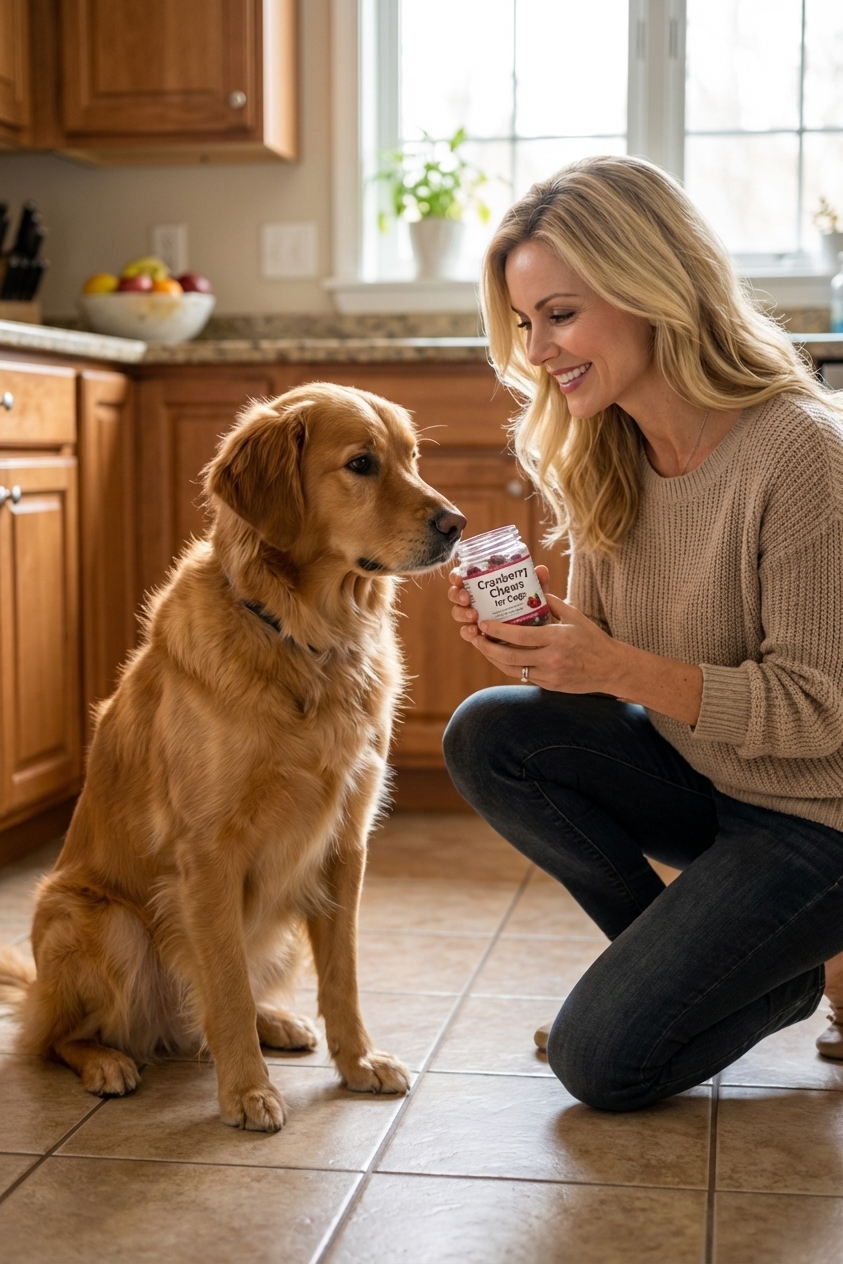
Cranberry is best known for its potential to reduce the ability of certain bacteria, especially E. coli, to stick to the lining of the urinary tract. The proposed “anti-adhesion” effect is often linked to cranberry compounds called proanthocyanidins (PACs). When bacteria cannot adhere as easily, they may be more likely to get flushed out during normal urination.
What the research says (and what it does not):
- In people: Cranberry has modest evidence for reducing recurrent UTIs in some groups, but results are mixed across studies.
- In dogs: Direct, high-quality clinical research is limited, and results may not translate cleanly from human studies. Most veterinary use is based on a mix of human data, lab research, and clinical experience.
So, cranberry is not magic. It can be a reasonable preventive add-on for some dogs who are prone to recurring, uncomplicated urinary infections, especially when used alongside proven strategies like regular potty breaks, hydration, and veterinary-guided monitoring.
Cranberry is not UTI treatment
If your dog currently has UTI symptoms, cranberry should not be used as a substitute for veterinary care. Many “UTI-like” signs are actually caused by other lower urinary tract problems (like bladder stones or sterile inflammation), and you cannot reliably tell the difference at home.
A suspected UTI should be evaluated with a urinalysis. A urine culture is often recommended for recurrent cases, complicated cases, or before changing antibiotics, because it helps confirm which bacteria are present and which medication is most likely to work.
Call your vet right away if you see:
- Straining to urinate or producing only drops
- Blood in the urine
- Frequent urination or accidents in a previously house-trained dog
- Strong urine odor
- Licking the genitals more than usual
- Fever, lethargy, vomiting, or back pain
Important: If your dog cannot pee, seems painful trying to go, or is repeatedly posturing with little to no urine produced, treat it as an emergency. Urinary obstruction is more common in male dogs in general, and it is life-threatening regardless of the underlying cause.
Best cranberry forms for dogs
Not all cranberry products are created equal, and some popular options are not a great fit for dogs.
1) Cranberry supplements (often best)
A quality pet-specific supplement is typically the most practical option because it is concentrated and avoids added sugars. It also reduces the risk of hidden ingredients that show up in human products.
- Pros: Easier to dose, usually sugar-free, often combined with other urinary support ingredients.
- Cons: Potency varies by brand. Labels may not clearly state the amount of PACs, which are often discussed as a key active component.
Practical tip: Chews, capsules, and powders can all work. Many dogs tolerate cranberry best with food. If the label allows, some dogs do better with the daily amount split into two smaller doses.
2) Fresh or frozen cranberries (okay in small amounts)
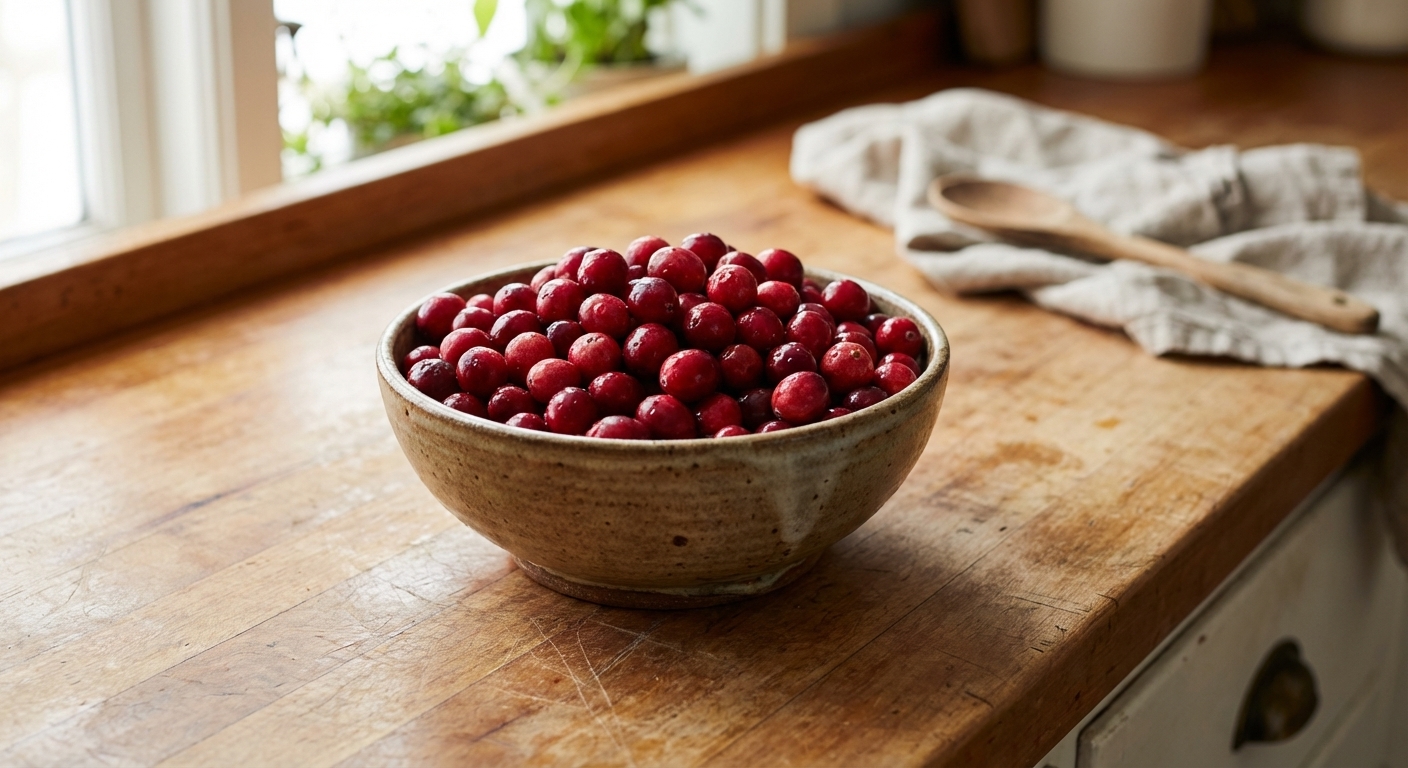
Plain cranberries can be used as a food topper, but most dogs find them very tart. They are also not as concentrated as supplements.
- Pros: Whole-food option, no additives.
- Cons: Harder to dose, may cause stomach upset in sensitive dogs.
3) Cranberry juice (usually not ideal)
Even unsweetened cranberry juice is acidic and can be tough on some dogs’ stomachs. Also, you often need a large amount to get meaningful cranberry content, which adds unnecessary liquid calories and can cause diarrhea.
- Avoid: Cranberry juice cocktail or any sweetened juice.
- Never use: Any product sweetened with xylitol, which is toxic to dogs.
Extra caution: Avoid giving human cranberry gummies or blends unless your veterinarian okays the exact product. Additives, sweeteners, and dosing variability are common problems.
How much cranberry should I give?
This is the part where I want to be especially careful. Cranberry supplements are not standardized across brands, and “cranberry extract” on a label does not reliably tell you the PAC content or how strong the product is. Because of that, a generic weight-based dosing table can be misleading.
The safest approach: follow the label directions on a pet-specific product and confirm with your veterinarian, especially if your dog has other medical conditions or a history of urinary stones.
How to start
- Start with the lowest label dose for 5 to 7 days.
- If stools stay normal and your dog tolerates it well, ask your vet if the plan should stay the same or be adjusted.
Possible side effects
- Soft stool or diarrhea
- Nausea or reduced appetite
- Signs of reflux in sensitive dogs
If you see side effects, stop the supplement and check in with your vet. Many dogs simply do better with a lower dose or a different urinary support strategy.
Which dogs may benefit most?
Cranberry is most often used for dogs with recurrent uncomplicated UTIs. In plain terms, this usually means infections that come back but are not explained by stones, major anatomical problems, or systemic illness.
Cranberry may be most helpful for:
- Female dogs prone to recurrent UTIs
- Senior dogs who are more infection-prone due to mobility issues or incomplete bladder emptying
- Dogs with a history of culture-confirmed E. coli UTIs in particular
Cranberry is less likely to help if:
- Your dog’s symptoms are actually from bladder stones, not infection
- Your dog has anatomical issues (for example, a recessed vulva) that predispose to infection
- Your dog has uncontrolled diabetes or another condition that increases infection risk
- The problem is sterile cystitis (inflammation without bacterial infection)
Cranberry and D-mannose
D-mannose is a naturally occurring sugar that is commonly used for urinary support. The main idea is similar to cranberry’s anti-adhesion concept, especially for E. coli. D-mannose may bind to bacterial structures and help prevent them from sticking to the bladder wall, so they can be flushed out.
Why you often see them together: Many urinary support supplements combine cranberry plus D-mannose because they target a similar goal from slightly different angles.
What to know:
- The canine clinical evidence for D-mannose is also limited. Think of it as a possible support option, not a proven fix.
- D-mannose is often well tolerated, but dosing should be discussed with your vet, especially for dogs with diabetes or dogs on specialized diets.
- Neither cranberry nor D-mannose replaces diagnostics or treatment for an active infection.
When cranberry is not enough
If your dog keeps getting urinary issues, the most loving and effective step is to stop guessing and start getting clear answers.
Ask your veterinarian about:
- Urinalysis (checks for blood, crystals, inflammation)
- Urine culture and sensitivity (confirms bacteria and the best antibiotic)
- Imaging (x-ray or ultrasound to look for stones, masses, or structural issues)
- Vulvar conformation exam (for females with recurrent infections)
- Bloodwork (screens for diabetes, kidney changes, or systemic illness)
Common reasons problems keep coming back
- Not the right antibiotic, or too short a course
- Bladder stones or crystals
- Underlying endocrine disease (like diabetes or Cushing’s)
- Incontinence or incomplete bladder emptying
- Skin infections or chronic licking that introduces bacteria
Cranberry can be one piece of prevention, but chronic or recurrent urinary issues deserve a full veterinary workup. It saves time, money, and discomfort in the long run.
Simple prevention habits
Supplements are optional. Good daily habits are not.
- Encourage hydration: fresh water, water fountains, adding water or broth (onion-free, garlic-free) to meals.
- More potty breaks: holding urine for long periods can increase risk.
- Keep the area clean: especially for long-haired dogs, seniors, and dogs with diarrhea episodes.
- Support a healthy weight: obesity can worsen inflammation and mobility, making full bladder emptying harder.
- Recheck urine when recommended: especially after treatment for a confirmed UTI.
If your dog has urinary symptoms, cranberry is not the “wait and see” solution. Get a urine test. Once you know what you are dealing with, then you can build a smart prevention plan.
Quick safety notes
- History of urinary stones: Ask your vet before using cranberry. Some formulations may affect urine chemistry, and the right plan depends on the stone type and your dog’s overall diet.
- Dogs on medications: Always check for interactions. Treat cranberry like a real supplement, not just a snack.
- Choose products carefully: Avoid added sweeteners, and double-check labels for xylitol.
Bottom line
Cranberry may be a helpful prevention tool for some dogs, especially those with recurrent, uncomplicated UTIs. The best form is usually a dog-appropriate supplement with clear label dosing, not juice. If your dog has symptoms right now or keeps having repeat episodes, focus on diagnostics first. A urinalysis and, in many cases, a culture are the fastest path to real relief and long-term prevention.
References
- ACVIM consensus and review literature on recurrent urinary tract infections and antimicrobial use in dogs and cats (guidance commonly emphasizes urinalysis, culture for recurrent or complicated cases, and investigation for underlying causes).
- Human clinical reviews on cranberry (PAC-related anti-adhesion) and recurrent UTI prevention, which inform the proposed mechanism but do not confirm canine efficacy.