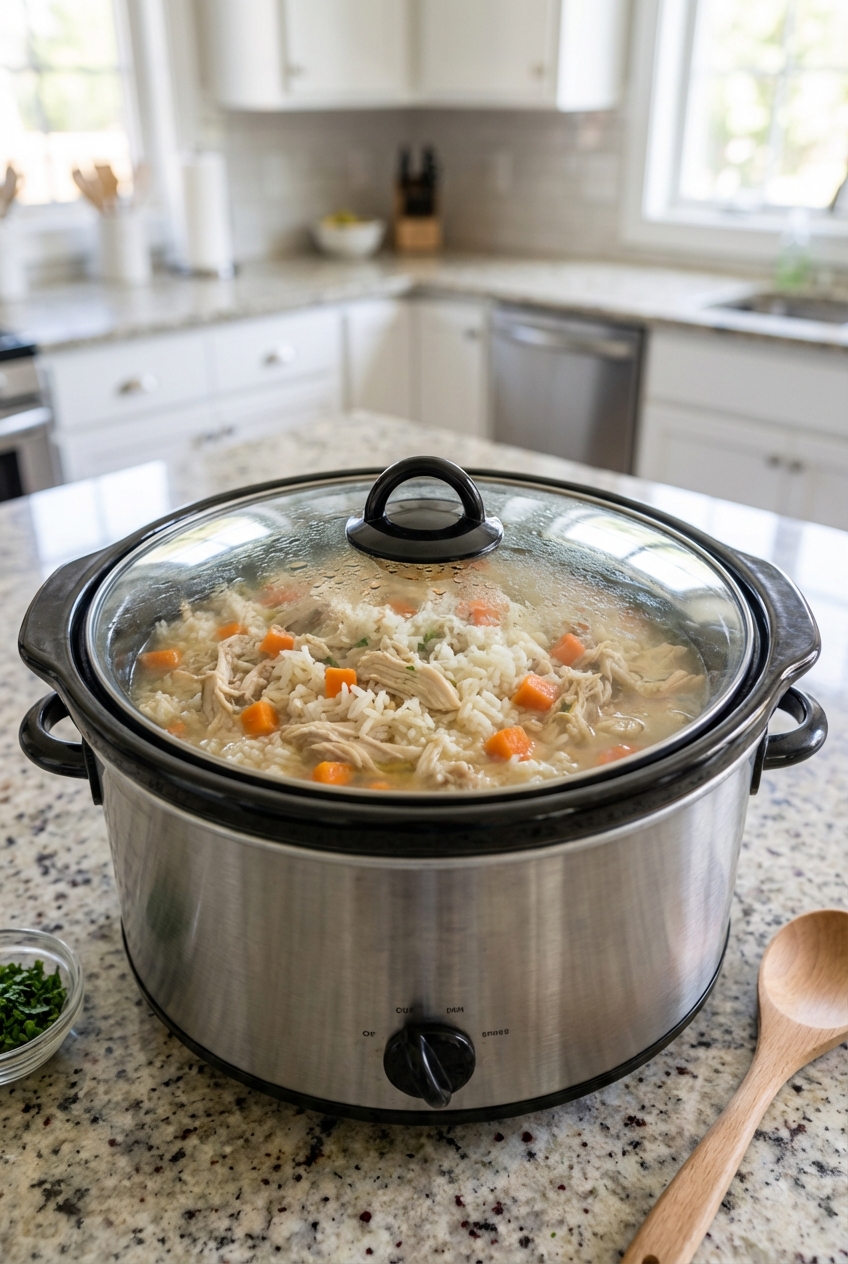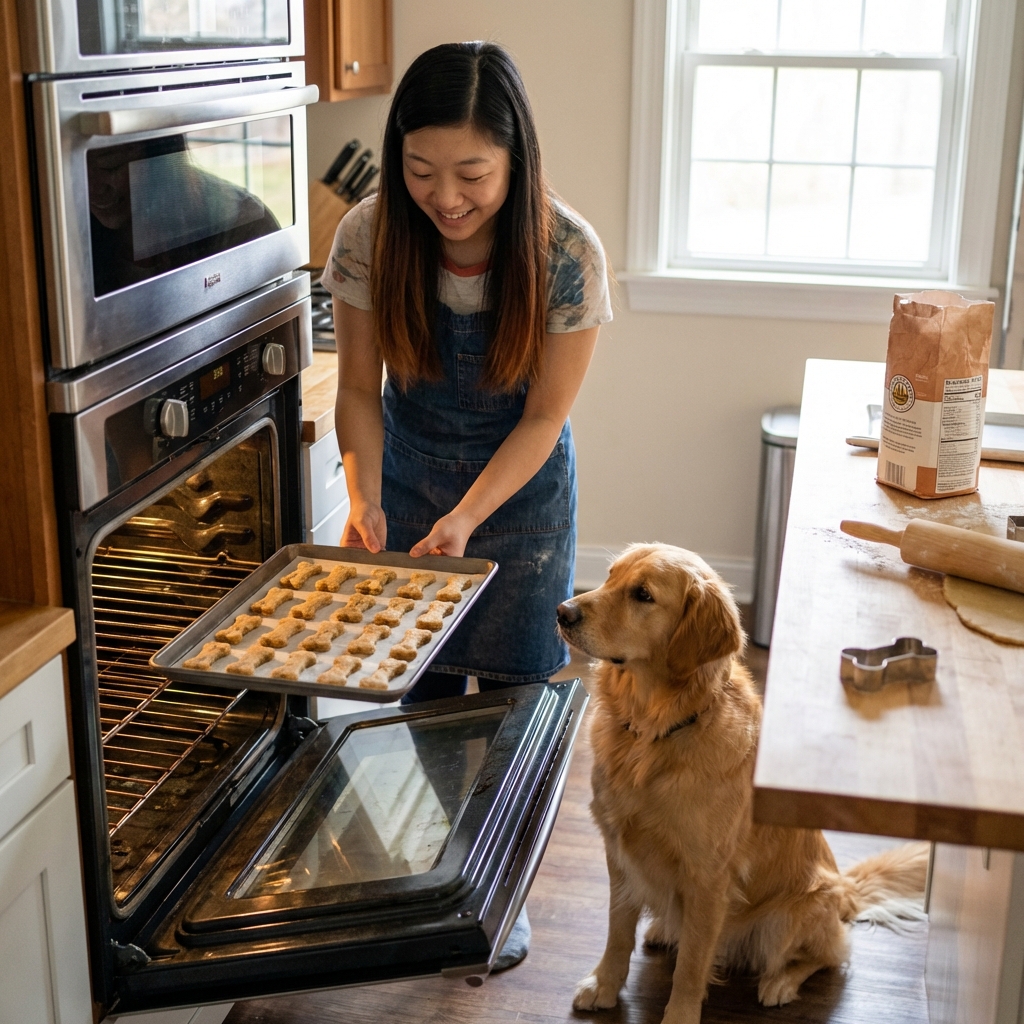
Busy schedule? Cook real dog food in your Instant Pot with a simple turkey, rice, and veggie batch. Get meal-prep, storage, feeding tips, and how to keep hom...
Article
•
Designer Mixes
Coughing in Dogs

Shari Shidate
Designer Mixes contributor
Coughing can be as simple as a little throat tickle or as serious as a heart or lung problem. As a veterinary assistant here in Frisco, Texas, I always tell pet parents the same thing: your dog’s cough is a symptom, not a diagnosis. This guide is here to help you make smart observations and know when to get help, but it cannot replace an exam with your veterinarian.
The good news is that with a few clear notes and the right veterinary care, most causes can be identified and managed.
Use this guide to understand what different coughs can mean, what you can safely do at home, and when to seek urgent help.

What a cough is (and why dogs cough)
A cough is the body’s way of protecting the airway. It helps move mucus, fluid, irritants, or foreign material out of the throat, windpipe (trachea), and lungs. Dogs may cough due to infection, inflammation, allergies, collapsing airways, parasites, heart disease, or even something stuck where it does not belong.
Coughing is common, but it is not something to ignore if it is persistent, worsening, or paired with other symptoms.
Quick triage: when to call the vet now
Please seek urgent veterinary care (same day or emergency) if you notice any of the following:
- Trouble breathing, rapid breathing at rest, or open-mouth breathing (especially in a dog that is not overheated)
- Blue or gray gums or tongue
- Collapse, severe weakness, or fainting
- Coughing up blood or pink, frothy fluid
- Choking signs: pawing at the mouth, repeated gagging, or sudden distress after chewing a toy, bone, stick, or treat
- Bloat signs plus respiratory distress: swollen belly, unproductive retching, pacing, or sudden discomfort
- High-risk dogs with a new cough: puppies, seniors, or dogs with known heart or lung disease
If your dog is stable but the cough lasts more than a few days, is interrupting sleep, or is getting worse, schedule an appointment.
Listen like a detective: what the cough sounds like
The sound and timing of a cough can offer clues, though it cannot replace an exam and diagnostics.
Dry, honking cough
This classic “goose honk” sound is often linked with kennel cough (infectious tracheobronchitis) or tracheal collapse (more common in small breeds, but mixes can have it too). Many dogs cough more with excitement, pulling on leash, or after drinking water.
Soft, moist cough
A wetter cough can suggest pneumonia, lower airway infection, or fluid in the lungs. If your dog also seems tired, won’t eat, has a fever, or is breathing faster than normal at rest, it is time for a vet visit.
Coughing at night or when lying down
This pattern can be seen with heart disease or fluid buildup in or around the lungs, but it can also happen with other respiratory conditions. Night coughing deserves extra attention, especially in older dogs.
Gagging or retching with the cough
Dogs with kennel cough may cough and then gag. But gagging can also happen with throat irritation, foreign material, reflux, or laryngeal problems. If gagging is intense, frequent, or came on suddenly during chewing, rule out a foreign body.

Cough or stomach upset?
Pet parents sometimes describe coughing like “vomiting” or “hacking something up.” In general, a cough is a forceful push of air out, while vomiting usually involves belly heaving and produces food or liquid. A gag can look like either, especially if there is throat irritation.
If you are not sure what you are seeing, take a quick video. It can save a lot of guesswork in the exam room.
Common causes of coughing in dogs
Kennel cough (infectious tracheobronchitis)
Kennel cough is a contagious upper airway infection caused by multiple viruses and bacteria (often including Bordetella bronchiseptica). Dogs typically develop a dry, hacking cough, sometimes with gagging. Many dogs feel okay otherwise.
What to know: mild cases can improve in 1 to 3 weeks, but some coughs linger longer because the airway stays irritated. Puppies and immunocompromised dogs can worsen.
Canine influenza
Dog flu can look like kennel cough at first but may include more lethargy, fever, and nasal discharge. It spreads in similar ways.
Pneumonia
Pneumonia can be bacterial, viral, fungal, or aspiration-related (breathing in vomit, food, or liquid). This is often more serious and typically requires prompt veterinary treatment.
Allergies and airway inflammation
Just like people, some dogs have sensitive airways. Dust, smoke, perfume, cleaning sprays, pollen, and mold can trigger coughing. Chronic bronchitis is also possible, especially in middle-aged to older dogs.
Tracheal collapse
The trachea can weaken and flatten, causing coughing and breathing noise. A harness instead of a collar is a simple, powerful management step, especially for small breeds and dogs that pull.
Heart disease and congestive heart failure
Not every cough is “just the lungs.” Some dogs cough due to fluid in the lungs (congestive heart failure), and some may cough from changes in the chest that can affect the airways, depending on the condition. You may notice exercise intolerance, faster breathing at rest, or coughing that is worse at night. Heart-related coughing needs veterinary evaluation.
Heartworm disease
Heartworms can cause coughing, reduced stamina, weight loss, and in severe cases, collapse. Monthly prevention is far easier and safer than treatment.
Foreign body or airway irritation
Grass awns, small toy pieces, bones, and sticks can irritate or obstruct airways. Sudden coughing after chewing is a red flag.
Reverse sneezing (often mistaken for coughing)
Reverse sneezing looks scary but is usually harmless. Dogs pull air in quickly and make a snorting sound, often triggered by excitement, allergies, or post-nasal drip. That said, if reverse sneezing is new, frequent, worsening, or paired with nasal discharge, lethargy, or breathing trouble, it deserves a checkup. True coughing tends to push air out and may sound deeper.
Questions your vet will ask (and what to track at home)
If you can, jot down these details before your appointment. This helps your veterinary team move faster.
- How long has the cough been happening?
- Frequency: a few times a day, hourly, or nonstop?
- Triggers: exercise, excitement, pulling on leash, drinking water, nighttime?
- Sound: dry honk, wet, hacking, wheezy?
- Any nasal discharge, sneezing, fever, poor appetite, vomiting, or diarrhea?
- Exposure: boarding, grooming, dog park, daycare, new dog in the home?
- Vaccines: Bordetella and canine influenza status
- Heartworm prevention: current or missed doses?
- Breathing rate at rest: count breaths while sleeping (often around 10 to 30 breaths per minute, but trends matter and your vet will interpret in context)
Tip: record a short video of the cough on your phone. It can be incredibly helpful in the exam room.
How vets diagnose coughing
Diagnosis depends on your dog’s age, exam findings, and risk factors. Common tools include:
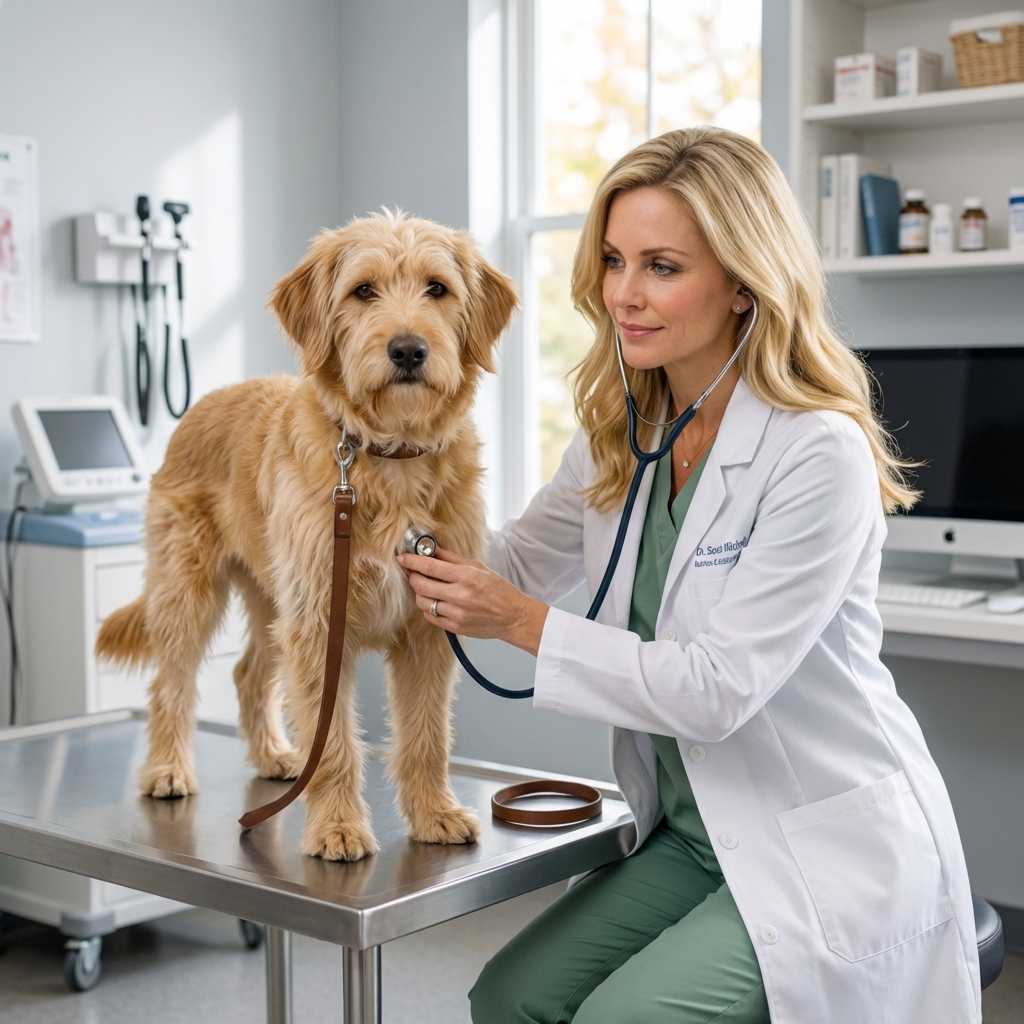
- Physical exam and listening to heart and lungs
- Chest X-rays to evaluate lungs, airway, and heart size
- Heartworm test if not recently done
- Respiratory PCR testing (nose or throat swab) to look for infectious causes
- Bloodwork to assess infection, inflammation, and organ function
- Fecal testing in select cases for parasites
- Echocardiogram (heart ultrasound) if heart disease is suspected
Not every dog needs every test. A good workup is tailored, not “one size fits all.”
Safe home care while you wait for the appointment
If your dog is breathing comfortably, bright, and stable, these steps can help reduce irritation and prevent worsening.
Do
- Switch to a harness to avoid pressure on the trachea.
- Limit intense exercise until you know the cause.
- Use a humidifier or sit with your dog in a steamy bathroom for 10 to 15 minutes (supervised).
- Avoid irritants: smoke, candles, essential oil diffusers, aerosol cleaners, heavy perfumes.
- Encourage hydration. Offer fresh water and consider adding a little low-sodium broth to meals if your vet says it is appropriate.
- Isolate if a contagious illness is possible (especially after daycare, boarding, grooming, or dog park exposure).
Do not
- Do not give human cough medicines unless your veterinarian specifically instructs you. Many contain ingredients that are unsafe for dogs.
- Do not give human pain relievers like ibuprofen or naproxen. These can be dangerous for dogs.
- Do not use leftover antibiotics. Wrong drug or wrong dose can delay proper treatment.
- Do not force exercise to “clear it out.” If your dog needs rest, respect that.
Treatment options (what your vet may recommend)
Treatment depends on the underlying cause. Your veterinarian may recommend:
- Supportive care for mild viral illness: rest, hydration, monitoring
- Cough suppressants in select cases of dry, nonproductive cough (not appropriate for all coughs)
- Antibiotics if bacterial infection is likely or confirmed
- Anti-inflammatory medications for airway inflammation (only under veterinary direction)
- Bronchodilators for lower airway disease in some dogs
- Heart medications and diuretics if congestive heart failure is present
- Oxygen therapy and hospitalization for severe respiratory distress or pneumonia
Your vet’s goal is not just to stop the sound of coughing. It is to treat the cause while keeping your dog safe and comfortable.
Prevention: simple steps that make a big difference
Keep vaccines current
If your dog is around other dogs, ask your veterinarian about Bordetella and canine influenza. No vaccine is perfect, but vaccinated dogs often have milder illness and may be less likely to spread certain infections.
Use heartworm prevention year-round
North Texas is heartworm country. Monthly prevention is one of the most important ways to protect your dog’s heart and lungs.
Reduce airway irritation
- Choose unscented, pet-safe cleaning products when possible.
- Avoid smoking indoors.
- Keep up with HVAC filter changes to reduce dust.
Maintain a healthy weight
Extra weight can make breathing harder and worsen coughing related to airway and heart conditions. If your dog is overweight, ask your vet team for a safe weight-loss plan.
When can my dog be around other dogs again?
If your dog might have a contagious respiratory illness, play it safe and avoid daycare, boarding, grooming, and dog parks until your veterinarian gives the all-clear. Many dogs remain contagious for a period of time even as they start to look better, and the exact timeline depends on the cause.
If you need a simple rule while you wait to be seen: keep your dog home and separate from other dogs as much as possible until the cough is clearly improving.
Special note for designer mixes
Designer mixes are wonderful, but they can inherit respiratory traits from either parent breed. If your dog is a small mix (for example, Yorkie mixes, Poodle mixes, Chihuahua mixes), talk to your veterinarian about tracheal health and consider using a harness from day one. If your mix has a shorter muzzle, ask about airway anatomy and heat safety, since breathing challenges can overlap with coughing concerns.
Frequently asked questions
How long is too long for a cough?
If your dog is otherwise normal and the cough is mild, you can sometimes watch for a day or two. But in general, a cough that lasts more than 3 to 5 days, is worsening, or disrupts sleep deserves a veterinary visit. The main reason is that coughing can irritate the airway and snowball, and some causes need treatment sooner rather than later.
Is kennel cough always from boarding?
No. Any close contact with dogs can spread it, including dog parks, grooming, daycare, training classes, and even shared fences.
My dog is coughing but still eating and playing. Should I worry?
Energy and appetite are reassuring, but they do not rule out something meaningful. Keep monitoring and book an appointment if the cough persists, becomes frequent, or if new symptoms appear.
Can I use honey?
Honey is sometimes used in people to soothe throats, but dogs are different. Because of sugar content and the risk of worsening certain conditions, I recommend checking with your veterinarian before offering honey, especially for puppies or dogs with diabetes.
The bottom line
Coughing is one of those symptoms that seems small until it is not. Your best next step is to observe patterns, reduce irritants, avoid unsafe medications, and loop in your veterinarian early if the cough persists or your dog seems unwell.
If you ever feel unsure, trust that instinct. A quick check can prevent a small cough from becoming a big problem.