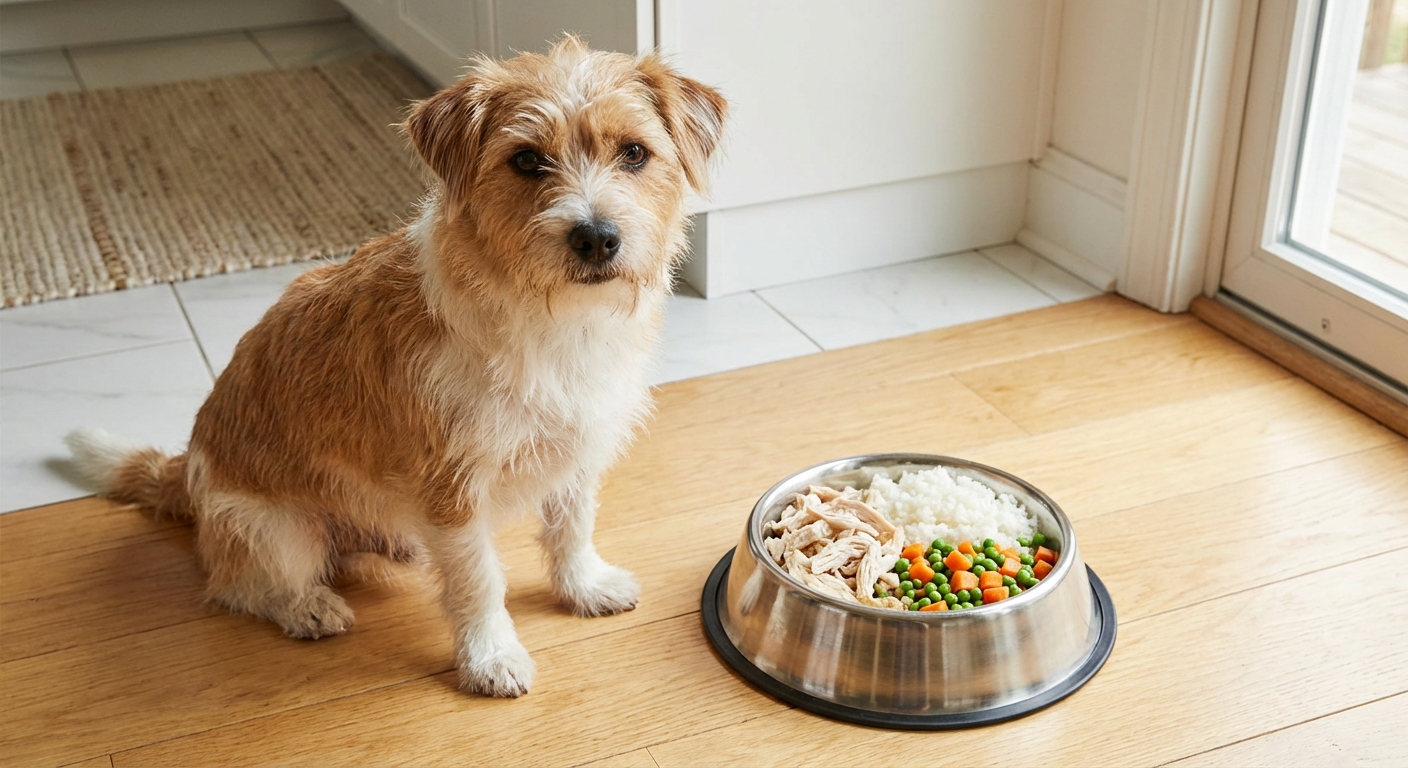
Build healthier homemade dog meals with a simple cooked-food ratio, plus tips to avoid common gaps like calcium, omega-3s, and key vitamins/minerals. Include...
Article
•
Designer Mixes
Corgipoo Size, Temperament, and Health

Shari Shidate
Designer Mixes contributor
If you love the idea of a clever, people-focused dog with a little herding spark and a little curly-coated charm, the Corgipoo might already be on your radar. A Corgipoo is a Corgi Poodle mix, usually a Pembroke Welsh Corgi crossed with a Miniature or Toy Poodle. Like many designer mixes, they can be wonderful family companions, but they are not one-size-fits-all. Their coat, energy level, and even their herding behavior can vary quite a bit.
Below, I’ll walk you through what to expect with Corgipoo size, temperament, grooming, and the most common health concerns I see owners asking about as a veterinary assistant. (I’m based in Frisco, Texas, but these tips apply anywhere.)
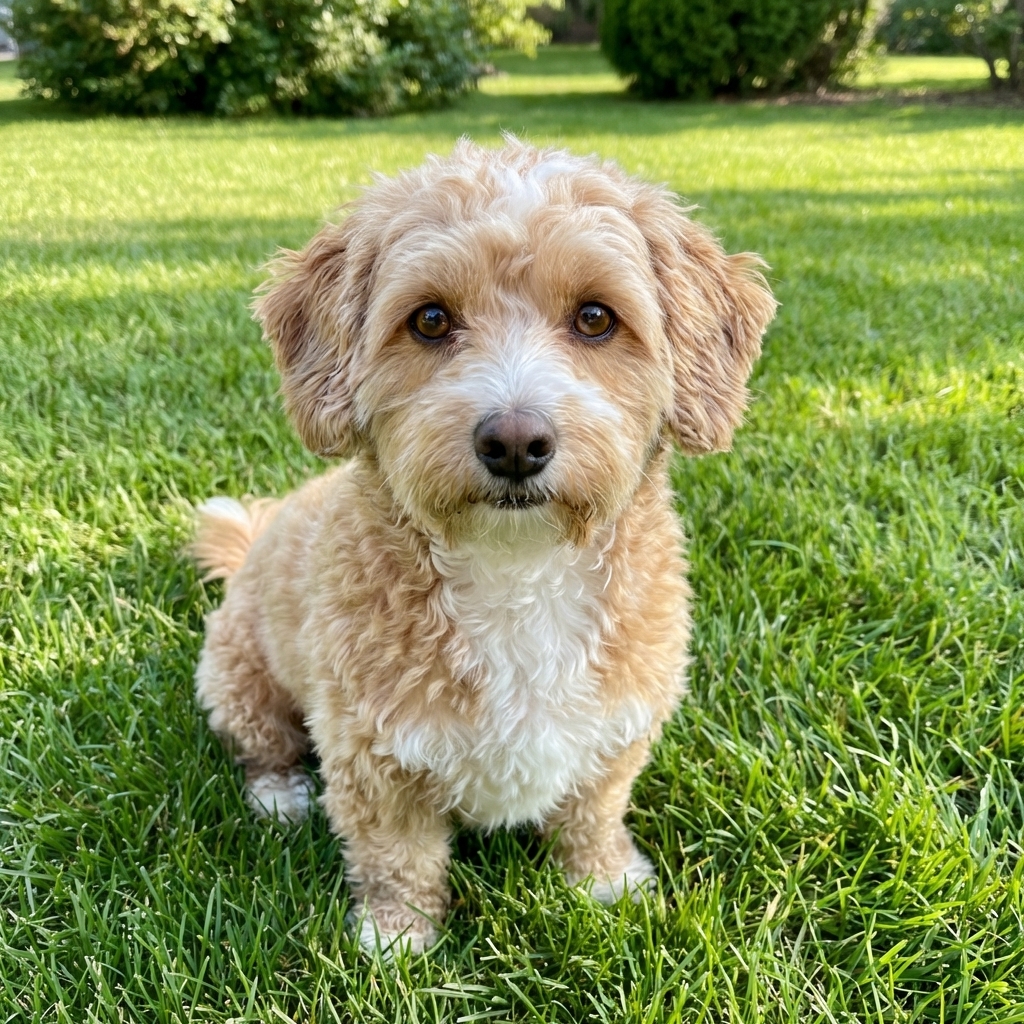
What is a Corgipoo?
A Corgipoo blends two very distinct breeds:
- Corgi influence: social, bold, food-motivated, and known for herding instincts like nipping at heels.
- Poodle influence: highly intelligent, often more biddable, and frequently lower-shedding depending on coat type.
Because this is a mix, there is no official breed standard. Two Corgipoos from different litters can look and act surprisingly different, especially if one parent is a Toy Poodle versus a Miniature Poodle.
Corgipoo size expectations
Most Corgipoos land in the small-to-medium range. Size depends heavily on which type of Poodle is used and the genetics each puppy inherits.
Typical adult size
- Height: often around 10 to 15 inches at the shoulder
- Weight: commonly 12 to 30 pounds
Some dogs will fall outside that range. A Toy Poodle parent can pull the size down, and a Miniature Poodle parent often produces a sturdier dog closer to typical Corgi weight. (If a Standard Poodle is used, expect a larger dog overall.)
Body shape matters too
Some Corgipoos inherit the Corgi’s longer back and shorter legs. Others look more “Poodle-like” with a more balanced outline. If your puppy ends up long-backed, it is smart to be proactive about back safety, like using ramps and discouraging repeated jumping off furniture.

Temperament
Corgipoos are often described as affectionate, bright, and alert. That said, the mix can create a dog who is very tuned in to movement and routines. In family homes, that can be adorable and also a little chaotic if you do not guide it early.
Common personality traits
- Smart and quick to learn: many pick up cues fast, but they also learn “bad habits” fast.
- People-oriented: they often bond closely and may follow you from room to room.
- Alert watchdog tendencies: barking can show up, especially if the Corgi side is strong.
- Playful with a job mindset: they often do best when they have something to do daily.
Herding behavior at home
Corgis were bred to herd. In a home, herding instincts can look like:
- nipping at ankles when kids run
- body-blocking or “steering” family members down hallways
- chasing bikes, scooters, and fast movement
This is not your dog being “mean.” It is often a natural behavior pattern. The key is to redirect early and make good choices easy.
How to manage herding and nipping
- Teach a default behavior: reward “sit” or “go to mat” when excitement starts building.
- Give an appropriate outlet: tug toys, fetch, and structured chase games help satisfy the urge safely.
- Use movement rules with kids: no running past the dog during training stages. Start with calm walking games, then level up.
- Do not punish growling: if a dog growls, it is communication. Punishing it can remove warnings and increase bite risk. Get help from a qualified trainer instead.
If your Corgipoo is consistently nipping or unable to settle, working with a positive-reinforcement trainer is worth every penny.
Exercise and enrichment
Corgipoos tend to be energetic and mentally busy. Many do well with a mix of physical activity and brain work. The Poodle side often loves training, and the Corgi side appreciates a routine.
Daily activity goals
- Exercise: roughly 45 to 75 minutes per day for many adults, split into 2 to 3 sessions. Adjust for age, fitness, body structure, and your veterinarian’s guidance. Some smaller or short-legged dogs need less, and some higher-drive dogs need more.
- Mental enrichment: short training sessions, puzzle feeders, sniff walks, or hide-and-seek games
Great activities for Corgipoos
- obedience and trick training
- scent games and “find it” in the house
- agility at a low height, tailored to your dog’s body structure
- structured fetch with a start and stop cue to prevent over-arousal
Vet assistant tip: if your dog has short legs or a longer back, keep an eye on repetitive high-impact jumping. You can still have a very active dog, just choose activities that are joint-friendly.
Grooming and shedding
Coat type is one of the biggest variables in a Corgipoo. Some inherit a curlier Poodle coat, some have a wavier coat, and some lean more Corgi with a thicker, shedding double coat.
Coat types you may see
- Curly: often lower shedding but higher grooming needs and mat risk
- Wavy: moderate shedding, moderate grooming
- Straight and plush: can shed more like a Corgi, often seasonal
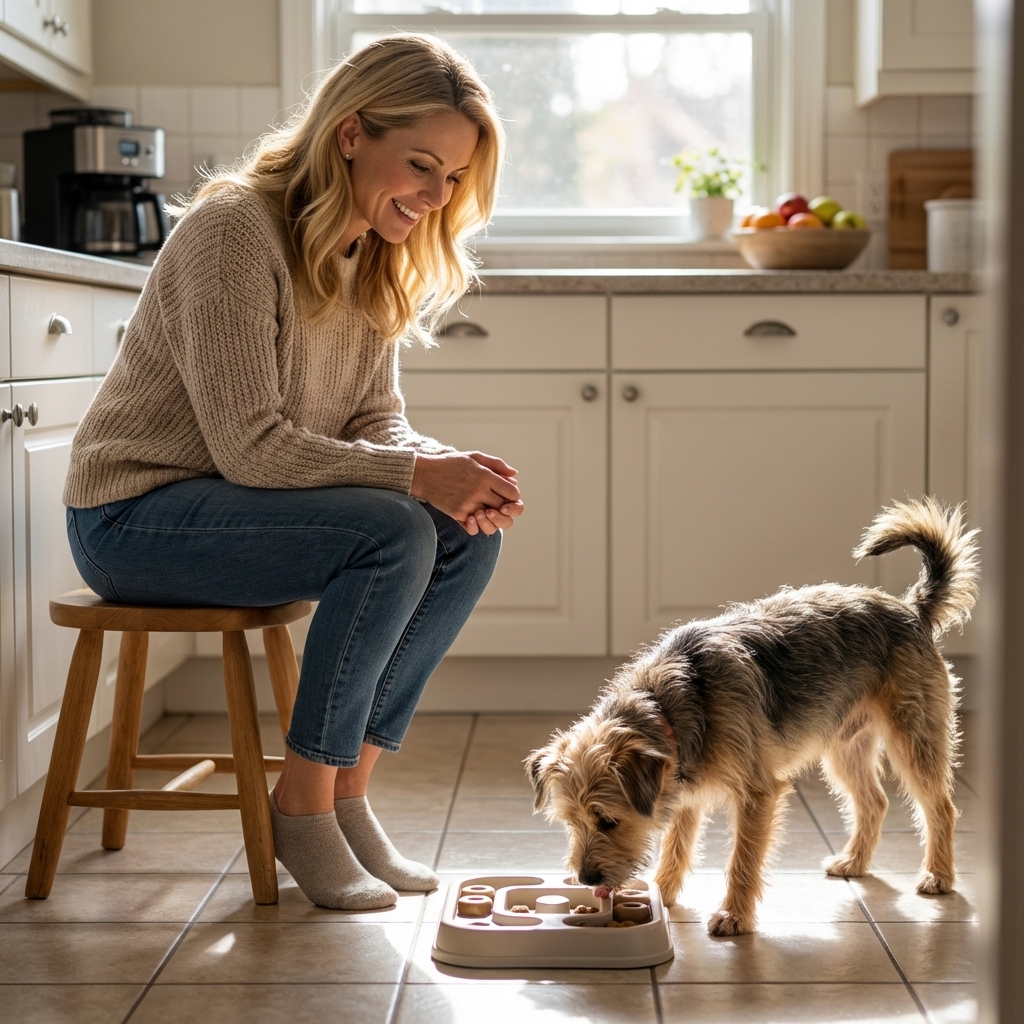
Grooming routine
- Brushing: 3 to 5 times per week for wavy or curly coats, daily if matting starts
- Professional grooming: typically every 6 to 8 weeks if the coat is Poodle-leaning
- Ears: check weekly, especially if the ears are floppy. Moisture and hair can raise infection risk.
- Nails: trim every 3 to 4 weeks for many dogs
- Teeth: brushing a few times a week is a realistic goal that pays off long-term
If you want a lower-allergen home, remember that no dog is truly hypoallergenic. Lower shedding can help, but dander and saliva still matter.
Common Corgipoo health issues
Mixed-breed dogs can inherit health risks from either parent. Responsible breeders screen parent dogs, and that matters. Your best strategy is prevention: choose a reputable breeder or rescue, keep your dog lean, build muscle with safe exercise, and stay consistent with vet care.
Hip dysplasia and joint concerns
Hip dysplasia is a malformation of the hip joint that can lead to arthritis and pain over time. While we often think of it in large breeds, smaller dogs can be affected too, especially if genetics and weight combine in an unlucky way.
- Watch for: bunny hopping, stiffness after rest, reluctance to jump or climb stairs
- Prevention support: keep a healthy weight, use ramps, ask your vet about joint supplements if appropriate
Intervertebral disc disease (IVDD)
If your Corgipoo inherits a long back and shorter legs, intervertebral disc disease (IVDD) is a specific risk to know about. IVDD happens when the discs between the vertebrae degenerate or herniate, which can cause back pain and, in severe cases, weakness or paralysis.
- Watch for: back or neck pain, yelping when picked up, a hunched posture, trembling, reluctance to jump, wobbly walking, weakness in the back legs
- Prevention support: keep your dog lean, use ramps, limit repeated jumping off furniture, use a harness (not a neck collar) for walks, and ask your vet what activity level is safest for your dog’s structure
If you ever suspect IVDD, treat it as urgent and contact your veterinarian right away.
Degenerative myelopathy (DM)
Degenerative myelopathy is a progressive spinal cord disease seen in Corgis. It typically shows up later in life and can cause weakness and coordination problems in the back legs.
- Watch for: hind-end wobbliness, dragging nails, difficulty rising
- What helps: early veterinary evaluation, physical therapy, maintaining strength and mobility as long as possible
Breeding dogs can be DNA-tested for a DM-associated variant. It is a risk marker, not a guarantee. Not every dog with the variant develops DM, so it is best used as one piece of the overall health picture. If you are buying a puppy, ask what testing was done and request documentation.
Eye problems
Poodles can be prone to certain inherited eye diseases, and Corgis have their own eye concerns. Corgipoos may be at risk for issues such as progressive retinal atrophy (PRA), cataracts, and other inherited conditions depending on lineage.
- Watch for: bumping into objects in low light, cloudiness in the eye, squinting or rubbing
- Helpful step: routine wellness exams, and consider a veterinary ophthalmology exam if your vet recommends it
Other concerns to know about
- Patellar luxation: kneecap slipping, more common in smaller dogs
- Dental disease: small mouths can mean crowded teeth, which trap plaque
- Allergies: environmental or food-related itchiness, ear infections, paw licking
If you only do one thing for long-term health, keep your Corgipoo lean. Extra weight is gasoline on the fire for joints, back comfort, and overall longevity.
Feeding and weight management
Corgipoos can be enthusiastic eaters, especially if they inherit that classic Corgi food motivation. Portion control and high-quality nutrition are key.
- Choose a balanced diet: look for a food that meets AAFCO nutrient profiles for your dog’s life stage.
- Measure meals: free-feeding makes weight creep up fast.
- Use treats strategically: break treats into tiny pieces and count them as calories.
- Ask about body condition scoring: your vet team can show you how to assess ribs and waist at home.
If you are interested in homemade food, talk with your veterinarian or a board-certified veterinary nutritionist. Homemade can be wonderful, but it needs to be properly balanced to avoid nutrient gaps.
Lifespan
Lifespan is always a common question. Many Corgipoos fall into a typical small-to-medium dog range of about 12 to 15 years, sometimes longer. Genetics, weight, dental care, and routine vet care make a big difference.
Alone time and separation anxiety
Because many Corgipoos are very people-oriented, some struggle when left alone. Prevention is much easier than fixing it later.
- Practice short departures: build from minutes to longer stretches.
- Use food enrichment: stuffed Kongs, lick mats, or puzzle feeders can make alone time feel rewarding.
- Reward calm: teach “settle” and reinforce relaxing on a mat.
If your dog is panicking, self-injuring, or destroying doors and windows, talk with your veterinarian. True separation anxiety is a welfare issue and often needs a structured plan.
Training priorities
If you are raising a puppy, a simple priority list goes a long way:
- Socialization: gentle exposure to people, surfaces, sounds, grooming tools, and handling during the puppy window
- House training: tight schedule, lots of rewards, and supervision
- Bite inhibition: teach a soft mouth and redirect nipping to toys
- Bark habits: reward quiet, teach a “thank you” cue, and prevent rehearsal at windows and doors
Is a Corgipoo a good family dog?
Often, yes, with the right match and training. Corgipoos can do very well in families who enjoy interacting with their dog daily. They typically thrive when:
- kids are taught respectful handling and calm movement during early training
- the dog gets consistent enrichment, not just a backyard
- the family is ready to manage barking and herding behaviors proactively
- grooming is treated like part of the routine, not a once-in-a-while task
If your household is very busy, very loud, or you are gone long hours, consider whether you can meet this mix’s mental needs. Smart, attached dogs can develop nuisance behaviors when bored.
Questions to ask before bringing one home
If you are buying from a breeder
- What type of Poodle was used (Toy, Miniature, or Standard), and what are the parents’ adult weights?
- Were the parents health tested for hip issues, patellas, DM-associated variant, and inherited eye diseases? Can you show results?
- What is your plan for early socialization, handling, and grooming exposure?
- Do you have a written contract, a return policy, and a commitment to take the dog back if the owner cannot keep it?
If you are adopting
- What does the dog do when excited, especially around running kids?
- Any history of ear infections, skin itchiness, limping, or back pain?
- How does the dog handle brushing, nail trims, and being touched?
Ethical sourcing note
Designer mixes are popular, which unfortunately attracts puppy mills and backyard breeders. Whether you buy or adopt, prioritize transparency, health screening, and humane conditions. A reputable source will welcome questions and provide documentation, not pressure you to “buy today.”
The takeaway
A Corgipoo can be an amazing companion: bright, affectionate, and full of personality. The same traits that make them fun, like intelligence and herding instincts, also mean they need guidance, training, and daily engagement. If you go in with eyes open about coat care, exercise, and health screening (including IVDD risk for long-backed dogs), you can set your Corgipoo up for a happy, healthy life.