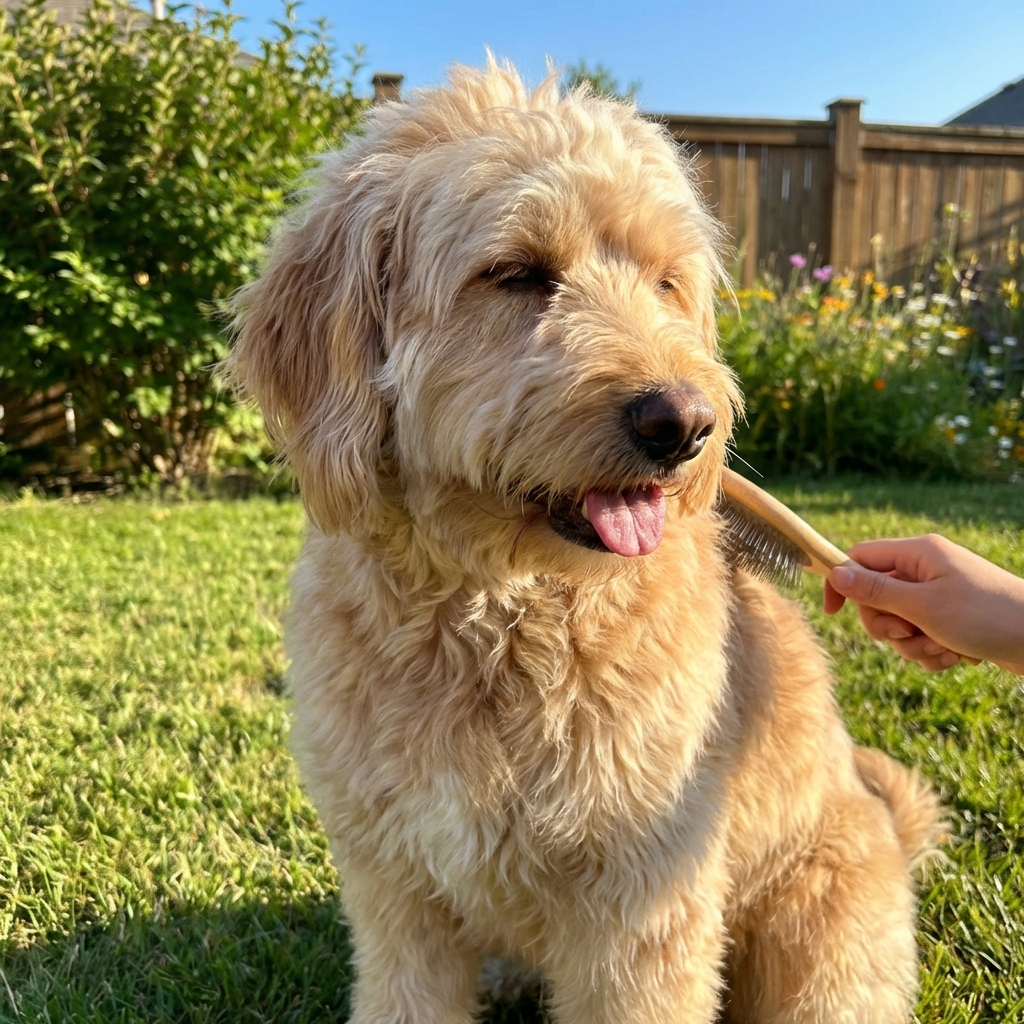
A vet-informed guide to dog shedding: what’s normal, top causes like seasonal coat blow, diet, allergies, parasites, stress, and illness—plus tools, rout...
Article
•
Designer Mixes
Corgi Shedding, Back Issues, and Temperament

Shari Shidate
Designer Mixes contributor
Corgis are famous for their big personalities, adorable low-to-the-ground build, and yes, a whole lot of fluff. As a veterinary assistant in Frisco, Texas, I meet plenty of Corgis and Corgi mixes, and the same three questions come up again and again: Why do they shed so much? Are they prone to back problems? What are they really like to live with?
This guide walks you through shedding, spine and joint concerns, and temperament in a practical way, so you can enjoy the best parts of Corgi life while preventing the most common issues. This is general information and not a substitute for veterinary care. If your dog seems painful or “not right,” call your veterinarian.

Quick Corgi snapshot
- Breed types: Pembroke Welsh Corgi and Cardigan Welsh Corgi
- Coat: double coat , seasonally heavy shedding
- Build: long back, shorter legs, sturdy body
- Temperament: smart, alert, affectionate, often vocal, may herd people and pets
- Common concerns: obesity, back strain and disc disease risk , arthritis, dental buildup, anxiety or reactivity if under-stimulated
Pembroke vs Cardigan: Both are herding dogs with similar needs. Cardigans are often a bit larger with a tail and can come in a wider range of coat colors. Individual temperament varies a lot in both types.
Shedding: what is normal?
Corgis are heavy shedders because they have a double coat :
- Undercoat: soft and dense, provides insulation
- Topcoat: longer guard hairs that repel moisture and dirt
Most Corgis shed year-round, then “blow coat” one to two times per year (often spring and fall). During coat blows, you might feel like you are vacuuming a whole second dog out of your house.
Normal shedding signs
- Even shedding across the body
- No bald patches
- No persistent itching, redness, or scabbing
- Skin looks healthy (not greasy or inflamed)
When it may be a problem
Call your vet if you see:
- Patchy hair loss or thinning areas
- Intense itching, chewing paws, rubbing face
- Dandruff, odor, recurrent ear infections
- Skin darkening or hot spots
- Sudden increase in shedding paired with weight gain, low energy, or coat quality changes
Excess shedding can be linked to allergies (environmental or food), fleas, mites, bacterial or yeast infections, thyroid disease, and stress. Many issues look similar at home, so an exam is the fastest way to get the right plan.

Grooming routine
- 2 to 4 times per week brushing for maintenance. Daily during coat blow.
- Tools that help: slicker brush, undercoat rake, and a metal comb for finishing.
- Bathing: about every 4 to 8 weeks, or as needed. Use a dog shampoo and rinse very thoroughly.
- Drying matters: a high-velocity dryer (often at groomers) can remove loose undercoat safely.
About shaving
In most cases, you should not shave a Corgi. Shaving can lead to uneven regrowth and increases risk of sunburn and skin irritation. If mats or medical issues require a clip, make that decision with a veterinarian or experienced groomer.
Nutrition and coat
Healthy coat starts from the inside out. A balanced diet with appropriate levels of omega fatty acids can improve coat quality and reduce flaking. If you are considering supplements like fish oil, ask your veterinarian for the right dose for your dog’s weight and health history.
Ear, nail, and paw basics
- Ears: If your dog is prone to ear infections , ask your vet how often to clean and which cleaner to use. Many dogs do fine with “as needed” cleaning, especially after swimming or baths.
- Nails: Trim regularly so nails do not click loudly on floors . Long nails can change gait and add stress to joints and the back.
- Paws: Keep fur between paw pads tidy if it contributes to slipping on smooth floors.
Back issues: what to know
Corgis have a long spine and relatively short legs. That shape can put them at higher risk for certain spinal and joint problems, especially when combined with extra weight, lots of jumping, or repetitive stress.
IVDD risk
Pembrokes and Cardigans are commonly considered at increased risk for IVDD (Intervertebral Disc Disease). IVDD is a condition where the discs between vertebrae degenerate and may bulge or rupture. When that happens, it can press on the spinal cord and cause pain, weakness, or paralysis. Other issues can mimic back pain, so diagnosis and treatment decisions should come from a veterinary exam and, in many cases, imaging.
Early back pain signs
If your Corgi shows any of these, take it seriously and contact your vet:
- Reluctance to jump, climb stairs, or get on the couch
- Crying out when picked up
- Hunched posture or a tense abdomen
- Shaking or panting without exercise
- Weakness, wobbliness, or knuckling in the back legs
- Dragging feet or scuffing nails
- Loss of bladder or bowel control (emergency)
Tip from the clinic: If you suspect a back injury, keep your dog calm and restricted. Avoid stairs and jumping and seek veterinary guidance quickly. Early care can make a big difference.
Reduce back strain at home
- Keep them lean: maintaining a healthy body condition is one of the best ways to protect the spine and joints.
- Use ramps or steps: for beds and couches, especially for habitual jumpers.
- Limit stairs: baby gates can help. Carry when needed.
- Harness over collar: a well-fitted harness reduces neck strain and gives you better control.
- Build muscle safely: controlled leash walks, gentle hill work, and strength exercises recommended by your vet or canine rehab professional.
- Non-slip flooring: rugs or runners help prevent slips that can strain the back.
Safe lifting tip: Support both ends. One arm under the chest and the other supporting the hindquarters helps keep the spine level. Avoid lifting under the belly only, or letting the rear end dangle.

Other mobility concerns
- Arthritis: more likely with extra weight, prior injury, genetics, or underlying joint issues.
- Hip dysplasia: generally less common than in many large breeds, but still possible.
- Patellar luxation: kneecap instability can occur, especially in smaller or mixed-breed dogs.
If your dog is slowing down, slipping, or struggling to get comfortable, do not assume it is “just age.” Pain management has come a long way, and a good plan can improve quality of life dramatically.
Temperament: what they are like
Corgis were bred to herd. That heritage shows up in everyday life as confidence, quick learning, and a drive to control movement. In the home, that can be fun and sweet, but it also needs guidance.
Common traits
- Very intelligent: they learn fast, including bad habits if those habits get attention.
- People-oriented: many bond closely with their family and want to be involved in everything.
- Alert and vocal: great watchdogs, but barking can become a problem without training.
- Busy and motivated: they thrive with jobs, games, and routines.
- Independent streak: they may test boundaries, especially as adolescents.
Herding behaviors
You may see:
- Nipping at heels (especially kids running)
- Chasing movement like bikes or scooters
- Body-blocking other pets
- “Bossy” behavior around doorways and hallways
This does not mean your dog is aggressive. It means your dog needs training and appropriate outlets.
Support a stable temperament
- Start socialization early: safe exposure to people, dogs, sounds, grooming, and handling.
- Train with rewards: positive reinforcement works beautifully with Corgis.
- Teach calm: practice settle cues, crate comfort, and quiet time so they do not stay “on” all day.
- Give them a job: nose work, trick training, puzzle toys, or basic obedience drills.
- Plan for barking: teach “quiet,” manage triggers, and avoid rewarding demand barking.

Kids and other pets
Many Corgis do great with respectful children and other pets, especially when raised together. The keys are supervision, teaching kids not to chase or roughhouse, and redirecting herding nips early. If you have cats, introduce slowly and reward calm behavior. A herding dog can learn to coexist politely, but it takes consistency.
Exercise and enrichment
Corgis need regular activity, but because of their structure, they do best with low-impact, consistent exercise rather than repetitive high jumps.
- Daily walks: 30 to 60 minutes total for many healthy adults, split into two sessions
- Brain work: short training sessions, food puzzles, sniff walks
- Safer play: fetch on flat ground, tug with rules, controlled off-leash time in a safe yard
High-energy does not always mean high-impact. Think steady and structured, not chaotic and jumpy.
Weight management
If there is one place I encourage Corgi owners to focus, it is this: keep your Corgi lean. Extra weight increases strain on the spine, hips, and knees, and it can worsen arthritis and reduce stamina.
Prevent weight gain
- Measure meals, do not free-feed
- Use part of their kibble as training rewards
- Choose low-calorie treats and break treats into tiny pieces
- Track weight monthly and adjust before it creeps up
- Ask your vet for a target weight and body condition score
If you are interested in adding fresh foods, do it gradually and keep the diet balanced. A little real food can be a wonderful tool, but portions still matter.
Dental care
Dental buildup is common in many dogs, and small mouths can crowd teeth. The basics that help most:
- Brush teeth with dog-safe toothpaste (even a few times a week helps)
- Use VOHC-accepted dental chews or diets if your vet agrees
- Schedule professional cleanings when your veterinarian recommends them
When to call the vet
It is always worth a call if your instincts say something is off. In particular, schedule an exam if you notice:
- Sudden increase in shedding with skin changes
- Persistent itching, ear infections, or hot spots
- Any back pain signs or mobility changes
- Changes in appetite, energy, or weight
- Behavior changes like irritability when touched
And if your Corgi is weak in the back end, dragging legs, or cannot urinate, treat that as an emergency.
Bottom line
Corgis are a joy when their needs are understood. Expect shedding, plan a grooming rhythm, and protect that long back with smart choices like ramps, harnesses, lean body weight, safe lifting, and low-impact exercise. Pair that with training and mental enrichment, and you will have a confident, affectionate companion who fits beautifully into family life.