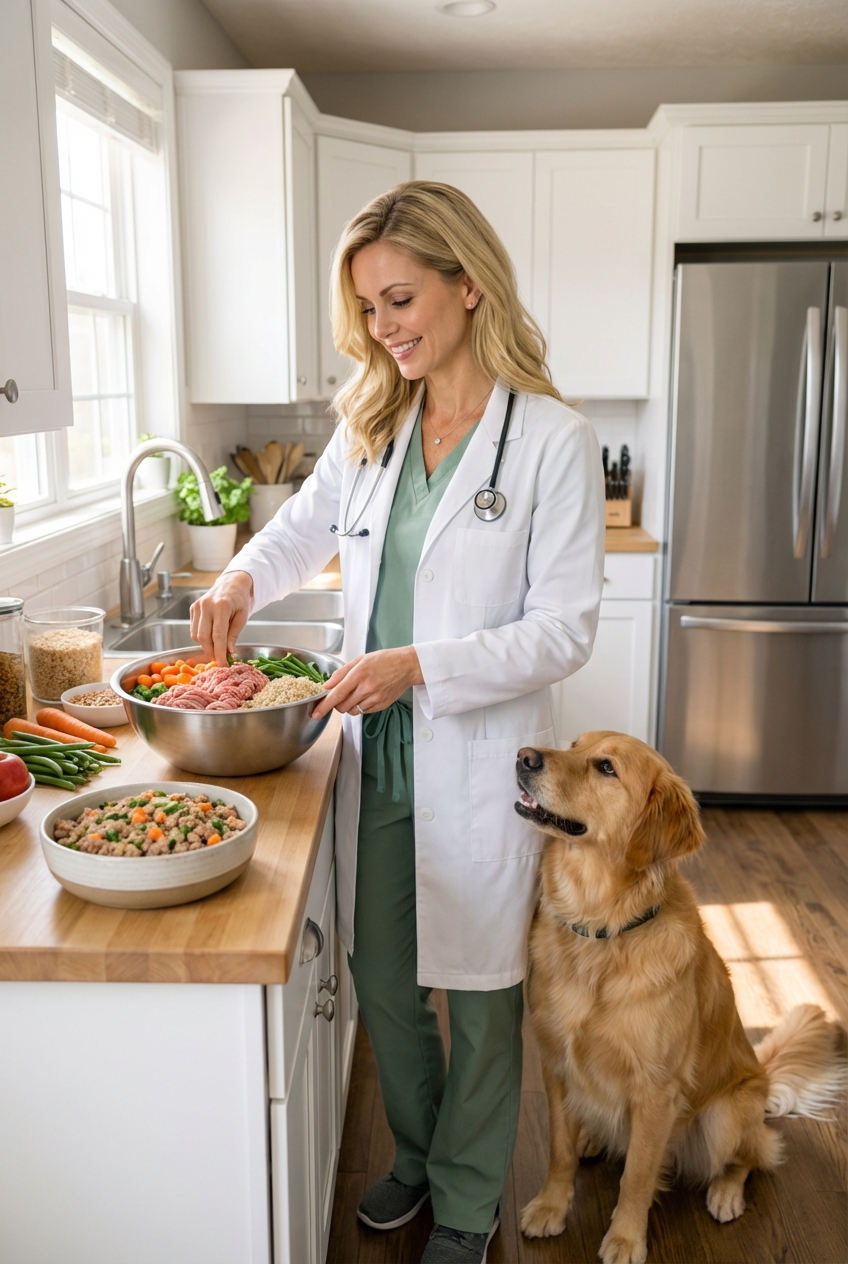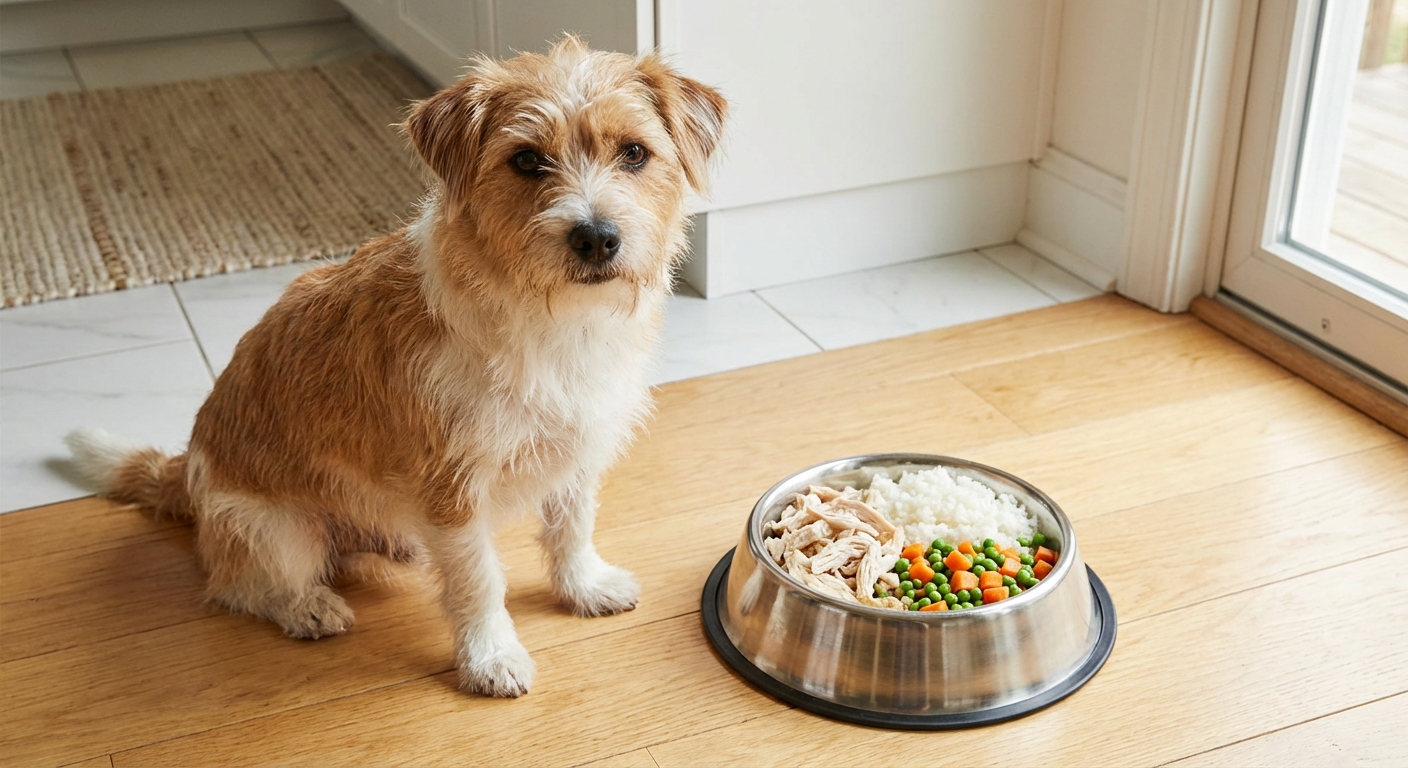
Start homemade dog food safely with this vet-informed starter plan. Learn what “vet approved” means, choose a balancer, follow a 14-day transition, and u...
Article
•
Designer Mixes
Cooked vs Raw Homemade Dog Food Safety

Shari Shidate
Designer Mixes contributor
Homemade dog food can be a wonderful way to support your dog’s health, especially when you choose real, responsibly sourced ingredients and keep meals balanced. But when people ask me, “Should I go raw or cooked?”, I bring it back to one core question: how can we make this as safe as possible for your dog and your household?
In my experience in clinic settings as a veterinary assistant, I have seen both approaches work well, and I have also seen preventable problems like foodborne illness, nutritional gaps, and upset stomachs. The goal is not perfection. The goal is safe, consistent nutrition that your dog thrives on.
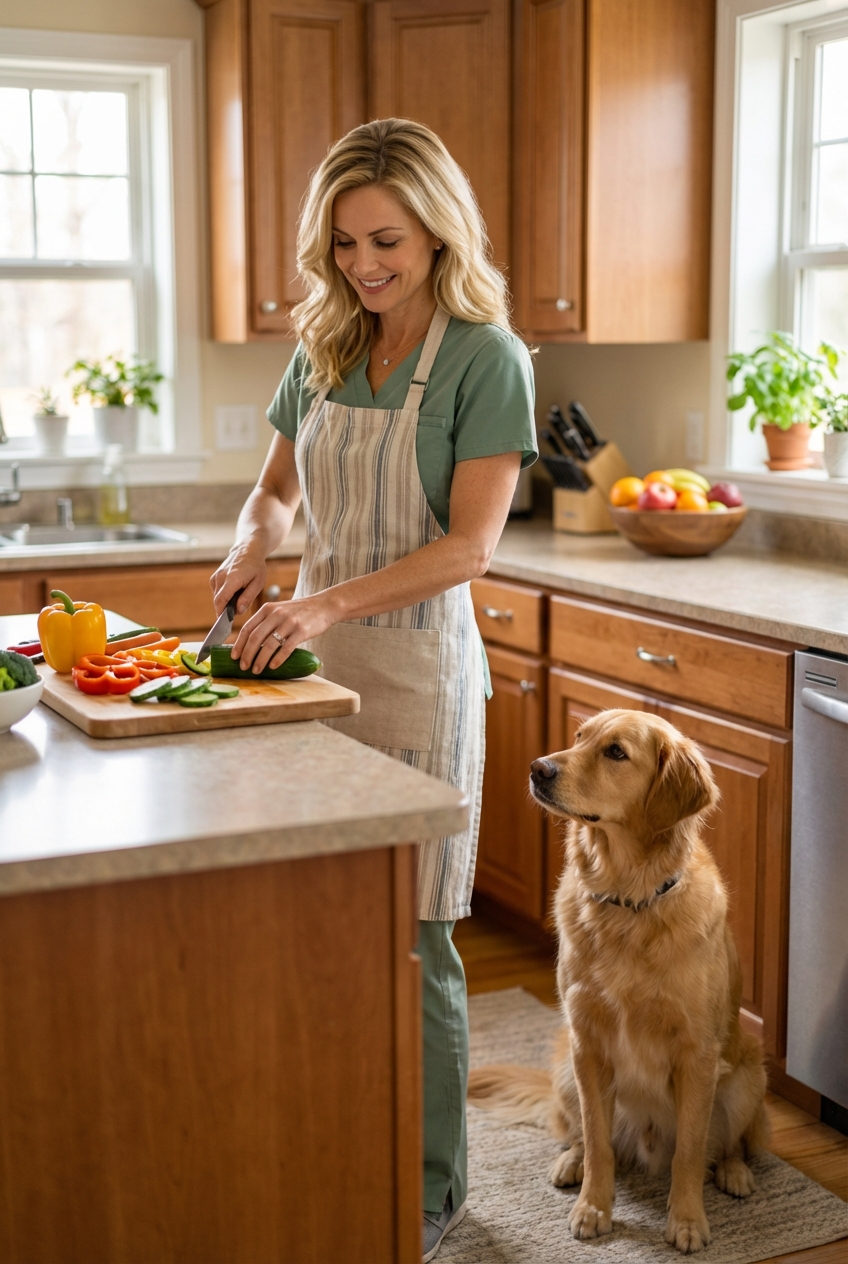
Raw vs cooked: what safety means
When we talk about safety, we are usually talking about three different things:
- Foodborne germs (like Salmonella, Campylobacter, E. coli, Listeria, plus some parasites)
- Physical hazards (especially bones, plus choking or intestinal injury)
- Nutritional balance (meeting calcium, vitamins, minerals, fatty acids over time)
Cooked diets generally reduce (not eliminate) the risk of many foodborne pathogens when paired with good kitchen hygiene. Raw diets can carry a higher pathogen risk, even when the meat looks and smells “fresh.” Both raw and cooked diets can be nutritionally complete, but only if you plan them correctly.
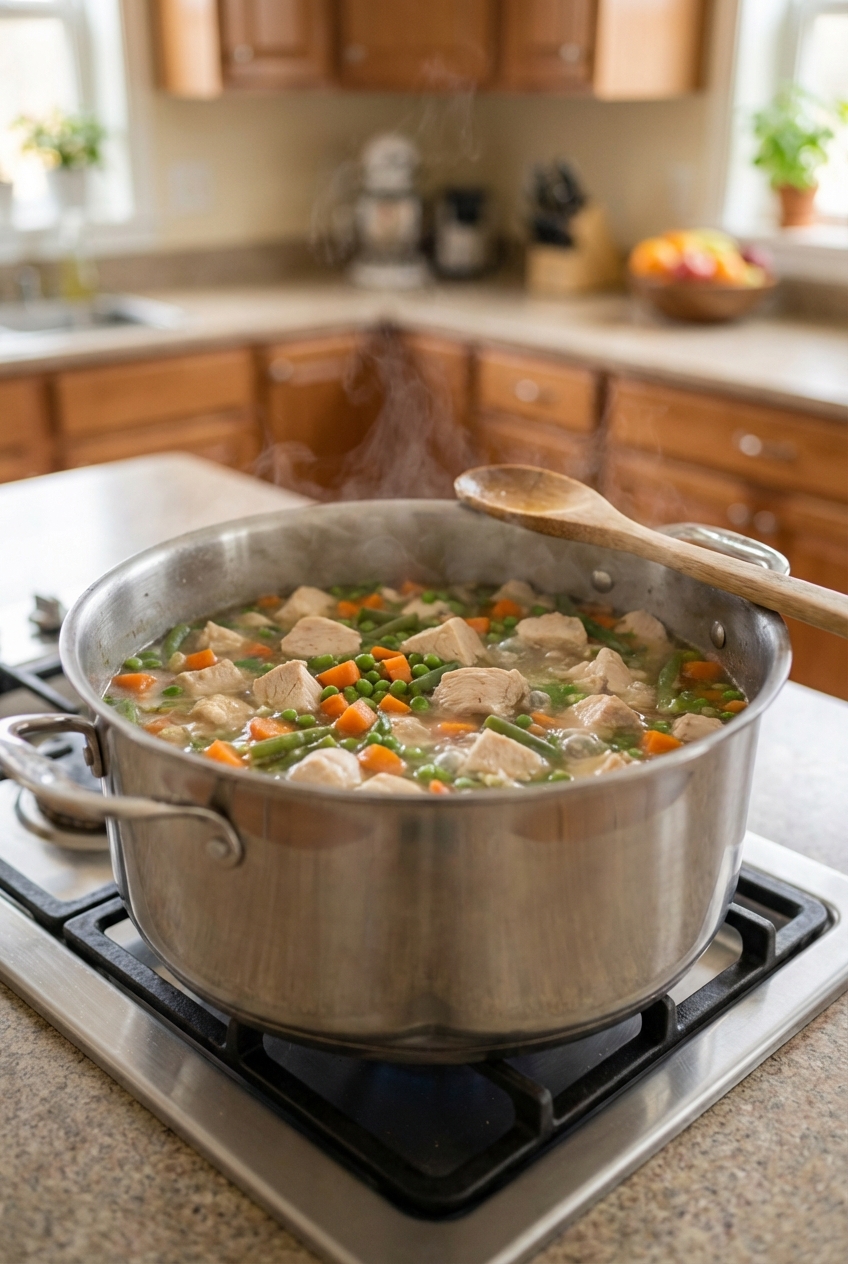
Cooked homemade food: why many choose it
Cooking is a straightforward, evidence-based way to lower bacterial load in meat and eggs. That matters for your dog, and it matters for people in the home who are more vulnerable to infection, such as young kids, seniors, pregnant family members, and anyone immunocompromised. (For general guidance on raw-pet-food risks to people, see AVMA, FDA, and CDC resources.)
Safety upsides of cooked
- Lower pathogen risk compared with raw, especially when cooked to safe internal temperatures and stored properly
- May be easier to digest for some dogs with sensitive stomachs (gentle cooked proteins and cooked veggies), though every dog is different
- More vegetable options since lightly cooked or steamed veggies are often more digestible for dogs
Cooked diet mistakes (and fixes)
- Unbalanced meals: “Chicken and rice forever” can be useful short-term, but it is not complete long-term. Use a vetted recipe or a professionally formulated plan.
- Calcium missteps: Dogs need an appropriate calcium to phosphorus balance. If you remove bones, you must add a safe calcium source. A simple option is a veterinary-formulated calcium supplement (or a complete vitamin and mineral blend designed for homemade diets) used as directed.
- Too much fat or too many extras: Rich meals can contribute to or trigger flare-ups in dogs predisposed to pancreatitis. Keep fat levels appropriate for your dog’s history and your veterinarian’s guidance.
Raw homemade food: what to know
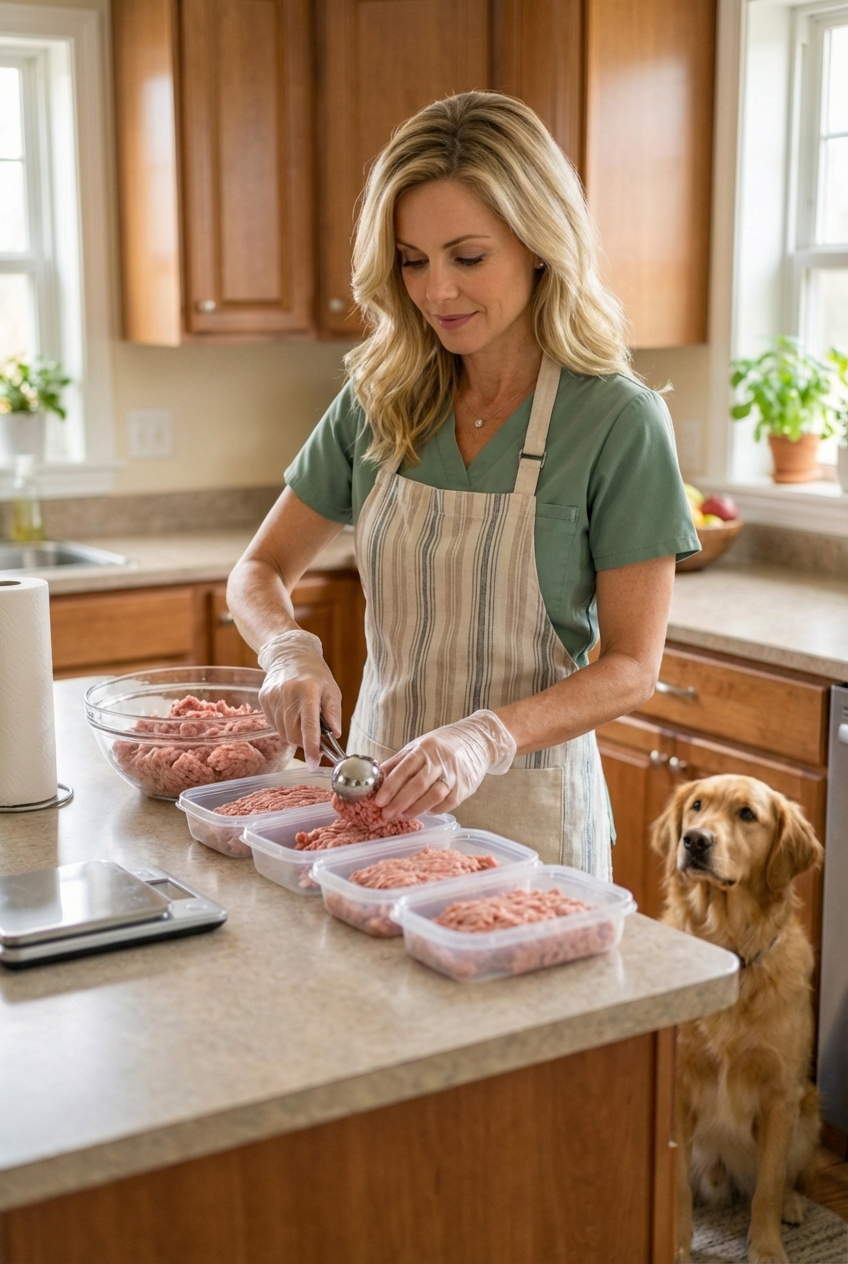
Some owners choose raw because their dog seems to do well on it, they like ingredient transparency, or they want minimal processing. The biggest safety concern is that pathogens can be present even in high-quality raw meat, and freezing does not reliably kill bacteria. (This is consistent with guidance and warnings from organizations like the FDA and CDC.) Dogs can also shed germs in saliva and stool, which can expose other pets and people.
Safety challenges with raw
- Higher foodborne illness risk for dogs and for humans handling the food
- Parasite considerations: some raw ingredients can carry parasites depending on sourcing and handling
- Bone-related injuries: broken teeth, choking, intestinal obstruction, constipation, GI perforation
- Nutritional imbalance is common when recipes are improvised (especially minerals like calcium, iodine, zinc, and vitamins A and D)
When raw is a poor fit
Many veterinarians advise avoiding raw in homes with:
- Infants or toddlers
- Adults over 65
- Pregnant family members
- Anyone immunocompromised
- Dogs that are immunocompromised or on immune-suppressing medications
The science in plain language
Food safety research consistently shows that raw meat can carry harmful bacteria. Dogs may not always look sick after exposure, but they can still become ill or shed organisms that make humans sick. Cooking to safe temperatures is one of the most reliable ways to reduce risk, along with proper storage, cleanup, and avoiding cross-contamination. (For further reading, see FDA pet food safety information, CDC food safety guidance, and AVMA statements on raw diets.)
Safety is not only about what your dog can tolerate. It is also about what your household can safely handle.
That said, cooked does not automatically mean “balanced,” and raw does not automatically mean “better.” The healthiest diet is the one that is safer to prepare, complete, and sustainable for you to do consistently.
How to make either option safer
Food handling rules for homemade feeding
- Wash hands with soap and warm water after handling animal products and bowls.
- Separate tools: use separate cutting boards for meats and produce, or sanitize thoroughly between uses.
- Disinfect surfaces after prep (countertops, sink, faucet handles).
- Refrigerate promptly: do not leave food out longer than 1 to 2 hours (less in hot weather).
- Store smart: portion into containers, label dates, and keep refrigerated at 40°F/4°C or below. Use within 3 to 4 days, or freeze for longer storage.
- Wash bowls daily with hot soapy water.
If you feed cooked: safe temps
A food thermometer is your friend. Here are standard USDA internal temperature targets:
- Poultry (whole or ground): 165°F (74°C)
- Ground meats (beef, pork, lamb): 160°F (71°C)
- Whole cuts (beef, pork, lamb, fish): 145°F (63°C) and rest time as recommended
- Eggs: cook until firm (avoid runny eggs for higher-risk households)
If your dog needs a prescription-level plan due to kidney disease, pancreatitis, allergies, growth (puppies), or chronic GI disease, work with your veterinarian or a board-certified veterinary nutritionist (DACVIM Nutrition).
If you feed raw: risk reduction
- Assume raw carries germs and handle it accordingly.
- Keep raw separate from human foods in the fridge and freezer to prevent drips and cross-contamination.
- Use dedicated prep tools and sanitize immediately.
- Avoid bones: do not feed raw bones unless you have specific veterinary guidance and understand the risks.
- Pick up stool promptly and wash hands after yard cleanup.
Balanced nutrition: the safety issue people miss
I know it is tempting to “just start” with a protein and a carb. That can be okay for a very short transition period, but long-term homemade feeding needs a plan. Dogs require the right balance of:
- Protein with a variety of amino acids
- Fats, including essential fatty acids
- Calcium and phosphorus in the correct ratio
- Trace minerals like zinc, iodine, selenium, copper
- Vitamins including A, D, E, and B-complex
When you see “complete and balanced,” it usually means the diet is formulated to meet recognized nutrient standards (often AAFCO profiles, which are informed by NRC recommendations). Whether you choose cooked or raw, the safest path is to use a recipe that is formulated to be complete and balanced for your dog’s life stage and health conditions, ideally with a veterinary nutritionist involved. “Looks healthy” is not the same as “meets requirements.”
So which is safer: cooked or raw?
For most households, cooked homemade is the safer option because it meaningfully lowers foodborne pathogen risk while still allowing you to feed fresh, whole foods. Raw can be done, but it requires strict hygiene, careful sourcing, thoughtful supplementation, and an honest look at the risk level for your family.
If you are on the fence, a practical middle ground is gently cooked meals that still use minimally processed ingredients.
Common toxins to avoid
Whether you feed raw or cooked, do not include ingredients that can be dangerous to dogs, such as onions, garlic, grapes, raisins, xylitol, and alcohol. Also avoid cooked bones, which can splinter and cause serious injury.
When to call your vet
Get veterinary guidance before switching diets if your dog is a puppy, pregnant, senior, or has a medical condition. Also call your veterinarian promptly if you notice:
- Vomiting or diarrhea lasting more than 24 hours
- Blood in stool
- Lethargy, fever, refusal to eat
- Repeated straining or signs of abdominal pain
- Sudden weight loss or weight gain
Homemade feeding can be incredibly rewarding. With a safer method and a balanced recipe, you can absolutely do this.