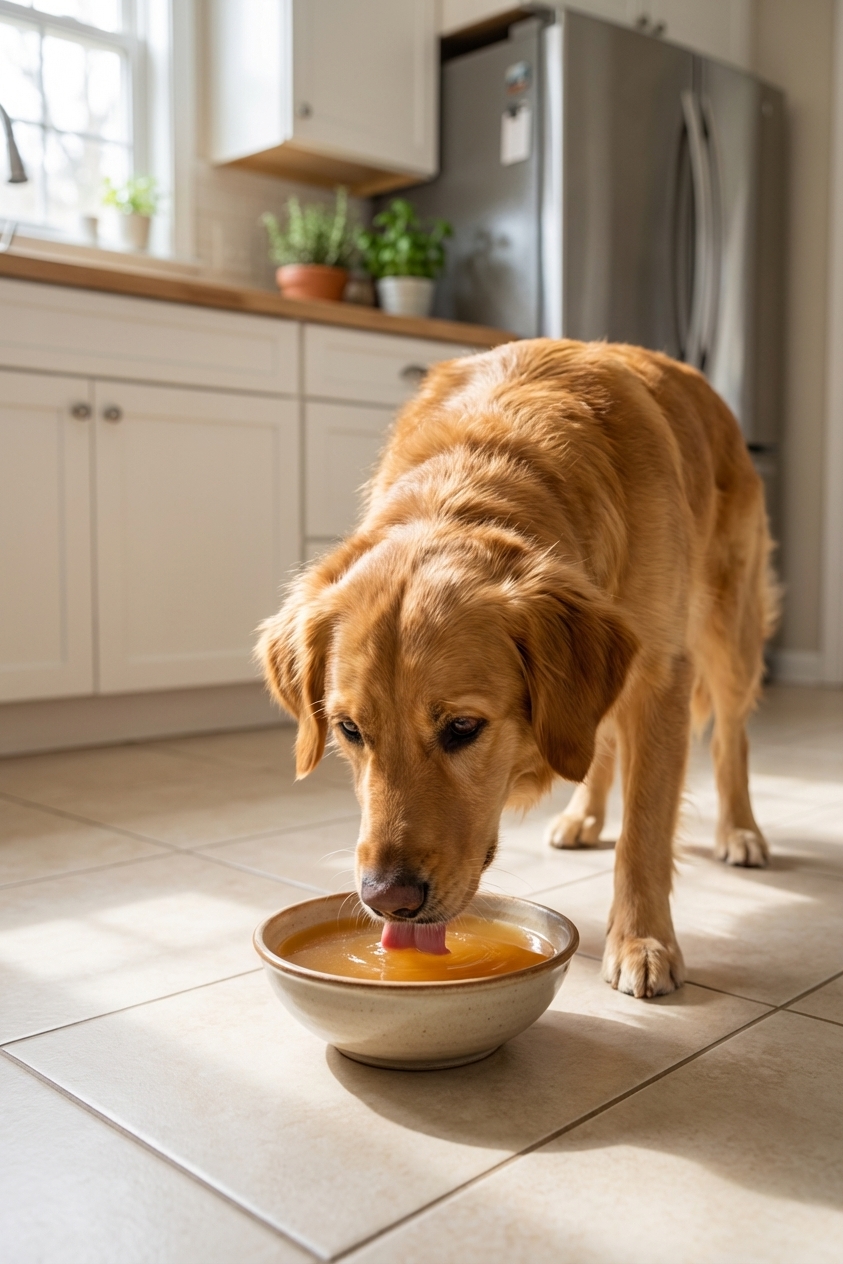
Support your dog’s heart with a vet-smart homemade diet. Learn how to manage sodium, keep weight and muscle stable, choose safe ingredients, and discuss su...
Article
•
Designer Mixes
Congestive Heart Failure in Dogs

Shari Shidate
Designer Mixes contributor
Hearing the words congestive heart failure can feel scary, especially when it’s your best friend on the exam table. I’m Shari, a veterinary assistant in Frisco, Texas, and I want you to know this: many dogs with congestive heart failure (CHF) can still enjoy a good quality of life with their families when the condition is recognized early and treated consistently.
This guide walks you through what CHF is, what signs to watch for, what your veterinarian may test for, and what day-to-day care often looks like at home.

What CHF means
Congestive heart failure is not a single disease. It is a clinical syndrome that can happen as heart disease progresses, when the heart can no longer keep up with the body’s needs and fluid begins to back up into places it should not be.
In dogs, CHF most often shows up in different ways depending on which side of the heart is struggling:
- Left-sided CHF: fluid in the lungs (pulmonary edema), leading to coughing and trouble breathing
- Right-sided CHF: fluid in the belly (ascites), causing a pot-bellied look or rapid weight gain
- Some cases: fluid around the lungs (pleural effusion), which can make breathing shallow and uncomfortable (this is less common in dogs than in cats, but it does occur)
Think of it like a pump and plumbing system. When the pump weakens or valves leak, pressure builds and fluid can leak into tissues.
Common causes in dogs
CHF usually develops from chronic heart disease. The most common underlying causes include:
- Degenerative (myxomatous) mitral valve disease: very common in small and medium dogs, especially seniors. A leaky valve makes the heart work harder over time.
- Dilated cardiomyopathy (DCM): more common in large breeds, where the heart muscle becomes weak and enlarged.
- Congenital heart disease: conditions dogs are born with (like PDA) that may eventually lead to CHF if untreated.
- Heartworm disease: can damage the heart and pulmonary vessels.
- Arrhythmias: abnormal rhythms that reduce effective pumping.
Your veterinarian may also discuss diet-associated DCM considerations. While classic DCM is often seen in larger breeds, nutrition-related concerns have been reported across a range of sizes. If your dog has suspected DCM, ask your vet before making major food changes or adding supplements.

Signs pet owners notice
Many families first notice subtle changes that are easy to brush off as “just getting older.” Trust your instincts. If something feels off, it is worth a call.
Common early signs
- Coughing, especially at night or after mild activity
- Faster breathing at rest
- Less stamina, slowing down on walks
- Restlessness or difficulty getting comfortable
- Reduced appetite or nausea
- Weight gain from fluid retention, or sometimes weight loss from muscle loss
One helpful note about coughing: it can be caused by CHF, but it can also come from airway disease, infections, collapsing trachea, or even airway compression from an enlarged heart. That is why diagnostics matter, and why a cough does not always tell the whole story by itself.
Urgent signs
These can signal a serious episode (sometimes an emergency):
- Labored breathing, open-mouth breathing, or using the abdomen to breathe
- Blue or gray gums
- Collapse or severe weakness
- Can’t lie down to sleep because breathing feels worse
If your dog is struggling to breathe, do not wait to see if it improves. Seek emergency veterinary care right away.
How vets diagnose CHF
CHF is diagnosed by combining your dog’s history, exam findings, and imaging. Your veterinarian may recommend:
- Chest X-rays to look for an enlarged heart and fluid in or around the lungs
- Echocardiogram (ultrasound of the heart) to evaluate valves, heart muscle function, and chamber size
- Bloodwork to check kidney and liver function before and during certain medications
- Blood pressure measurement
- ECG if an arrhythmia is suspected
- NT-proBNP (a heart-related biomarker) in some cases to help support the overall picture when the cause of breathing trouble is unclear (it is an adjunct test, not a stand-alone answer)
Because coughing and breathing changes can have more than one cause, these diagnostics help make sure treatment targets the true problem.
Treatment basics
The goal is to reduce fluid buildup, reduce the heart’s workload, and help your dog breathe and feel better. Once your veterinarian confirms CHF and the underlying heart issue, they will tailor a plan and adjust it over time as your dog’s needs change.
Treatment is individualized, but commonly includes:
- Diuretics (often furosemide) to remove excess fluid
- Pimobendan to improve pumping strength and help blood flow more efficiently
- ACE inhibitors (like enalapril or benazepril) for some dogs to reduce strain on the heart and support circulation
- Spironolactone in certain cases for additional fluid control and heart support
- Anti-arrhythmic medications when rhythm problems are present
- Oxygen therapy and injectable medications during emergency flare-ups
Most CHF medications require monitoring. Diuretics, for example, can affect hydration and kidney values. That is why follow-up testing is so important.
Med side effects
I always tell families this: side effects do not mean a medication is “bad,” but they do mean your veterinary team may need to fine-tune the dose.
Common things to notice
- More thirst and urination (very common with diuretics)
- Accidents in the house because your dog cannot hold it as long
- Reduced appetite, mild stomach upset, or occasional vomiting
- Sleepiness or weakness
- Changes in coughing (better, worse, or simply different)
When to call your vet
- Vomiting or diarrhea that continues, or your dog cannot keep meds down
- Marked lethargy, weakness, wobbliness, or fainting
- Loss of appetite lasting more than a day
- Signs of dehydration (very tacky gums, sunken eyes, extreme lethargy)
- Any breathing concern, especially faster breathing at rest or effort to breathe
Do not change doses on your own unless your veterinarian has already given you a specific plan for what to do.
Home care tips
What you do at home matters. The best CHF management is a partnership between your family and your veterinary team.
1) Track sleeping breathing
One of the most helpful tools is counting breaths when your dog is asleep (not dreaming). Many vets recommend tracking a sleeping respiratory rate to catch fluid buildup early.
- Count chest rises for 30 seconds and multiply by 2.
- Write it down daily for 1 to 2 weeks, then a few times weekly once stable.
Your veterinarian can tell you the threshold that should trigger a call for your specific dog. In general, a sustained increase compared to your dog’s baseline is a red flag.
2) Give meds on schedule
CHF meds work best on a routine. Use phone alarms, a pill organizer, and a written checklist. If your dog vomits a dose or you accidentally miss one, call your vet for guidance rather than guessing.
3) Watch salt
Sodium can contribute to fluid retention. Your vet may recommend a heart-friendly diet or specific sodium targets depending on the stage of disease. Avoid salty human foods like deli meat, bacon, chips, and many cheeses.
If you enjoy sharing fresh foods, ask your vet about safe options. In many cases, low-sodium, simple choices like plain cooked chicken breast (no seasoning) can be a better treat than processed snacks.
4) Keep exercise gentle
Most dogs benefit from calm, routine movement, not intense bursts. Short, comfortable walks are often better than long hikes. If your dog coughs, lags behind, or seems anxious during activity, scale back and let your vet know.
5) Weigh weekly
If you can, weigh your dog once a week (or more often if your veterinarian recommends it). Sudden weight gain can be a clue that fluid is building up. Also keep a simple log of appetite, energy, cough, and breathing so you can spot trends early.
6) Keep rechecks
Expect periodic rechecks, bloodwork, and sometimes repeat X-rays. These visits help your veterinarian fine-tune diuretic dose, protect kidney function, and spot changes early. Medication adjustments are normal with CHF.

What to expect
CHF is typically a chronic condition. Some dogs remain stable for months to years with the right medication plan and monitoring, while others progress more quickly. Prognosis depends on the underlying cause, how advanced the disease is at diagnosis, and how the dog responds to therapy.
Quality of life is the center of every decision. With good symptom control, many dogs still enjoy meals, gentle play, cuddles, and family routines.
Some families also choose to work with a veterinary cardiologist, especially for echocardiograms, complex rhythm issues, or when it is time to adjust medications. If your primary veterinarian recommends referral, it can be a very helpful next step.
Questions to ask
- What is the underlying cause of my dog’s CHF?
- Is this mainly left-sided or right-sided CHF, and what signs should I watch for at home?
- What stage is my dog in, and what does that mean for monitoring?
- What should my dog’s sleeping respiratory rate be, and when should I call you?
- What side effects should I watch for with each medication?
- Do you recommend a specific diet or sodium level?
- How often should we recheck bloodwork and X-rays?
- Should we see a veterinary cardiologist?
When it’s an emergency
Please seek urgent care if you notice:
- Breathing that is fast and hard, especially at rest
- Open-mouth breathing (not related to heat)
- Blue, gray, or very pale gums
- Collapse, severe weakness, or sudden inability to stand
- A swollen belly that appears quickly
If you are ever unsure, it is safer to call your veterinarian or local emergency clinic and describe what you are seeing.
A hopeful note
CHF is serious, yes. But you are not powerless. The simple daily habits, like tracking breathing, giving meds on time, and keeping diet consistent, can make a meaningful difference.
If you’d like, I can help you put together a quick CHF home routine checklist based on your dog’s size, diagnosis, and medication schedule so the day-to-day feels more manageable. Your veterinarian is always the best source for individualized medical guidance, and I am happy to help you stay organized with what they prescribe.