Learn how to support dogs with bladder stones using hydration-first homemade meals, low-purine protein options, urine pH basics, treat pitfalls, and foods to...
Article
•
Designer Mixes
Complete Treatment for Dogs With UTIs

Shari Shidate
Designer Mixes contributor
If your dog is suddenly having accidents, asking to go out more often, or squatting with little to show for it, a urinary tract infection (UTI) may be the reason. UTIs are common, uncomfortable, and very treatable, but they can also look like other problems. (They are also more common in female dogs, and risk can vary by age and underlying health.) The best outcomes happen when you act quickly and treat the real cause, not just the symptoms.
I am Shari Shidate, a veterinary assistant in Frisco, Texas, and this is the practical, evidence-based approach I share with pet parents: how UTIs are diagnosed, what full treatment really means, and what you can do at home to support healing and prevent repeat infections.
What a UTI is (and what it is not)
A UTI is usually a bacterial infection in the lower urinary tract, most often the bladder. You might also hear the term cystitis, which means bladder inflammation. Sometimes cystitis is caused by bacteria, but not always. Upper urinary infections (kidneys), also called pyelonephritis, are less common but more serious and need prompt care.
This matters because several conditions can mimic a UTI, including:
- Bladder stones (crystals that can aggregate into stones)
- Sterile cystitis (inflammation without bacteria, which is less common as a standalone diagnosis in dogs and is often secondary to another issue like stones, tumors, or irritation)
- Prostate disease in unneutered male dogs
- Vaginal or vulvar irritation in females
- Tumors (less common, but possible)
- Kidney infection (more serious and needs prompt care)
- Urinary incontinence (leaking or dribbling urine, especially at rest, which can be mistaken for a “UTI”)
So while home comfort steps can help, a real treatment plan starts with confirming what you are treating.
Signs your dog may have a UTI
- Frequent urination or asking to go out more often
- Straining to urinate, or producing only drops
- Accidents in a previously house-trained dog
- Blood in the urine
- Strong or unusual urine odor
- Licking the genital area
- Discomfort, restlessness, or whining when trying to pee
Tip: A dog can have a UTI without obvious blood or odor. Behavior changes and urinary frequency are often the first clues.
When it is an emergency
Please seek urgent veterinary care if you notice any of the following:
- Your dog cannot urinate or is straining hard with nothing coming out
- Repeated vomiting, severe lethargy, or collapse
- Fever, shaking, or signs of significant pain
- Possible kidney involvement: weakness, poor appetite, back pain, or increased thirst plus feeling unwell (increased thirst alone is not specific)
A complete urinary blockage is life-threatening. Even if you are not sure, it is always better to call and be seen.
Diagnosis: the step most people want to skip (but should not)
UTI symptoms are uncomfortable, so it is tempting to ask for antibiotics right away. The problem is that the wrong antibiotic, the wrong dose, or the wrong length of treatment can lead to relapse and antibiotic resistance.
Most vets will recommend some combination of the following:
Urinalysis
This checks urine concentration, pH, blood, protein, crystals, and signs of bacteria or inflammation. It is a key first step.
Urine culture and sensitivity
This test grows any bacteria present and identifies which antibiotics are most effective. It is especially important for:
- Recurrent UTIs
- UTIs that do not improve quickly
- Dogs with underlying disease (diabetes, Cushing’s, kidney disease)
- Dogs with bladder stones or abnormal anatomy
One helpful detail: For the most accurate culture, many clinics prefer a sterile sample collected by cystocentesis (a quick needle sample from the bladder). “Free-catch” samples can be fine for screening, but they are more likely to be contaminated, which can muddy culture results.
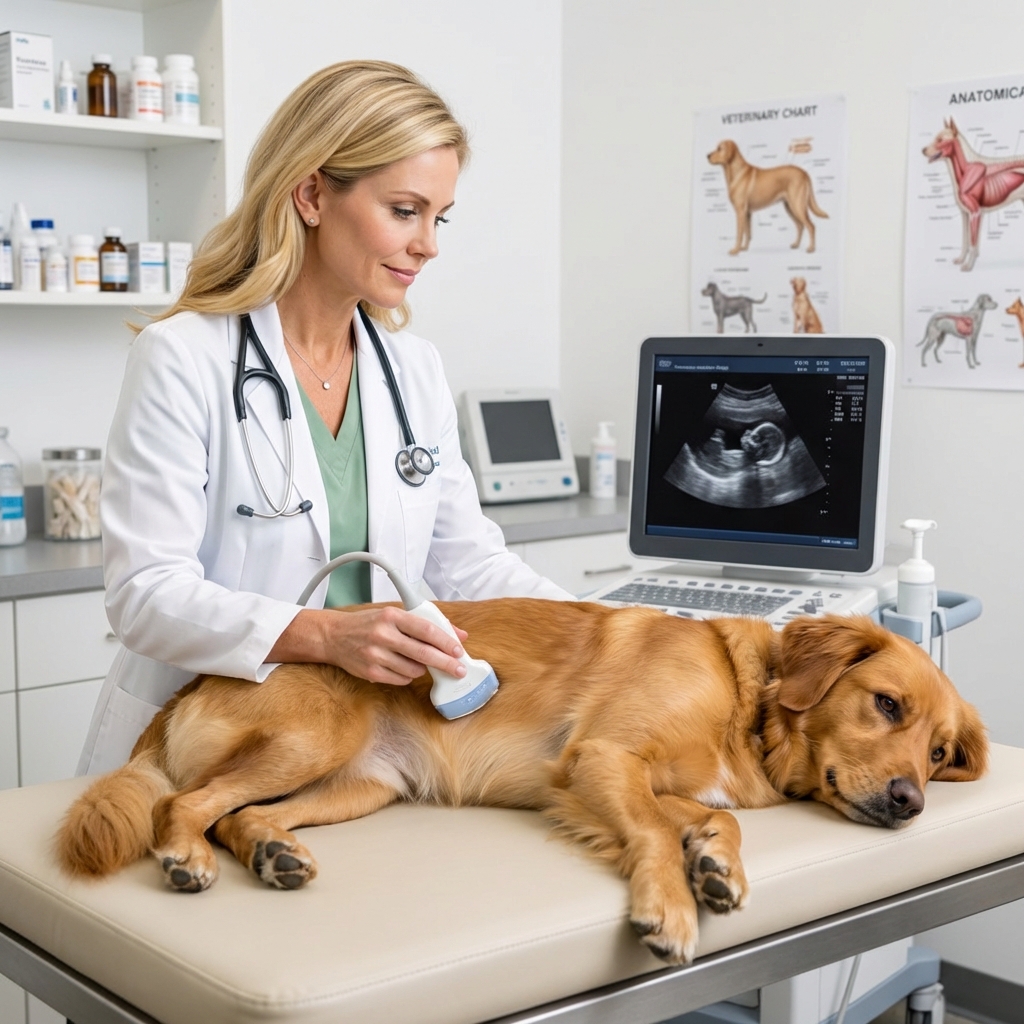
Imaging (x-rays or ultrasound)
Recommended when stones, tumors, or structural issues are suspected.
Full treatment: what it usually includes
1) The right antibiotic (when bacteria are confirmed)
Most uncomplicated bacterial UTIs improve once the correct antibiotic is started. Many dogs feel noticeably better within 24 to 48 hours, but some improve more slowly, and symptoms can persist if stones, irritation, or blockage are involved.
Need-to-know tip: Always finish the full course exactly as prescribed, even if symptoms disappear.
Timing note: Treatment length varies depending on whether the infection is uncomplicated or complicated, and your veterinarian will choose the duration based on your dog’s history and test results.
2) Pain relief and inflammation control
Your veterinarian may prescribe medications to relieve discomfort and bladder inflammation. Do not give human pain relievers. Many are dangerous for dogs.
3) Hydration support
Flushing the bladder helps. Your vet may recommend:
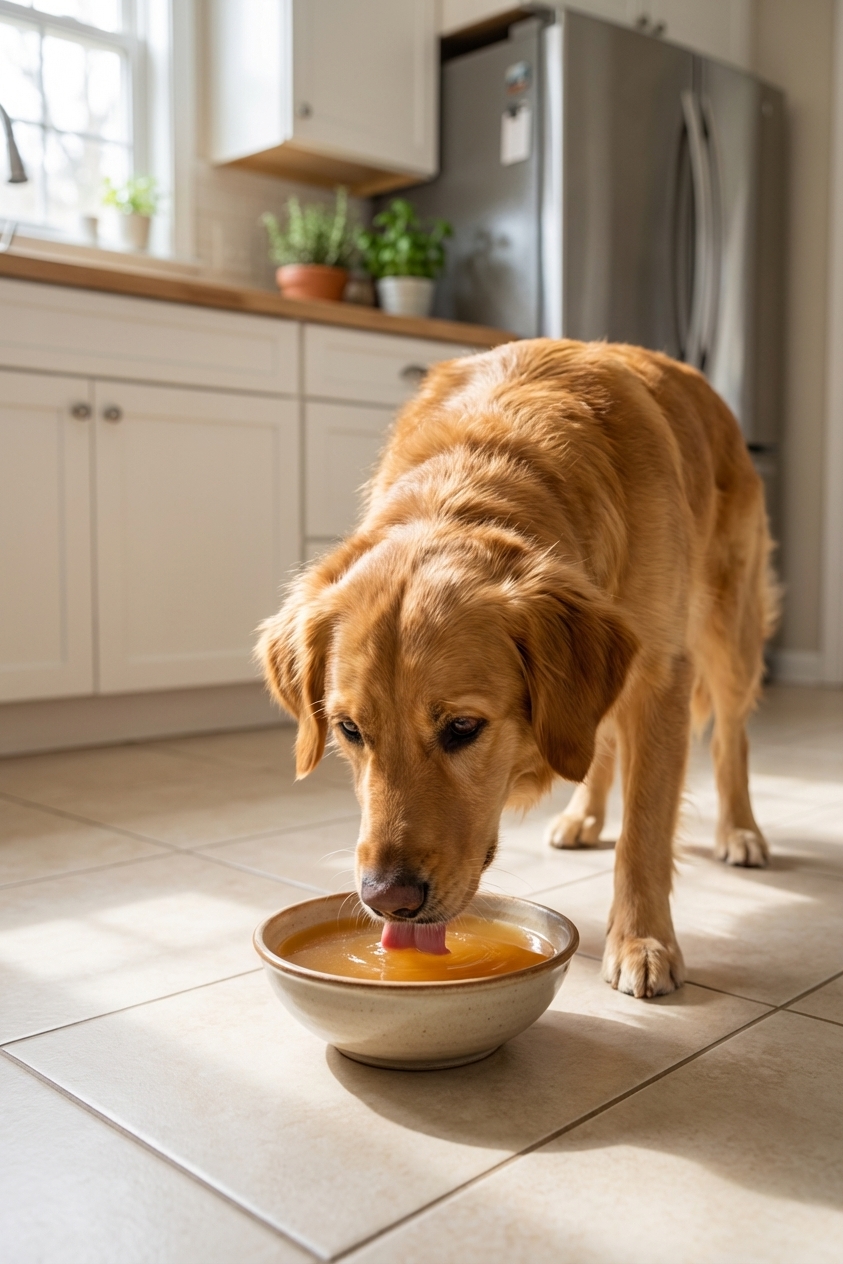
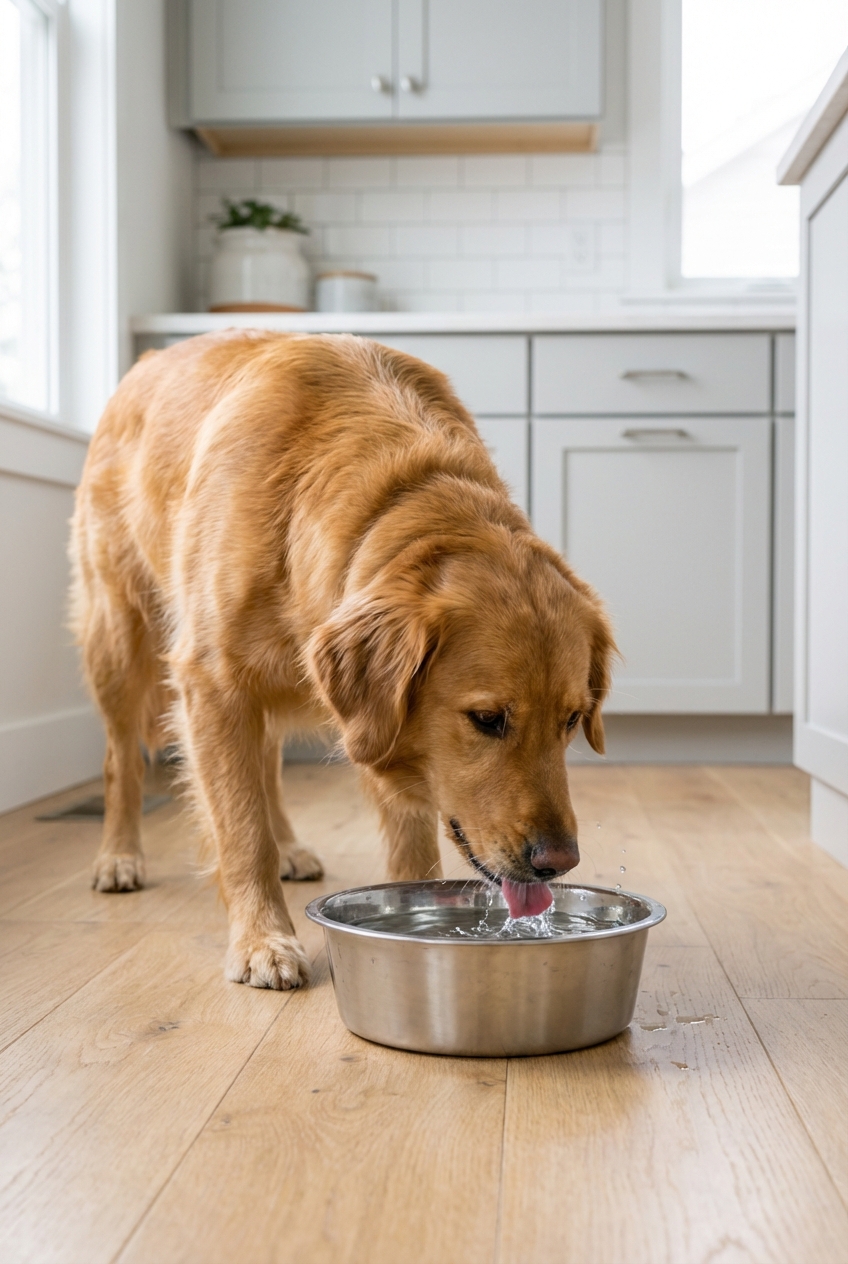
- Encouraging water intake at home
- Adding water or low-sodium broth to meals
- Subcutaneous fluids in some cases
4) Treating the underlying cause (the long-term win)
If the UTI is recurring, there is often a reason. Common contributors include:
- Bladder stones or excess crystals
- Hormonal disease such as diabetes or Cushing’s disease
- Obesity and reduced mobility (dogs hold urine longer)
- Anatomy (recessed vulva, skin folds trapping moisture)
- Incomplete bladder emptying (neurologic issues, weak bladder)
- Prostate infection in intact male dogs
When we identify and address these factors, the infection often stops coming back.
Home care that actually helps
These supportive steps are safe for most dogs and can make recovery smoother. They are not a substitute for veterinary care when infection is present.
Encourage more potty breaks
- Take your dog out more frequently, including one extra late-night potty break.
- Avoid long periods of holding urine, especially during workdays.
Increase water intake
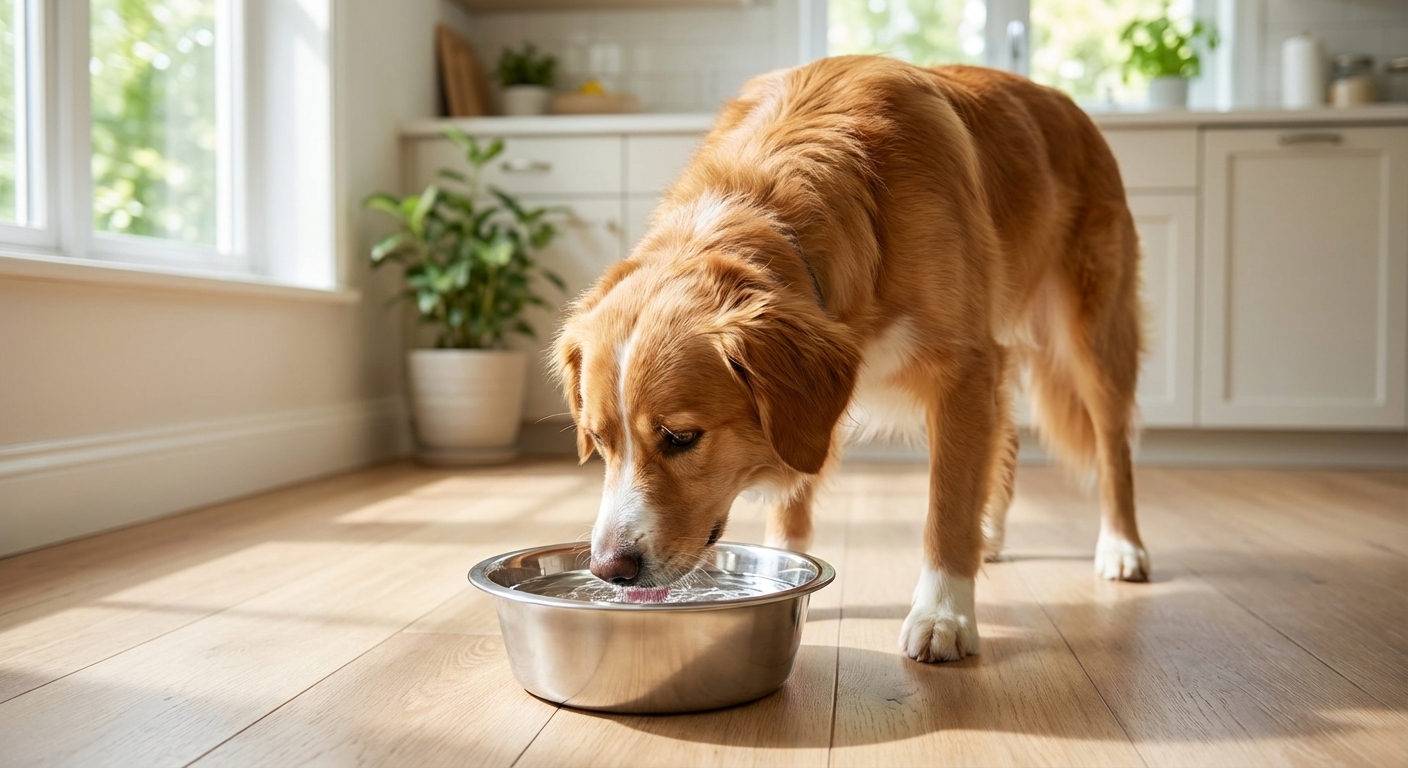
- Offer multiple water bowls and refresh often.
- Use a pet fountain if your dog likes running water.
- Add water to food or consider a vet-approved wet diet.
Keep the area clean and dry
This is especially helpful for female dogs and dogs with skin folds.
- After potty breaks, gently wipe with a damp cloth and pat dry.
- Trim hair if your groomer or vet recommends it to reduce urine trapping.
Give medications correctly
- Use reminders so you do not miss doses.
- If your dog vomits a dose or refuses meds, call your clinic for options.
My rule of thumb in clinic: the best antibiotic is the one your dog actually receives on schedule for the full course.
Diet and supplements: what to know
Food and supplements can be supportive, but they are not one-size-fits-all. In fact, the wrong strategy can make certain stone types more likely.
Cranberry
Cranberry is popular, but evidence in dogs is limited and results are mixed. It may help reduce bacterial attachment for some pets, but it is not a stand-alone treatment for an active infection. Products and dosing vary widely, so check with your vet before using it, especially if your dog has crystals, stones, or recurring urinary issues.
Probiotics
Probiotics can be helpful during and after antibiotics to support gut health. Ask your veterinarian for a product made for pets and a dosing plan.
Urinary diets
Prescription urinary diets can be extremely effective for specific crystal or stone types. The key is matching the diet to the diagnosis, which is why urinalysis and imaging matter.
Homemade food
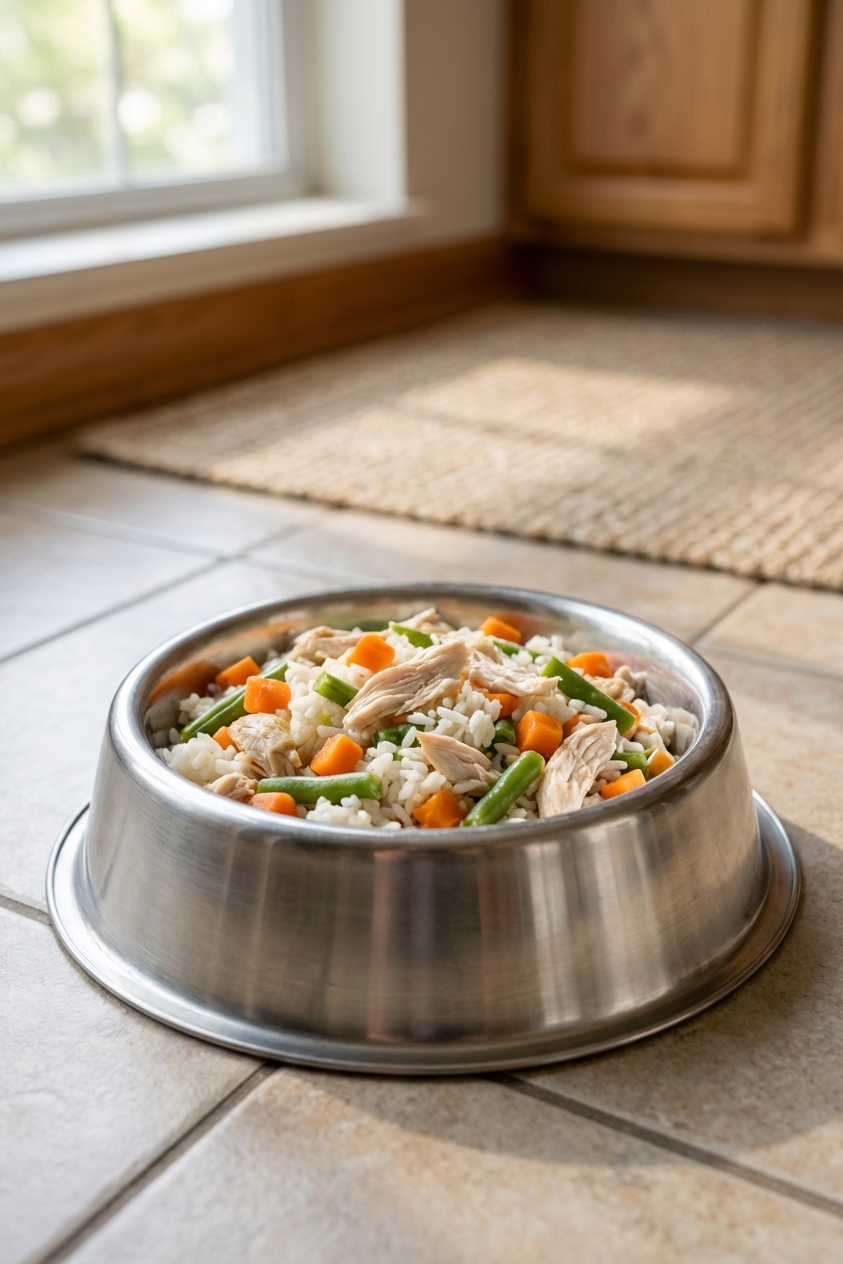
I love whole-food nutrition, but urinary issues are one area where balance is critical. If you want to feed homemade during or after a UTI, work with your veterinarian or a board-certified veterinary nutritionist so minerals (especially calcium and phosphorus) and urine pH are appropriate for your dog.
Follow-up: how you know it is gone
Some dogs need a recheck urinalysis or culture after treatment, especially if they have had repeat infections or complications. Even when symptoms resolve, bacteria can sometimes persist.
Ask your vet whether your dog should have:
- A repeat urinalysis after finishing medication
- A repeat culture for recurrent or stubborn UTIs
- Imaging to look for stones if UTIs keep returning
Preventing repeat UTIs
Many UTIs are one-time events, but if your dog is prone to them, prevention can make a big difference.
- Keep water intake up and offer more potty breaks.
- Support a healthy weight to reduce inflammation and improve mobility.
- Address skin folds and moisture trapping with gentle hygiene.
- Ask about underlying disease screening if infections recur (diabetes and Cushing’s are common culprits).
- Do not reuse old antibiotics or share medications between pets.
Common questions I hear
Can a dog’s UTI clear up on its own?
Occasionally mild irritation improves, but a true bacterial UTI often persists and can worsen. It is safest to confirm with testing.
How long until my dog feels better?
Many dogs feel better within 1 to 2 days of starting effective treatment, but not all. If your dog is not improving within about 48 hours, or seems worse at any point, call your veterinarian. That can be a sign the antibiotic is not the right match, or that something else (like stones) is going on.
Is a UTI contagious to other pets?
Usually no. Most canine UTIs are opportunistic infections from the dog’s own normal bacteria rather than something “caught” from another pet through casual contact. Basic hygiene still matters: clean urine accidents promptly, wash hands after cleanup, and keep water bowls clean.
Bottom line
Full treatment for a dog with a UTI means more than just antibiotics. It means confirming the diagnosis, choosing the right medication when bacteria are present, keeping your dog comfortable and hydrated, and investigating why it happened if it keeps returning.
If you are seeing urinary changes today, call your veterinarian and ask about a urinalysis and whether a culture is recommended. The sooner you get the right plan in place, the sooner your dog can feel like themselves again.