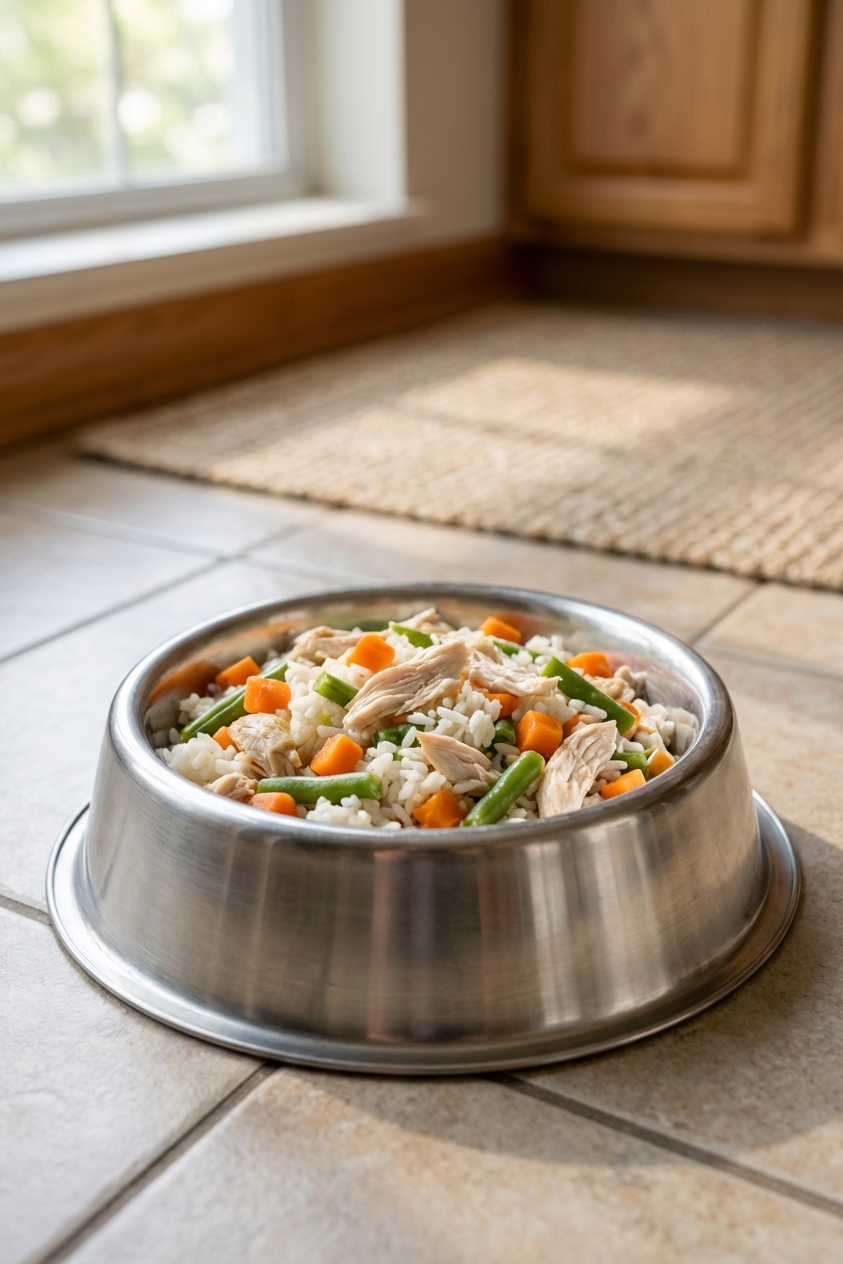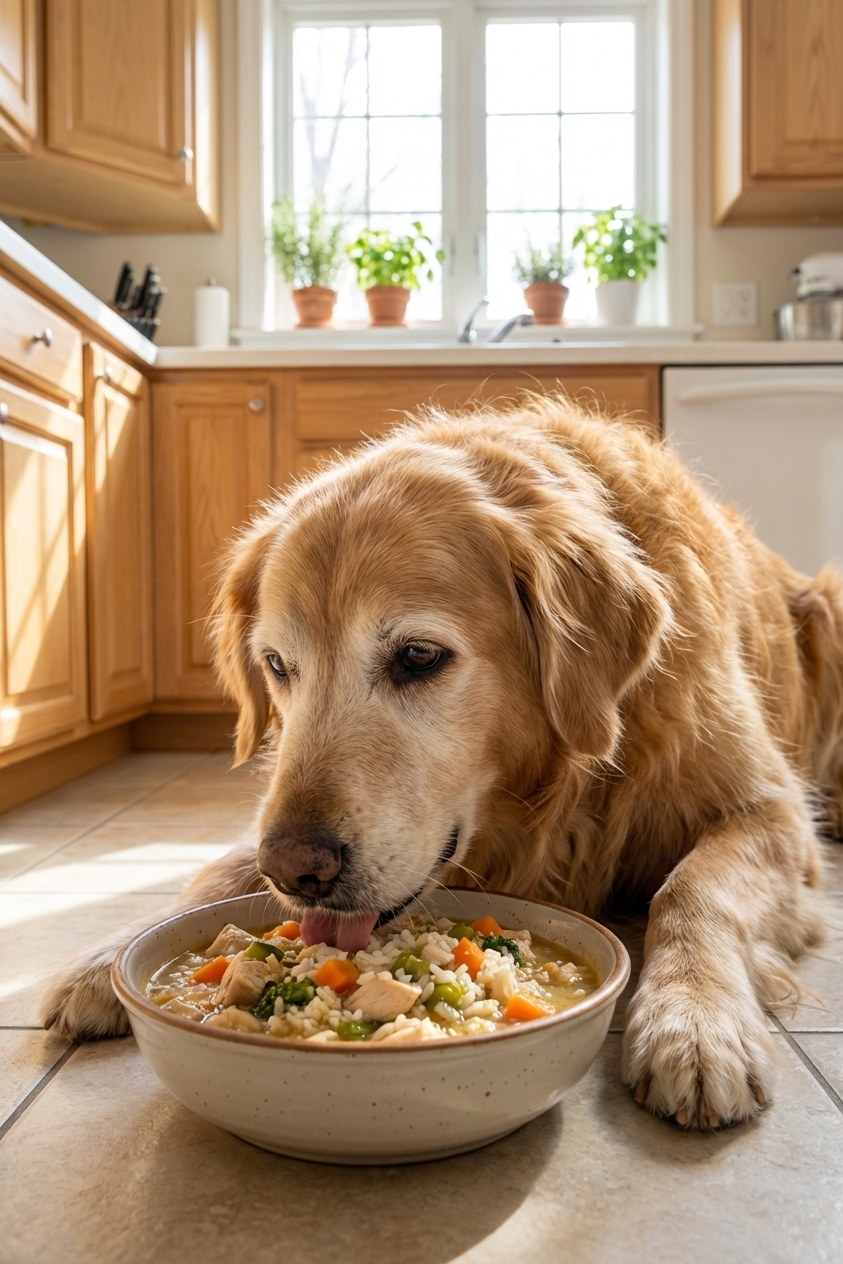
Nutrition can’t cure cancer, but it can support strength and comfort. See vet-informed foods to include, easy homemade toppers, transition tips, and what t...
Article
•
Designer Mixes
Complete Treatment for Dogs With Lymphoma

Shari Shidate
Designer Mixes contributor
If your dog has been diagnosed with lymphoma, I want you to hear this first: there are real, effective treatment options, and many dogs still feel like themselves during treatment. As a veterinary assistant in Frisco, Texas, I have seen how overwhelming those first appointments can be. My goal here is to walk you through evidence-based choices in plain language, so you can partner with your veterinarian or veterinary oncologist with confidence.
Important note: This article is educational and not a substitute for veterinary care. Your dog’s best plan depends on lymphoma type, stage, overall health, and your goals for time, comfort, and budget.
What lymphoma is and why it happens
Lymphoma is a cancer of lymphocytes, a type of white blood cell that helps the immune system. Because lymphocytes travel throughout the body, lymphoma is often considered a systemic cancer. That is why treatment is usually focused on the whole body, not just one lump.
In dogs, lymphoma most commonly shows up as enlarged lymph nodes (often under the jaw, in front of the shoulders, or behind the knees). Other forms can affect the chest, skin, intestinal tract, liver, spleen, or bone marrow.
Common signs owners notice
- Firm, enlarged lymph nodes that are not painful
- Low energy, decreased appetite
- Weight loss
- Increased thirst or urination (sometimes related to high calcium)
- Vomiting, diarrhea, or poor appetite (especially with GI lymphoma)
- Coughing or breathing changes (especially with chest involvement)
Diagnosis: tests that shape the plan
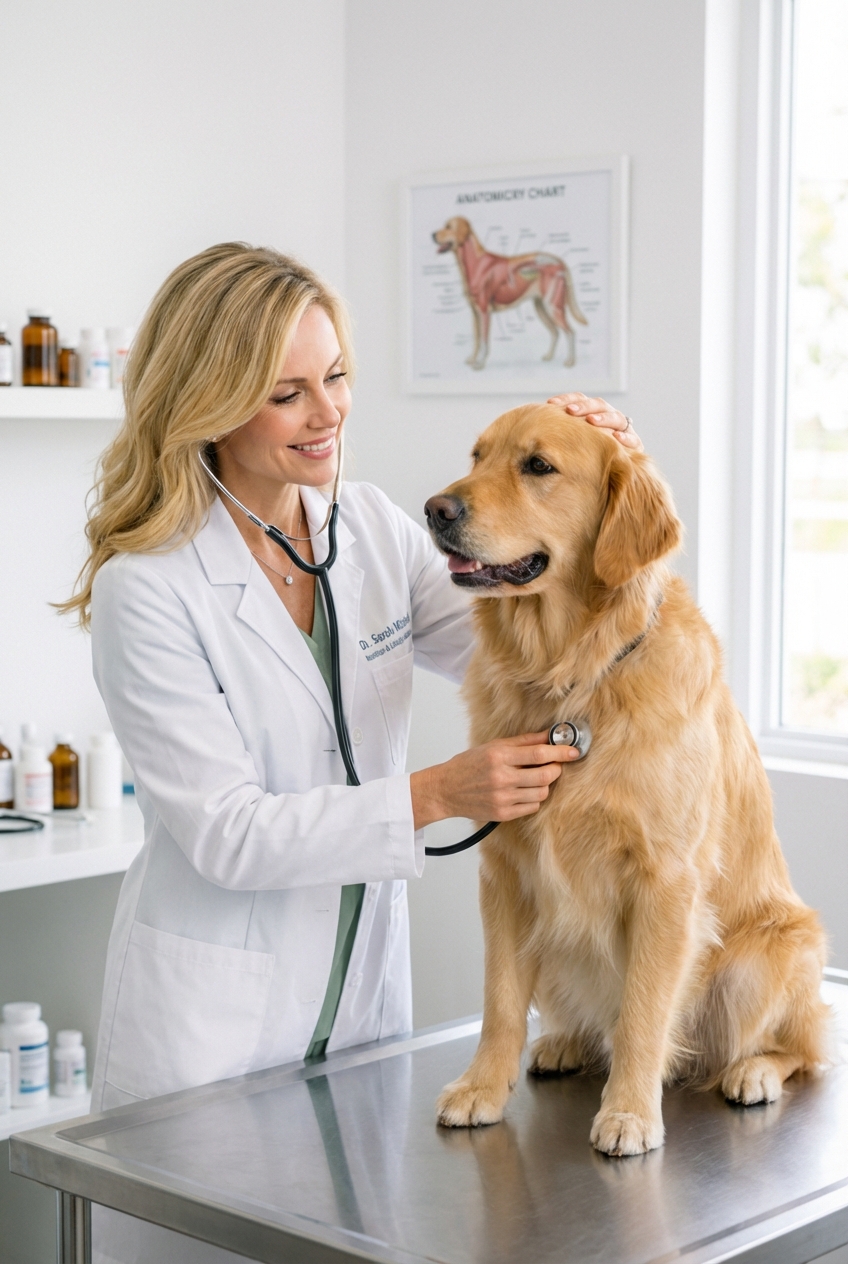
Getting the right diagnosis matters because “lymphoma” is not one single disease. Your veterinarian may recommend some or all of the following:
- Fine needle aspirate (FNA): A quick needle sample of a lymph node, often the first step.
- Biopsy and histopathology: Gives deeper detail when FNA is unclear or to confirm subtype.
- Immunophenotyping (B-cell vs T-cell): Often done by flow cytometry or special lab testing. This helps estimate prognosis and guide choices.
- Staging tests: Bloodwork, urinalysis, chest imaging, abdominal ultrasound, and sometimes bone marrow testing. Staging helps your oncology team select and monitor therapy.
Ask your vet to explain your dog’s stage and substage. Many clinics use the WHO staging system (Stages I to V), plus substage: “a” often means your dog feels well, while “b” means your dog is sick from lymphoma. These details can influence both options and expectations.
The big picture: what complete care includes
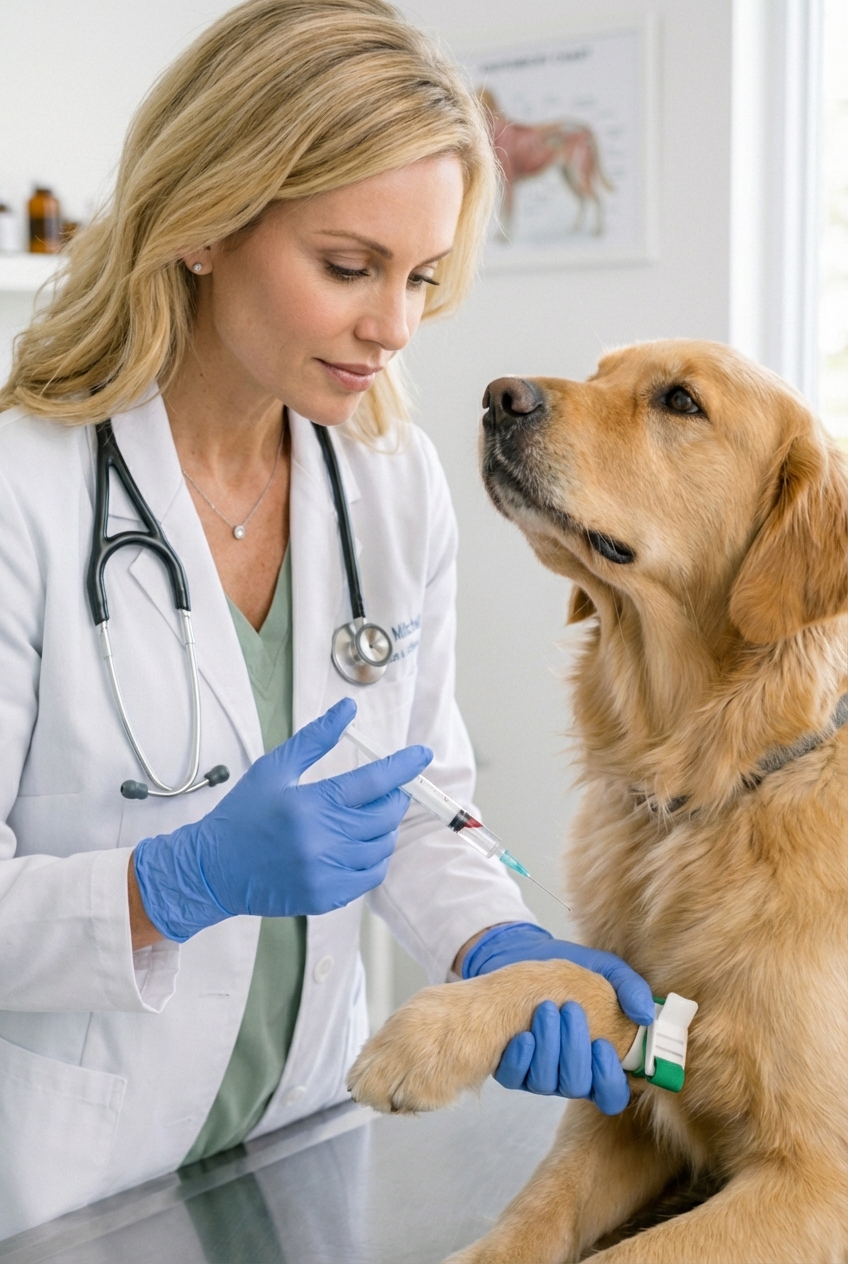
A complete approach is not just “pick a chemo drug.” It is a plan that combines:
- Definitive cancer therapy (most often multi-drug chemotherapy)
- Supportive care to keep your dog comfortable and eating well
- Monitoring to catch side effects early and track remission
- Home care routines that protect quality of life
- Thoughtful end-of-life planning when the time comes, so you are not making hard choices in a crisis
The “best” plan is the one that fits your dog and your family, and is medically sound.
First-line treatment: chemotherapy
For most dogs with multicentric lymphoma (the classic enlarged lymph nodes), multi-agent chemotherapy is among the best options for achieving remission. The goal is usually remission, meaning lymphoma becomes undetectable on exam and your dog feels normal again. Remission is not the same as cure, but it can mean meaningful time with good quality of life.
CHOP protocol
The most widely used first-line protocol is often called CHOP, which typically includes:
- Cyclophosphamide
- Doxorubicin (also called Hydroxydaunorubicin, which is why it is the “H” in CHOP)
- Vincristine (Oncovin)
- Prednisone
What a typical CHOP schedule can look like
Every oncologist has their own timing, but many CHOP plans follow a predictable rhythm. A visit often includes a brief exam, a CBC (blood count), and then treatment if labs are safe. For example, your dog may come in weekly at first for a few weeks, then spacing out as the protocol progresses. Your oncology team can give you a written calendar so you know what week is which drug, when bloodwork happens, and what to watch for at home.
What results can look like
Outcomes vary based on B-cell vs T-cell type, stage, substage, and individual response. In general, multi-drug chemo tends to produce longer remissions than prednisone alone and often longer than single-agent protocols. Your oncologist can give the most accurate estimate for your dog’s specific case.
Common chemo side effects in dogs
- GI upset: decreased appetite, vomiting, diarrhea
- Low white blood cells: higher infection risk, monitored with blood counts
- Lethargy: often mild and temporary after treatment
- Hair coat changes: more noticeable in continuously growing coats (Poodles, Doodles, Old English Sheepdogs)
Many side effects are manageable with dose adjustments and supportive medications. A good oncology team wants your dog to feel well. If your dog is miserable, the plan should be adjusted.

Prognosis at a glance
Prognosis depends heavily on lymphoma type (B-cell vs T-cell), stage, substage, and how your dog responds to the first treatments. Your veterinary oncologist is the best source for what these numbers mean for your dog, but these broad ranges can help you orient:
- With CHOP: many dogs achieve remission, and remission duration is commonly measured in months. A typical range often discussed is about 6 to 12 months, with some dogs doing shorter and some doing longer.
- With prednisone alone (palliative): improvement is often shorter. Many dogs feel better for weeks to a few months.
- B-cell vs T-cell: B-cell lymphoma often responds better than T-cell lymphoma, but there is meaningful individual variation.
I know it is hard to read timelines. If it helps, consider asking your oncologist for two numbers: a “typical” expectation for your dog’s specific subtype and stage, and what factors might shift the timeline longer or shorter.
Steroids (prednisone): helpful, with tradeoffs
Prednisone can temporarily shrink lymph nodes and improve appetite and comfort. It may be used:
- As part of CHOP
- As a short-term bridge while waiting for oncology
- As palliative care when chemotherapy is not chosen
Important: Starting prednisone before a full workup can reduce later chemotherapy response rates in some dogs and can also affect certain diagnostic tests (including some immunophenotyping results). That does not mean chemo is impossible afterward, but it is a reason to talk with a veterinary oncologist as early as you can if you think you might pursue chemotherapy.
Other treatment paths
Single-agent chemotherapy
Some families choose a gentler schedule with one main drug (for example, doxorubicin alone in some cases). This may be less intensive than CHOP, though remission rates can be lower. It can be a reasonable middle ground for older dogs, dogs with other diseases, or families needing simpler logistics.
Rescue chemotherapy (for relapse)
Many dogs relapse after a period of remission. When that happens, oncologists often use rescue protocols (different drug combinations) to try to get another remission. The response may be shorter than the first remission, but it can still provide good time.
Radiation therapy
Radiation is used more often for certain localized lymphomas (for example, nasal or some skin forms) or for specific problem areas. It is usually delivered at specialty centers.
Surgery
Surgery is not commonly the main treatment for multicentric lymphoma, but it may help if a single mass is causing obstruction or if a biopsy is needed.
Immunotherapy and targeted therapies
Veterinary oncology is advancing quickly. Depending on location and availability, your oncologist may discuss options such as monoclonal antibody therapy, targeted drugs, or clinical trials. If you are open to this, ask, “Are any trials appropriate for my dog’s lymphoma type?”
Supportive care
Supportive care is not “extra.” It is part of complete treatment. It can also be the main focus if you choose palliative care.
Medications commonly used
- Antiemetics: maropitant, ondansetron, or others for nausea and vomiting
- Appetite support: mirtazapine or capromorelin when appropriate
- GI support meds: sometimes used for reflux, ulcer risk, or stomach irritation, such as famotidine, omeprazole, or sucralfate, based on your vet’s guidance
- Antibiotics: if white blood cells are low and infection risk is high
- Pain control: if there is discomfort, especially with GI disease or organ involvement
Nutrition during lymphoma treatment
Nutrition is one place where small changes can make a big difference in daily comfort. In general:
- Keep meals simple on upset-stomach days, then broaden variety as appetite returns.
- Prioritize high-quality protein to support muscle and healing.
- Use calorie-dense, palatable foods if weight is slipping, but avoid sudden drastic diet changes during active GI symptoms.
- Talk to your vet before supplements, especially antioxidants or herbal products during chemotherapy, because some may interfere with treatment depending on timing and dose.
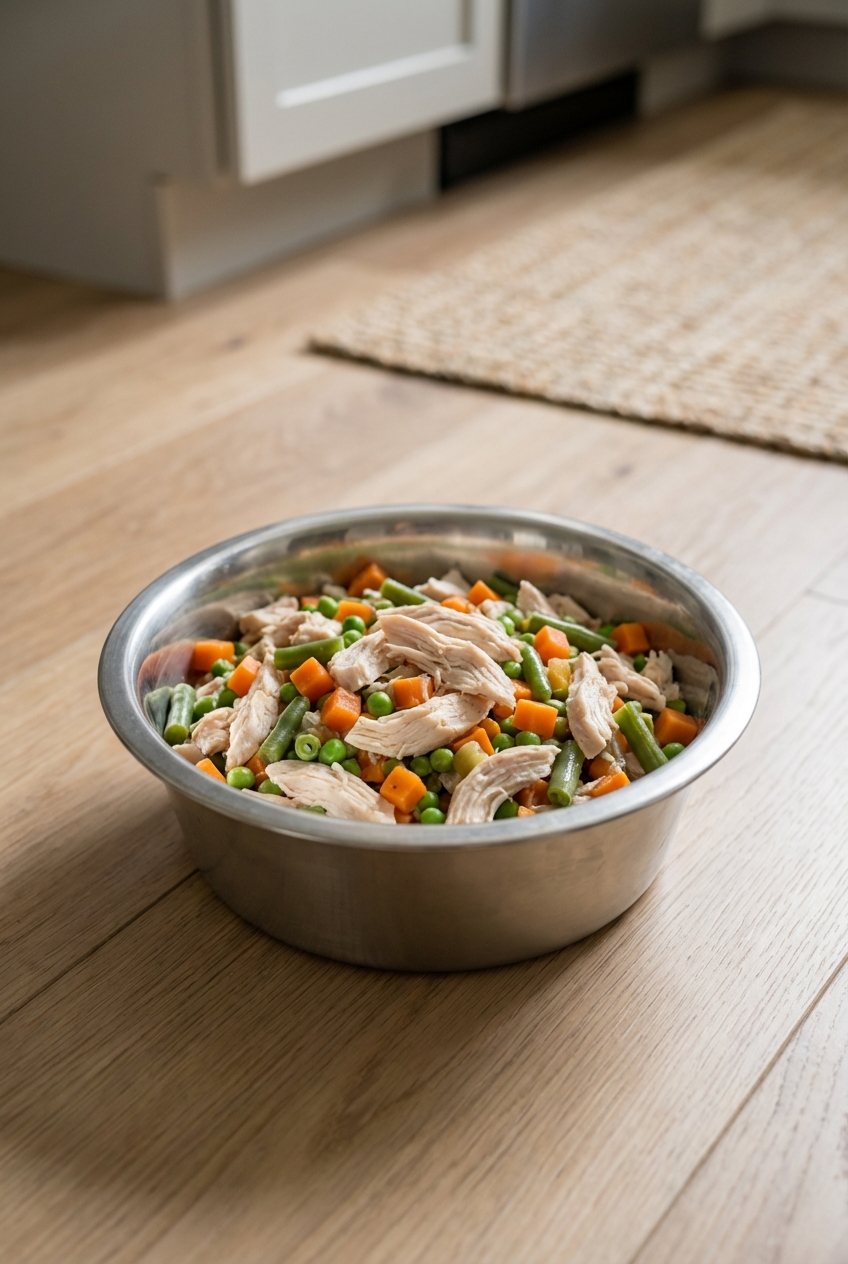
If you want to add homemade, you can often start gently. For some dogs, a mix of their regular diet plus carefully chosen whole foods can help appetite and digestion. The key is balance and consistency, especially while bloodwork and chemo dosing are being managed.
Monitoring at home
You are the expert on your dog’s normal. If something feels off, call. Here are practical monitoring tips most oncology teams appreciate:
At-home checklist
- Appetite: eating less than 50 percent of normal for 24 hours is worth a call
- Vomiting or diarrhea: more than once, black stool, or any blood needs prompt guidance
- Energy: sudden or severe lethargy is a red flag
- Fever: if you are trained and your clinic has shown you how, take a rectal temperature. Many clinics use about 103°F (39.4°C) or higher as a fever threshold, but follow your vet’s specific guidance. If your dog seems ill after chemo, do not wait on “ear warmth” as a sign.
- Breathing: coughing, rapid breathing at rest, or struggling to breathe is urgent
- Lymph nodes: note size changes between visits, but do not panic over tiny day-to-day variation
Chemo safety at home
Small amounts of chemo drugs can be present in urine, stool, and vomit for a period after treatment. Your clinic will give a timeframe and instructions, and it is often a few days (commonly 48 to 72 hours, sometimes longer depending on the drug). Common precautions include:
- Wear gloves to clean accidents
- Wash hands well
- Keep children away from waste cleanup
- Launder soiled bedding separately if advised
If your dog is on oral chemo
Some dogs are prescribed oral chemotherapy or other oral cancer medications. If so, follow your clinic’s handling instructions closely. Common safety steps include not crushing tablets, wearing gloves if advised, washing hands after giving meds, and asking your clinic how to dispose of unused medication safely.
Costs and logistics
It is completely reasonable to ask about cost early. Treatment costs vary widely by region, protocol, size of dog, and how often monitoring is needed. Multi-agent chemotherapy commonly totals several thousand dollars over the course of treatment, and complications can add to that. Ask for a written estimate that includes recheck exams, bloodwork, and the drugs themselves so you can plan with fewer surprises.
Questions to ask your oncologist
- Is this B-cell or T-cell lymphoma, and how does that affect expectations?
- What stage and substage is my dog?
- What treatment options fit my goals: longest remission, best comfort, lowest stress, or lowest cost?
- What side effects are most likely with this protocol, and what is our plan if they happen?
- How often will we do bloodwork, and what numbers would delay treatment?
- Can you give me a written schedule or calendar for the protocol?
- What is the plan for relapse?
- What should I do after hours if my dog gets sick?
Quality of life
Many dogs with lymphoma still want to eat, sniff, walk, and be with you. That is the heart of treatment: protecting the life inside your dog, not just chasing numbers on a lab report.
If you are making decisions and feeling torn, try this gentle framework:
- Good days vs hard days: Are good days still clearly winning?
- Joy triggers: What are the top three things your dog still loves?
- Stress score: Is the treatment process itself causing more distress than benefit?
It is okay to choose aggressive treatment, and it is also okay to choose comfort-focused care. Love is not measured by how much you do. It is measured by how thoughtfully you show up.
If treatment is not pursued
Some families choose not to do chemotherapy. This can be for many reasons, including other health conditions, travel distance to oncology, finances, or simply your dog’s personality and stress level. Palliative care often includes:
- Prednisone to reduce lymph node size and improve appetite temporarily
- Anti-nausea and anti-diarrhea medications as needed
- Pain management when needed
- Nutrition support and hydration strategies
- Planned check-ins so symptoms are addressed early
If you go the palliative route, ask your vet about a clear “what to expect” timeline and what signs mean it is time to adjust the plan.
Hope, with a plan
Lymphoma is a serious diagnosis, but it is also one of the more treatment-responsive cancers in dogs. With the right support, many dogs continue to enjoy family life during therapy.
If you do one thing today, make it this: ask for a referral to a board-certified veterinary oncologist or request a consult, even if you are not sure you will pursue chemotherapy. A single specialist visit can give you clarity, options, and peace of mind.