Skip mystery ingredients and bake simple veggie dog treats at home. Learn dog-safe vegetables, easy formulas, and 3 recipes—pumpkin oat crunch, sweet potat...
Article
•
Designer Mixes
Complete List of Vegetables Dogs Can Eat (And Which To Avoid)

Shari Shidate
Designer Mixes contributor
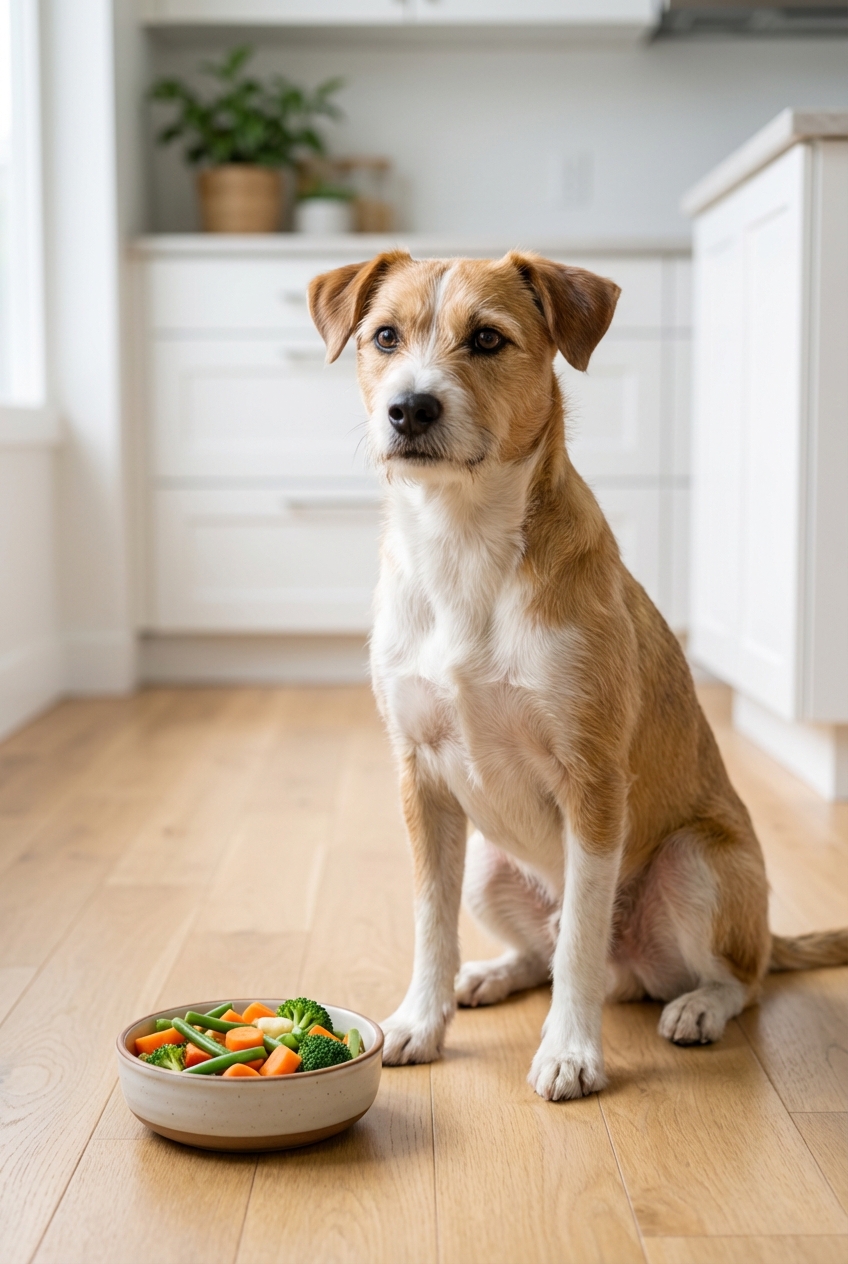
If you have ever looked at your dog while you are chopping veggies and thought, Can I share this? you are not alone. Vegetables can be a simple way to add fiber, antioxidants, hydration, and variety to your dog’s diet. The key is knowing which vegetables are dog-safe , how to prepare them, and which ones to avoid entirely.
Below you will find a complete, practical guide with 61 dog-safe vegetables, each with its own photo suggestion so your Designer Mixes readers can visually identify what they are feeding.
Quick safety note: This article is for general education. If your dog has kidney disease, diabetes, pancreatitis, food allergies, is a puppy, is pregnant or nursing, or is on medication, check with your veterinarian before making major diet changes.
How to serve vegetables safely
Best prep methods
- Steam or lightly cook most veggies to improve digestibility.
- Chop small to reduce choking risk, especially for small dogs.
- Puree fibrous vegetables for sensitive stomachs.
- Serve plain with no onion, heavy butter, cream sauces, or spice blends.
- Skip pickled or seasoned vegetables because salt, sugar, and spices add unnecessary risk.
How much is “enough”
For many healthy adult dogs, vegetables work best as a small add-on, like treats and toppers . A common guideline is keeping treats and extras under about 10 percent of daily calories, unless your veterinarian recommends otherwise. Sudden large amounts can cause gas or loose stools, so start with a tablespoon or two and build slowly.
Extra notes for “gassy” veggies
Cruciferous veggies and leafy greens (like broccoli, cauliflower, cabbage, brussels sprouts, kale, and collards) are safe for many dogs, but they are common gas triggers. Start with a bite or two, serve cooked, and keep portions modest.
Red flags to watch for
- Vomiting, diarrhea, excessive gas
- Itching, ear redness, paw licking
- Abdominal discomfort or bloating
- Any sign of weakness after eating a new food
Vegetables dogs can eat (61 item list)
These vegetables are generally considered safe for healthy dogs when served plain and in appropriate portions. I also note easy prep tips and any important cautions.
Artichoke
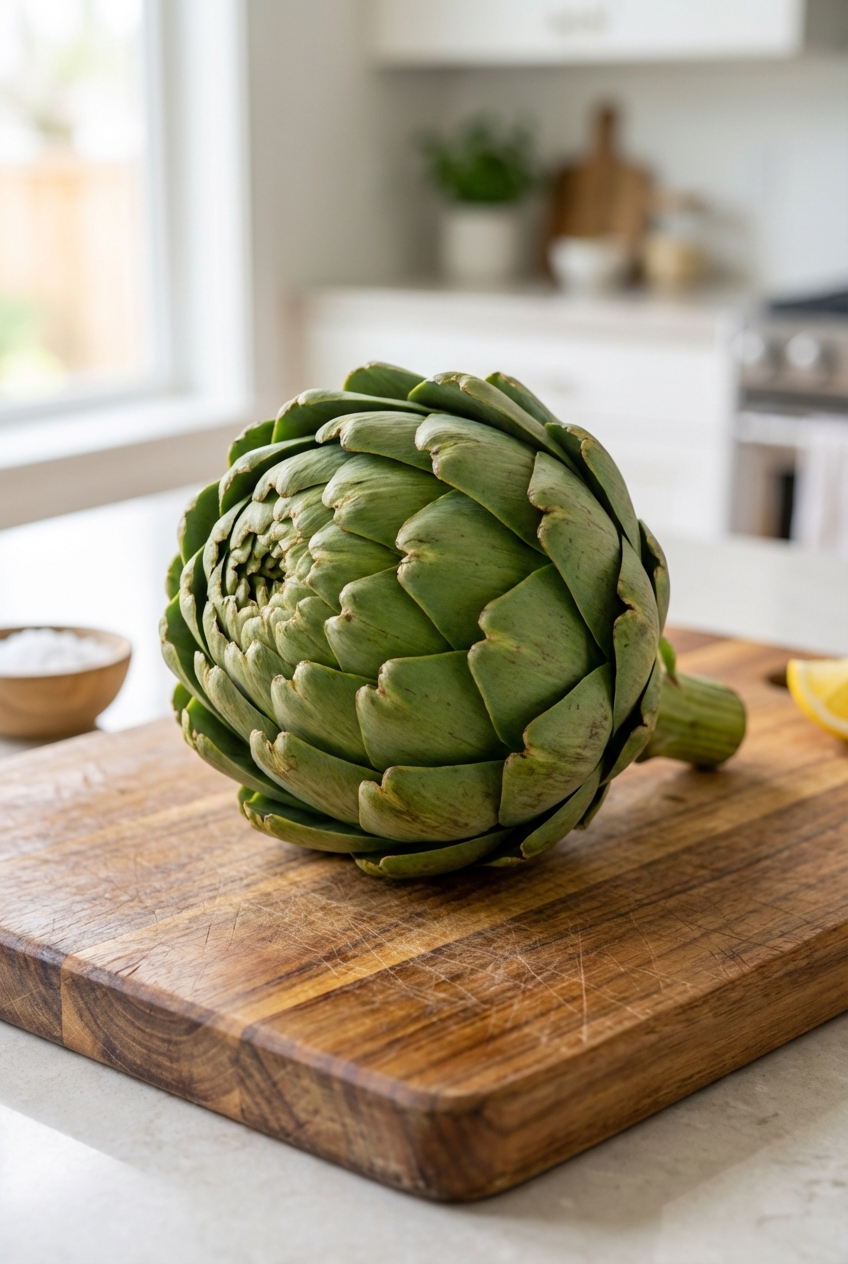
How to serve: Cooked hearts in small pieces. Why it helps: Provides fiber and antioxidants. Caution: Avoid oily marinated artichokes.
Arugula
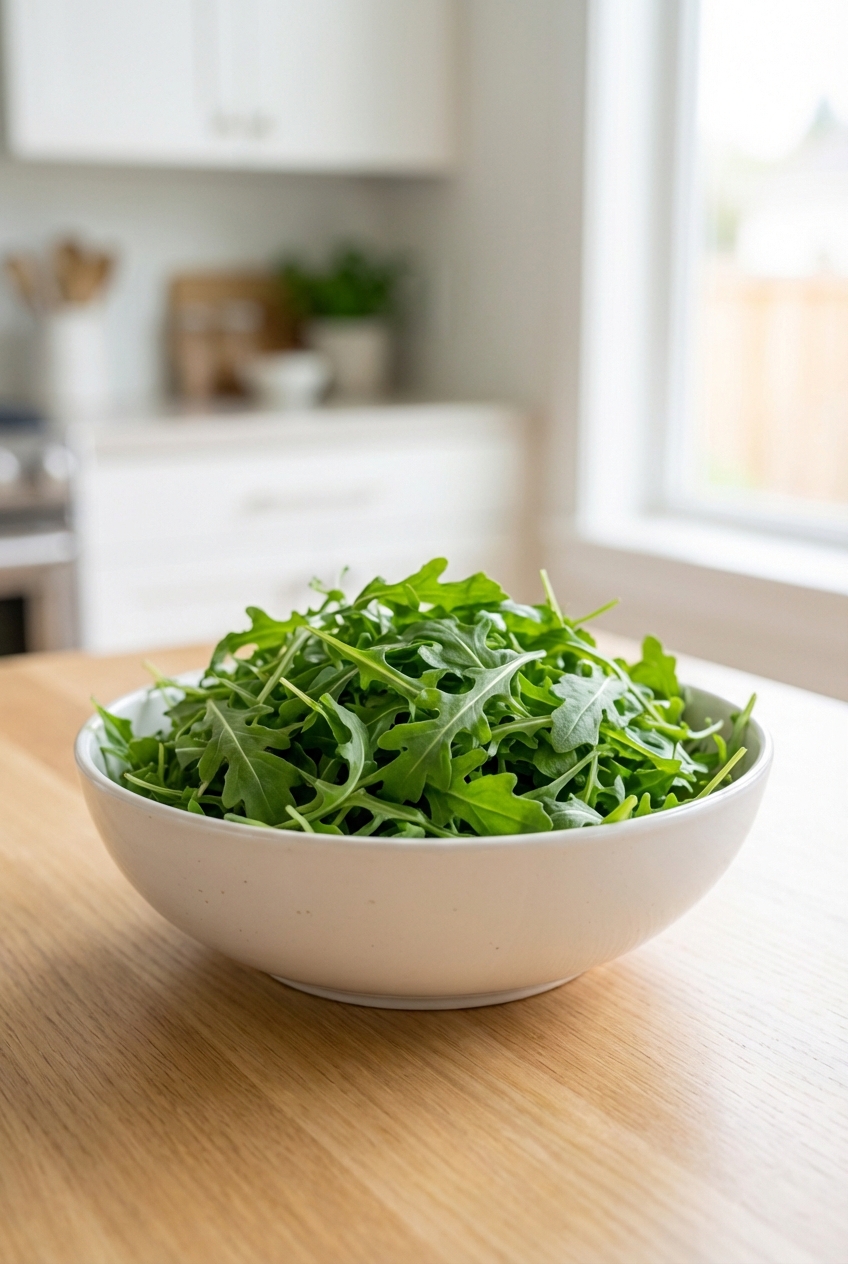
How to serve: A few washed leaves, chopped. Why it helps: Adds plant variety. Caution: Peppery taste can be strong, start small.
Asparagus
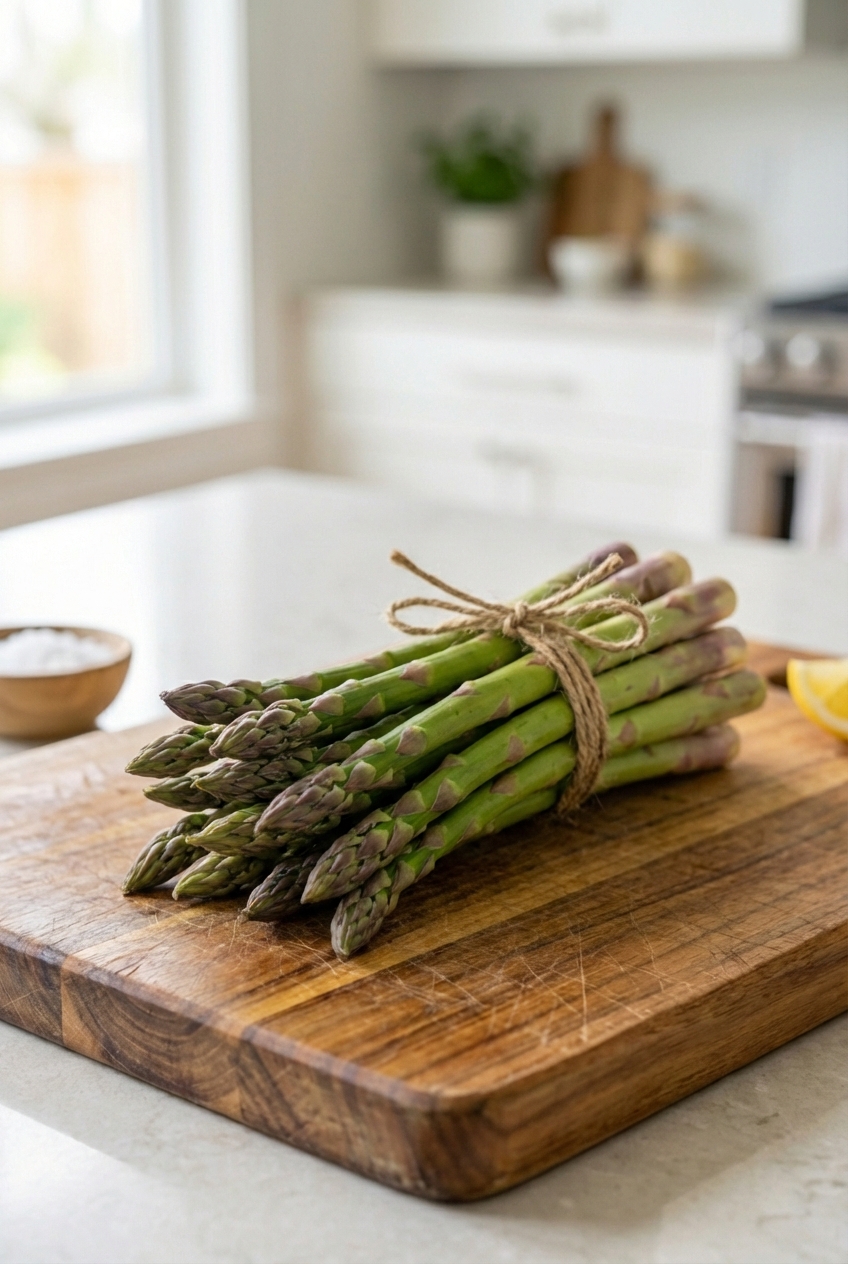
How to serve: Steamed, chopped. Why it helps: Provides fiber and folate. Caution: Raw asparagus is tough to digest.
Baby corn
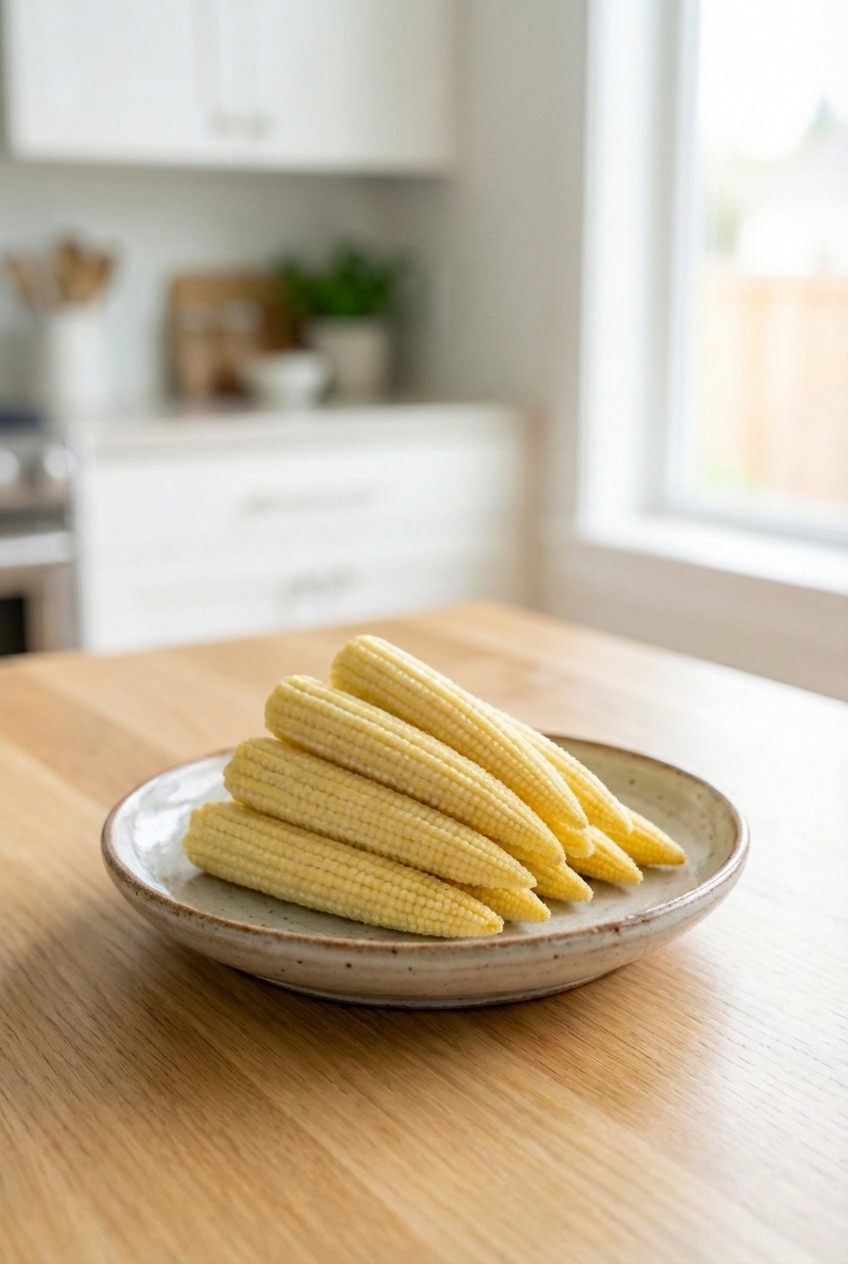
How to serve: Cooked, sliced lengthwise for small dogs. Why it helps: Adds crunchy variety. Caution: Whole pieces can be a choking risk for tiny dogs, and it is not especially nutrient-dense.
Bamboo shoots
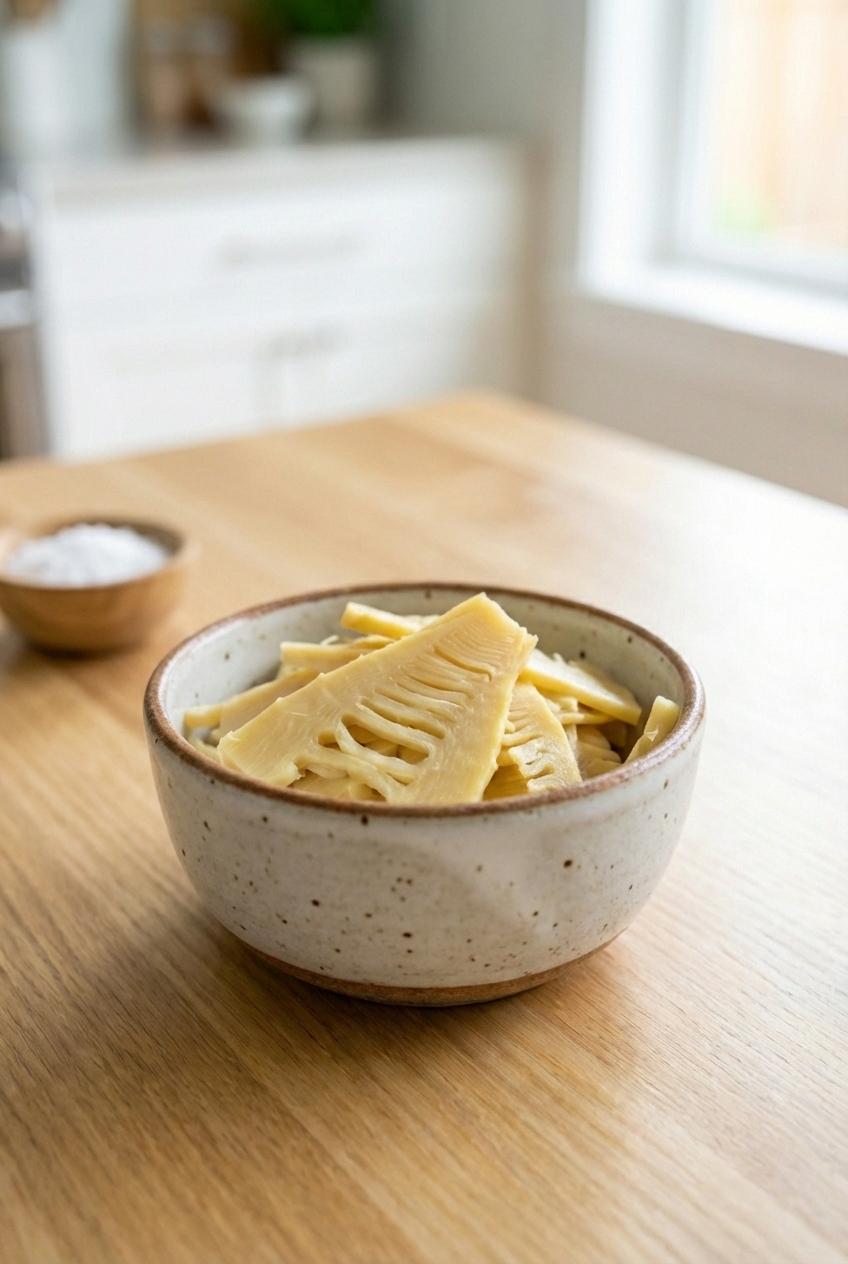
How to serve: Cooked, plain slices. Why it helps: Adds fiber. Caution: Avoid heavily seasoned canned preparations.
Beet (beetroot)
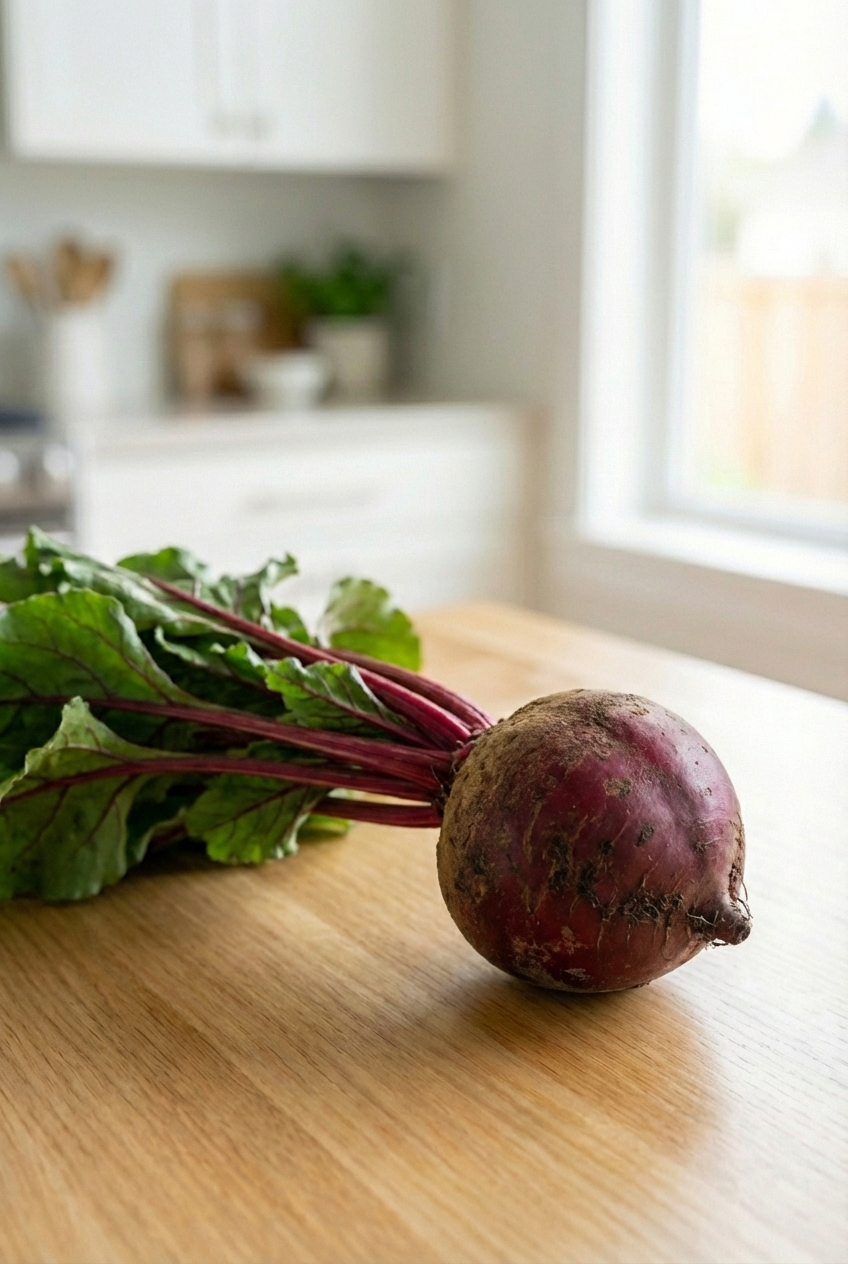
How to serve: Roasted or steamed, grated. Why it helps: Provides antioxidants and fiber. Caution: May stain stools (and sometimes urine) pink and may be gassy for some dogs.
Beet greens
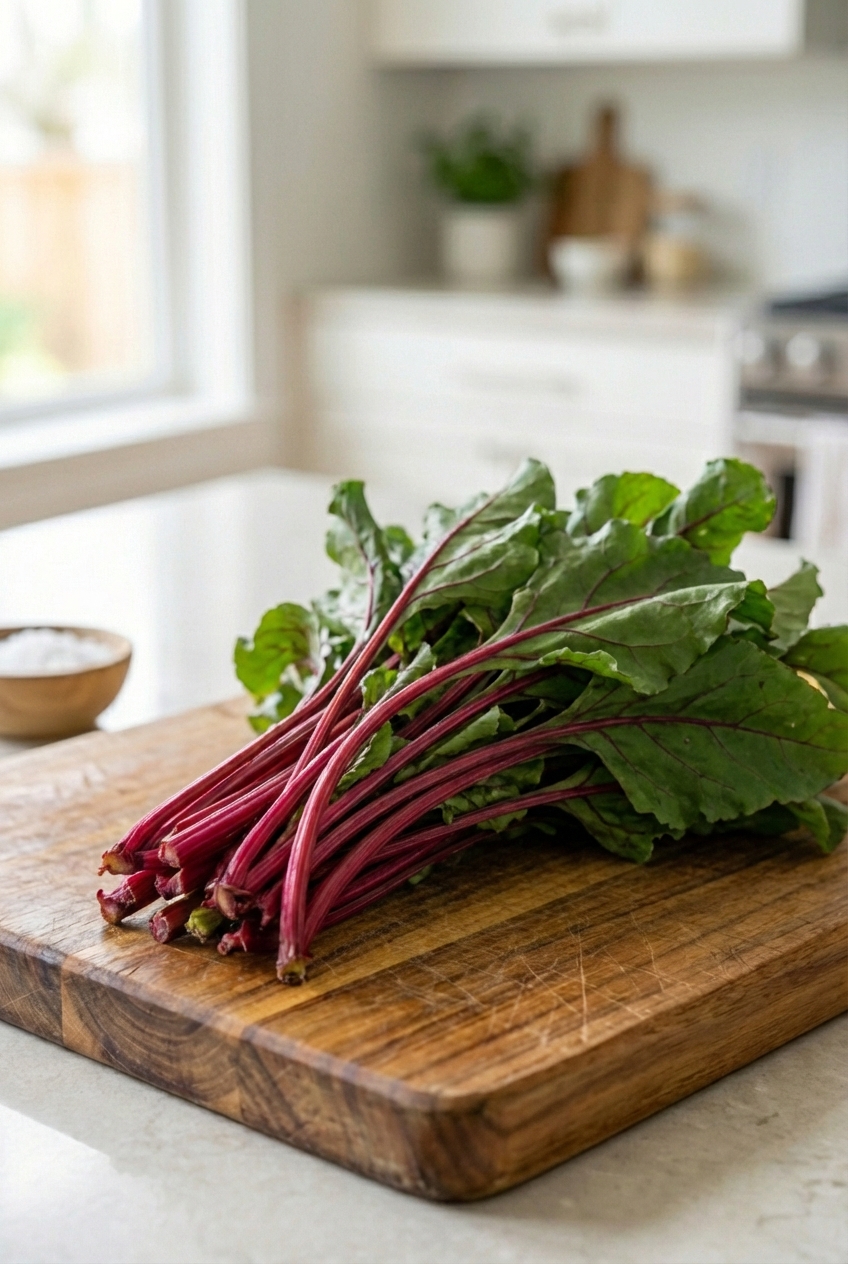
How to serve: Lightly cooked and chopped. Why it helps: Provides vitamins A and K. Caution: Greens are higher in oxalates, use modest portions.
Bell pepper (red)
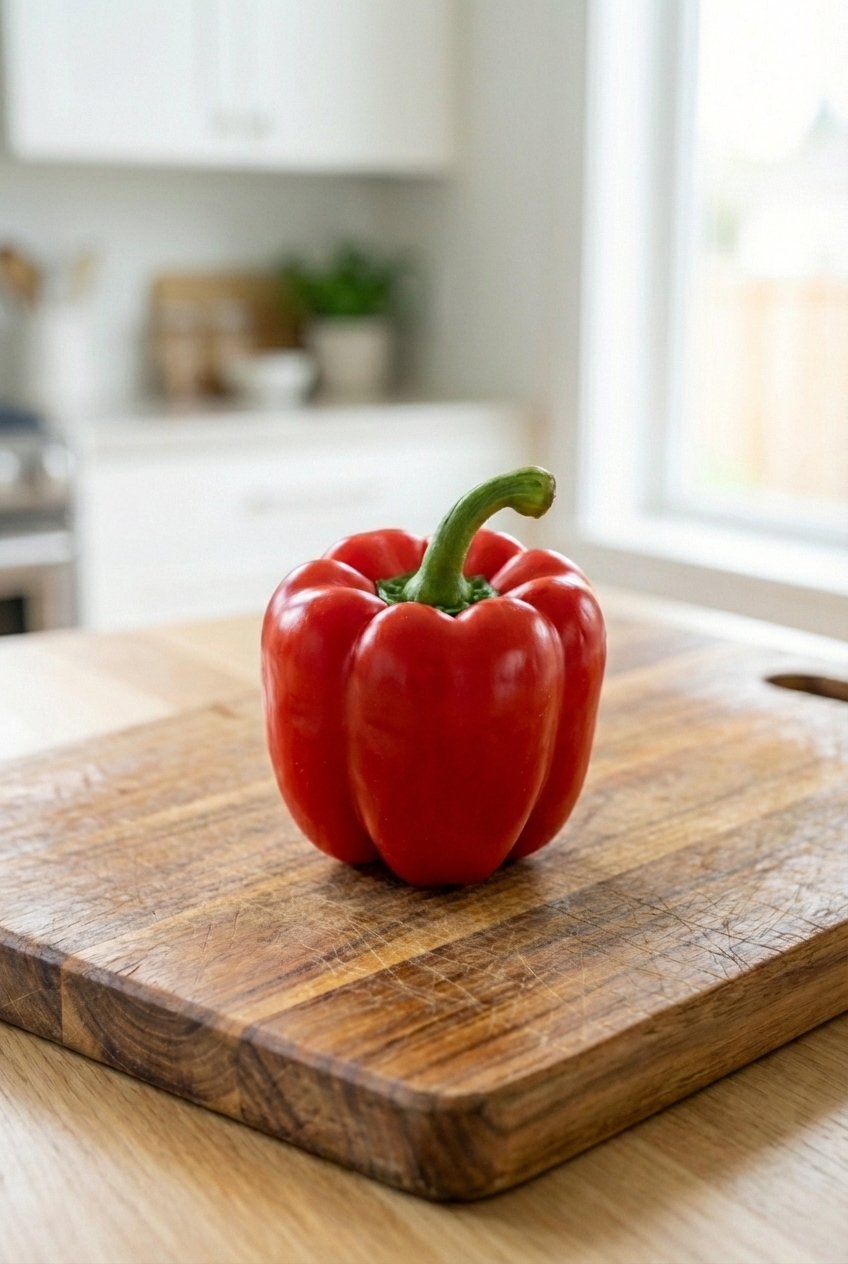
How to serve: Raw or lightly cooked, diced. Why it helps: Provides vitamin C and carotenoids. Caution: Remove stem and seeds for easier digestion.
Bell pepper (green)
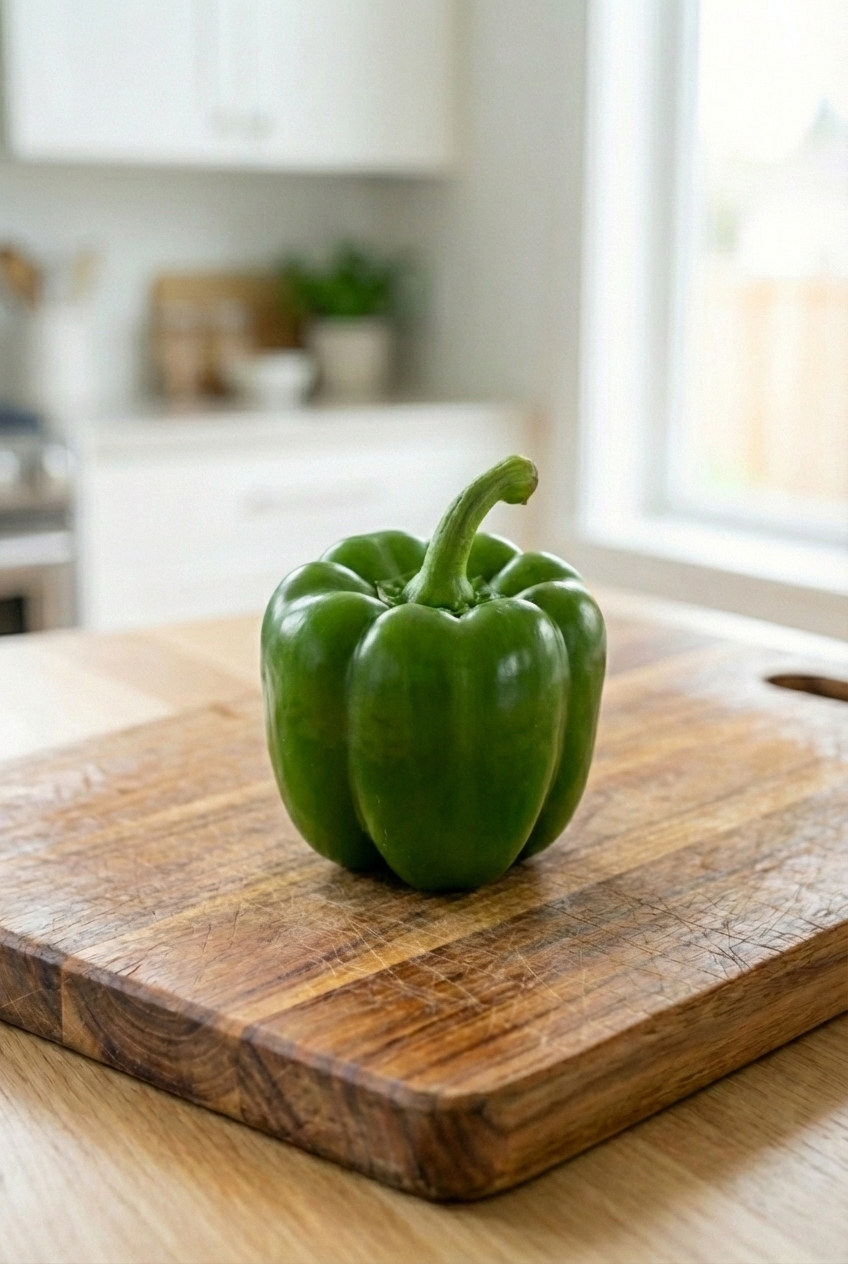
How to serve: Diced, raw or cooked. Why it helps: Adds hydration and fiber. Caution: Some dogs get extra gas from peppers.
Bell pepper (yellow)
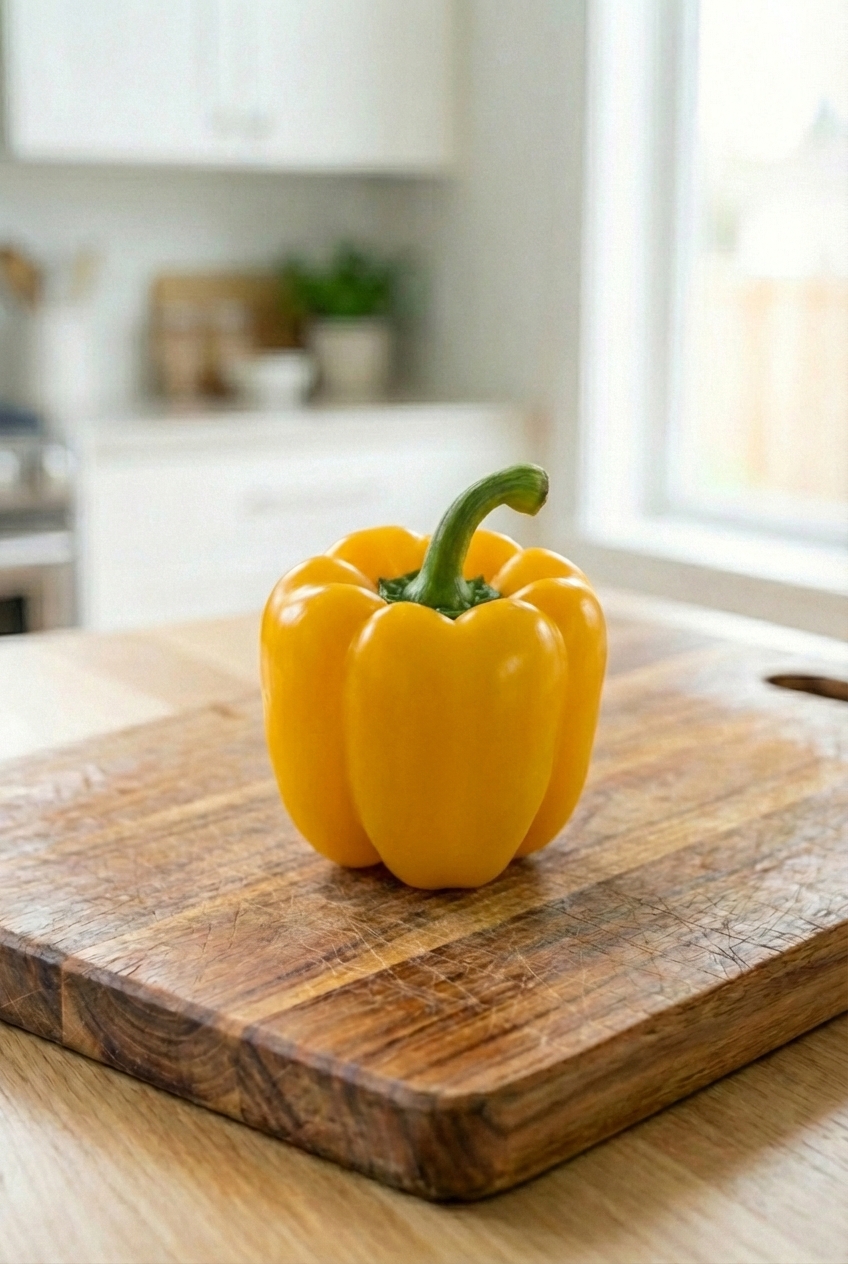
How to serve: Diced, raw or cooked. Why it helps: Provides antioxidants. Caution: Keep portions small at first.
Bok choy
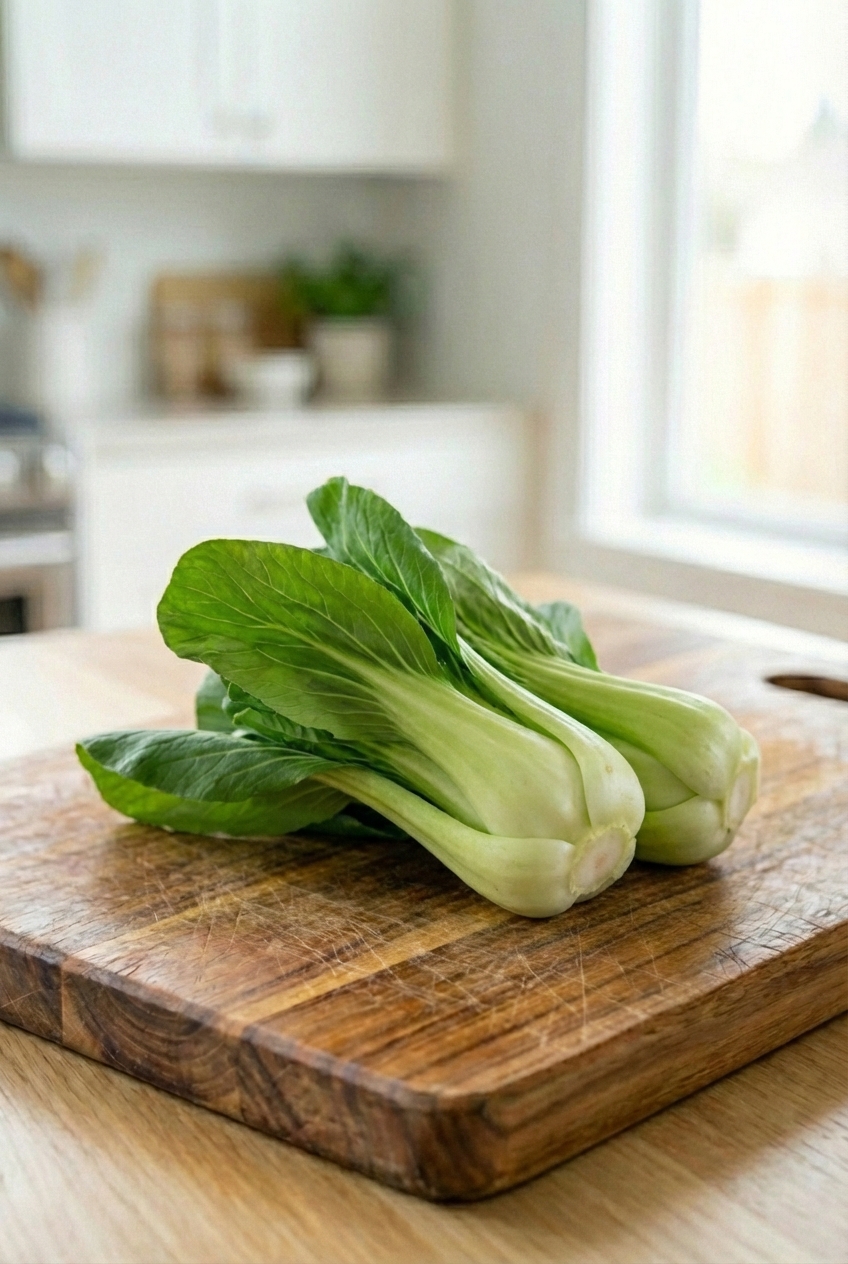
How to serve: Lightly steamed and chopped. Why it helps: Provides vitamins A, C, and K. Caution: Introduce slowly, especially if your dog is sensitive to gassy veggies.
Broccoli
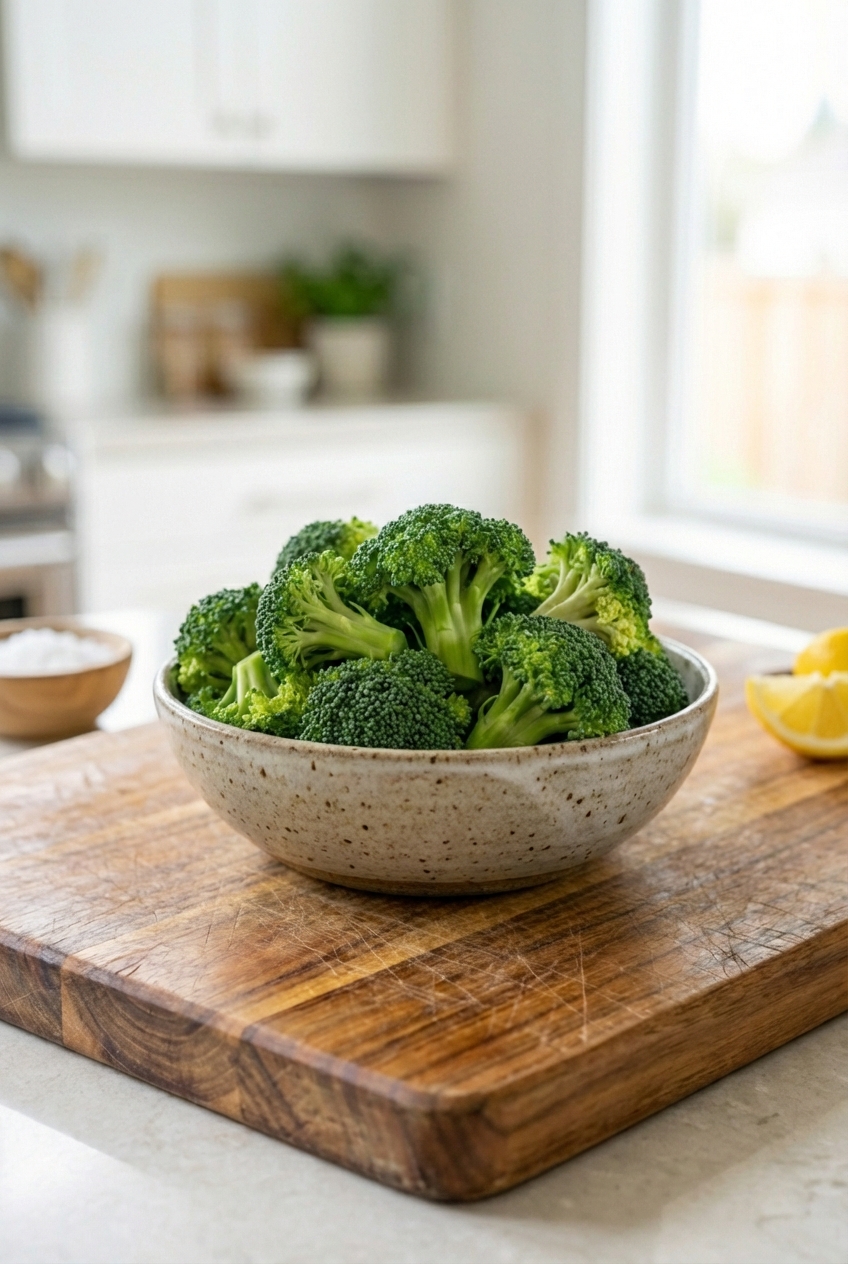
How to serve: Steamed florets in tiny amounts. Why it helps: Provides fiber and plant compounds. Caution: Too much can cause stomach upset (see gassy veggies note above).
Brussels sprouts
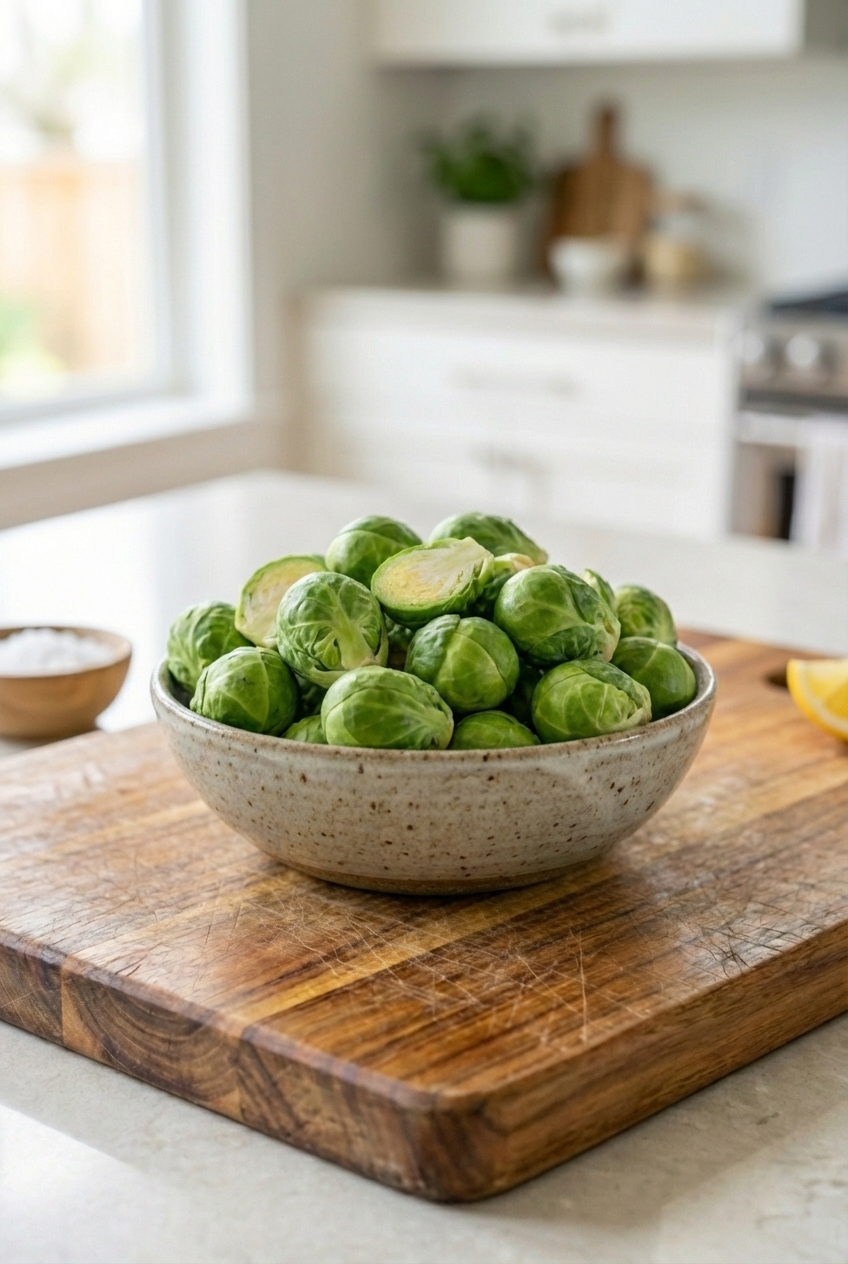
How to serve: Roasted or steamed, chopped. Why it helps: Adds fiber. Caution: Very gassy for many dogs, keep portions very small (see gassy veggies note above).
Butternut squash
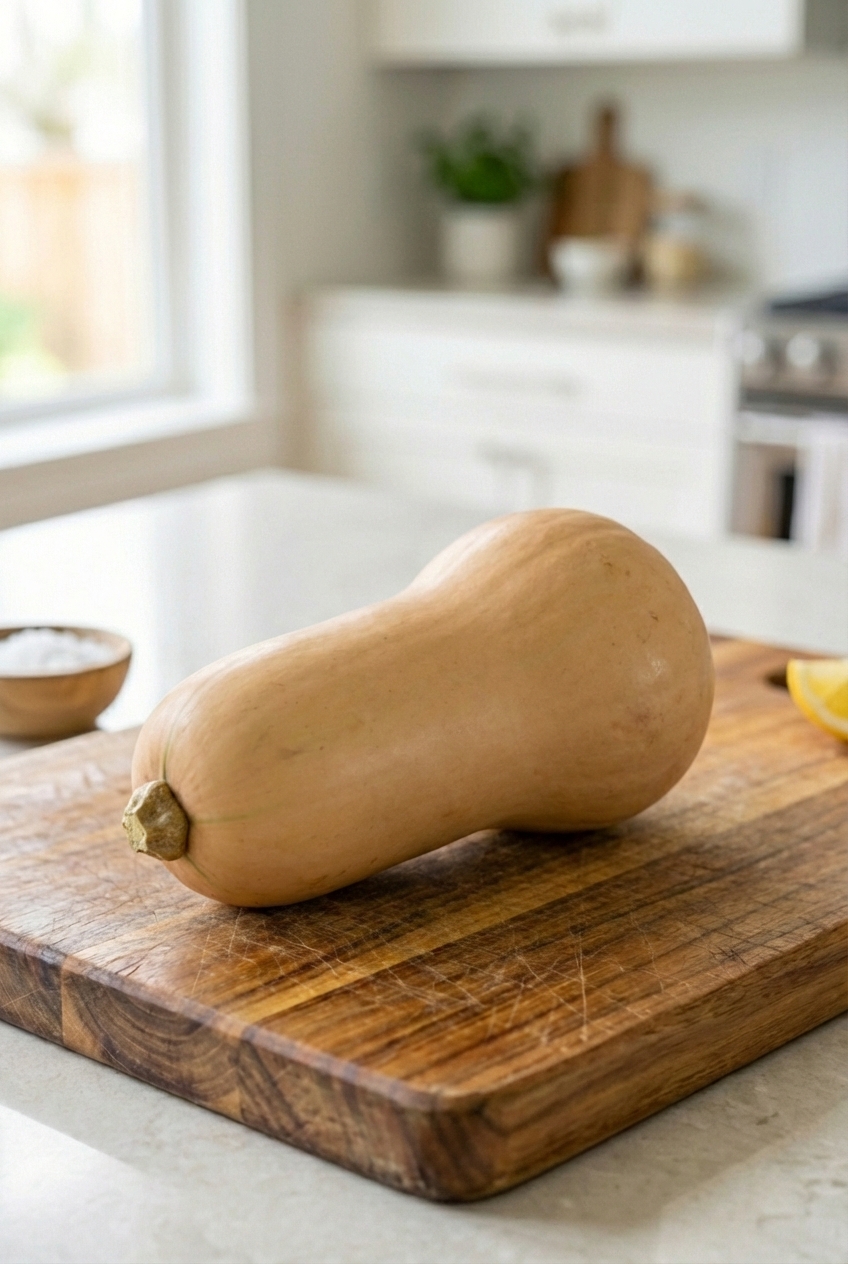
How to serve: Cooked and mashed. Why it helps: Provides beta-carotene and fiber. Caution: Avoid sweetened or spiced squash dishes.
Cabbage (green)
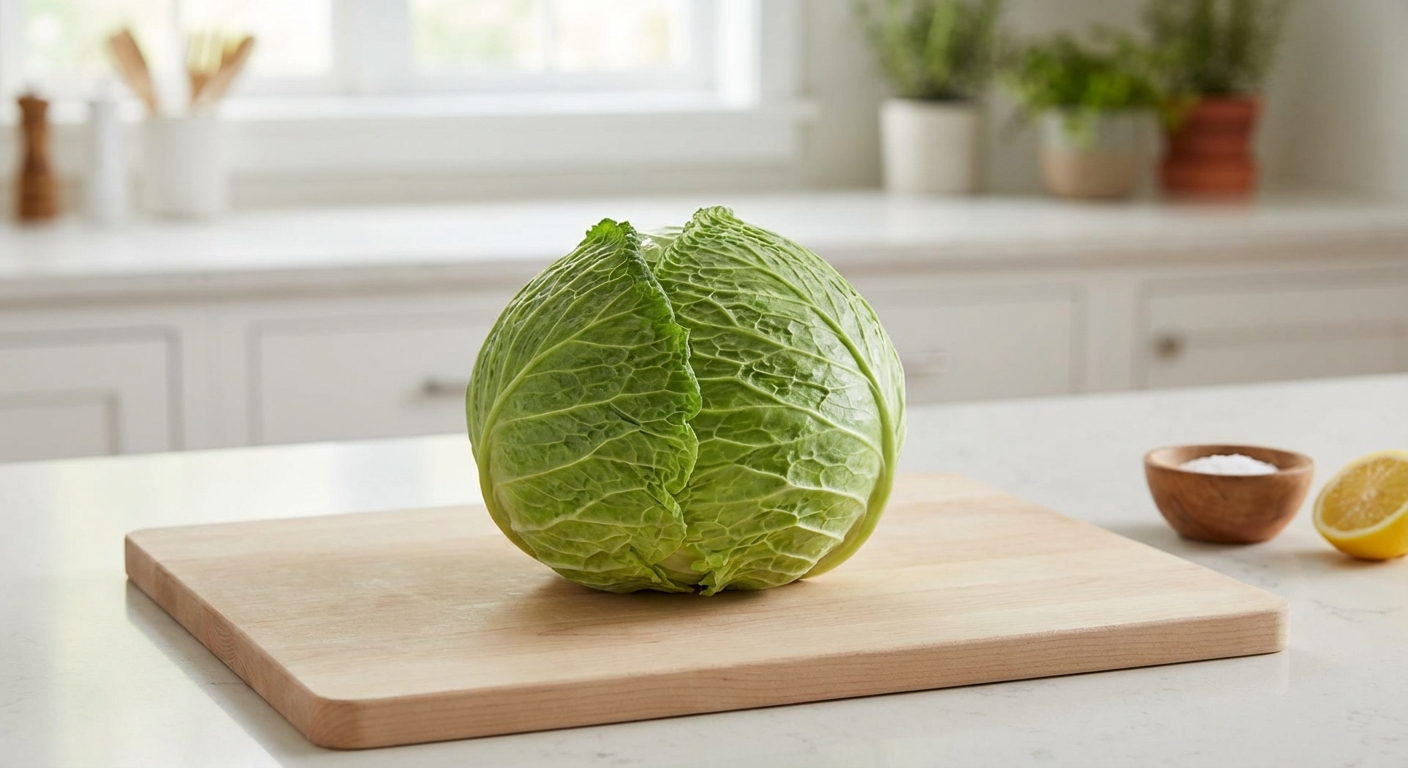
How to serve: Lightly cooked and chopped. Why it helps: Adds fiber. Caution: Can be gassy, start with a bite or two (see gassy veggies note above).
Cabbage (red)
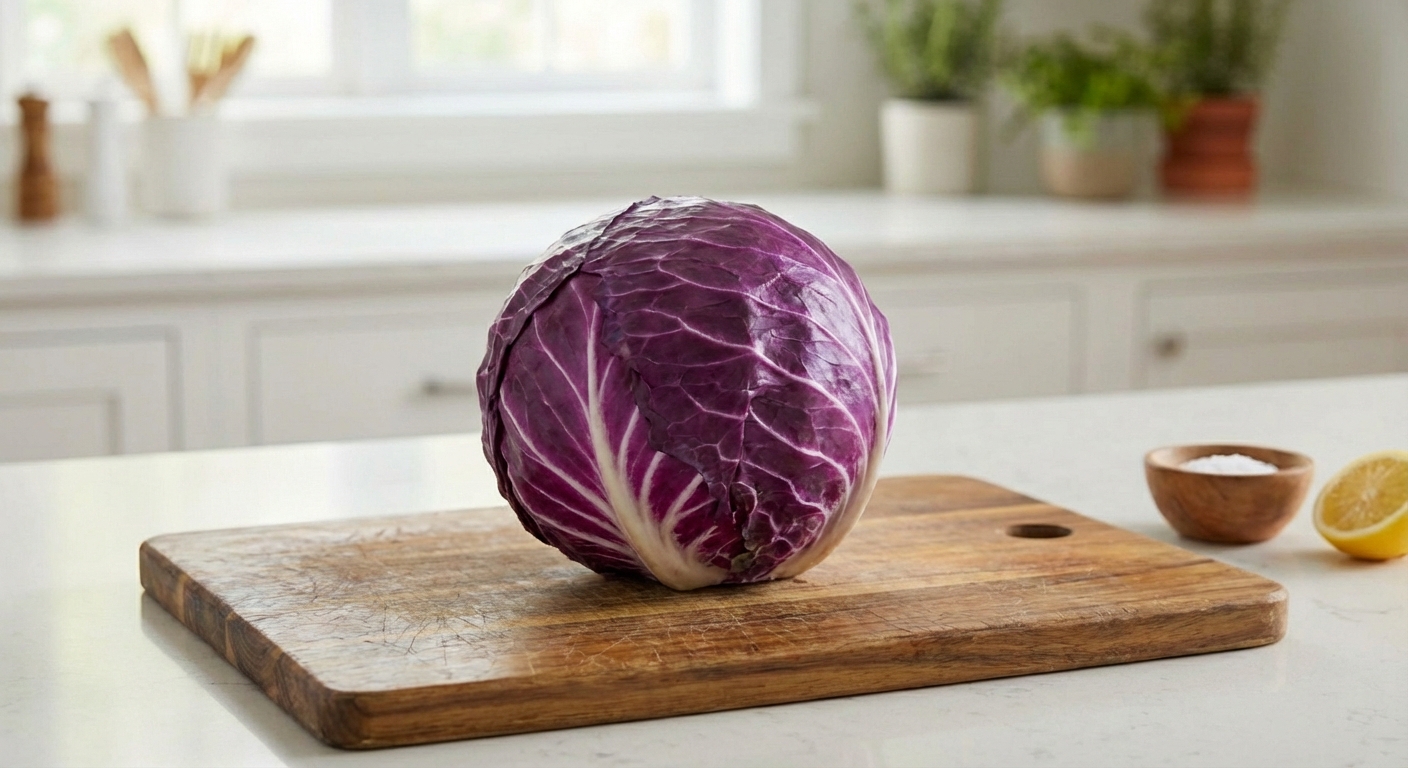
How to serve: Cooked, finely chopped. Why it helps: Provides antioxidants. Caution: Same gas caution as green cabbage (see gassy veggies note above).
Carrot

How to serve: Raw sticks for crunch or steamed slices. Why it helps: Provides beta-carotene and is naturally low-calorie. Caution: Cut appropriately to prevent choking.
Cauliflower
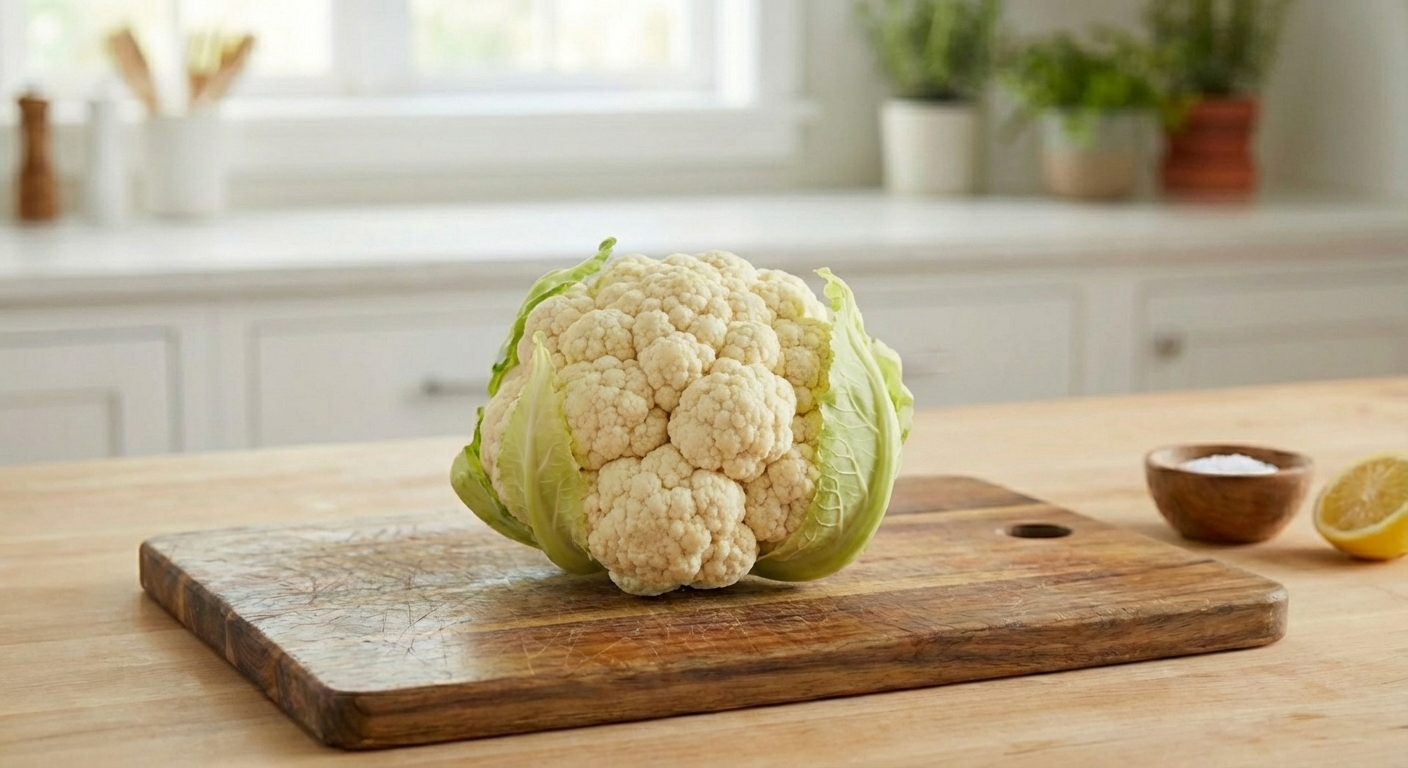
How to serve: Steamed and chopped. Why it helps: Adds fiber. Caution: Can cause gas in sensitive dogs (see gassy veggies note above).
Celery
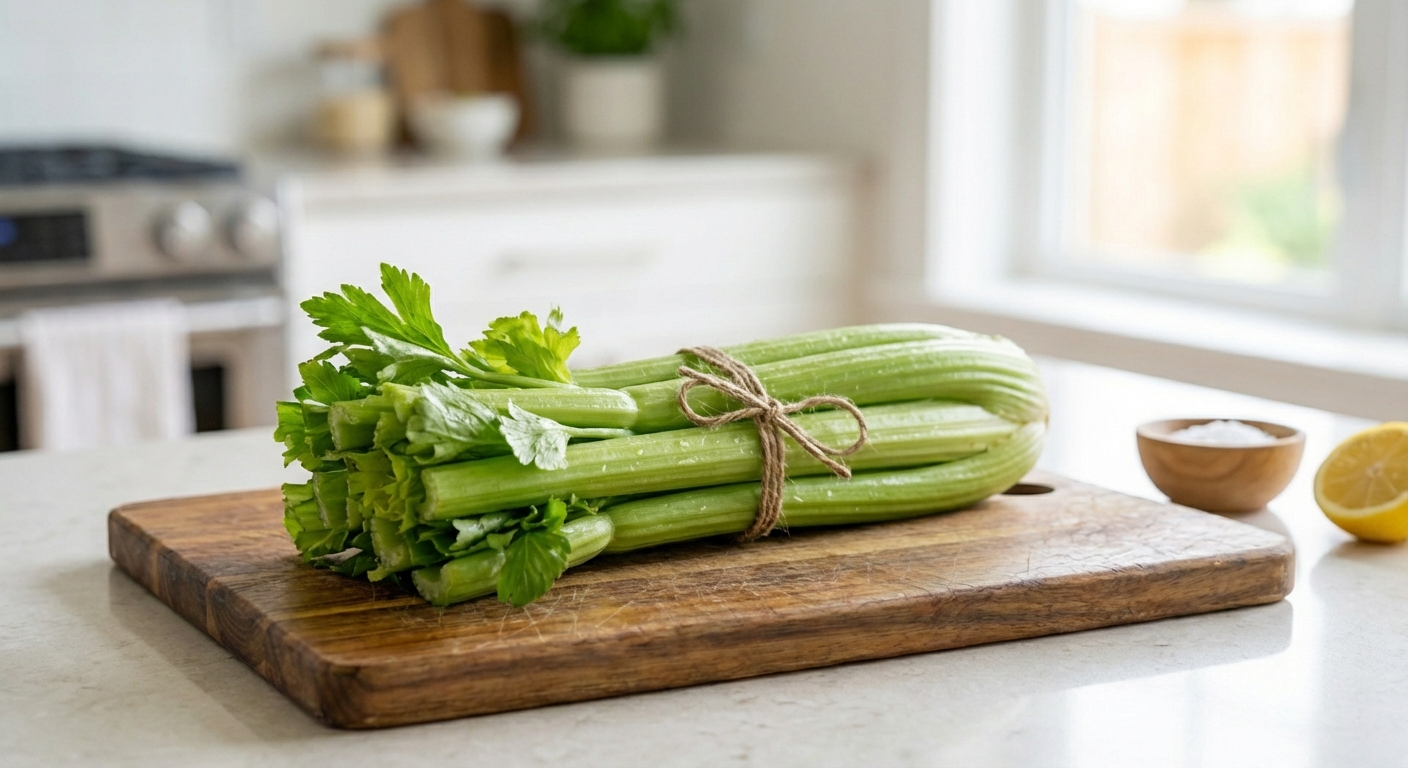
How to serve: Thin slices. Why it helps: Adds hydration and crunch. Caution: Strings can be hard to chew, slice thin.
Chayote
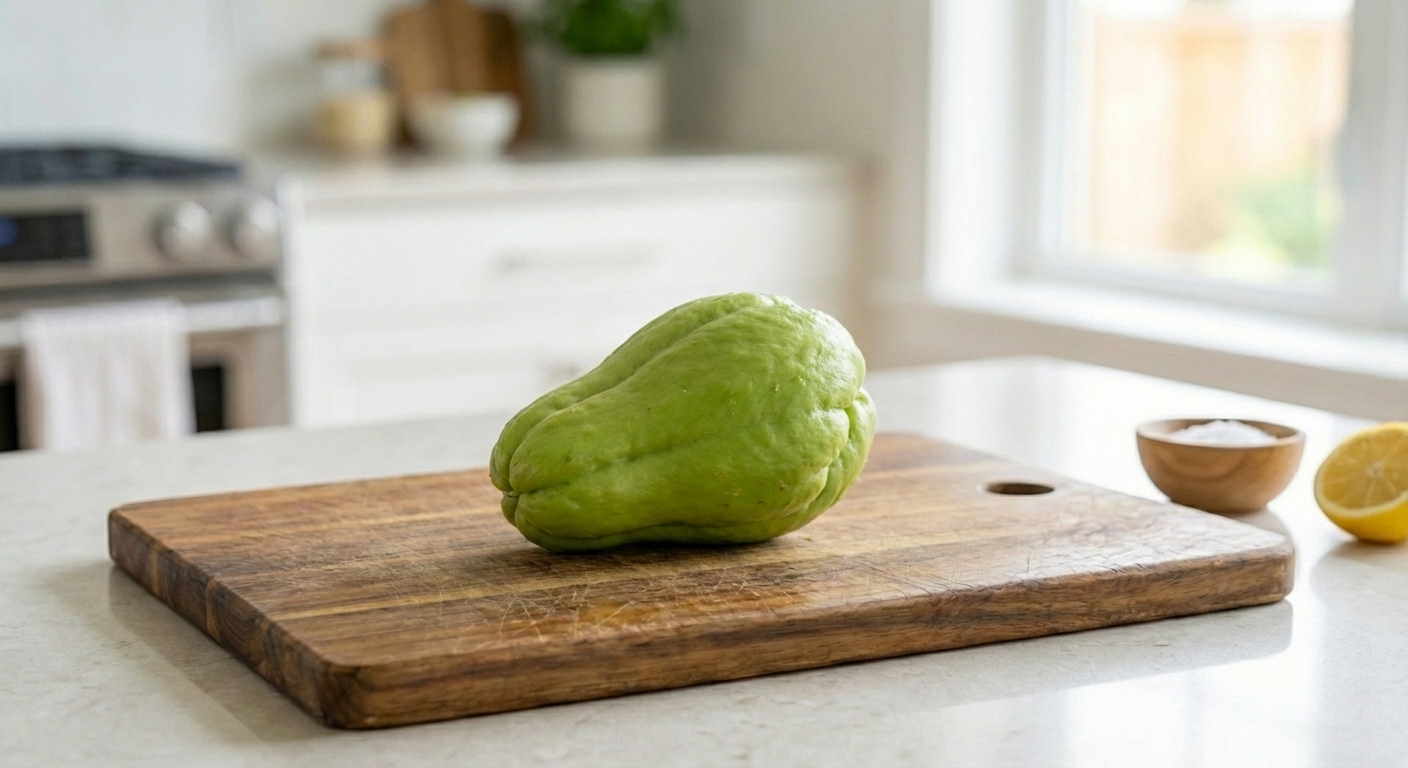
How to serve: Steamed, diced. Why it helps: Adds mild fiber. Caution: Keep it plain.
Cherry tomato
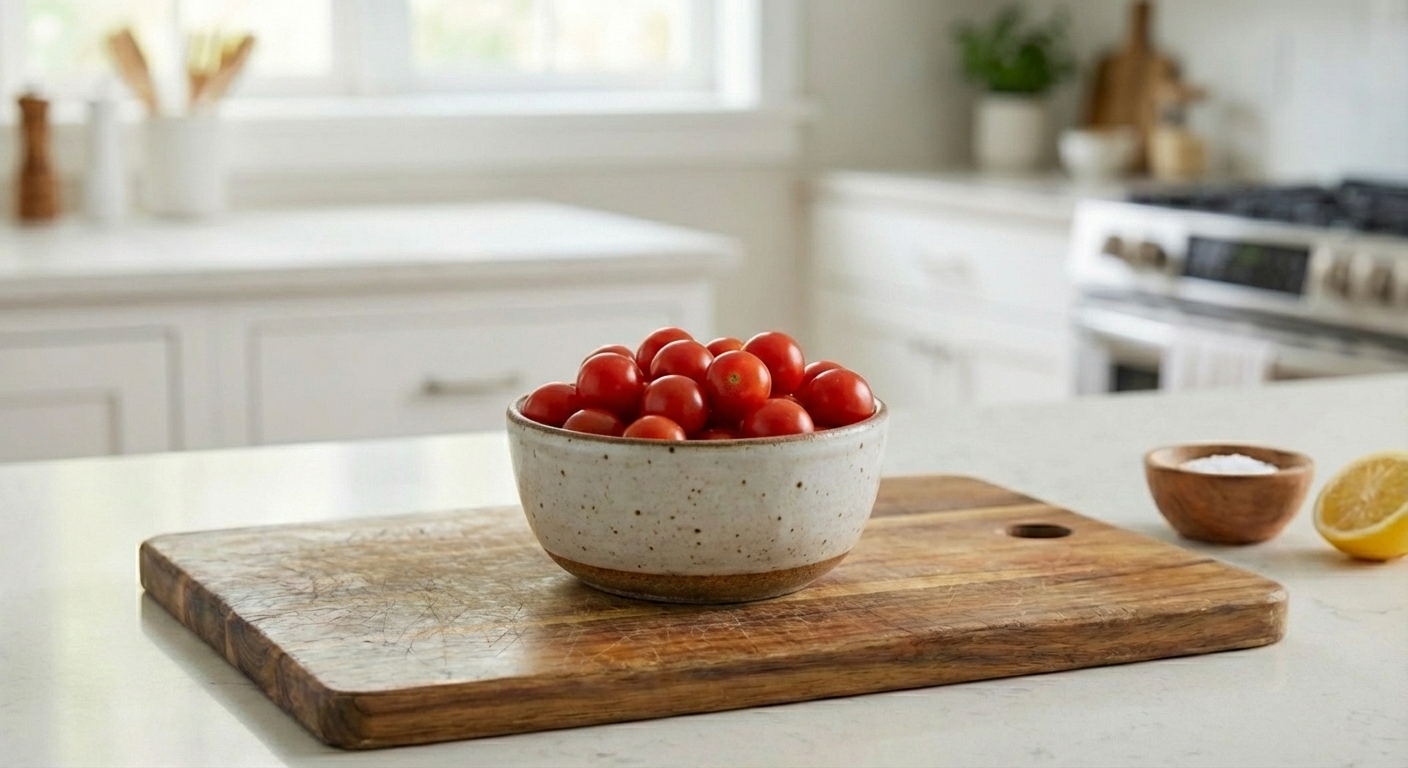
How to serve: Ripe tomato flesh only, chopped. Why it helps: Provides antioxidants. Caution: Only the ripe fruit. Remove stems and leaves completely. Some dogs still get an upset stomach, so start tiny.
Cilantro
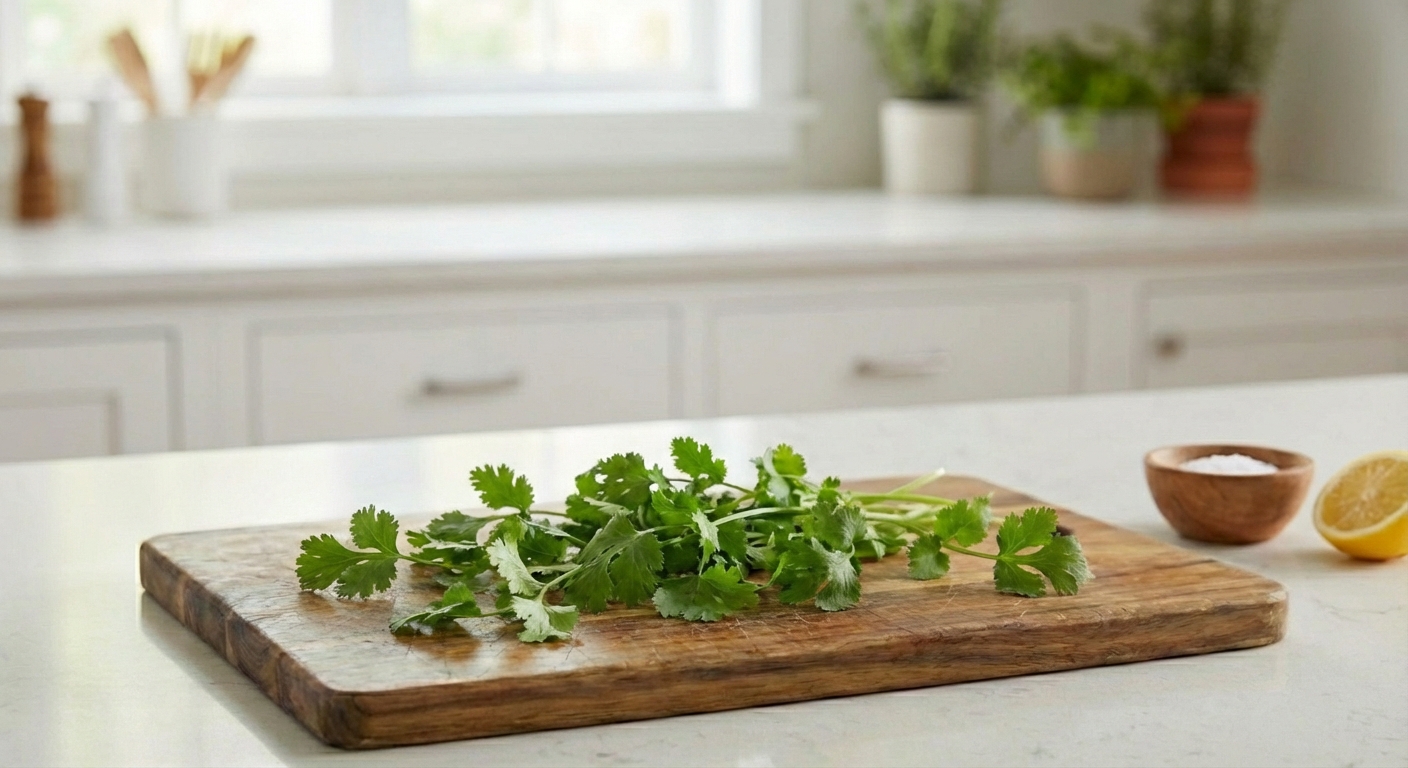
How to serve: A small pinch of washed leaves, finely chopped, mixed into food. Why it helps: Adds flavor and plant variety. Caution: Too much can cause stomach upset, keep it small.
Collard greens
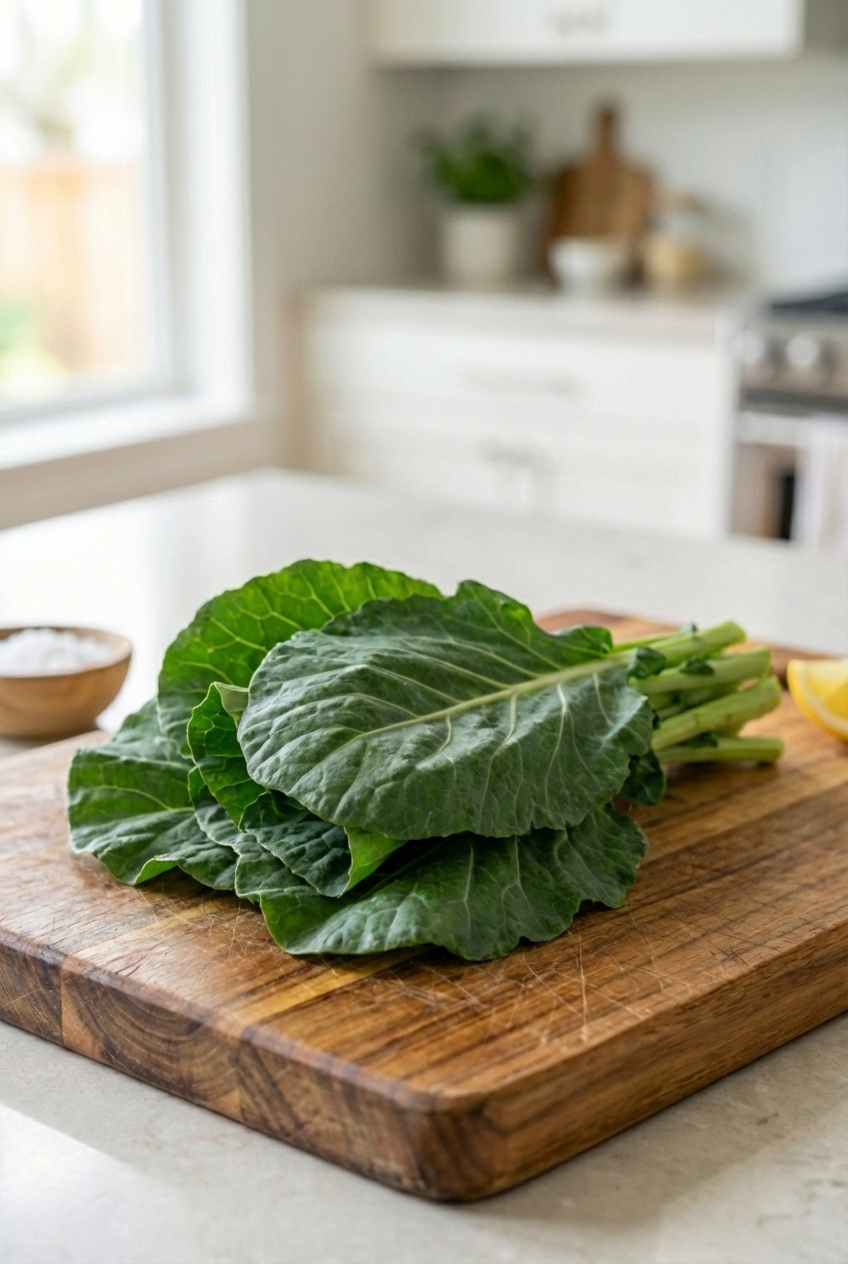
How to serve: Lightly cooked, finely chopped. Why it helps: Provides leafy green nutrients and fiber. Caution: Can be gassy, use modest portions (see gassy veggies note above).
Corn (kernels only)
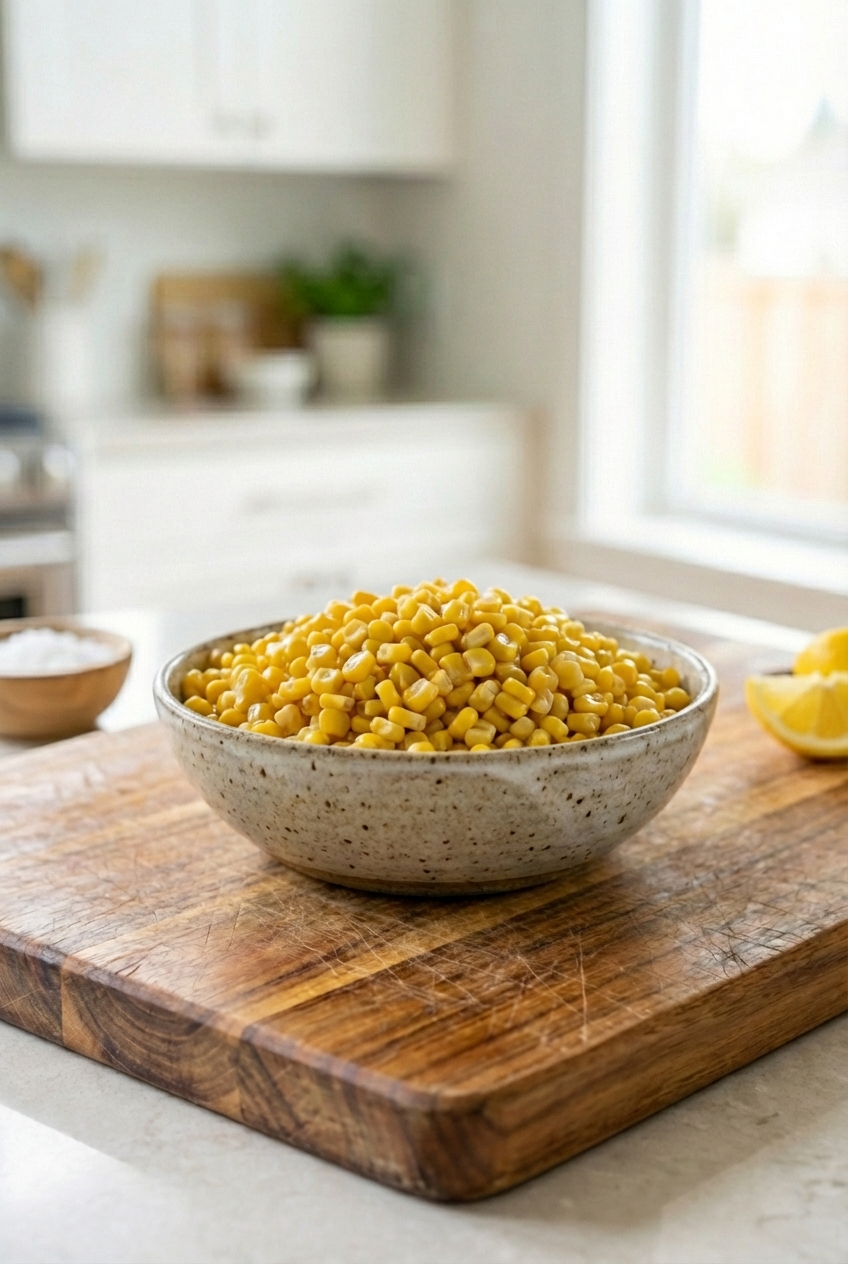
How to serve: Cooked kernels, plain, sprinkled as a topper. Why it helps: Adds texture and energy in small amounts. Caution: Never give corn on the cob, it is a serious choking and intestinal obstruction risk.
Cucumber
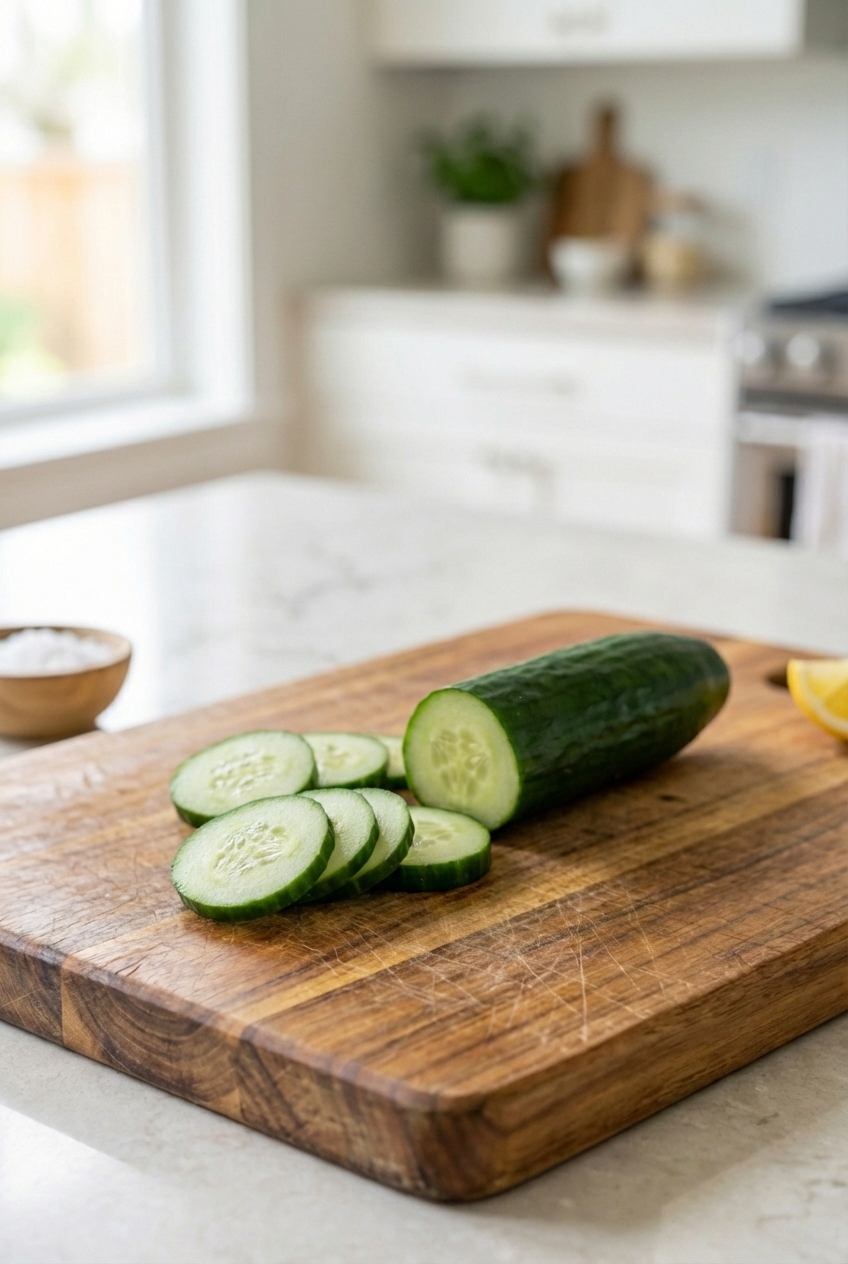
How to serve: Raw slices. Why it helps: Very hydrating and low-calorie. Caution: Too much can cause loose stool.
Daikon radish
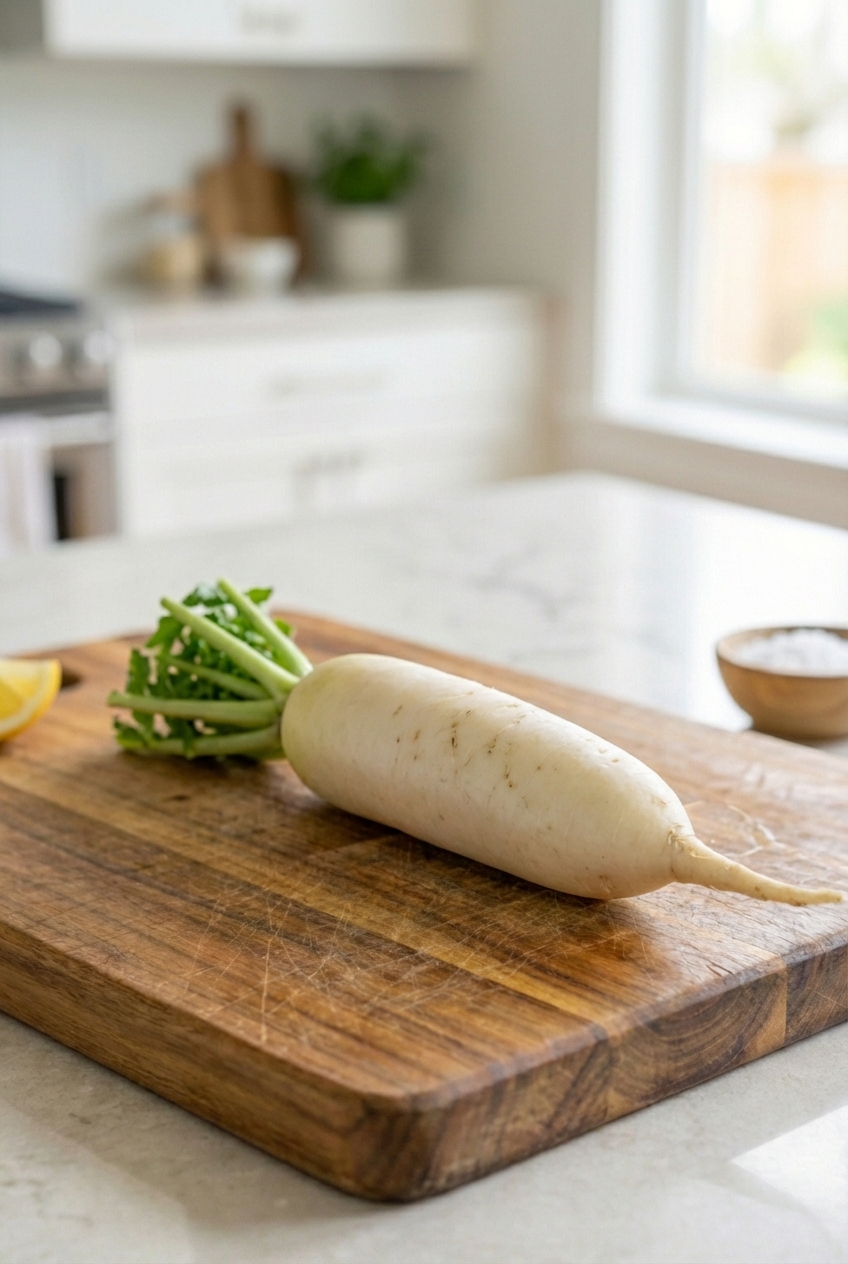
How to serve: Small, thin slices, raw or cooked. Why it helps: Adds crunchy variety. Caution: Some dogs dislike the sharp flavor.
Edamame (soybeans)
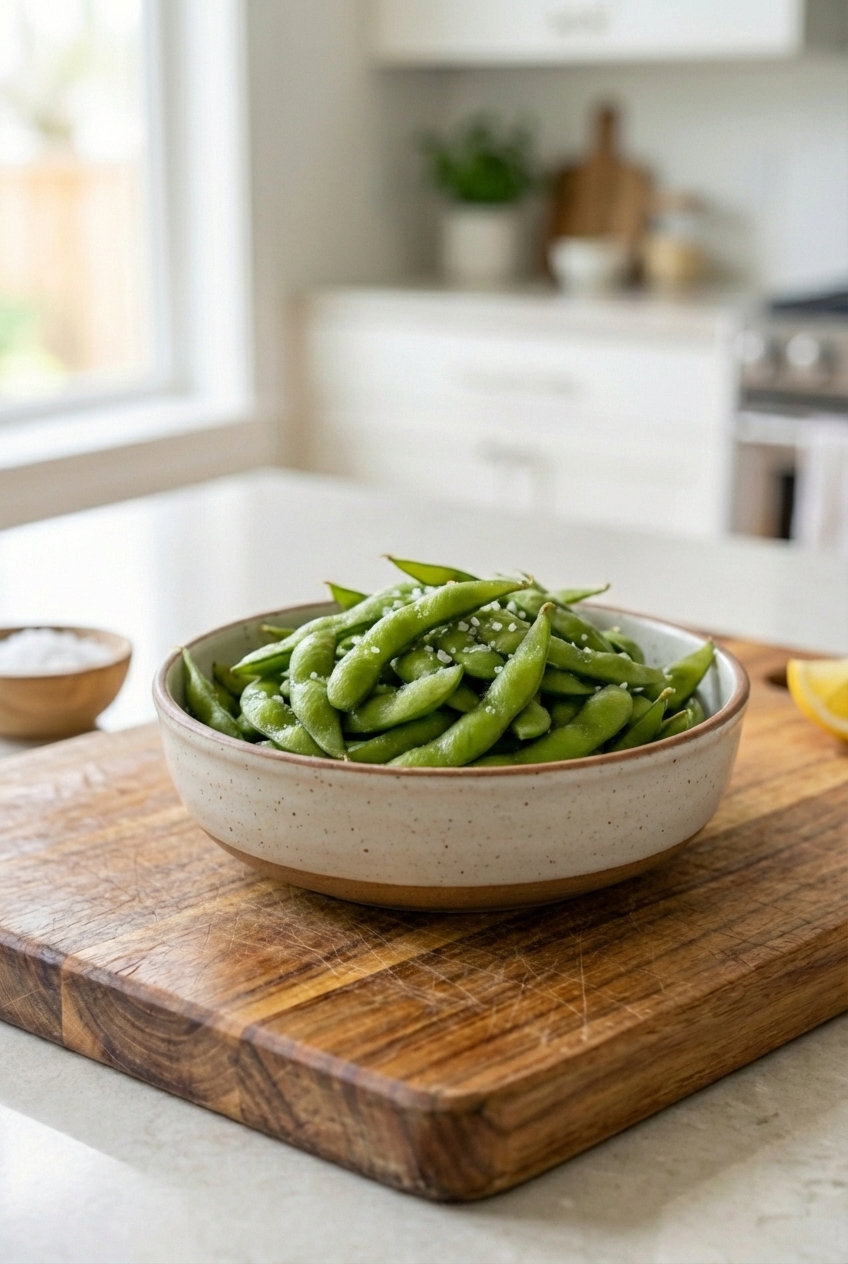
How to serve: Shelled beans only, cooked. Why it helps: Provides plant protein and fiber. Caution: Skip if your dog is sensitive to legumes.
Eggplant
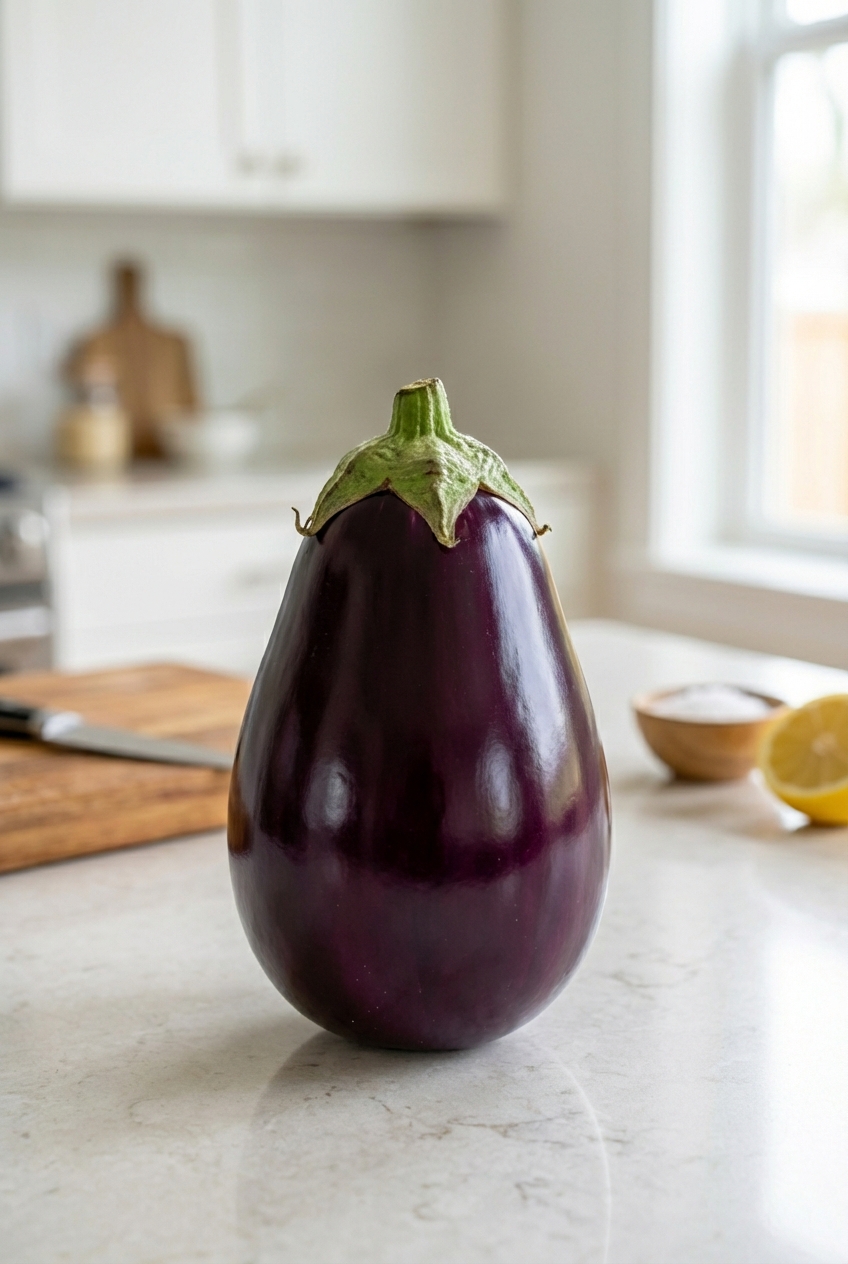
How to serve: Cooked, peeled if needed, chopped. Why it helps: Adds fiber. Caution: Some dogs do not tolerate nightshades well.
Endive
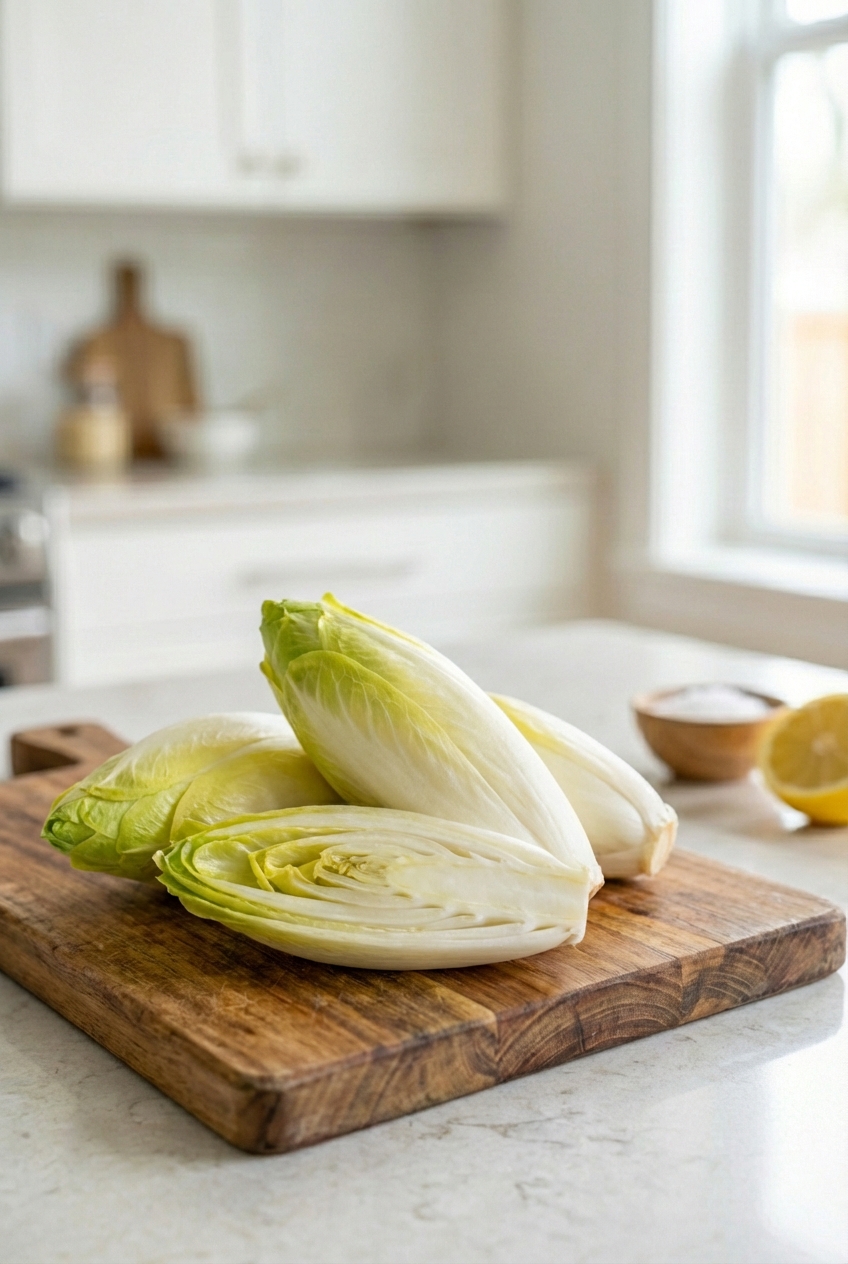
How to serve: Chopped leaves in small amounts. Why it helps: Low-calorie crunch. Caution: Bitter taste, mix into food.
Fennel
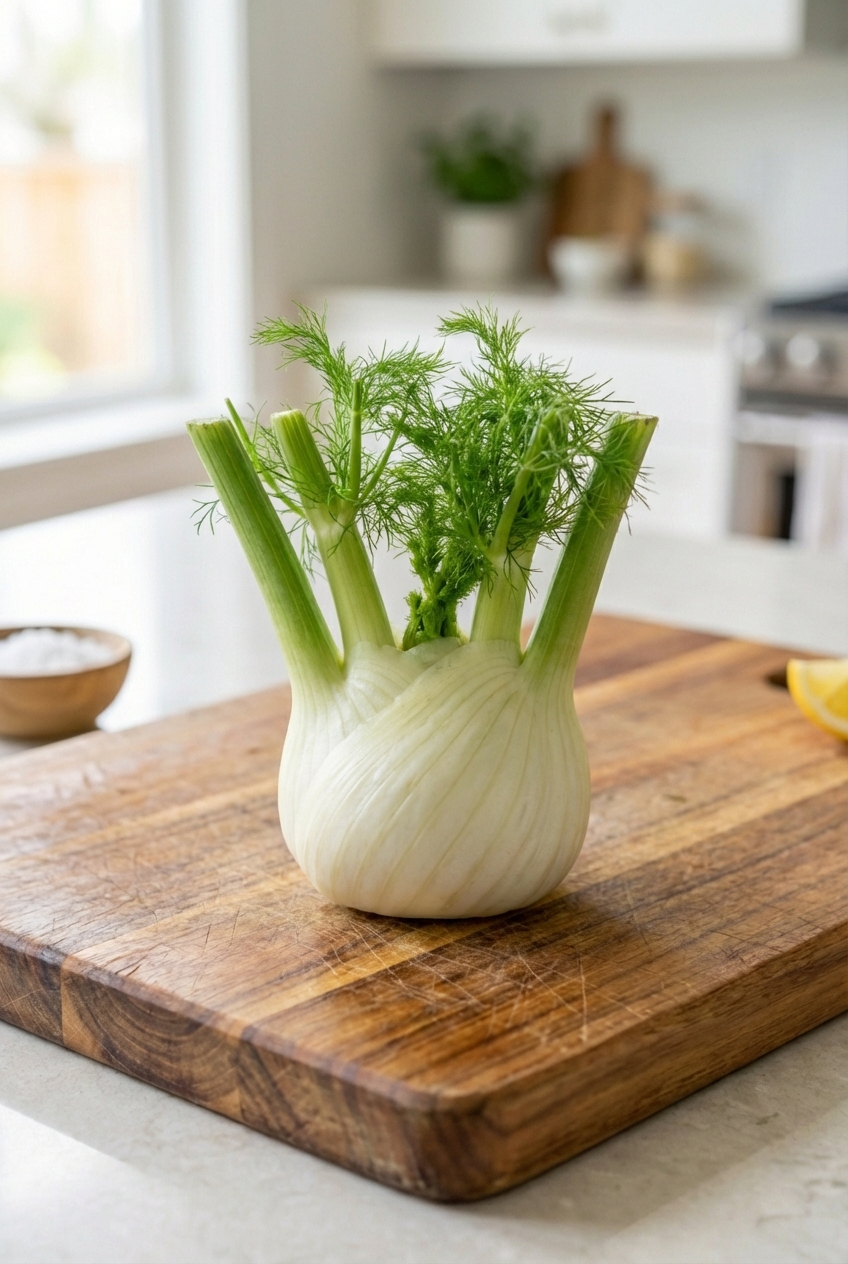
How to serve: Thinly sliced bulb, lightly cooked. Why it helps: Adds variety and aroma. Caution: Introduce slowly.
French green beans
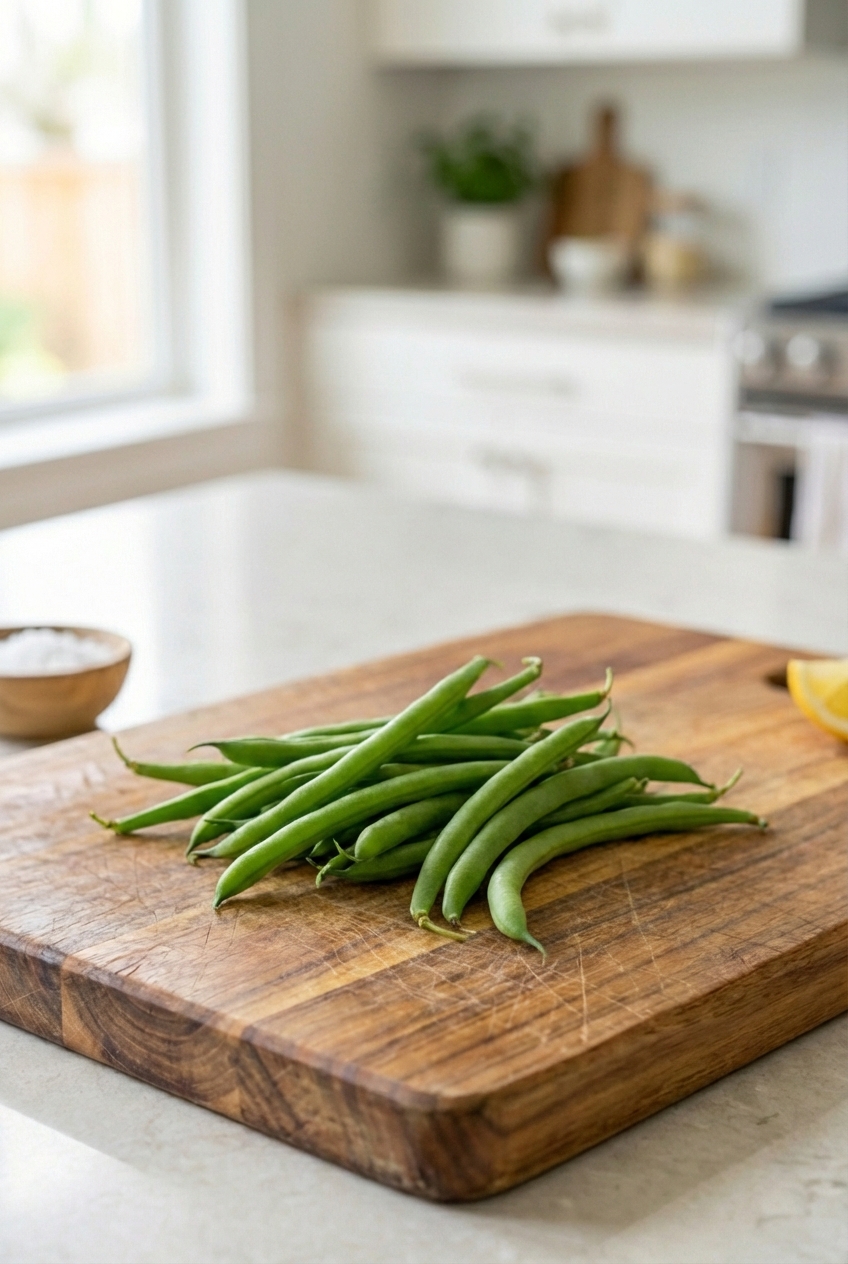
How to serve: Steamed, chopped. Why it helps: Provides fiber and makes a classic low-calorie snack. Caution: Avoid canned beans with salt.
Ginger (technically a root)
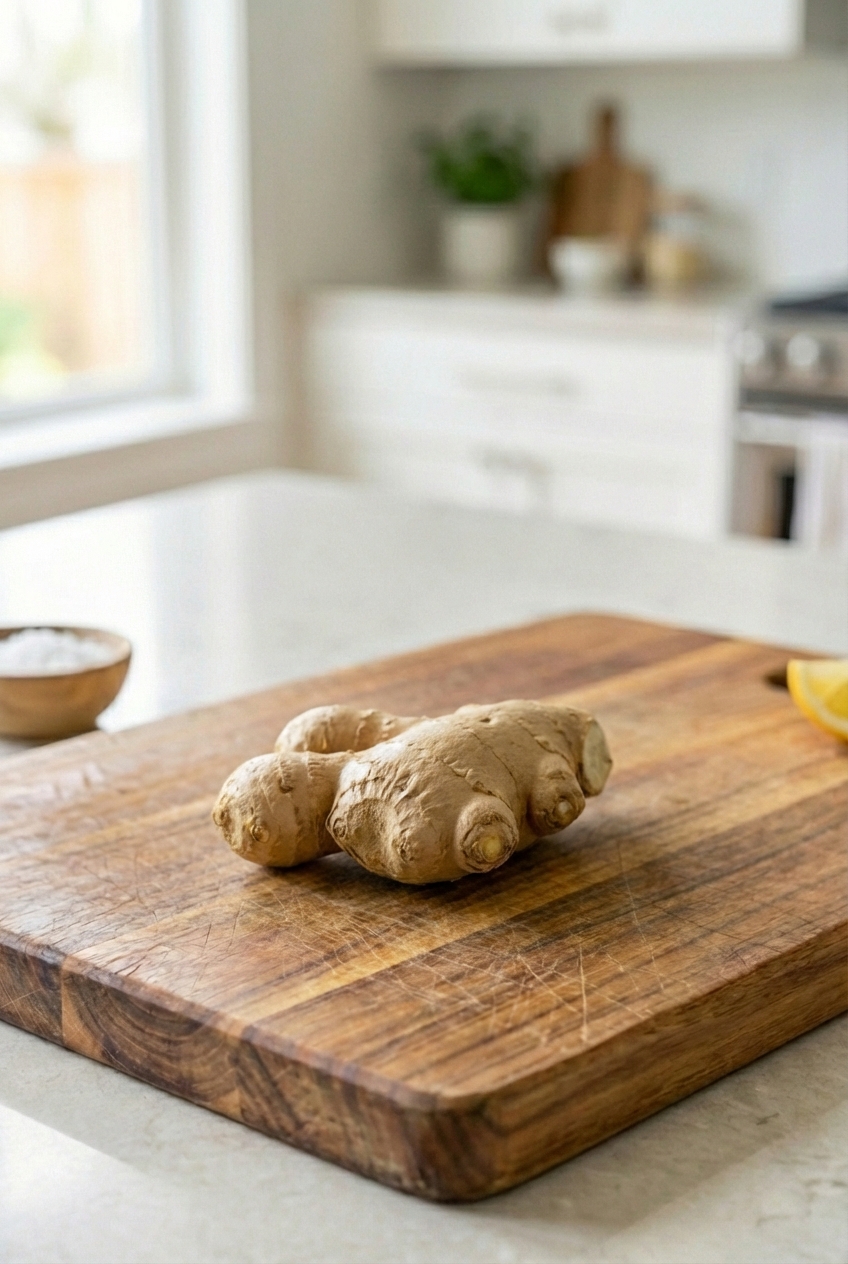
How to serve: A tiny pinch of fresh grated ginger in food. Why it helps: In very small amounts, some dogs tolerate it well as a flavor change. Caution: Too much can irritate the stomach.
Jicama
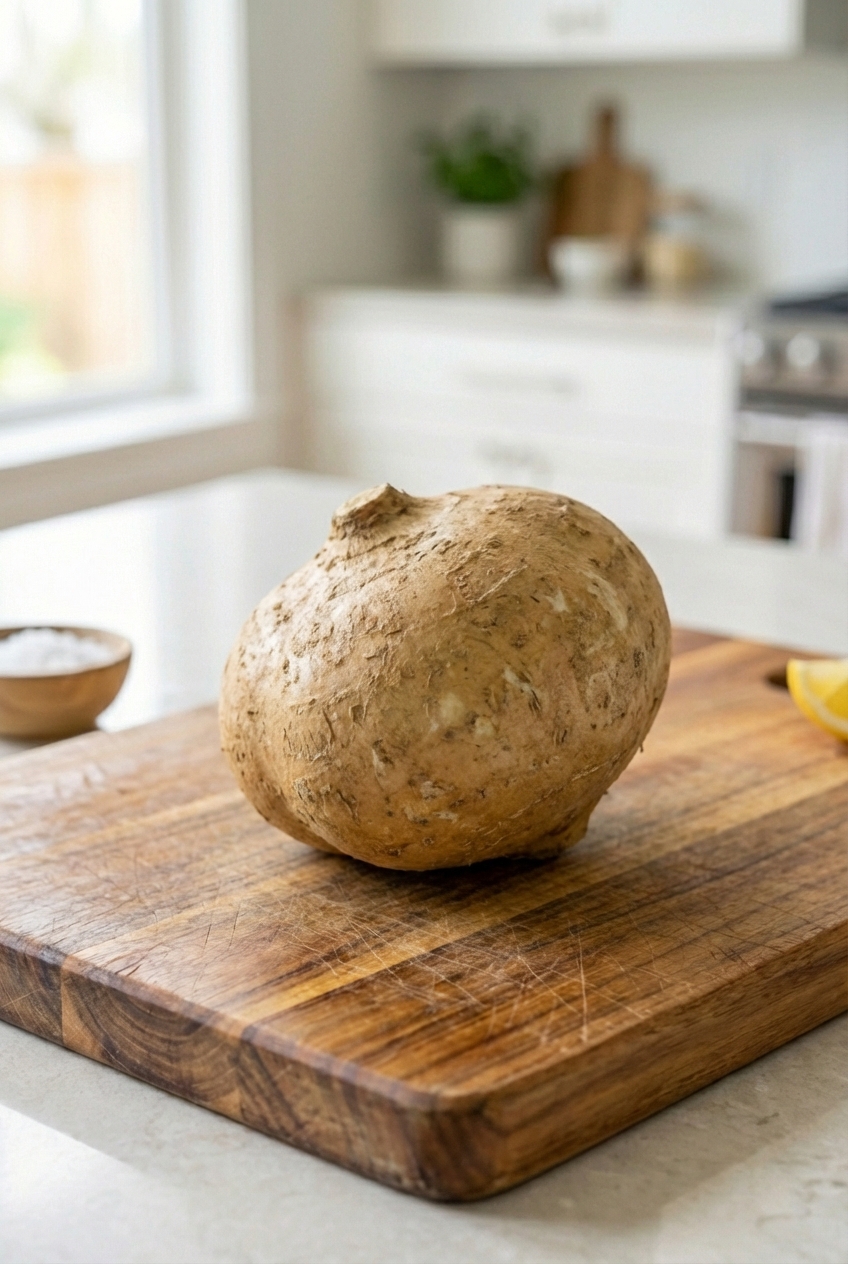
How to serve: Peeled, raw sticks or cubes. Why it helps: Crunchy fiber. Caution: Stick to the peeled white flesh only. Leaves, stems, and seeds are not for dogs.
Kale
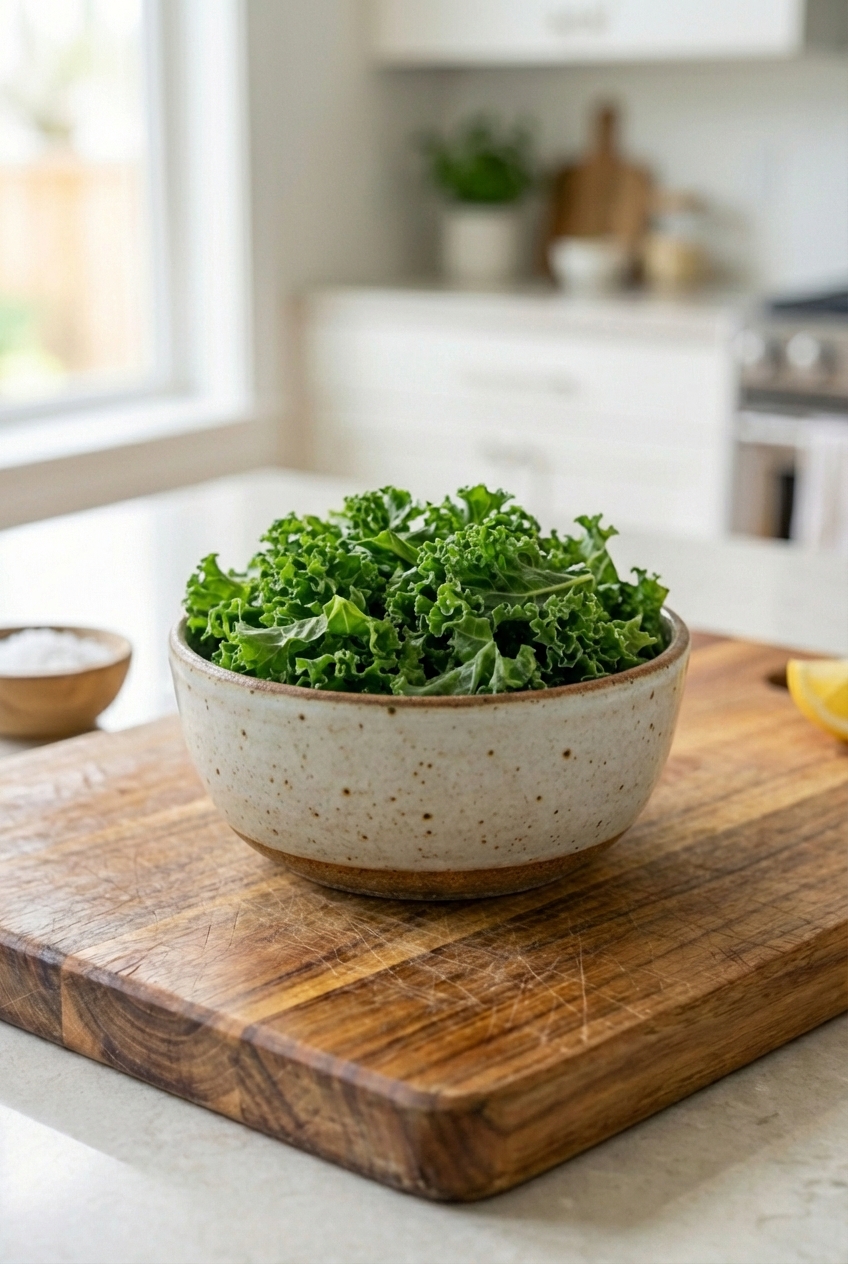
How to serve: Lightly cooked, chopped. Why it helps: Provides vitamins and antioxidants. Caution: Use modest portions (see gassy veggies note above).
Kohlrabi
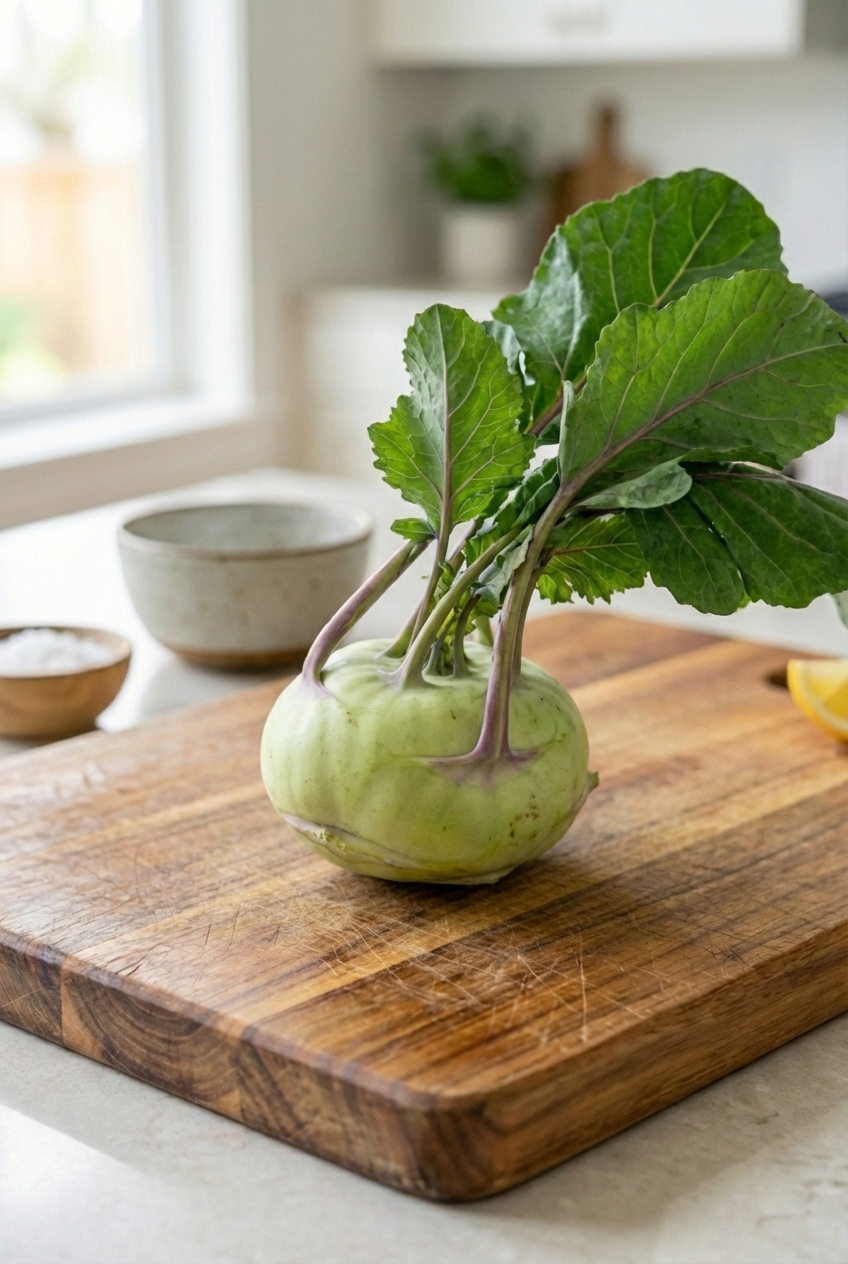
How to serve: Peeled and steamed, diced. Why it helps: Provides fiber and vitamin C. Caution: Raw can be tough for some dogs.
Lettuce (romaine)
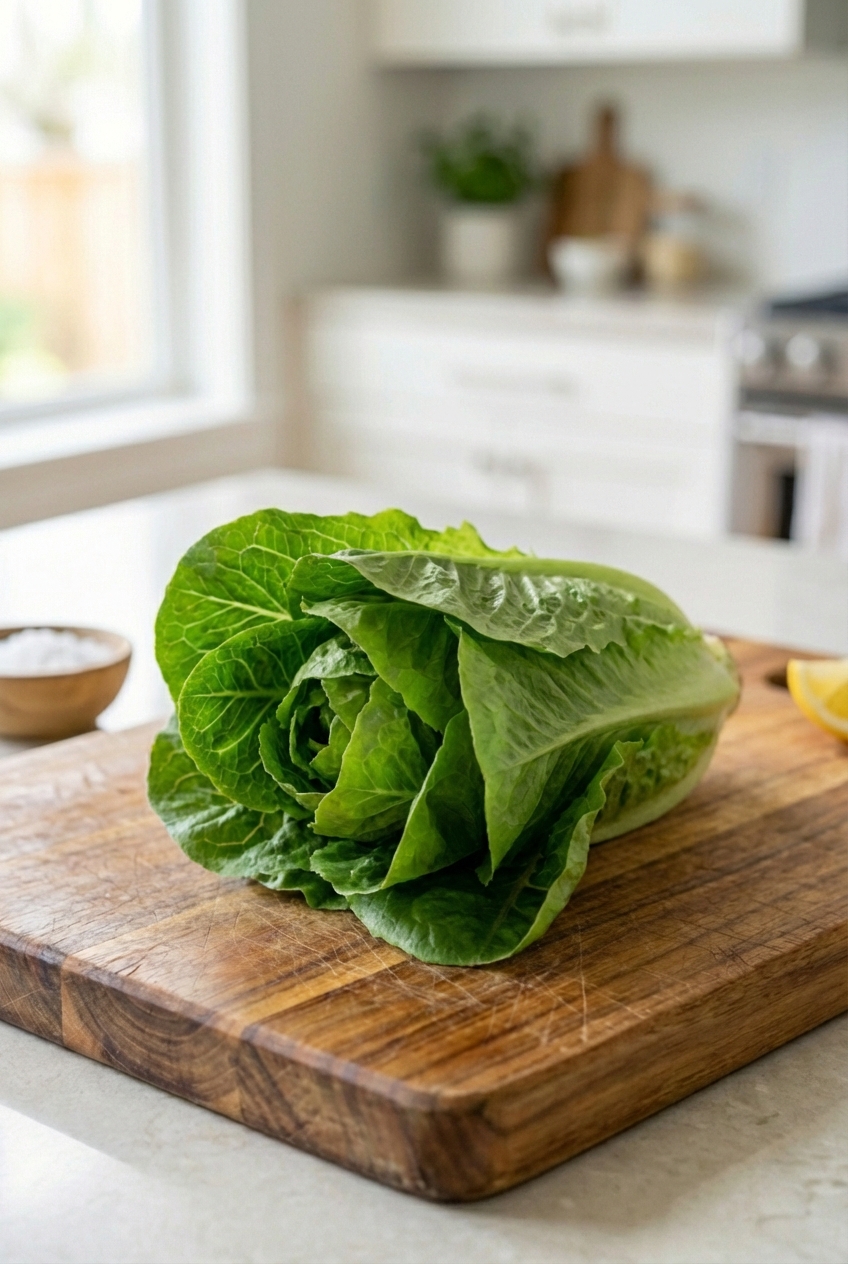
How to serve: Chopped, washed leaves. Why it helps: Adds hydration and crunch. Caution: Not very nutrient-dense, but generally safe.
Lettuce (iceberg)
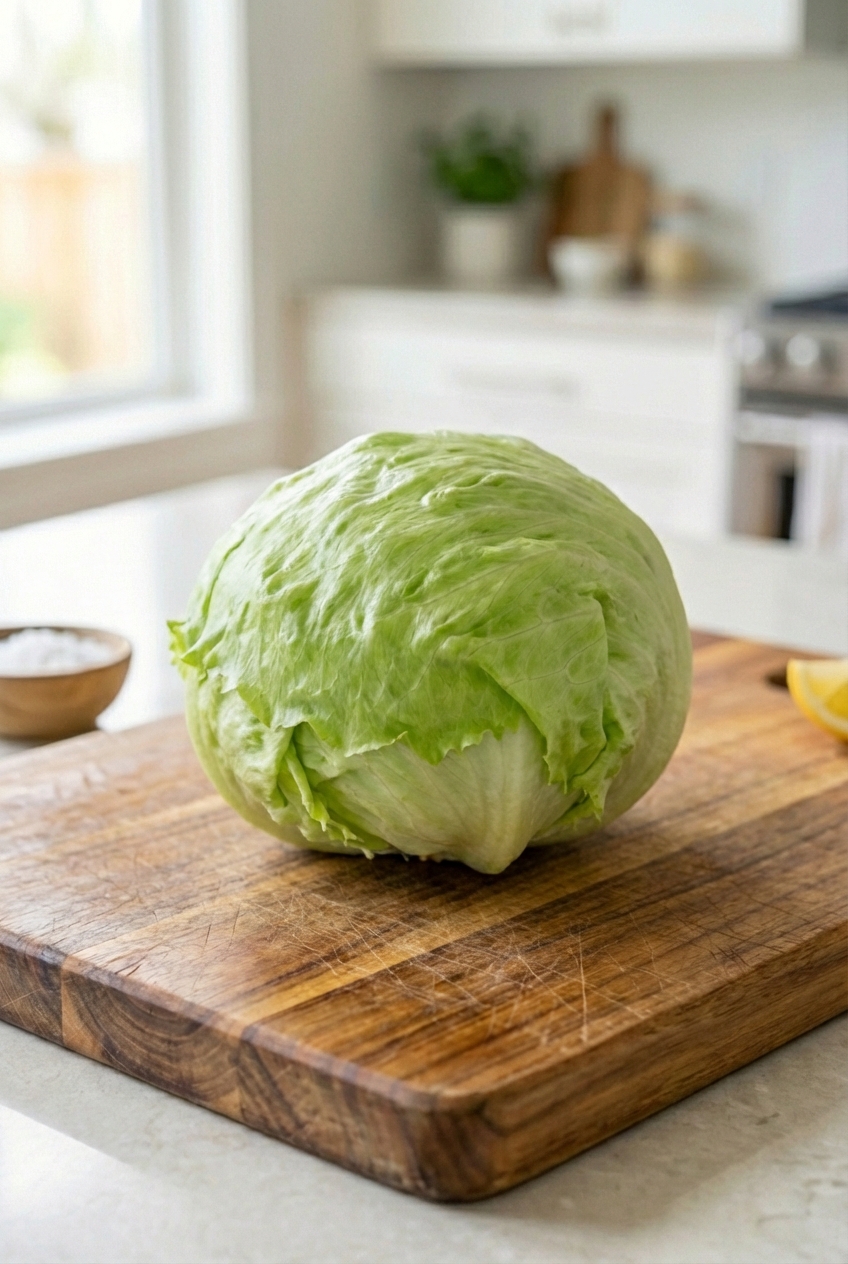
How to serve: Small chopped amounts. Why it helps: Adds hydration. Caution: Mostly water, can cause diarrhea if overfed.
Mushroom (plain store-bought)
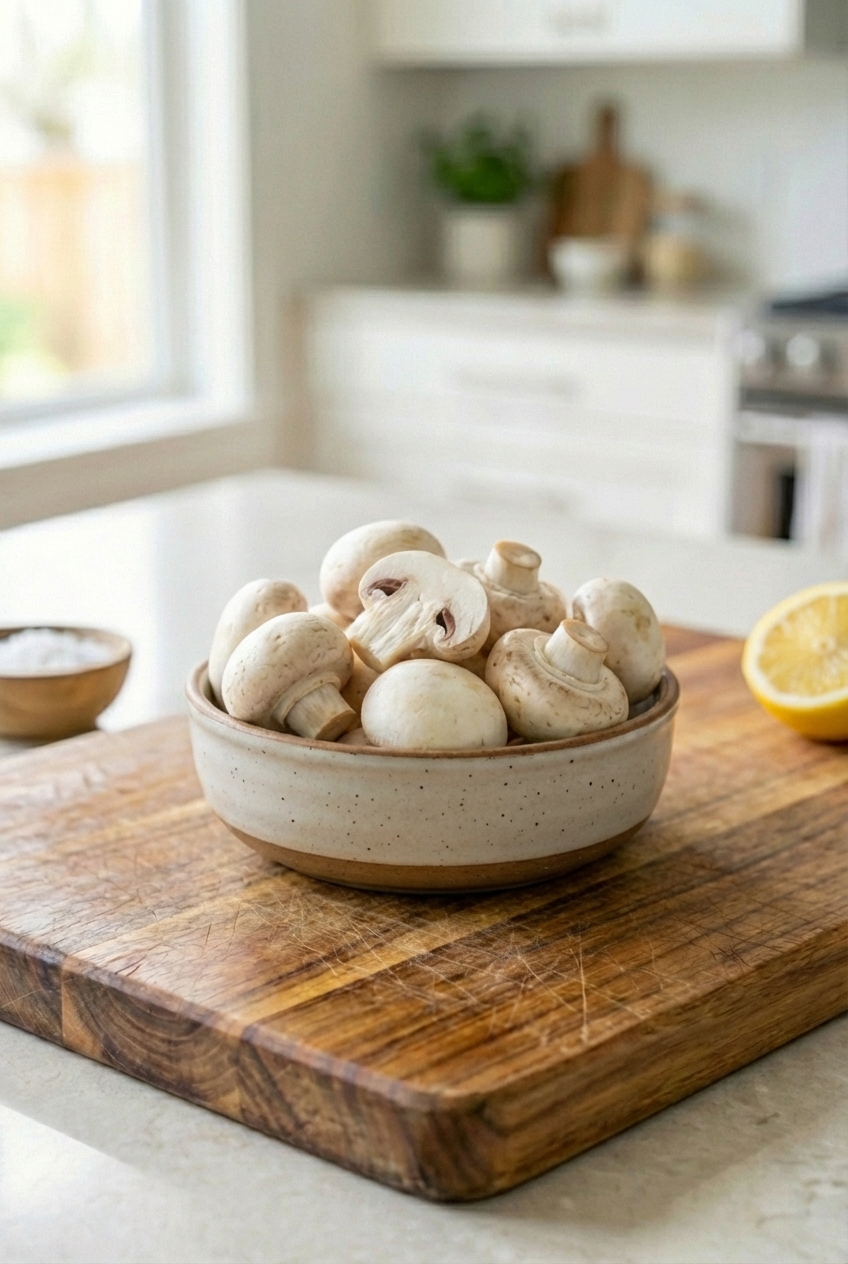
How to serve: Cooked, plain, chopped. Why it helps: Adds variety. Caution: For common culinary mushrooms, the most common issue is GI upset, especially if they are rich, oily, or seasoned. Never allow dogs to eat wild mushrooms.
Mustard greens
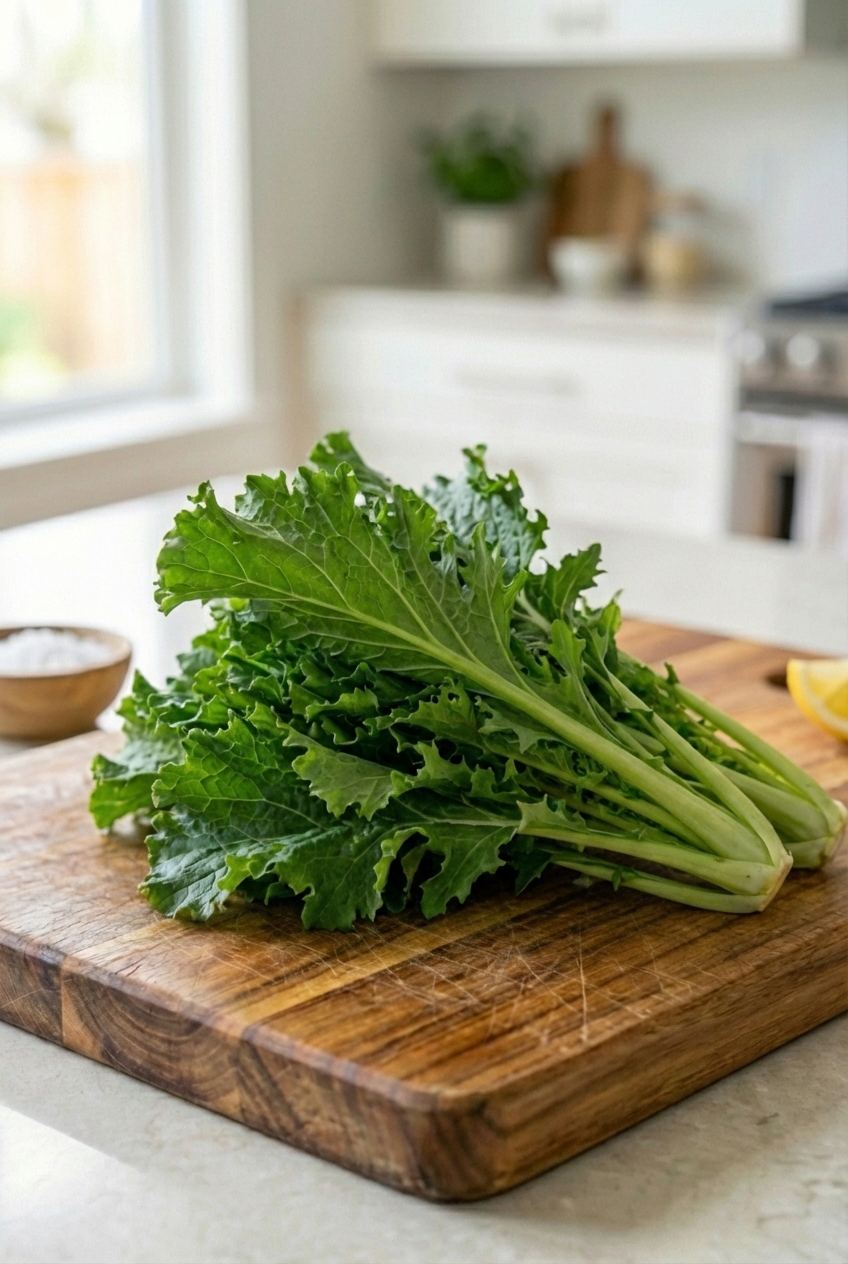
How to serve: Cooked and chopped. Why it helps: Provides leafy green nutrients. Caution: Peppery greens can be gassy for some dogs (see gassy veggies note above).
Napa cabbage
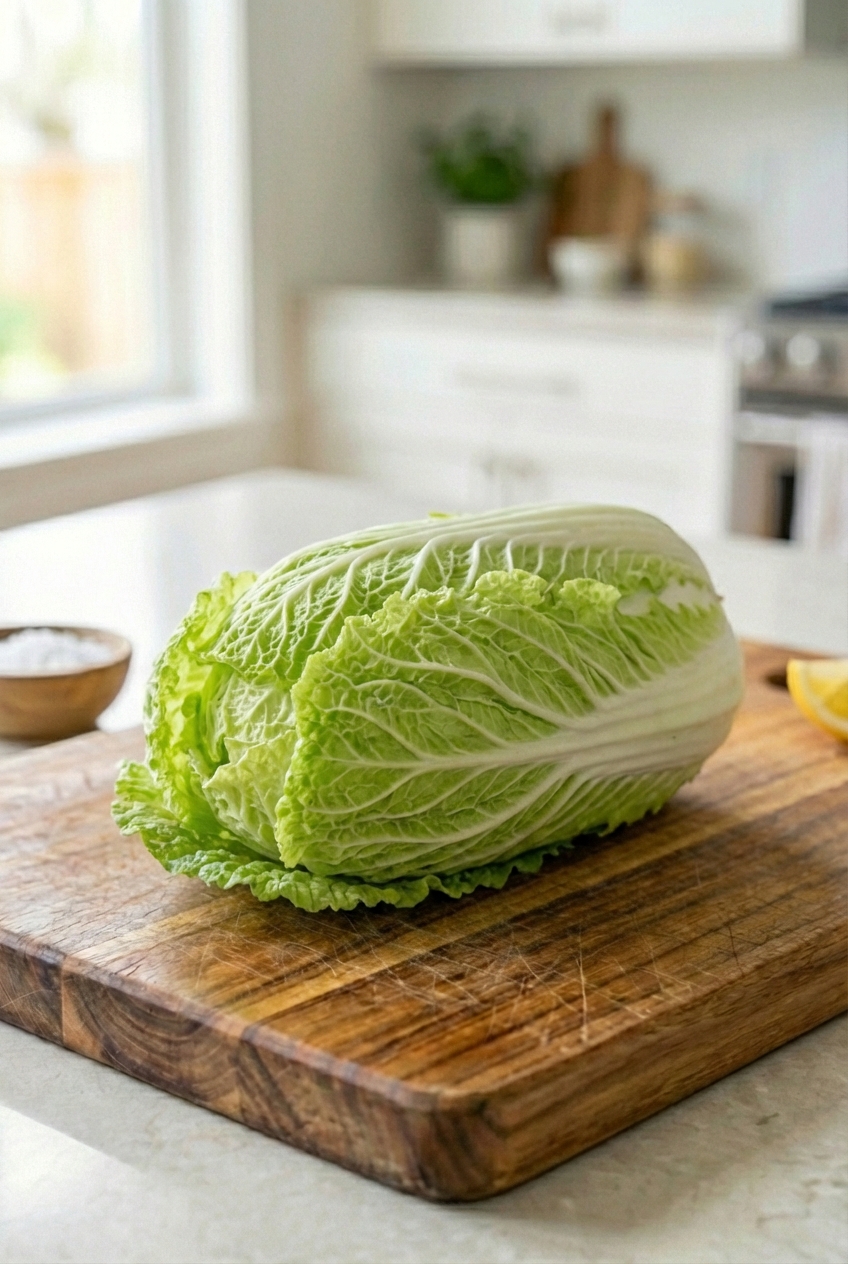
How to serve: Lightly cooked, chopped. Why it helps: Gentle fiber. Caution: Start small (see gassy veggies note above).
Okra
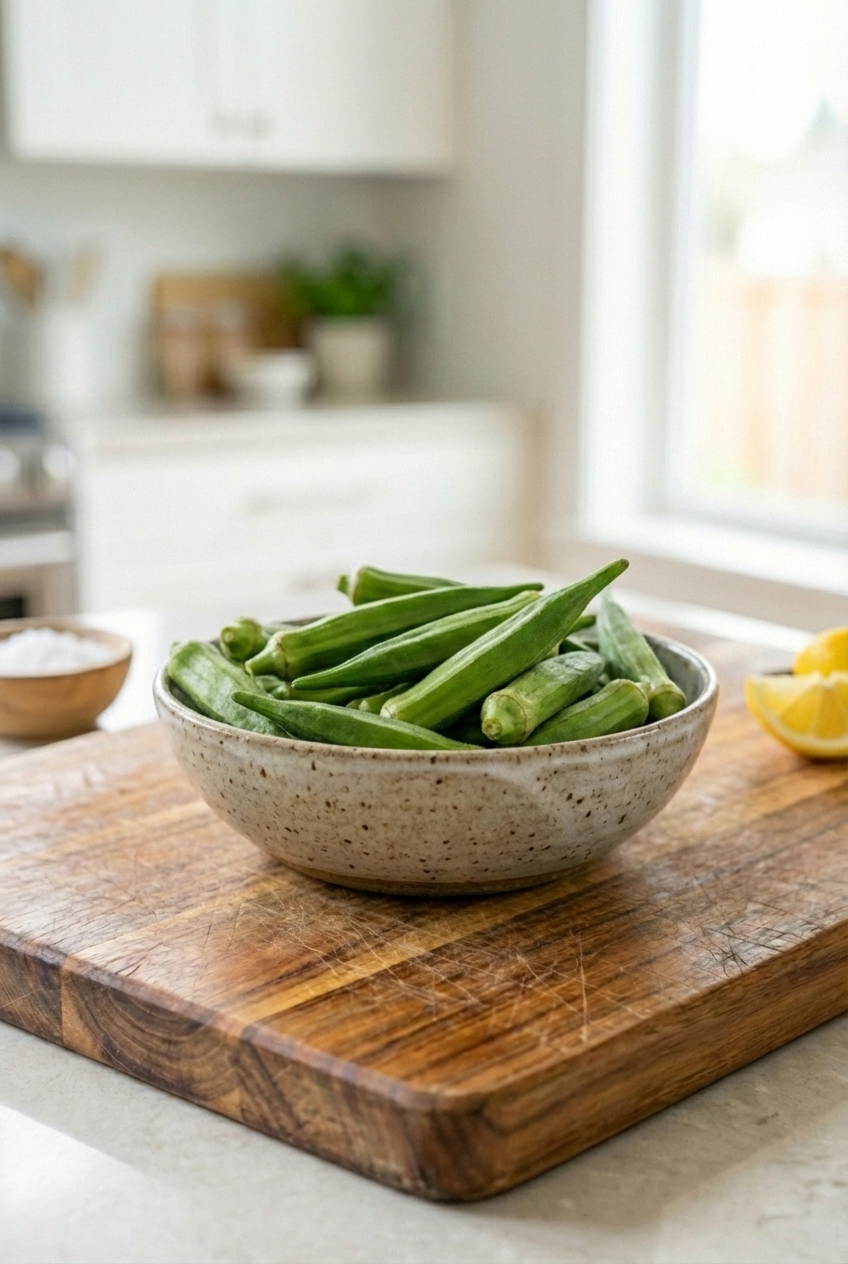
How to serve: Cooked, sliced. Why it helps: Adds fiber. Caution: The texture can be slimy, so some dogs refuse it.
Olives (often treated like a vegetable)
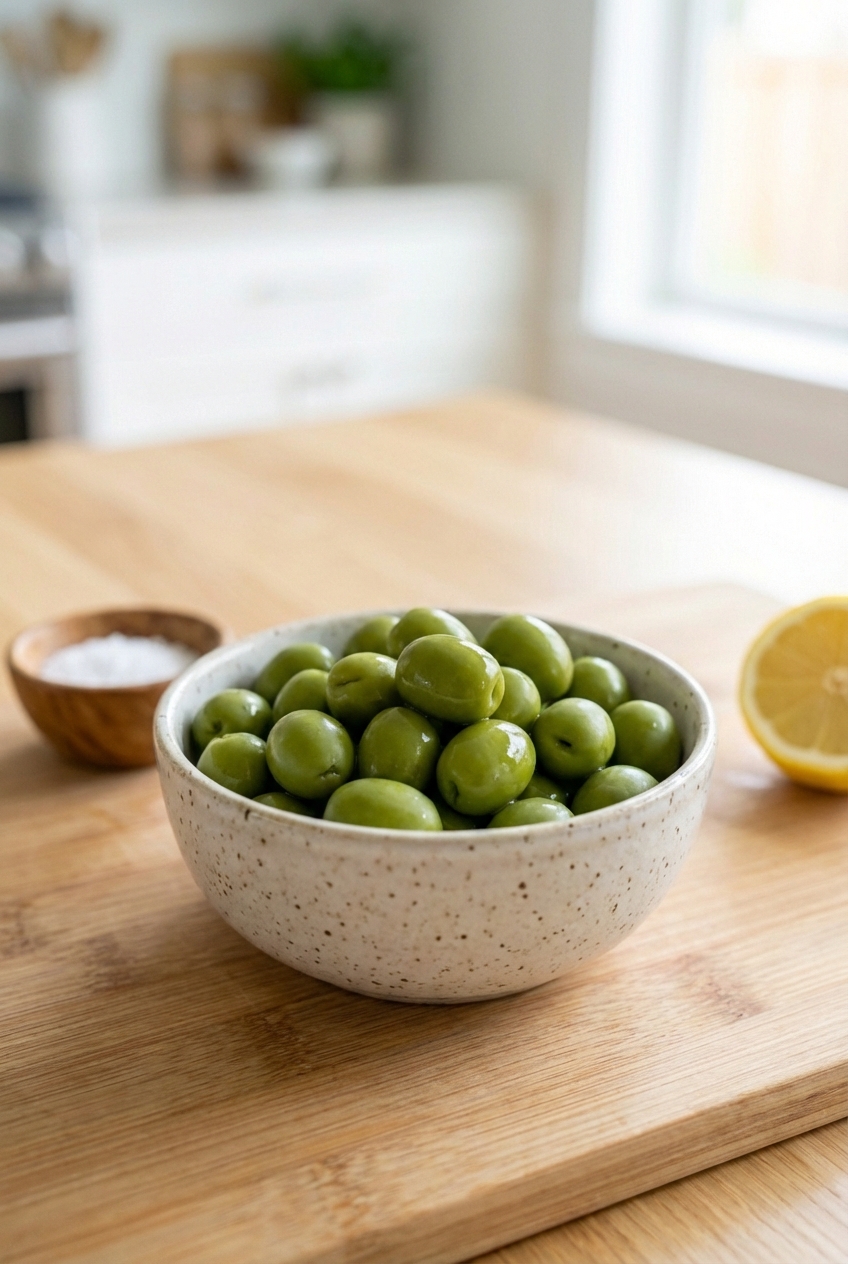
How to serve: A small piece occasionally, pitted. Why it helps: Adds flavor in tiny amounts. Caution: Most olives are salty, avoid frequent feeding.
Parsnip
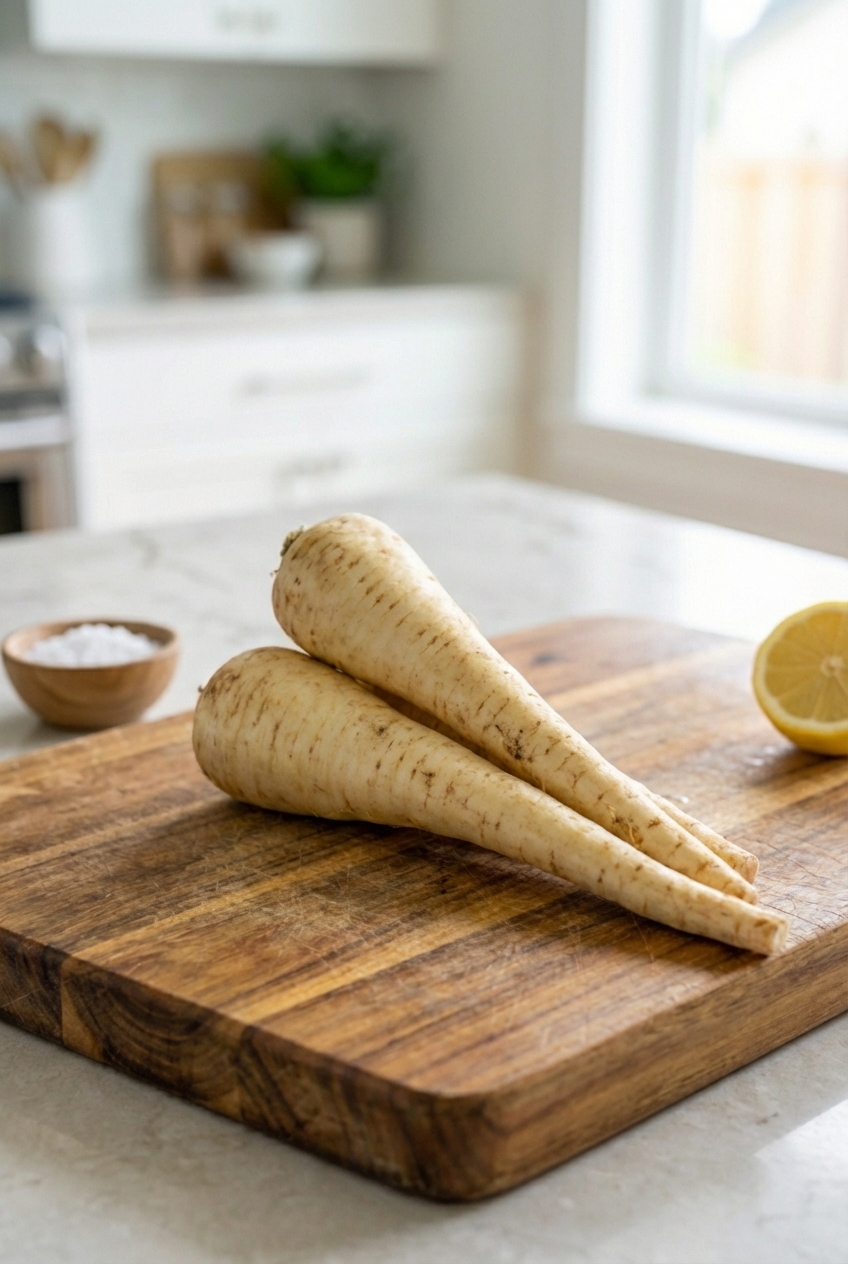
How to serve: Roasted or steamed, mashed or diced. Why it helps: Provides fiber and minerals. Caution: Slightly sweet, keep portions reasonable.
Peas (green peas)
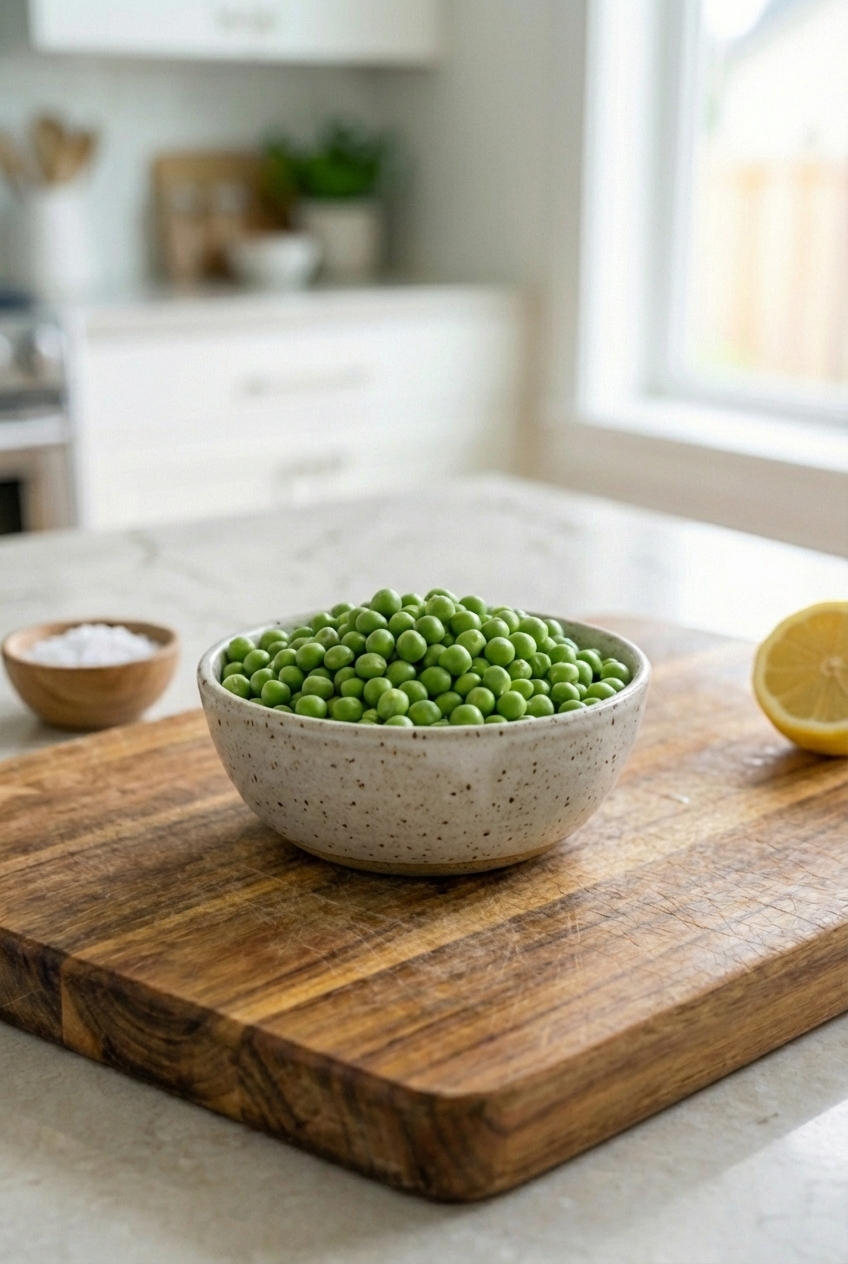
How to serve: Cooked or thawed frozen peas. Why it helps: Provides fiber and plant protein. Caution: For some dogs, legumes cause gas. Keep it modest.
Pea shoots
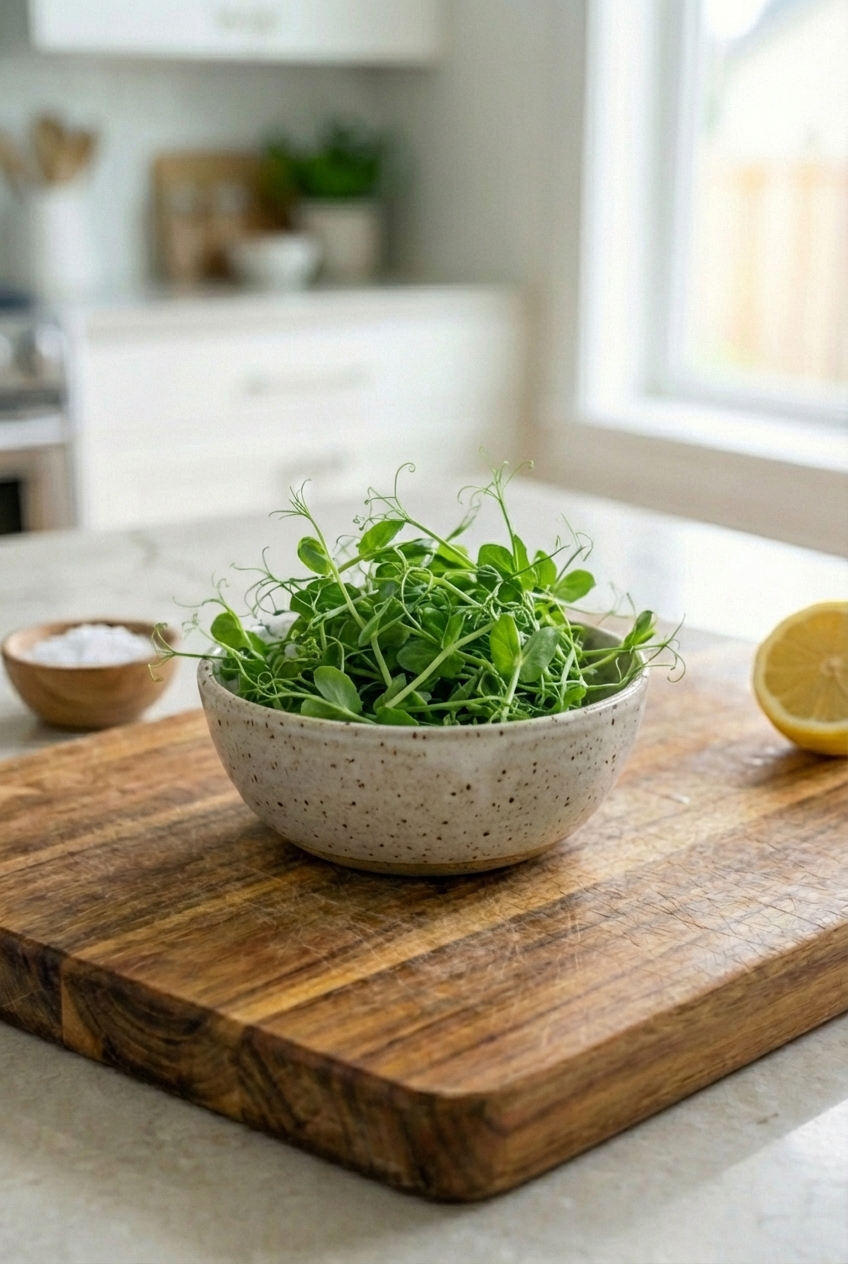
How to serve: A few washed shoots, chopped. Why it helps: Adds fresh greens. Caution: Best as a small topper.
Plantain (starchy, used like a vegetable)
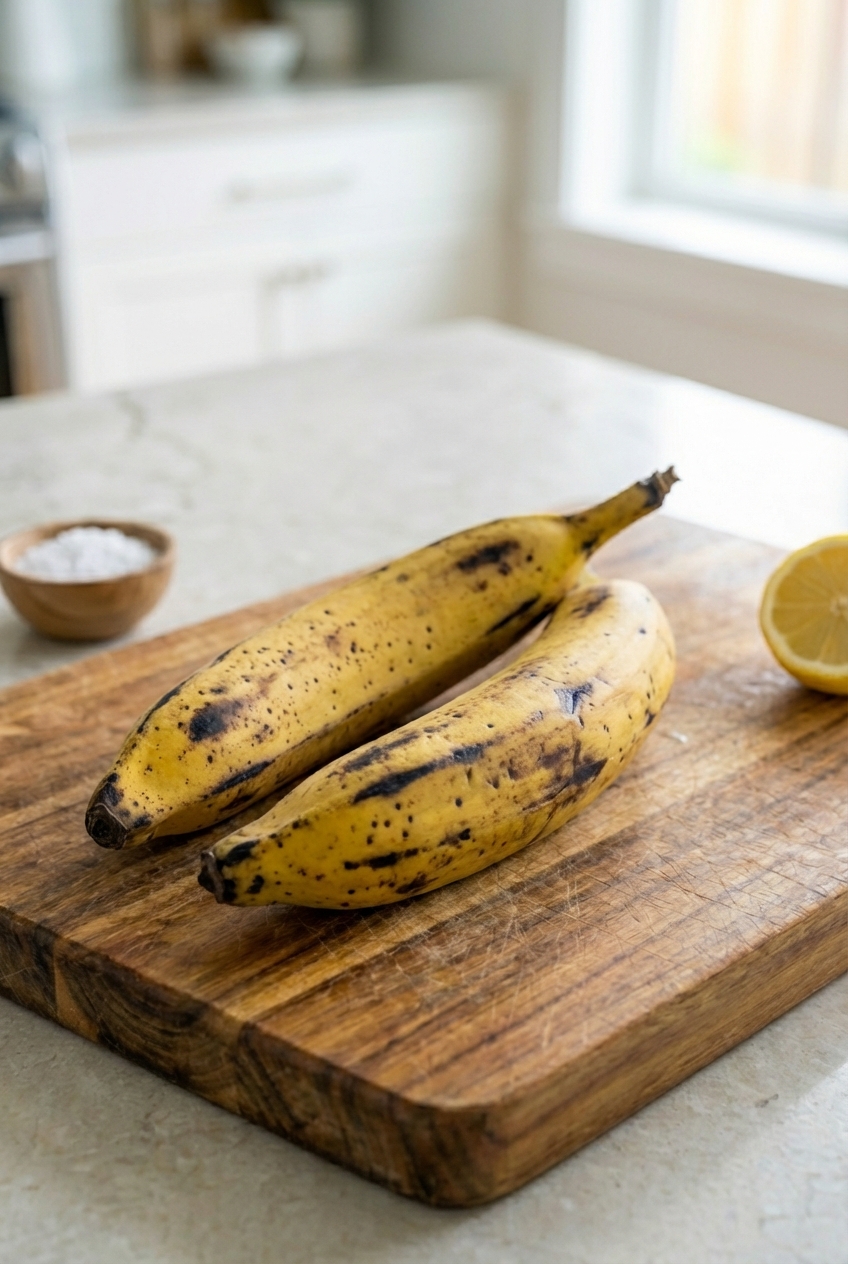
How to serve: Cooked, plain slices. Why it helps: Adds carbohydrates for active dogs. Caution: Calorie-dense, not ideal for weight loss plans.
Potato (white)
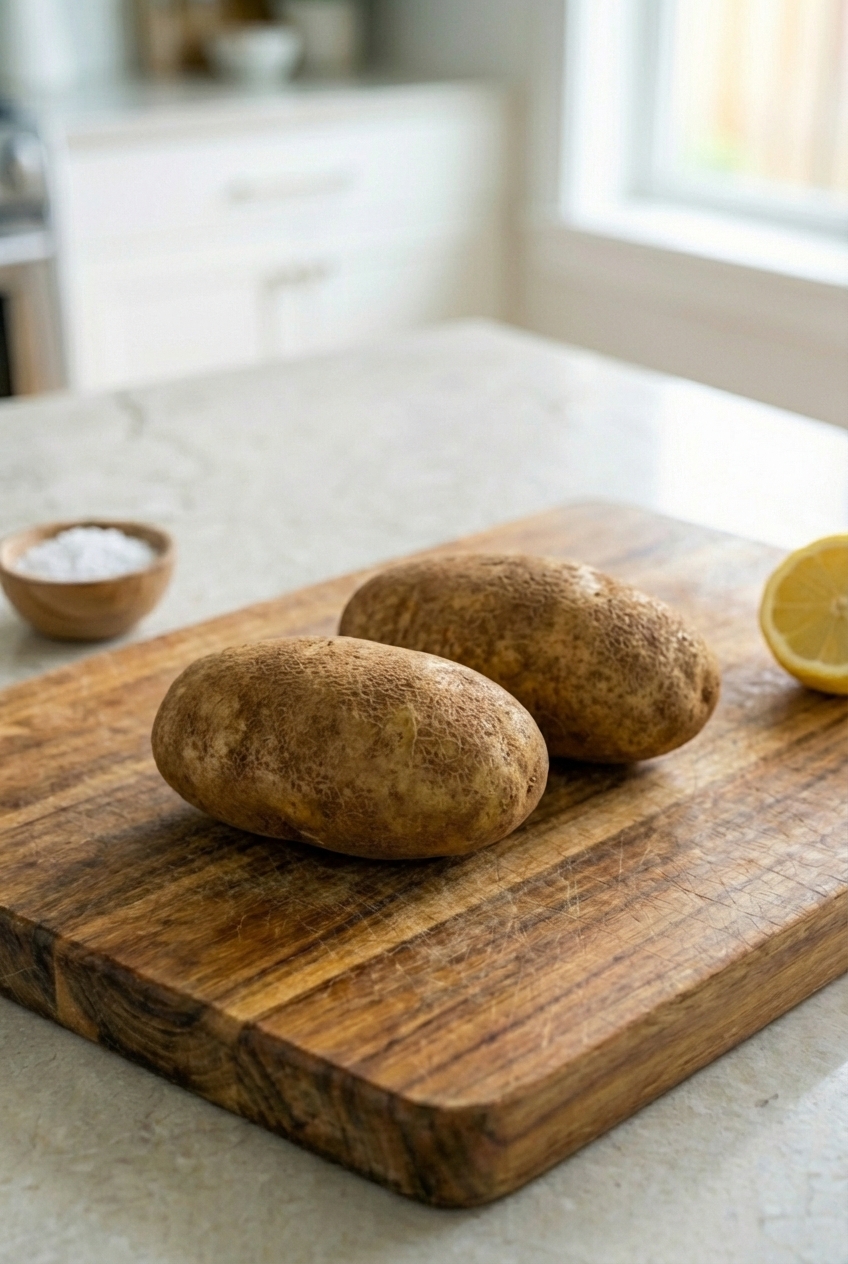
How to serve: Fully cooked, plain, no green skin. Why it helps: A simple starch some dogs tolerate well. Caution: Never feed raw potato. Avoid skins if your dog has a sensitive stomach.
Pumpkin
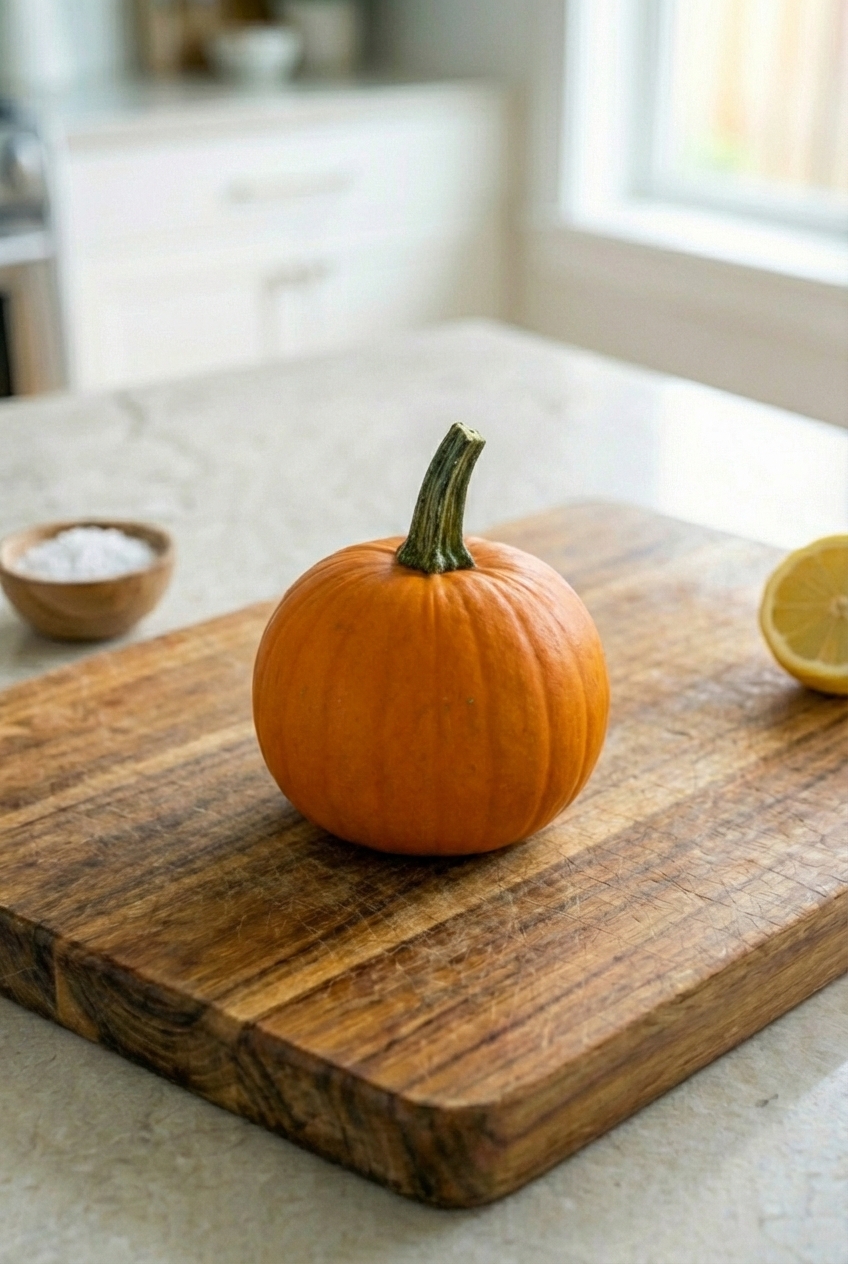
How to serve: Plain cooked pumpkin or plain canned pumpkin. Why it helps: Provides fiber for many dogs. Caution: Avoid pumpkin pie filling.
Radish (red)
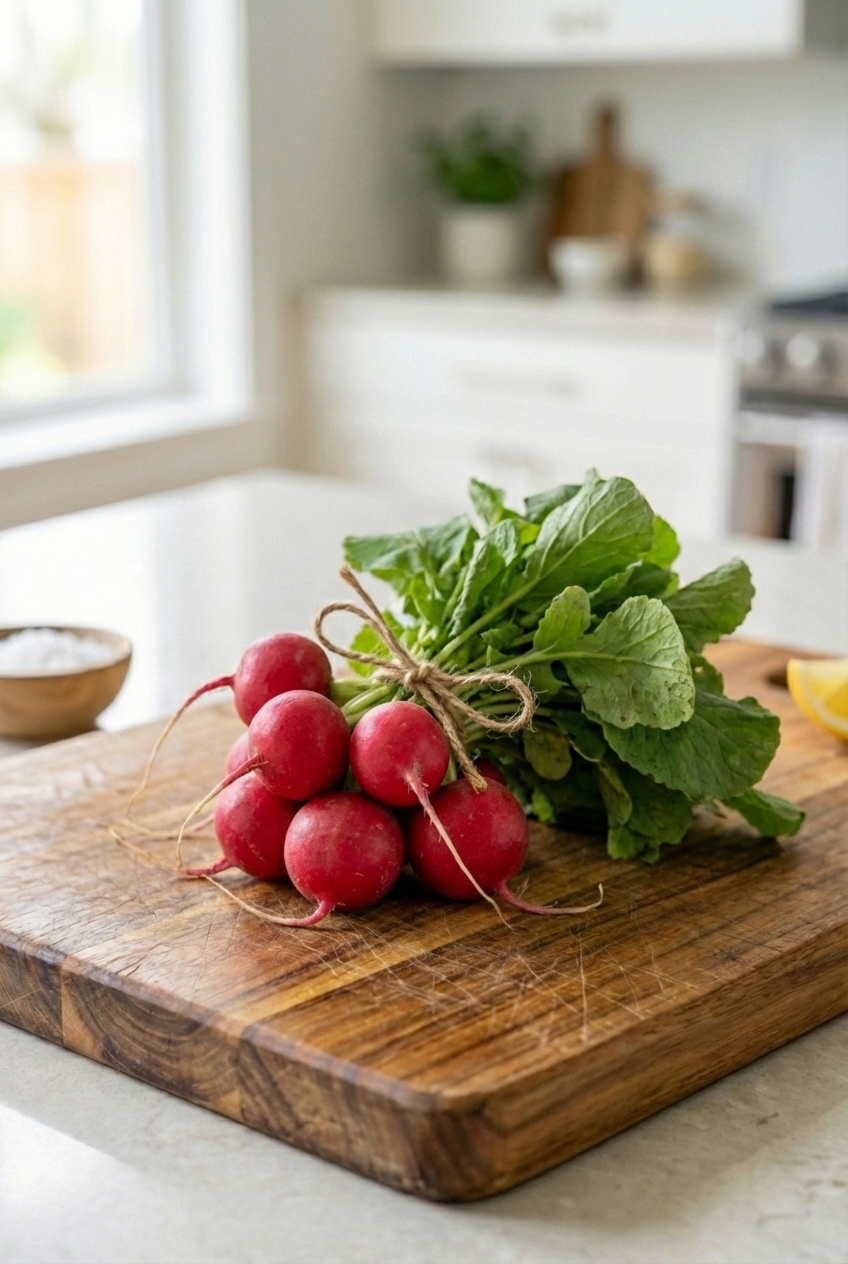
How to serve: Thin slices, small amounts. Why it helps: Adds crunch and variety. Caution: Spicy bite can be too strong for some dogs.
Rutabaga
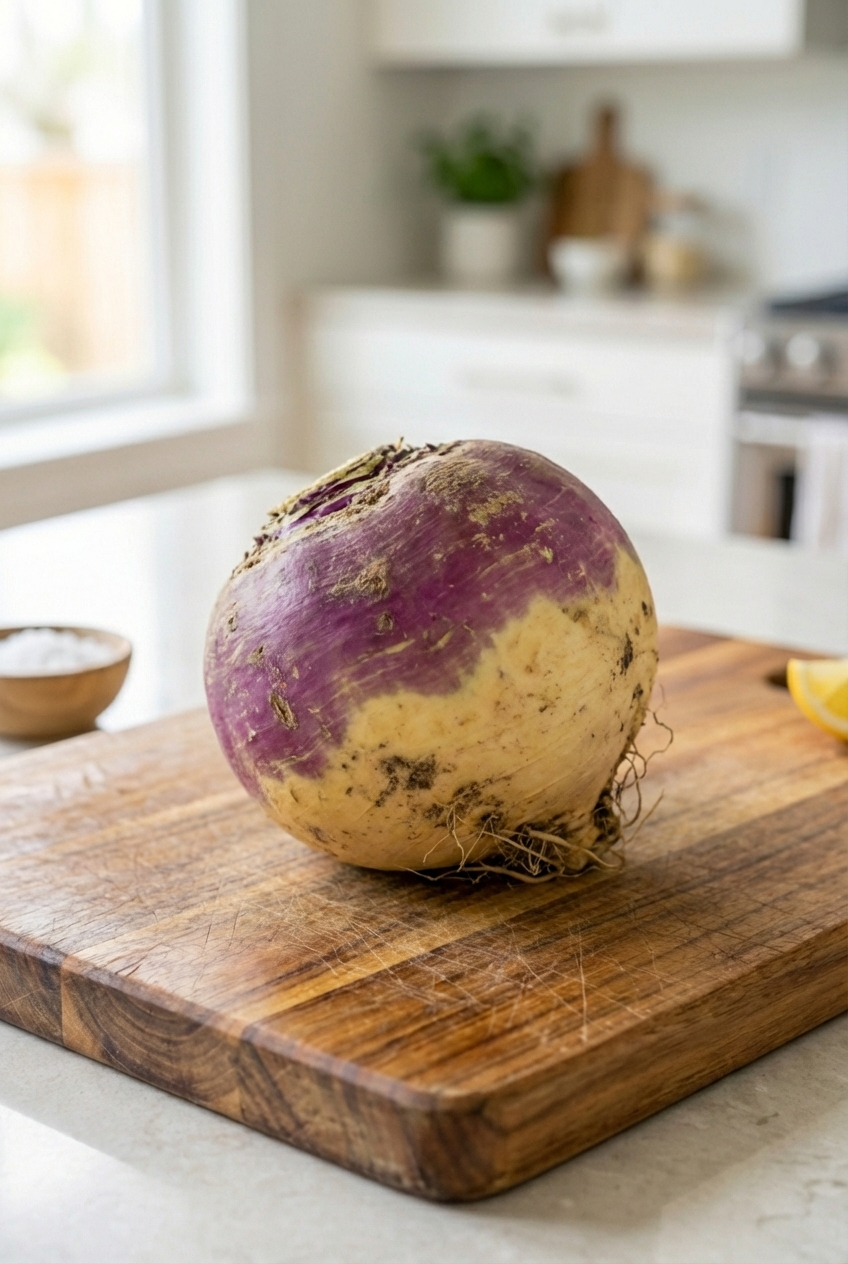
How to serve: Cooked and mashed. Why it helps: Provides fiber and vitamin C. Caution: Introduce slowly.
Seaweed (plain nori)
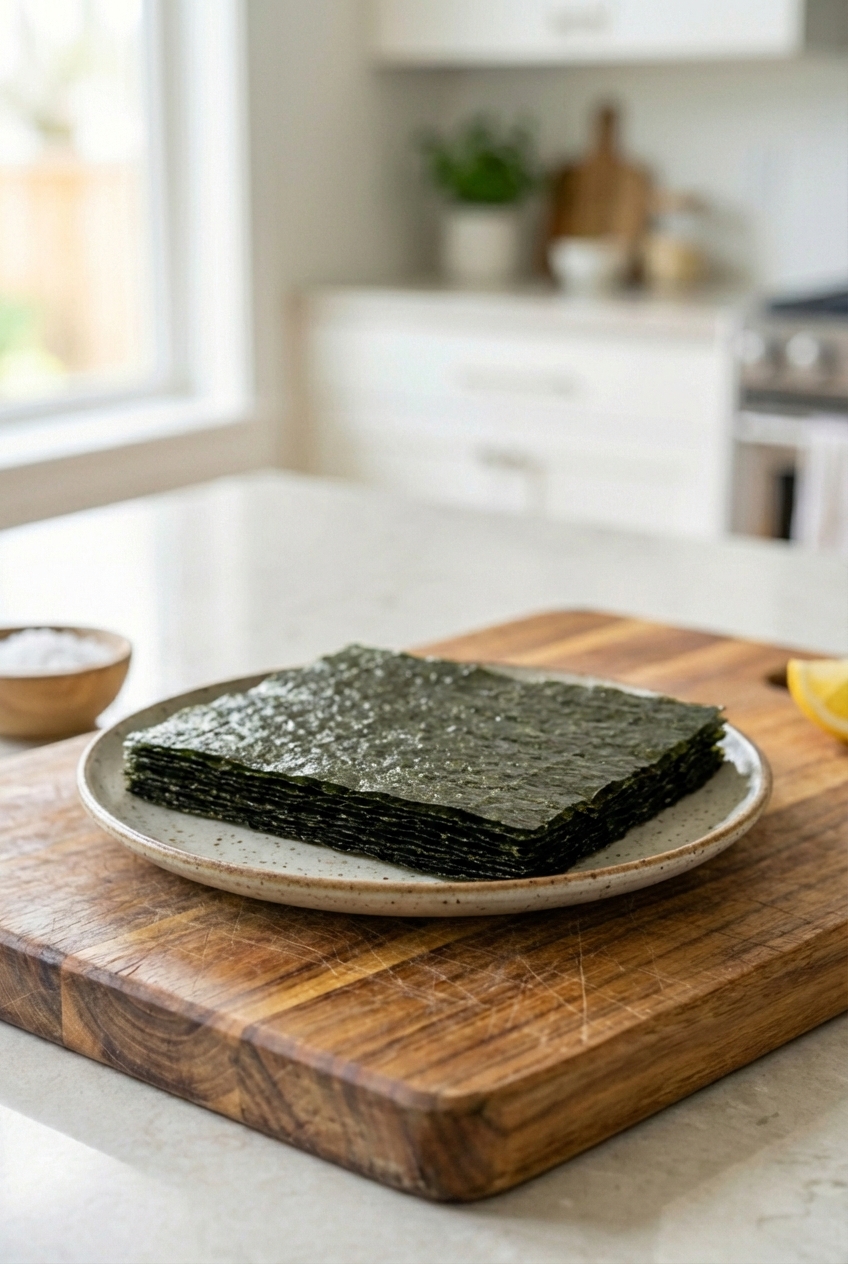
How to serve: Tiny plain pieces as a topper. Why it helps: Provides trace minerals. Caution: Use sparingly. Avoid seasoned snack sheets and kelp products, which can be high in salt or iodine. Many flavored seaweed snacks also contain onion or garlic powders.
Snap peas
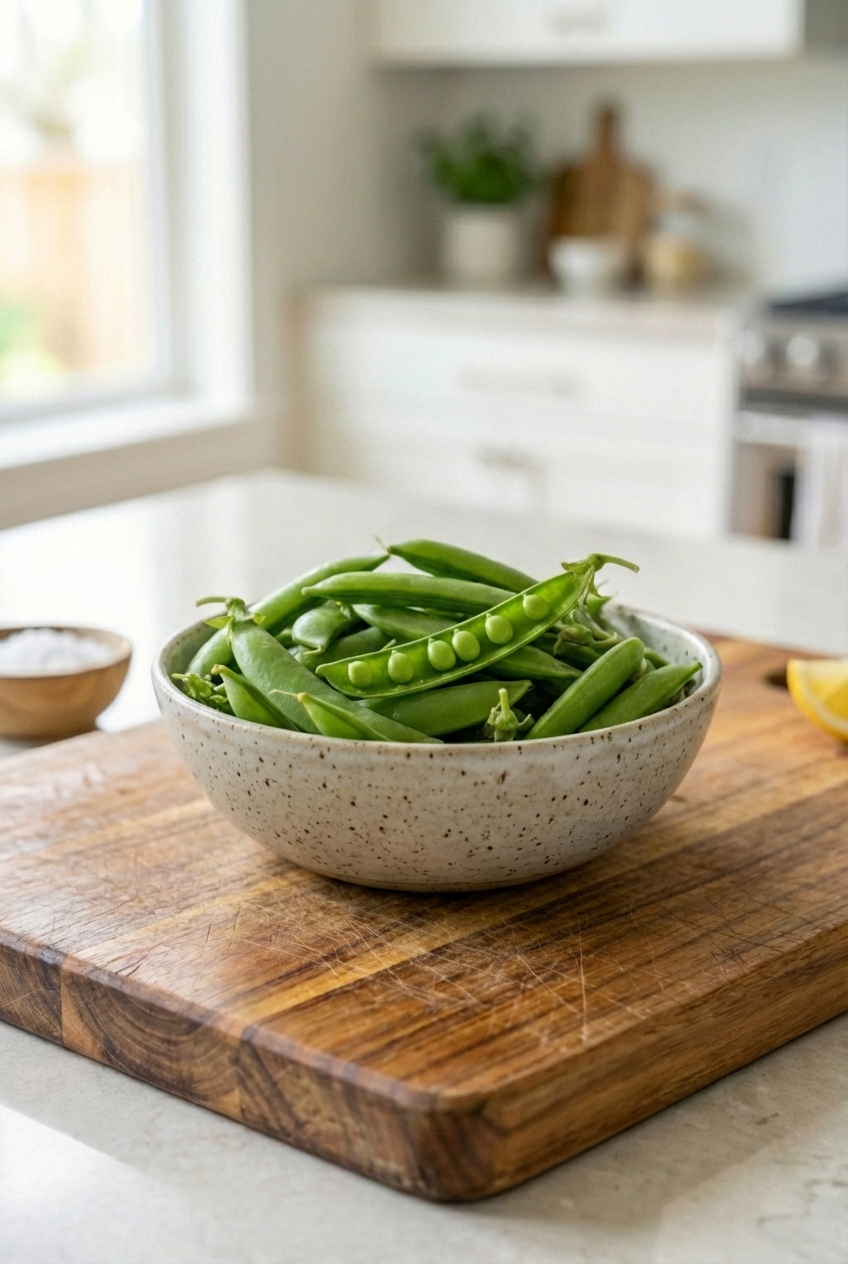
How to serve: Raw or lightly steamed, cut into smaller pieces. Why it helps: Crunchy fiber. Caution: Pods can be stringy, slice for small dogs.
Spaghetti squash
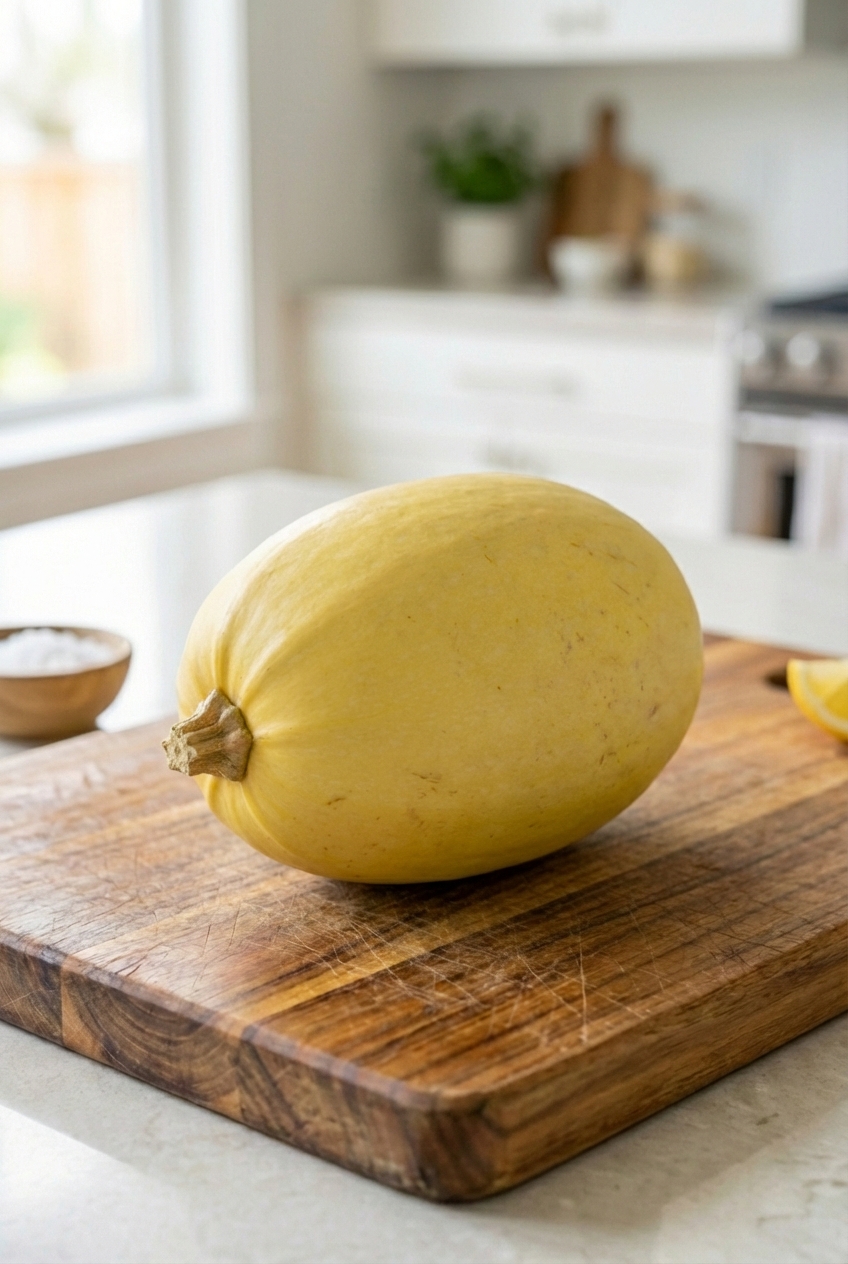
How to serve: Cooked strands, chopped and mixed into food. Why it helps: Light fiber and variety. Caution: Serve plain, no butter or seasoning.
Spinach
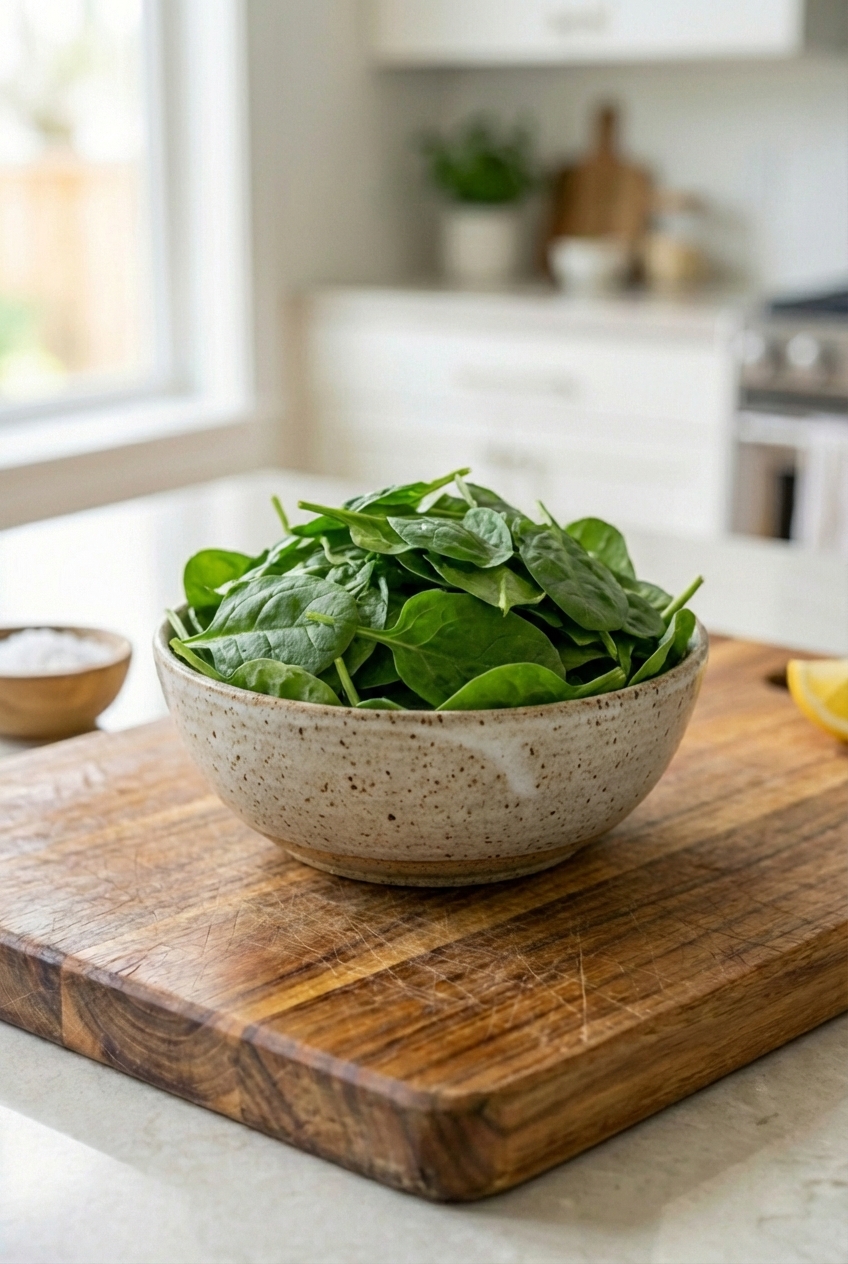
How to serve: Lightly cooked and chopped. Why it helps: Provides vitamins A, C, and K. Caution: Higher in oxalates, so keep portions modest, especially for dogs prone to certain urinary issues.
Sweet potato
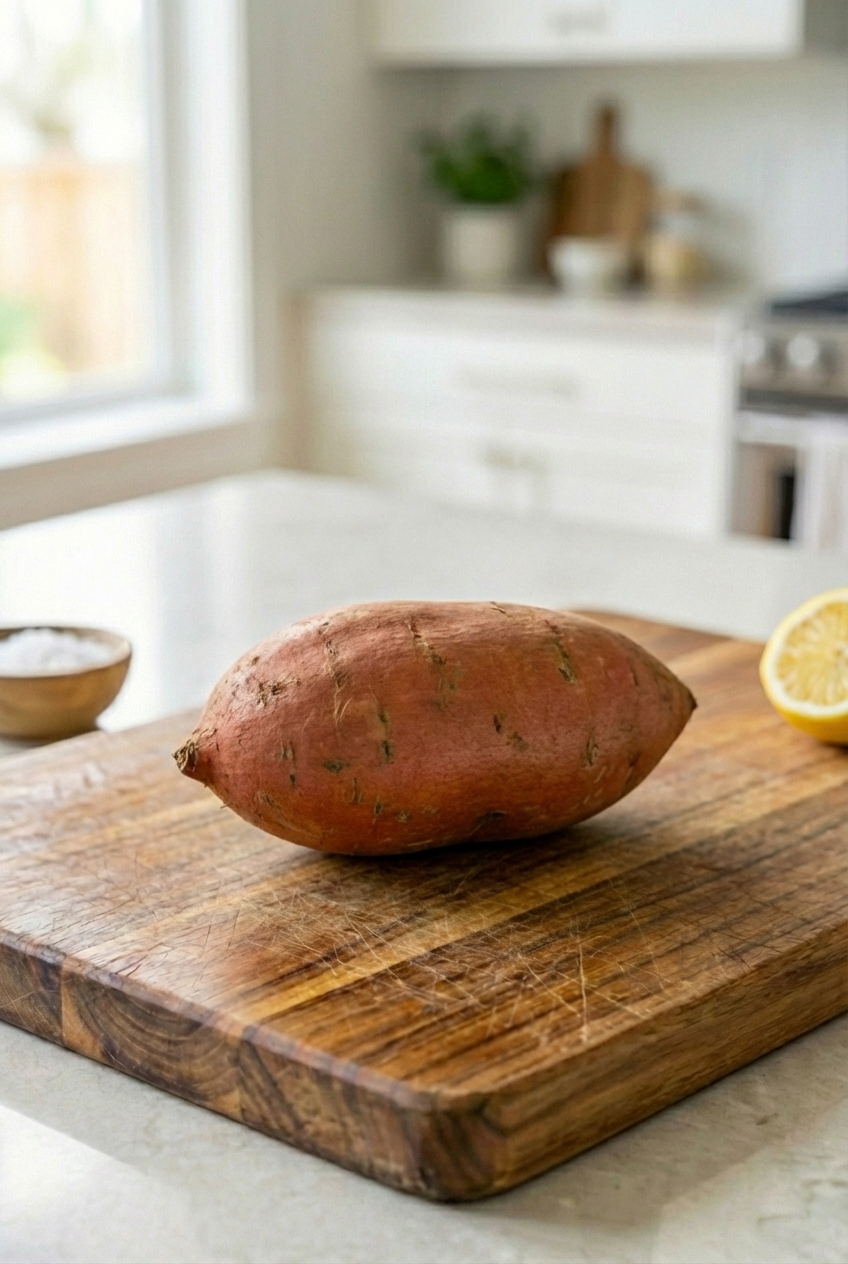
How to serve: Baked or steamed, mashed. Why it helps: Provides beta-carotene and fiber. Caution: Calorie-dense, so measure portions.
Swiss chard
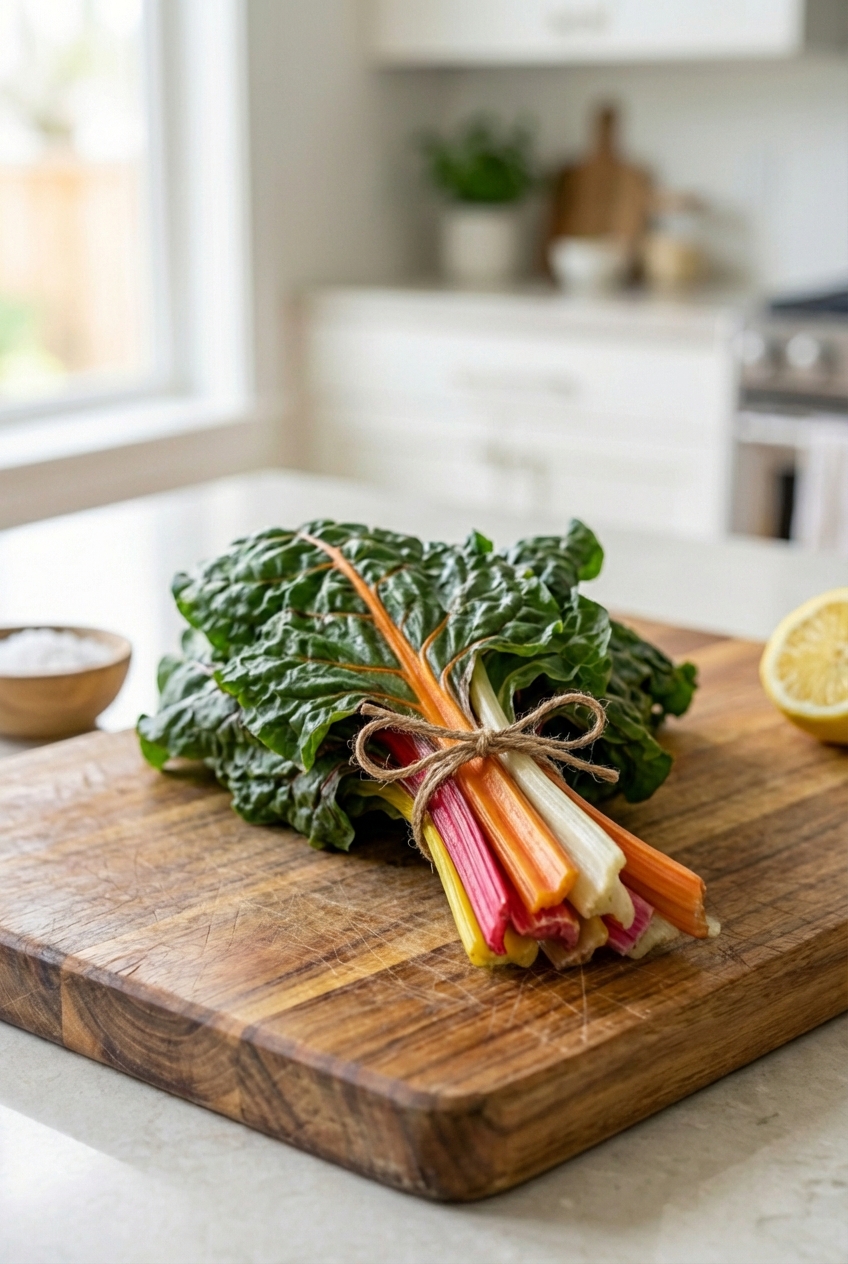
How to serve: Cooked and chopped. Why it helps: Provides minerals and antioxidants. Caution: Like spinach, use modest portions due to oxalates.
Tomato (ripe)
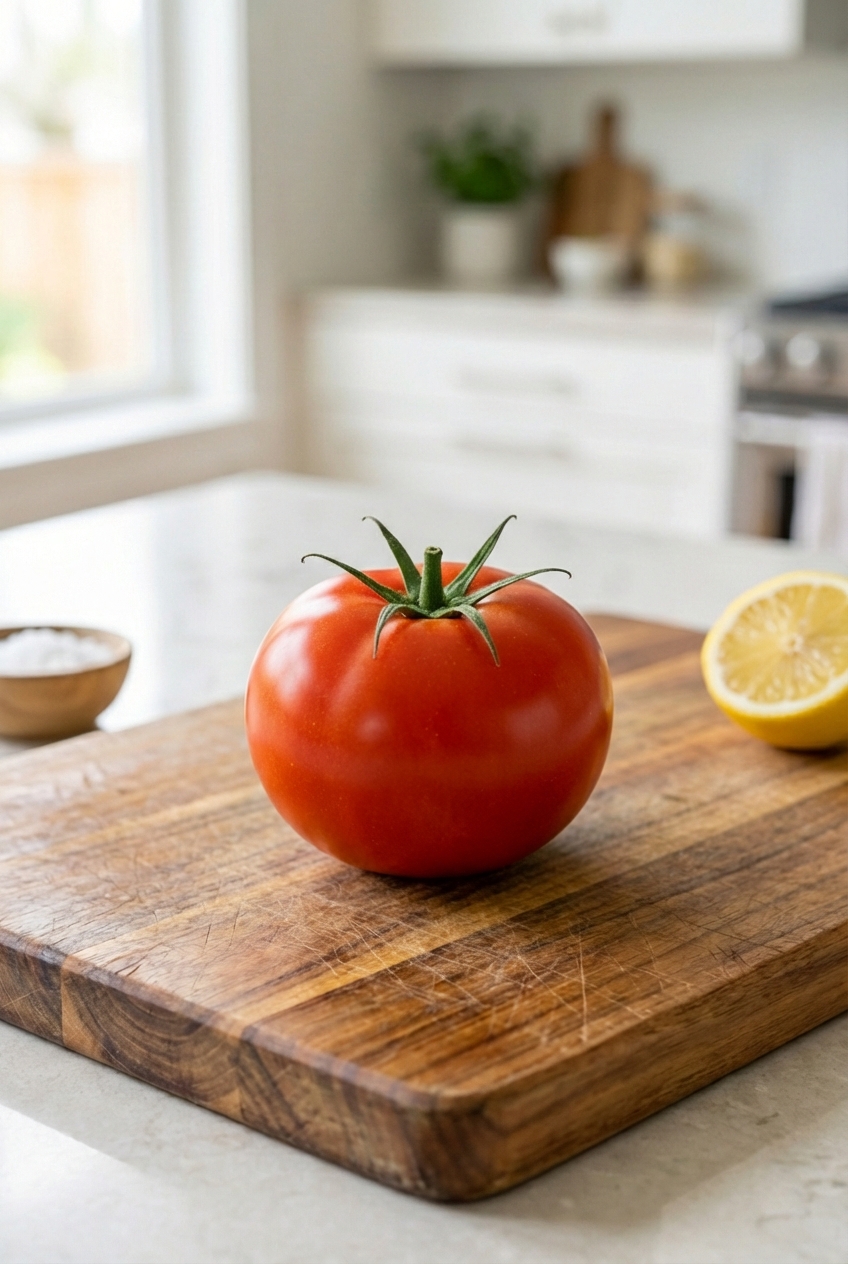
How to serve: Small amounts of ripe tomato flesh only. Why it helps: Provides antioxidants. Caution: Some dogs may tolerate ripe tomato in small amounts, but others get GI upset. Avoid all green parts of the plant (stems and leaves) and avoid unripe green tomatoes.
Turnip
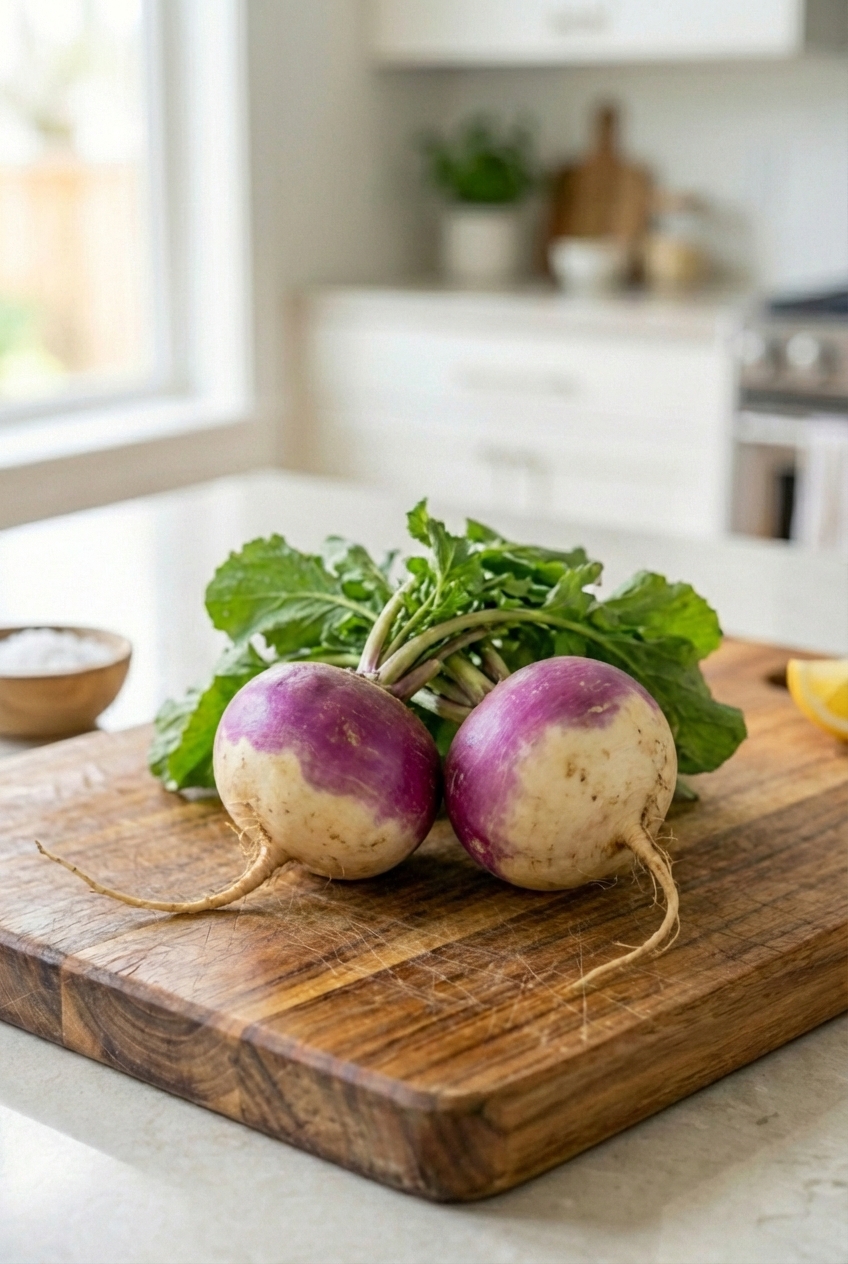
How to serve: Cooked, diced or mashed. Why it helps: Adds fiber. Caution: Introduce slowly to reduce gas.
Watercress
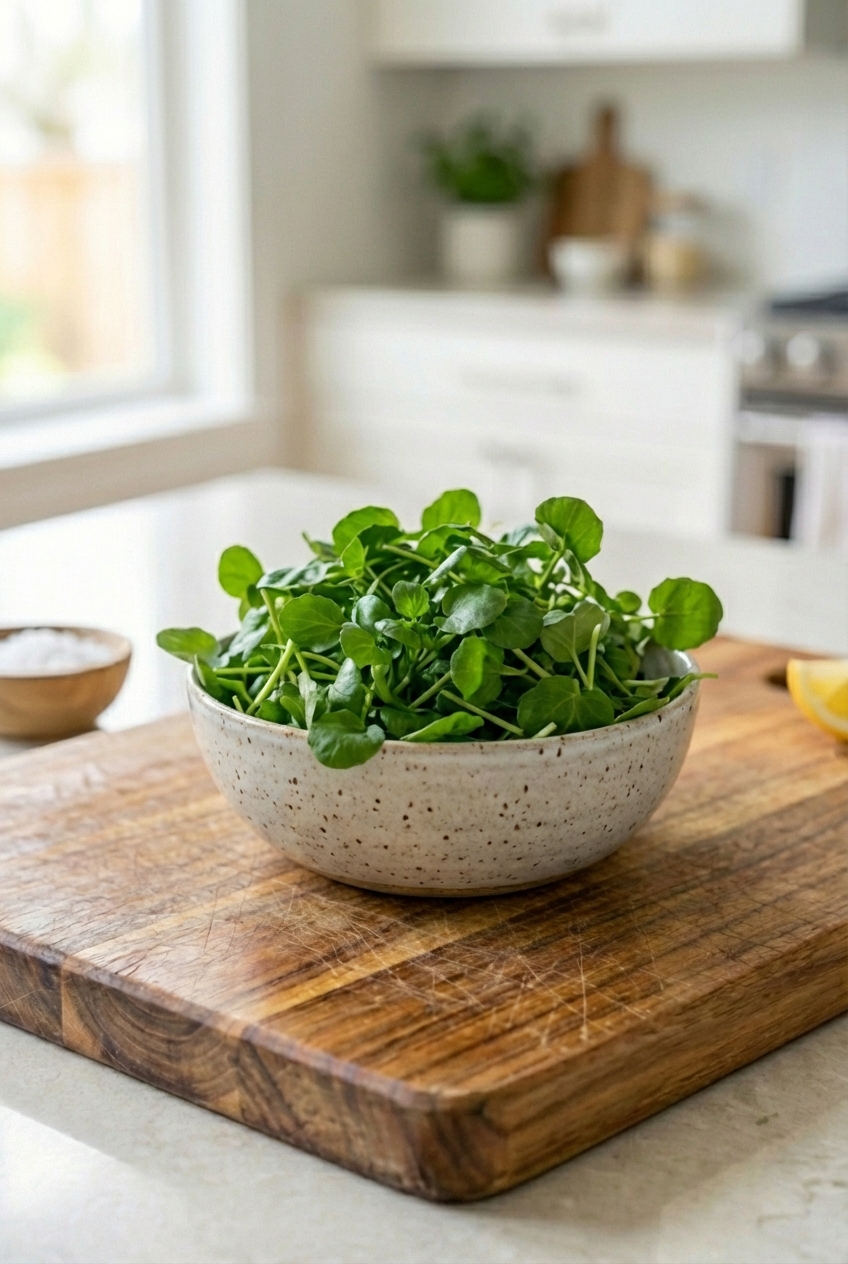
How to serve: Washed, chopped in small amounts. Why it helps: Nutrient-dense leafy green. Caution: Strong flavor, use as a topper.
Wax beans (yellow green beans)
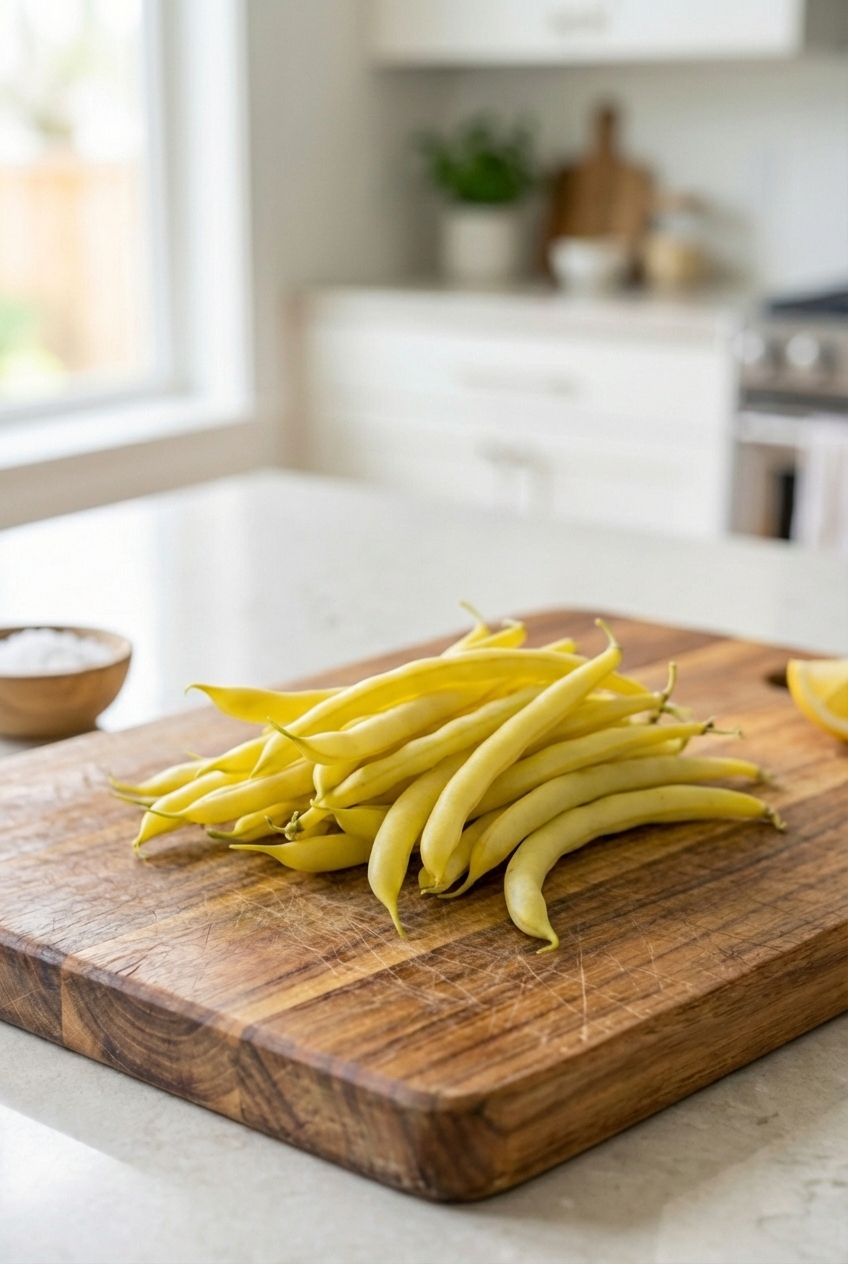
How to serve: Steamed and chopped. Why it helps: Adds fiber and variety. Caution: Avoid salted canned versions.
Zucchini
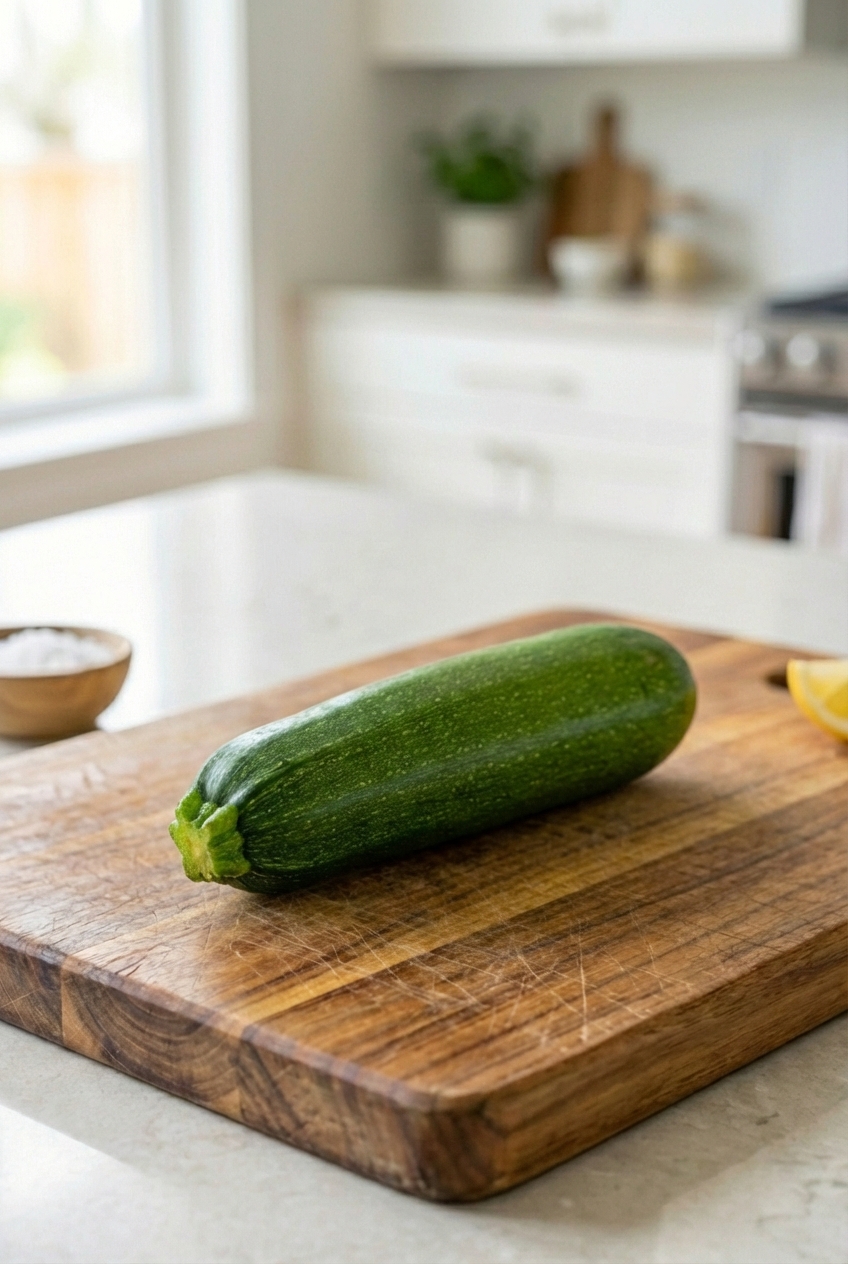
How to serve: Steamed or gently cooked in a nonstick pan with a splash of water (no salt), chopped. Why it helps: Provides hydration and fiber. Caution: Too much can loosen stools.
Proceed with caution
These are not everyday vegetables. Some owners use them in tiny culinary amounts, but they can also cause problems if overdone. When in doubt, skip them and choose a safer option from the list above.
Garlic
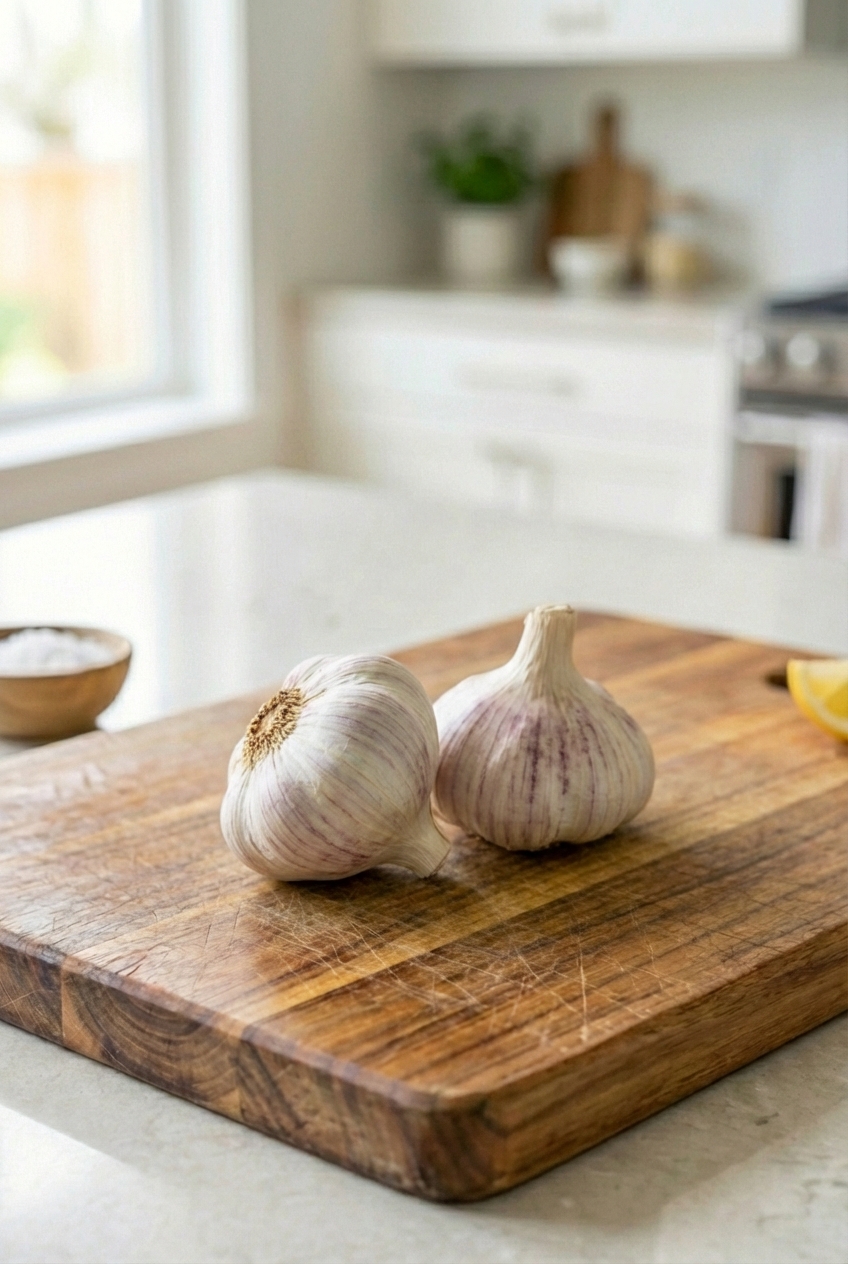
How to serve: For most households, the safest choice is to avoid. If used at all, it should only be in extremely small culinary amounts in a large batch of food, and only with your veterinarian’s guidance. Why it helps: Some people use garlic as a folk remedy, but evidence in dogs is limited. Caution: Garlic is an allium and can be harmful. Risk depends on dose, dog size, and form, and concentrated forms like garlic powder are higher risk.
Important clarity note: We list garlic here because it is common in human foods dogs get exposed to. It is not recommended as a supplement for most dogs.
Vegetables dogs should avoid
These are the big ones to keep on your personal “do not share” list. The most important category is alliums, which can damage red blood cells and lead to anemia.
Onion (all forms)
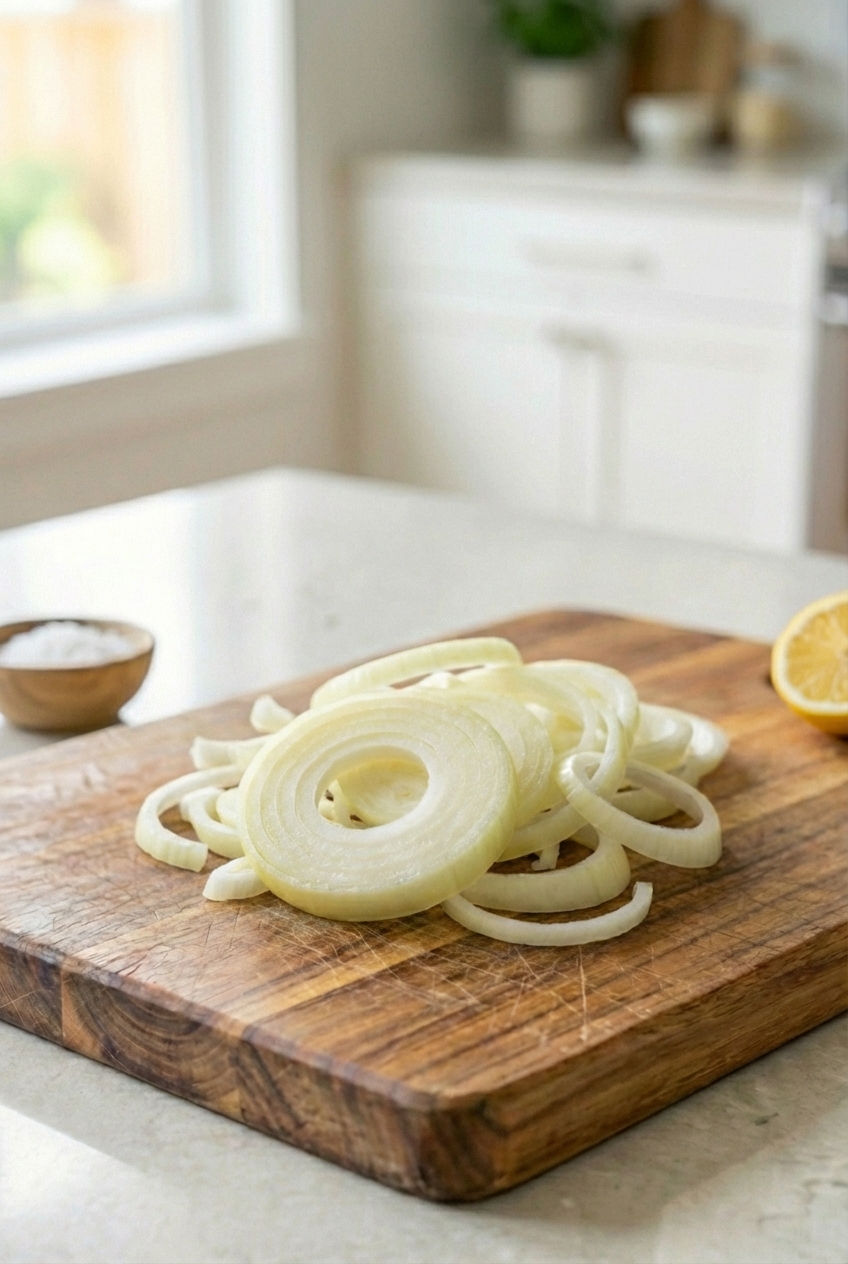
Avoid: Raw, cooked, powdered, fried, and in soups and gravies.
Green onions (scallions)
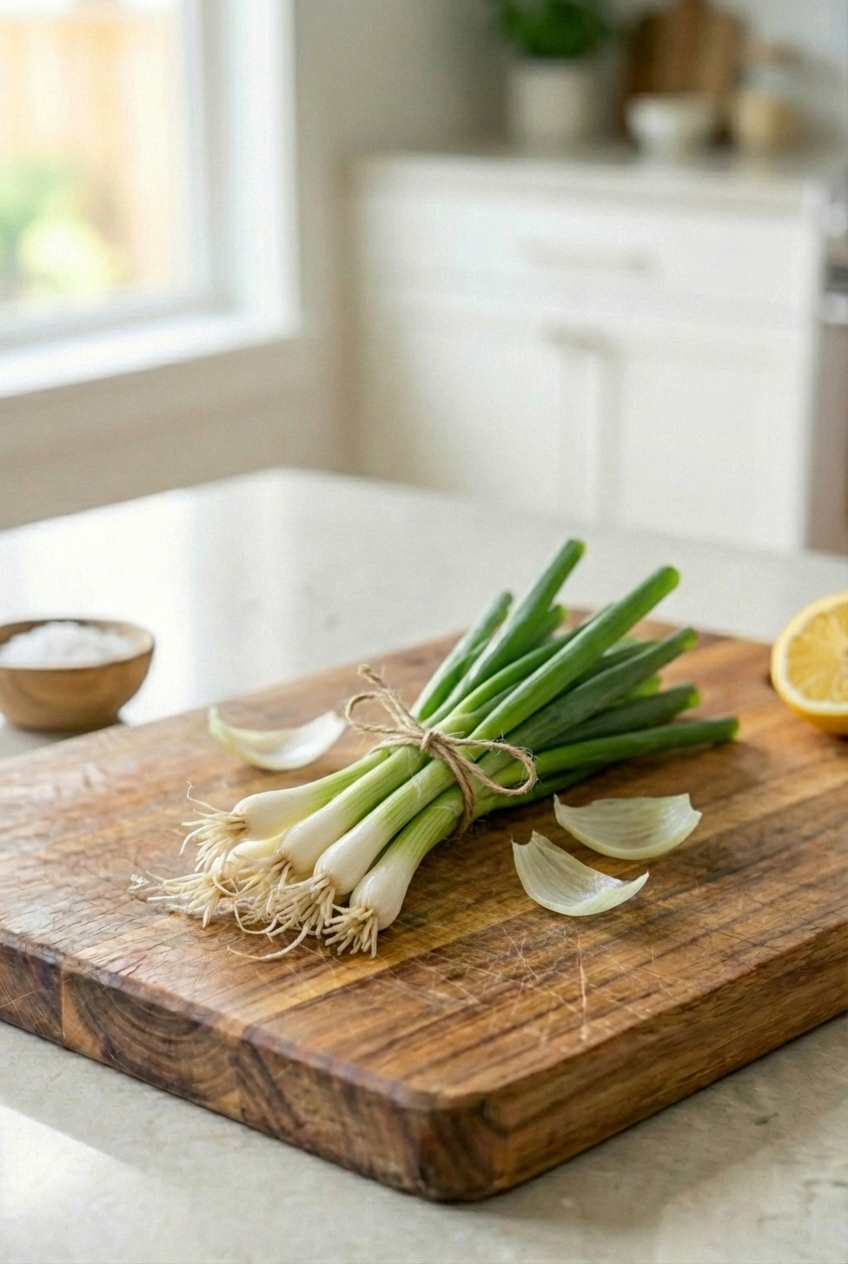
Avoid: Green tops and white bulbs. All parts are part of the allium family.
Leeks
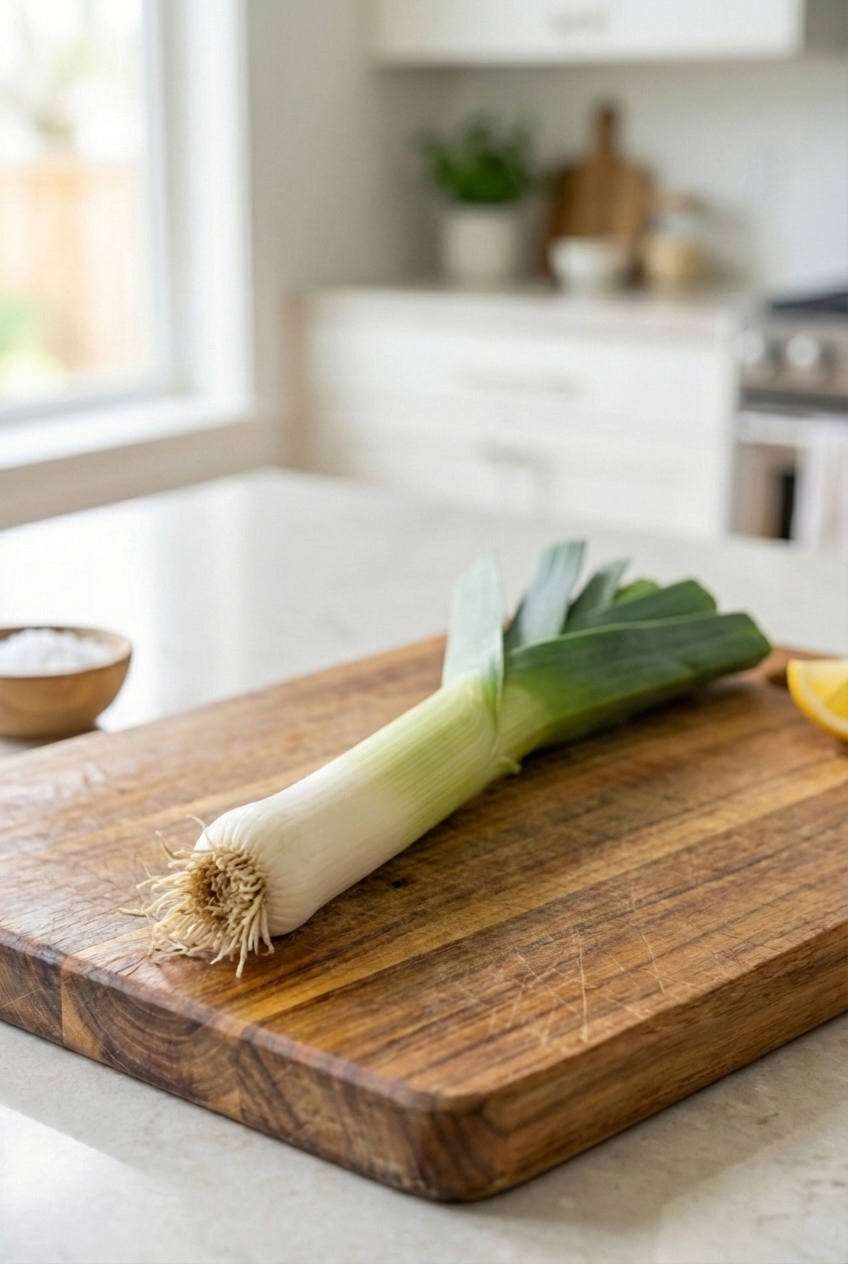
Avoid: All parts, raw or cooked.
Chives
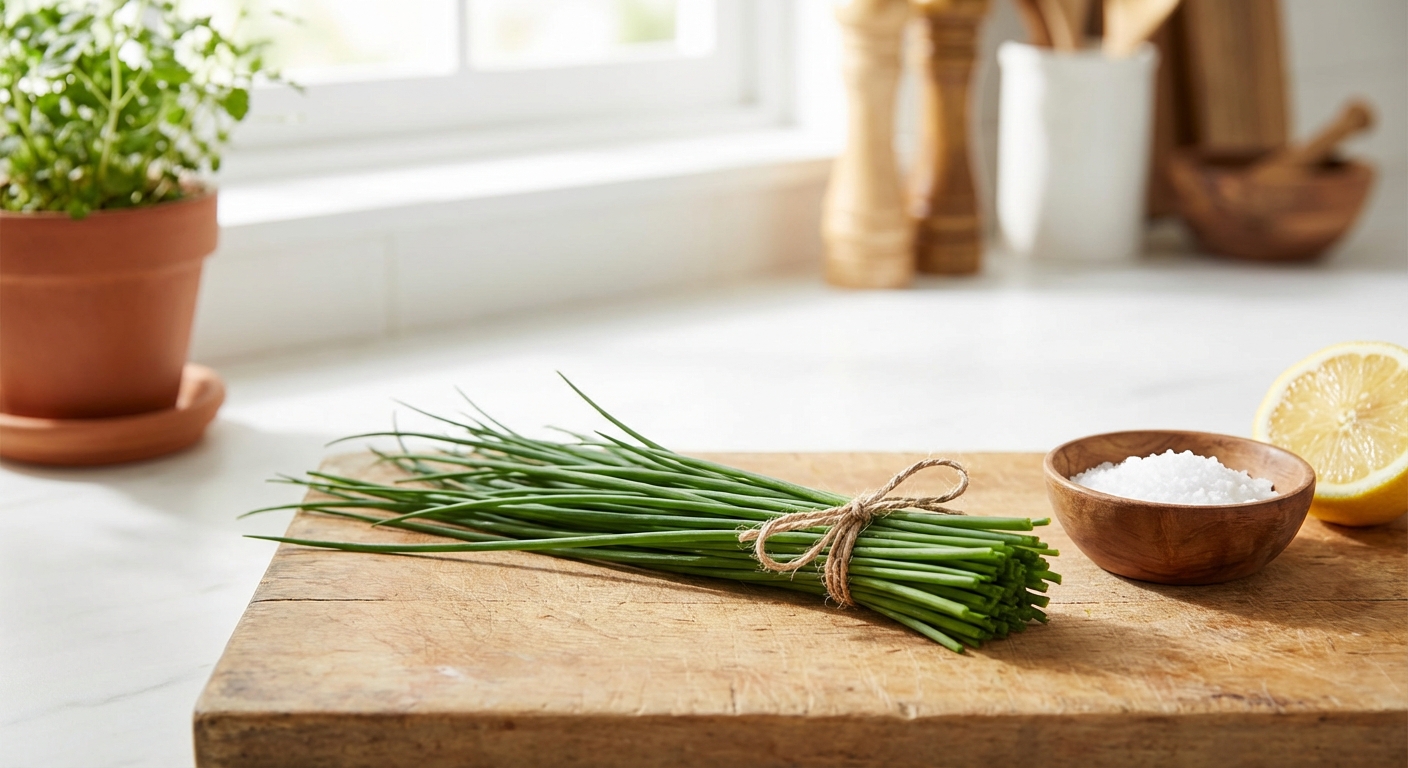
Avoid: Even small amounts can be risky.
Shallots
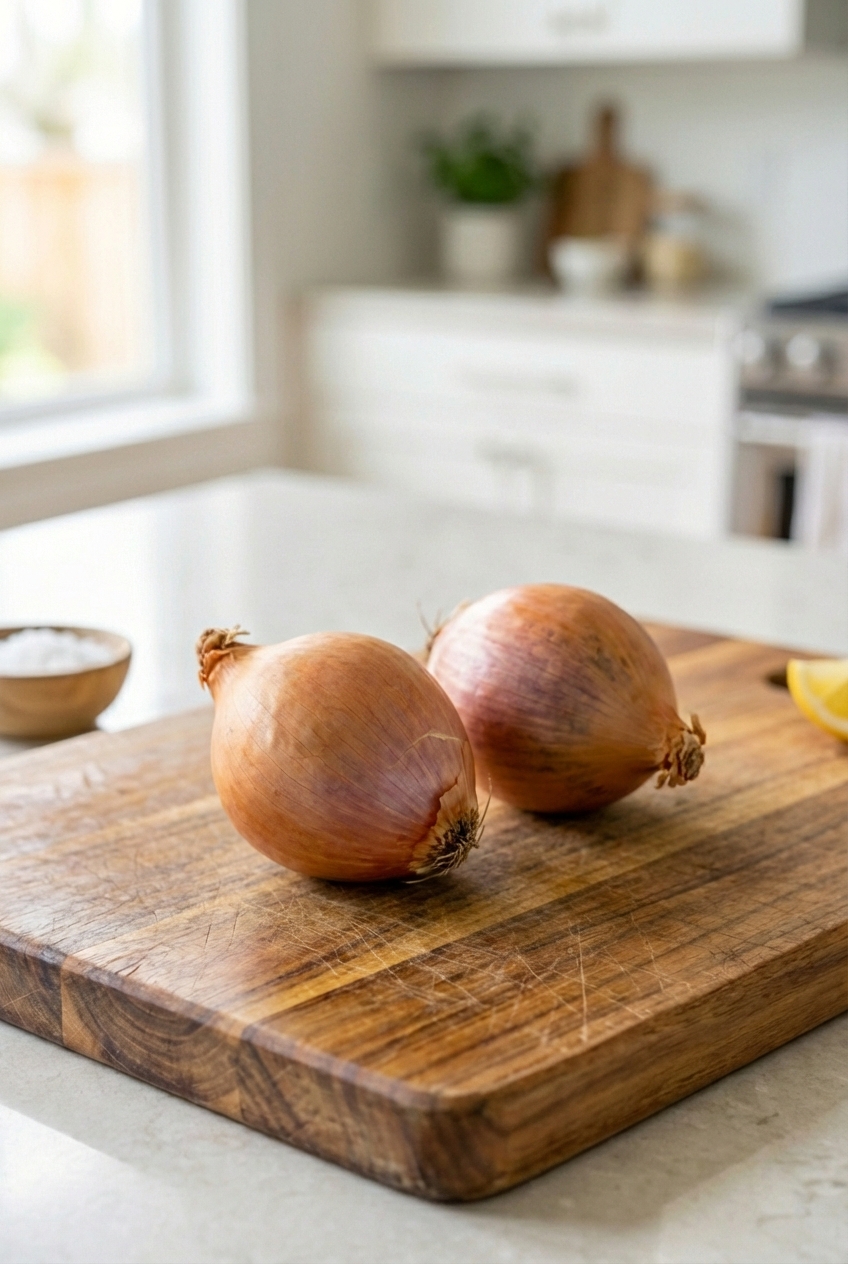
Avoid: Same allium risk as onions.
Garlic powder and garlic-heavy foods
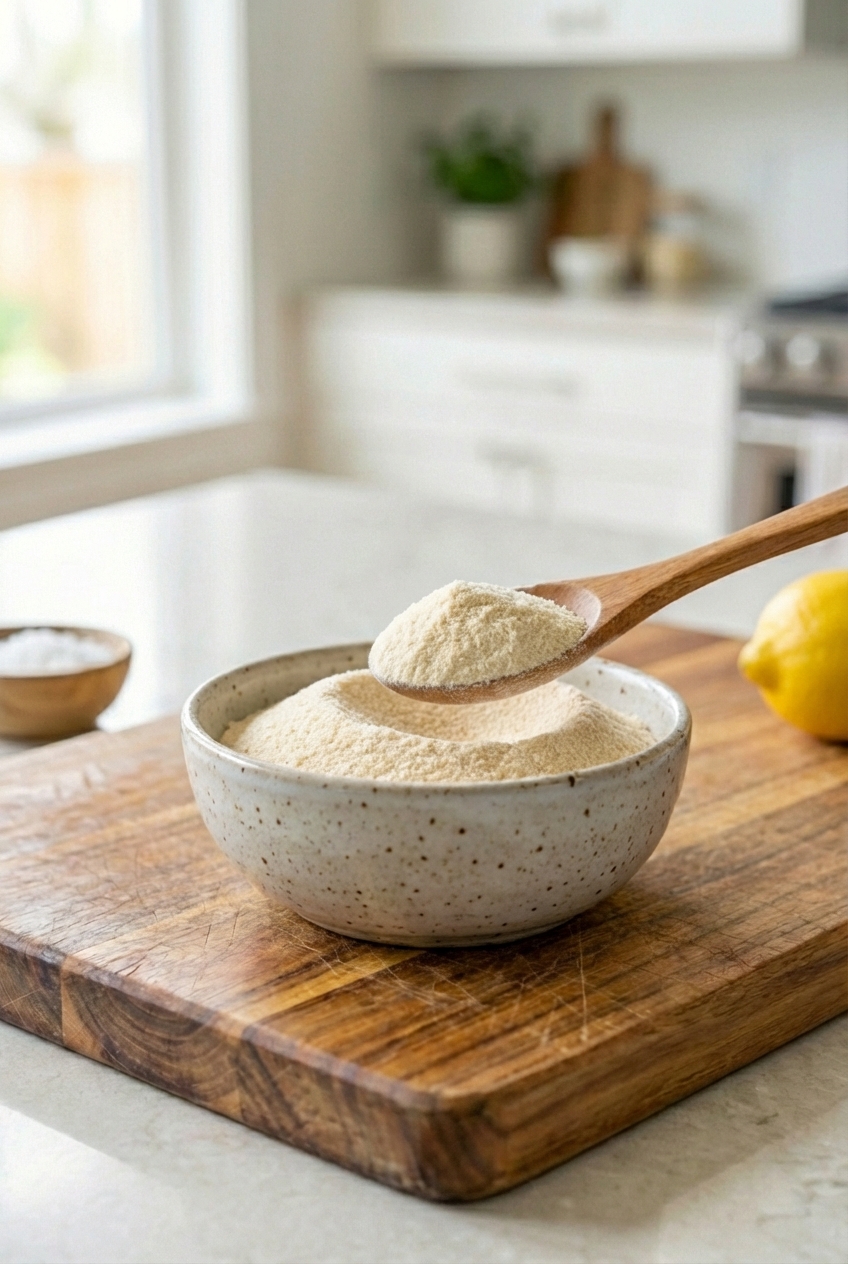
Avoid: Concentrated garlic (especially powders), supplements, and garlic-heavy dishes. If your dog gets into garlic-heavy food, call your veterinarian.
Unripe tomatoes and tomato plant parts
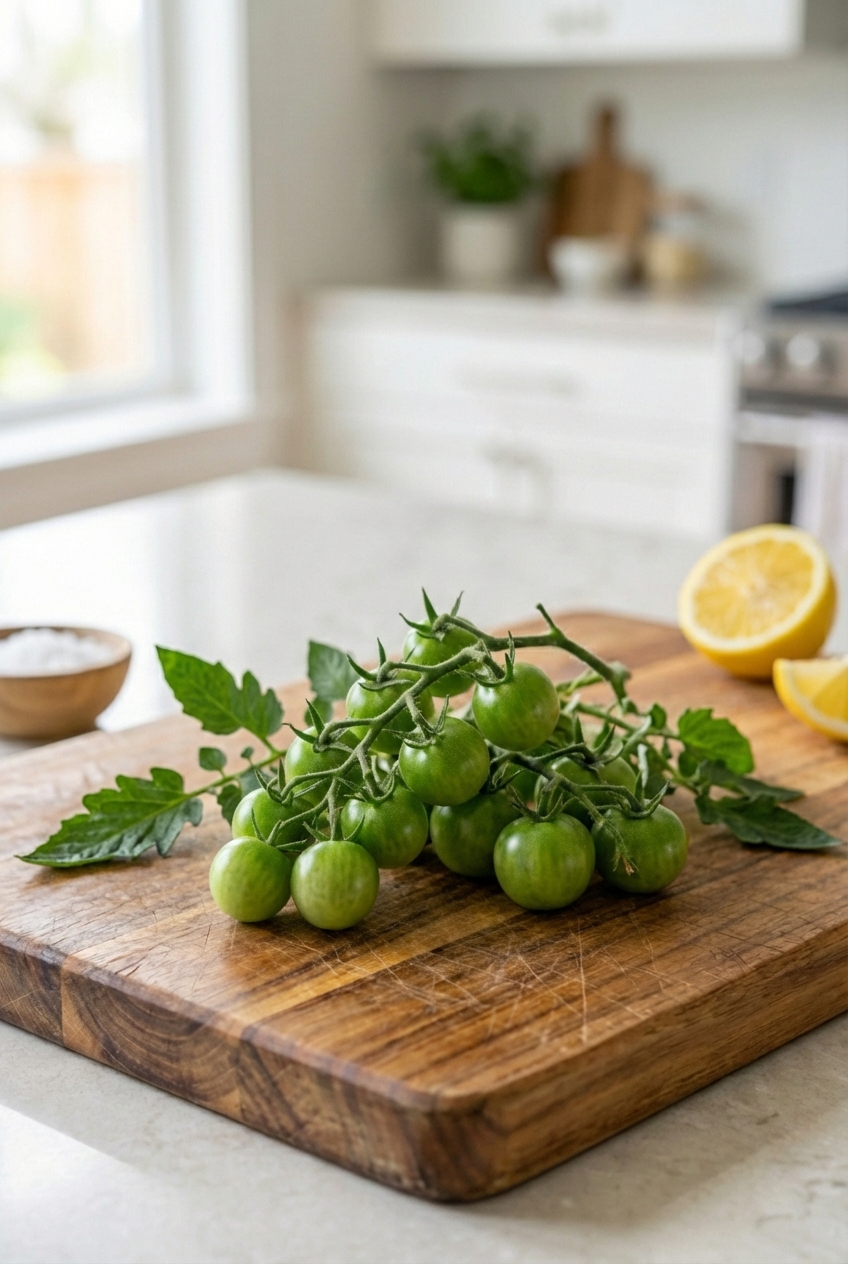
Avoid: Stems, leaves, and unripe green tomatoes. Ripe tomato flesh may be tolerated by some dogs in small amounts, but skip it if it causes GI upset.
Wild mushrooms
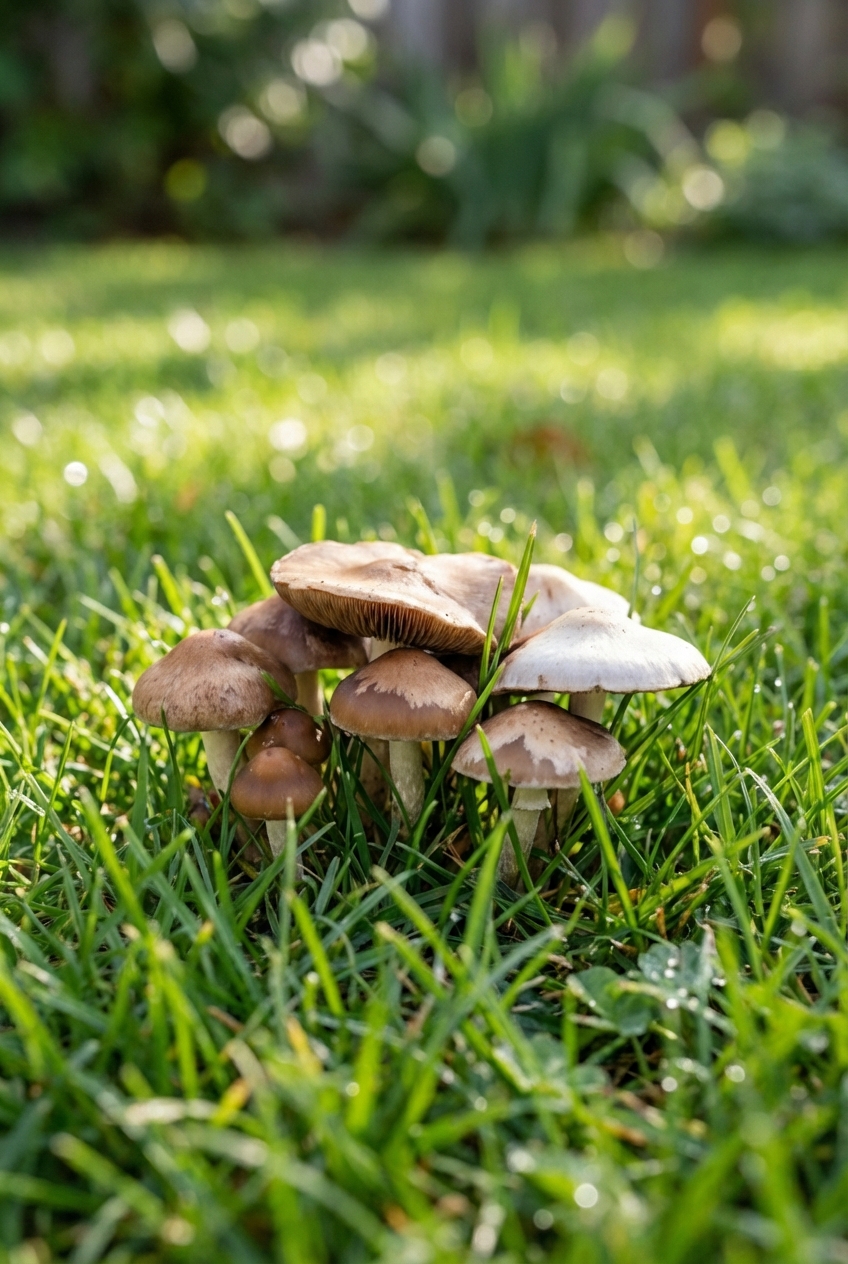
Avoid: Wild mushrooms can be toxic and should never be tasted by dogs.
Printable quick list
If you want a simple rule to remember: steam, chop, start small, and avoid onions and their relatives.
- Great starters: carrots, cucumber, green beans, zucchini, pumpkin
- Use small portions: broccoli, cauliflower, cabbage, brussels sprouts, spinach, kale, collard greens
- Proceed with caution: garlic
- Avoid: onion, green onions, chives, leeks, shallots, wild mushrooms, garlic powder and garlic-heavy foods
Common food mix-ups
This guide focuses on vegetables, but a few common non-vegetable foods people accidentally treat like “produce snacks” can be dangerous for dogs. When in doubt, do not share and check with your vet.
- Grapes and raisins: toxic risk
- Avocado: can cause GI upset and the pit is a choking risk
When to call your veterinarian
Call your veterinarian or an emergency clinic right away if your dog eats onions, green onions, chives, leeks, shallots, garlic powder, or a garlic-heavy dish, or if you notice repeated vomiting, lethargy, pale gums, wobbliness, or breathing changes after eating any new food.
One more note: This guide focuses on vegetables. Some other common human foods that are not vegetables can also be dangerous for dogs, so if you are ever unsure, it is always okay to skip the share and ask your vet.
With the right choices, vegetables can be one more simple way to add variety to your dog’s routine. Start gently, stay consistent, and let your dog’s digestion guide the pace.