Dog UTI symptoms can mimic stones or other issues. Learn the full treatment plan: urinalysis and culture, correct antibiotics, pain control, hydration, home ...
Article
•
Designer Mixes
Common UTI Signs in Dogs

Shari Shidate
Designer Mixes contributor
When a dog has a urinary tract infection (UTI), the symptoms can look small at first, like asking to go outside more often or licking a little extra. But UTIs are often uncomfortable and sometimes painful, and they can worsen quickly if bacteria move beyond the bladder or if there is an obstruction or underlying disease. As a veterinary assistant in Frisco, Texas, I have seen how much relief dogs get once the real cause is found and treated.
This guide will walk you through common UTI signs in dogs, what else can mimic a UTI, when to seek urgent care, and how vets diagnose and treat urinary infections.
What a UTI is (and why it matters)
A UTI usually means bacteria have moved up the urinary tract and caused inflammation, most often in the bladder. That inflammation can make urination burn or feel urgent, even when the bladder is nearly empty.
Most UTIs are very treatable, but they should not be ignored. In some dogs, symptoms that look like a simple UTI can actually be bladder stones, prostate disease, diabetes, sterile inflammation (culture-negative cystitis), or even a more serious kidney infection.
Who is at higher risk
Any dog can develop a UTI, but we tend to be more suspicious when urinary signs show up in:
- Female dogs, especially those with vulvar anatomy that traps moisture (such as a recessed vulva)
- Puppies and seniors
- Dogs with diabetes, Cushing’s disease, kidney disease, or immune compromise
- Dogs with a history of bladder stones or recurrent urinary issues
- Dogs who drink and urinate a lot (dilute urine can make it easier for bacteria to grow)
Common signs of UTI in dogs
Dogs cannot tell us it burns to urinate, so we have to look for patterns. Here are the most common and reliable signs we see in practice.
1) Frequent urination or frequent attempts (pollakiuria)
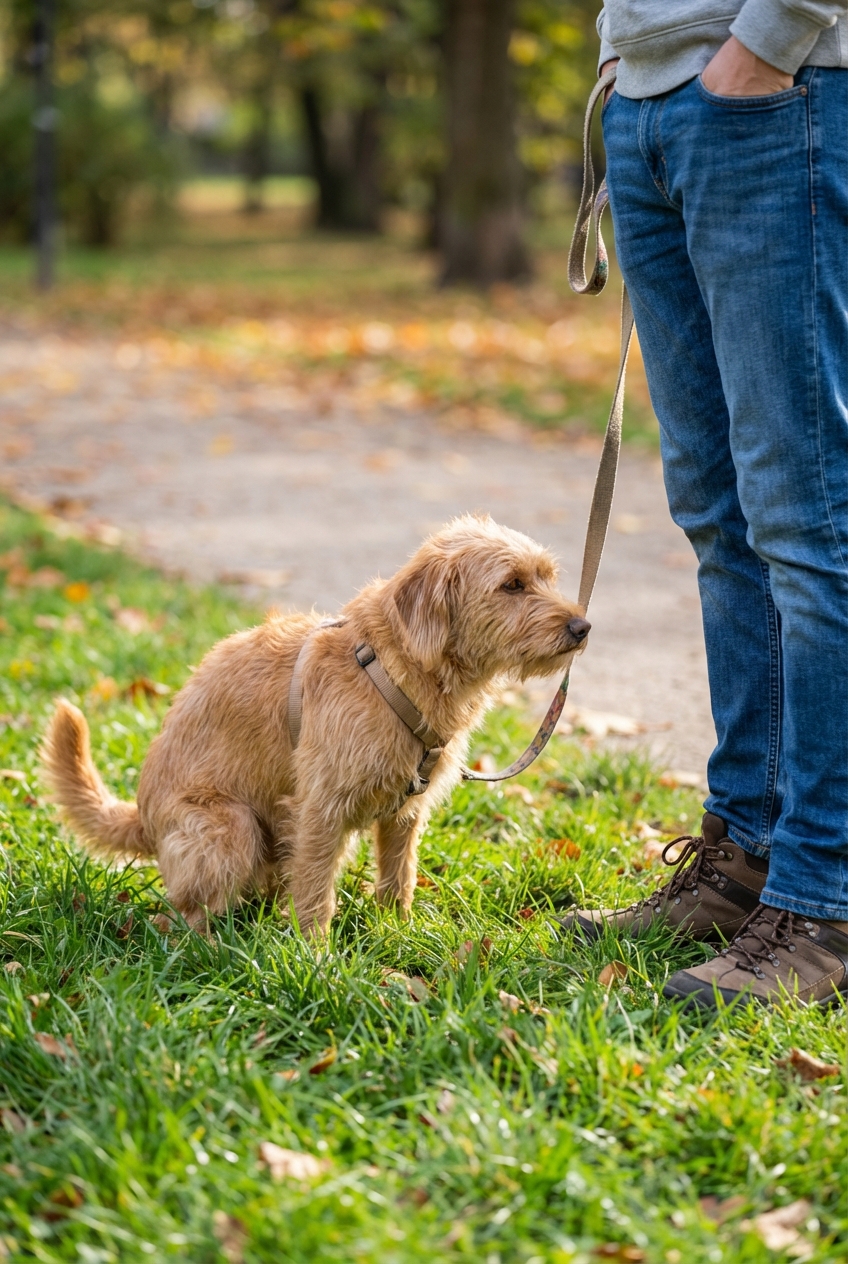
Your dog asks to go out more often or suddenly needs extra potty breaks. Many dogs will squat multiple times on a walk and may only pass a small amount each time.
2) Straining or discomfort while urinating (dysuria)
You may notice squatting longer than usual, seeming uncomfortable, or repeatedly trying without much coming out.
3) Blood in the urine (hematuria)
Urine may look pink, red-tinged, rust-colored, or you may see blood spots where your dog urinated. Any blood in urine deserves a veterinary call.
4) Accidents in a house-trained dog
A dog who is normally reliable may suddenly leak, dribble, or have full accidents. This is especially telling if your dog seems uneasy afterward.
5) Licking the genital area more than usual
Some dogs lick because the area feels irritated or they have a strong urge to urinate. You may see redness around the vulva or prepuce.
6) Cloudy urine or sediment
Owners sometimes report urine that looks cloudy or leaves sediment. This can happen with infection, but it can also be related to crystals or stones. Either way, it warrants testing when paired with urinary symptoms.
7) Behavior changes
Urinary discomfort can make dogs restless, clingy, or less playful. Some dogs become irritable if their belly or hind end is touched.
8) Fever, lethargy, vomiting, poor appetite (red flags)
These symptoms can suggest the infection may be moving beyond the bladder or your dog is systemically ill. This is not a wait-and-see situation.
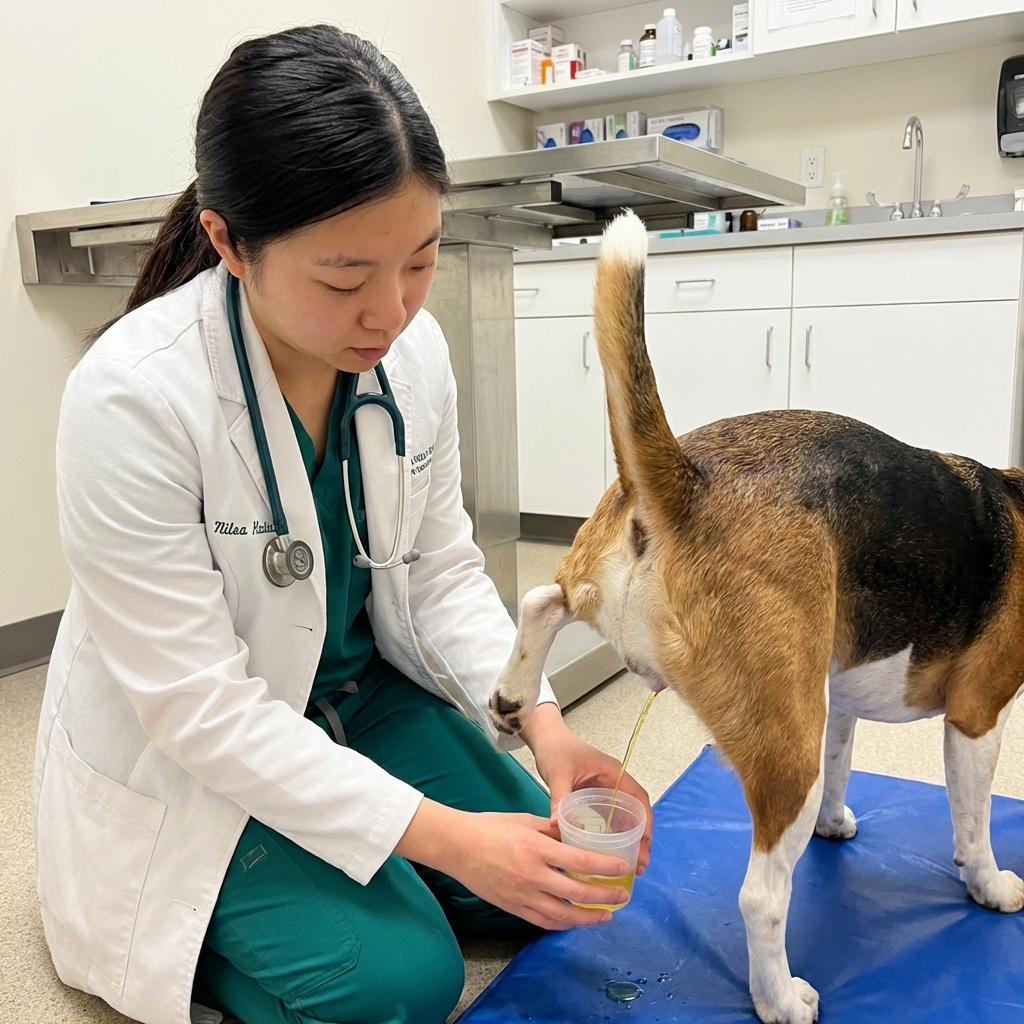
If your dog is straining and producing little to no urine, treat it as an emergency. A urinary blockage can be life-threatening and can look similar to a UTI at home. This is more common in male dogs, but it can happen in females too.
UTI or something else?
Not every urinary symptom is a simple infection. Some conditions have overlapping signs, and a dog can even have more than one issue at the same time.
- Bladder stones: Can cause blood in urine, frequent squatting, pain, and recurrent infections.
- Urinary blockage (more common in males): Straining, little or no urine, belly pain, vomiting, collapse. This is an emergency.
- Sterile cystitis or bladder inflammation: UTI-like symptoms, but culture can be negative. This is one reason testing matters, especially with recurrent signs.
- Vaginitis or vulvar irritation: Licking and discomfort, sometimes discharge, may mimic a UTI.
- Prostate disease (male dogs): Straining, blood, urinary issues, sometimes constipation or painful sitting.
- Diabetes or Cushing’s disease: Increased thirst and urination, with or without infection.
- Incontinence: Leaking while sleeping or relaxed, often without straining or discomfort.
- Kidney infection (pyelonephritis): Can include fever, back pain, lethargy, vomiting, and increased drinking.
This is why a quick urine check is so valuable. Treating blindly at home can delay the right diagnosis.
When to call the vet
Call your veterinarian within 24 hours if you notice:
- Frequent urination or accidents
- Straining or discomfort while urinating
- Blood-tinged urine
- Excessive licking of the genital area
Go to urgent care or an emergency hospital now if:
- Your dog strains but cannot pass urine or only dribbles
- Your dog is vomiting, very lethargic, has a fever, or seems painful
- Your dog’s abdomen looks swollen or feels tight
- You have a male dog with sudden urinary difficulty
- You have a puppy, senior, or immunocompromised dog with urinary signs
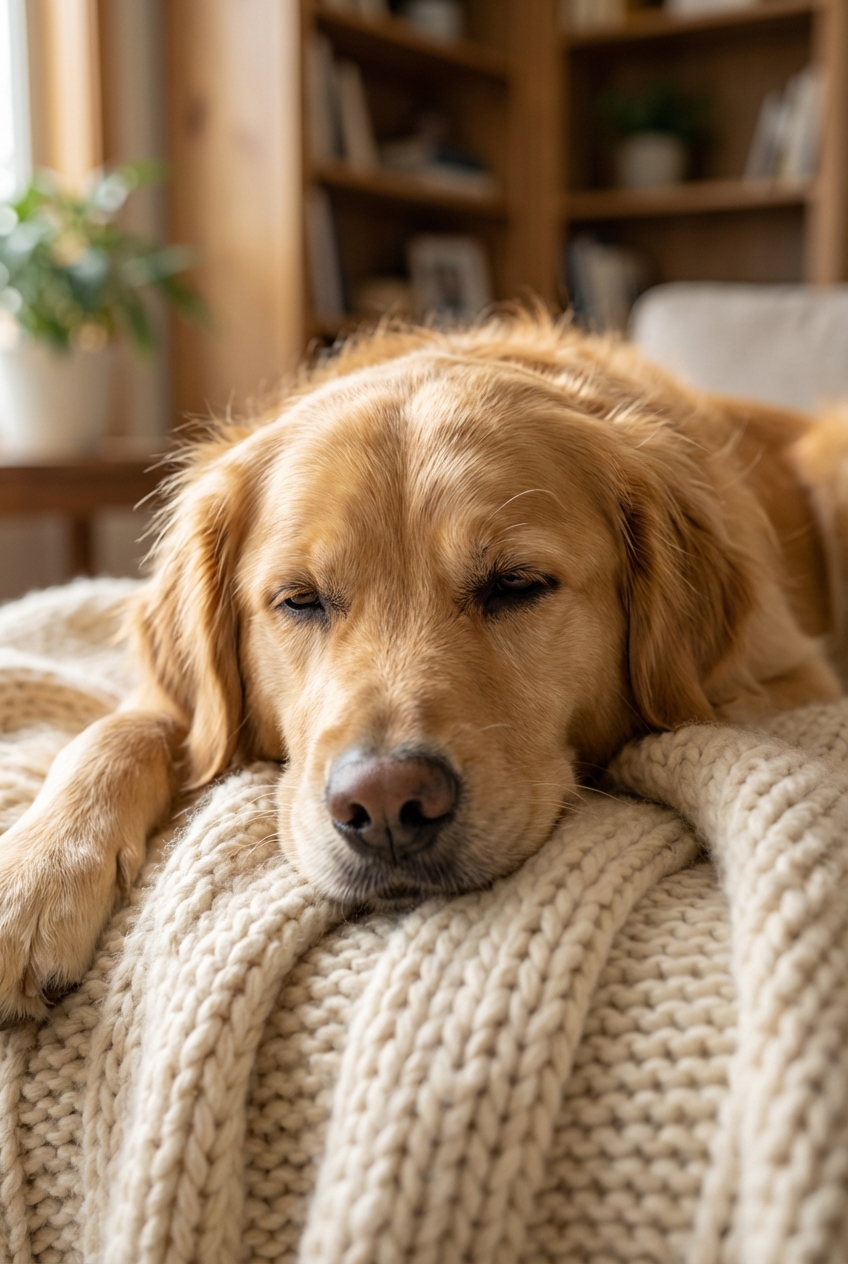
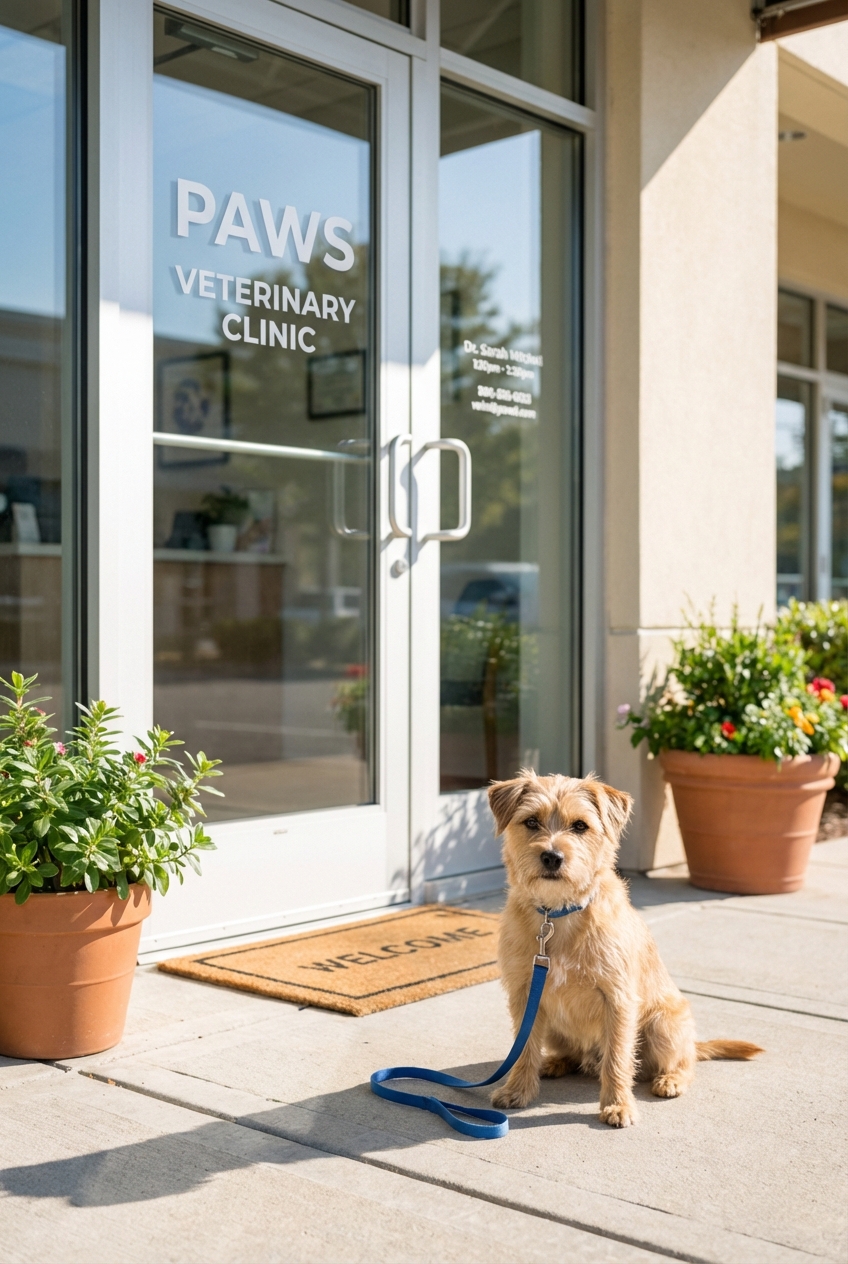
If you are unsure, it is always okay to call your vet and describe what you are seeing. A clear timeline of symptoms helps the team triage appropriately.
How vets confirm a UTI
A true UTI is confirmed with testing, not just symptoms. In most cases, urinalysis helps screen what is going on, and a culture confirms whether bacteria are truly present.
- Urinalysis: Checks for blood, white cells, bacteria, crystals, pH, and urine concentration.
- Urine culture and sensitivity: The gold standard for confirming a bacterial UTI. It identifies the bacteria and confirms which antibiotic is most likely to work. This is especially important for recurrent UTIs.
- Urine collection method: Many clinics prefer cystocentesis, a sterile sample taken from the bladder with a small needle. It sounds scary, but it is quick and helps prevent contamination.
- Imaging (X-rays or ultrasound): If stones, tumors, or anatomy concerns are suspected.
- Bloodwork: Recommended if your dog is sick, dehydrated, or at risk for kidney involvement.
One of the most helpful things you can do is bring a fresh urine sample if your clinic requests it. Ask about their preferred container and timing. Ideally, samples are tested within 1 to 2 hours, or refrigerated and delivered the same day.
Treatment basics
Most uncomplicated UTIs are treated with a targeted antibiotic and pain relief when needed. Your veterinarian will choose medication based on your dog’s history, exam, and urine testing.
What treatment may include
- Antibiotics: Ideally based on culture, especially for recurring infections.
- Pain control: Some dogs need help with bladder discomfort.
- Recheck testing: Many vets recommend a recheck urinalysis or culture to confirm the infection is truly gone. This can help prevent relapse and catch resistant bacteria early.
What not to do
- Do not use leftover antibiotics. The wrong drug or dose can fail and increase resistance.
- Do not rely on UTI home remedies as a substitute for vet care. Cranberry and supplements may support bladder health in some dogs, but they do not reliably clear infections.
- Do not restrict water. Hydration supports the urinary tract.
If your dog seems better after a day or two, it is still important to finish medication exactly as prescribed and follow up if your vet recommends a recheck.
Care at home
Once treatment begins, many dogs feel relief quickly, but the bladder still needs time to calm down.
- Increase potty breaks: More opportunities to urinate can reduce discomfort.
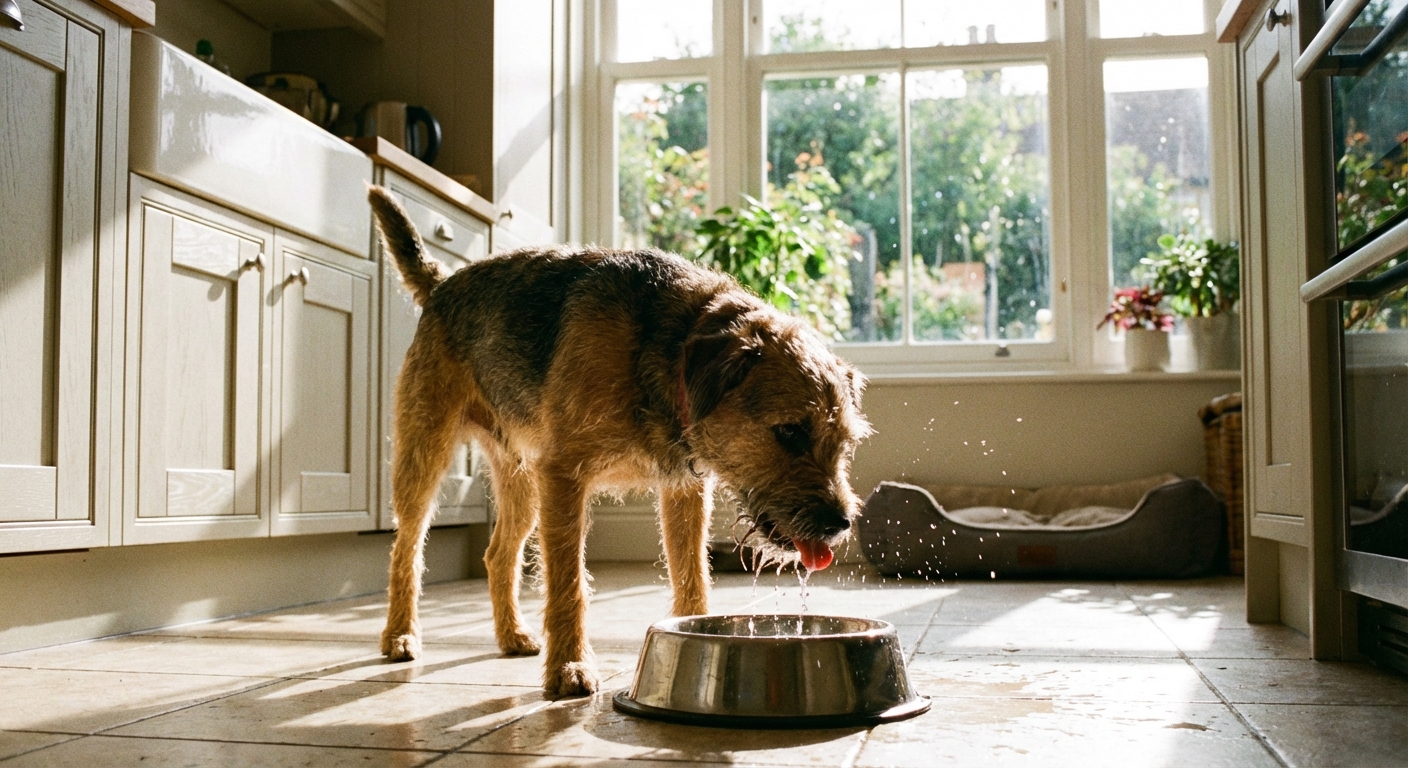
- Encourage water intake: Add water to meals, offer ice cubes, or use a pet fountain if your dog prefers moving water.
- Keep the area clean: For dogs who dribble, wipe gently and keep bedding fresh to prevent skin irritation.
- Give meds with a small meal: If your vet approves, this can reduce stomach upset.
- Watch for relapse signs: Straining, blood, or frequent attempts returning during or after antibiotics warrants a call.
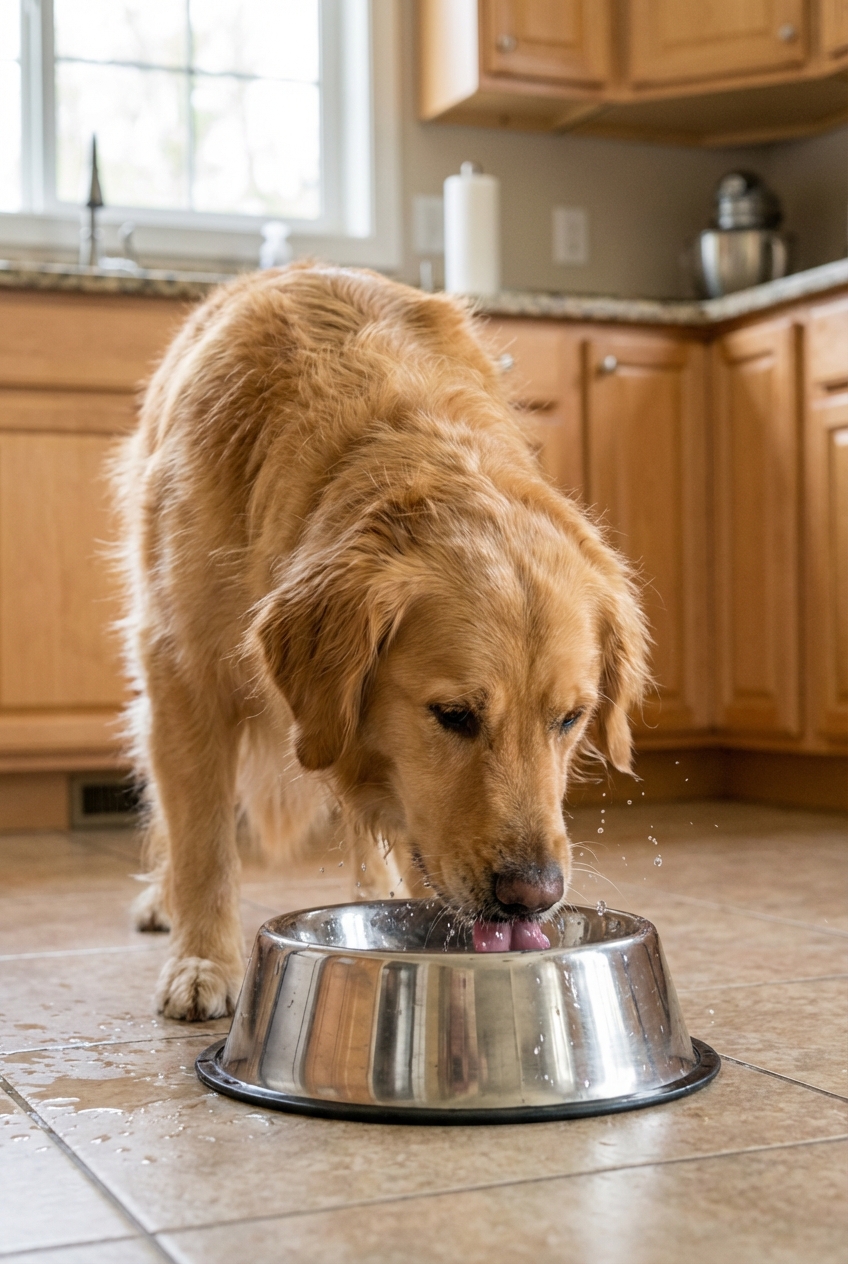
Most importantly, take note of what changes. If you can, write down when symptoms started, how often your dog urinates, and any accidents. That information helps your vet fine-tune care.
Why UTIs come back
Recurring UTIs are common, and they usually mean we need to look deeper. Reasons may include:
- Bladder stones or crystals
- Incomplete treatment or resistant bacteria
- Vulvar anatomy issues in some female dogs
- Underlying disease such as diabetes, Cushing’s disease, or kidney problems
- Prostate disease in male dogs
- Sterile inflammation that mimics infection
If your dog has had more than one UTI in a short time, ask your veterinarian about a urine culture, imaging, and checking for contributing conditions.
Quick checklist
- Straining to urinate
- Frequent attempts with little urine produced
- Blood in urine
- Accidents in a previously house-trained dog
- Excessive licking of the genital area
- Fever, vomiting, lethargy, or back pain
- Unable to urinate at all (emergency)
Your dog does not have to suffer through urinary discomfort. With quick testing and the right treatment, most UTIs resolve smoothly and your pup can get back to feeling like themselves.