From fleas and allergies to ringworm, mites, acne and infections, learn what cat skin problems look like, safe at-home steps, vet tests, and emergency warnin...
Article
•
Designer Mixes
Common Skin Conditions In Cats

Shari Shidate
Designer Mixes contributor
As a veterinary assistant, I can tell you this: many cat skin problems are not “just cosmetic.” Skin is a living organ that reflects what is happening inside the body and in the environment. The good news is that many common feline skin conditions can be managed very successfully once you know what to look for, what to avoid, and when to bring your cat in.
This guide walks you through the most common skin issues in cats, how they tend to show up at home, and what evidence-based veterinary care often includes.
What counts as a skin problem?
Cat skin issues often show up in a few classic ways. You might notice one or more of these:
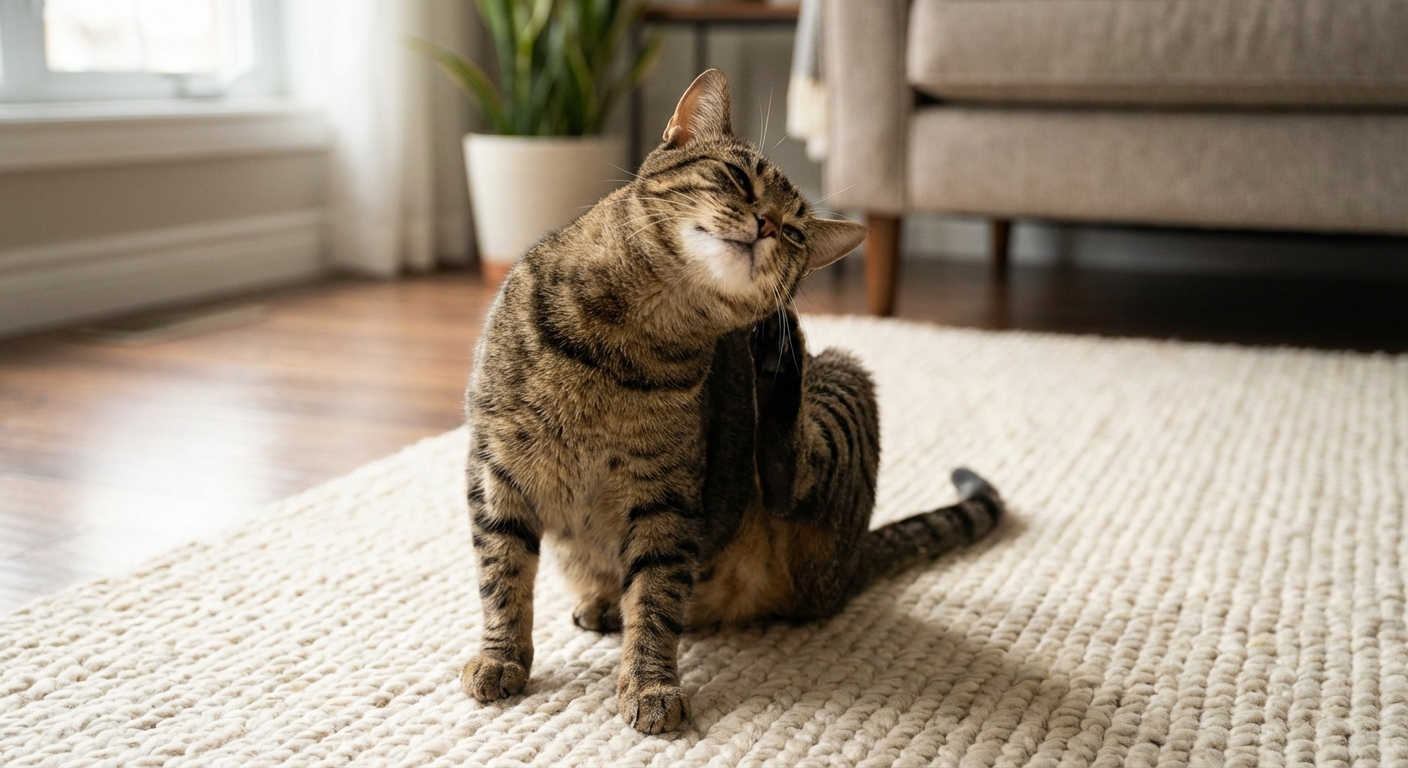
- Itching (scratching, chewing, licking, over-grooming)
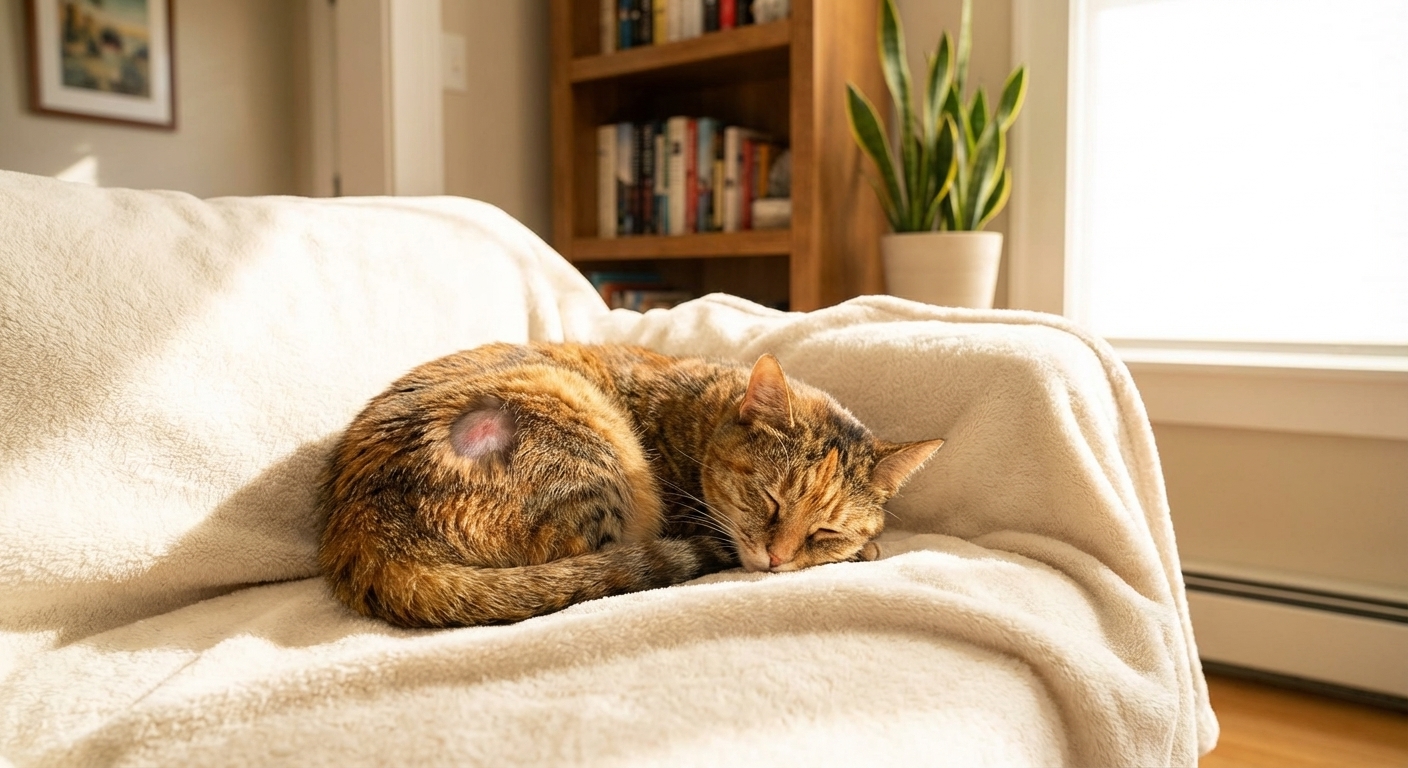
- Hair loss (thinning patches, bald belly, barbered fur)
- Redness or inflamed skin
- Scabs, crusts, dandruff, or small bumps
- Ear debris, head shaking, or ear scratching
- Odor or greasy coat
- Sores that do not heal
One important feline quirk: cats can be very itchy without looking dramatically red at first. Many cats “tell” on themselves through over-grooming, hiding, irritability, or suddenly resisting being touched.
When to call the vet quickly
Some cases can wait for a routine appointment, but these signs deserve faster help:
- Open wounds, bleeding, swelling, or pus
- Rapidly spreading hair loss or raw skin
- Severe itching that is keeping your cat from resting
- Face swelling or hives
- Fever, lethargy, poor appetite, or weight loss along with skin changes
- Kittens with suspected ringworm, mites, or generalized hair loss
- Any skin issue in a diabetic or immune-compromised cat
- A lump, ulcer, or scab that will not heal (especially if it bleeds easily)
If your cat is scratching until they bleed, that is pain and inflammation, not “a bad habit.” They deserve relief and a plan.
Flea allergy dermatitis (FAD)
What it is
Flea allergy dermatitis is an allergic reaction to flea saliva. A cat can react intensely even if you never see a flea. Indoor-only cats can still be exposed when fleas hitch a ride inside on people, dogs, or visiting animals.
Common signs
- Intense itching, especially around the lower back, tail base, and thighs
- Small scabs or crusts (often called miliary dermatitis)
- Over-grooming, hair thinning
- “Flea dirt” that looks like black pepper in the coat
What your vet may do
- Look for fleas or flea dirt, then confirm with coat combing
- Treat secondary skin infection if present
- Recommend reliable flea prevention for all pets in the home
At-home care tips
- Use vet-recommended flea prevention consistently, year-round (even for indoor cats).
- Wash bedding and vacuum frequently during an outbreak.
- Do not use dog flea products on cats. Some can be toxic.
Food and environmental allergies
What they are
Allergies can be triggered by food proteins (like chicken, beef, fish, dairy) or environmental allergens (like dust mites, pollens, molds). In cats, allergy signs often involve skin and ears more than sneezing.
Common signs
- Itching and over-grooming
- Recurrent ear infections or waxy debris
- Scabs on the neck and back
- Hair loss on belly, legs, or inner thighs
What your vet may do
- Rule out parasites first (very common and treatable)
- Check for infection (bacteria or yeast) and treat if needed
- Discuss an elimination diet trial for food allergy (often 8 to 12 weeks, using a hydrolyzed or novel-protein diet)
- Consider long-term itch control options and allergy workups
At-home care tips
- If doing an elimination diet, be strict: no flavored treats, table scraps, or flavored medications unless approved.
- Use unscented laundry detergents and avoid heavily fragranced home sprays.
- Track flare-ups in a simple notebook: diet, season, new cleaners, stress, and symptoms.
Ringworm
What it is
Ringworm is a fungal infection, not a worm. It is contagious to other pets and can spread to people. Kittens and cats from shelters or multi-cat homes are more commonly affected.
Common signs
- Circular hair loss with scaling
- Broken hairs and brittle coat
- Sometimes mild itch, sometimes none
- Lesions on face, ears, paws, or tail
What your vet may do
- Wood’s lamp screening (some species fluoresce)
- Fungal culture or PCR testing
- Topical therapy, oral antifungals, and environmental decontamination
At-home care tips
- Follow treatment exactly and complete the full course.
- Limit contact between infected cats and other pets until cleared.
- Plan for environmental cleanup. Spores can spread on fur and dust, so your vet may recommend frequent vacuuming, laundering bedding, and disinfecting hard surfaces.
- Wear gloves if advised, and talk to your human doctor if you develop suspicious skin spots.
Mites and parasites
Ear mites
Ear mites are common, especially in kittens and multi-cat homes, and prevalence can vary by region and lifestyle. They cause intense irritation and can lead to secondary infection.
- Signs: dark crumbly ear debris, head shaking, ear scratching
- Treatment: prescription parasite medication, often treating all pets
Skin mites
Several mites can affect cats. Some are contagious, and some are not. A few you might hear your veterinarian mention include Notoedres (feline scabies), Demodex, and Cheyletiella (“walking dandruff”). Sarcoptic mange is far less common in cats than in dogs, but your vet will choose testing and treatment based on your cat’s signs and exposure risk.
- Signs: patchy hair loss, scaling, crusting, thickened skin, itching (varies by mite)
- Treatment: vet-guided parasite therapy, sometimes longer courses and rechecks
At-home care tips
- Do not put oils, peroxide, or home mixtures into ears. Irritated ear canals can be very sensitive.
- Keep recheck appointments. Parasites can improve fast but still be present.
Skin infections
Quick transition that matters clinically: infections are often secondary. In other words, something else starts the inflammation first (allergies, fleas, ringworm, over-grooming, endocrine disease). Bacteria and yeast can then take advantage of irritated skin.
Bacterial infections
- Common signs: redness, pimples, crusts, oozing spots, odor
- What your vet may do: skin cytology (a quick microscope check), topical therapy, and oral antibiotics when needed
Yeast overgrowth
Yeast issues can happen in cats, especially in the ears or as part of broader allergy skin disease. Generalized yeast dermatitis is less common in cats than in dogs and is usually secondary to another problem.
- Common signs: waxy debris (often in ears), greasy feel, odor, redness
- What your vet may do: cytology, topical antifungals, and oral antifungals when needed
At-home care tips
- Only use medicated products recommended for cats. Some dog products are too harsh.
- Finish medications as prescribed, even if the skin looks better quickly.
Feline acne
What it is
Feline acne is typically seen as blackheads on the chin and lower lip. It can be mild or can become infected and sore.
Common signs
- Black specks on the chin
- Chin swelling, redness, or crusting
- Occasional itch or sensitivity to touch
What your vet may do
- Examine and rule out other causes
- Recommend topical antiseptic care, wipes, or antibiotics if infected
At-home care tips
- Switch to stainless steel or ceramic bowls and wash daily.
- Avoid picking or squeezing lesions.
- Ask your vet before using any human acne products.
Eosinophilic granuloma complex (EGC)
What it is
EGC is a group of inflammatory skin conditions in cats often associated with allergies (fleas, food, or environmental triggers). The lesions can look dramatic and can worry pet parents, understandably.
Common signs
- Raised plaques on the belly or inner thighs
- Rodent ulcer appearance on the upper lip
- Firm, linear lesions on the back of the legs
What your vet may do
- Skin exam and history review (including flea control)
- Rule out infection and parasites
- Anti-inflammatory medications and an allergy management plan
At-home care tips
- Be consistent with flea prevention even if you do not see fleas. This is foundational for many itchy cats.
- Do not delay care for lip lesions. Early treatment is usually easier.
Dry skin and dandruff
What it is
Flaky skin can be as simple as low humidity or grooming changes, but it can also be linked to parasites, obesity (cats cannot groom well), arthritis pain, poor nutrition, or underlying disease.
Common signs
- White flakes in the coat
- Dull fur
- Greasy feel in some cases
At-home care tips
- Brush gently several times a week, especially for long-haired cats.
- Ask your vet about omega-3 fatty acids and diet quality, especially if the coat looks dry.
- Support grooming access with weight management and arthritis care if needed.
Self-trauma and over-grooming
What it is
Cats can lick or chew one area until it becomes raw and inflamed. Sometimes the original trigger is itch. Sometimes it is pain, stress, or even a urinary issue that makes the belly feel uncomfortable. This dog-style “hot spot” pattern is less classic in cats, but self-trauma and acute dermatitis from licking are very real.
Common signs
- Wet, irritated skin or superficial sores
- Barbered fur, especially on the belly or legs
- Behavior changes, hiding, or irritability
What your vet may do
- Check for underlying itch triggers (fleas, allergies, parasites)
- Assess for pain sources (arthritis, dental pain) and stress factors
- Recommend a cone or recovery collar while the skin heals
At-home care tips
- Do not apply essential oils. Many are toxic to cats.
- Use enrichment to reduce stress: predictable routines, puzzle feeders, safe hiding spaces.
Abscesses and bite wounds
This is one of the most common “skin” problems we see in cats, especially cats that go outdoors or live with other cats. A small puncture can seal over and trap infection underneath.
Common signs
- A painful lump or swelling (often suddenly)
- Warmth, redness, or a spot that starts draining foul-smelling fluid
- Fever, hiding, not eating, or acting sore
What your vet may do
- Clip and clean the area, drain if needed
- Prescribe pain relief and antibiotics when appropriate
- Check for deeper infection or retained foreign material
At-home care tip
- If you suspect an abscess, do not squeeze it at home. Call your vet. These are painful and can worsen quickly.
Irritant and contact reactions
Sometimes the “trigger” is something your cat touched, wore, or was exposed to.
Common triggers
- New collar or flea collar
- Topical products (including essential oils or unapproved shampoos)
- New litter, detergents, sprays, or cleaning products
What your vet may do
- Help you identify likely exposures
- Treat inflammation and any secondary infection
- Recommend safer alternatives
Less common but important
Most itchy or scabby cats have very treatable causes like fleas, allergies, parasites, or infection. Still, your vet may consider other issues if lesions are unusual, persistent, or do not respond as expected.
- Immune-mediated disease (uncommon, but can cause crusting and ulcers)
- Cancer (for example, non-healing, ulcerated, or fast-growing lesions)
- Systemic illness tied to coat changes (for example, hyperthyroidism can affect coat quality in some cats)
How skin conditions are diagnosed
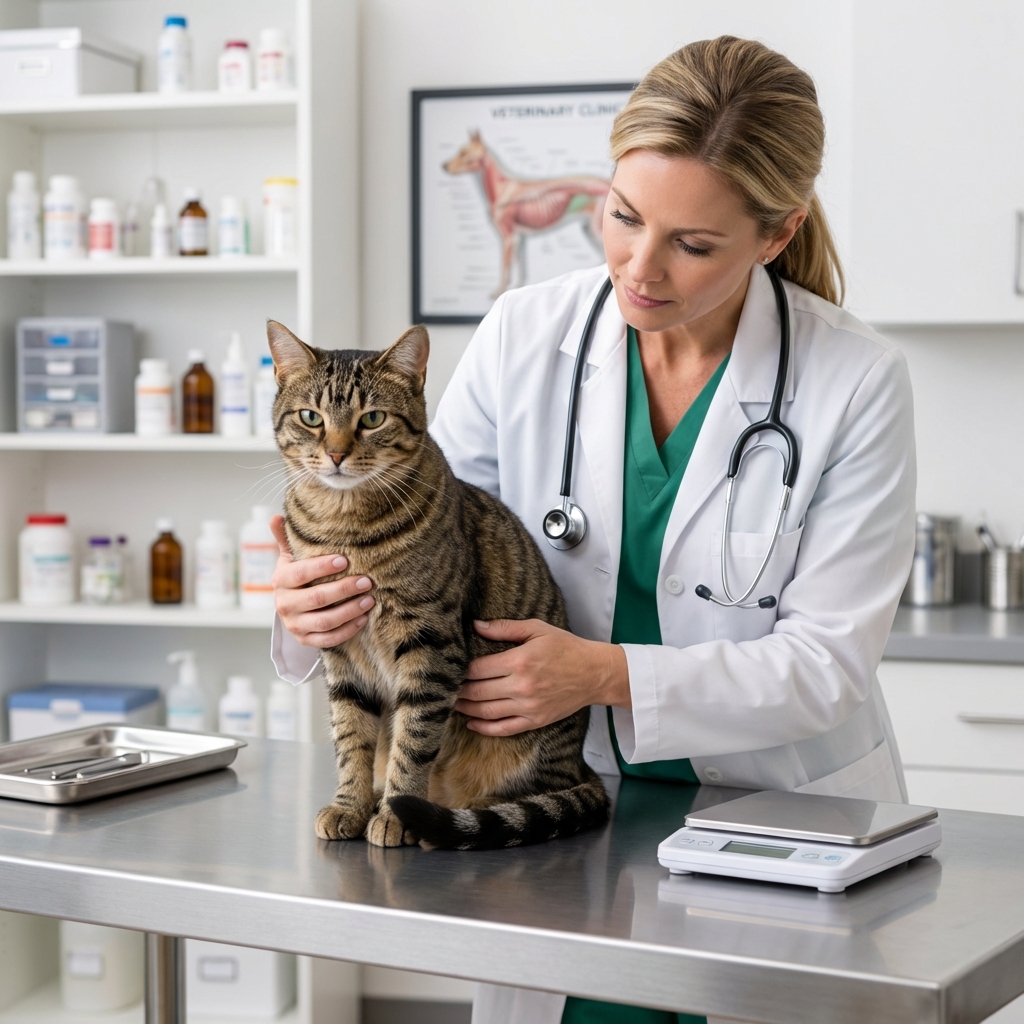
It can feel frustrating when the vet does not name the problem instantly. That is because skin issues often overlap. A good diagnostic plan tends to be step-by-step:
- History and exam: seasonality, diet, flea prevention, other pets, stress, indoor-outdoor exposure
- Flea combing and coat evaluation
- Skin cytology to look for bacteria and yeast
- Skin scraping for mites
- Fungal testing when ringworm is suspected
- Diet trial if food allergy is likely
- Biopsy for unusual or persistent lesions
This is not “guessing.” It is medical problem-solving, and it is how we avoid missing something treatable or using the wrong medication.
What to do today
- Take clear photos of the skin daily for a week. It helps your vet see progression.
- Confirm flea prevention: product name, last dose date, and whether all pets are covered.
- Count itch behaviors: licking episodes per day, head shaking, scratching at night.
- Look at the ears: odor, debris, redness, sensitivity.
- Reduce irritants: unscented litter, fragrance-free detergents, avoid smoke exposure.
- Do not self-prescribe steroids, antibiotics, or human creams without guidance.
Do not use
These are common pitfalls we see in clinic:
- Dog-only flea and tick products (especially permethrin or other pyrethroids) on cats
- Essential oils (including tea tree oil)
- Random human creams (including steroid or antibiotic ointments) unless your veterinarian tells you to
Nutrition and skin health
Skin and coat are highly affected by nutrition. In clinic, we often see coats improve when cats are on a complete, balanced diet with consistent hydration. If you are considering homemade diets, please do it with veterinary guidance so your cat gets correct taurine, essential fatty acids, vitamins, and minerals. Cats have very specific nutritional needs.
If you want a simple, safe start at home: focus on a high-quality complete diet, keep fresh water available, and ask your veterinarian whether adding an omega-3 supplement is appropriate for your cat’s age and medical history.
Frequently asked questions
Why is my cat itchy but I do not see fleas?
Fleas can be hard to spot, especially in cats that groom. Also, a flea-allergic cat may react to one bite. That is why consistent prevention is so important.
Is it safe to bathe a cat with skin issues?
Sometimes, yes, but only with cat-safe products and a clear reason. For certain infections, medicated bathing helps. For some cats, bathing increases stress and can worsen over-grooming. Ask your vet before starting.
Can I use coconut oil for my cat’s skin?
Coconut oil is not a reliable treatment for infections or allergies. If licked, it may cause GI upset like diarrhea in some cats. It is safer to use vet-recommended topical options.
Is ringworm always a circle?
No. It often is circular, but it can also look like generalized dandruff, patchy hair loss, or broken hairs. Testing matters.