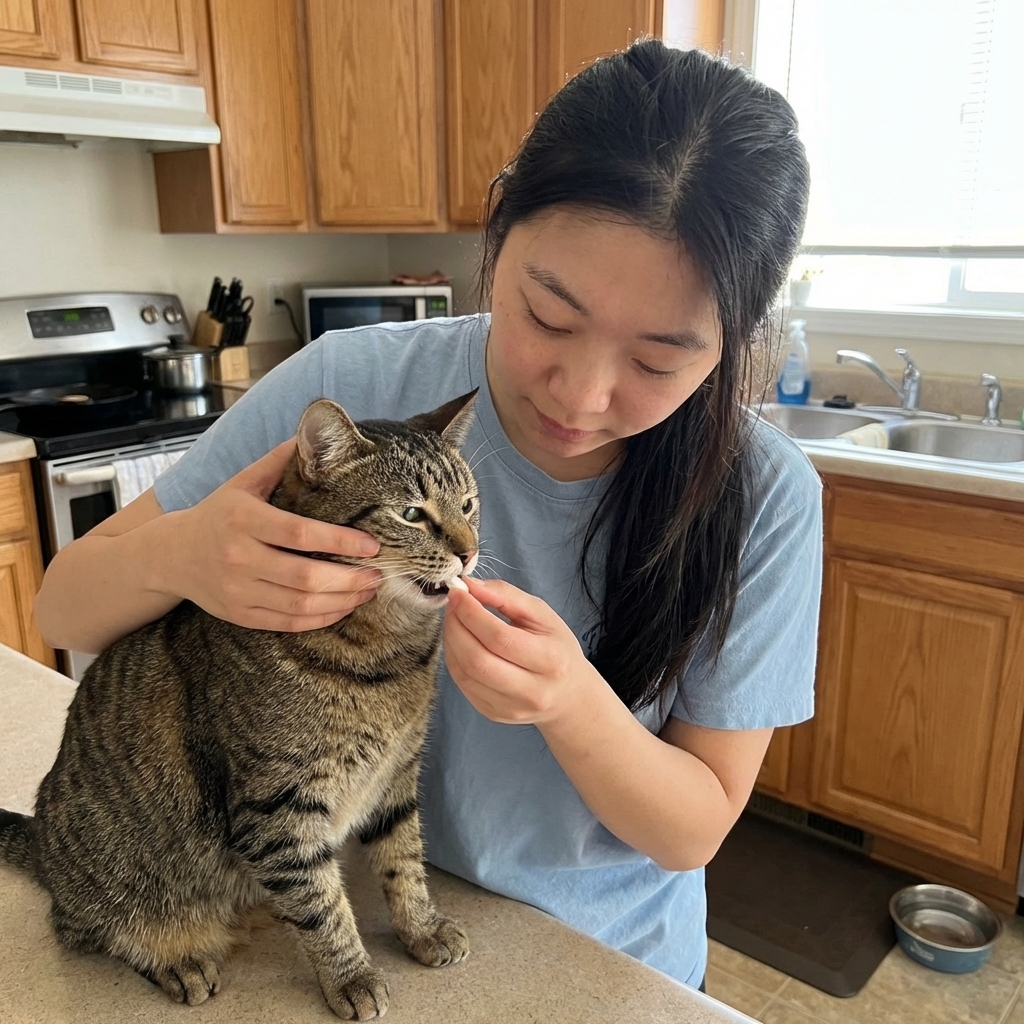
A practical guide to methimazole for feline hyperthyroidism—what it treats, common dosing schedules, when cats improve, side effects to watch for, and how ...
Article
•
Designer Mixes
Common Signs of Thyroid Disease in Cats

Shari Shidate
Designer Mixes contributor
When a cat’s thyroid hormone is too high or too low, their whole body can feel it. As a veterinary assistant here in Frisco, Texas, I have seen how easy it is for families to miss early thyroid clues because the changes can look like “normal aging” or a picky appetite.
This quick guide walks you through common signs of thyroid disease in cats, what else can look similar, and when it is time to call your veterinarian. The goal is not to diagnose at home. It is to help you recognize patterns early so your cat can get relief sooner.
First, a simple thyroid refresher
The thyroid is a small gland in the neck that helps regulate metabolism. In cats, the most common thyroid condition is hyperthyroidism, meaning the gland produces too much thyroid hormone. Hypothyroidism, meaning too little hormone, is very uncommon in cats and is most often seen after treatment for hyperthyroidism.
Because thyroid hormone affects heart rate, digestion, weight, skin and coat, and energy levels, signs can show up in many different ways.
Common signs of hyperthyroidism in cats
Hyperthyroidism is especially common in middle-aged to senior cats. Many cats show a classic cluster of signs, but some only show one or two at first.
1) Weight loss (often with a big appetite)
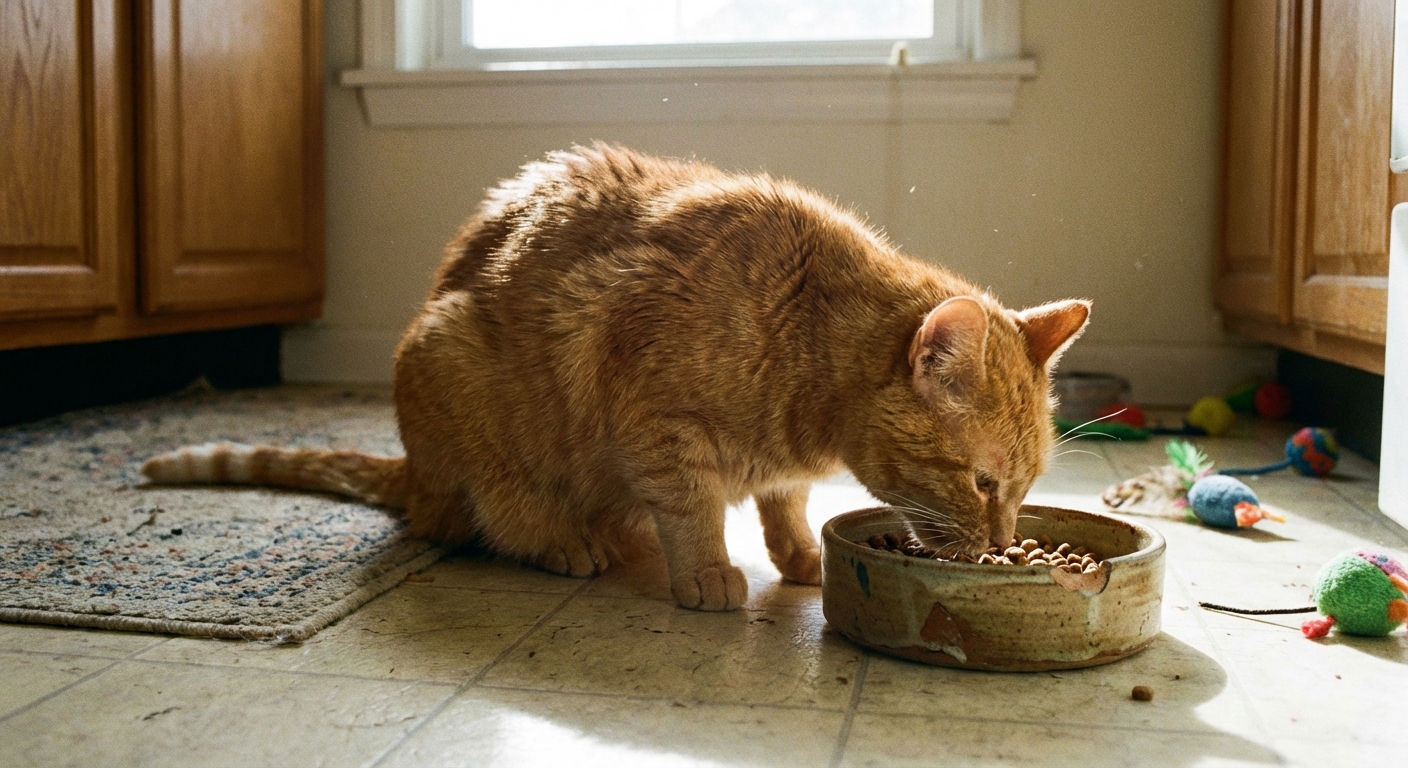
This is one of the most reliable red flags. Many hyperthyroid cats lose weight even though they seem hungry all the time. Some cats will also start begging, stealing food, or waking you up to eat.
- What you might notice at home: ribs or spine feeling more prominent, a “bony” back end, or gradual slimming over weeks to months
- Important note: a few cats lose weight with a decreased appetite, especially if they feel nauseated or have another illness at the same time
2) Increased thirst and urination
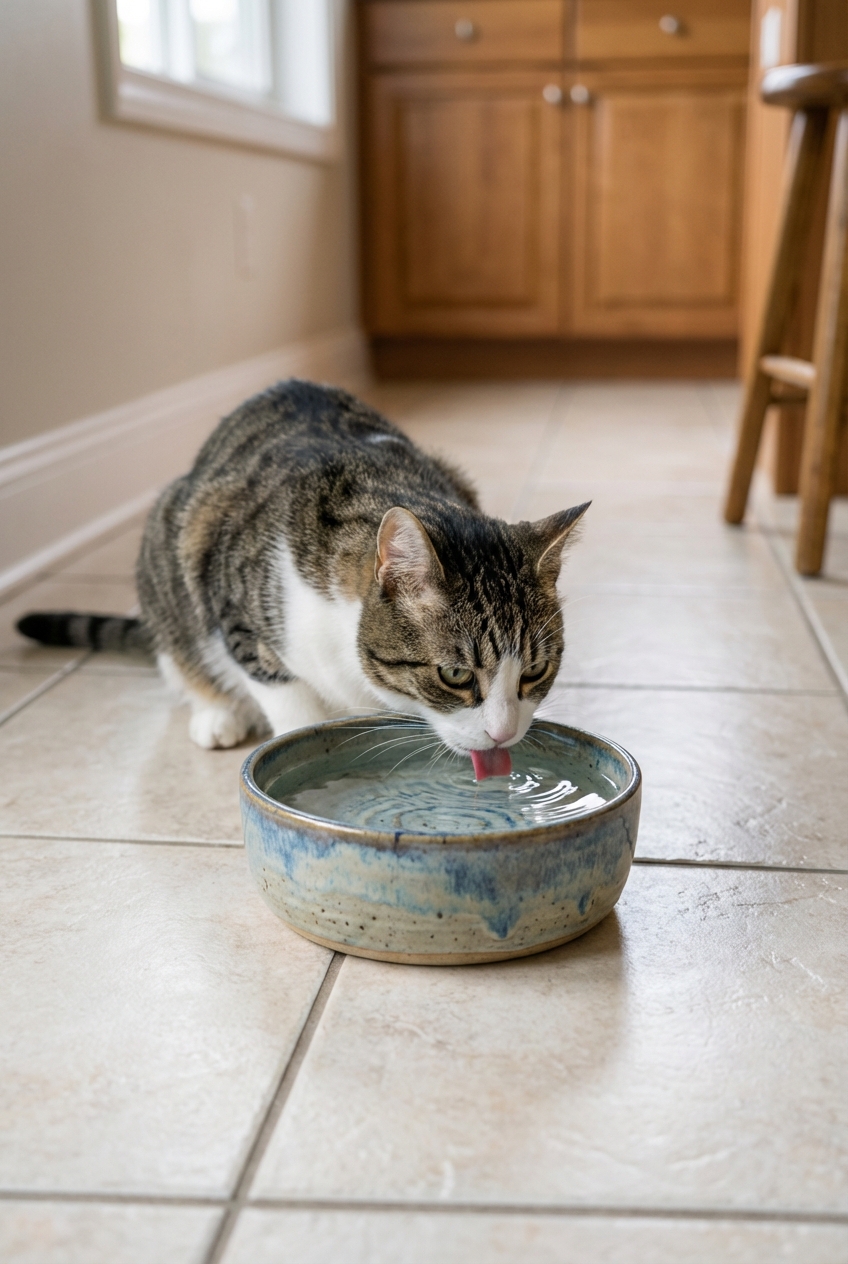
Many owners notice more time at the water bowl and larger clumps in the litter box. This can also happen with kidney disease and diabetes, so it is a symptom that deserves a prompt vet visit.
3) Restlessness, hyperactivity, or “can’t settle” behavior
Some cats seem wound up, pace, vocalize more, or act like they are always on the go. Others become irritable or less tolerant of handling.
4) Vomiting and diarrhea
Thyroid hormone speeds up the body, including the GI tract. That can lead to frequent vomiting, soft stools, or diarrhea. You may also see a bigger appetite alongside digestive upset.
5) Fast heart rate or a new heart murmur
This one is not always obvious at home, but it is a major reason veterinarians take hyperthyroidism seriously. Too much thyroid hormone can strain the heart and contribute to high blood pressure.
- At-home clues: panting at rest, breathing harder than usual, or tiring faster (these can be urgent and are not specific to thyroid disease)
- At the clinic: elevated heart rate, heart murmur, or abnormal rhythm
6) Poor coat quality and increased shedding
Many cats develop a dull, greasy, unkempt coat. Some overgroom, while others groom less. You might notice mats, dandruff, or a coat that just does not look like your cat.
7) Increased vocalization, especially at night
Some cats yowl or meow more frequently. It can look like anxiety or cognitive changes, but thyroid disease is a common, treatable cause in senior cats.
8) Feeling warm and seeking cool surfaces
Because metabolism is higher, some cats feel warmer and choose cooler spots like tile floors.
Hypothyroidism signs in cats (rare)
Hypothyroidism is very uncommon in cats. When it does occur, it is most often iatrogenic, meaning it happens after treatment for hyperthyroidism (for example, after thyroid surgery, radioactive iodine, or sometimes medication adjustments). If a cat’s thyroid hormone drops too low, signs tend to look like slowing down.
- Low energy, sleeping more, acting “down”
- Weight gain without a big increase in food intake
- Dry coat or hair thinning
- Feeling cold and seeking warm places
If your cat has been treated for hyperthyroidism and now seems sluggish or is gaining weight, it is worth asking your vet whether follow-up thyroid testing is due.
What can look similar?
This is the tricky part. Several common conditions can mimic thyroid signs, especially in older cats.
- Chronic kidney disease: weight loss, increased thirst and urination, poor appetite, vomiting
- Diabetes mellitus: increased thirst and urination, weight loss, increased appetite
- Inflammatory bowel disease or GI lymphoma: weight loss, vomiting, diarrhea
- Dental disease: weight loss and changes in eating
- High blood pressure: can cause sudden vision changes or behavior changes, and it can be linked with hyperthyroidism
One more nuance I like to mention: hyperthyroidism can sometimes mask kidney disease on lab work. When thyroid levels are brought back to normal, underlying kidney issues may become more noticeable. This is a normal reason your vet may recommend careful monitoring during treatment.
That is why the most helpful thing you can do is track signs and bring your notes to the appointment.
When to call your veterinarian
I encourage families not to wait it out with thyroid concerns, especially with weight changes. Call your veterinarian promptly if you notice:
- Persistent or unexplained weight loss over a few weeks (or about 5 percent of body weight), especially in a cat over 7
- Increased thirst and urination
- Vomiting more than once a week, ongoing diarrhea, or any blood in stool
- Restlessness, sudden behavior changes, or increased nighttime vocalizing
- Rapid breathing, panting, weakness, or collapse (urgent)
- Sudden vision problems, bumping into things, or dilated pupils (possible high blood pressure emergency)
How it is confirmed
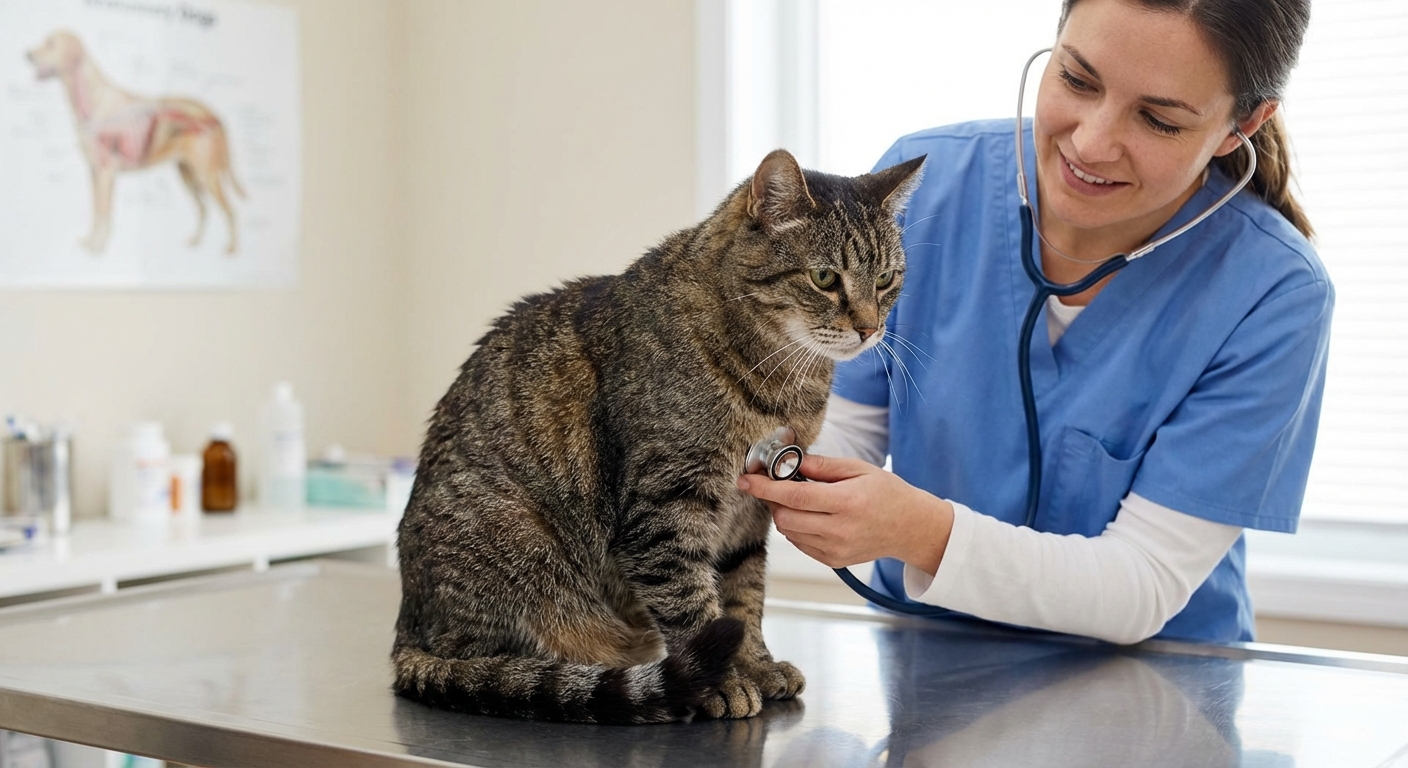
Veterinarians typically start with a physical exam and lab work. During the exam, your vet may note weight loss with muscle wasting, a fast heart rate, and sometimes an enlarged thyroid gland (a small lump in the neck).
Common tests include:
- Total T4: a common first-line thyroid screening test
- Additional thyroid testing: Free T4 by equilibrium dialysis or repeat T4 if results are borderline
- Blood chemistry and CBC: to assess overall health and look for concurrent issues
- Urinalysis: helpful for kidney function and hydration status
- Blood pressure check: important because hypertension can accompany hyperthyroidism
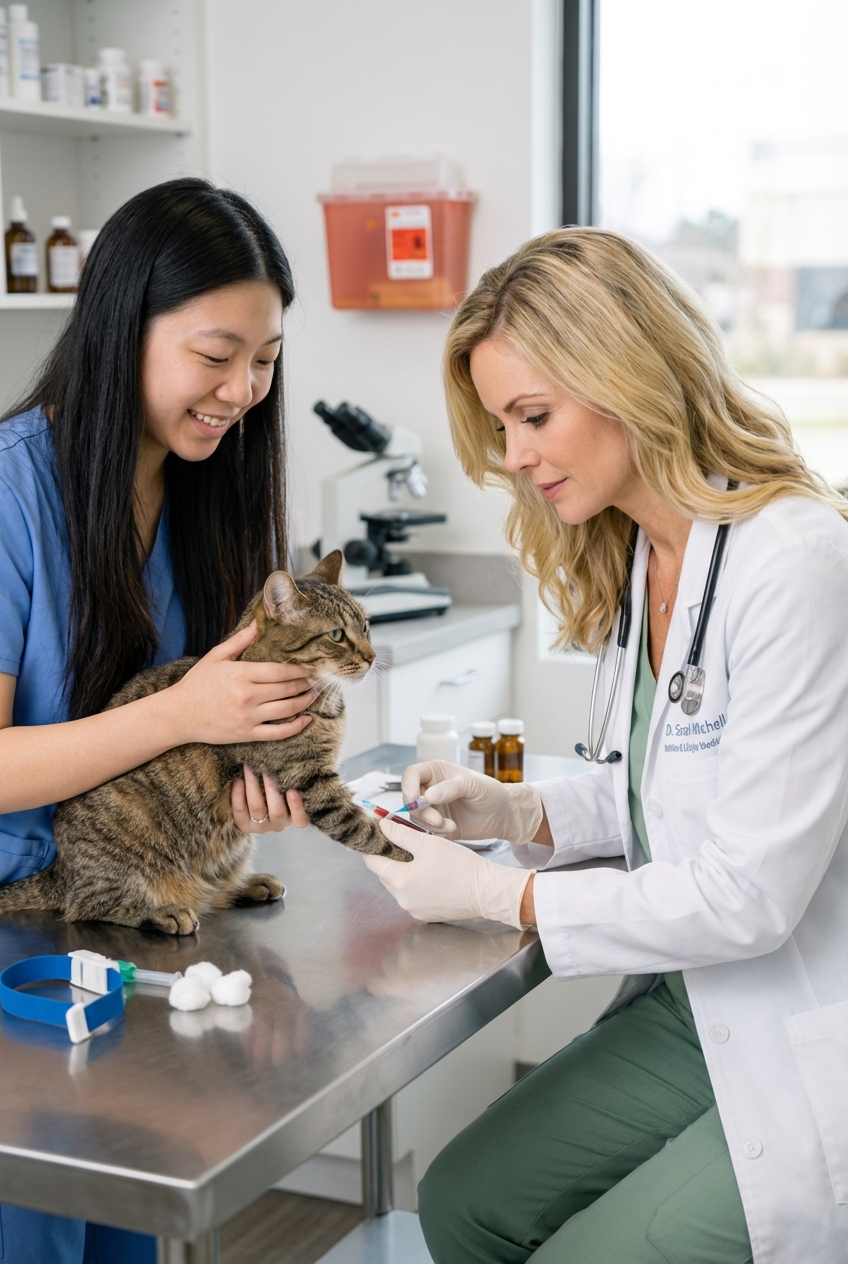
If your cat is diagnosed, your veterinarian will discuss treatment options such as medication, an iodine-restricted prescription diet, surgery, or radioactive iodine, depending on your cat’s needs and your household setup. If diet therapy is chosen, it typically needs to be fed exclusively to work well, meaning no extra treats, table food, or hunting snacks.
After diagnosis, most cats need follow-up monitoring. That often includes recheck thyroid levels, kidney values, and blood pressure, especially in the first weeks to months of treatment.
At-home checklist
If you suspect thyroid disease, these simple steps can make your vet visit more productive.
- Weigh your cat weekly if possible (a baby scale works well). Write it down.
- Track appetite: normal, increased, or decreased. Note begging, stealing, or waking you to eat.
- Watch the litter box: bigger clumps, more frequent urination, diarrhea, or constipation.
- Note vomiting frequency: how often and whether it is food, hair, or liquid.
- Record behavior: restlessness, hiding, nighttime yowling, irritability.
- Take a quick coat photo weekly to spot gradual changes.
Bring this log to your appointment. It helps your veterinary team connect the dots faster.
A warm reminder
Thyroid disease in cats is common, and in many cases it is very manageable once identified. If you are seeing even a couple of the signs above, trust your instincts and schedule an exam. Early care can protect your cat’s heart, support healthy weight, and help them feel like themselves again.
This guide is for education, not diagnosis. If you are worried about your cat, your veterinarian is the best next step.