Dog diarrhea is stressful, but many mild cases improve fast with hydration and a short-term bland diet. Get safe food options, portions, foods to avoid, and ...
Article
•
Designer Mixes
Common Diarrhea in Dogs Causes Explained

Shari Shidate
Designer Mixes contributor
Diarrhea in dogs is a very common reason pet parents call a clinic, and I completely understand why. It can look scary, happen suddenly, and leave you wondering what you did wrong. The reassuring truth is this: many cases are mild and short-lived, but some are urgent. Knowing the most common, evidence-based causes helps you respond calmly and correctly.
As a veterinary assistant in Frisco, Texas, I always come back to two priorities: keep your dog safe from dehydration and know when it is time to involve your veterinarian.
What diarrhea means
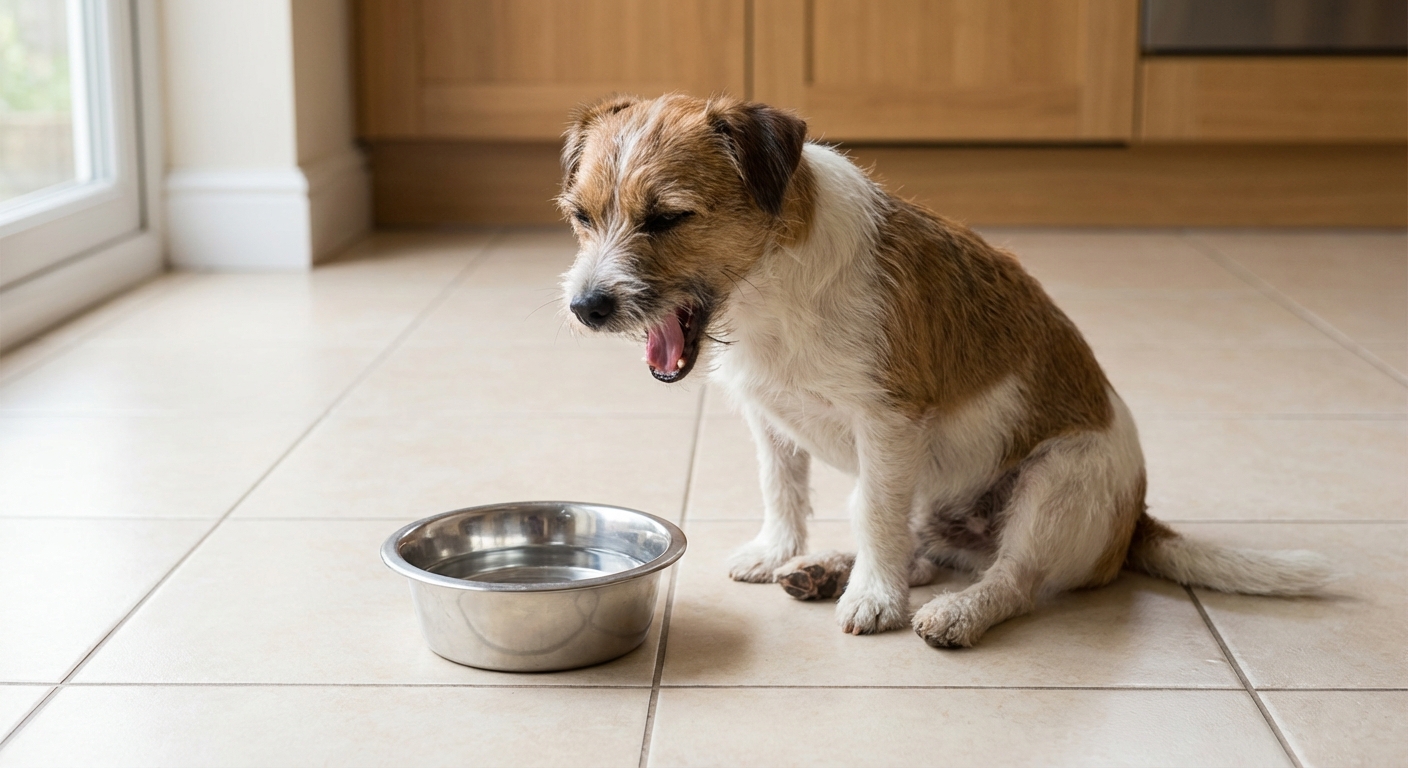
Diarrhea is a symptom, not a diagnosis. It happens when the intestines move stool too quickly, pull too much water into the gut, or become inflamed so they cannot absorb nutrients normally.
Two patterns that offer clues
- Small intestine diarrhea: larger amounts of stool, watery, may include weight loss or poor body condition. Some dogs also vomit, but vomiting can happen with either type.
- Large intestine diarrhea: frequent small amounts, straining, mucus, and sometimes bright red blood from irritated colon tissue.
These are not perfect rules, but they can help your vet narrow down likely causes.
Common causes of diarrhea
1) Diet changes and “dietary indiscretion”
This is the classic “my dog got into something” scenario: trash, rich table foods, greasy leftovers, too many treats, a new chew, a sudden food switch, or even a new brand of the same protein. The gut microbiome can react fast, especially in sensitive dogs.
Common clues: your dog feels mostly normal, appetite may be slightly off, diarrhea starts within 12 to 48 hours of the food event.
2) Stress and routine disruption
Boarding, travel, new pets, moving, thunderstorms, or schedule changes can trigger stress colitis. This tends to show up more often in some dogs, especially those that are young, high-energy, or easily startled.
Common clues: frequent urgent trips outside, mucus, small amounts of loose stool, otherwise bright and active.
3) Parasites (even in well-cared-for dogs)
Intestinal parasites are a common and well-documented cause of diarrhea. Dogs can pick them up from contaminated soil, puddles, dog parks, wildlife droppings, or grooming each other.
- Giardia: often watery, foul-smelling diarrhea; can come and go.
- Roundworms and hookworms: can cause soft stool, weight loss, and poor coat quality.
- Whipworms: may cause chronic large-bowel diarrhea with mucus.
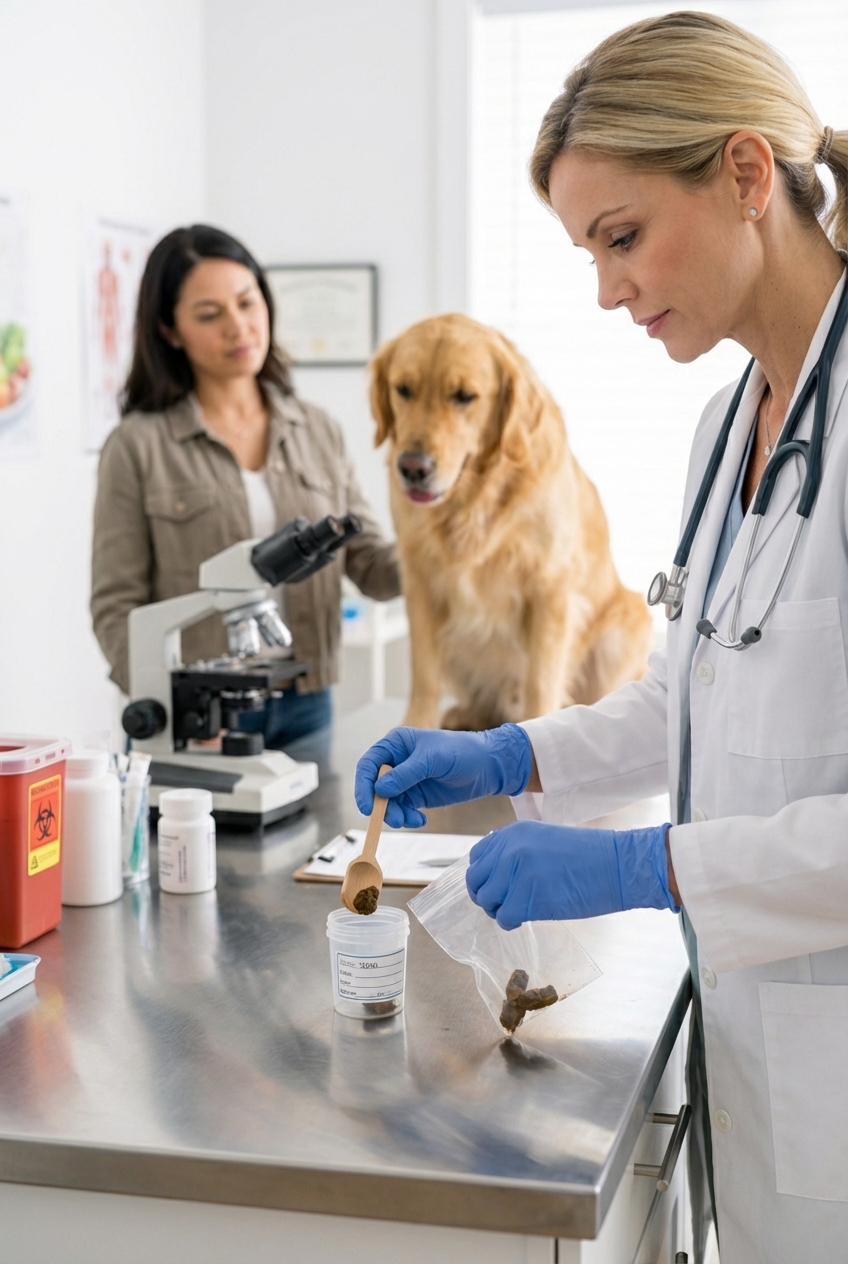
Tip: A negative fecal test one time does not always rule parasites out. Some parasites shed intermittently, and fecal flotation can miss Giardia. Your vet may repeat testing or add Giardia antigen testing, or in some cases a PCR panel. PCR is very sensitive, but it can sometimes detect organisms that are present without being the main cause of symptoms, so your vet will interpret results alongside your dog’s signs.
4) Viral or bacterial infection
Some cases involve infectious organisms. In puppies, viruses can be especially serious.
- Parvovirus: a true emergency, especially for unvaccinated puppies.
- Coronavirus (enteric): can cause diarrhea and is typically milder than parvo. This is a canine intestinal virus and is not the same as SARS-CoV-2 (COVID-19).
- Bacteria: Salmonella, Campylobacter, and Clostridium can contribute, often linked to raw diets, contaminated foods, or exposure to infected animals.
Important: Not every dog with diarrhea needs antibiotics. Overuse can worsen gut imbalance and contribute to resistance. A veterinarian will decide based on exam, testing, and severity.
5) Food intolerance, food allergy, or chronic gut inflammation
Chronic or recurring diarrhea often points toward diet sensitivity or inflammation in the gut. Food intolerance is more common than true allergy, but both can look similar.
Common clues: recurring loose stools, gas, mucus, itchy skin or ear infections (more suggestive of allergy), weight loss in more advanced cases.
Some dogs require a veterinarian-guided elimination diet trial or prescription hydrolyzed diet to identify triggers.
6) Pancreatitis
Pancreatitis is inflammation of the pancreas and can be triggered by high-fat meals, scavenging, certain medications, and underlying conditions. It is common enough that we think about it often when diarrhea comes with vomiting and belly pain.
Common clues: vomiting, decreased appetite, abdominal discomfort, lethargy, diarrhea that can be greasy or very loose.
7) Medications and supplements
Antibiotics, NSAIDs (pain medications), dewormers, and even some supplements can upset the GI tract. Sometimes the timing is the biggest clue.
Common clues: diarrhea begins soon after starting or changing a medication.
8) Toxins and dangerous ingestion
Some household items cause GI irritation or worse: xylitol, certain mushrooms, rodenticides, human medications, grapes and raisins, and more. Diarrhea may be only the first sign.
If you suspect toxin exposure: call your vet or a pet poison hotline immediately.
9) Other medical conditions
Sometimes diarrhea reflects a bigger health issue. Examples include Addison’s disease, exocrine pancreatic insufficiency (EPI), diabetes-related complications, liver disease, kidney disease, and certain intestinal cancers. These are more likely when diarrhea is persistent or paired with weight loss, appetite changes, increased thirst, or repeated vomiting.
10) Acute hemorrhagic diarrhea
Some dogs develop sudden, dramatic diarrhea with fresh blood and jelly-like stool. You might hear this called acute hemorrhagic diarrhea syndrome (AHDS). Dogs can look surprisingly bright at first, but dehydration can hit fast, so this is a “call your vet promptly” situation even if your dog seems okay in the moment.
When it is an emergency
Use this list as your “do not wait” guide. Please contact your veterinarian the same day, or go to urgent care, if you notice:
- Repeated vomiting, or your dog cannot keep water down
- Black, tarry stool (digested blood)
- Large amounts of bright red blood in stool
- Severe lethargy, weakness, collapse, or pale gums
- Abdominal pain, bloating, or repeated unproductive retching
- Signs of dehydration: tacky or sticky gums, sunken eyes, reduced urination, lethargy, or a prolonged skin tent
- Diarrhea in a puppy, senior dog, pregnant dog, or immunocompromised dog
- Suspected foreign body (toy, sock, corn cob) or toxin exposure
- Diarrhea lasting more than 24 to 48 hours, or recurring episodes
Quick gut check: if your dog looks “off” in their eyes or energy, trust that instinct and call.
What you can do at home
If your adult dog is bright, alert, drinking, and not vomiting, mild diarrhea can sometimes be managed at home for a short period while you monitor closely. Always follow your veterinarian’s guidance for your specific dog, especially if your dog has other medical conditions.
Safe, practical steps
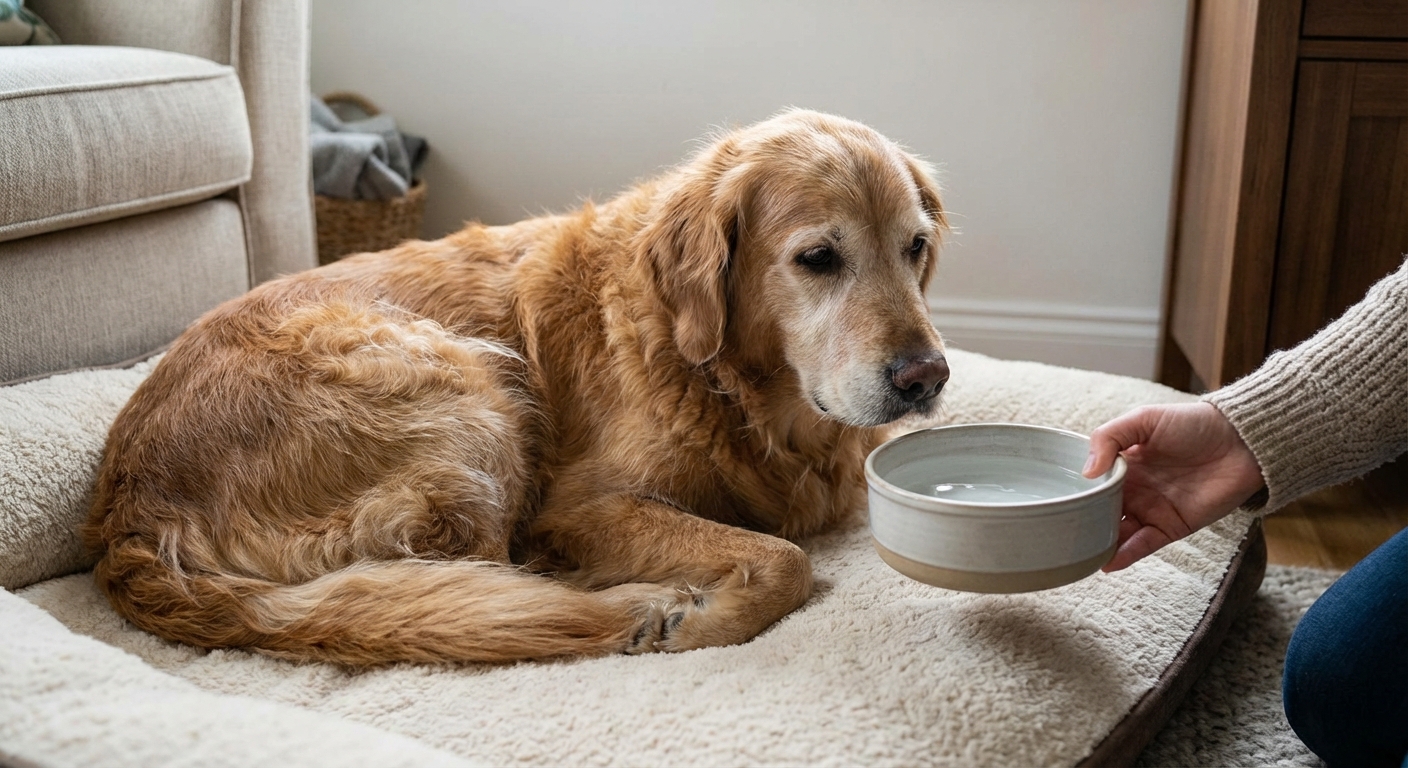
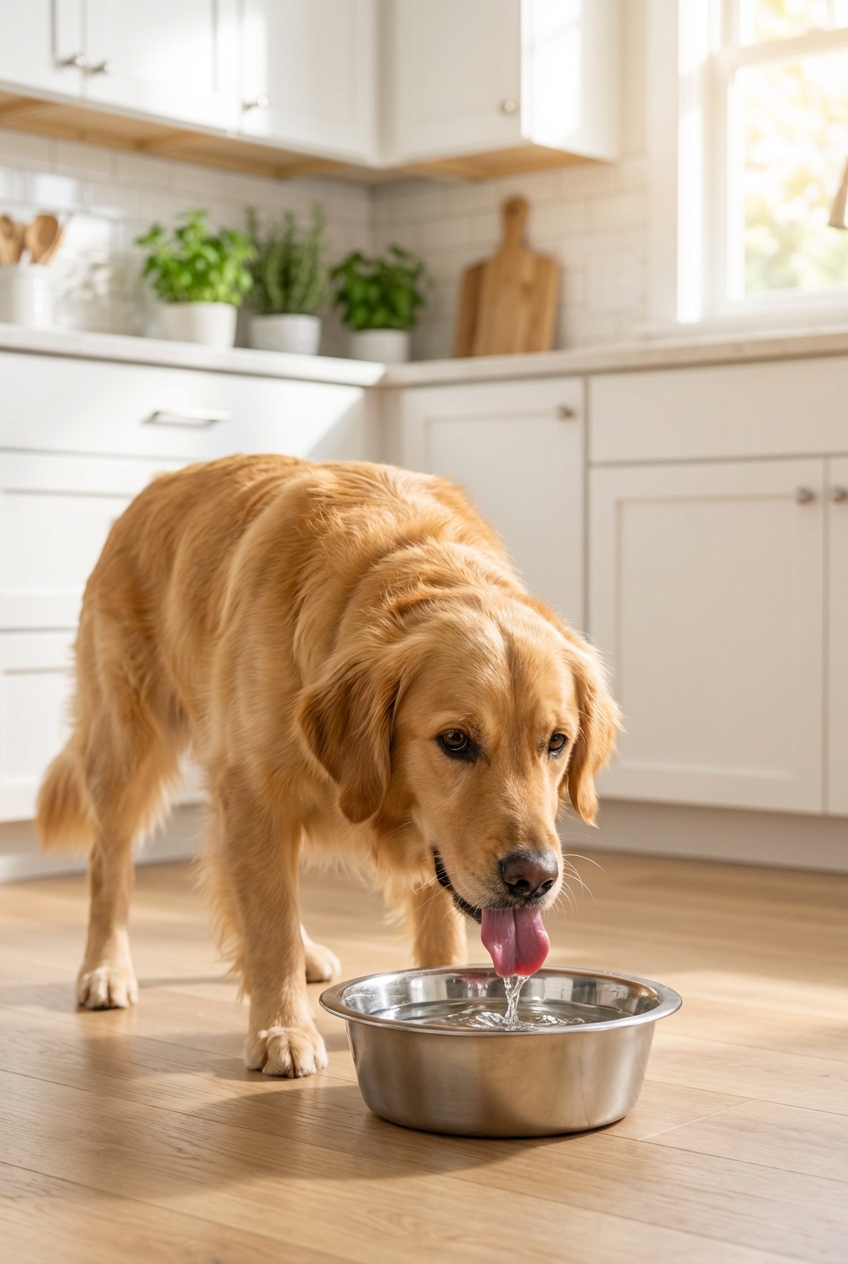
- Hydration first: offer frequent access to fresh water. Dehydration is the biggest short-term risk.
- Pause rich foods and treats: stop new chews, table scraps, fatty snacks, and unfamiliar treats.
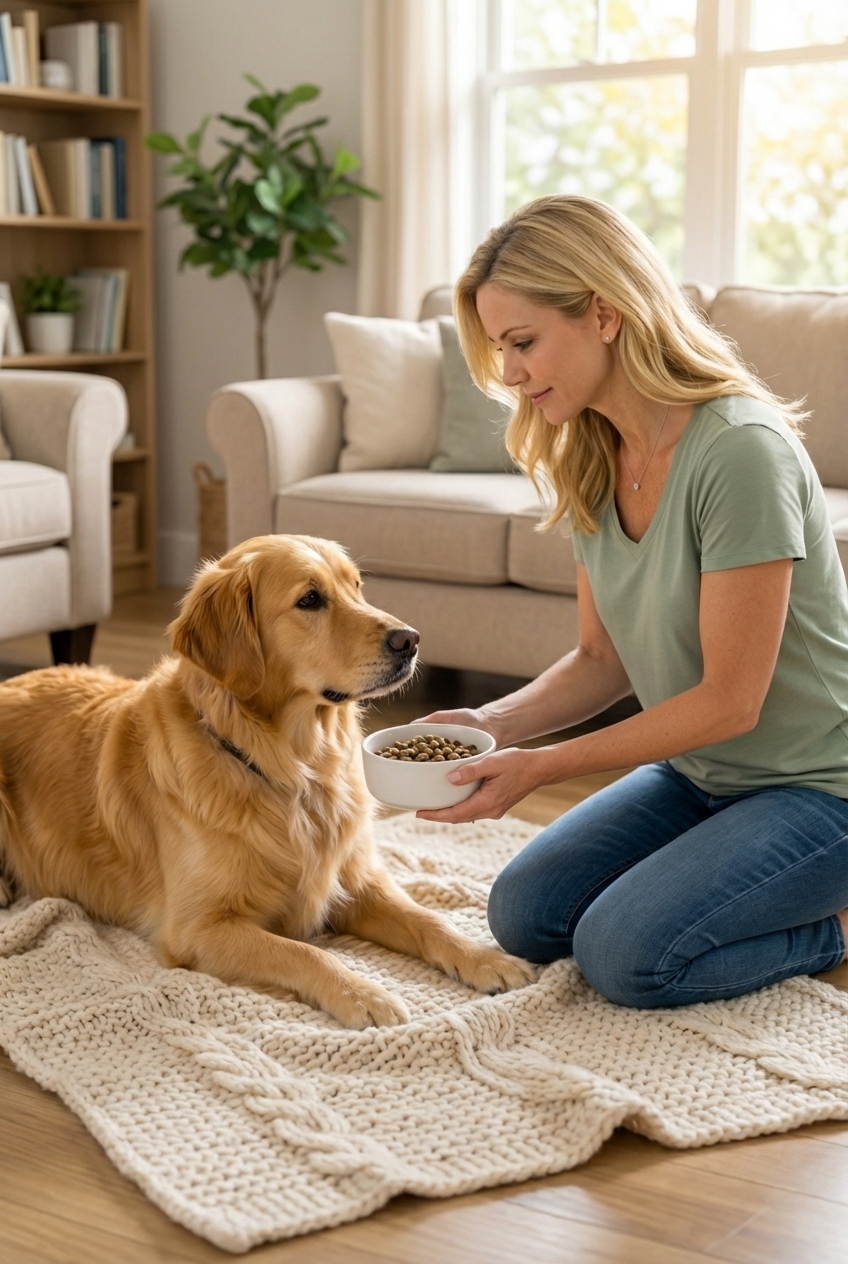
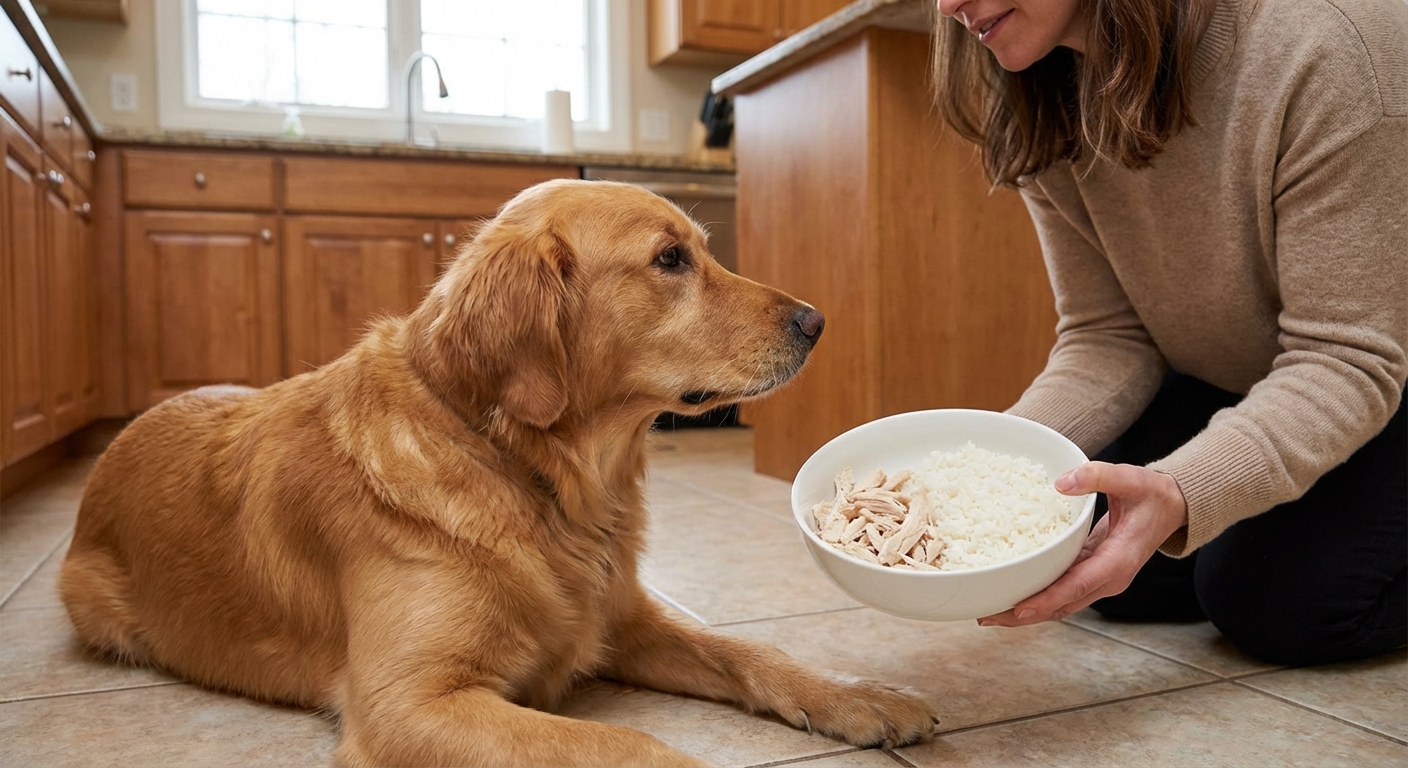
- Consider a bland diet: many vets recommend plain cooked chicken or turkey and white rice for a short time. Avoid skin, bones, and fatty pieces.
- Feed small portions: smaller, more frequent meals are often easier on an irritated gut.
- Go slow when returning to regular food: mix bland with regular food over 2 to 3 days if stools firm up.
- Ask your vet about probiotics: certain veterinary probiotics can support the microbiome during GI upset.
Extra caution: do not fast puppies, toy breeds, or dogs with diabetes without veterinary direction. They can become weak or hypoglycemic more easily than a healthy adult dog.
What not to do: do not give human anti-diarrheal medications unless your veterinarian tells you to. Products containing loperamide (Imodium) can cause serious side effects in some dogs, including herding breeds with MDR1 sensitivity, and they can be dangerous if there is an infection or obstruction.
What your vet may recommend
If diarrhea is moderate to severe, persistent, or paired with other symptoms, your vet may suggest diagnostics to identify the true cause instead of guessing.
Common tests
- Fecal testing: flotation, Giardia antigen, or PCR panels
- Parvovirus test: especially for puppies or unvaccinated dogs
- Bloodwork: checks hydration, electrolytes, inflammation, organ function
- Pancreatitis testing: such as canine pancreatic lipase
- X-rays or ultrasound: when a foreign body, obstruction, or organ disease is suspected
Foreign body note: an intestinal obstruction can sometimes start with diarrhea, but ongoing vomiting, worsening appetite, abdominal pain, and “not keeping anything down” are classic warning signs that should be treated as urgent.
Treatment might include fluids, diet therapy, deworming, targeted medications, or supportive care. The best plan is always based on the dog in front of us, not just the symptom.
How to prevent diarrhea
You cannot prevent every upset stomach, but you can reduce the odds significantly.
- Transition foods slowly: mix the new food in over 7 to 10 days.
- Keep garbage secured: use a latched trash can, especially for food wrappers and fatty leftovers.
- Parasite prevention matters: use vet-recommended preventives and pick up stool promptly.
- Be cautious at dog parks: avoid shared water bowls and watch for scavenging.
- Limit high-fat treats: especially for dogs with past pancreatitis or sensitive stomachs.
- Schedule regular wellness visits: chronic diarrhea deserves a plan, not repeated band-aids.
The bottom line: diarrhea is common, but your response can be calm and confident. Watch hydration, watch energy, and do not hesitate to call your veterinarian if anything feels more than mild.