Learn what “low fat” means for dogs, how vets set fat targets, the best lean proteins and carbs, what to avoid, and starter meal templates to review with...
Article
•
Designer Mixes
Comforting a Dog With Pancreatitis

Shari Shidate
Designer Mixes contributor
Pancreatitis can feel scary because it often comes on suddenly and your dog may look miserable. The good news is that many dogs recover well with prompt veterinary care and thoughtful at-home support. As a veterinary assistant here in Frisco, Texas, I have seen how much comfort measures matter, not just medically, but emotionally too.
This article shares evidence-based pancreatitis facts and practical, gentle ways to help your dog feel safer and more comfortable while they heal. It is not a substitute for veterinary advice, so please use it alongside your veterinarian’s plan.
What pancreatitis is (and why it hurts)
The pancreas is an organ that helps with digestion and blood sugar control. With pancreatitis, the pancreas becomes inflamed and can start activating digestive enzymes too early. Instead of helping digest food in the intestines, those enzymes can irritate pancreatic tissue, which is painful and can trigger nausea and vomiting.
Common signs you might see
- Vomiting or dry heaving
- Diarrhea
- Loss of appetite
- Lethargy and weakness
- Abdominal pain (some dogs “pray” with their front end down and rear end up)
- Dehydration
- Fever in some cases
- Sometimes pale, soft, or greasy-looking stools
Important: If your dog is repeatedly vomiting, seems painful, collapses, has pale gums, or has a swollen abdomen, treat it like an emergency and call an ER vet.
Start with a veterinary plan
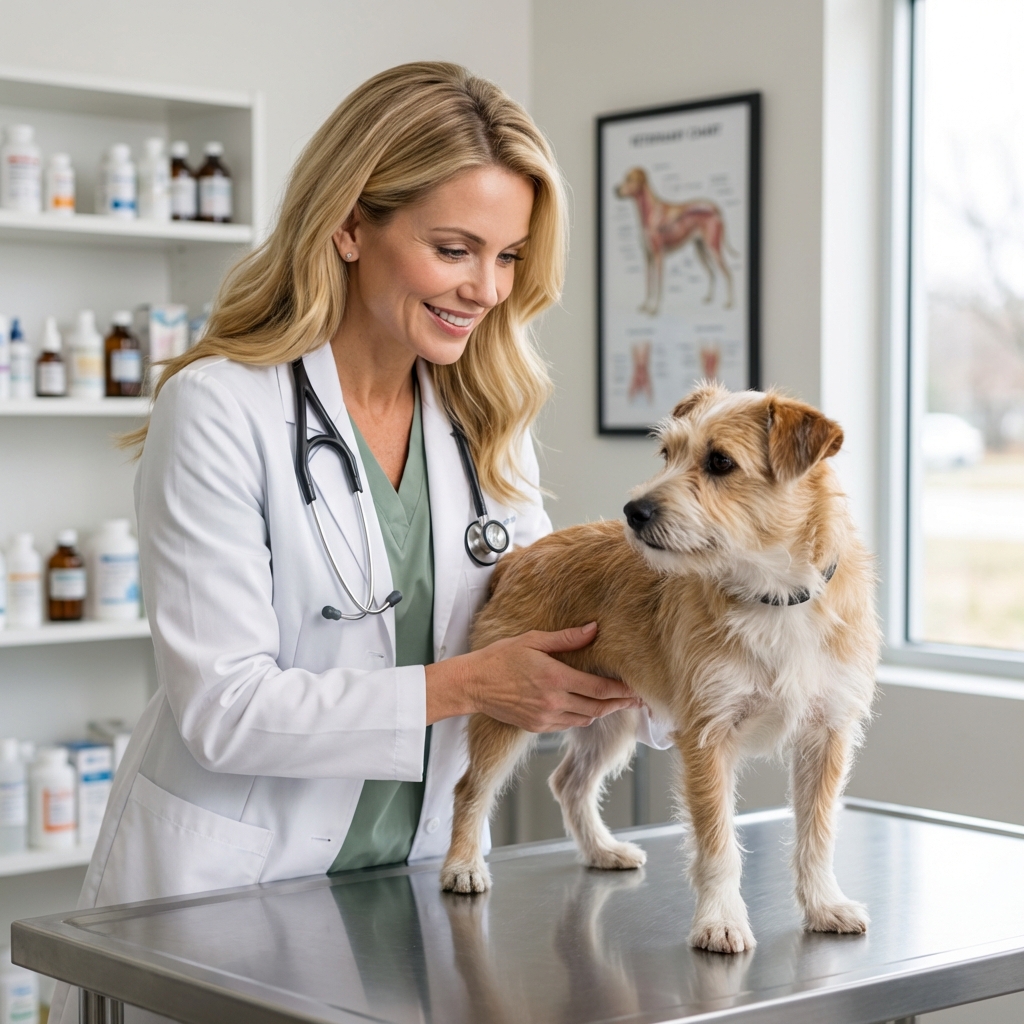
Pancreatitis is not something to “wait out.” Comfort at home works best when it is built on the right medical foundation. Your veterinarian may recommend:
- Anti-nausea medication (often maropitant or ondansetron)
- Pain control (pancreatitis can be very painful)
- Fluids (subcutaneous or IV if dehydration is significant)
- Diet changes to a low-fat, highly digestible plan
- Diagnostics such as bloodwork, canine pancreatic lipase (cPL), and sometimes imaging like ultrasound to assess severity and rule out other issues
If you have medications at home, give them exactly as prescribed and ask your clinic what to do if your dog vomits after a dose.
Some dogs can recover at home with close guidance. More serious cases may need hospitalization for IV fluids, stronger injectable medications, and careful nutritional support. Your vet will help you decide what is safest.
How to comfort your dog at home
1) Set up a calm recovery zone
Dogs with nausea and belly pain do best in a quiet, predictable space.
- Choose a low-traffic room with dim lighting.
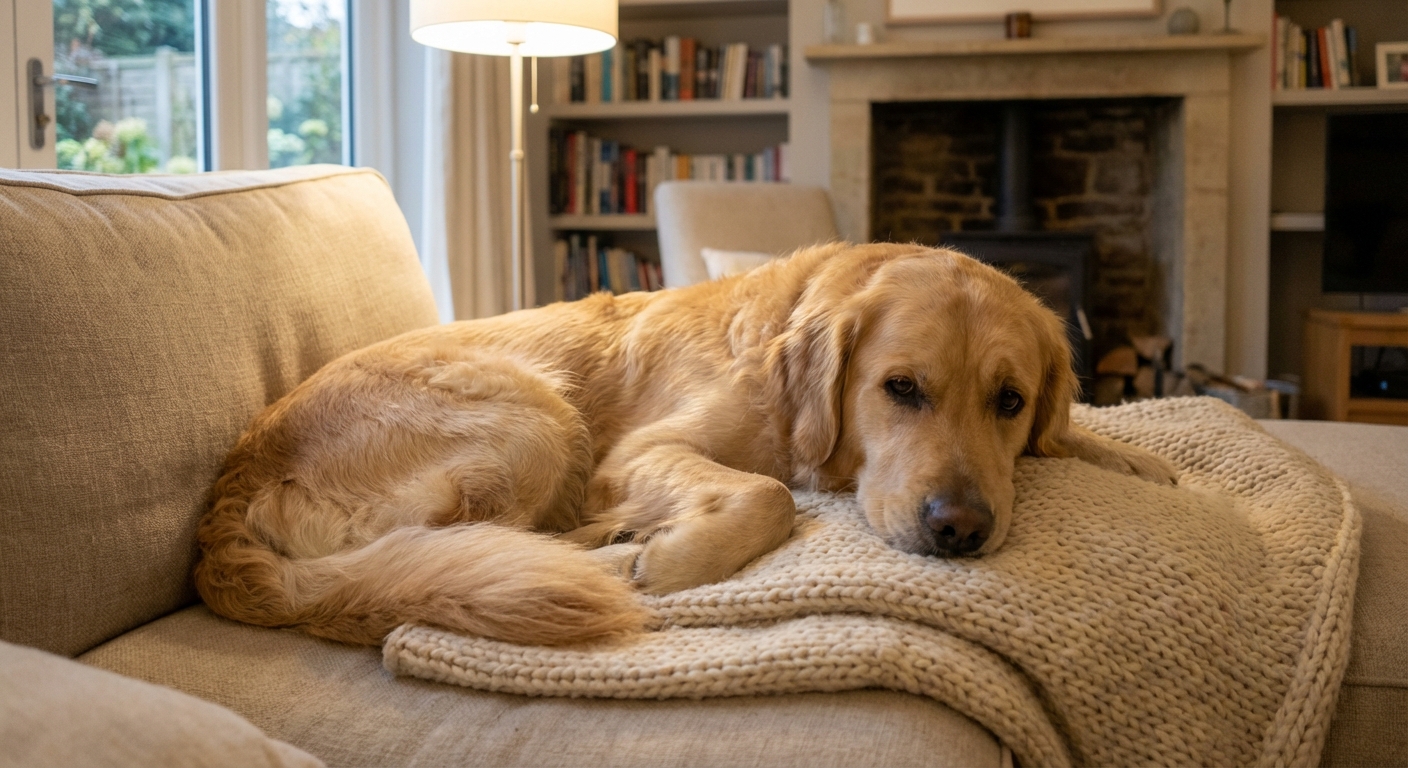
- Offer a supportive bed with fresh blankets, and keep the area warm but not hot.
- Reduce noise and excitement. Stress can worsen nausea and appetite issues.
- If your dog is unsteady, block stairs and slick floors.
2) Support hydration gently
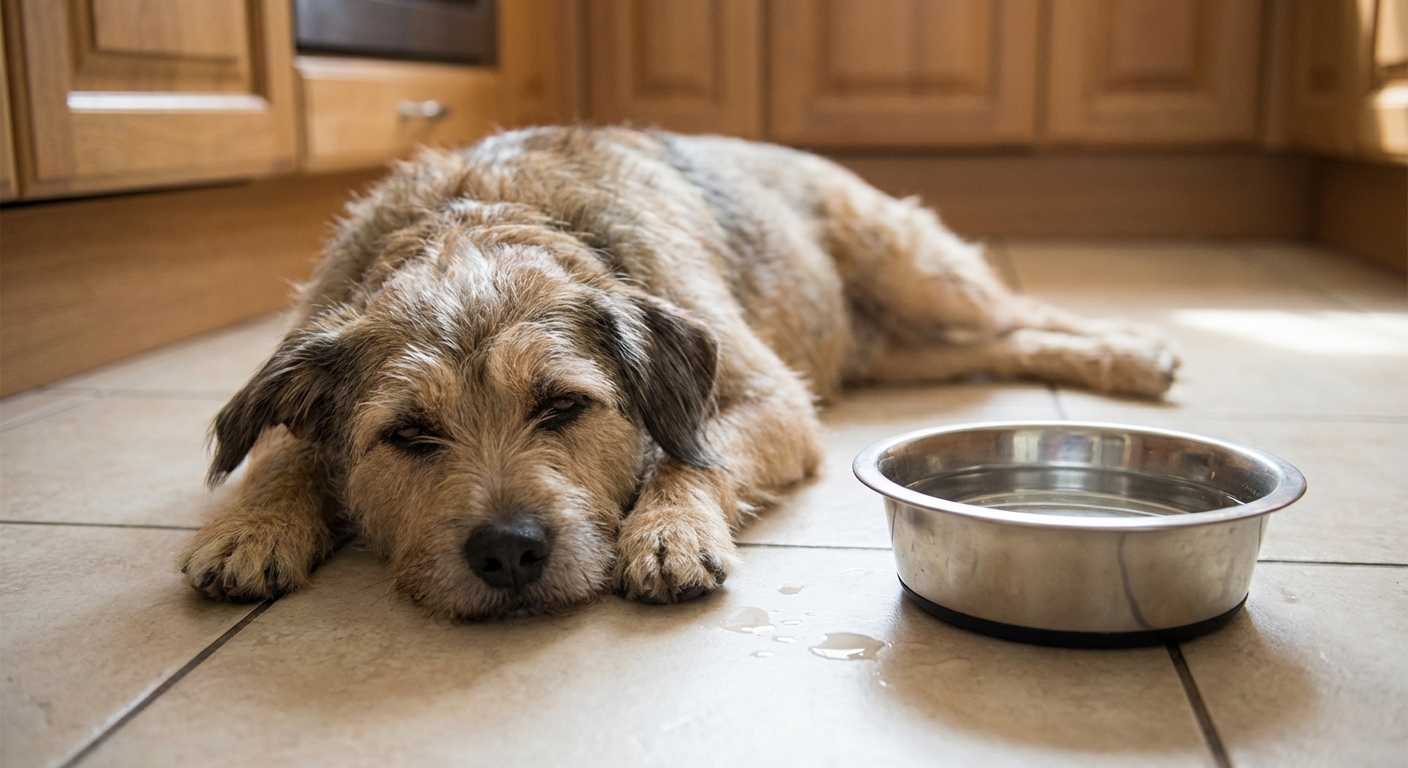
Dehydration is common with vomiting and diarrhea. But large gulps can trigger more vomiting, so think small and steady.
- Offer small sips of water frequently.
- Ask your vet if ice chips are appropriate.
- Do not give electrolyte drinks unless your vet approves; some contain sweeteners like xylitol that are not safe for dogs.
Call your vet if your dog cannot keep water down, has sticky gums, or is not urinating normally.
3) Feed for comfort
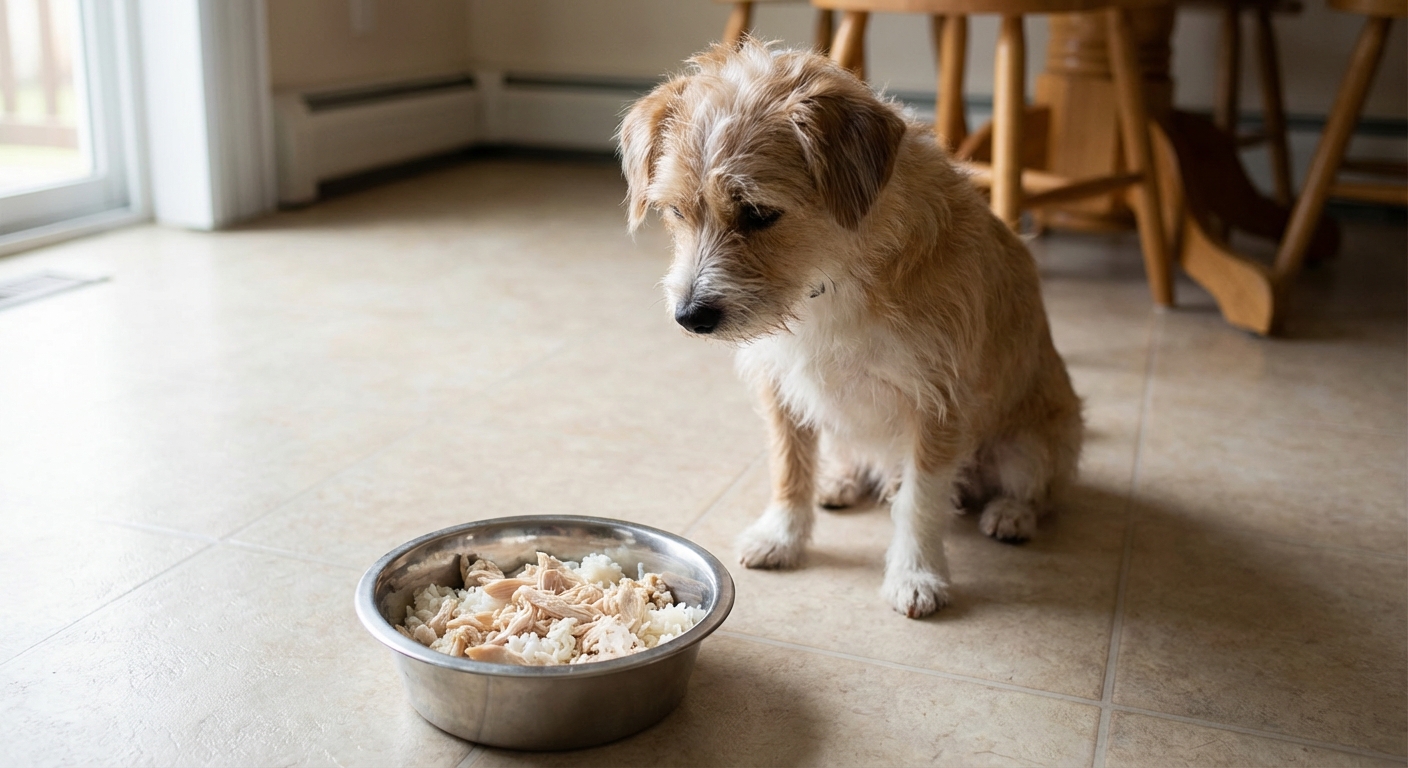
Food is one of the biggest comfort levers with pancreatitis, but timing and fat level matter. Some dogs may need a short break from food at the start, while others do better with earlier, careful feeding once vomiting is controlled. Follow your veterinarian’s instructions closely.
- Follow your veterinarian’s feeding plan, especially if they prescribed a GI or low-fat diet.
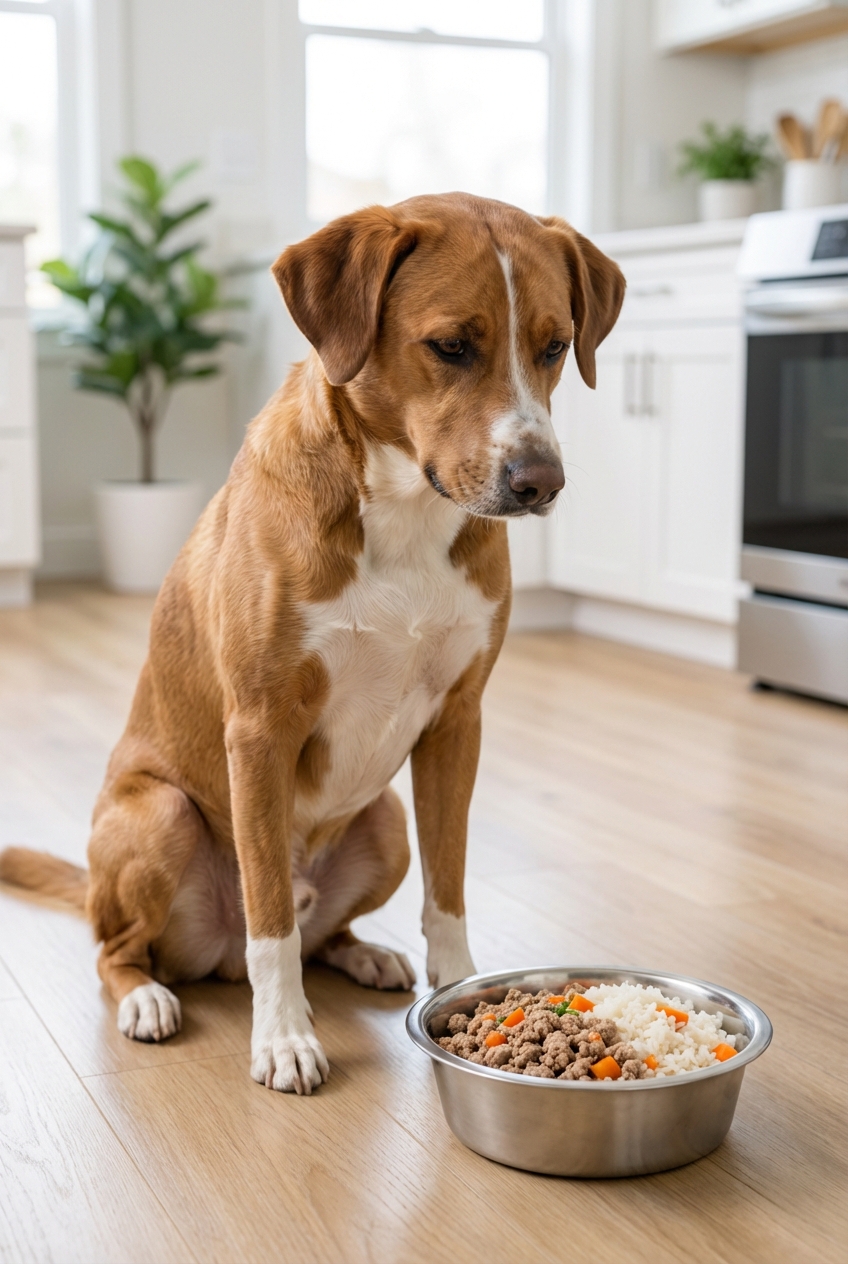
- When re-feeding starts, offer small meals (often 3 to 6 per day).
- Avoid fatty foods completely: bacon, sausage, cheese, butter, fried foods, fatty meat trimmings, gravy, and many rich treats.
If you want to use homemade food as part of recovery, only do so with your veterinarian’s guidance. Dogs with pancreatitis usually need very low-fat meals, and even “healthy” foods can be too rich during a flare.
4) Ease nausea with routine
Nausea is miserable. Your dog may drool, lick lips, swallow repeatedly, or turn away from food. Besides medication, simple routines help:
- Keep the room cool and fresh; strong odors can worsen nausea.
- Offer food slightly warmed if your vet says it is okay, since aroma can encourage appetite.
- Keep bowls clean and use a shallow dish if bending seems uncomfortable.
5) Keep movement gentle
Rest is healing, but a little movement can prevent stiffness and help your dog feel more normal.
- Short, slow potty breaks on a leash are usually enough.
- Skip running, fetch, or long walks until your vet clears it.
- If your dog seems painful when standing or walking, call your clinic; pain control may need adjustment.
6) Use touch wisely
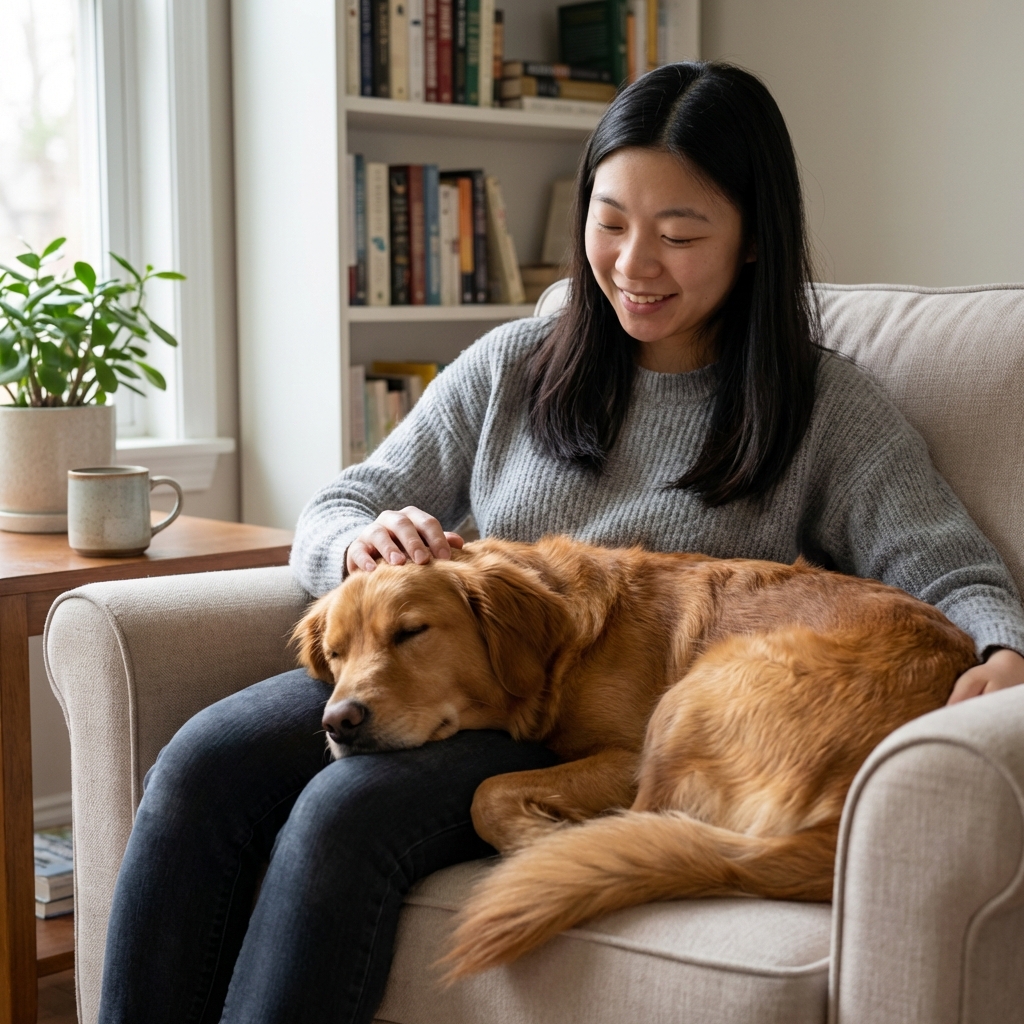
Some dogs want closeness, others want space. Follow your dog’s lead.
- Soft petting on the head, shoulders, and chest is often soothing.
- Avoid pressing on the belly.
- If your dog is restless, try sitting nearby quietly rather than constant handling.
What to avoid right now
One of the kindest things you can do is remove common flare triggers from your dog’s environment.
- No table scraps during recovery.
- No sudden diet changes unless medically directed.
- No high-fat treats, including many “people foods.”
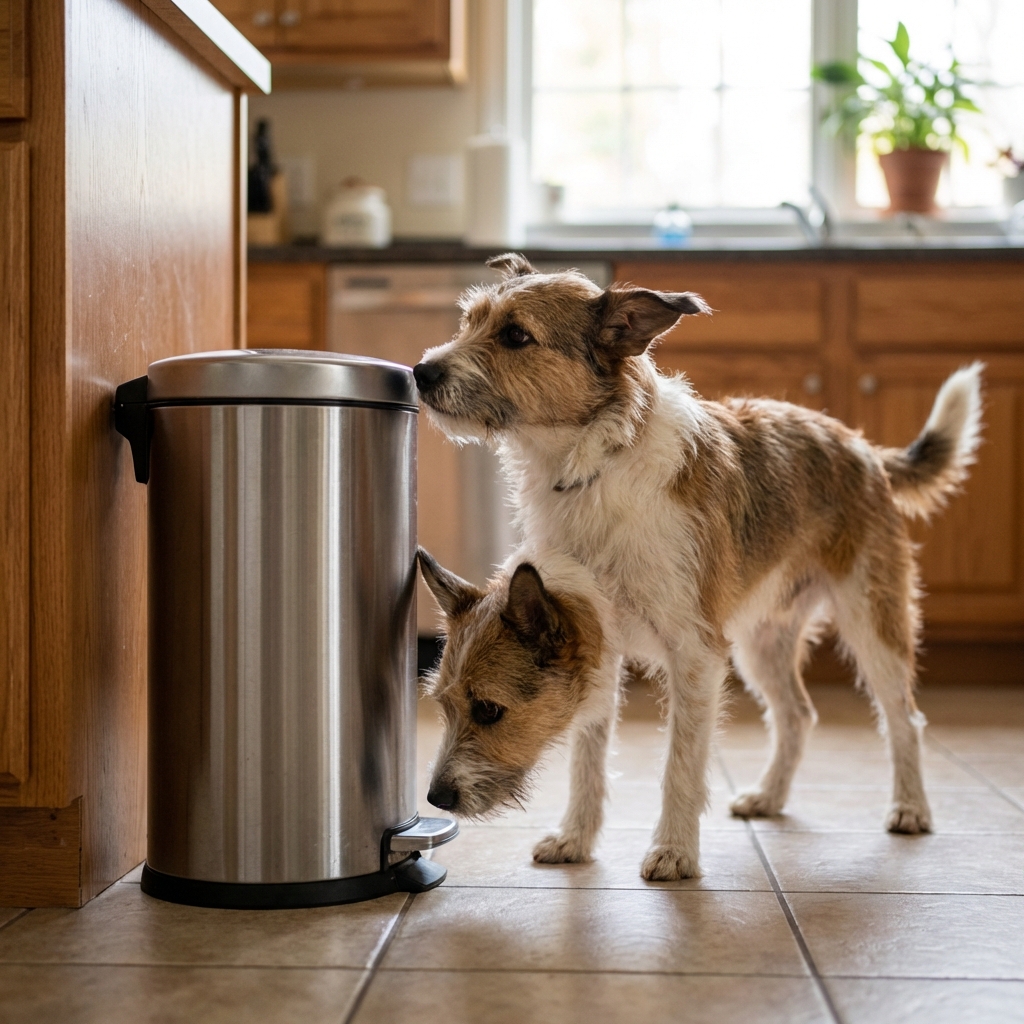
- Lock down the trash and keep compost bins secured. Dietary indiscretion is a frequent cause of GI emergencies.
- Use caution with medications. Never give human pain relievers (ibuprofen, naproxen, acetaminophen) unless your vet specifically instructs you to. Always ask first.
Monitor at home
When dogs are recovering, small changes can be meaningful. I encourage families to track a few basics twice daily.
- Appetite: Is interest improving, stable, or worse?
- Vomiting: How many times, and when?
- Stool: Diarrhea, normal, pale, greasy-looking, or black and tarry?
- Energy: More alert or increasingly withdrawn?
- Hydration: Gum moisture, urination frequency
- Comfort level: Any trembling, panting, hunched posture, or “prayer position”?
Call your vet urgently if vomiting returns, your dog refuses water, seems painful, becomes very weak, or you see blood in vomit or stool.
Long-term nutrition notes
Low-fat matters
Dietary fat is a common trigger for pancreatitis flares, and many dogs do best long-term on a veterinarian-recommended low-fat diet. Even after your dog seems normal, the pancreas may still be sensitive.
Small meals help
Larger meals can be harder to handle. Smaller, more frequent meals can reduce digestive stress for many dogs, especially those with chronic pancreatitis.
Healthy weight supports healing
If your dog is overweight, gradual weight loss (with your vet’s plan) can reduce inflammation and improve overall health, including GI comfort and mobility.
Repeat episodes happen
Pancreatitis can be acute (sudden) or chronic (recurring). If your dog has repeat flares, ask your veterinarian about:
- Underlying conditions (endocrine disease such as diabetes or Cushing’s, GI disease, gallbladder issues)
- Medication review
- Long-term diet strategy and treat list
- Whether a specialist consult is appropriate
When to go back to the vet
Please seek prompt veterinary help if you notice any of the following:
- Repeated vomiting or inability to keep water down
- Severe lethargy, collapse, or weakness
- Bloated abdomen or obvious abdominal pain
- Pale gums, rapid breathing, or signs of shock
- Black, tarry stool or visible blood
- Worsening diarrhea with dehydration
Pancreatitis can range from mild to life-threatening. Mild cases may improve over a few days, while more severe cases can take longer and may need rechecks. When in doubt, call. Comfort sometimes means getting help early.
A gentle closing note
If you are reading this with a worried heart, I want you to know this: you are doing the right thing by looking for ways to help. With the right veterinary care, a calm environment, and careful feeding, many dogs bounce back and regain their spark. Go slow, stay consistent, and keep communication open with your veterinary team. Your steady presence is powerful medicine.