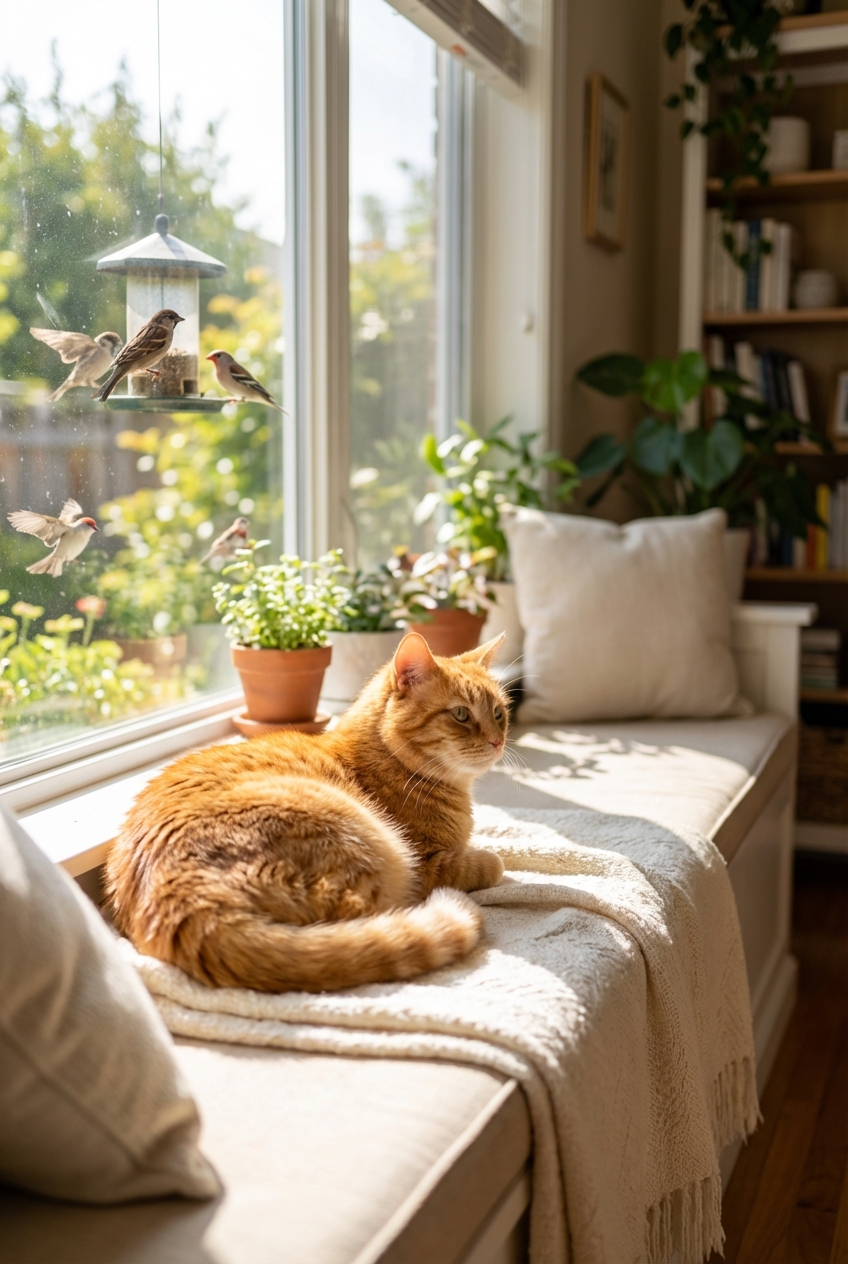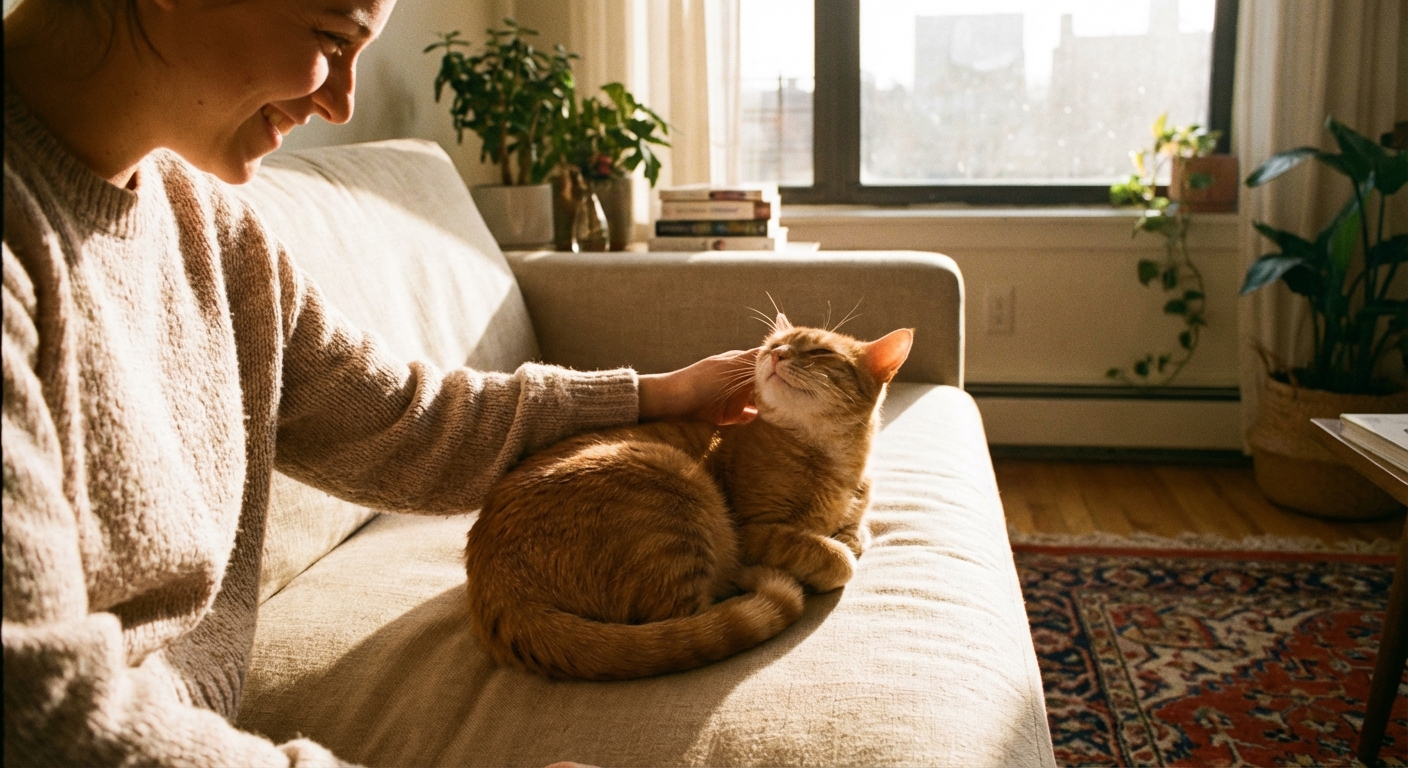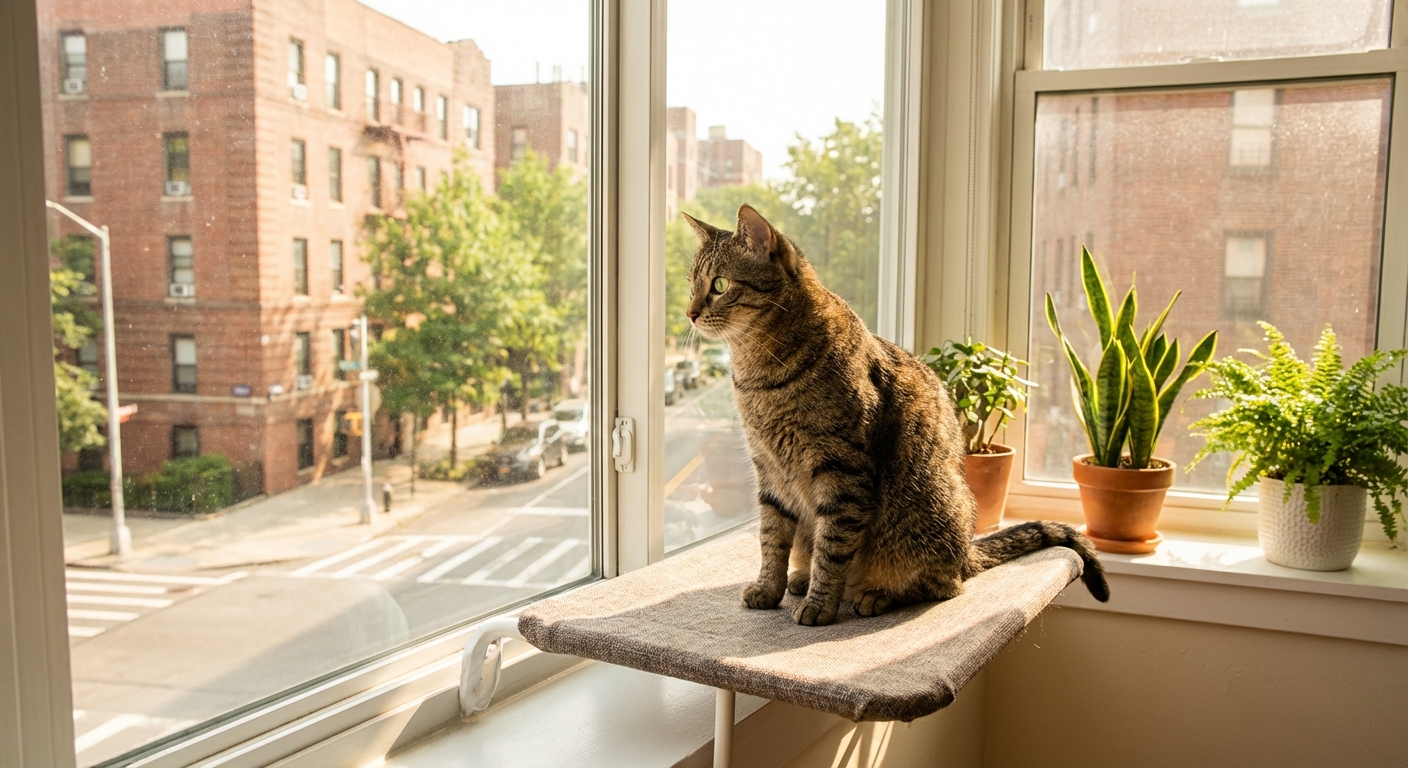
Help your indoor cat thrive in a small apartment with smart enrichment: vertical routes, window perches, puzzle feeders, prey-style play, scratch zones, quie...
Article
•
Designer Mixes
Colorpoint Shorthair: Personality, Care, Health, and What to Expect

Shari Shidate
Designer Mixes contributor
Meet the Colorpoint Shorthair
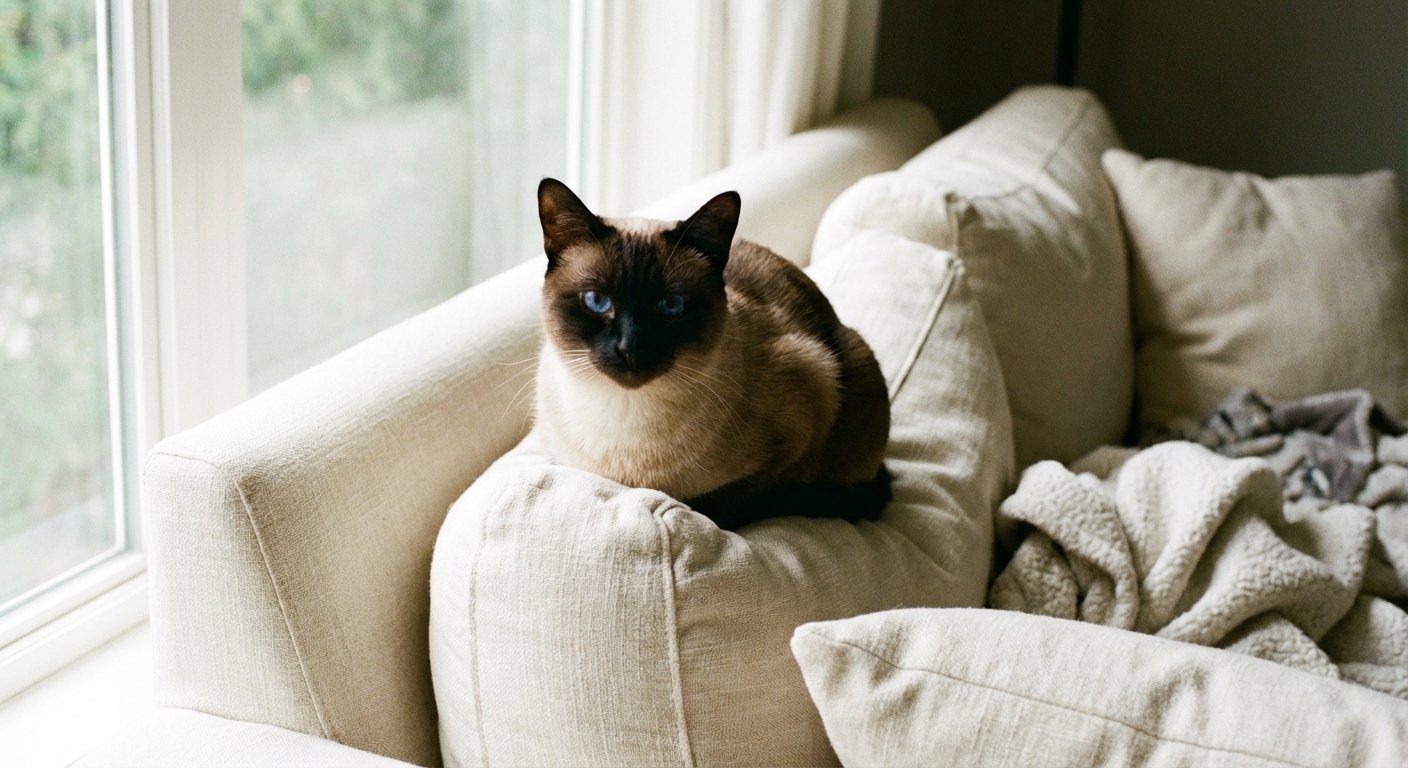
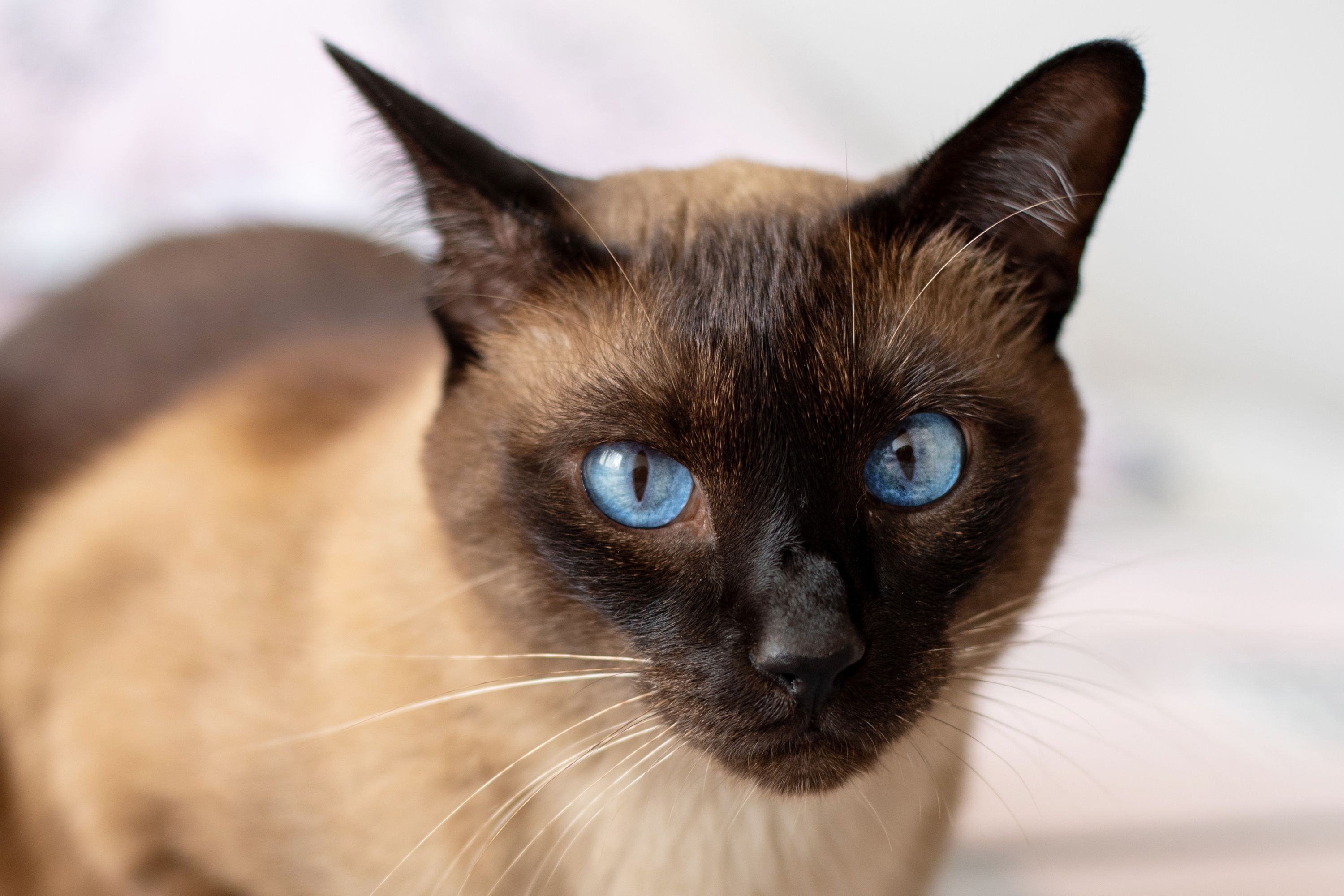
If you love the look of a pointed coat and the energy of a chatty, people oriented cat, the Colorpoint Shorthair may feel like a perfect match. This breed is closely related to the Siamese and is best known for striking blue eyes, a pale body with darker points on the face, ears, paws, and tail, and a big, expressive personality packed into a sleek, athletic frame.
I often remind pet parents that choosing a cat is a lifestyle decision as much as a design preference. Colorpoint Shorthairs tend to thrive when they have daily interaction, play, and a predictable routine. In return, they usually offer loyal companionship and a home full of conversation.
Origin and Breed History
The Colorpoint Shorthair developed in the mid 20th century as breeders worked to expand the range of point colors seen in Siamese type cats. By introducing carefully selected outcrosses, they produced cats with Siamese like body shape and temperament, paired with additional point colors and patterns beyond the traditional seal, chocolate, blue, and lilac.
Today, many cat associations recognize the Colorpoint Shorthair as a distinct breed or as a variety closely connected to the Siamese, depending on the registry. Regardless of classification, the hallmark is consistent: a refined, short coated cat with vivid blue eyes and point coloration.
Appearance: Coat, Colors, and Size
Size and build
Colorpoint Shorthairs are typically medium sized, but they can feel larger than expected because of their long lines and muscular, athletic build. Most adults fall around 6 to 12 pounds, with some variation by sex, lineage, and overall condition. They are built for movement, climbing, and fast bursts of play.
Coat
The coat is short, fine, and close lying with a glossy finish. Because there is minimal undercoat, many families find grooming very manageable.
Point colors
Points are the darker areas on the cooler parts of the body: the face, ears, legs, and tail. Colorpoint Shorthairs can appear in classic Siamese point colors (like seal, blue, chocolate, and lilac). However, in registries that distinguish the Colorpoint Shorthair from the Siamese, the breed is especially defined by and recognized for the non traditional point colors and patterns, such as red, cream, tortie, and lynx points.
Temperament: Social, Smart, and Very Involved
This is not a breed that prefers to blend quietly into the background. Colorpoint Shorthairs are often:
- Highly social, seeking out their people and following them from room to room.
- Vocal , using a range of meows to greet, request, and comment on daily life.
- Intelligent and curious, learning routines quickly and exploring everything.
- Play driven, enjoying interactive games well into adulthood.
Because they form strong bonds, many do best in homes where someone is around often, or where they have another friendly pet for company. If your schedule is long and unpredictable, plan for enrichment and companionship to prevent boredom.
Is a Colorpoint Shorthair a Good Pet for You?
Great fit for
- Families who want an affectionate, interactive cat that enjoys being included in daily life.
- People who enjoy training and enrichment, like puzzle feeders or clicker training.
- Homes that can offer consistent playtime and social contact.
May be a challenge for
- Anyone who wants a very quiet, independent cat.
- Households that are away for long stretches without a plan for companionship.
- People sensitive to frequent meowing, especially in the evenings.
In many homes, the biggest success factor is simple: daily engagement. When these cats feel connected and stimulated, their best traits shine.
Care and Grooming
Brushing
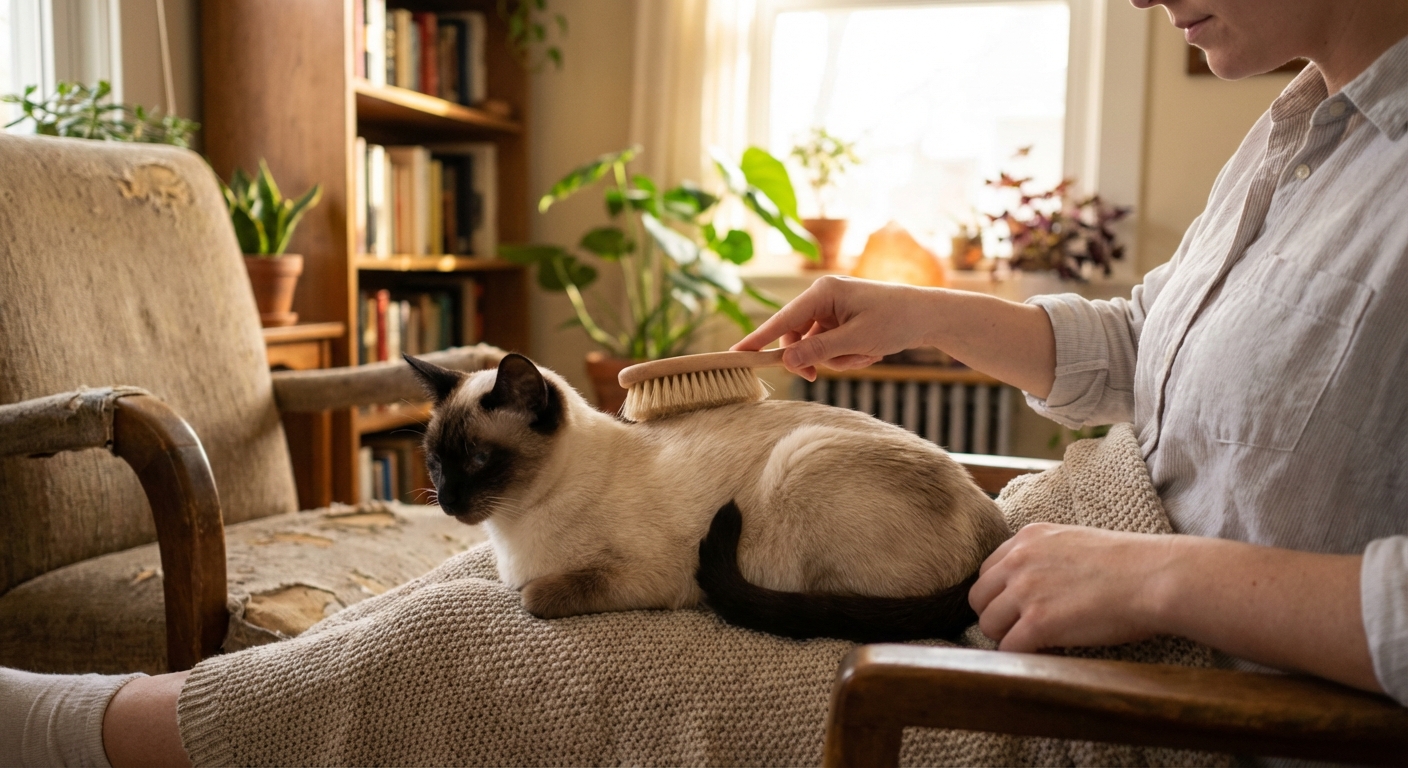
A quick brush once a week is usually enough to remove loose hair and keep the coat glossy. Many cats also enjoy a gentle wipe with a soft, slightly damp cloth to polish the coat.
Nails, ears, and teeth
- Nails: Trim every 2 to 4 weeks, depending on growth and scratching habits.
- Ears: Check weekly for wax buildup or redness, and clean only if needed using a vet approved product.
- Dental care: Regular tooth brushing is one of the most impactful habits for long term health. Dental disease is common in cats, and prevention is far easier than treatment.
Shedding and allergies
While the coat is short, no cat is truly hypoallergenic . If allergies are a concern, spend time with the breed first and talk with your clinician about practical home strategies like HEPA filtration and consistent cleaning.
Exercise and Enrichment: A Must for This Breed
Colorpoint Shorthairs tend to be energetic and bright. Think of enrichment as preventive care for behavior and wellbeing.
- Daily interactive play: 10 to 20 minutes, one or two times per day, using wand toys or chase games.
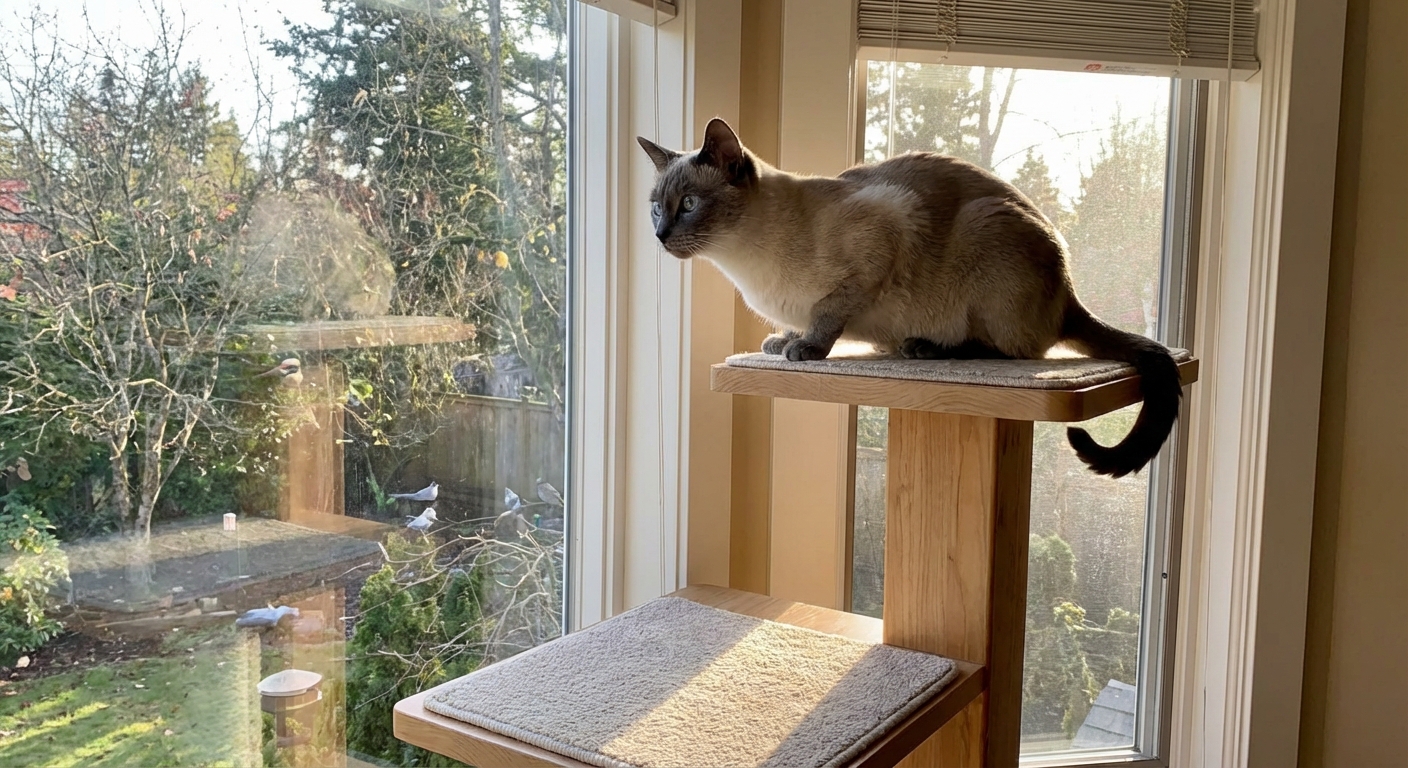
- Vertical space: Cat trees, shelves, or a window perch for climbing and observation.
- Food puzzles: Encourages natural foraging and slows fast eaters.
- Training: Many learn sit, high five, or target touch, and some enjoy harness training.
If you notice sudden hyperactivity, nighttime restlessness, or attention seeking behaviors, increase structured play and make sure your cat has predictable routines around meals and rest.
Nutrition and Healthy Weight
These cats can be lean and muscular, but they can still gain excess weight if calories exceed activity. A few practical, evidence based tips that help most households:
- Prioritize high quality protein appropriate for cats, who are obligate carnivores.
- Measure portions rather than free feeding all day, especially in multi cat homes.
- Use treats strategically for training and bonding, and keep them a small part of daily calories.
- Schedule regular weigh ins at the vet or at home if your clinic recommends it.
If your Colorpoint Shorthair seems constantly hungry, talk with your veterinarian. Hunger can be behavioral, but it can also signal a medical issue that deserves attention.
Health Considerations and Lifespan
Colorpoint Shorthairs are often long lived when well cared for, with many reaching 12 to 16+ years . Like Siamese type cats, they can be predisposed to certain health concerns. Not every cat will develop these issues, but it is wise to be aware and proactive.
Potential concerns to discuss with your veterinarian
- Dental disease, which is common across breeds and especially important to prevent with home care and professional cleanings when indicated.
- Respiratory sensitivity in some lines, including asthma like symptoms. Seek veterinary evaluation for coughing or labored breathing.
- Heart conditions such as hypertrophic cardiomyopathy in some cats. Your vet may recommend screening if there is a family history.
- Kidney health, which becomes more important as cats age. Routine labs can catch early changes.
- Eye concerns, including strabismus in some individuals. It is often benign, but any vision change should be checked.
The most protective habits are consistent wellness visits, maintaining a healthy weight, good dental care, and quick follow up for changes in appetite, breathing, or activity.
Home Setup: Make Your Space Cat Friendly
Because these cats like to be where the action is, small adjustments can make your home safer and more engaging:
- Secure windows and balconies with sturdy screens.
- Create a quiet rest zone away from heavy foot traffic.
- Add scratching options both vertical and horizontal to protect furniture and support healthy claws.
- Keep routines steady for meals and play, which helps sensitive or vocal cats settle.
If you work outside the home, consider timed feeders, puzzle toys, and leaving a safe window perch to reduce boredom.
Kids, Other Pets, and Social Life
Colorpoint Shorthairs are typically affectionate and can do well with respectful children and cat friendly dogs. The key is thoughtful introductions and teaching gentle handling.
- With kids: Encourage calm petting, no tail grabbing, and give the cat an escape route.
- With other cats: Slow introductions help prevent territorial stress. Many enjoy having a feline companion.
- With dogs: Choose dogs with calm, non predatory behavior and supervise early interactions.
Because the breed is social, many do best when they are not the only source of companionship in the home.
Adoption and Finding a Responsible Breeder
You may find Colorpoint Shorthairs through breed specific rescues, general shelters, or reputable breeders. If you are working with a breeder, look for someone who prioritizes health, temperament, and early socialization, not just unusual colors.
Smart questions to ask
- What health screening is done in the breeding cats, especially for heart health and genetic risks in the line?
- Can you meet the kitten’s mother, and what is her temperament like?
- How are kittens socialized in the home?
- What is included in the purchase agreement regarding health guarantees and return policies?
For adoption, ask the shelter or rescue about personality notes, vocalization level, and how the cat responds to handling and other animals.
Bottom Line
The Colorpoint Shorthair is a sleek, striking cat with a big heart and a bigger voice. If you want a companion who interacts, plays, and communicates every day, this breed can be a joyful addition to the right home. Build your routine around connection: a little consistent play, a little consistent grooming, and regular veterinary care. Those small habits truly do compound into remarkable results over time.