Worried about a harsh, honking dog cough? Learn kennel cough symptoms, emergency red flags, diagnosis, home care, vet treatments, recovery timelines, and con...
Article
•
Designer Mixes
Collapsed Trachea vs Kennel Cough: Quick Clues

Shari Shidate
Designer Mixes contributor
If your dog starts coughing, it can become alarming quickly. Two common reasons are kennel cough (an infectious respiratory illness) and collapsed trachea (a structural problem of the windpipe). They can look similar at home, especially in small breeds and excitable pups, but there are a few quick clues that can help you decide what to do next.

Quick clue checklist
Use these as a starting point, not a final diagnosis. If your dog is struggling to breathe, skip the checklist and go in right away.
- Honk-like cough triggered by excitement or pulling on the leash: more suggestive of collapsed trachea.
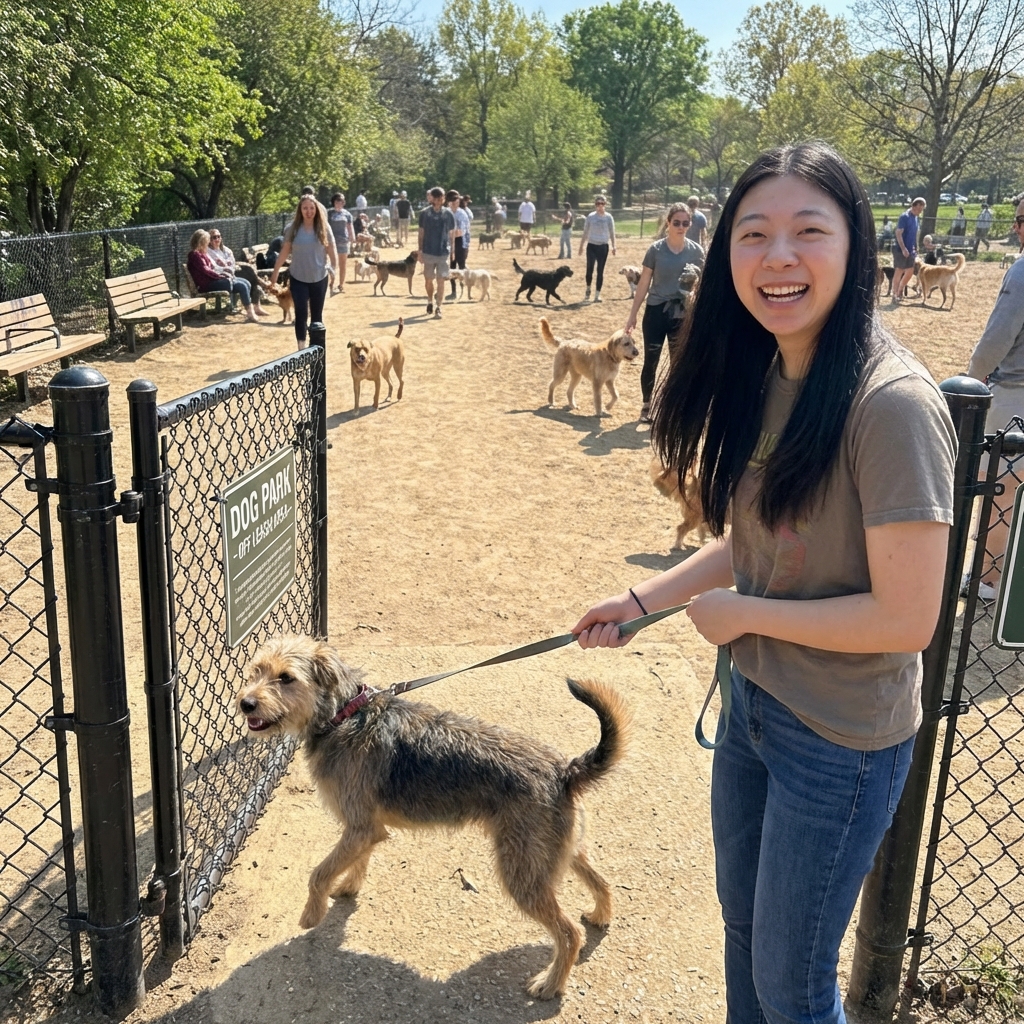
- Dry hacking cough that started after grooming, boarding, daycare, or the dog park: more suggestive of kennel cough.
- Normal energy and appetite: often seen with mild kennel cough.
- Long history of “off and on” coughing for months: more suggestive of collapsed trachea (often chronic and progressive).
- Fever, lethargy, thick nasal discharge: can happen with respiratory infection and needs veterinary attention.
- Blue or gray gums, collapse, severe effort to breathe, or heavy panting when cool and resting: emergency signs for either problem.
What kennel cough looks like
Kennel cough is a catch-all term for infectious tracheobronchitis, often grouped under canine infectious respiratory disease complex (CIRDC). It is commonly linked to Bordetella bronchiseptica and canine parainfluenza virus, but multiple organisms can be involved. Think of it like a “doggy cold” that can range from mild to more serious, especially in puppies, seniors, and dogs with underlying heart or airway disease.
Common at-home signs
- Dry, frequent cough, sometimes with a gag or retch at the end
- Recent exposure to other dogs in close quarters (boarding, daycare, grooming, shelters, dog parks)
- Mild symptoms otherwise in many cases: normal appetite, normal energy
- Possible runny nose or watery eyes
Timing clue
Symptoms often show up within about 3 to 10 days after exposure, but timing can vary by the organism involved and your dog’s immune response, sometimes up to around 14 days.
What collapsed trachea looks like
Collapsed trachea happens when the cartilage rings that help hold the trachea open weaken over time, along with laxity of the soft tissue that spans the top of the trachea. The collapse can be dynamic (worse during breathing in or out depending on where it occurs), which is one reason coughing can come and go. This is especially common in small breeds like Yorkies, Pomeranians, Chihuahuas, Toy Poodles, and mixed breeds with similar size and anatomy. It can be mild for years or gradually worsen.
Common at-home signs
- “Goose honk” cough that can sound harsh and startling
- Cough triggered by excitement, barking, eating or drinking, or hot or humid weather
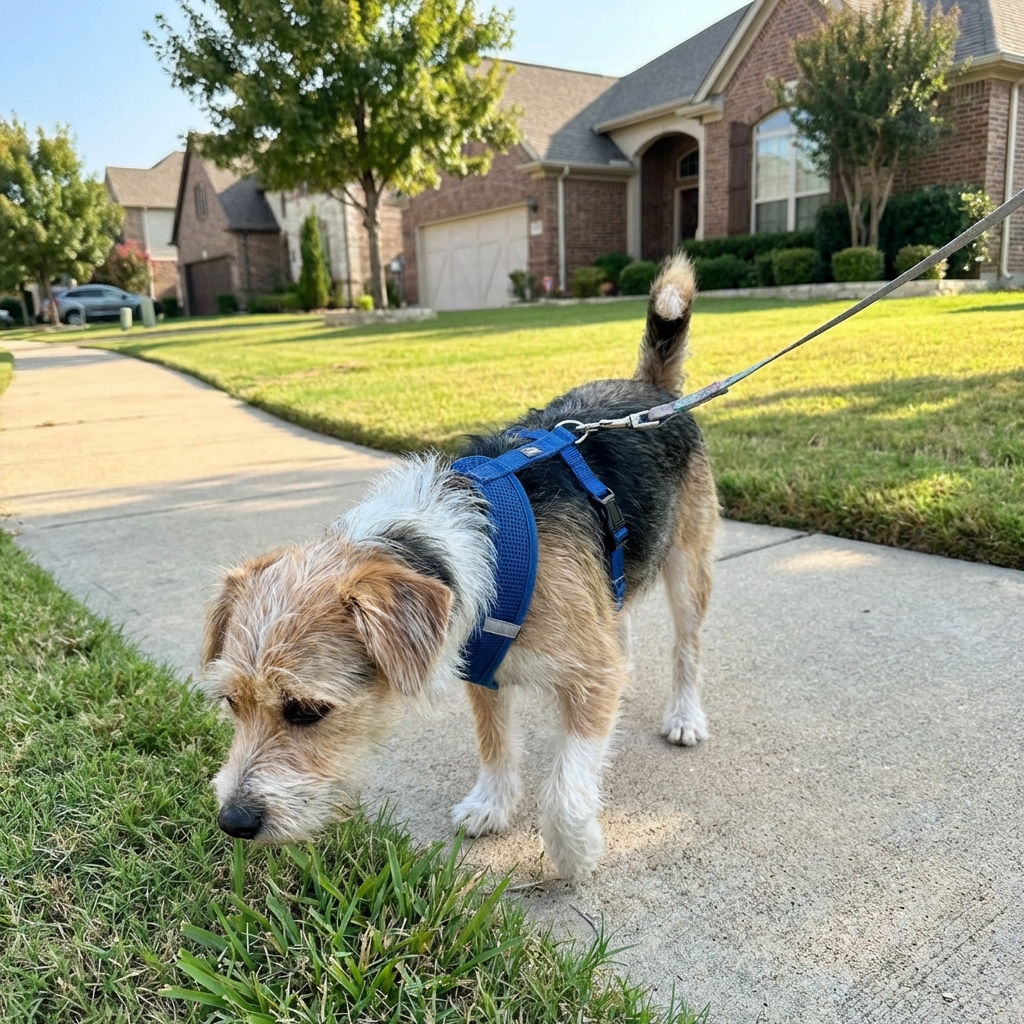
- Cough triggered by neck pressure (collars, leash pulling)
- Chronic pattern: comes and goes over weeks or months
- Exercise intolerance in more advanced cases
Breed and body condition clue
Collapsed trachea is more likely in small dogs and can be worsened by excess weight. If your dog has a long-standing honk and is also a little overweight, that combination is a strong nudge to ask your vet about tracheal collapse.
The cough sound: honk vs hack
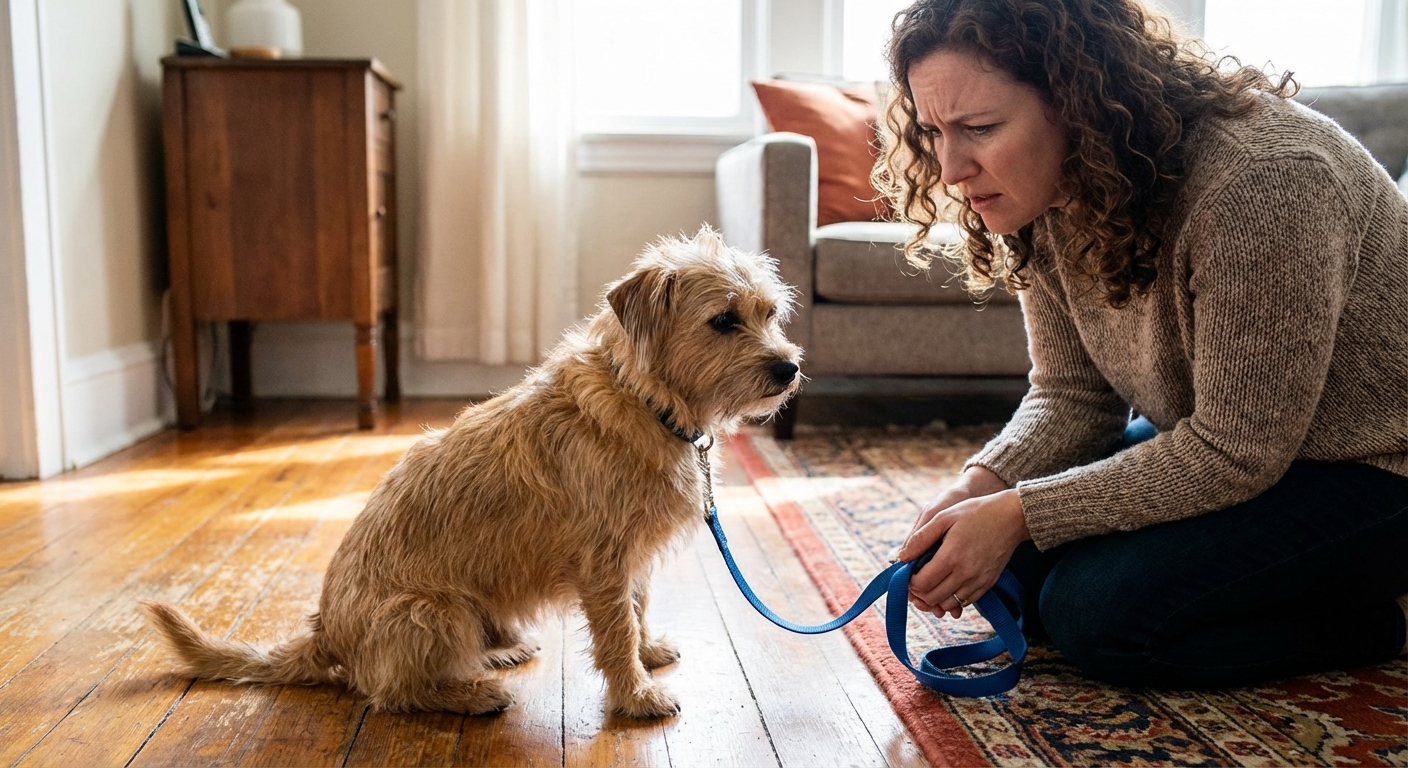
I know this part feels subjective, but it is one of the most helpful quick clues.
- Collapsed trachea: often described as a goose honk, sometimes followed by anxious breathing.
- Kennel cough: commonly a dry hacking cough, sometimes ending with a gag or a little foamy spit.
Tip: If you can do it safely, record a short video of the episode for your vet. A 10-second clip can be incredibly helpful.
Other causes to keep in mind
Coughing has a broad list of causes. If things do not fit neatly into kennel cough or collapsed trachea, your vet may also consider:
- Reverse sneezing: often sounds like snorting or loud inhaling fits, and is commonly confused with coughing.
- Heart disease: can cause coughing, especially in older small dogs, and may be more noticeable at night or when resting.
- Pneumonia: may come with faster breathing, marked lethargy, fever, or a “wet” or productive-sounding cough.
- Parasites or other airway disease: risk depends on region and whether your dog is on consistent preventives.
When this is urgent
Both conditions can become serious, and coughing can also signal other problems like pneumonia, heart disease, or a foreign body. Seek urgent veterinary care if you notice:
- Breathing looks hard: belly heaving, nostrils flaring, or your dog cannot settle
- Blue, gray, or very pale gums
- Collapse, weakness, or extreme lethargy
- High fever, refusal to eat, or rapid worsening
- Cough in a puppy or an older dog with other health issues
- Heavy panting when cool and resting or any gasping for air
What your vet may do
Because kennel cough and collapsed trachea can overlap, your veterinarian will focus on listening to the lungs and airway, checking oxygenation, and choosing the right diagnostics.
Common diagnostics
- Physical exam and careful history (recent exposure, duration, triggers)
- Chest X-rays to look for pneumonia, heart enlargement, bronchitis, or visible tracheal narrowing
- Airway evaluation in select cases (fluoroscopy, endoscopy, or referral)
- Respiratory PCR testing sometimes, especially in outbreaks or severe cases
Typical treatment directions
- Kennel cough: many mild cases are self-limited and focus on rest and symptom relief. Cough suppressants may be used when appropriate. Antibiotics are not always needed, but may be prescribed if bacterial involvement is suspected or if there is concern for pneumonia or higher-risk dogs.
- Collapsed trachea: often focuses on long-term management like weight control, anti-inflammatory medications, cough control, bronchodilators in select cases, and avoiding airway irritants. Severe cases may be referred for advanced options.
At-home steps that help
These steps are generally safe for many coughing dogs, but they do not replace a vet visit if symptoms are moderate or worsening.
- Switch to a harness if your dog uses a collar, especially if coughing is triggered on leash.
- Keep activity calm. Excitement drives coughing in both conditions.
- Avoid irritants: smoke, strong fragrances, dusty environments, aerosol cleaners.
- Keep the air comfortable. In dry homes, a simple humidifier can help some dogs.
- Isolate if kennel cough is possible. Treat it as contagious until your vet says otherwise, and ask how long to keep your dog separated.
- Do not use human cough medicine unless your veterinarian specifically prescribes it for your dog.
Prevention tips
- Ask your vet about vaccines based on your dog’s lifestyle (daycare, grooming, boarding, training classes). Bordetella is a common one, and some dogs also benefit from canine influenza and other respiratory coverage depending on risk.
- Know what vaccines can and cannot do: they often reduce risk and severity, but they do not guarantee your dog will not get sick.
- Choose well-ventilated facilities that clean properly and separate coughing dogs.
- Support healthy weight, especially for small breeds at risk of tracheal collapse.
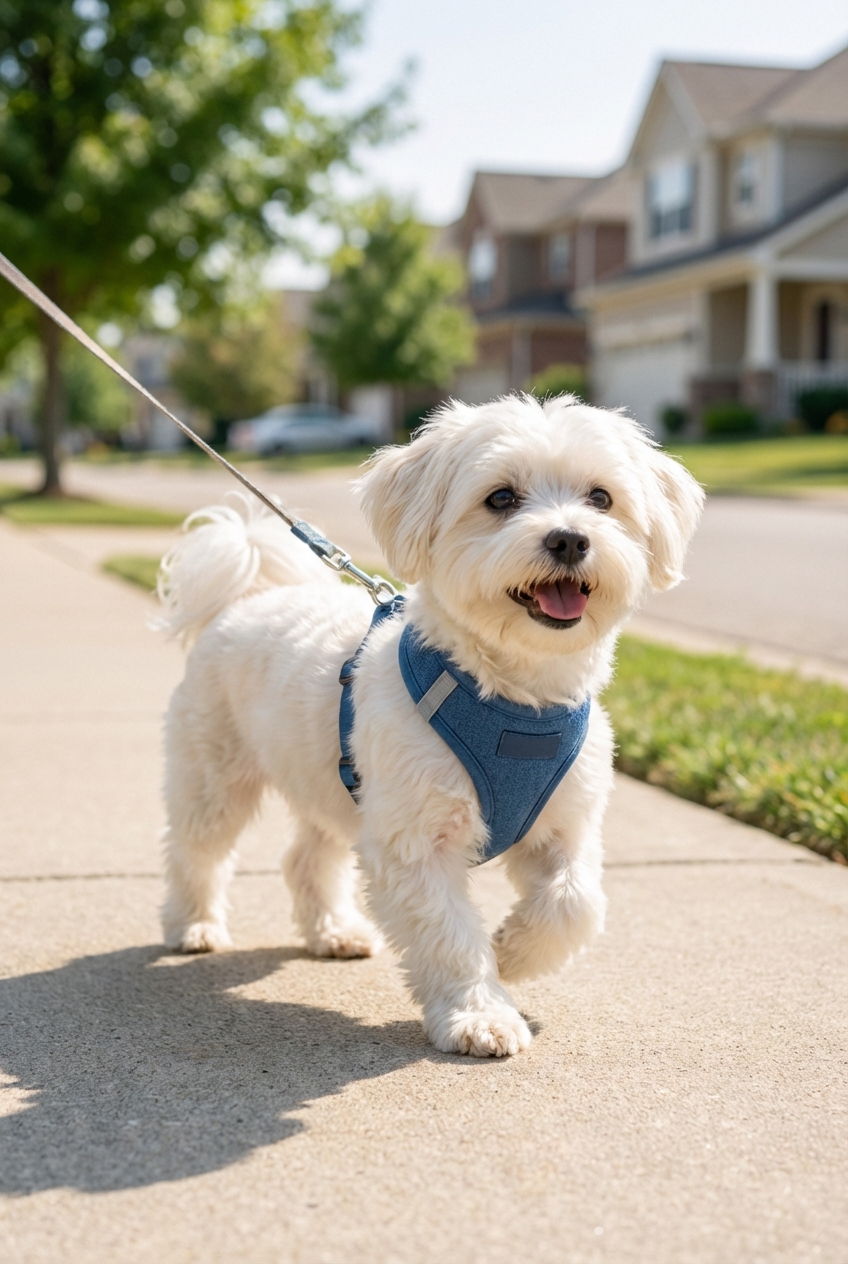
- Use a harness for little dogs to reduce pressure on the trachea.
Bottom line
If the cough started after dog-to-dog exposure and sounds like a dry hack with gagging, kennel cough moves higher on the list. If your small dog has a long-term honking cough triggered by excitement or collar pressure, collapsed trachea becomes a bigger concern. And if breathing looks hard or your dog seems truly unwell, it is time to be seen right away.
To help your appointment go faster, write down your dog’s breed, age, recent exposure history, cough triggers, timeline, and any videos you were able to capture, then bring those details to your vet.