Worried about a honking cough? Learn the signs of collapsed trachea in dogs, emergency red flags, diagnostic tests, treatment options, and practical at-home ...
Article
•
Designer Mixes
Collapsed Trachea in Dogs: Symptoms and Answers

Shari Shidate
Designer Mixes contributor
If your dog makes a funny “goose honk” sound, coughs after excitement, or seems to gag on the leash, it can be unsettling. One possible cause is collapsed trachea, a condition where the windpipe (trachea) loses stiffness and narrows, making it harder for air to move normally.
As a veterinary assistant in Frisco, Texas, I want you to know two things can be true at once: this condition can be serious, and many dogs do very well when it is recognized early and managed consistently.
This article is educational and not a substitute for veterinary diagnosis or treatment. If you are worried about your dog’s breathing, please contact your veterinarian.

What is a collapsed trachea?
The trachea is supported by C-shaped cartilage rings. In some dogs, those rings weaken over time and the trachea flattens, especially during breathing in or breathing out. The result is turbulence and irritation, which triggers coughing and that classic honking sound.
This is most common in small breeds (Yorkies, Pomeranians, Chihuahuas, Toy Poodles, Shih Tzus), but any dog can have airway issues that look similar. That is why a proper veterinary exam matters.
Symptoms
Collapsed trachea symptoms often come and go. Many owners tell me their dog seems “totally fine” until a trigger happens.
Common signs
- Honking cough that sounds like a goose or seal
- Coughing or gagging, sometimes with a retching sound
- Coughing after excitement, barking, eating, drinking, or pulling on the leash
- Noisy breathing (can happen on inhale or exhale, depending on where the collapse is)
- Tiring quickly on walks or struggling to keep up
- Worse in heat or humidity
Less obvious signs
- Reverse sneezing-like episodes (often from upper airway irritation). These can coexist with collapse or be mistaken for it, so mention them to your vet.
- Waking up coughing or restless sleep
- Stress-related wheezing or “tight” breathing
- Neck sensitivity when a collar is touched
A quick note about noisy breathing: loud noise on inhaling (stridor) can point more toward upper airway problems (like laryngeal issues). Tracheal collapse can still cause noisy breathing, but the timing and sound quality help your veterinarian narrow it down.

Emergency signs
Please seek urgent veterinary care if you notice:
- Blue, gray, or pale gums
- Labored breathing or your dog cannot settle
- Collapse or fainting
- Severe coughing fit that does not stop
- Heat distress (panting hard, drooling, weakness)
Why it can seem strange at first
The phrase “funny symptoms” shows up online because the cough can sound odd and dramatic, and dogs sometimes act totally normal right after. But while the noise may seem quirky, it is your dog telling you their airway is irritated or temporarily narrowed.
It can help to think of it like this: the sound is not the problem. The sound is the signal.
Common triggers
Many dogs with mild to moderate tracheal collapse have predictable triggers. Identifying them can reduce episodes quickly.
- Leash pressure from collars, especially if your dog pulls
- Excitement (doorbell, visitors, feeding time)
- Heat and humidity
- Smoke, fragrance, dust, and aerosols
- Respiratory infections (kennel cough, canine flu, bacterial bronchitis)
- Extra weight putting pressure on the airway and chest mechanics
Collapsed trachea or something else?
Several conditions can look similar, especially during a coughing episode.
- Kennel cough: often has an exposure history (boarding, grooming, dog parks) and may include nasal discharge. Honking can overlap.
- Heart disease: coughing can worsen at night or when lying down; may include exercise intolerance. Small breeds can have both heart disease and airway collapse.
- Allergies or chronic bronchitis: more ongoing cough, sometimes seasonal, sometimes with wheezing.
- Laryngeal or upper airway issues: noisy breathing and distress, especially on inhalation.
Because overlap is common, your veterinarian may recommend imaging and sometimes a heart evaluation to make sure the plan fits the real cause. In small-breed dogs especially, coughing is sometimes multifactorial.
How vets diagnose it
Diagnosis usually starts with a detailed history and listening to the chest and airway. Depending on the case, your vet may recommend:
- X-rays of the neck and chest (helpful, but collapse can be intermittent)
- Fluoroscopy (moving X-ray) to catch dynamic collapse during breathing
- Tracheoscopy or bronchoscopy (camera) in select cases, often with anesthesia
- Heart testing such as an echocardiogram if a heart cough is possible
Bring a short phone video of an episode if you can. It genuinely helps.
What helps
Treatment depends on severity, location of collapse, and whether there is also bronchitis, infection, or heart disease. Many dogs start with medical and lifestyle management.
At-home changes
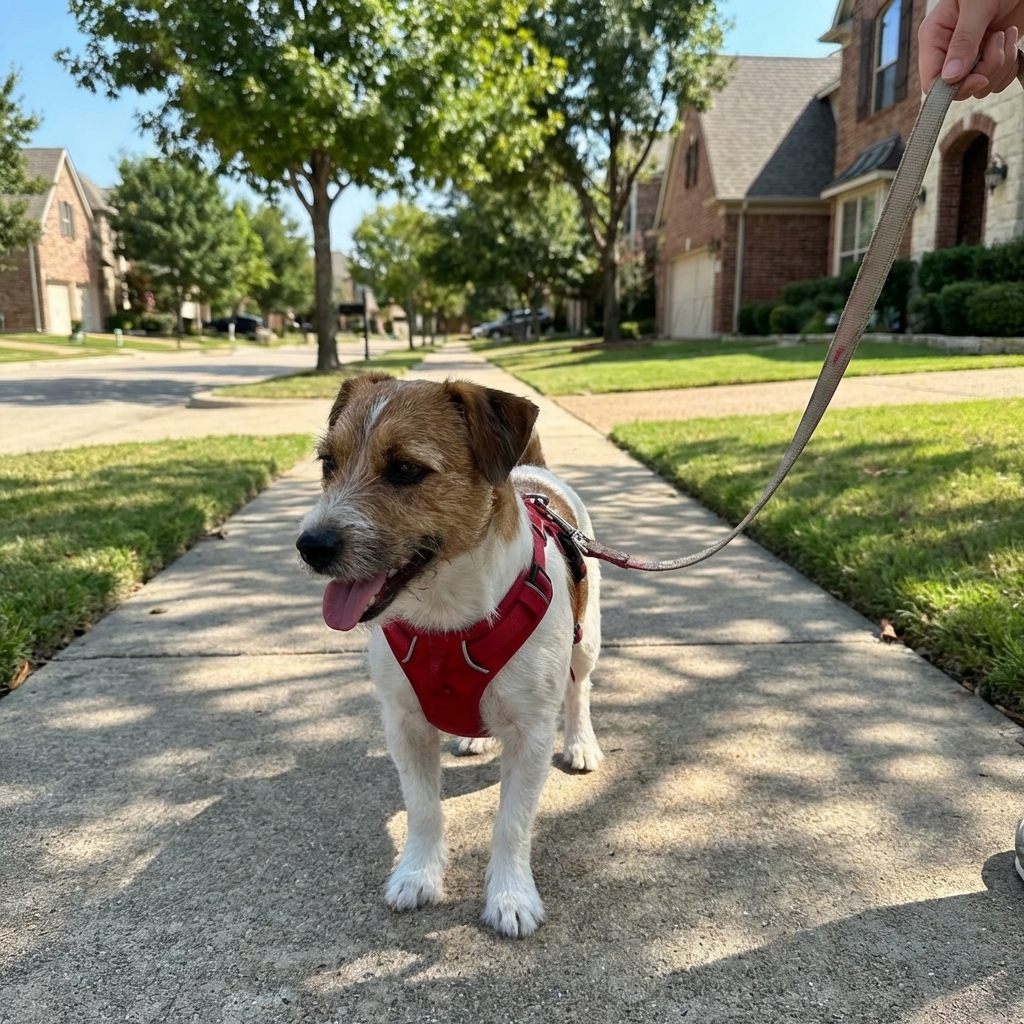
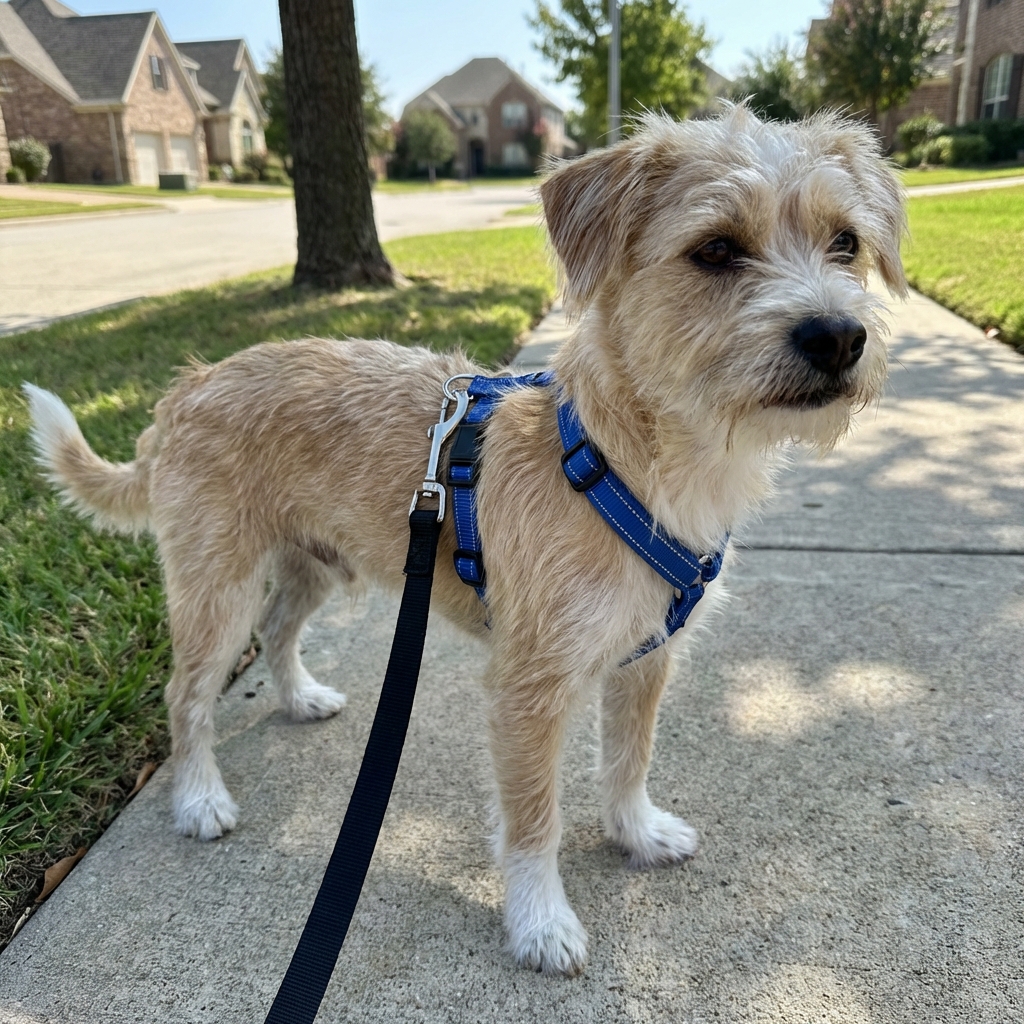
- Switch from a neck collar to a harness for all walks.
- Weight management if your dog is even a little overweight. Extra pounds can significantly worsen breathing.
- Keep air clean: avoid smoke, strong candles, diffusers, aerosols, and dusty rooms.
- Reduce excitement: calm greetings, slow routines, and training alternative behaviors can reduce coughing fits.
- Limit heat exposure: walk early or late, keep indoor temps comfortable.
Medications
Your veterinarian may prescribe a combination of:
- Cough suppressants (for non-productive cough that is irritating the airway)
- Veterinary-prescribed anti-inflammatories to reduce swelling and irritation (often corticosteroids or inhaled therapies)
- Bronchodilators in some cases to improve airflow in the lower airways
- Antibiotics if infection is suspected or confirmed
- Anti-anxiety medication or mild sedatives when panic and over-breathing worsen the cycle
Important: never give human cough medicine or human pain relievers (like ibuprofen or naproxen) unless your veterinarian specifically tells you what product and dose is safe.
When procedures are considered
If a dog has severe, life-limiting symptoms despite good medical care, a specialist may discuss advanced options.
- Tracheal stenting is most often discussed for severe intrathoracic (inside-the-chest) collapse, but case details matter.
- Other surgical options may be considered for cervical (neck) collapse in select patients.
The best option depends on where the collapse is, how extensive it is, and what else is going on in the lungs or heart. This is typically a referral conversation with an internal medicine specialist and or surgeon.
Prognosis and outlook
Collapsed trachea is often a chronic condition. Many cases are managed rather than cured, and severity can range from mild to severe. The good news is that consistent management (especially harness use, weight control, and trigger reduction) can make a big difference in comfort and day-to-day life.
Home monitoring
Keeping notes helps you and your vet see patterns and adjust treatment faster.
- Frequency: how many coughing episodes per day or week?
- Duration: seconds, minutes, or longer?
- Triggers: leash, barking, heat, eating, water?
- Recovery: back to normal fast, or lingering fatigue?
- Breathing effort: normal, noisy, or working hard?
If you notice a sudden increase in coughing, ask your vet whether infection, allergy flare, or medication adjustment could be involved.
During an episode
What you do in the moment can help keep a coughing fit from escalating.
- Do: stay calm, move your dog to a cool, quiet area with fresh air, and give them time to settle.
- Avoid: tugging on the leash or collar, forcing exercise, and letting your dog overheat (including in a parked car).
- Do not: give over-the-counter human medications unless your veterinarian directs you.
If your dog is struggling to breathe, turns pale or blue, or cannot recover, treat it like an emergency.
Nutrition and lifestyle support
There is no single “magic food” that fixes collapsed trachea, but overall inflammation control and healthy body weight are huge wins.
- Choose a diet that supports a lean body condition. If treats are a big part of your dog’s day, measure them like you measure meals.
- Ask your vet about omega-3s (EPA and DHA) if your dog also has chronic airway inflammation or skin allergies.
- Feed in a calm space. Some dogs cough more when they inhale food quickly or get overexcited at mealtime.
- Avoid airborne irritants as part of “respiratory hygiene” at home.
FAQ
Can a dog live a normal life with a collapsed trachea?
Many can, especially when caught early and managed with a harness, weight control, trigger reduction, and the right veterinary plan.
Is the honking cough always collapsed trachea?
No. It is suggestive, especially in small breeds, but heart disease, infectious tracheobronchitis, and chronic bronchitis can sound similar.
What should I do next if I suspect this?
Schedule a veterinary exam and bring a short video of an episode if possible. If your dog is in distress or cannot catch their breath, go in right away.
Bottom line
Collapsed trachea symptoms can seem strange at first, but they are meaningful. If your dog has a honking cough, gagging episodes, or breathing changes, the best next step is a veterinary evaluation and a plan tailored to your dog’s severity and triggers.
You do not have to do everything perfectly to make progress. Even one change, like switching to a harness or starting a healthy weight plan, can reduce coughing and help your dog feel more comfortable.