When your dog has a collapsed trachea, the hardest part is often not the diagnosis. It is the decision-making: Do we keep managing medically, or is it time to consider a tracheal stent or surgery? As a veterinary assistant, I have seen how stressful this feels for families, especially when coughing flares up at night or with excitement.
This article focuses on the treatment crossroads: how veterinarians and specialists weigh stents vs medical management, who is and is not a good candidate, what anesthesia typically involves, realistic cost and availability considerations, and what life looks like after an airway procedure.

Why it is not just “stent or no stent”
Tracheal collapse is often a chronic condition, and it can be progressive. At the same time, progression and day-to-day severity vary a lot by dog. Many do well for a long time with careful medical management and lifestyle adjustments. Others reach a point where airway narrowing leads to repeated crises, poor quality of life, or oxygenation problems.
In most cases, your veterinarian is balancing four big questions:
- How stable is your dog between flare-ups? Are symptoms occasional or constant?
- Is the collapse in the neck, inside the chest, or both? Location matters for procedure choice.
- Are there complicating conditions? Examples include heart disease, airway inflammation, bronchomalacia, laryngeal disease, obesity, or significant dental disease that may contribute to chronic inflammation or aspiration risk in some dogs.
- Can we safely anesthetize and image the airway? Stent planning depends on accurate measurements.
How the diagnosis is confirmed
Before anyone can confidently recommend a stent or surgery, the team has to confirm what is collapsing and where. Tracheal collapse can look different depending on whether a dog is breathing in or out, coughing, or excited.
- Chest and neck X-rays can be a helpful starting point, but they may miss dynamic collapse.
- Fluoroscopy is a moving X-ray that can show collapse during breathing and coughing.
- Bronchoscopy (airway endoscopy) lets a specialist directly evaluate the trachea and bronchi and look for inflammation, mucus, infection, or bronchomalacia.
- CT may be recommended by some centers to map the airway and help with planning in select cases.
The goal is not to run every test on every dog. It is to choose the right tools to understand the full airway picture, especially because many dogs have more than one airway issue.
When medical management is often enough
Medical management is not “doing nothing.” It is an active plan to reduce airway inflammation, limit cough cycles, and avoid triggers that can worsen narrowing.
Dogs who often do well without a stent
- Mild to moderate disease with manageable flare-ups and good baseline breathing.
- Dogs who respond quickly to cough control and anti-inflammatory therapy during episodes.
- Dogs with high anesthesia risk where the risks outweigh the expected benefit of a procedure.
- Families who can reliably manage triggers like excitement, pulling on a collar, smoke exposure, overheating, and obesity.
What “good medical management” can include
Your vet will tailor this to your dog. These are common examples, not a recipe. Doses and drug choices must be prescribed by your veterinarian:
- Antitussives (cough suppressants) to break the cough-inflammation-cough cycle.
- Anti-inflammatory medication (often short-term, sometimes inhaled options) to reduce airway swelling.
- Bronchodilators if lower airway involvement is suspected or confirmed.
- Calming medications for dogs whose panic and excitement worsen respiratory effort.
- Targeted antibiotics only when infection is suspected or confirmed, not automatically.
Beyond meds: the “quiet wins”
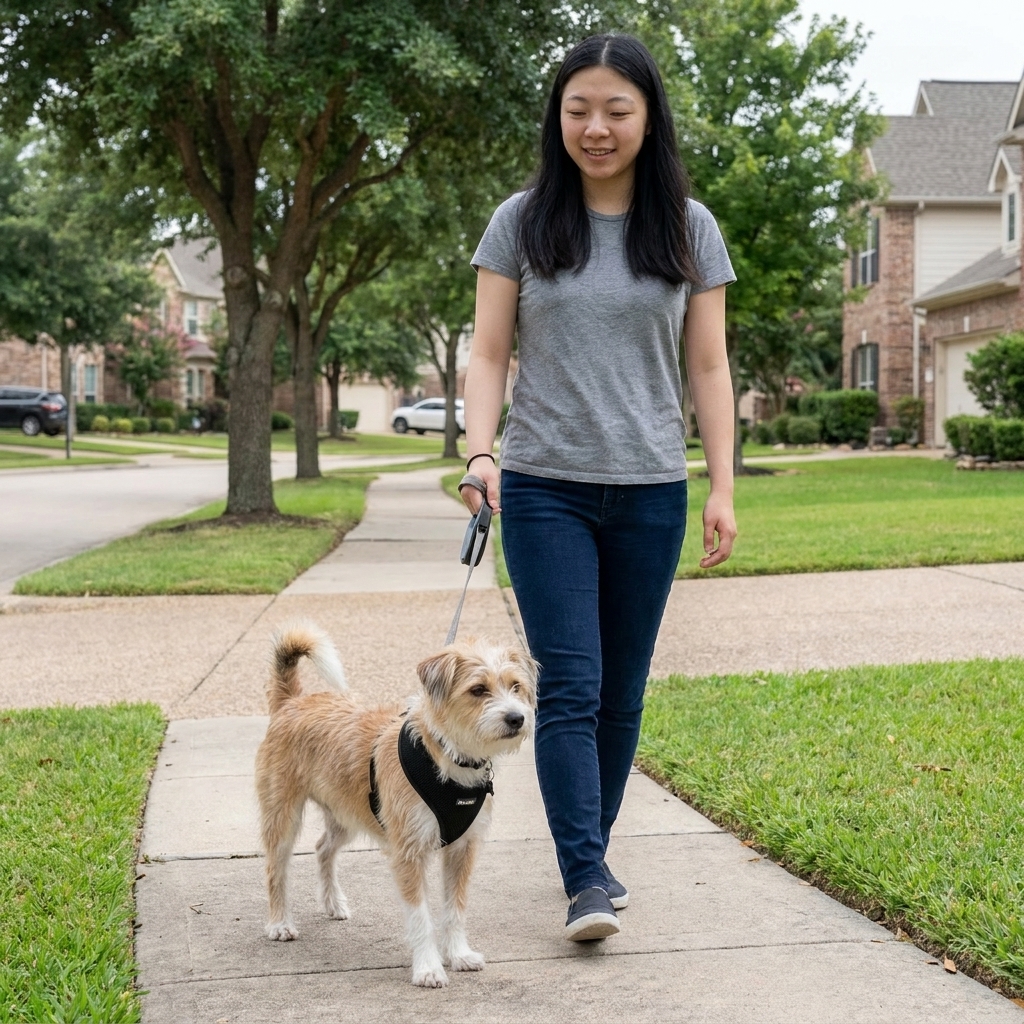
- Harness-only walking and avoiding collar pressure.
- Weight management, since extra weight increases the work of breathing.
- Trigger control (heat, smoke, strong scents, intense play, high excitement).
- Treating concurrent problems like chronic bronchitis, reflux, or dental disease when present.
- Humidified air may help some dogs during flare-ups. Ask your vet what is safe for your situation.
Important: If your dog needs escalating medication over time, has breakthrough episodes despite good adherence, or can no longer enjoy normal activities, that is usually when a specialist conversation becomes worthwhile.
What a tracheal stent can and cannot do
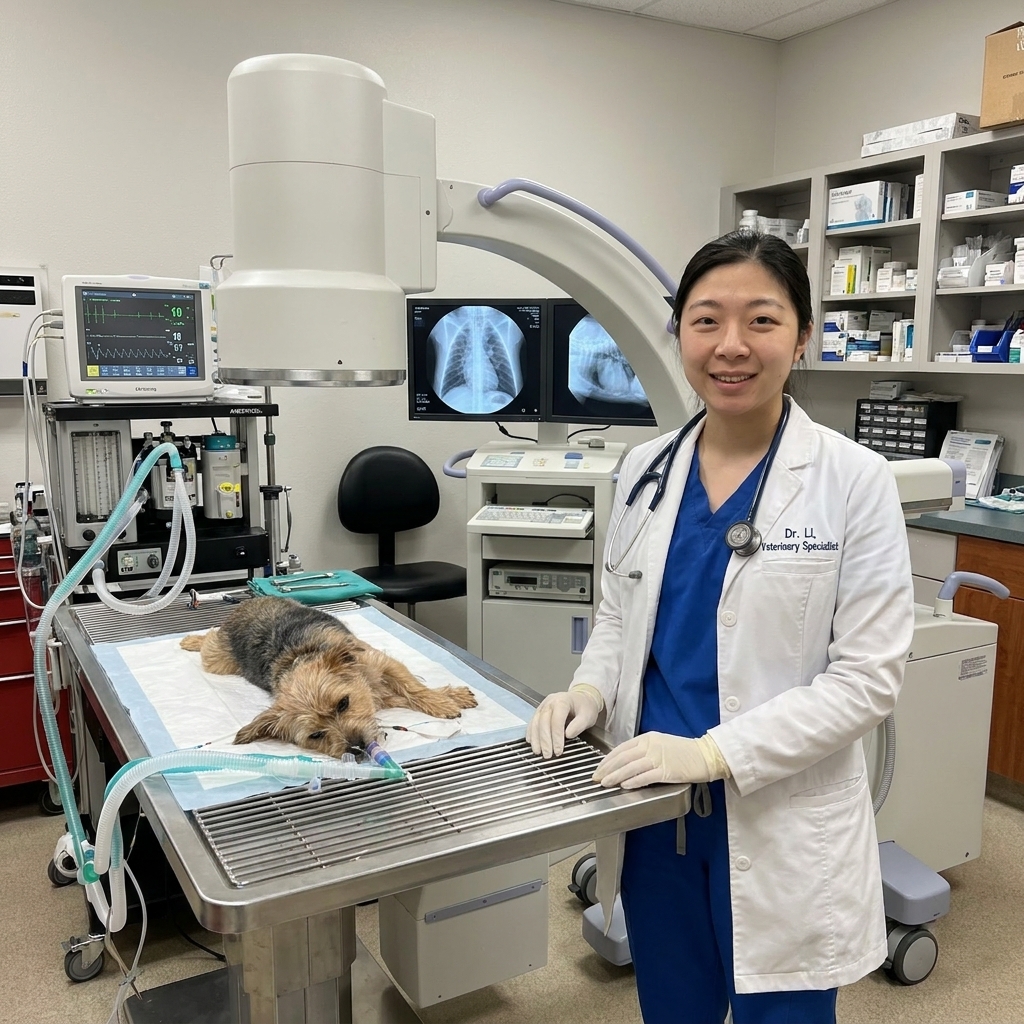
A tracheal stent is usually a self-expanding metal mesh tube placed inside the trachea to hold the airway open. It is commonly performed by a veterinary internal medicine specialist, interventional radiologist, or surgeon with advanced airway and imaging experience. Most centers use fluoroscopy, and some use additional imaging depending on the case.
What a stent is best at
- Improving airflow through a severely narrowed trachea, especially when collapse is inside the chest or spans multiple segments.
- Reducing life-threatening respiratory crises in carefully selected dogs.
- Improving quality of life when medical management is no longer sufficient.
What a stent does not do
- It does not cure the underlying tendency toward airway weakness.
- It does not eliminate the need for lifestyle management and often does not eliminate medications.
- It does not reliably fix collapse in the smaller airways (bronchomalacia). If the bronchi are also weak, coughing may improve only partially.
Stent realities and possible complications
- Persistent cough is common, especially early on. How long it lasts and how intense it is varies. Many dogs still need ongoing cough control.
- Tissue ingrowth (granulation tissue) and inflammation can occur and may require medication changes and monitoring.
- Bacterial tracheitis or pneumonia is a risk to discuss with your specialist, particularly if a dog has poor airway clearance or concurrent disease.
- Stent fracture, shortening, or migration can happen over time. Some dogs need revision procedures.
- Collapse just beyond the ends of the stent (sometimes called endpoint collapse) may occur, especially if the disease progresses elsewhere.
Rings vs stents
People often say “surgery” when they mean any procedure. In tracheal collapse, it helps to separate two approaches:
- Extraluminal tracheal rings: support placed around the outside of the trachea, most applicable for cervical (neck) collapse in selected cases.
- Intraluminal tracheal stents: support placed inside the trachea, often favored for intrathoracic (inside the chest) collapse or longer segments.
Why location matters
The trachea inside the chest is harder to access surgically from the outside. That is one reason stents are frequently discussed for severe intrathoracic collapse. Meanwhile, collapse limited to the neck may be more amenable to external support techniques in select dogs.
Why airway “levels” matter
Many dogs do not have a single-problem airway. They may have tracheal collapse plus laryngeal changes, chronic bronchitis, or bronchomalacia. This is one of the biggest reasons specialists emphasize full airway assessment. It also helps explain why a technically successful stent may still leave a dog with some cough.
Why medical management is usually first
Both ring surgery and stenting are generally reserved for dogs with severe, refractory signs because procedures carry meaningful risks, and because some dogs can be stabilized for months or years with a well-designed medical plan.
Who is a good candidate for a stent?
Most dogs considered for stenting share a common theme: their quality of life is poor despite appropriate medical therapy, or they are having repeated respiratory crises.
These lists are meant to clarify the specialist thought process. They are not meant to help you decide alone without imaging and a veterinarian’s exam.
Signs a specialist may consider stenting
- Frequent ER visits or oxygen needs during episodes.
- Severe collapse documented on dynamic imaging or endoscopy, especially intrathoracic involvement.
- Inability to taper medications without immediate relapse.
- Owner goals focused on fewer crisis events and better day-to-day breathing tolerance.
Reasons a dog may not be an ideal candidate
- Significant bronchomalacia where a tracheal stent may not address the biggest problem.
- Uncontrolled heart disease or advanced respiratory comorbidities that raise anesthesia risk and may limit benefit.
- Very small body size can make sizing more challenging because tiny tracheal diameters leave less margin for error with oversizing or undersizing, and long-term mechanics can be less forgiving.
- Active infection or uncontrolled airway inflammation that should be stabilized first.
If your veterinarian recommends a referral, ask what the specialist is likely to use for planning, such as fluoroscopy, bronchoscopy, CT, or a combination. Accurate measurement and mapping of the collapse is a big part of safer stent selection.
Anesthesia and airway risk
Any dog with airway disease deserves extra planning for anesthesia. That does not mean anesthesia is impossible. It means the team needs to be deliberate.
Why anesthesia can be riskier
- Stress and handling can worsen airway narrowing.
- Airway instrumentation (like endotracheal tubes) can trigger swelling or coughing after the procedure.
- Reduced respiratory reserve means a small setback can feel big.
Risk-reduction steps you may see
- Pre-oxygenation and calm, low-stress handling.
- Careful selection of sedatives and pain control to reduce panic and high respiratory effort.
- Close monitoring of oxygen, carbon dioxide, blood pressure, and temperature.
- Emergency airway equipment immediately available.
It is fair to ask your vet or specialist: “What is the plan if my dog has trouble recovering from anesthesia?” A confident team will welcome that question and answer it clearly.
Cost and availability
Families deserve honesty here. Advanced airway procedures are not available at every hospital, and they are not low-cost.
Why costs vary
- Specialist expertise and regional pricing.
- Diagnostics needed for planning (fluoroscopy, bronchoscopy, CT, radiographs).
- Emergency stabilization, oxygen therapy, and ICU-level monitoring.
- The stent device itself and the need for appropriate sizing.
A practical way to plan
When you call for referral options, ask for a range estimate that separates: diagnostics, the procedure, hospitalization, and follow-up. Also ask whether the hospital can handle complications and revisions, or if you would need a second referral center for that.
If finances are a limiting factor, you are not failing your dog. A well-structured medical plan, weight management, and trigger control can still provide meaningful comfort for many dogs.
What to expect after a stent
Families often imagine a stent means instant normal breathing with no cough. Sometimes you do see a dramatic improvement, but most dogs still need ongoing management. The goal is usually fewer crises and better day-to-day function, not perfection.
Typical recovery timeline
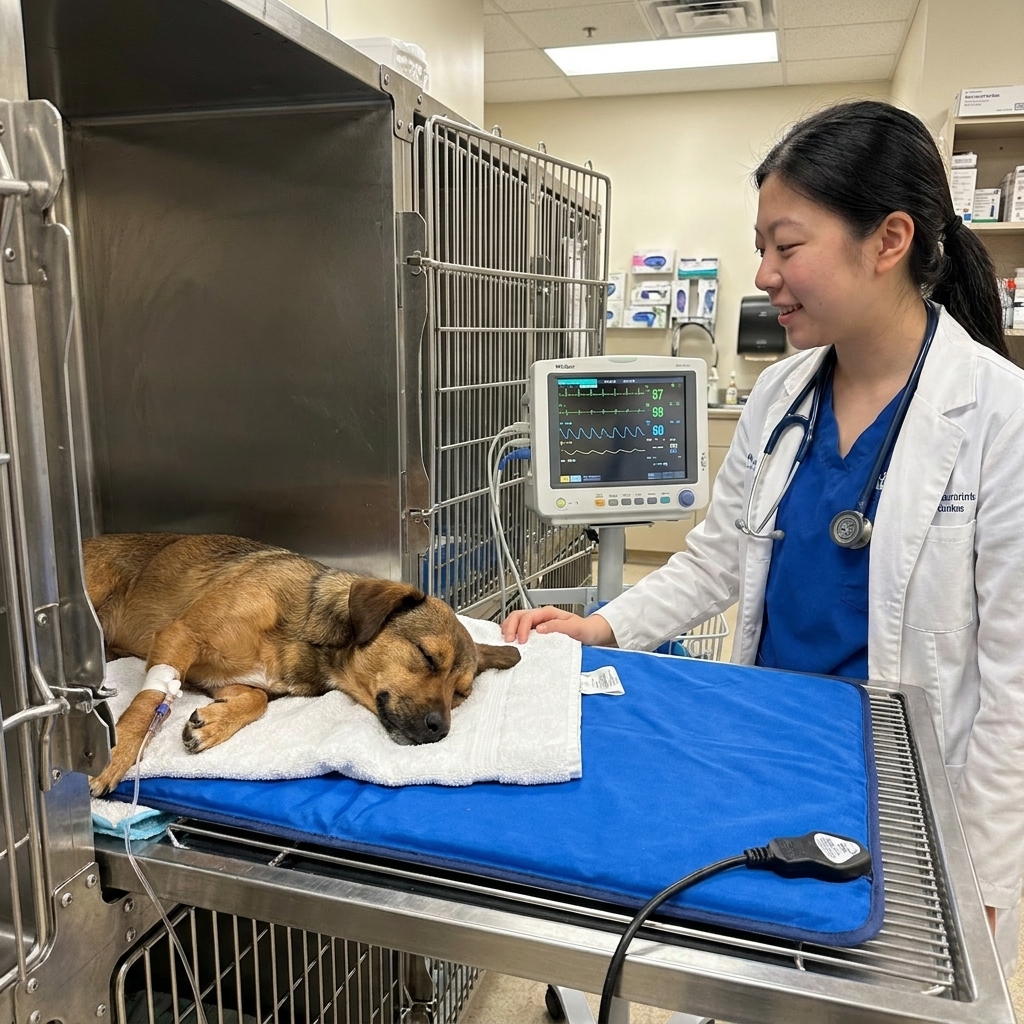
- First 24 to 72 hours: coughing can increase, inflammation control is important, and some dogs need oxygen support.
- First 2 weeks: activity is restricted, medications are adjusted, and excitement control matters.
- First 1 to 3 months: many dogs settle into a new baseline, but follow-up is key.
Common post-stent care
Plans vary by dog and must be directed by your veterinarian or specialist, but many include:
- Cough suppressant and anti-inflammatory therapy, especially early on.
- Possibly bronchodilators if lower airway disease is present.
- Harness-only walking and avoiding collar pressure.
- Weight control and avoiding heat, smoke, perfumes, and high-arousal play.
Follow-up and monitoring
Many specialists recommend rechecks and imaging when symptoms change. Call your vet promptly if you notice:
- Sudden worsening breathing effort, blue or gray gums, or collapse.
- A sharp change in cough pattern, especially a new harsh cough.
- Repeated gagging, trouble swallowing, or refusal to eat after the immediate recovery window.
Prognosis and goals
Outcomes vary widely. Some dogs remain comfortable for long periods with medical management alone. Others need procedures to reduce crisis events. Even with a stent, tracheal collapse is generally managed as a palliative condition, meaning the goal is better function and comfort, not a cure.
If you and your veterinary team agree on what “success” looks like, such as fewer ER visits, better sleep, or calmer breathing on walks, the decision tends to feel less overwhelming.
Questions to ask
- Where is the collapse located, and how severe is it based on imaging?
- Do you suspect bronchomalacia or another airway issue beyond the trachea?
- What medical plan have we truly tried, and what would optimized medical management look like for my dog?
- What outcome should we realistically expect with a stent: fewer ER visits, better sleep, better exercise tolerance?
- What complications do you see most often, and how are they handled?
- What is the full estimated cost range, including rechecks and potential revisions?
The bottom line
Many dogs with tracheal collapse can be comfortable for a long time with medical management. Stenting and other surgical options are generally reserved for dogs whose disease is severe, whose quality of life is poor, or who experience repeated crises despite appropriate therapy.
If you are feeling stuck, your next best step is often a specialty consultation. Even when a stent is not recommended, specialists can help refine medications and confirm what is happening throughout the airway, so you can make confident choices for your dog.
References
- American College of Veterinary Surgeons (ACVS). Client education: Tracheal Collapse. https://www.acvs.org/small-animal/tracheal-collapse/
- American College of Veterinary Internal Medicine (ACVIM). Consensus Statement: Guidelines for the Diagnosis and Treatment of Canine Chronic Bronchitis (for chronic cough workups and medical management principles).
- Review and outcomes literature on intraluminal tracheal stenting in dogs with tracheal collapse (for complication types such as fracture, migration, and tissue proliferation and for expected palliative goals).
Note: Treatment choices should be individualized by your veterinarian or a board-certified specialist, especially when anesthesia or airway procedures are being considered.