
Collapsed Trachea in Dogs: Home Remedies and Natural Support

If your dog has a collapsed trachea, the day-to-day can feel unpredictable. One minute they are fine, and the next you are hearing that classic “goose honk” cough, gagging, or noisy breathing. The good news is that many dogs do very well with smart home management, especially when you focus on reducing irritation, keeping airways calm, and preventing flare-ups.
As a veterinary assistant, I always tell families this: home care can be incredibly helpful, but it should work alongside your veterinarian’s plan, not replace it. And because I cannot examine your dog or diagnose online, I want you to use this as supportive guidance and a checklist for what to discuss with your vet. Collapsed trachea can range from mild to severe, and the safest approach is to build a routine that supports comfort while also knowing exactly when it is time to get medical help.
What it means
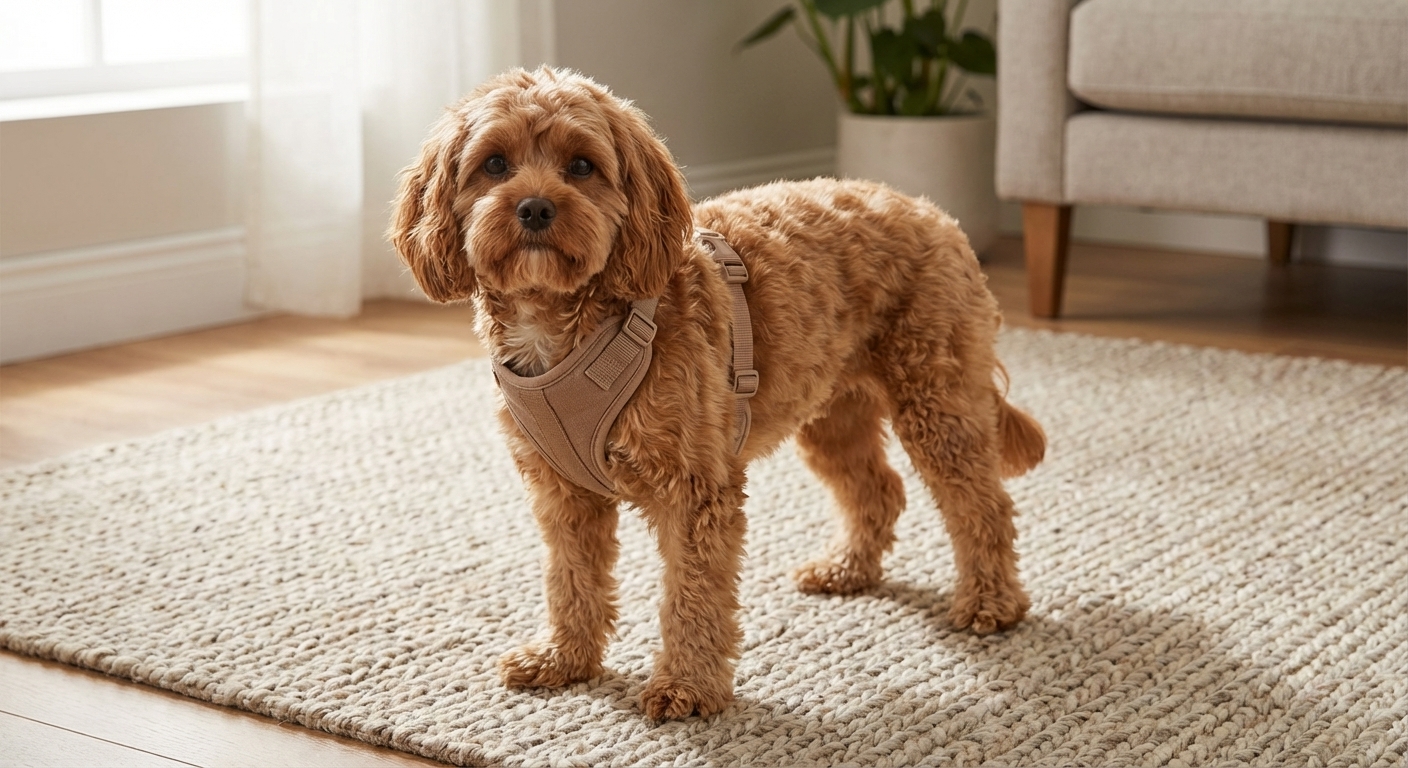
The trachea is your dog’s windpipe. In many small breeds, the rings that normally keep the trachea open can weaken over time. When that happens, the airway can partially flatten, especially during excitement, pulling on a collar, barking, or breathing in dry, dusty air.
Collapsed trachea is often a chronic condition. That means your goal at home is usually “control and comfort,” not a quick cure. Many dogs live happy lives when triggers are managed and flare-ups are handled early.
Common signs
- Honking cough, often worse with excitement or pulling
- Gagging or retching, especially after drinking
- Noisy breathing or wheezing
- Exercise intolerance (tires quickly, slows down, stops, or sits on walks)
- Coughing more at night or when the air is dry
Safety first
Any dog with breathing trouble should be taken seriously. Home support is for stable dogs with a veterinary diagnosis, or for mild symptoms while you are waiting for an appointment.
Go to the ER now if you see
- Blue or gray gums or tongue
- Struggling to inhale, open-mouth breathing at rest, or collapse
- Severe distress, panic, or sudden worsening
- Coughing fits that do not stop, especially with weakness
- Possible choking or foreign object concerns
Collapsed trachea can sometimes look like other conditions, including heart disease, pneumonia, bronchitis, laryngeal problems, kennel cough, reverse sneezing, or even a foreign body. If your dog has not been evaluated yet, scheduling a vet visit is the safest first step.
How vets confirm it
It can help to know what your veterinarian may recommend, because “just coughing” can have multiple causes. Depending on your dog’s signs and age, your vet may suggest:
- Chest x-rays to evaluate lungs and heart size
- Fluoroscopy (moving x-ray) to see airway collapse in real time
- Bloodwork to check overall health and screen for contributing issues
- Airway evaluation in select cases (often with a specialist) if more detail is needed
- Heart testing (like an echocardiogram) if a murmur or heart disease is a concern
This workup is also how we rule out “look-alikes” and choose the safest treatment plan.
Daily home support that helps
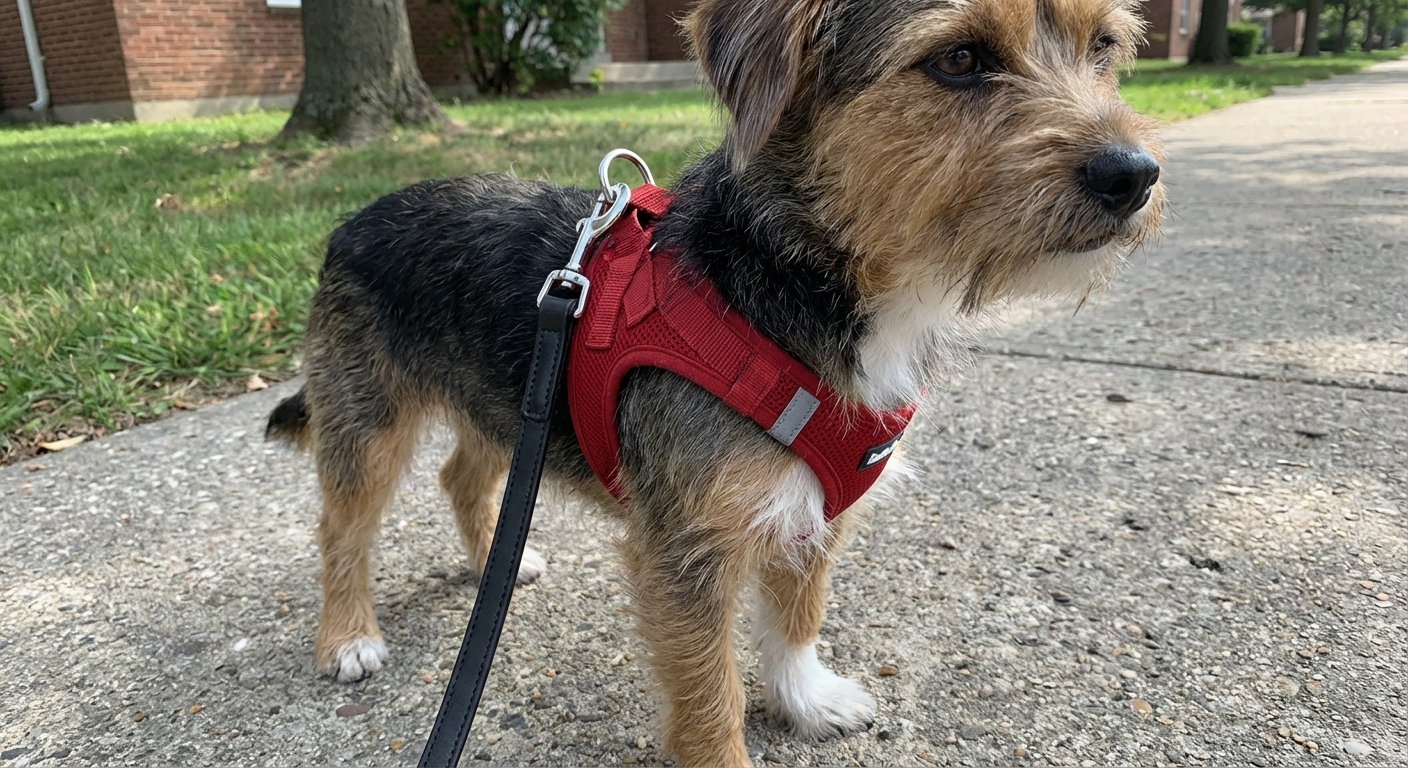
1) Switch from a collar to a harness
This is one of the biggest quality-of-life upgrades you can make. Pressure on the neck can trigger coughing and worsen irritation. A well-fitted harness shifts pressure to the chest and shoulders.
- Choose a harness that does not rub the throat and does not restrict shoulder movement.
- Keep leash walks steady. Sudden pulling is a common cough trigger.
- Use a short, controlled leash rather than a retractable leash, which can encourage pulling.
2) Add gentle humidity
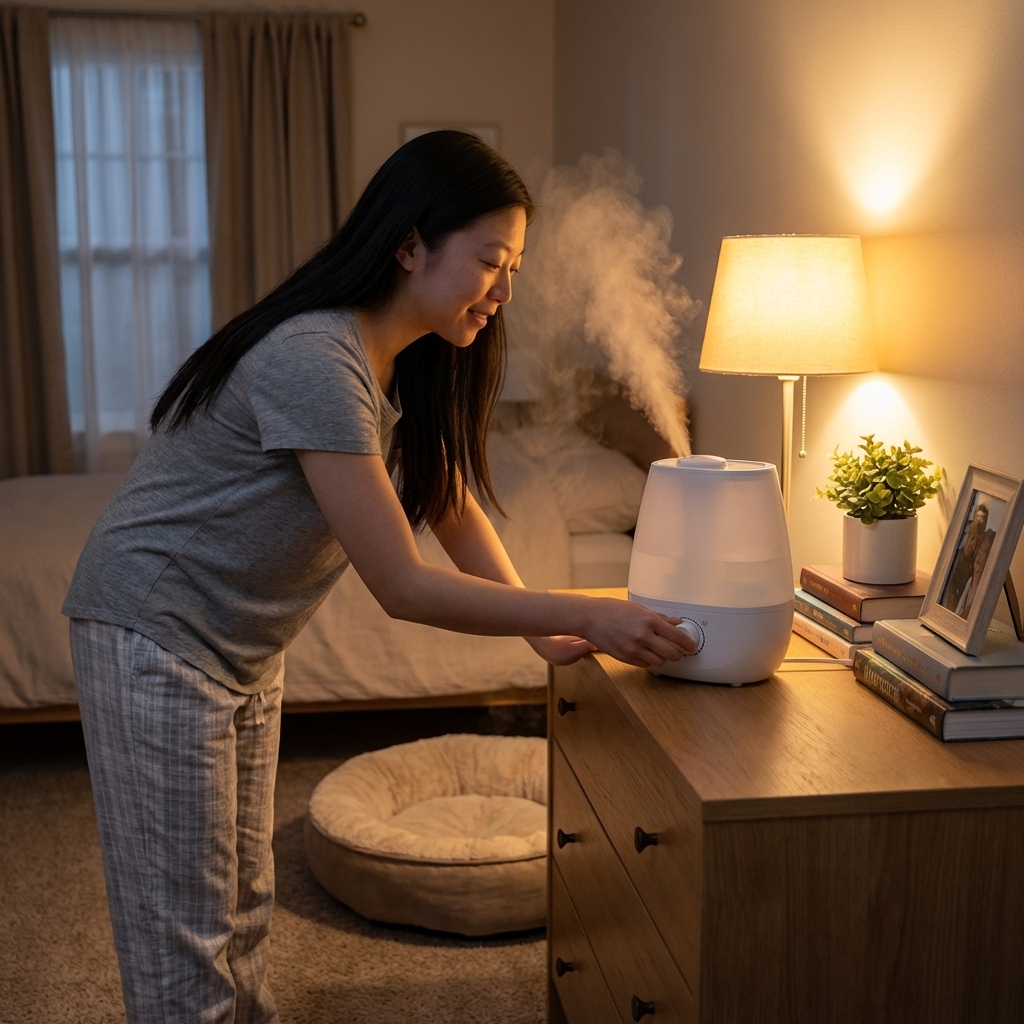
Dry air can make coughing worse. Gentle humidity often helps soothe irritated airways.
- Use a cool-mist humidifier in your dog’s sleeping area, especially at night.
- Keep the humidifier clean to prevent mold and bacterial buildup.
- In a pinch, sitting with your dog in a steamy bathroom for 10 to 15 minutes can help during a mild coughing episode.
Safety note: Stop if your dog seems stressed, overheats, or breathing worsens. Steam should be gentle, not intense.
Tip: Avoid essential oils in humidifiers or diffusers around pets. Many oils can irritate airways, and some are toxic to dogs.
3) Honey for mild cough
For some dogs, a small amount of honey can soothe a dry, irritated throat and reduce coughing. Honey coats the throat, and it has mild antimicrobial properties. It is not a cure, but it can be a comforting tool for mild flare-ups.
- How much: Ask your veterinarian for a dose for your dog. Many vets suggest very small amounts, such as about 1/4 teaspoon for tiny dogs and up to about 1 teaspoon for larger dogs, given up to a few times daily as needed.
- Offer it plain, or mix into a small bite of food.
- Use pasteurized honey from a reputable source.
Important: Avoid honey products that contain xylitol (birch sugar) or “sugar-free” sweeteners. Xylitol is dangerous for dogs. Use caution in diabetic dogs or dogs on weight-loss plans because honey adds sugar and calories. For very young puppies, avoid honey unless your veterinarian advises it.
If the cough is frequent, worsening, or keeping your dog from sleeping, honey should not be your main plan. That is a sign to call your vet about prescription cough suppressants or other therapies.
4) Weight management matters
Extra weight increases the work of breathing and adds pressure in the chest and abdomen. In many dogs with collapsed trachea, a few pounds can be the difference between “manageable” and “constant coughing.”
- Aim for a visible waist when viewed from above and a tummy tuck from the side.
- Measure meals instead of free-feeding.
- Use low-calorie treats like small pieces of cooked lean meat, cucumber, or carrots if your dog tolerates them.
If your dog coughs with exercise, choose shorter, slower walks and spread them out through the day. Movement is still important, but it has to be gentle.
5) Reduce indoor triggers
Dogs with collapsed trachea often do best in a “clean air” lifestyle.
- Do not smoke or vape around your dog.
- Avoid aerosol sprays, strong cleaners, perfumes, and scented candles.
- Vacuum and dust regularly. Consider a HEPA air purifier in the rooms your dog uses most.
- Skip dusty cat litter if your dog shares spaces with cats.
6) Manage heat and weather
Heat is a major trigger for many dogs with airway disease. Warm, humid days can make breathing harder and can increase panting, which can set off coughing.
- Walk early or late when it is cooler.
- Keep walks short in warm weather and take frequent breaks.
- Use AC, fans, and cool resting spots indoors.
- In cold weather, use a well-fitted coat or sweater to keep the chest warm. Be very cautious with neck coverings since anything around the neck can add pressure or trap heat.
7) Calm routines and stress reduction
Excitement and anxiety can trigger coughing because they increase respiratory rate and can lead to barking, rapid panting, and pulling.
- Practice low-key greetings. Ask visitors to ignore your dog for a minute until they settle.
- Use food puzzles and sniff-walks for enrichment without overdoing it.
- Talk to your veterinarian about safe calming options if your dog is highly anxious. Some dogs benefit from prescription anxiety support, especially if coughing is stress-driven.
Supplements
Supplements can be supportive, but they are not a replacement for veterinary treatment. Also, not every supplement is appropriate for every dog, especially if your dog has heart disease, liver disease, or is taking medications.
Glucosamine and chondroitin
Collapsed trachea involves weakening cartilage in the tracheal rings, so many owners ask about cartilage support supplements. Glucosamine and chondroitin are commonly used for joint support. Evidence that they improve tracheal collapse is limited, but they are generally considered low-risk for many dogs and may support joint cartilage health.
- Choose dog-specific products from reputable brands with quality testing.
- Give with food to reduce stomach upset.
- Expect weeks, not days, if any benefit occurs.
Omega-3 fatty acids (fish oil)
Omega-3s can support a healthier inflammatory response, which may be helpful if your dog has concurrent airway inflammation. Fish oil can also support skin, coat, and joint comfort.
- Use a pet-formulated fish oil when possible.
- Ask your vet for dosing guidance, especially if your dog is on blood thinners or has a sensitive stomach.
Probiotics
Some dogs with chronic coughing also have reflux or a sensitive stomach, and gut health can affect overall inflammation and comfort. A quality canine probiotic may support digestion and stool quality.
If your dog coughs or gags after eating, talk to your vet about reflux management. Sometimes adjusting meal size and timing helps as much as any supplement.
What I avoid unless a vet recommends it
- Essential oils: can worsen coughing and irritate airways.
- Human cough medicines: many are unsafe for dogs and can be dangerous.
- Unproven “respiratory blends”: multi-herb products vary widely in quality and dosing.
Feeding and drinking tips
Some dogs with collapsed trachea cough after drinking, especially if they gulp water quickly.
- Offer smaller amounts of water more often.
- Try a wider bowl that encourages slower drinking.
- Feed smaller, more frequent meals to avoid a very full stomach pushing on the chest.
- If your dog is prone to reflux, avoid late-night large meals.
If coughing after meals is a consistent pattern, ask your vet whether reflux or aspiration risk could be part of the picture.
During a coughing fit
Coughing fits can be scary, but your calm presence matters. Many dogs feed off our stress.
- Move your dog to a cool, quiet area with good airflow.
- Use gentle humidity, like a humidifier or a brief steamy bathroom session.
- Offer a small lick of honey only if your vet says it is appropriate and your dog is stable.
- Avoid picking your dog up in a way that compresses the chest or neck.
If your dog is coughing hard, seems distressed, or the episode is longer than usual, that is your cue to call your veterinarian right away.
When home care is not enough
Collapsed trachea often needs medical support at some point, especially during flare-ups. Your vet may recommend cough suppressants, airway-opening medications, anti-inflammatory drugs, antibiotics if infection is suspected, reflux medication, or additional testing if heart disease is also a concern.
If your dog is already on prescription medications for coughing or breathing, do not stop them abruptly or change dosing without veterinary guidance.
Call your vet promptly if
- Coughing becomes daily or more intense
- Your dog cannot sleep due to coughing
- Exercise tolerance drops suddenly
- You notice wheezing, increased breathing rate, or labored breathing
- Your dog has fainting episodes or turns blue around the gums
In advanced cases, referral to a specialist may be recommended. Some dogs with severe collapse may be candidates for procedures like stenting, but that is a conversation for a veterinary team that can evaluate risks and benefits for your specific dog.
A simple daily routine
If you are feeling overwhelmed, start with a few high-impact changes and build from there.
- Morning: short harness walk, then breakfast in a measured portion.
- Midday: quiet enrichment, like a food puzzle, and a short potty break.
- Evening: another short harness walk during cooler hours, then dinner.
- Night: cool-mist humidifier in the sleeping area, clean air, and a low-key bedtime routine.
Track triggers in a notebook for 1 to 2 weeks. Common ones include excitement, heat, pulling, strong scents, reflux, and respiratory infections. Once you identify your dog’s patterns, you can prevent many flare-ups before they start.
Bottom line
You cannot always “fix” a collapsed trachea at home, but you can absolutely improve your dog’s daily comfort. Small changes like using a harness, adding humidity, keeping weight in a healthy range, avoiding heat stress, and reducing air irritants can add up to fewer coughing episodes and more good days.
If you ever feel unsure, trust your instincts and call your veterinarian. Breathing issues are never something to wait on, and getting ahead of flare-ups is one of the kindest things you can do for your dog.