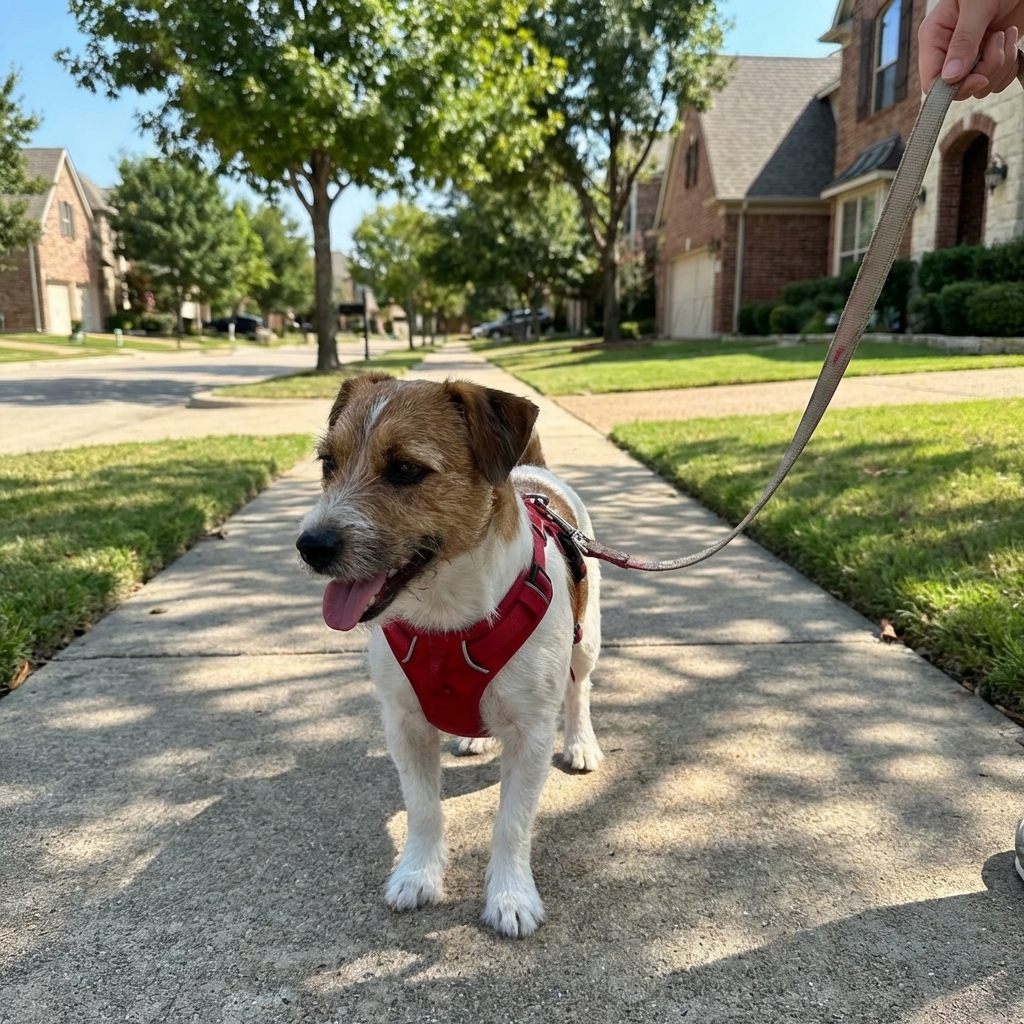
Does your dog make a “goose honk” cough or gag on leash? Learn common and emergency signs of collapsed trachea, likely triggers, vet diagnosis, and home ...
Article
•
Designer Mixes
Collapsed Trachea in Dogs

Shari Shidate
Designer Mixes contributor
If your little dog suddenly sounds like a goose honking, coughs when excited, or seems short of breath on walks, you are not overreacting. Those are classic clues we see with tracheal collapse, a common airway condition in many small and toy breeds. The good news is that many dogs do very well with the right mix of lifestyle changes, medical support, and monitoring.
As a veterinary assistant, I want you to feel informed and empowered. This article walks you through symptoms, diagnosis, management options, and what you can do at home to help your dog breathe easier.
Key takeaways
- Most dogs improve with trigger control, a harness, and vet guided medication when needed.
- Tracheal collapse is often dynamic, meaning it can worsen during inhaling or exhaling depending on where the weak spot is.
- Seek urgent care for blue gums , severe breathing effort, collapse, or panic that will not settle.
What tracheal collapse is
The trachea is your dog’s windpipe. It is made of C-shaped cartilage rings that help keep the airway open. With tracheal collapse, those rings become weaker or the membrane on top becomes too loose, so the airway narrows.
This narrowing is often dynamic. In many dogs it gets worse during a certain phase of breathing, often worse on inhalation when the collapse is in the neck portion of the trachea and worse on exhalation when it is inside the chest. That is one reason symptoms can come and go and why some tests are more helpful than a single X-ray.
Narrowing can trigger coughing, noisy breathing, and exercise intolerance. It can also make dogs feel anxious, which unfortunately can worsen breathing. This condition is often progressive, meaning it can slowly get worse over time, but management can make a huge difference.
Dogs most at risk
Tracheal collapse is most common in small breeds, including many designer mixes. It is frequently seen in:
- Yorkshire Terriers and Yorkie mixes
- Pomeranians
- Chihuahuas and Chihuahua mixes
- Maltese
- Toy Poodles and Poodle mixes
- Shih Tzus
It can show up at different ages, but many dogs start showing signs in middle age or later. Extra weight, chronic airway inflammation, and irritants in the environment can all contribute to symptoms.
It is also common for more than one issue to be happening at once. Conditions that can influence coughing and breathing include chronic bronchitis, allergies, reflux, dental disease (oral inflammation), and heart disease such as mitral valve disease. Your vet’s job is to sort out what is driving your dog’s symptoms and what can be improved.
Symptoms to watch for
The hallmark sign is a dry, harsh cough that many owners describe as a “goose honk.” Symptoms can be mild at first and flare up with excitement, pulling on the leash, or heat.
Common signs
- Honking cough, especially after drinking, pulling on the leash, or getting excited
- Gagging or retching after coughing
- Noisy breathing or wheezing
- Shortness of breath with activity
- Reduced stamina on walks
- Symptoms worse in hot or humid weather
Urgent red flags
Please seek urgent veterinary care if you notice any of the following:
- Blue or gray gums or tongue
- Labored breathing at rest, belly heaving, or open-mouth breathing
- Collapse or fainting
- Extreme distress, panic, or inability to settle
These can indicate severe airway compromise or a secondary issue that needs immediate support.
How veterinarians diagnose it
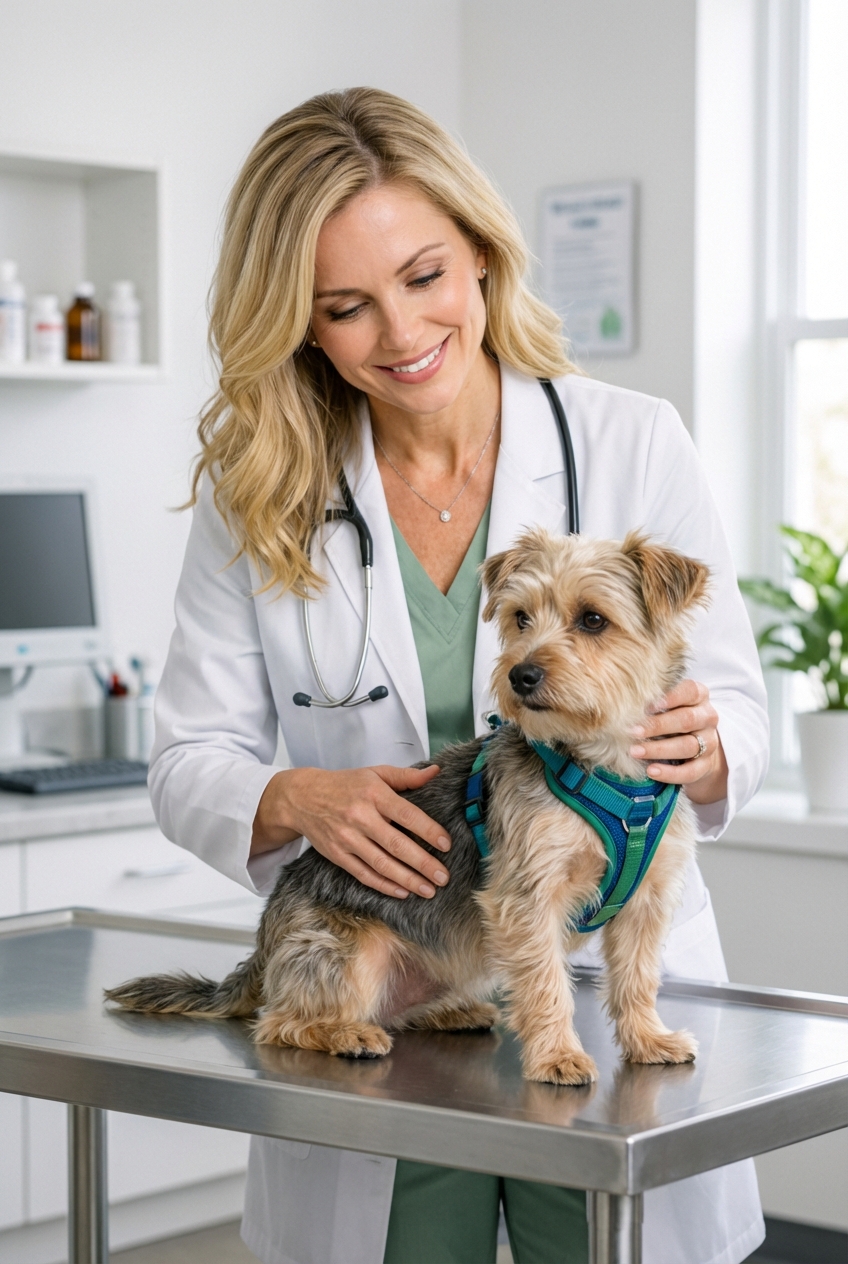
Diagnosis usually starts with a detailed history and a physical exam. Many dogs with tracheal collapse cough when gentle pressure is applied to the trachea during an exam, but that alone is not a complete diagnosis.
Tests your vet may recommend
- Chest and neck X-rays: can sometimes show narrowing, and also check the heart and lungs
- Fluoroscopy (moving X-ray): helpful because collapse can change with breathing
- Tracheoscopy or bronchoscopy: a camera view of the airway, often used when symptoms are significant, complicated, or not responding as expected
- Heart evaluation (exam, X-rays, sometimes echocardiogram): because heart disease and airway disease can look similar
It is also important to rule out other causes of coughing like kennel cough , chronic bronchitis, laryngeal problems, pneumonia, reflux, or heart enlargement.
Management that helps most dogs
Tracheal collapse is often managed long-term. Most dogs benefit from a combination of environment and lifestyle changes plus medications when needed.
At-home steps that truly matter
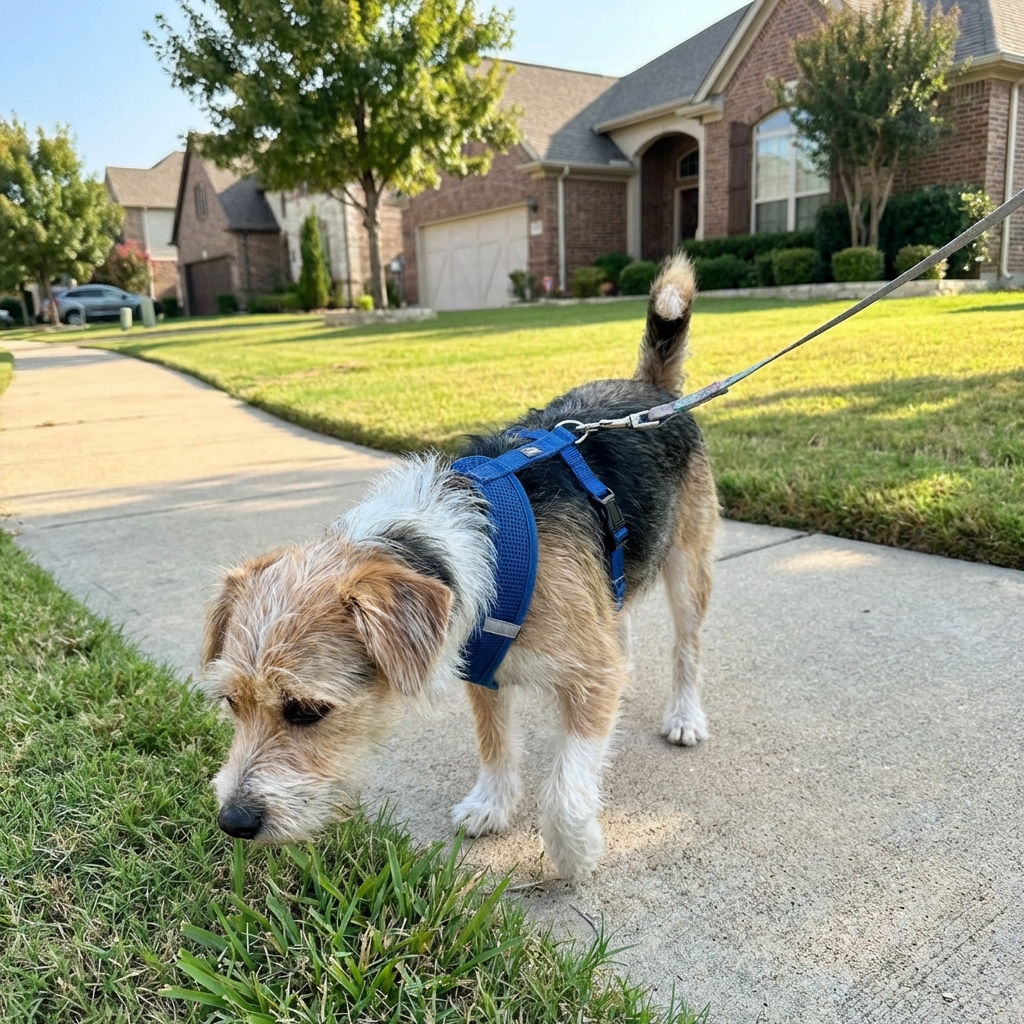
- Switch to a harness and avoid neck pressure from collars. For many dogs this is one of the highest impact changes, although the amount of improvement varies based on the dog and the severity of collapse.
- Weight management: even a small amount of extra weight can increase breathing effort.
- Avoid heat and humidity: walk early morning or later evening in warm months.
- Reduce airway irritants: avoid cigarette smoke, heavy fragrance sprays, harsh cleaning fumes, dusty powders, and strong essential oil diffusers.
- Use calm routines: excitement triggers coughing. Practicing calm greetings and using enrichment toys can help reduce flare-ups.

Medical management
Your veterinarian may prescribe medications based on your dog’s symptoms and severity. Common categories include:
- Cough suppressants (antitussives) for non-productive, exhausting coughing
- Bronchodilators in select cases to help airflow in the lower airways
- Anti-inflammatory medications to reduce airway swelling
- Antibiotics if infection is suspected
- Sedatives or anti-anxiety support in dogs where panic worsens breathing
Never start or stop medications on your own. Some human cough products, decongestants, and pain relievers can be dangerous for dogs.
What about supplements?
Some owners ask about supplements for cartilage support or inflammation. While certain ingredients may support overall joint health, the evidence for reversing tracheal collapse is limited. If you want to add supplements, do it with your vet’s guidance so you do not interfere with prescribed medications or underlying conditions.
Feeding and daily routine tips
Small changes at home can reduce coughing triggers and improve comfort.
- Try smaller, more frequent meals if your dog coughs after eating. Large meals can trigger coughing in some dogs.
- Use a slow feeder if gulping triggers coughing.
- Keep water available, but monitor if drinking triggers cough. Some dogs do better with frequent small drinks.
- Gentle exercise is usually beneficial, but keep it low intensity and stop if coughing escalates.
If your dog coughs at night, ask your veterinarian whether reflux, allergies, chronic bronchitis, or heart disease may be contributing. Sometimes there is more than one factor involved.
What not to do
- Do not use a neck collar for leash walks if your dog coughs with pulling or pressure.
- Do not smoke around your dog, and avoid heavy home fragrances and essential oil diffusers that can irritate airways.
- Do not push hard exercise in heat or during a flare-up.
- Do not give over-the-counter human cough medications unless your veterinarian specifically directs you to.
When procedures are considered
Most dogs do not need a procedure, but severe cases sometimes require specialty care. Options may include:
- Tracheal stenting: a mesh-like stent placed inside the trachea to help keep it open
- Extraluminal rings: support placed around the trachea in certain cervical cases
These procedures can be life-changing for some dogs, but they also come with risks and long-term considerations, including inflammation, stent complications, or ongoing cough. A veterinary internal medicine specialist can help determine whether your dog is a good candidate.
How to handle a coughing episode
When a coughing fit starts, your calm response helps your dog settle faster.
- Stop activity and move your dog to a cool, quiet area.
- Keep them calm: speak softly, avoid frantic handling.
- Use a harness and avoid pulling the leash.
- Offer a small sip of water only if your dog can drink without worsening the episode. Do not force water.
- Follow your vet’s plan for any as-needed medications.
If the episode includes breathing distress, gum color changes, or your dog cannot recover quickly, treat it as urgent.
Monitoring and follow-up
Most dogs do best when you and your vet treat this like a long-term management plan. Consider tracking:
- How often coughing fits happen
- What triggers them (excitement, leash pressure, heat, drinking)
- How long they last and how quickly your dog recovers
- Any changes in stamina, sleep, or breathing effort
Bring this log to rechecks, especially if symptoms change, medications seem less effective, or your dog is having more frequent flare-ups. Many treatment plans need small adjustments over time.
Long-term outlook
Many dogs with tracheal collapse live happy lives, especially when symptoms are identified early and triggers are controlled. Think of management as a team effort between you, your veterinarian, and your dog’s daily routine.
Small steps add up. A harness, a healthy weight, calm routines, and avoiding airway irritants can reduce flare-ups more than most people expect.
If you suspect your dog has tracheal collapse, schedule a veterinary visit for a proper workup. The sooner you know what you are dealing with, the sooner your dog can breathe more comfortably.
Medical note: This article is educational and not a substitute for veterinary diagnosis or treatment. If you see urgent red flags like blue gums , severe breathing effort, collapse, or extreme distress, seek emergency care right away.