Learn what a true hairball looks like, how often is normal, and the red flags that need a vet or ER. Proven prevention: brushing, hydration, diet, and safe g...
Article
•
Designer Mixes
Coconut Oil for Cats: Benefits, Uses, and Risks

Shari Shidate
Designer Mixes contributor
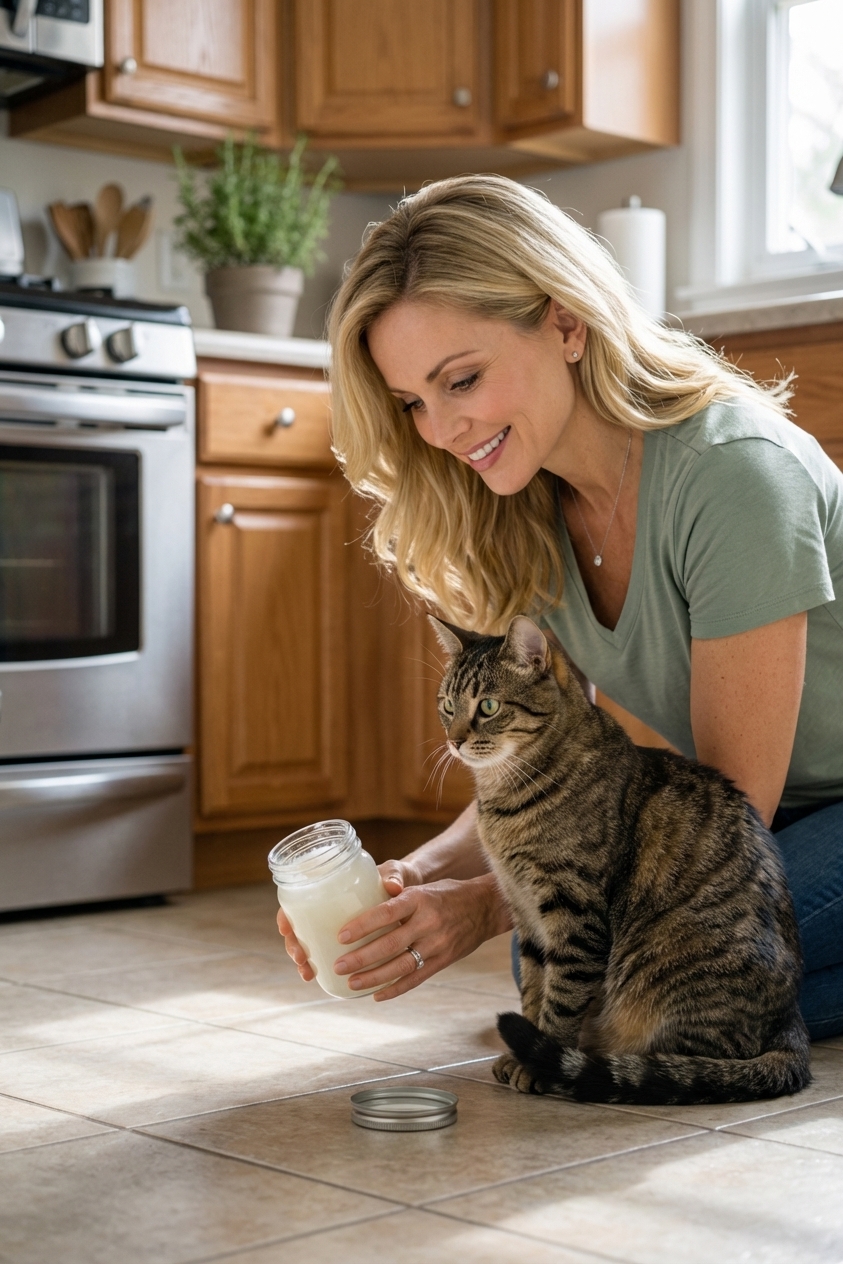
As a veterinary assistant here in Frisco, Texas, I hear this question a lot: Is coconut oil safe for cats? The honest answer is: sometimes, and it depends on the cat, the goal, and the amount.
Coconut oil is popular because it is natural, easy to find, and can be used both topically (on the skin and coat) and orally (as a supplement). But it is also a very high-fat product, and cats have their own unique digestive quirks and health risks, especially when we talk about pancreatitis, obesity, and sensitive stomachs.
This guide is clinic-informed and risk-focused, based on what veterinarians commonly recommend and what we tend to see in practice. It is not a substitute for veterinary care, especially if your cat is on a prescription diet or has ongoing symptoms.
What it is and how cats handle it
Coconut oil is made mostly of saturated fats, including some medium-chain triglycerides (MCTs). You will often see MCTs marketed as being easier to digest or a quick energy source.
Here is the nuance: coconut oil is also high in lauric acid (C12), which is sometimes grouped with MCTs but can behave more like a longer-chain fat in the body. And importantly, we have limited cat-specific research showing clear health benefits from coconut oil.
Even if a fat is absorbed differently, it is still calorie-dense and can still trigger GI upset in sensitive cats. In practice, I am most cautious when there is any history of vomiting, diarrhea, inflammatory bowel disease, obesity, or prior pancreatitis.
Topical use
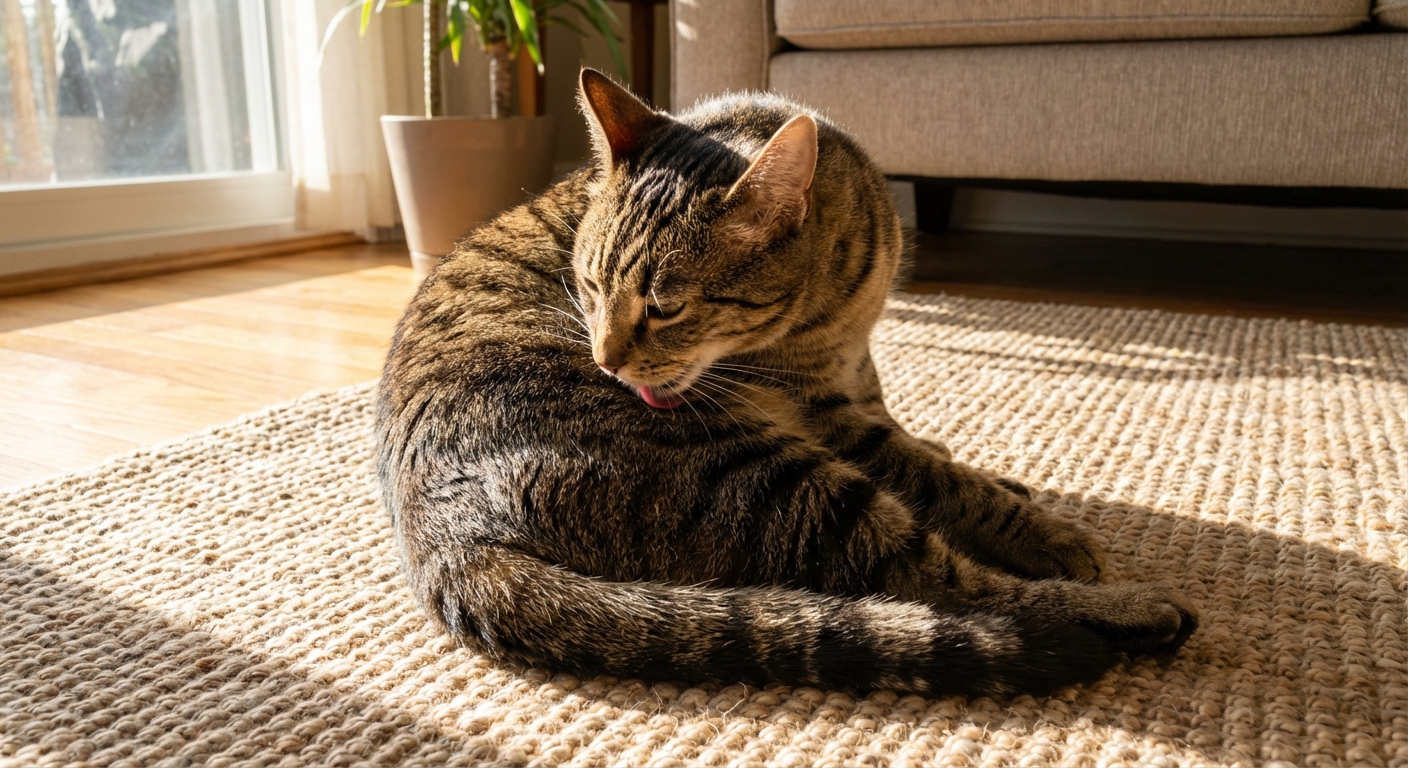
Topical use is usually where coconut oil makes the most sense for cats, because you can target dry skin without intentionally adding dietary fat. That said, most cats will lick anything you put on their coat, so topical use can still turn into oral intake.
Possible benefits
- Dry, flaky skin support: A tiny amount can soften dry patches and reduce the “tight” feeling some cats get in winter.
- Coat smoothing: It can help rough fur lay flatter, especially in long-haired cats that get static and frizz.
- Light barrier for minor irritation: It can act like a thin barrier while mildly irritated skin settles.
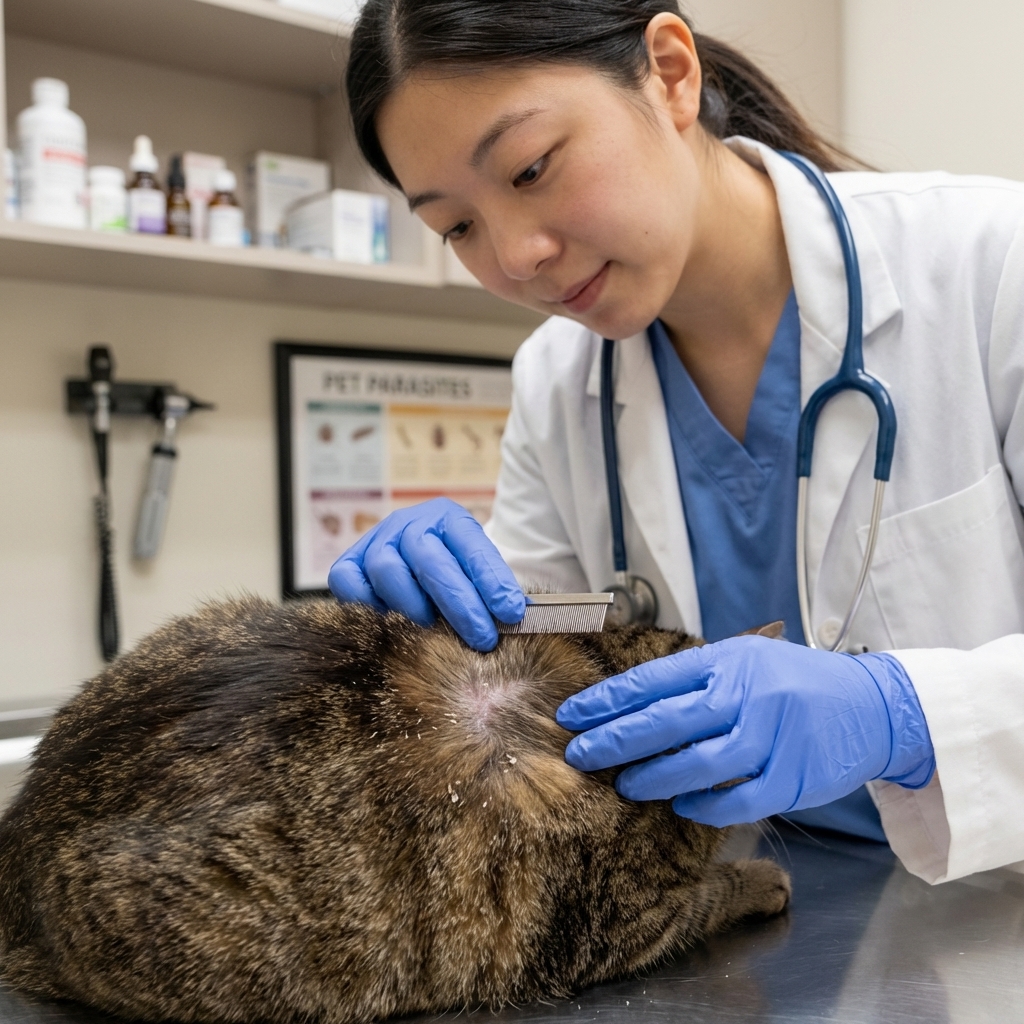
Important note: dandruff, itchiness, and recurring skin irritation often have an underlying cause (fleas, mites, ringworm, allergies, infection). Moisturizing alone may not fix the real problem.
How to use it safely
- Use a very small amount: Start with a smear about the size of a grain of rice to a small pea, depending on the area.
- Warm it between your fingers and apply a thin film to the area.
- Avoid the face (especially near eyes and nose) and avoid broken skin unless your veterinarian specifically approves it.
- Prevent licking for 10 to 15 minutes if possible, using distraction (play, a small meal) or an e-collar if your cat is obsessive about grooming.
When topical use is a bad idea
- Hot spots, oozing lesions, or infected skin (these need veterinary treatment, not oil).
- Chin acne (oils can worsen clogged pores in some cats).
- Severe matting where oil can trap debris and make the skin environment worse.
Oral use
Oral use is where we need to slow down. Many cat owners want coconut oil for hairballs, constipation, or digestive support. Sometimes it seems to help, but GI side effects and unwanted weight gain are common reasons it does not work out.
Also, the “benefits” people report are often anecdotal. Commercial hairball products and veterinary diet options tend to be more predictable because they are formulated specifically for cats.
Why people try it
1) Hairballs
The idea is that a small amount of oil may help lubricate ingested hair so it passes through the GI tract more easily. Some cats seem to have fewer dry coughs or retching episodes with tiny amounts, but the evidence is limited and individual response varies a lot.
If your cat is vomiting frequently, the bigger priority is to look for underlying causes like parasites, food sensitivities, overgrooming from stress, or skin allergies.
2) Constipation
Fats can sometimes soften stool, but coconut oil is not a first-line constipation tool for cats. Chronic constipation can signal dehydration, obesity, pain, megacolon, kidney disease, or other issues that need a veterinary plan.
3) “Digestive soothing”
Some cats tolerate a tiny amount without issue. Many cats develop loose stool quickly, especially if the dose is too high or introduced too fast. Cats can be less forgiving than dogs when it comes to sudden increases in dietary fat.
Safe amount
There is no one perfect dose that fits every cat. When I help pet parents think this through, I focus on two rules: start tiny and stop at the first sign of GI upset.
General starting range (healthy adult cats only)
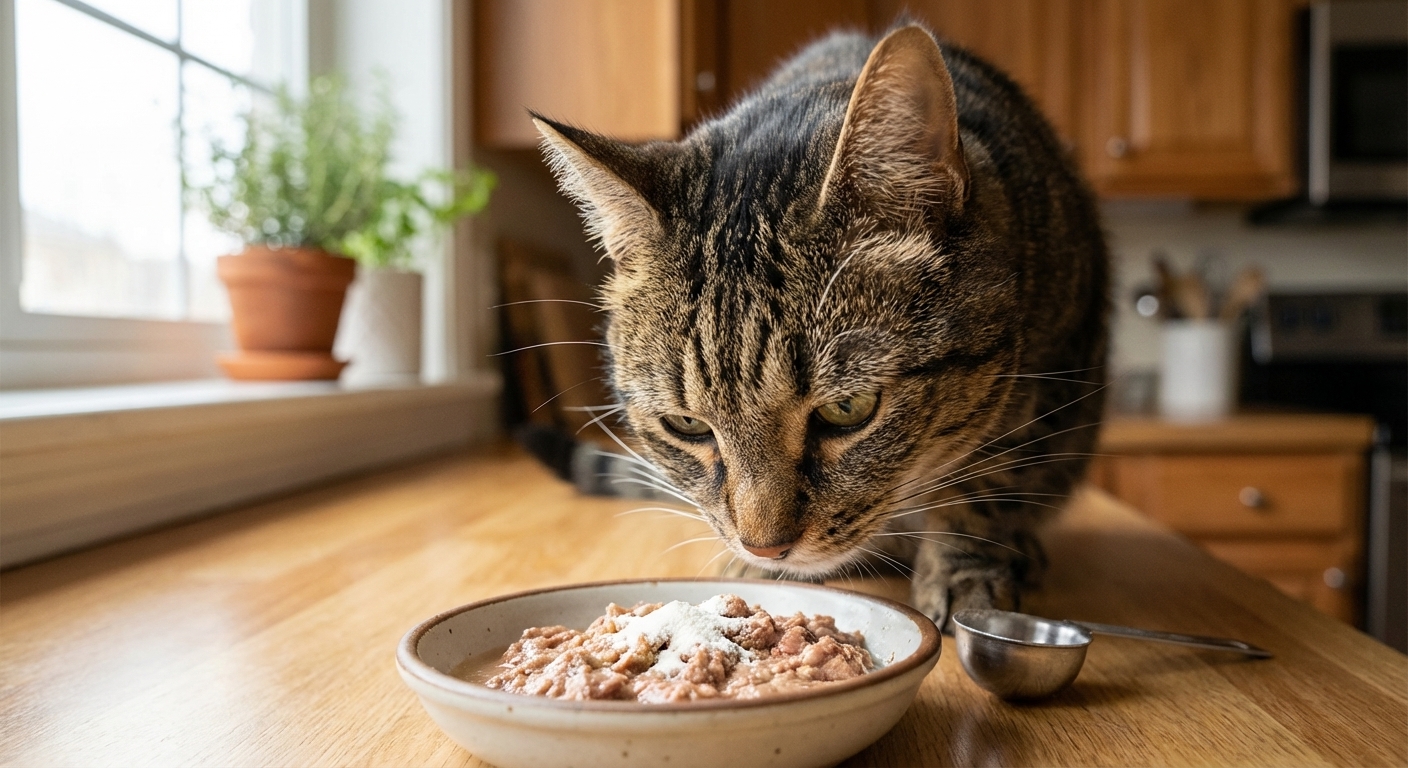
- Start: 1/8 teaspoon once daily mixed into food.
- If well tolerated after 3 to 5 days: up to 1/4 teaspoon once daily.
- Upper cautious limit for many average cats: up to 1/2 teaspoon daily, but plenty of cats should not go this high.
Calorie reality check: coconut oil is roughly 40 calories per teaspoon. That means 1/4 teaspoon is about 10 calories. For a cat, that can add up fast.
Tips that matter:
- Mix it into food instead of offering a mouthful of oil. This helps reduce nausea from a “hit” of pure fat and lowers the chance of food refusal if your cat feels sick after.
- Choose plain, food-grade coconut oil only. No sweeteners, no xylitol, no added essential oils, and no fragranced products meant for cosmetics.
- If your cat is on a weight loss plan, coconut oil usually works against your goals because it adds calories quickly.
Call your veterinarian if you see repeated vomiting, diarrhea lasting more than 24 hours, lethargy, loss of appetite, or signs of abdominal pain after introducing coconut oil.
Risks to take seriously
1) High fat and pancreatitis concerns
Cats can develop pancreatitis, and in many cases the cause is unclear. Unlike dogs, the link between fatty foods and pancreatitis is not as straightforward in cats. Still, many clinicians prefer to avoid high-fat supplements and sudden diet changes in cats who have had pancreatitis before, or who are prone to GI flare-ups.
If your cat has a history of pancreatitis, I generally recommend skipping coconut oil unless your veterinarian specifically approves it.
2) Weight gain and obesity
Even small extras add up in cats. Obesity raises risk for arthritis, diabetes, and liver disease. If you are already measuring calories carefully, coconut oil may not be worth it.
3) Diarrhea, vomiting, and food aversion
Many cats develop loose stool when coconut oil is introduced too quickly or in too large a dose. Once a cat decides a food caused nausea, they may refuse that food later. That is why starting with an ultra-small amount matters.
4) Aspiration risk if force-fed
Never syringe or force coconut oil into your cat’s mouth. Oils can be aspirated into the lungs and cause serious complications. If your cat will not eat it willingly in food, it is not the right supplement.
Who should avoid it
In my experience, these cats are the most likely to have problems with coconut oil, or to have more risk than benefit:
- Cats with a history of pancreatitis or suspected pancreatitis.
- Overweight or obese cats, or cats with a history of hepatic lipidosis (fatty liver).
- Cats with chronic vomiting, IBD, or sensitive stomachs.
- Cats with diabetes or at high risk for diabetes (extra calories can complicate management).
- Senior cats with multiple chronic conditions where diet stability is important.
- Kittens, unless a veterinarian recommends it.
See the vet urgently if you notice
- Repeated vomiting or inability to keep food or water down
- Marked lethargy or hiding more than usual
- Signs of abdominal pain (hunched posture, growling when picked up, tense belly)
- Dehydration (tacky gums, sunken eyes)
- Yellow tint to gums, eyes, or skin (jaundice)

Coconut oil vs fish oil
If your main goal is skin and coat support, fish oil is often the better-researched option for cats. Coconut oil does not provide the same omega-3 fatty acids that are commonly used for skin barrier support and inflammation control.
How they compare
- Coconut oil: mostly saturated fat. May help mild dryness topically and may help hairball passage in some cats, but adds calories fast and can cause GI upset.
- Fish oil (EPA and DHA): stronger support in veterinary nutrition for skin and coat, inflammation support, and some allergic skin conditions when used correctly.
Fish oil safety notes
- Choose products made for pets or high-quality human-grade with clear EPA and DHA amounts.
- Use correct dosing. Too much fish oil can cause diarrhea and can affect blood clotting.
- Store properly to prevent rancidity (heat and light are the enemies).
If you are deciding between the two for a flaky coat, I typically suggest discussing fish oil first with your veterinarian, especially if your cat has itchy skin, allergies, or dandruff.
Other ways to help hairballs and digestion
Coconut oil is not the only tool. These options are often more effective and less risky:
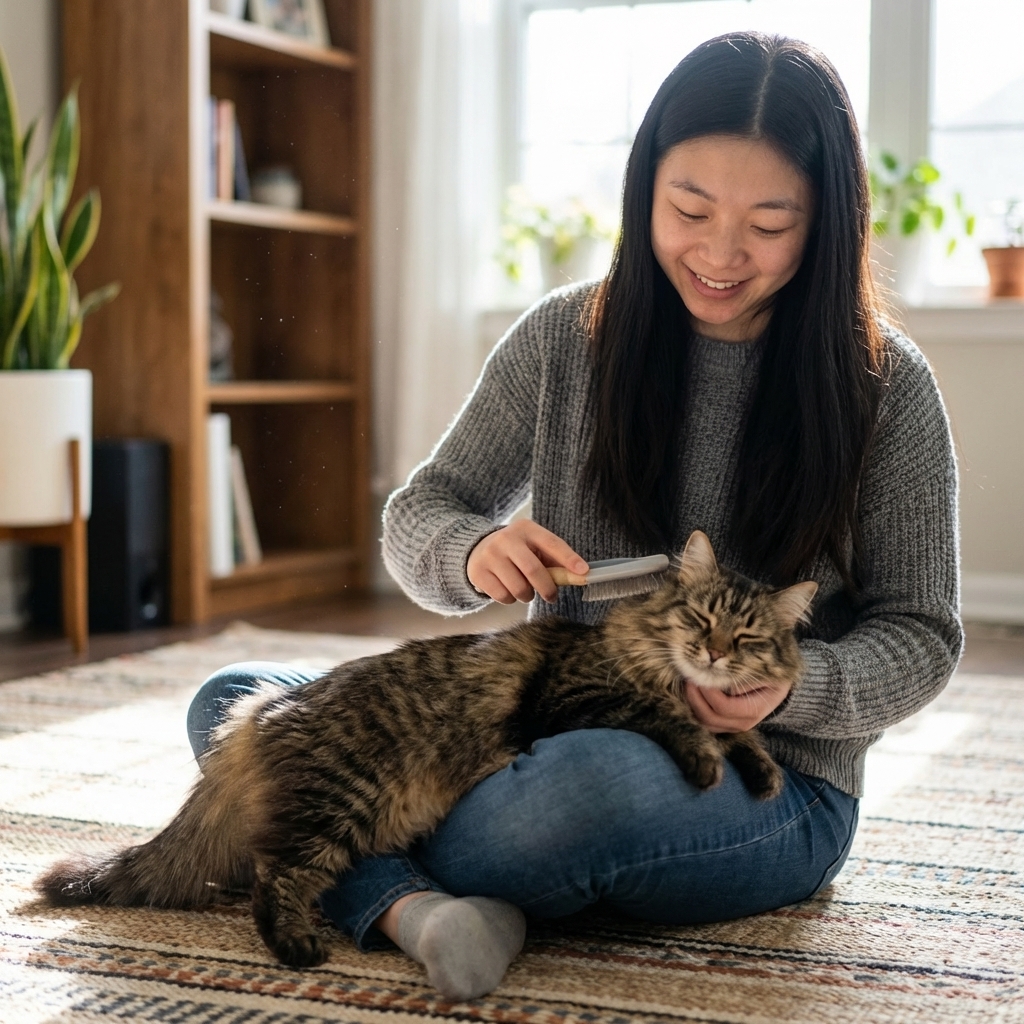
- Brush more, not just more supplements: A consistent brushing routine reduces hair ingestion at the source.
- Hydration support: More water helps both constipation and hairball passage. Consider fountains, wet food, or adding water to meals.
- Veterinarian-approved hairball gels or diets: Many are designed specifically for cats and tend to be more predictable.
- Psyllium or pumpkin in tiny amounts may help some cats, but ask your vet first, especially if your cat has GI disease.
- Address overgrooming: Stress, fleas, and allergies can drive excessive grooming and hairballs.
Quick checklist
- Yes, maybe if your cat is healthy, lean, and you want to try a tiny amount for mild dry skin or occasional hairballs.
- No, skip it if your cat is overweight, has a history of pancreatitis, chronic GI issues, or is a senior with complex health needs.
- Stop immediately if you notice vomiting, diarrhea, reduced appetite, or lethargy.
If you are ever unsure, bring the jar to your veterinary visit and ask for guidance. When it comes to supplements, the safest plan is always: right cat, right dose, right reason.