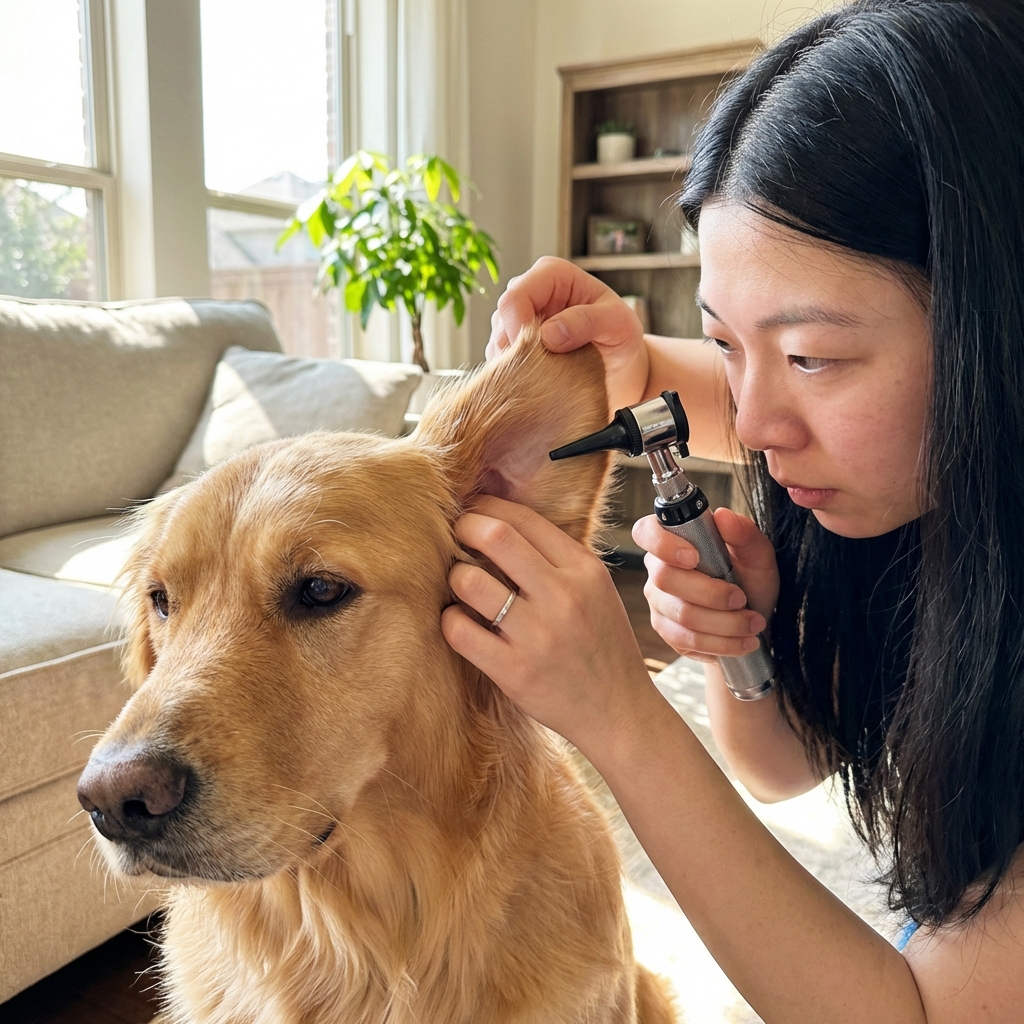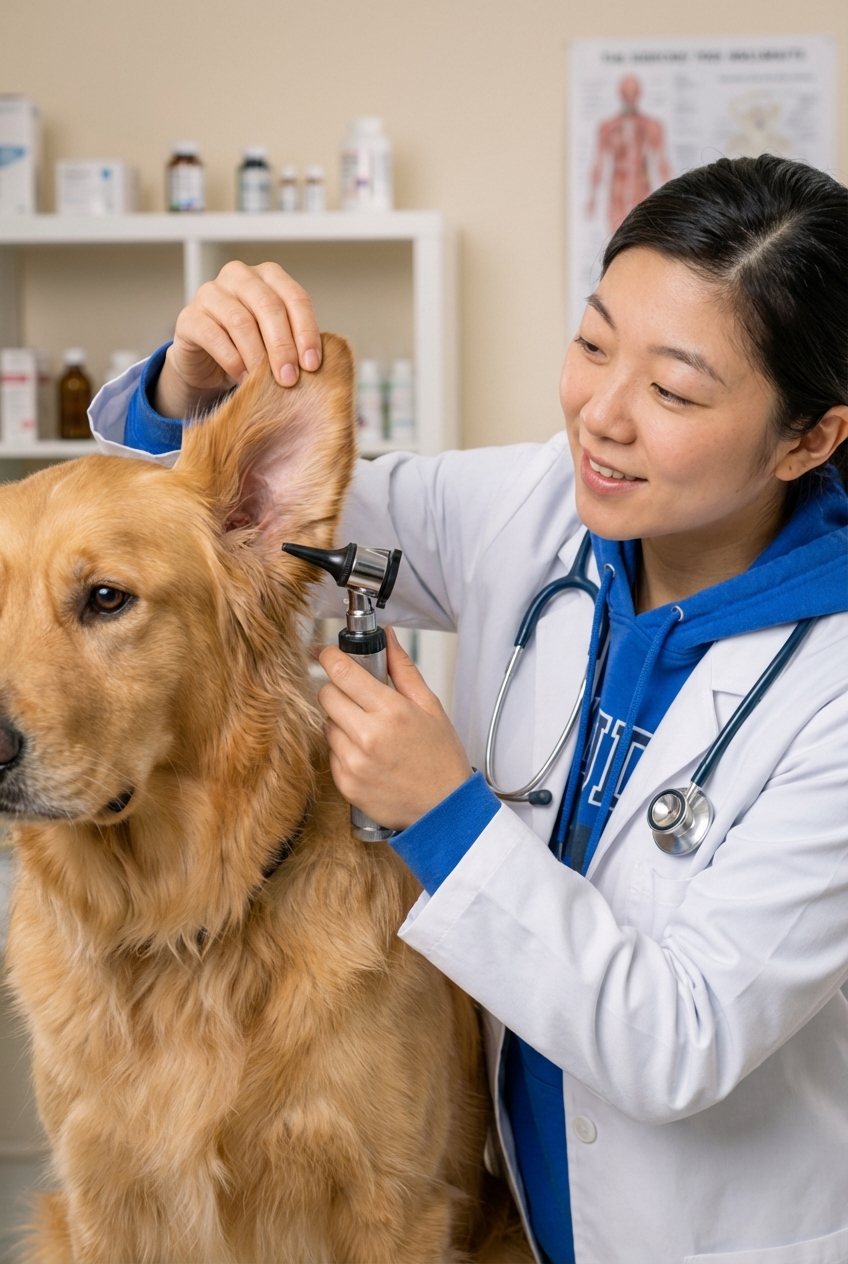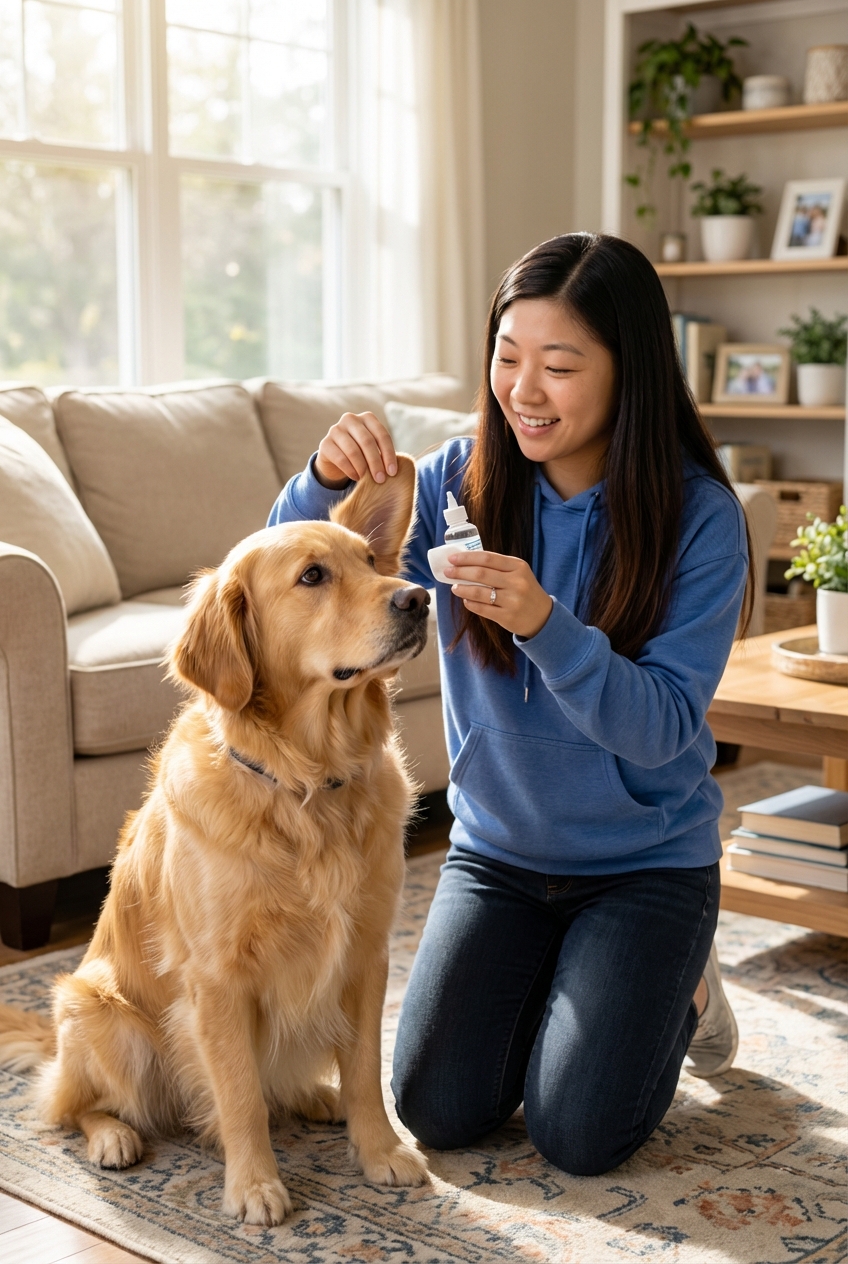
A vet-assistant guide to cleaning your dog’s ears the safe way—what to use, what to avoid, step-by-step technique, how often to clean, and when to call y...
Article
•
Designer Mixes
Cocker Spaniel Ear Issues and Temperament

Shari Shidate
Designer Mixes contributor
Cocker Spaniels are famous for their soft eyes, feathered coats, and those beautiful, floppy ears. But as a veterinary assistant here in Frisco, Texas, I can tell you this breed comes with two big “must-knows” for families: (1) ear care is not optional, and (2) their temperament is typically sweet and people-focused, but sensitive. The good news is that with a little prevention and smart training, Cockers can be wonderful companions for many households.
Quick note: This article is for general education and is not a substitute for an exam, diagnosis, or treatment plan from your veterinarian.
Why Cocker Spaniels are prone to ear problems
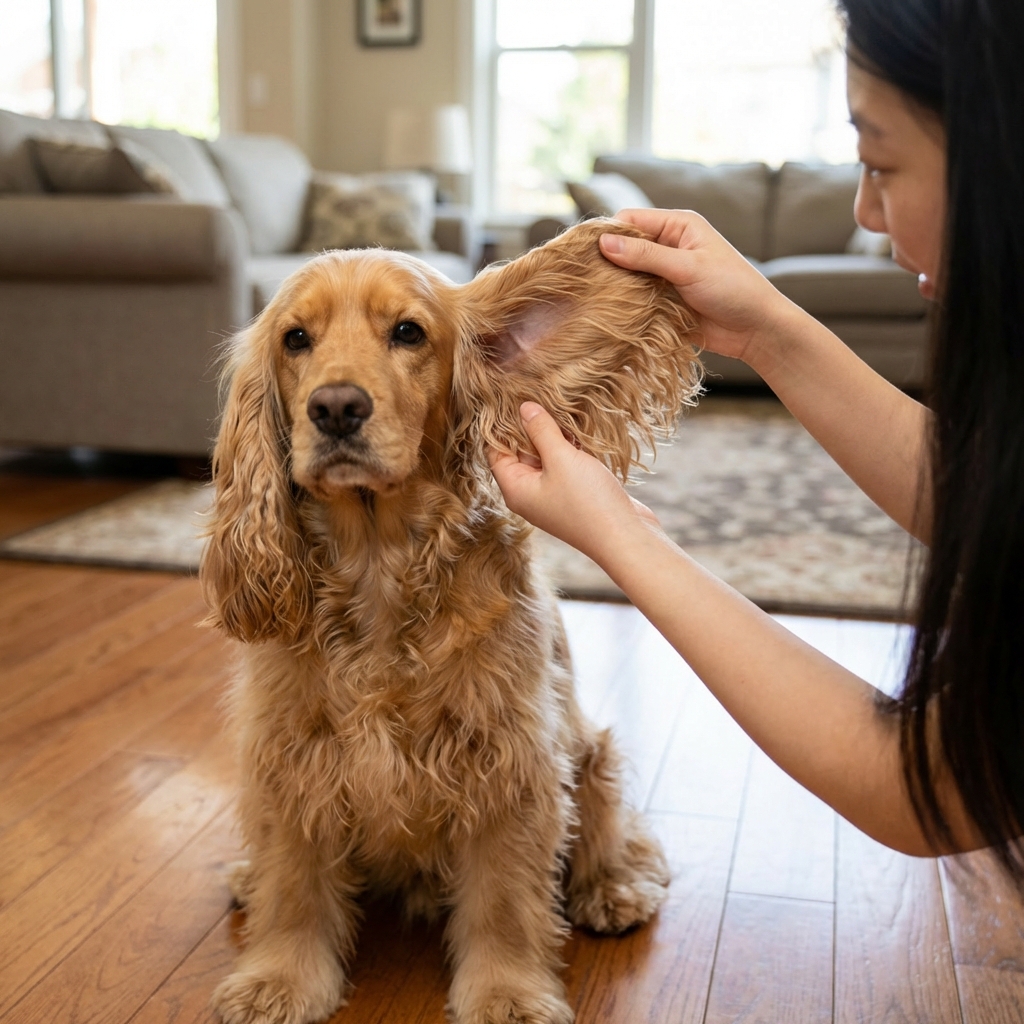
Compared with many breeds, Cocker Spaniels are simply more likely to struggle with ear issues. Their ears are long and heavy, which limits ventilation inside the ear canal and makes it harder for the canal to dry out. Add in common triggers like swimming, bathing, humidity, and allergies, and you have the perfect setup for yeast and bacteria to overgrow.
It helps to know the basics: a dog’s ear canal is shaped like an “L.” Debris and moisture can get trapped deep in the canal, especially when the ear flap covers the opening like a blanket.
Common ear issues in Cockers
- Yeast infections (often a musty or slightly sweet odor, brown discharge, itching)
- Bacterial infections (may be more painful, may have thicker discharge)
- Ear mites (more common in puppies and multi-pet homes, dark crumbly debris, and overall less common than yeast or bacterial infections in many adult dogs)
- Allergy-related otitis (inflamed, red ears that keep coming back even after treatment)
- Chronic changes (thickened canal, narrowing, repeated infections that become harder to treat)
If your Cocker is getting repeat ear infections, it is rarely “bad luck.” It usually means there is a driver underneath, like allergies, trapped moisture from swimming or bathing, or a cleaning routine that is not quite right.
Signs your Cocker needs an ear check
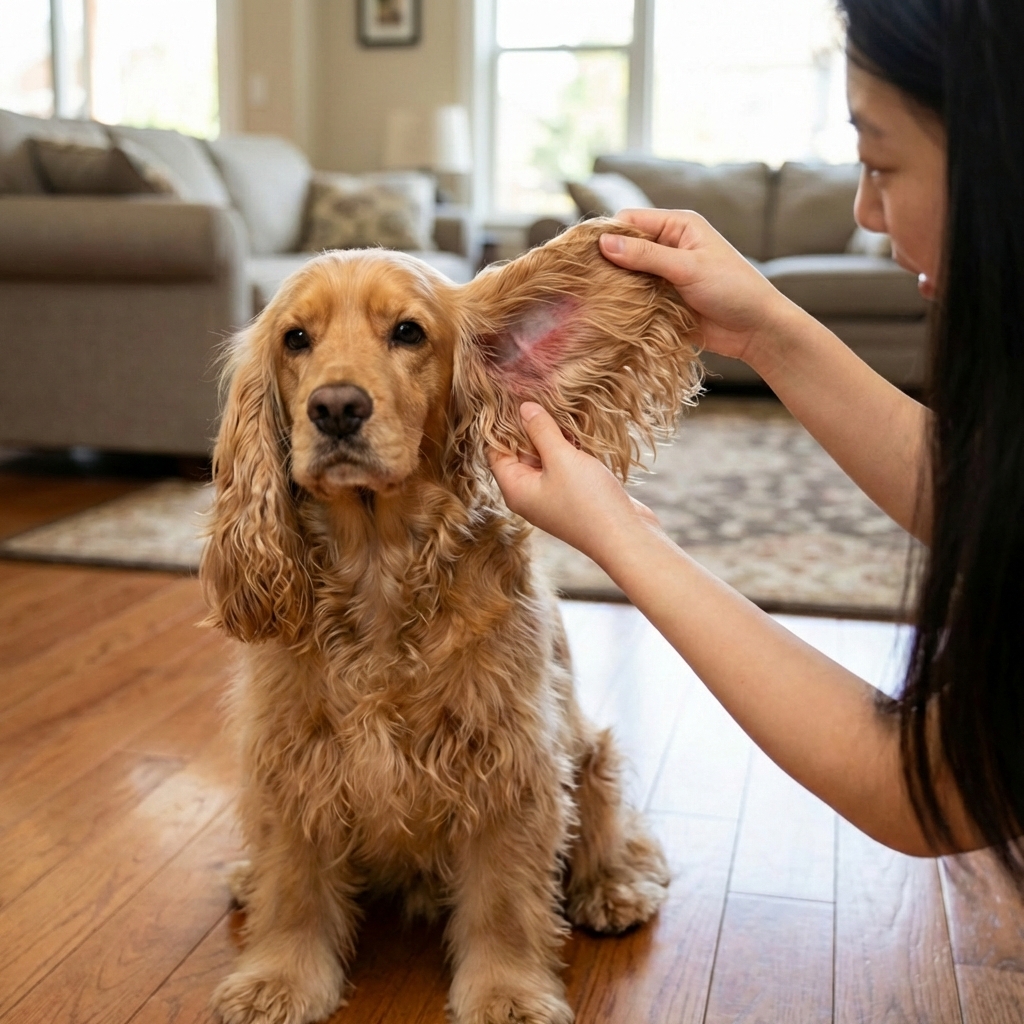
Ear infections can sneak up quickly. Please do not wait until your dog is miserable. Here are common warning signs:
- Head shaking or frequent scratching at one ear
- Redness, swelling, or heat in the ear flap or canal
- Odor coming from the ear (smell alone cannot diagnose the cause)
- Discharge, wax buildup, or a “dirty” look inside the ear
- Pain when you touch the ear, or your dog pulls away
- Balance issues or head tilt (this can be more serious and needs prompt care)
What to do if you suspect an infection
The most helpful step is to schedule a veterinary visit, especially for first-time infections or anything recurrent. Your veterinarian will often do an ear cytology, which means looking at a sample under the microscope to see if yeast, bacteria, or mites are present. That matters because the right treatment depends on what is actually in the ear, and mixed infections are common.
One of the biggest mistakes I see is treating every ear problem the same way. A yeast-heavy ear and a bacterial ear can look similar from the outside, and discharge color is not a reliable way to tell. Cytology is.
Another reason an exam matters: if the ear canal is badly inflamed, there is debris packed deep, or the eardrum is compromised, putting the wrong product in the ear can cause more pain and problems. This is why “deep cleaning” or medicating at home without guidance can be risky.
Avoid these common missteps
- Do not use leftover ear medication from a prior infection without an exam. The organism may be different this time.
- Do not put hydrogen peroxide or alcohol in the ear, unless your veterinarian specifically directs you to. These can sting and worsen irritation.
- Do not over-clean. Too much cleaning can inflame the canal and make infections more likely.
- Do not ignore pain. Pain is a signal that the ear canal is inflamed and needs help.
Prevention: an ear care routine that works
Most families do best with a simple, consistent routine. The goal is to keep the ear clean, dry, and calm.
How often should you clean?
For many Cockers, the sweet spot is cleaning only as needed, plus after water exposure if your dog is prone to infections. Some dogs truly do best with weekly maintenance, while others get irritated if cleaned too often. If you are unsure, ask your veterinarian for an individualized schedule.
1) Check ears weekly
Lift each ear flap and look for redness, odor, heavy wax, or sensitivity. If the ear looks normal, you may not need to clean it that day.
2) Clean after water exposure
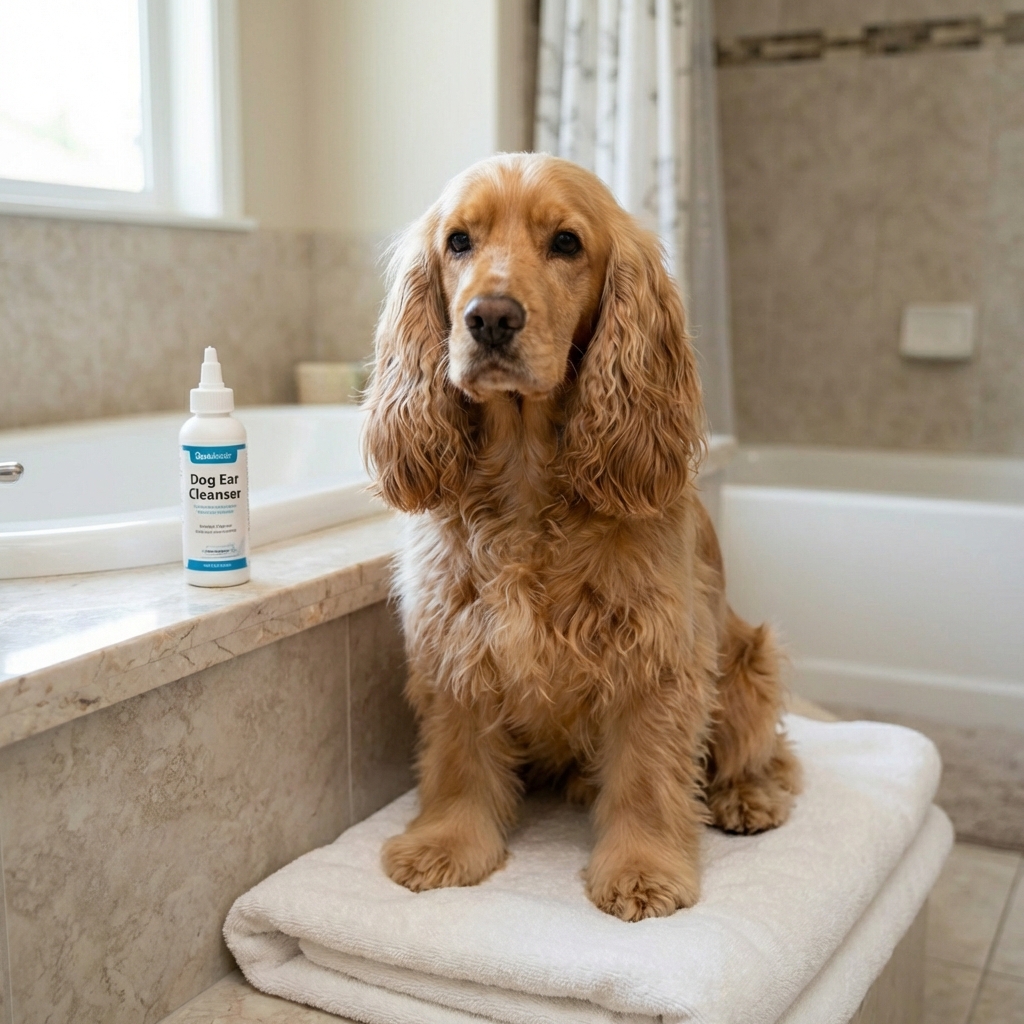
Swimming and baths are common triggers. And yes, Texas heat plus lake days can be a real ear-infection recipe for some Cockers. Ask your vet which ear cleanser is best for your dog, and use it after water play if your Cocker tends to flare up.
3) Use the right cleaner the right way
Every product has its own directions, but a typical approach looks like this:
- Fill the ear canal with a vet-approved cleanser
- Massage the base of the ear for 20 to 30 seconds (you should hear a gentle “squish” sound)
- Let your dog shake their head
- Wipe away what comes out with cotton or gauze (avoid cotton swabs deep in the canal)
4) Talk to your groomer about ear hair
Some Cockers have heavy hair around the ear opening that traps moisture and wax. Grooming plans vary. Some dogs do well with careful trimming around the opening, while aggressive plucking can irritate certain dogs. Your vet or groomer can help you decide what is best for your individual dog.
Why issues come back: allergies
In veterinary clinics, recurring ear infections often go hand-in-hand with allergies. Allergies can be environmental (like pollen, dust mites, grasses) and, less commonly, food sensitivities can contribute too. When the immune system is overreacting, the ear canal can become inflamed, making it easier for yeast and bacteria to overgrow.
Clues allergies may be involved
- Ear infections that return several times a year
- Itchy paws, licking feet, rubbing face on carpet
- Red belly, armpits, or groin
- Seasonal flare-ups
If this sounds familiar, ask your veterinarian about an allergy plan. That might include diet trials, parasite prevention, topical therapies, and medications that reduce itch and inflammation. When you control the inflammation, you often reduce the ear infection cycle too.
Cocker temperament
Most Cocker Spaniels are affectionate, eager to be near their people, and happiest when they are included in daily life. They often do well with gentle kids, friendly visitors, and other pets when properly socialized.
What families love
- People-oriented: Cockers typically bond closely with their family
- Playful: Many stay puppy-like in spirit well into adulthood
- Trainable: They often respond beautifully to positive reinforcement
- Adaptable: With exercise and mental enrichment, they can do well in many home types
Potential challenges
- Sensitivity: Harsh corrections can make them anxious or shut down. Gentle training works better.
- Separation stress : Some Cockers struggle if left alone for long hours without preparation and enrichment.
- Reactivity when painful: Any dog may snap when in pain, and chronic ear infections can make handling the head uncomfortable.
Temperament is shaped by genetics, early socialization, and day-to-day routines. If you are choosing a puppy, an ethical breeder who prioritizes stable temperament is worth their weight in gold.

Ear pain can affect behavior
This is a big one. A dog with sore, infected ears may:
- Avoid touch around the head
- Growl during grooming or when you reach for the collar
- Seem “grumpy” or less social
- Startle more easily
If your normally sweet Cocker suddenly resists handling, I always encourage ruling out pain first. Ear infections, dental disease, and skin irritation are common culprits that can change behavior quickly.
Training tips
Cockers thrive with kind, consistent training and plenty of rewards. Think short sessions, clear cues, and lots of encouragement.
Focus on these skills early
- Handling practice: Gently touch ears, paws, and mouth, then reward. This helps with grooming and vet visits.
- Settle and calm: Teach a “place” cue and reward relaxation.
- Alone-time training : Start with short absences and build up. Provide a safe chew or food puzzle.
- Recall: A reliable “come” is a safety skill, especially for friendly dogs who want to greet everyone.
If you are seeing anxiety, fear, or reactivity, a certified positive reinforcement trainer can be a wonderful partner, especially when you start early.
When to call the vet
Some ear situations need prompt attention. Contact your veterinarian quickly if you notice:
- Head tilt, loss of balance, or walking oddly
- Severe pain, crying, or yelping when the ear is touched
- Swollen ear flap that looks like a pillow (this can be an ear hematoma, often triggered by head shaking, and it is not an infection itself but does need care)
- Bleeding, a strong foul odor, or thick discharge
- Symptoms that come back soon after finishing medication
Early treatment is usually simpler, less expensive, and much more comfortable for your dog.
The takeaway
Cocker Spaniels are typically loving, loyal dogs with a warm temperament, but their ears require ongoing attention. If you stay ahead of moisture, address allergies when needed, and make ear handling a positive experience, you can prevent many of the most common problems. A little routine care goes a long way toward a happy Cocker and a peaceful home.