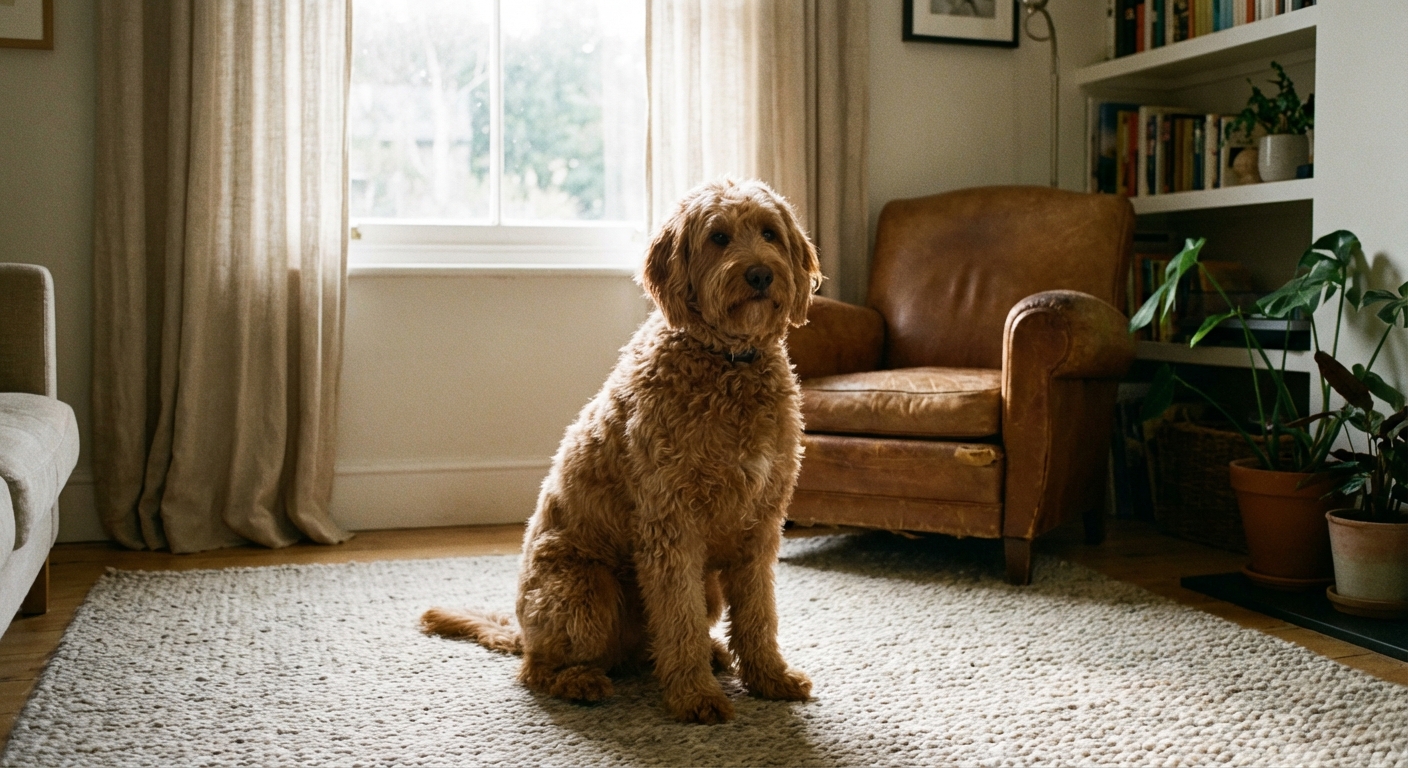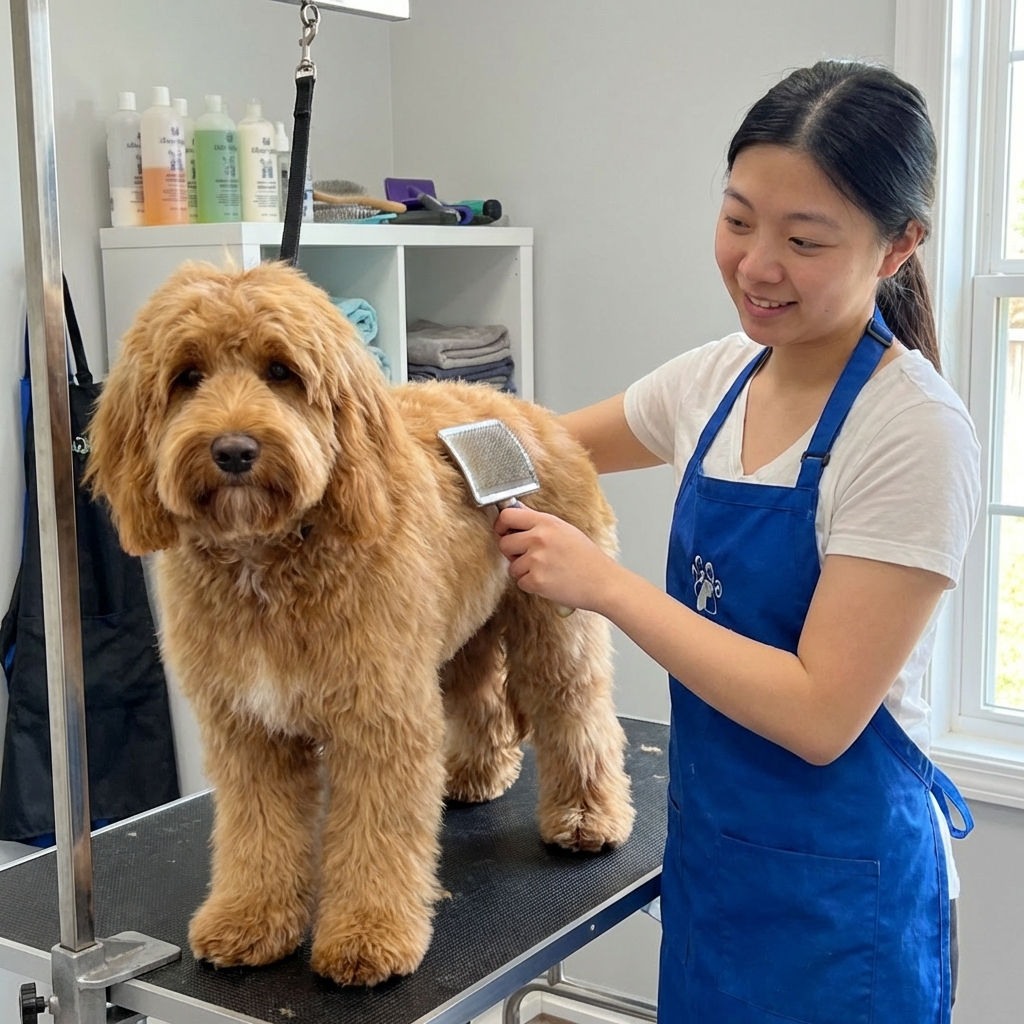
Not sure how often to brush or book the groomer? Compare straight/wavy, fleece, and curly Cockapoo coats and follow a realistic schedule for brushing, baths,...
Article
•
Designer Mixes
Cockapoo vs Labradoodle

Shari Shidate
Designer Mixes contributor
If you are deciding between a Cockapoo and a Labradoodle, you are already looking at two of the most beloved Poodle mixes for good reason. Both can be smart, affectionate, and family-friendly. But they are not interchangeable. Size, energy level, coat care, and predictability can be very different depending on the parents, coat type, and generation of the mix.
As a veterinary assistant in Frisco, Texas, I always encourage families to think beyond the puppy phase. The best match is the dog whose daily needs fit your real life, not your ideal schedule.
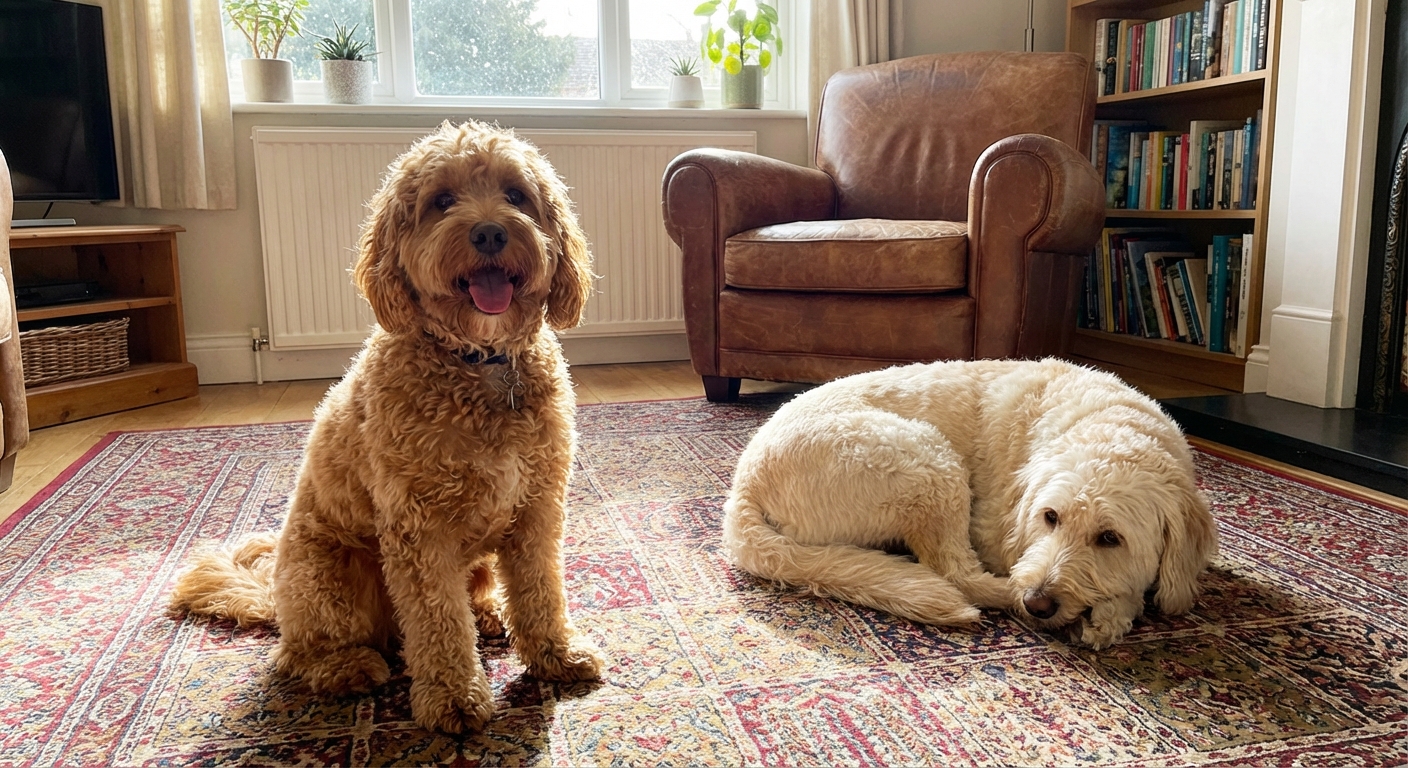
Quick snapshot
- Best for smaller spaces: Cockapoo (usually smaller and easier to fit into apartment life if exercised daily)
- Best for active households: Labradoodle (often higher stamina and benefits from more structured exercise)
- Grooming commitment: Both can be high. Matting risk is driven more by coat type, length, and brushing habits than by which mix you choose
- More size variation: Labradoodle (standard vs medium vs mini lines vary widely, and individuals can fall outside typical ranges)
- Temperament predictability: Both vary by genetics and early socialization. Many Cockapoos lean more companion-oriented, while many Labradoodles lean more sporty and driven, but there are plenty of exceptions
Origins
Cockapoo
The Cockapoo is typically a Cocker Spaniel and Poodle mix. Cocker Spaniels were bred as gun dogs, meaning they are tuned into people, sensitive, and eager to work with you. When you add Poodle intelligence, many Cockapoos become bright, affectionate companion dogs who thrive on closeness and routine.
Labradoodle
The Labradoodle is a Labrador Retriever and Poodle mix. Labradors were bred to retrieve for hunters and are known for enthusiasm, stamina, and a love of carrying things in their mouths. Combined with Poodle smarts, Labradoodles often excel in active families, training-forward households, and homes that want a dog who can keep up on long walks, hikes, and games.
Generation matters
“Doodle” is not one uniform type. Ask what generation you are considering, because it affects predictability for coat, shedding, and sometimes size.
- F1: first-generation cross (one purebred parent of each breed). Coat and shedding can vary widely.
- F1B: often an F1 bred back to a Poodle. This can increase the chance of a curlier, lower-shedding coat, but it can also increase grooming needs.
- Multigen: doodle to doodle breeding. Some lines are more consistent, but only if breeders are selecting carefully and health testing across generations.
In the clinic, coat care surprises are one of the biggest reasons families feel overwhelmed later. Ask to see photos of adult dogs from the same line, not just puppies.
Size and weight
With any mix, size depends on the size of the Poodle parent and the specific breeding line. Ask the breeder or rescue for the parents’ weights and, if possible, adult siblings from prior litters.
Cockapoo size
- Typical weight: about 10 to 30 pounds (most are from Toy or Miniature Poodle lines, but larger crosses exist and can exceed 30 pounds)
- Typical height: commonly 10 to 15 inches at the shoulder, sometimes taller
- Common fit: smaller yards, townhomes, apartments (with daily exercise)
Labradoodle size
- Typical weight: about 15 to 70+ pounds (mini lines can be under 20, and some standards can exceed 80)
- Typical height: commonly 14 to 24 inches at the shoulder
- Common fit: homes that can handle a bigger dog, bigger energy, and bigger food bills

Temperament and training
Both mixes are usually intelligent and trainable, but their “default settings” can feel different. Keep in mind that individuals vary a lot, especially across generations and lines.
Cockapoo temperament
- Often: cuddly, people-oriented, playful, sensitive to tone
- Training style that works best: calm consistency, short sessions, positive reinforcement
- Watch for: separation anxiety tendencies if left alone too long, and over-excited greeting behaviors
Labradoodle temperament
- Often: friendly, outgoing, bouncy, eager to engage
- Training style that works best: structured exercise plus training, clear boundaries, reward-based methods
- Watch for: jumping, mouthing, leash pulling, and boredom behaviors if under-stimulated
My practical tip: When you meet a litter, do not just choose the pup who runs up first. Ask to see who recovers quickly from a new sound, who checks in with people, and who can settle after excitement. Those traits matter in real life.
Parent breed tendencies that can pop up: Some Cockapoos inherit more of the Cocker “velcro” sensitivity, while some Labradoodles inherit more of the Labrador food motivation and mouthiness. Neither is “bad,” but you want to know what you are likely to manage day to day.
Exercise needs
Exercise is not just about burning energy. It is also about joint health, weight management, gut motility, and stress reduction.
Important: The ranges below are typical for healthy adult dogs. Puppies need age-appropriate activity and should not do forced long-distance running. If you are unsure, ask your veterinarian for a growth-safe plan.
Cockapoo exercise
- Typical adult range: 45 to 75 minutes per day split into walks and play
- Great activities: brisk walks, fetch in short bursts, beginner agility, scent games
- If under-exercised: barking, restlessness, clinginess, destructive chewing
Labradoodle exercise
- Typical adult range: 60 to 120 minutes per day, often with at least one more vigorous session
- Great activities: long walks, hiking, swimming, retrieving games, training drills, nose work
- If under-exercised: impulsive behavior, leash pulling, counter surfing, destruction, pacing
If your schedule is tight, a Cockapoo is often easier to keep appropriately exercised. If you are active and want a dog who is up for big adventures, many Labradoodles shine.
Grooming and shedding
One of the biggest misunderstandings with Poodle mixes is the idea that they are automatically “non-shedding” or “hypoallergenic.” In real life, coats vary. A dog can shed less and still trigger allergies, and a dog can shed more than expected if they inherit more of the Labrador or Spaniel coat traits.
Common coat types
- Curly (more Poodle-like): often lower shedding, higher matting risk
- Wavy or fleece: common in both mixes, can be easiest if maintained regularly
- Straighter: may shed more and still require grooming
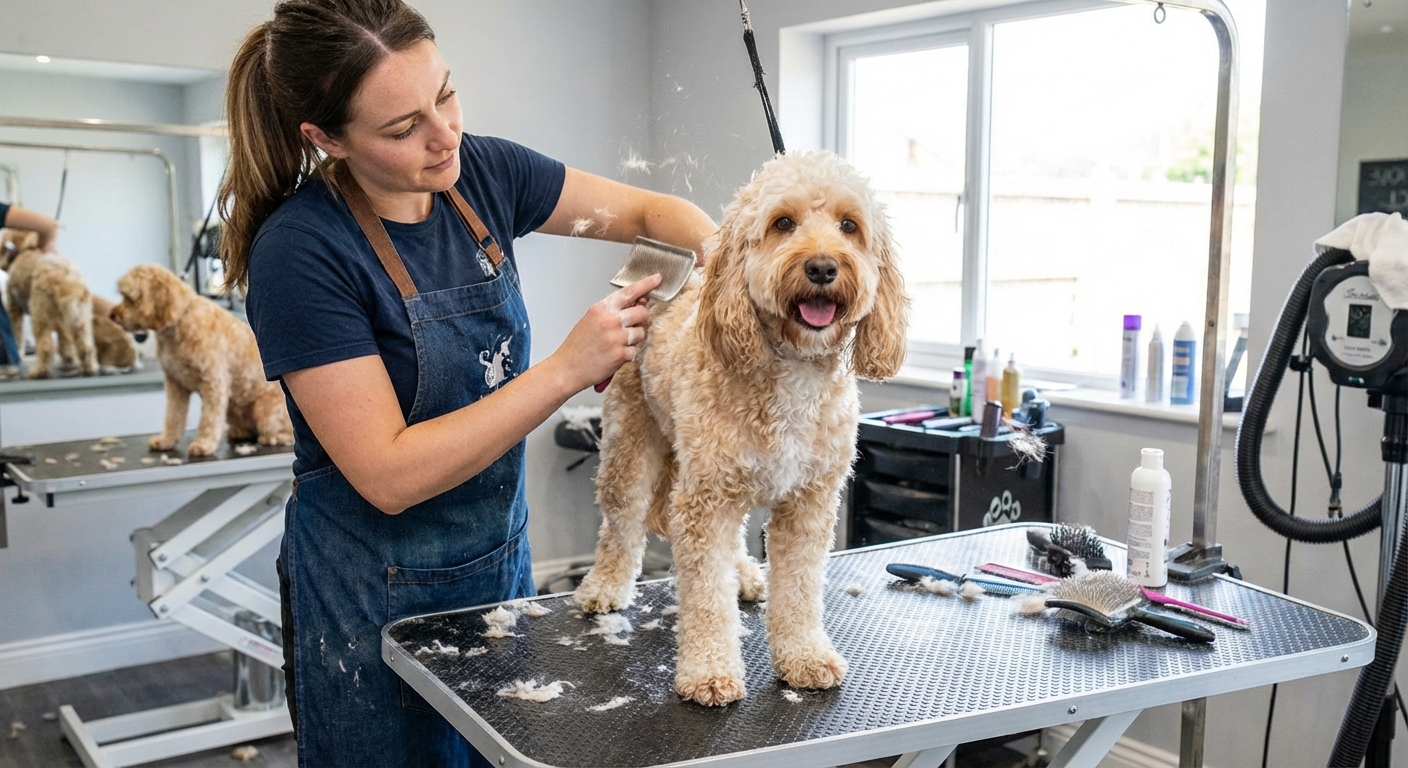
Grooming reality check
- At-home brushing: ideally 3 to 5 times per week, more during coat change phases
- Professional grooming: about every 6 to 8 weeks for most coats
- Common problem: mats behind ears, under collar or harness areas, armpits, belly, and around the tail
Mats are not just cosmetic. They can cause skin irritation, hot spots, and even hide parasites. If you want a doodle-type coat, plan your grooming budget and time first, then choose the dog.
Health issues
Mixed-breed dogs can still inherit genetic disease risk from either parent breed. Responsible breeders health-test parents. Rescues can be wonderful too, but it helps to go in with your eyes open and budget for preventive care.
Common Cockapoo health considerations
- Ear infections: floppy ears plus hair in ear canals can trap moisture; routine ear checks matter
- Eye issues: Cocker Spaniels can carry risks for certain eye conditions
- Patellar luxation: kneecap instability can occur, especially in smaller dogs
- Dental disease: small to medium dogs often need consistent dental care
Common Labradoodle health considerations
- Hip and elbow dysplasia: especially in larger dogs; keep lean and avoid excessive high-impact exercise during growth
- Ear infections: very common with floppy ears and swimming dogs
- Allergies: environmental and food sensitivities can show up as itchy skin and chronic ear issues
- Bloat risk: can be a concern in standard or larger, deep-chested individuals. Bloat is an emergency, so know the signs and have an ER plan
Evidence-based note: Keeping any dog lean is one of the most protective health choices you can make. Extra weight increases stress on joints and is associated with shorter lifespan in multiple studies across breeds. If you like a simple target, many vets aim for a body condition score around 4 to 5 out of 9.
Lifespan
Lifespan depends on size, genetics, and preventive care.
- Cockapoo: often around 12 to 15 years, sometimes longer in smaller individuals
- Labradoodle: often around 10 to 14 years, with smaller lines trending longer
Daily dental care, parasite prevention, regular vet visits, and weight management can meaningfully influence quality of life in both mixes.
Puppy vs adult
Both mixes can be dreamy as puppies and then suddenly feel like they have springs in their legs during adolescence. In many dogs, the most challenging “teen” months are roughly 6 to 18 months, with larger dogs often maturing a bit later.
If you want a calmer, more predictable companion, consider an adult dog from a reputable rescue or foster-based program where temperament and energy level are already known.
Kids, pets, and fit
Who often loves Cockapoos
- First-time dog owners who want a friendly, smaller companion
- Families who want a dog that can be playful but also enjoys couch time
- Homes that can provide companionship during the day or are willing to train independence slowly
Who often loves Labradoodles
- Active families who truly want a dog that needs daily exercise and training
- Homes that enjoy outdoor activities and want a larger, sturdy playmate for older kids
- People who like a dog with a “job,” even if the job is structured games and training
With toddlers: any bouncy adolescent dog can accidentally knock a child over. If you have very young kids, consider an adult dog with a known temperament, or choose the calmer puppy in the litter rather than the most energetic.
Cost of ownership
Budget is part of responsible pet ownership, and doodle-type coats can raise grooming costs.
- Food: Labradoodles usually cost more to feed due to size
- Grooming: both can require routine professional grooming; larger dogs cost more per session
- Training: both benefit from puppy classes, but Labradoodles often do best with continued training through adolescence
- Vet care: similar preventive needs; larger dogs may need higher medication dosages, which can cost more
How to choose
If you are stuck, run through these questions honestly:
- How much time can you commit daily to exercise? If under an hour most days, a Cockapoo may be a safer fit.
- Do you enjoy grooming and brushing? If not, either choose a lower-maintenance coat and keep it short, or consider a different type of dog.
- Do you want a bigger dog? If yes, Labradoodle. If no, Cockapoo.
- How much alone time will your dog have? If long stretches, prioritize independence training and consider an adult dog.
- Do you want a chill companion or a sporty buddy? Many Cockapoos lean companion. Many Labradoodles lean athlete.
My best advice: choose the dog whose needs you can meet on your busiest week, not your best week.
Adoption and breeder tips
If you are adopting
- Ask about coat maintenance history and ear infection history
- Request notes on behavior around kids, cats, and other dogs
- If possible, do a trial weekend to evaluate settling, barking, and leash skills
If you are buying from a breeder
- Ask what health testing is done for the parent breeds (hips, elbows, eyes, and any recommended genetic screens)
- Ask what generation the litter is (F1, F1B, multigen) and what coat types they commonly produce
- Meet the dam if possible and observe temperament
- Be cautious of guarantees like “no shedding” or “hypoallergenic” for every puppy
Ethical sourcing red flags
- No proof of health testing, only verbal claims
- Multiple “designer” breeds always available with no waitlist
- Won’t let you see living conditions or meet the dam (when appropriate)
- Puppies sent home very young, or no questions asked about your lifestyle
Bottom line
A Cockapoo can be a wonderful choice if you want a smaller, affectionate, trainable dog that fits into a busy household with moderate daily exercise. A Labradoodle can be an amazing match if you want a bigger dog with higher stamina and you have the time and interest to provide exercise, training, and consistent grooming.
To narrow it down, consider your home size, your realistic weekday schedule, how much grooming you will actually do, and whether you want a mini, medium, or standard adult dog. Those four factors usually make the decision much clearer.