A vet assistant explains how omega-3s (EPA and DHA) support dogs’ skin, coat, joints, and some heart conditions—plus how to dose by weight, read labels, ...
Article
•
Designer Mixes
Cockapoo Health Issues: What Every Owner Should Know

Shari Shidate
Designer Mixes contributor
Cockapoos are sweet, social, and famously cuddly. As a veterinary assistant here in Frisco, Texas, I can tell you this mix also brings a real benefit: many owners pay close attention to their dog’s day-to-day comfort, and that makes it easier to catch small changes early.
Still, Cockapoos can be prone to a handful of predictable issues, especially ears, knees, hips, eyes, teeth, and allergies. The good news is that most of these problems are manageable when you know what to watch for and you stay consistent with grooming and preventive care.

Quick Cockapoo health snapshot
- Most common concerns: ear infections, allergies and itchy skin, luxating patella (kneecap issues), early dental disease, and eye problems like cataracts and progressive retinal atrophy (PRA). Some Cockapoos can also develop hip dysplasia.
- Why these show up: Cockapoos inherit traits from Cocker Spaniels and Poodles, including floppy or hairier ears, coats that can hold onto moisture and debris, and some inherited orthopedic and eye risks.
- Best owner mindset: prevention plus early action. If you catch changes in ears, eyes, gait, or skin early, you can often avoid chronic discomfort and expensive complications.
Ear infections
Cockapoos often struggle with ear trouble because their ear canals can be humid, hairy, and less ventilated. Not every Cockapoo gets ear infections, but the risk goes up with swimming, frequent baths, allergies, and heavier hair growth in or around the canal.
Signs to watch for
- Head shaking, ear scratching, or rubbing ears on the floor
- Redness, swelling, or a strong odor
- Brown, yellow, or waxy discharge
- Pain when you touch the ear, or sensitivity during grooming
What you can do at home
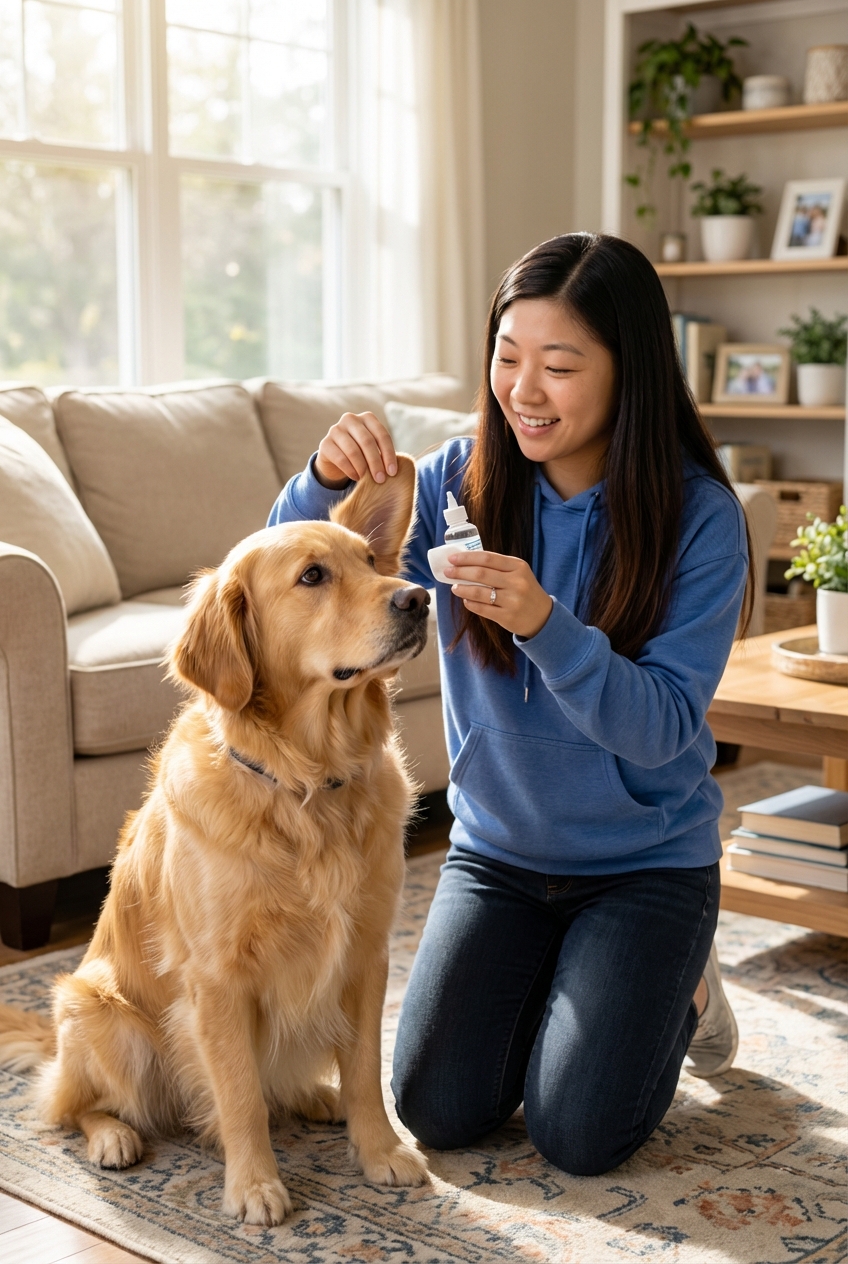
- Check ears weekly: lift the ear flap and look for redness, debris, and smell.
- Dry ears after water: after baths or swimming, gently dry the outer ear. Ask your vet about a drying ear rinse if your dog is infection-prone.
- Grooming matters: keeping hair trimmed around the ear opening helps airflow. Ear plucking is not right for every dog, so ask your groomer and vet what’s best for your Cockapoo’s ear type.
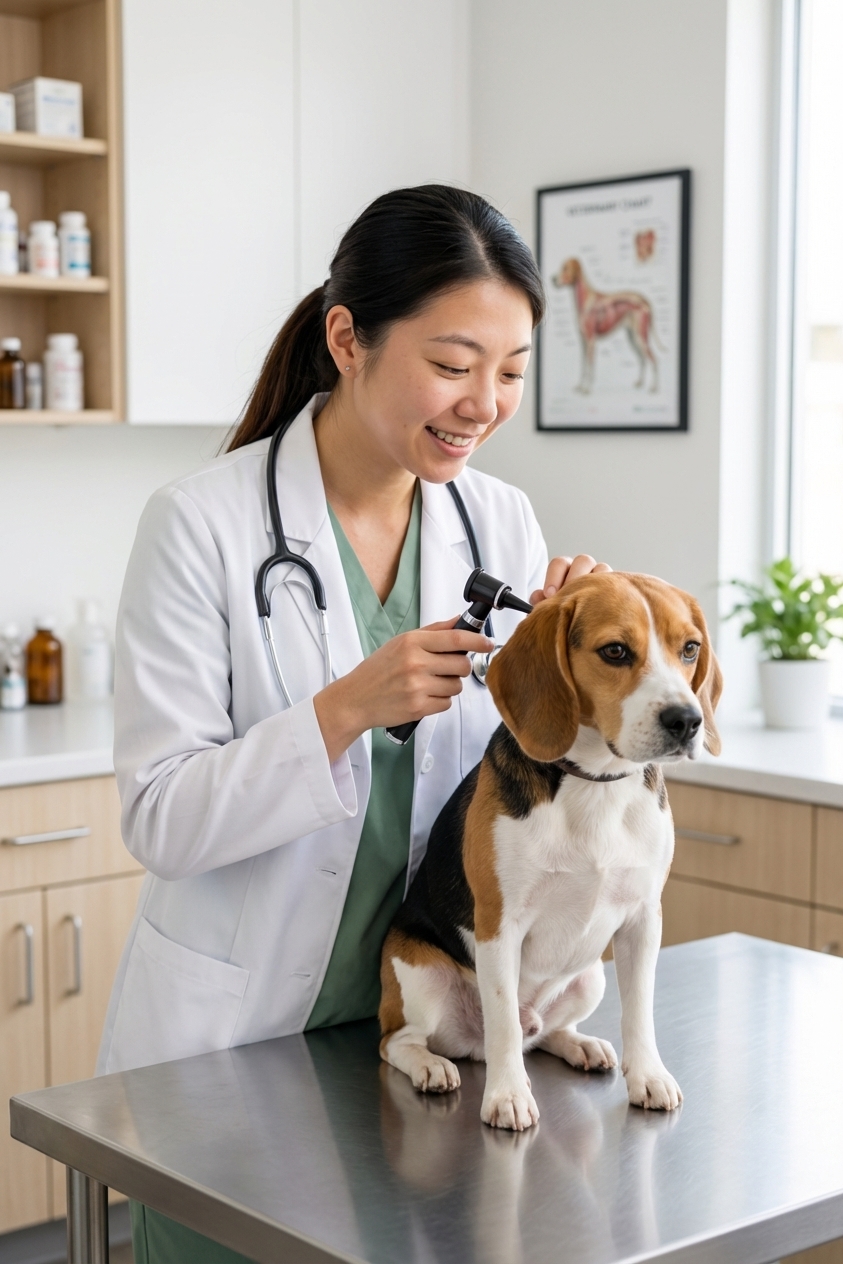
Important: do not use peroxide, alcohol, or random home remedies in ears. And if your dog seems painful, schedule a vet visit. Infections often need prescription medication and an ear cytology check (looking at a sample under the microscope) to see if yeast, bacteria, or both are involved.
Allergies
Allergies are a very common reason Cockapoos end up at the vet. Allergies can be environmental, flea-related, food-related, or a mix. Many dogs show allergy symptoms through the skin and ears, so if your Cockapoo has recurring ear infections, allergies may be a major underlying cause.
Common allergy symptoms
- Itchy paws and frequent licking, especially between toes
- Rubbing face on carpets or furniture
- Red belly or underarms
- Hot spots, recurrent skin infections, or chronic ear issues
- Seasonal flare-ups that repeat each year
Practical steps that help
- Flea prevention year-round: even one flea bite can trigger intense itching in sensitive dogs.
- Rinse and wipe-downs: during high pollen seasons, wiping paws and belly after outdoor time can reduce allergens on the coat.
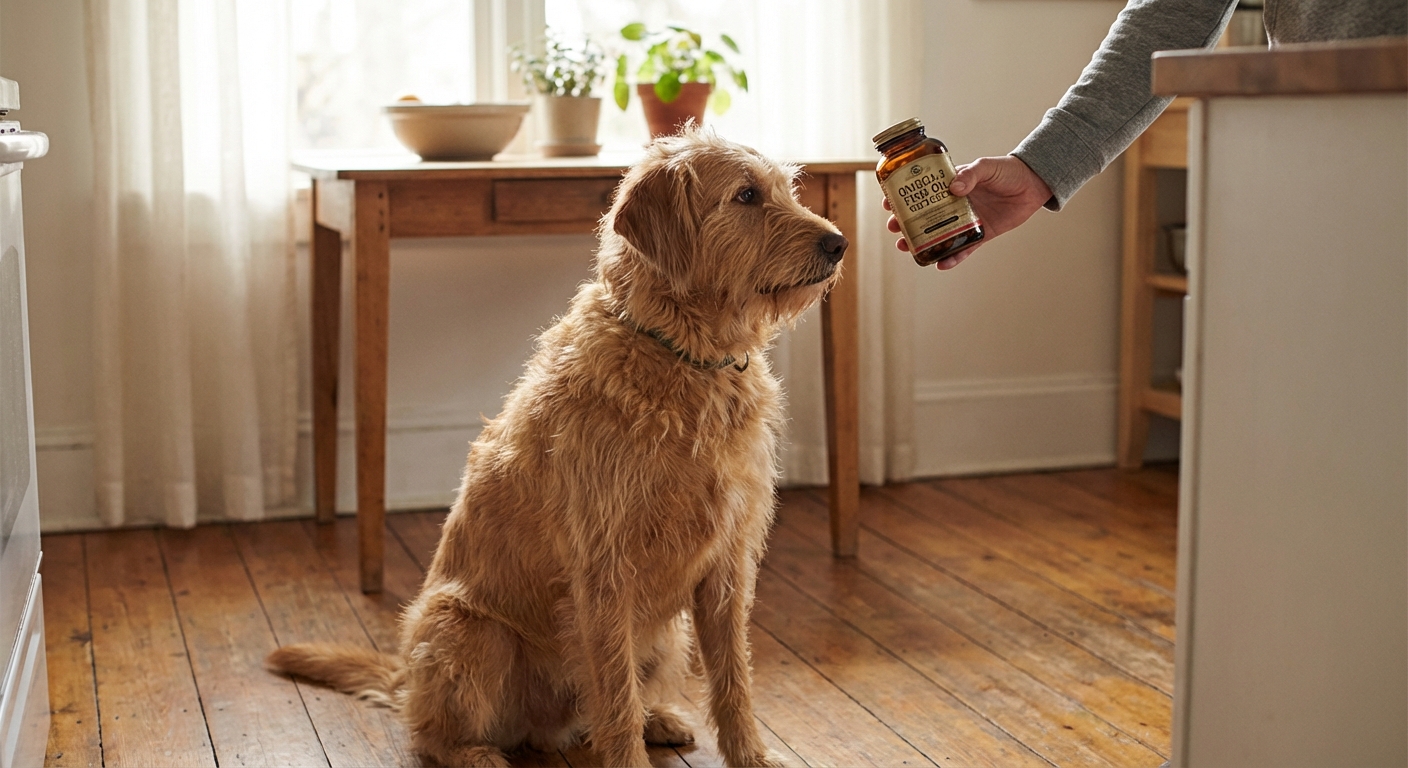
- Talk to your vet about a plan: options include medicated shampoos, targeted anti-itch medications, omega-3 supplementation, and allergy testing for some dogs.
- Consider a diet trial if recommended: true food allergies usually require a strict 8- to 12-week, veterinarian-guided elimination diet trial, often using a hydrolyzed or novel-protein diet your vet recommends. Ingredient swapping on your own rarely gives a clear answer.
If allergy symptoms are driving ear infections, your long-term results usually improve when you treat both the infection and the underlying allergy pattern.
Luxating patella
Luxating patella is common in many small and medium dogs, including Cockapoos. It means the kneecap can slip out of its normal groove. Some dogs have mild cases that barely affect life, while others develop pain, limping, and arthritis.
What owners typically notice
- Skipping or hopping for a few steps, then walking normally
- Intermittent rear leg lameness
- Reluctance to jump or climb stairs
How it’s managed
- Weight control: extra pounds increase strain on knees.
- Strength and stability: your vet may recommend physical therapy exercises to strengthen muscles that support the joint.
- Joint support: some dogs benefit from veterinarian-recommended supplements.
- Surgery: for moderate to severe cases or persistent pain, surgery can significantly improve comfort and function.

Hip dysplasia
Hip dysplasia is an abnormal development of the hip joint that can lead to pain, reduced mobility, and arthritis. It is more often discussed in larger breeds, but Cockapoos can still be affected. In smaller Cockapoos, hip dysplasia is often less common than patellar luxation, but it is still worth keeping on your radar, especially if genetics and weight gain stack the odds.
Possible signs
- Stiffness when getting up, especially after rest
- Reduced interest in walks, jumping, or playing
- Bunny-hopping gait when running
- Soreness after exercise
What helps most
- Keep your Cockapoo lean: this is one of the most powerful tools you control.
- Low-impact activity: steady walks and swimming are often easier on joints than repeated jumping.
- Vet-guided pain control: arthritis and joint pain should be addressed early for quality of life.
- Imaging: your veterinarian can confirm concerns with an orthopedic exam and X-rays when appropriate.
Eye concerns
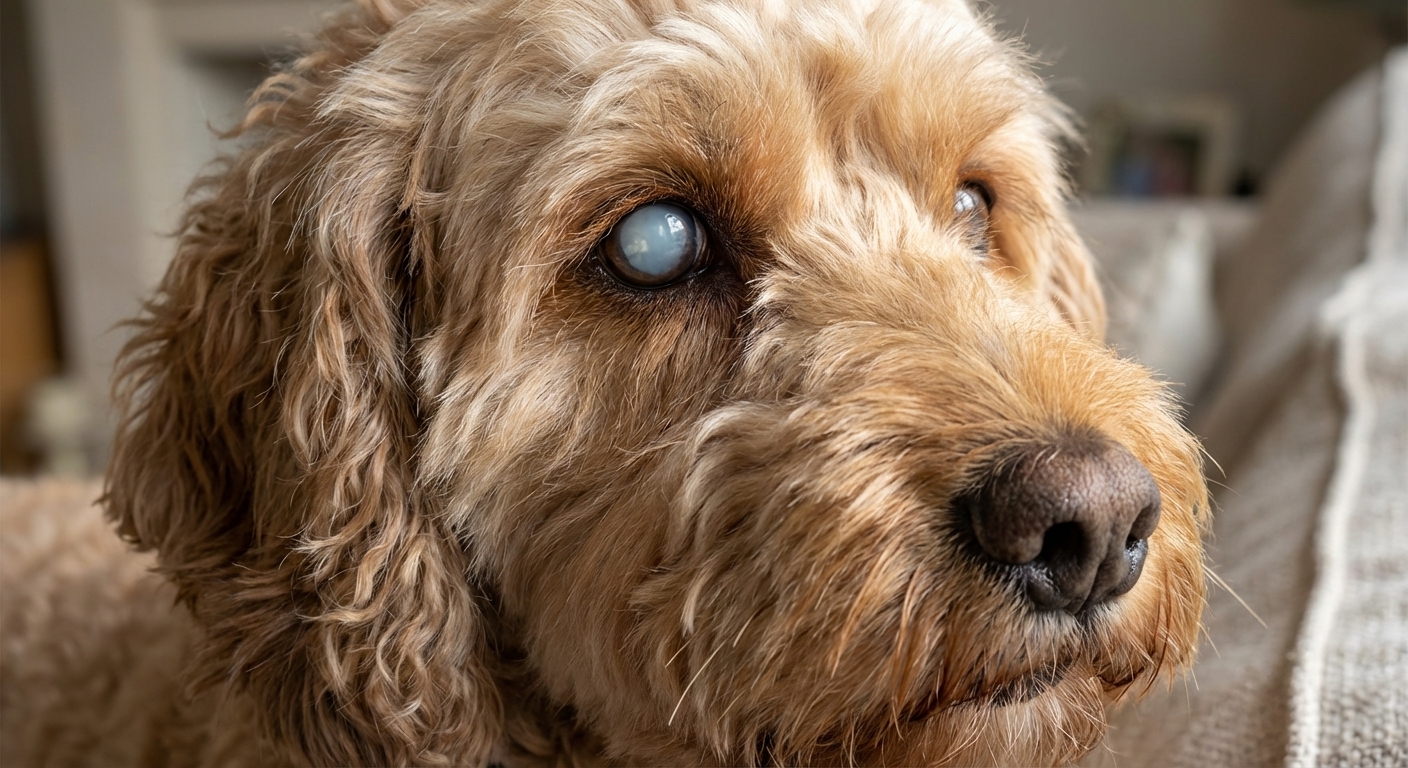
Cockapoos can be prone to inherited eye conditions, including cataracts and progressive retinal atrophy (PRA). A cataract is a clouding of the lens that can affect vision. PRA is a degenerative condition of the retina that can lead to vision loss over time. Some eye problems are also linked with underlying conditions like diabetes.
Signs to watch for
- Cloudy, bluish, or white appearance in the eye
- Bumping into objects or hesitating in dim light
- Redness, squinting, or discharge
What to do
- Schedule an exam early: not all cloudy eyes are cataracts. Nuclear sclerosis is a very common age-related change that can look cloudy but does not affect vision the same way.
- Ask about referral: a veterinary ophthalmologist can give the most precise diagnosis and treatment plan.
- Never use human eye drops unless instructed: some products can make certain eye issues worse.
Grooming-related issues
Cockapoos are adorable, but their coat can work against them if grooming is inconsistent. Many health problems owners call “sudden” actually build slowly under the coat, in the ears, or around the mouth.
Matting and skin irritation
Matting pulls on the skin, traps moisture, and can hide hot spots, wounds, and parasites.
- Watch for: tight clumps behind ears, under the collar, in armpits, groin, and around the tail.
- Prevention: brush thoroughly several times per week, and schedule professional grooms on a regular cycle that matches your dog’s coat type and lifestyle.
Ear hair and moisture
Hair growth in and around the ear canal can trap moisture and debris. Ask your groomer and veterinarian for the safest approach for your specific dog.
Eye staining and face care
Some Cockapoos develop tear staining. Staining itself is often cosmetic, but persistent wetness around the eyes can irritate skin.
- Helpful habits: gently wipe the face daily with a pet-safe wipe or damp cloth, keep facial hair trimmed so it is not poking the eyes, and see your vet if there is squinting, redness, or thick discharge.
Dental disease
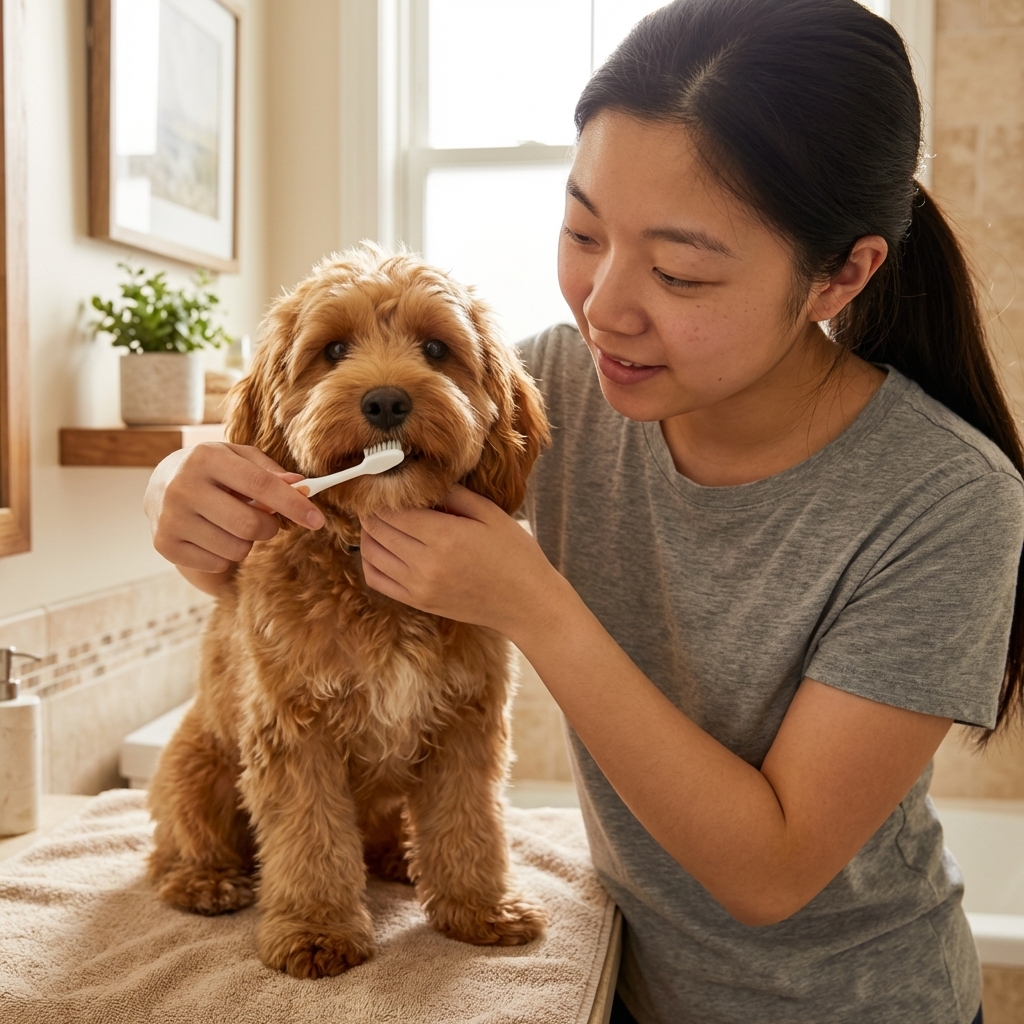
Small and mixed-breed dogs frequently develop tartar buildup, gum inflammation, and painful dental disease. This can affect appetite, breath, and overall health.
- At home: brush teeth with dog toothpaste, ideally daily or several times per week.
- At the vet: ask about dental cleanings and dental X-rays when recommended.
Lifespan and healthy aging
Many Cockapoos live into their early to mid-teens, and it is not unusual to see individuals reach the mid-teens with good care. Genetics, weight, dental health, and preventive care make a real difference over time.
Healthy aging usually looks like this: stable weight, comfortable movement, clear eyes, clean ears, good appetite, normal stool, and enthusiasm for daily routines. If one of those areas changes, it is worth checking in with your veterinarian sooner rather than later.
Screening and prevention
If you are choosing a puppy, good breeding practices can reduce risk for inherited problems. If you already have your Cockapoo, screening still helps catch problems early.
Recommended conversations
- Orthopedic screening: ask about patella evaluation and hip assessment if your dog shows lameness, or if you are planning breeding. Many owners also ask about OFA-style evaluations as a general reference point.
- Eye screening: routine eye checks at wellness visits, and consider a CAER-style eye exam (or a veterinary ophthalmologist exam) if there is a family history of cataracts, PRA, or other eye disease.
- Ear plan: if infections repeat, ask for ear cytology testing, and discuss allergy management.
- Allergy workup: talk about flea control, skin infection checks, diet trial protocol, and medication options.
- Dental plan: ask when your dog should start professional cleanings based on their mouth exam.
Tip for puppy buyers: ask the breeder what health testing was done on the parent dogs (including eye screening for PRA), what problems they have seen in their lines, and whether they offer a health guarantee in writing. Responsible breeders will welcome these questions.
When to call the vet
Trust your instincts. If your Cockapoo seems painful or “not themselves,” it is worth a call. Seek care quickly if you notice:
- Sudden head tilt, loss of balance, or severe ear pain
- Squinting, a cloudy eye that appears suddenly, or eye injury
- Non-weight-bearing lameness or crying out when moving
- Hives, facial swelling, vomiting, or trouble breathing
- Open sores under mats, bleeding skin, or foul odor from the coat
If you take one thing from this page, let it be this: Cockapoo health issues are often very manageable, especially when you combine consistent grooming, a healthy weight, and early vet checkups.