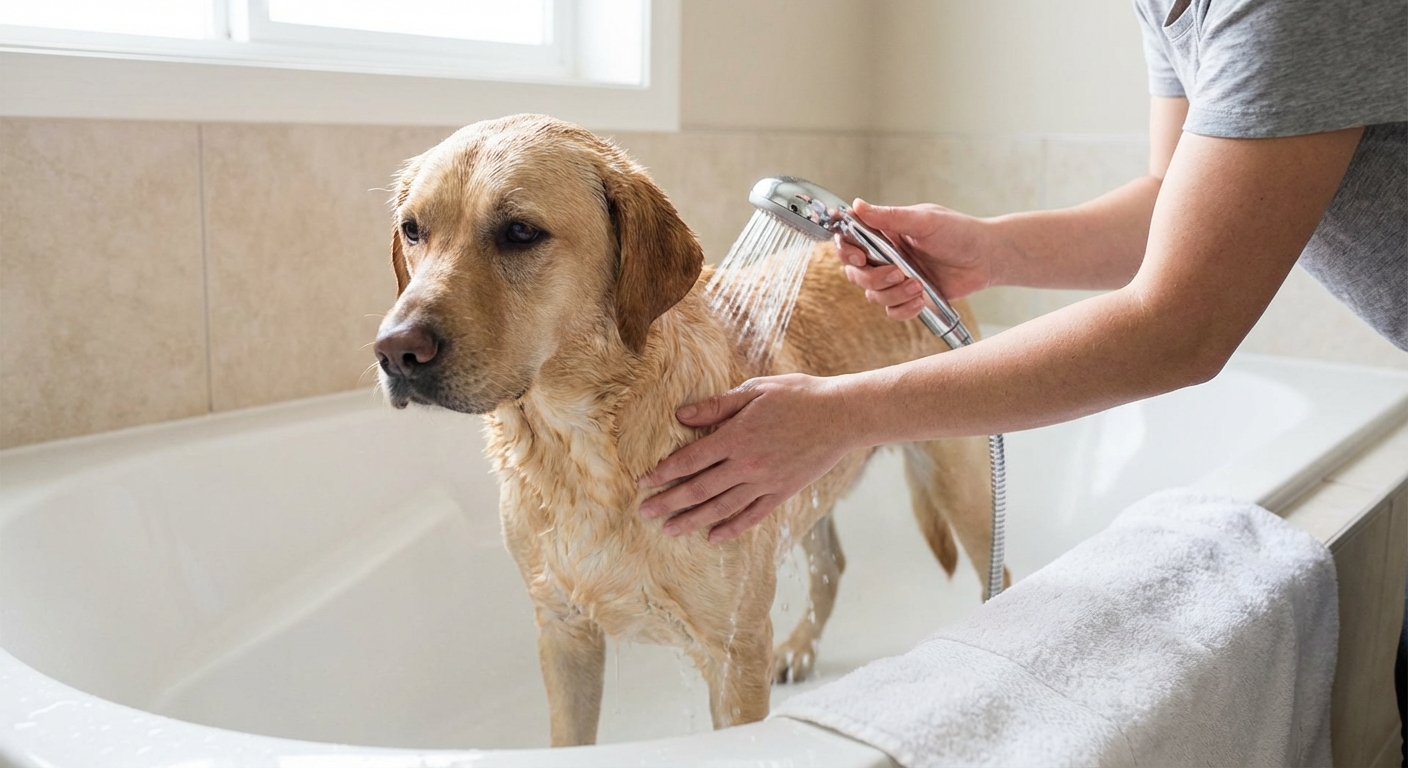
Make bath time easier and safer with vet-assistant tips on how often to bathe, prep and brushing, lukewarm water, proper rinsing, shampoo choices, ear safety...
Article
•
Designer Mixes
Cockapoo Grooming Schedule and Coat Types

Shari Shidate
Designer Mixes contributor
Cockapoos are famous for teddy-bear charm and soft, touchable coats. They are also a mix where coat care can make or break your day-to-day life with your dog. The right grooming schedule depends on coat type, length, and your Cockapoo’s lifestyle (swimming, hiking, daycare, allergies, and more).
As a veterinary assistant in Frisco, Texas, I love helping families set up simple routines that prevent matting, reduce skin irritation, and keep grooming visits calm and predictable. Let’s walk through common Cockapoo coat types (using the everyday terms owners and groomers use), then build a schedule you can actually stick with.
Cockapoo coat types (and why they matter)
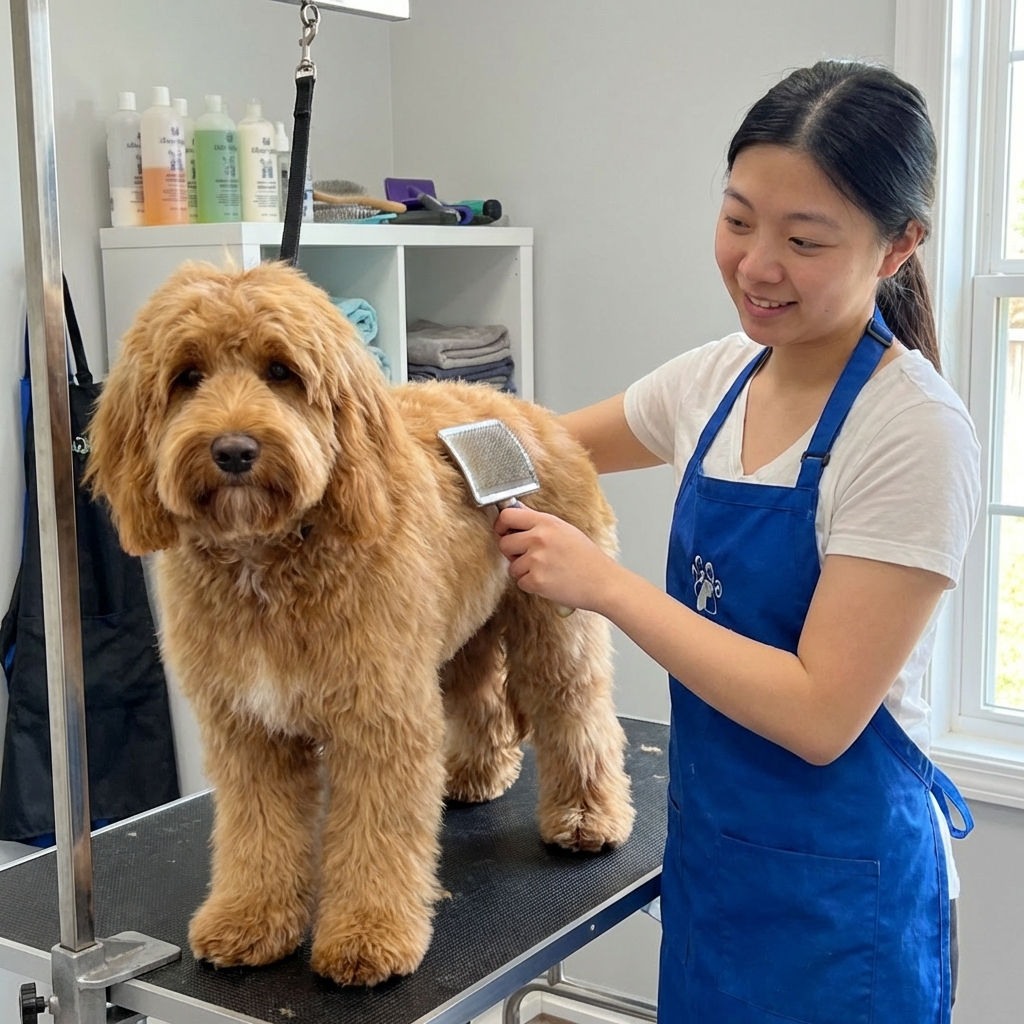
Cockapoos can inherit coat traits from both the Cocker Spaniel and the Poodle. Even within the same litter, coats can vary. Most fall into one of these categories. These labels are common in the doodle and grooming world, not formal AKC coat categories.
1) Straight to wavy
This coat leans more Cocker. It may look silky or slightly shaggy and may shed more than curlier coats. It can still matt, especially behind the ears, in armpits, and around the collar area.
- Mat risk: Moderate
- Shedding: Low to moderate (varies by dog)
- Best for: Families who can brush regularly but want a more natural look
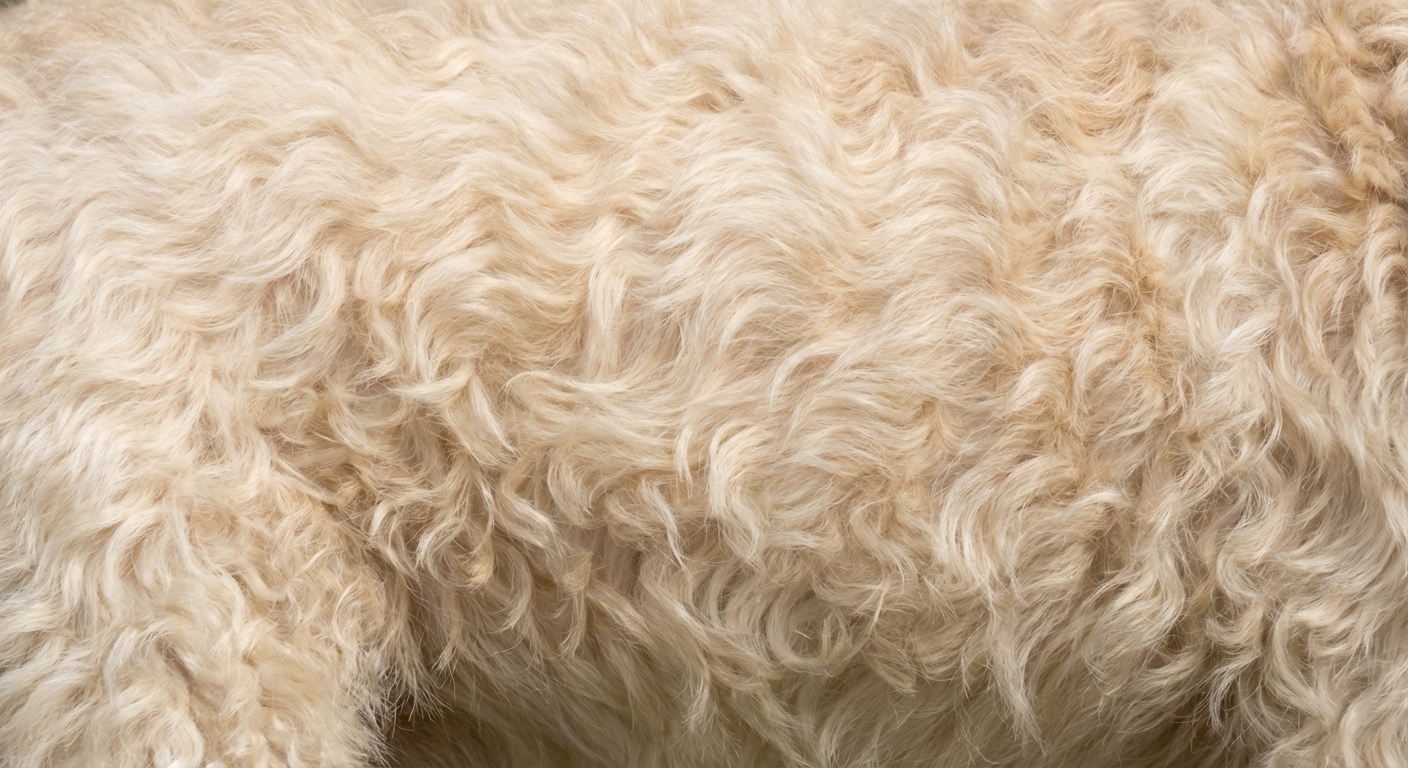
2) Fleece (soft waves, “teddy bear” feel)
This is the classic Cockapoo look: soft, wavy, and plush. Fleece coats are often lower-shedding, but they can tangle quickly because the hair is fine and fluffy.
- Mat risk: High
- Shedding: Low (varies by dog)
- Best for: Owners who like a fluffy style and can commit to brushing
3) Curly (poodle-like)
Curly coats are often very low-shedding, but the curls can lock together and form dense mats close to the skin. Mats can hide under the top layer, so you may think you are brushing well when the coat underneath is still tangled.
- Mat risk: Very high
- Shedding: Very low (varies by dog)
- Best for: Owners who prefer a consistent professional grooming schedule
Helpful reality check: “Low-shedding” does not mean “low-maintenance.” In many doodle-type coats, less shedding can mean more hair retained in the coat, which increases matting if brushing is skipped. And since Cockapoos are mixes, individual results can vary widely.
The ideal grooming schedule (by frequency)
Think of grooming in layers: quick daily checks, consistent brushing, regular bathing, and predictable haircuts. Here is a practical schedule that works for most Cockapoos, then I’ll share how to adjust it by coat type.
Daily (2 to 5 minutes)
- Eye and face wipe: Use a soft damp cloth to remove eye discharge and food debris from the beard.
- Paw check: Look for burrs, stickers, foxtails, and redness between toes.
- Quick mat scan: Run fingers through high-friction zones: behind ears, collar line, armpits, belly, inner thighs, and base of tail.
Brushing and combing (3 to 6 times per week)
Your goal is to brush to the skin, not just the surface. A slicker brush helps separate hair, and a metal greyhound comb (a sturdy fine to medium tooth metal comb) confirms you got the tangles out.
Make it doable: Use “line brushing.” Part the coat into small sections, brush one section at a time down to the skin, then follow with the comb. If the comb snags, you still have a tangle in that spot.
- Short trim: Usually 2 to 3 sessions per week
- Medium to long coat: Often 4 to 6 sessions per week
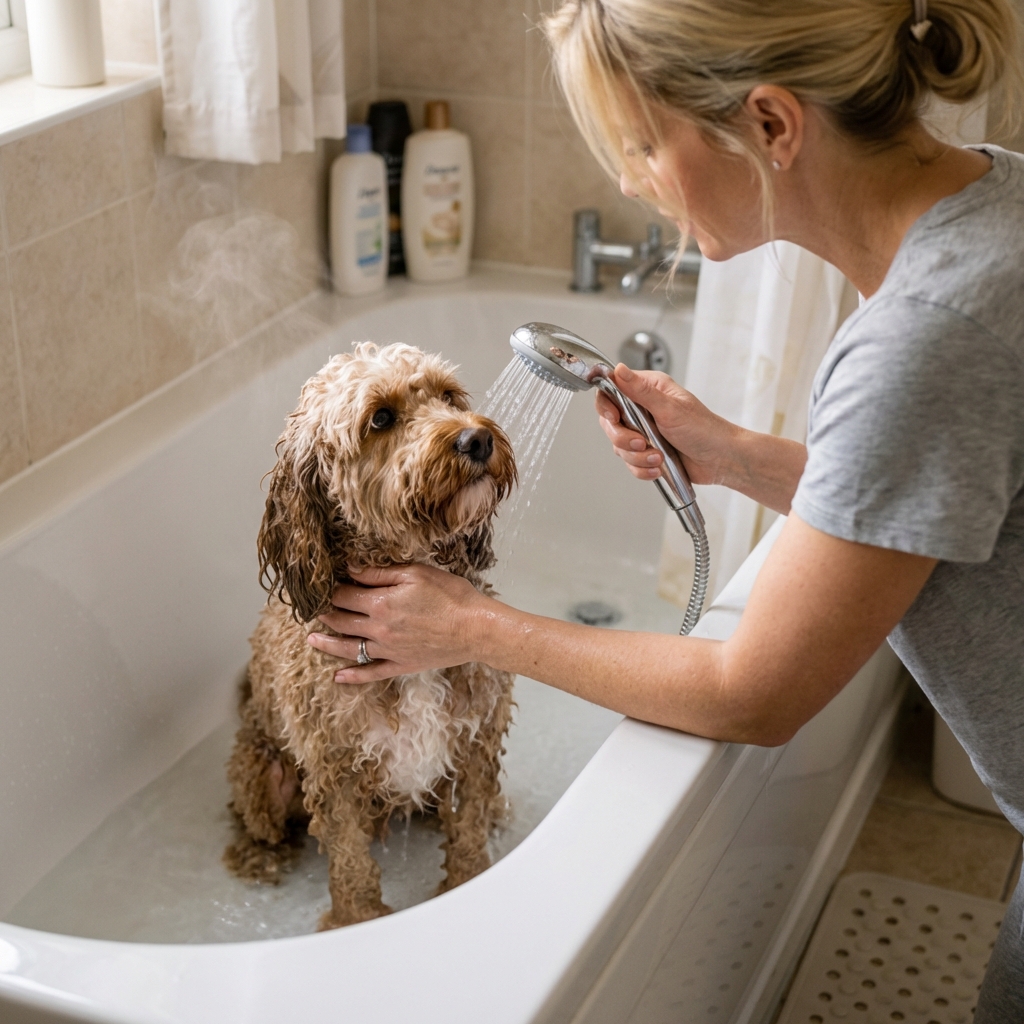
Bath (every 3 to 6 weeks)
Most Cockapoos do well with a bath about once a month. Dogs with allergies or frequent outdoor adventures may need closer to every 3 weeks, but bathing too often without the right products can dry the skin.
- Always brush before bathing: Water can tighten tangles and make mats worse.
- Dry thoroughly: Damp coats can mat and can contribute to yeast or odor, especially in humid weather.
- Use dog products: Choose a dog-safe, pH-balanced shampoo. Avoid human shampoo. If your dog is fragrance-sensitive or itchy, pick a gentle, low-scent option and ask your vet what is best.
Haircut and professional groom (every 4 to 8 weeks)
This is the backbone of Cockapoo coat care. If you like a fluffy longer style, plan on every 4 to 6 weeks. If you keep a shorter, sporty trim, 6 to 8 weeks may work.
Adjustments by coat type
Straight to wavy
- Brush and comb: 2 to 4 times per week
- Bath: Every 4 to 6 weeks
- Haircut: Every 6 to 10 weeks (shorter if you want a tidy “pet trim”)
Fleece
- Brush and comb: 4 to 6 times per week, plus a full comb-through weekly
- Bath: Every 3 to 5 weeks
- Haircut: Every 4 to 8 weeks depending on length
Curly
- Brush and comb: Ideally daily or every other day, plus a thorough comb-through
- Bath: Every 3 to 5 weeks with careful drying
- Haircut: Every 4 to 6 weeks for most families
Most mats I see start behind the ears or in the armpits. If your comb cannot glide through the coat from skin to tip, there is still a tangle. Catching that early is what prevents painful mats and surprise shave-downs.
High-matting zones
Cockapoos tend to mat in predictable spots. These areas also get less airflow and more friction, so they are worth extra attention:
- Behind the ears: especially if your dog wears a collar or harness daily
- Armpits and chest: movement plus harness rub
- Beard and chin: water and food create tangles and odor
- Sanitary area: urine can irritate skin and trap debris
- Between toes: hair traps mud, allergens, and burrs
Quick win: If your dog wears a collar or harness indoors, take it off during downtime (when safe) and brush the “collar line” a few times a week. This one change prevents a lot of hidden matting.
Tools that help at home
You do not need a salon at home, but the right tools prevent frustration and reduce how much time you spend fighting tangles.
- Slicker brush: Great for separating hair and removing loose coat. Use gentle, short strokes.
- Metal greyhound comb: A sturdy fine to medium tooth comb that checks your work. If the comb snags, keep working that area.
- Detangling spray: Helps reduce breakage and makes brushing more comfortable.
- Dog-safe shampoo and conditioner: Conditioner helps reduce tangles in fleece and curly coats.
- High-velocity dryer or strong pet dryer: Optional but very helpful, especially for curly coats. Proper drying reduces matting and odor.
- Nail trimmers or grinder: Small, frequent trims are easier than occasional big ones.
Safety note: If you find a tight mat against the skin, avoid cutting it out with scissors at home. It is very easy to accidentally cut the skin, especially in armpits and groin. A groomer can clip it safely.
Whole-dog grooming basics
Coat care is only one part of grooming. These basics protect comfort and long-term health.
Nails
Most Cockapoos need nail maintenance every 2 to 4 weeks. If you hear clicking on the floor, they are usually too long. Overgrown nails can change how a dog walks and can contribute to joint strain.
Nail safety tips: Dark nails can make the quick harder to see, so go slowly and take tiny trims. Keep styptic powder (or a styptic pencil) at home in case you clip too short. If bleeding does not stop within a few minutes of steady pressure, or your dog is very painful and stressed, call your vet.
Ears
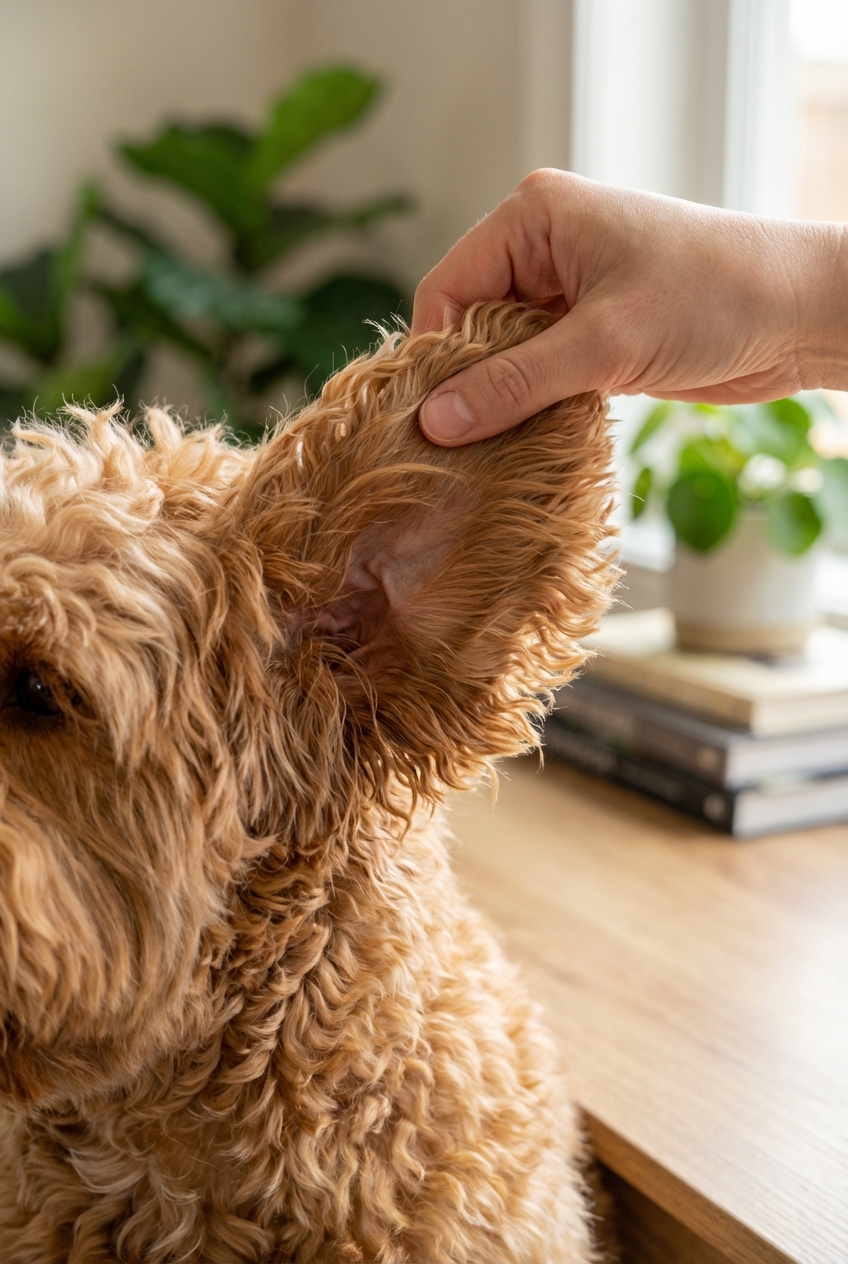
Cockapoos often have floppy ears, and many also grow more hair around the ear opening or inside the ear canal. Less airflow, plus moisture, allergies, and anatomy can all raise the risk of ear problems. Check ears weekly for odor, redness, discharge, or head shaking. Many dogs do well with gentle ear cleaning every 1 to 4 weeks, but frequency depends on wax and allergy status.
One caution: Do not pluck ear canal hair unless your veterinarian or groomer specifically recommends it for your dog. Over-plucking can irritate the ear canal in some dogs.
Call your vet if you notice a strong smell, pain, dark debris, swelling, or sudden head tilt. Ear infections can worsen quickly and are uncomfortable.
Teeth
Daily brushing is ideal, but even 3 to 4 times per week helps reduce plaque. Small dogs and mixes can be prone to dental disease, and prevention saves money and discomfort later.
Anal glands
Some dogs never have issues, and some need help periodically. Routine expression is not necessary for most dogs. Scooting, licking the rear, or a fishy smell can be signs of a problem. If you are seeing those signs, talk with your veterinarian rather than assuming it is just grooming related.
Puppy coat changes
Many Cockapoos go through a coat transition as they mature, often between 6 and 12 months. Texture can shift and tangles may increase. This is when many families feel blindsided by matting.
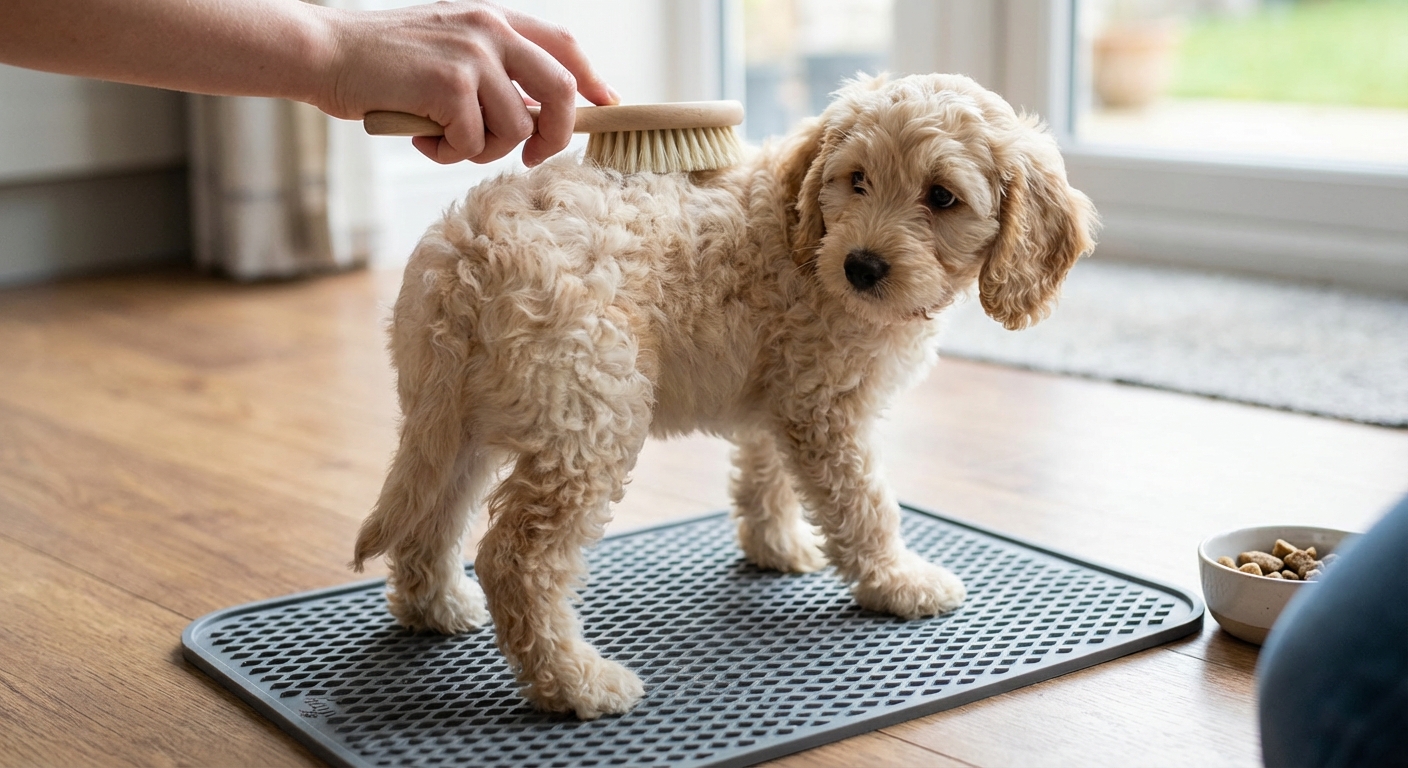
My best advice is to create positive grooming habits early:
- Start short sessions with treats and calm praise.
- Touch paws, ears, tail, and face daily so handling feels normal.
- Schedule a “puppy intro groom” (bath, blow-dry, face and feet trim) before the first full haircut.
Season and lifestyle tips
- Wet weather: Towel-dry, then fully dry the coat, especially legs, belly, and armpits. Damp friction spots mat fast.
- Swimming (lake, pool, or ocean): Rinse with fresh water afterward and dry well. Chlorine and salt can dry the coat and skin, and wet coats tangle easily.
- Daycare and rough play: Expect more friction mats. Plan extra brushing behind ears and under the harness.
Common questions
Should I choose a short cut to reduce matting?
Often, yes. A shorter “puppy cut” style can be much easier to maintain, especially for fleece and curly coats. You will still need regular brushing, but the time commitment usually drops.
How do I know if my Cockapoo is matted?
If you can pinch a section of hair and it feels like a tight clump that you cannot separate with your fingers, that is likely matting. Another clue is when a comb cannot pass smoothly through the coat close to the skin.
How often should I trim paw pads and do a sanitary trim?
Many Cockapoos benefit from paw pad trims and sanitary trims every 4 to 6 weeks. This helps reduce slipping, debris build-up, and hygiene issues.
A simple weekly plan
If you want an easy starting point, here is a realistic schedule for the average fleece or curly Cockapoo kept in a medium-length trim:
- Mon: Brush and comb high-mat areas (ears, armpits, collar line)
- Wed: Full body brush and quick comb check
- Fri: Brush plus face and paw wipe
- Weekend: Nail check, ear check, and a longer comb-through
- Every 4 to 6 weeks: Professional groom or haircut appointment
Consistency beats perfection. Even a few minutes at a time can keep your Cockapoo comfortable and looking their best.
When to call a pro
Grooming should never be a wrestling match, and skin problems should not wait.
- Call your groomer if mats are close to the skin, your dog needs a style reset, or you cannot safely maintain the coat.
- Call your veterinarian if you see hot spots, persistent itching, ear odor or pain, hair loss, bumps, or skin that looks red and inflamed.
Your Cockapoo’s coat is part of their health picture, not just their appearance. A good schedule keeps them comfortable, helps you spot issues early, and makes grooming a positive routine instead of a stressful event.