
Cockapoo

Meet the Cockapoo: A Companion With Heart
The Cockapoo is a popular “designer mix” that typically combines a Cocker Spaniel and a Poodle. People are drawn to Cockapoos for their affectionate nature, social personality, and generally family-friendly temperament. Like any mixed breed, though, they are not one-size-fits-all. Size, coat type, energy level, and even shedding can vary depending on whether the Poodle parent is Toy, Miniature, or Standard and the traits a puppy inherits.
Another practical consideration is longevity. Many Cockapoos live roughly 12 to 15 years, so bringing one home is usually a long-term commitment in both time and care.
If you are considering a Cockapoo, think of them as a relationship, not a look. When their needs are met consistently, they often become devoted, gentle companions who thrive on being included in daily life.
What Cockapoos Are Like: Temperament and Personality
Most Cockapoos are known for being friendly, people-oriented, and eager to please. Many do well with children and enjoy being part of the action, whether that is a walk, a play session, or simply curling up near you. Because they often bond closely with their humans, they can be sensitive to long periods alone.
Common personality traits
- Affectionate: They often seek closeness and enjoy cuddling.
- Social: Many greet visitors enthusiastically and enjoy meeting other dogs when properly socialized.
- Bright: A blend of two intelligent breeds often means quick learning and strong pattern recognition.
- Emotionally tuned-in: They may pick up on household stress and respond best to calm, consistent handling.
Practical tip: If your household is busy, prioritize early training around excitement, jumping, and polite greetings. A few minutes of practice daily can make a big difference over time.
Size, Coat, and “Hypoallergenic” Reality
Cockapoos can range from small to medium, most commonly influenced by the Poodle parent. Some have a loose wavy coat, while others inherit tighter curls. Coat type matters because it affects shedding, matting, and grooming needs.
Typical size ranges
- Toy or Mini Cockapoo: Often around 10 to 20 pounds.
- Medium Cockapoo: Often around 20 to 35 pounds.
- Larger mixes: Possible if the Poodle parent is larger, though less common.
Many people ask whether Cockapoos are hypoallergenic. No dog is truly hypoallergenic. Some Cockapoos shed less than many breeds, especially those with curlier coats, but dander, saliva proteins, and environmental allergens still matter. If allergies are a concern, spend time with adult Cockapoos in real home settings and talk with an allergist if needed.

Exercise and Mental Stimulation: The Non-Negotiables
Cockapoos typically have moderate energy. Many do best with a balance of daily movement and brain work. Skipping either can lead to restlessness, nuisance barking, chewing, or trouble settling.
A simple daily rhythm that works for many Cockapoos
- Movement: One to two walks plus short play sessions.
- Enrichment: Puzzle feeders, scent games, or a few training “mini sessions.”
- Connection: Gentle companionship time helps many Cockapoos feel secure.
Actionable idea: Try a 5-minute “find it” game. Toss a few pieces of kibble into a snuffle mat or scatter them in the grass. It uses natural sniffing behavior and can be surprisingly calming.
Training and Socialization: Setting the Tone Early
Because Cockapoos are often smart and motivated by attention, positive reinforcement training tends to work beautifully. Consistency matters more than intensity. Short, frequent sessions are usually more effective than long drills.
Key training priorities
- House training: Use a predictable schedule, praise immediately after success, and manage indoor access until reliable.
- Basic cues: Sit, down, come, and leave it build safety and confidence.
- Loose-leash walking: Start early to prevent pulling habits.
- Alone time practice: Gradually build comfort with short separations to reduce separation anxiety risk.
Socialization is not just meeting everyone. It is learning that the world is safe. Aim for calm, positive exposures to different people, surfaces, sounds, and friendly dogs, especially during puppyhood.
Grooming and Skin Health: Where Many Owners Get Surprised
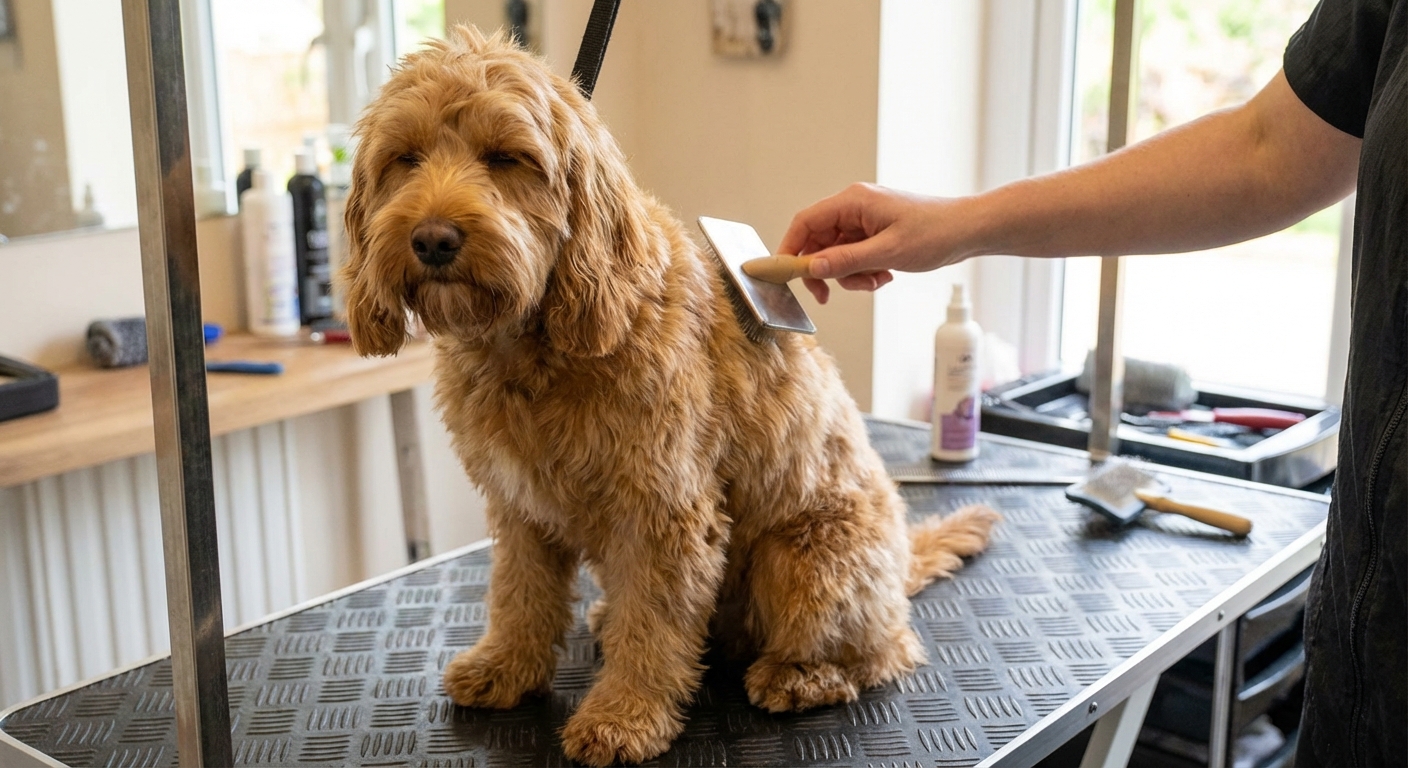
Cockapoo coats can mat easily, especially around the ears, collar area, armpits, and tail. Mats can pull on the skin and trap moisture, which may contribute to irritation. A regular grooming routine supports comfort, hygiene, and healthy skin.
Common grooming needs
- Brushing: Often several times per week, sometimes daily for curlier coats.
- Professional grooming: Many owners schedule every 4 to 8 weeks depending on coat and desired length.
- Ear care: Floppy ears can trap moisture. Watch for redness, odor, or frequent head shaking.
- Dental care: Small and medium dogs can be prone to dental buildup. Brushing teeth and using vet-approved dental products helps.
Health Considerations to Know
Mixed breeds can inherit strengths and vulnerabilities from both parent breeds. A reputable breeder who performs health testing and raises puppies in a supportive environment can reduce certain risks, but it cannot remove them entirely.
Conditions sometimes seen in Cockapoos
- Ear infections: Often related to ear shape, hair growth, and moisture.
- Eye issues: Some lines may have higher risk of certain hereditary eye conditions.
- Hip or joint concerns: Varies by genetics and body condition.
- Allergies and skin sensitivity: Can show up as itching, licking, or recurrent ear problems.
- Dental disease: A common issue in many companion breeds, often influenced by mouth size, plaque buildup, and inconsistent home dental care.
Wellness note: Healthy weight is one of the most powerful protective factors for long-term joint and metabolic health. Ask your veterinarian to show you how to do a quick body condition check at home.
Nutrition: How to Feed a Cockapoo for Steady Energy
When it comes to daily health, a steady routine is one of the simplest advantages you can give your dog. For Cockapoos, consistent meal timing, appropriate portions, and a balanced diet can support energy, digestion, coat health, and easier training.
Simple nutrition guidelines
- Choose a complete diet: Look for foods that meet recognized nutritional standards for your dog’s life stage.
- Measure portions: Treats count, especially during training. Use part of the daily kibble allowance for rewards if needed.
- Prioritize protein and quality fats: These support lean muscle and coat health, within a balanced formula.
- Watch sensitive stomach signs: Frequent loose stools, gas, or itching may warrant a vet conversation about diet.
If you want to incorporate fresh foods, do it thoughtfully. Some human foods are unsafe for dogs, and unbalanced add-ons can shift nutrient intake. Your veterinarian can help tailor a plan, especially if your Cockapoo has allergies or recurring ear and skin issues.
Is a Cockapoo Right for You?
Cockapoos often do best with people who enjoy daily interaction, moderate activity, and routine grooming. They can be wonderful in apartments or houses, as long as their exercise and enrichment needs are met. The biggest mismatch usually happens when a family expects a low-maintenance dog and is surprised by grooming demands or separation sensitivity.
A Cockapoo may be a great fit if you want
- A friendly companion who enjoys being close
- A trainable dog that responds well to positive guidance
- A moderate energy partner for walks and play
- A dog you are willing to groom and maintain regularly
You may want to reconsider if
- You are away from home for long stretches most days
- You prefer a very independent dog
- You do not want regular brushing and professional grooming
Starting your morning right can set the tone for the entire day, and small, consistent habits tend to compound over time. With a Cockapoo, those habits look like a short walk, a little training, regular grooming, and a calm routine. Do that, and you are likely to earn a loyal companion who brings warmth and joy into everyday life.