Worried about giardia in dogs? Learn common symptoms, how dogs get infected, why vet testing matters, treatment basics, and the best home hygiene steps to pr...
Article
•
Designer Mixes
Coccidia in Puppies: Symptoms, Treatment, and Prevention

Shari Shidate
Designer Mixes contributor
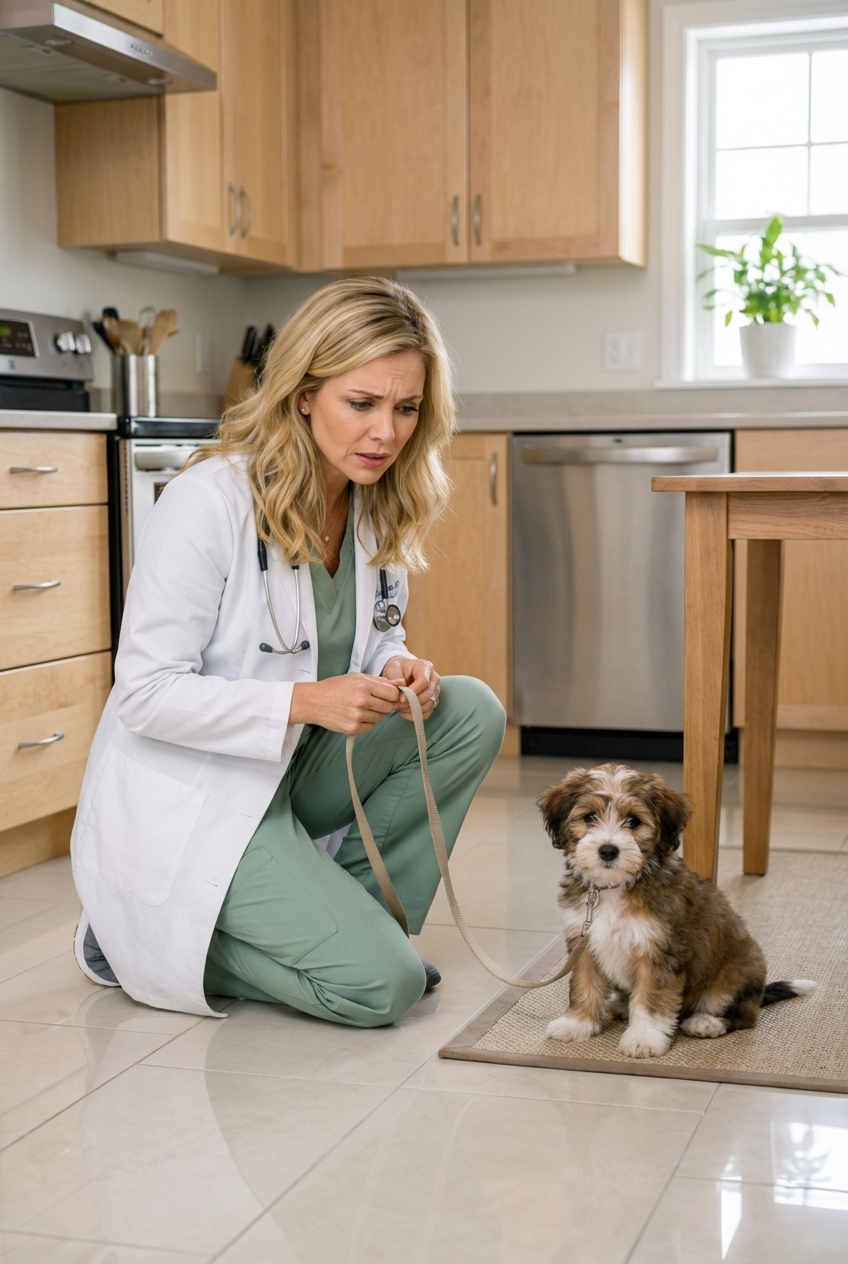
Coccidia is a common cause of diarrhea we see in young dogs, especially puppies who are newly adopted, stressed, or coming from group environments. As a veterinary assistant, I can tell you this is one of those “looks mild at first” infections that can escalate quickly in little bodies.
Coccidia is caused by microscopic parasites (most commonly Cystoisospora species) that live in the intestines. Adult dogs can sometimes carry low levels with few signs, but puppies are much more vulnerable because their immune systems are still learning how to fight. The biggest risk is dehydration from watery diarrhea.
Quick note: You will hear people call coccidia “eggs,” but what puppies actually shed are oocysts, which are hardy life stages passed in stool. After a period in the environment, those oocysts can sporulate and become infective. That is one reason fast cleanup matters so much.
This article is for general information and is not a substitute for veterinary care. If your puppy is sick, your veterinarian is the best next step.
Why puppies get sicker
Puppies can become symptomatic faster for a few simple reasons:
- Immature immune system: They have less defense against intestinal parasites.
- Small size: Fluid loss from diarrhea hits them harder, faster.
- Stress factors: Weaning, rehoming, shelter life, boarding, and new diets can weaken gut resilience.
- Higher exposure risk: Puppies often come from places where many dogs share the same space, potty areas, and bowls.
It is also very common for coccidia to show up alongside other puppy problems like roundworms, hookworms, giardia, or even viral illness. That is why testing matters instead of guessing.
Important: Routine puppy dewormers that treat roundworms and hookworms generally do not treat coccidia, so do not assume a recent deworming covers it.
How puppies catch coccidia
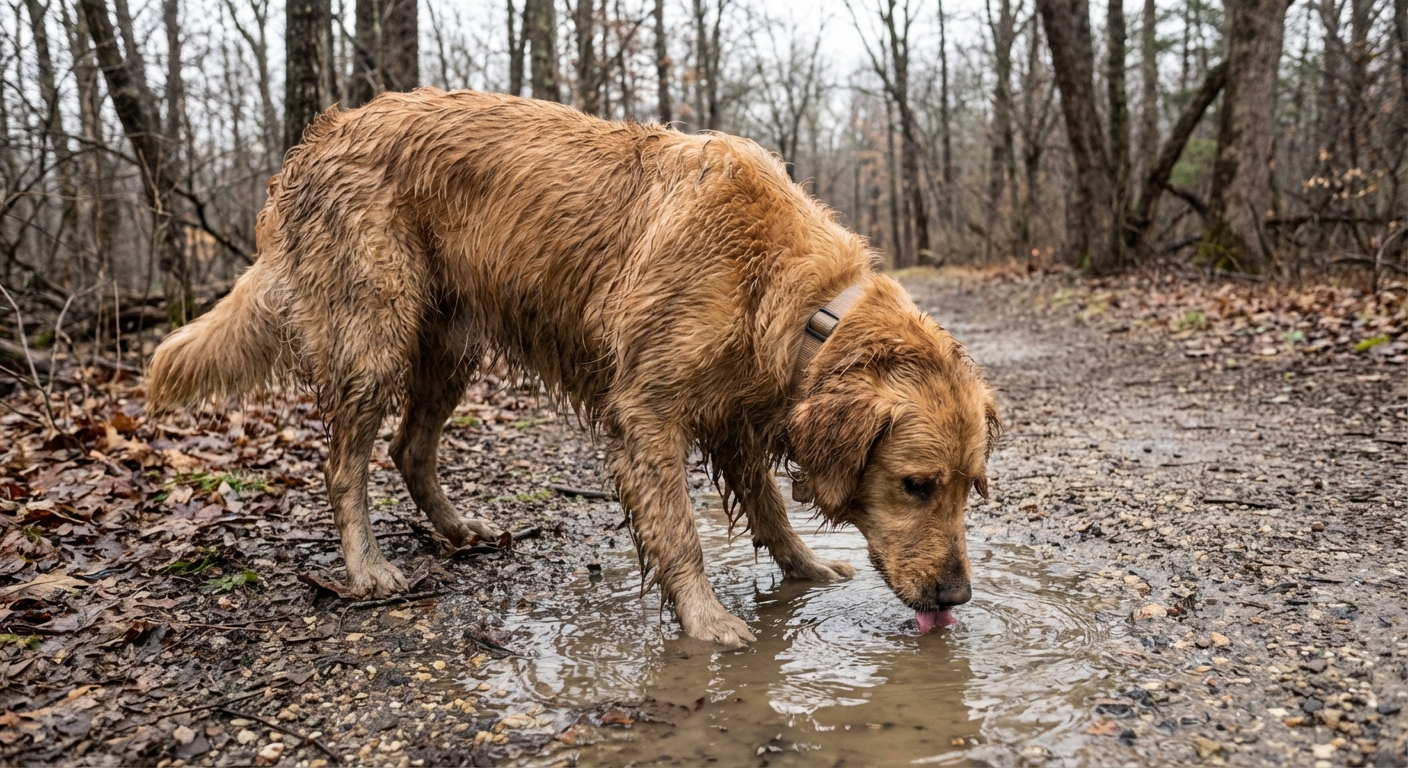
Puppies pick up coccidia when they swallow infective oocysts from contaminated environments. The tricky part is that oocysts can be very tough once they have sporulated, especially in damp conditions.
Why prompt cleanup helps: oocysts often need time in the environment to sporulate before they are infective (commonly around 12 to 48 hours, depending on temperature and moisture). Removing stool quickly can reduce the chance of reinfection and spread.
Common sources
- Shared potty areas: Yards, dog runs, kennel floors, puppy play spaces.
- Contaminated paws and fur: Puppies step in stool, then lick themselves.
- Water bowls and surfaces: Anything that was exposed to fecal contamination.
- Scavenging and hunting: Fecal contamination is the main route, but eating things outside (including prey or droppings) can increase exposure risk.
If you just adopted a puppy, coccidia can show up even if your home is spotless. Exposure may have happened days earlier, and signs can appear after that “settling in” period.
Symptoms in puppies
Some puppies have mild signs. Others can develop intense diarrhea very quickly. In general, the younger the puppy and the heavier the parasite burden, the worse it can look.
Most common signs
- Watery diarrhea that may be frequent or urgent
- Mucus in stool
- Bloody diarrhea (can happen, especially in more severe cases)
- Straining to poop or accidents in the house
- Decreased appetite
- Lethargy
- Weight loss or poor weight gain
- Vomiting (less common, but possible)
Dehydration is the big danger sign in puppies. If your puppy has diarrhea for more than 24 hours, seems weak, will not eat, or has any blood in the stool, call your veterinarian the same day.
Quick dehydration check
- Gums: They should be moist, not tacky or dry.
- Skin tent: Gently lift the skin over the shoulders. It should snap back quickly. In very young puppies this is not always reliable, so if you are unsure, call your vet.
- Energy: A dehydrated puppy often seems unusually sleepy or “not themselves.”
If your puppy is very young (especially under 12 weeks), diarrhea is always more urgent than people expect. When in doubt, get help early.
Diagnosis
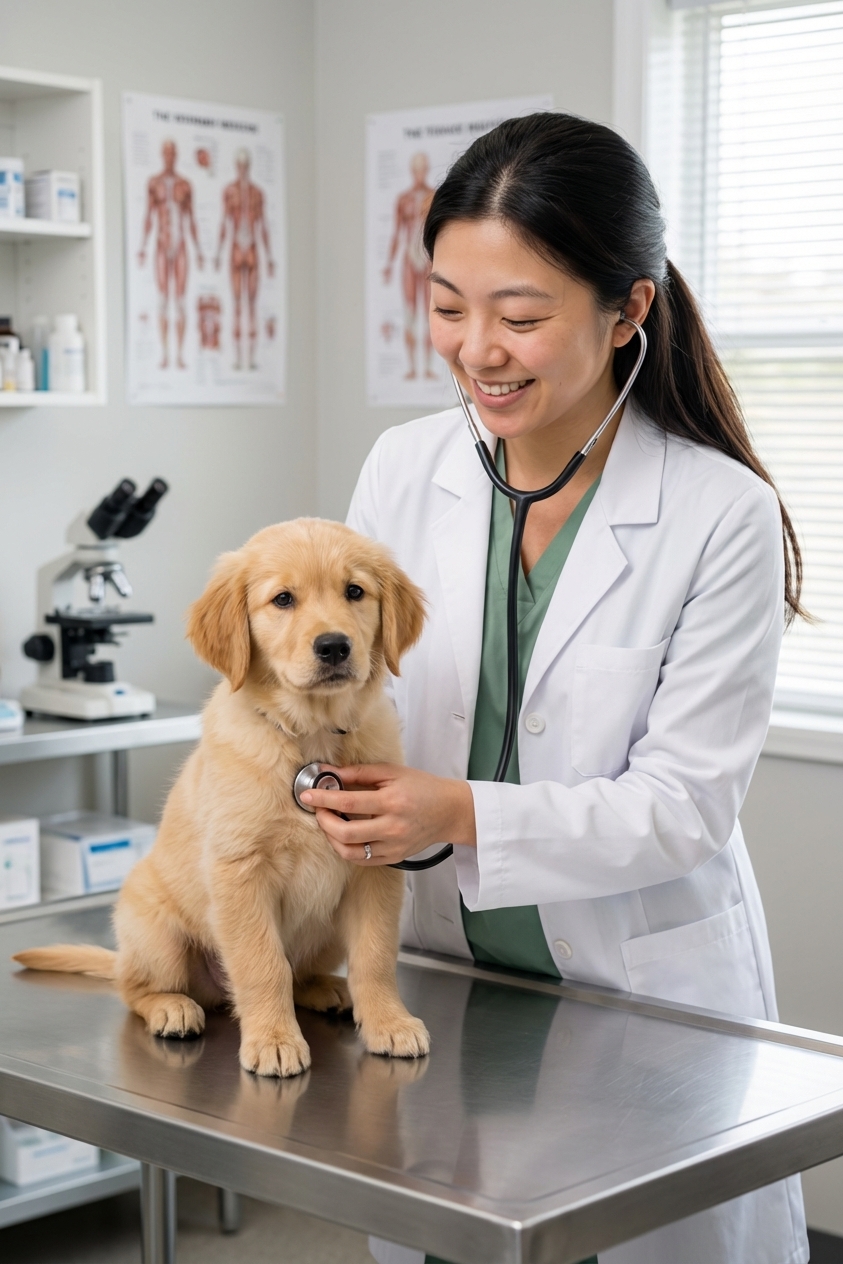
Coccidia cannot be diagnosed reliably just by looking at the poop. Many GI issues look the same at home. Your vet will usually recommend a stool test, such as:
- Fecal flotation: Looks for oocysts under a microscope.
- Fecal antigen or PCR testing: Sometimes used when symptoms are strong but the float is negative, or when co-infections are suspected.
One important detail: puppies can have intermittent shedding, meaning today’s sample might miss it. If signs persist, your vet may recheck or treat based on clinical suspicion.
Treatment
The goal is to stop intestinal damage, reduce shedding, and keep your puppy hydrated and stable while their gut heals.
Common medications
Many veterinarians treat coccidia with sulfa-based medications, most often sulfadimethoxine. While it is often grouped with antibiotics, in this setting it is used to inhibit coccidia reproduction and help your puppy recover. That also means stools may improve gradually rather than overnight.
Many clinics also use ponazuril (commonly off-label) as an alternative, and it is often chosen because it can work quickly. Your veterinarian will pick the best option based on your puppy’s age, severity, and any co-infections.
Always give medication exactly as prescribed, and finish the full course even if stools improve quickly.
Supportive care matters
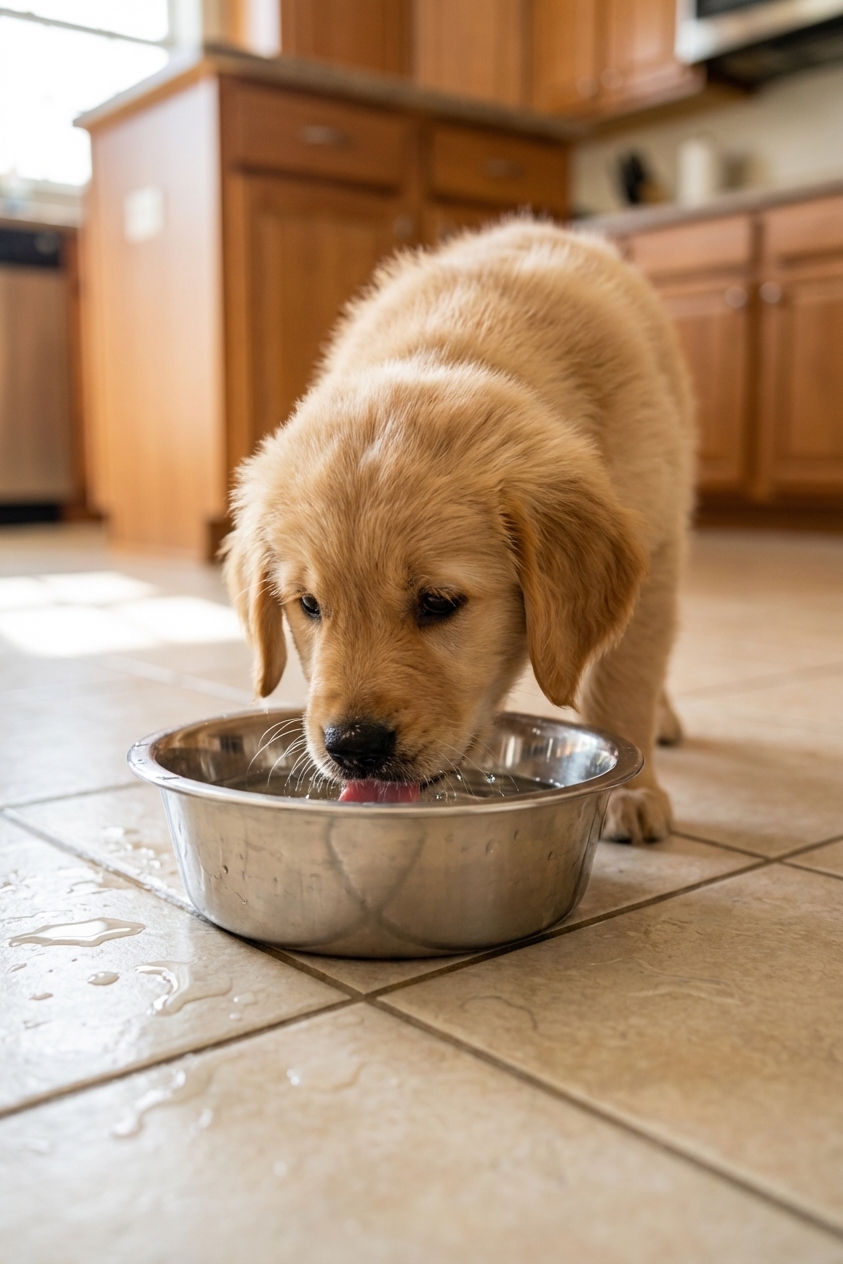
- Fluids: Some puppies need oral electrolyte support. Others may need subcutaneous or IV fluids at the clinic.
- Diet: Your vet may recommend a bland or GI-support diet short term.
- Probiotics: Often helpful for restoring gut balance, especially after diarrhea.
- Worming plan: Many puppies also need deworming for common intestinal worms, but remember that typical dewormers do not treat coccidia.
How long it lasts
With treatment, many puppies start improving within a few days, but full recovery can take longer. It is common for stool to firm up gradually, not instantly.
Puppies may continue to shed oocysts for a period of time, especially if the infection was heavy or if reinfection occurs from the environment. That is why your veterinarian may recommend a follow-up fecal test, particularly for puppies in multi-dog homes, breeding settings, shelters, or daycare environments.
Contagious?
To other dogs: Yes. It spreads through fecal contamination. If you have another dog, hygiene and prompt stool cleanup are essential.
To people: The most common canine coccidia species are generally considered host-specific, meaning they primarily infect dogs, not humans. That said, good sanitation is still important. Always wash hands after handling stool, cleaning accidents, or picking up your puppy.
If someone in the home is immunocompromised, use extra caution with cleanup and hygiene, and consider asking your veterinarian for additional household safety tips.
Prevention and cleanup
Because coccidia is picked up from contaminated environments, prevention is mostly about cleanliness and reducing exposure. This is especially important in puppies because reinfection can happen easily.
At home
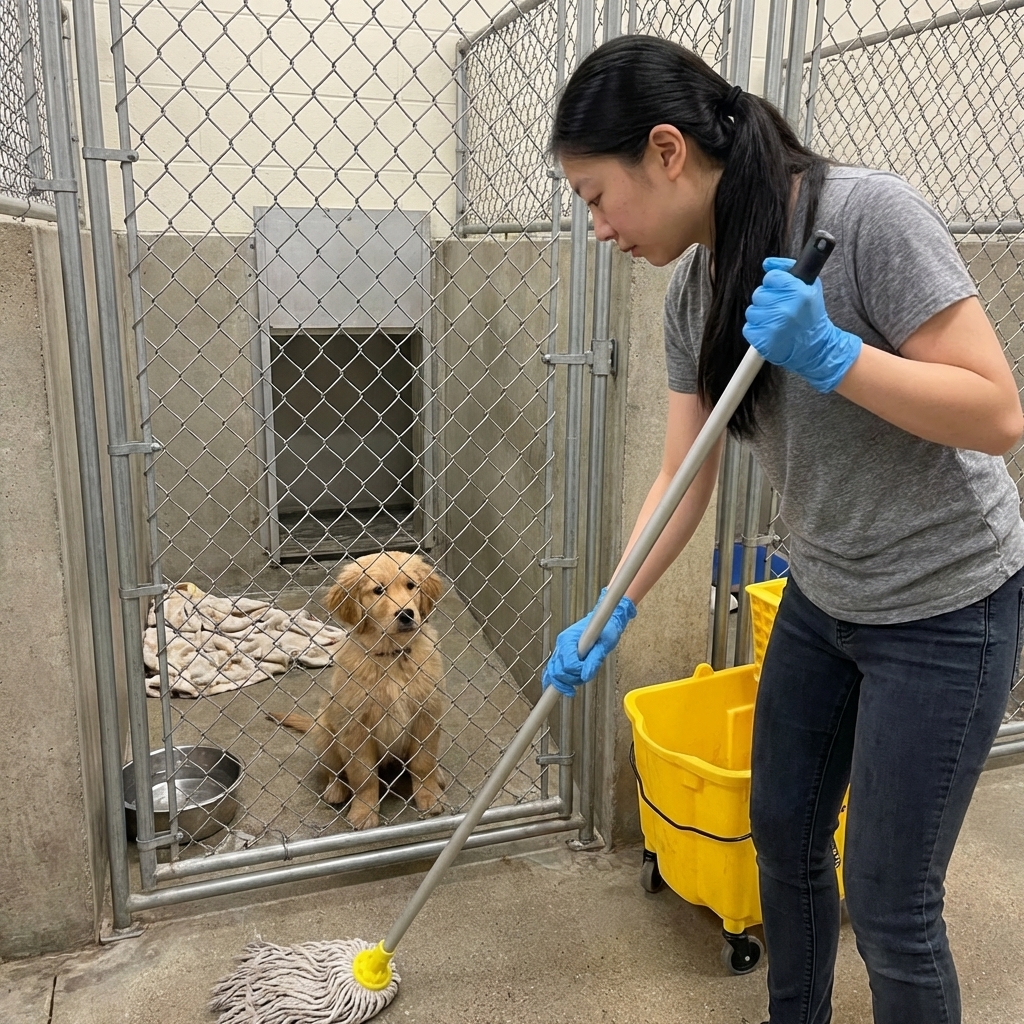
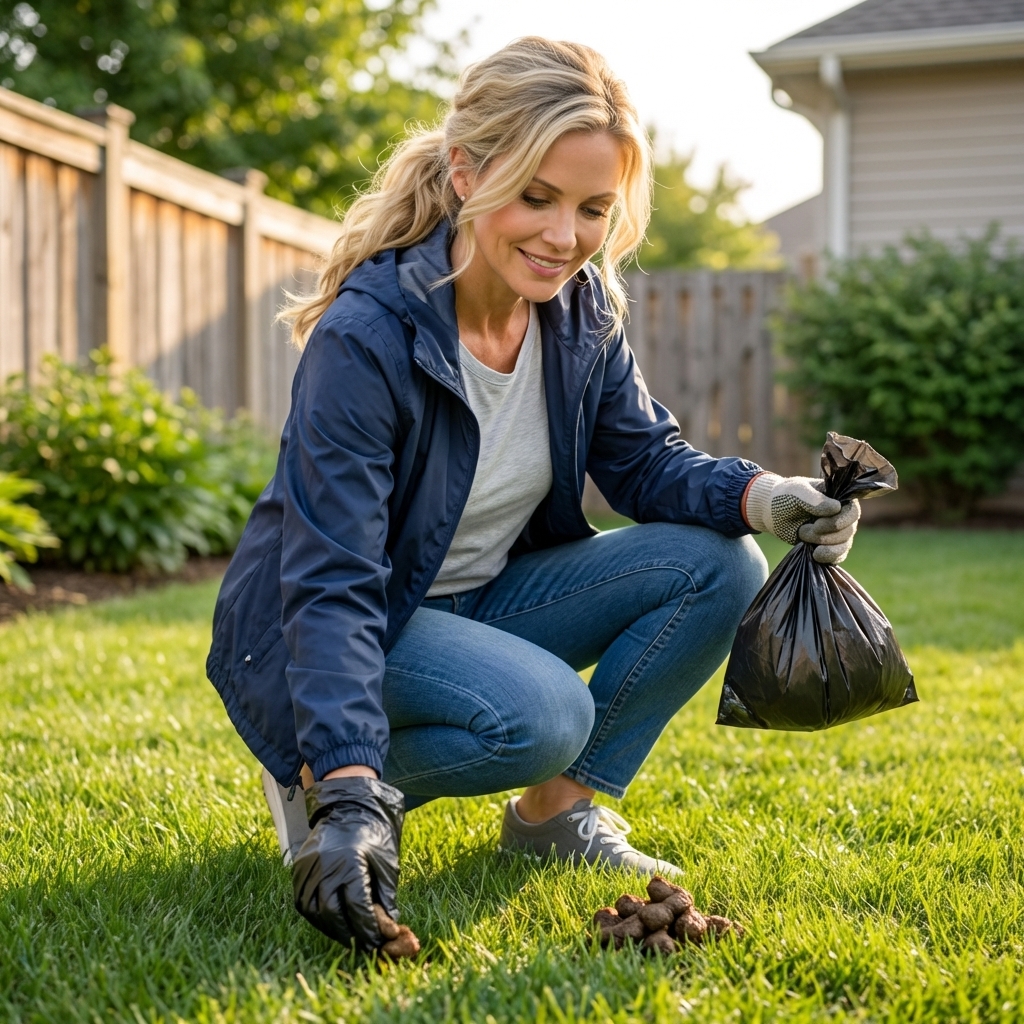
- Pick up stool immediately in the yard and on walks. If you cannot do “immediately,” aim for well under a day.
- Clean indoor accidents promptly and thoroughly.
- Wash bedding often using hot water and detergent, then dry fully.
- Wash bowls daily and avoid shared bowls with unknown dogs.
- Wipe or bathe dirty paws and rear if your puppy steps in stool.
- Use a designated potty area if possible, and keep it as clean and dry as you can.
- Limit access to high-risk areas like dog parks or heavily used apartment potty spots until stools are normal and your veterinarian says it is safe.
Disinfecting tips
Coccidia oocysts can be tough. Some common household disinfectants do not reliably kill them, and bleach is generally not effective for coccidia oocysts. The most reliable “tools” are often:
- Immediate feces removal
- Thorough cleaning before disinfecting (organic debris reduces effectiveness)
- Drying and reducing moisture
- Heat where appropriate (hot water washing, steam cleaning on some surfaces)
Some protocols reference ammonia solutions for certain settings, but safety matters a lot. Never mix ammonia with bleach (it can create toxic gases), and do not use harsh chemicals in enclosed spaces or anywhere pets can contact residues. If you are dealing with repeat infections, ask your veterinarian for a cleaning protocol tailored to your floors, yard setup, and kennel areas.
When to call the vet
Please treat these as urgent, especially in young puppies:
- Diarrhea lasting more than 24 hours in a small or young puppy
- Blood in the stool or black, tarry stool
- Vomiting plus diarrhea
- Signs of dehydration (dry gums, weakness, sunken eyes)
- Not eating or extreme lethargy
- A very young puppy (under 12 weeks) with any significant diarrhea
Also call your vet if your puppy has not completed vaccines, because serious diseases like parvovirus can start with similar symptoms and require immediate care.
Helping your puppy recover
Coccidia is common, treatable, and nothing to be ashamed of. It usually reflects exposure, not poor ownership. The best thing you can do is act quickly, follow your veterinarian’s plan, and keep your puppy’s environment as clean and dry as possible.
If you are dealing with recurring diarrhea or repeat positives, ask your vet about reinfection sources in your home or yard and whether additional fecal testing for giardia or worms makes sense. Getting the full picture is often what finally brings lasting relief.