A practical, vet-informed guide to Giardia in dogs: signs, best fecal tests, common medications, and step-by-step home, yard, and hygiene cleaning to stop re...
Article
•
Designer Mixes
Coccidia in Dogs

Shari Shidate
Designer Mixes contributor
Coccidia can sound scary, especially when your puppy has diarrhea and you are trying to figure out what changed. The good news is that coccidia is common, usually treatable, and very preventable with a few practical habits at home. As a veterinary assistant, I see it most often in puppies, newly adopted dogs, and dogs under stress, and the earlier you act, the easier the recovery tends to be.
What is coccidia?
Coccidia is a microscopic intestinal parasite (most commonly Cystoisospora species in dogs) that infects the lining of the small intestine. Dogs get infected by swallowing oocysts, which are hardy parasite cysts passed in stool. These oocysts can contaminate feces, soil, kennel floors, paws, or shared spaces. Once inside the body, the parasite multiplies and can trigger intestinal irritation and diarrhea.
Many adult dogs can carry low levels without obvious signs, but puppies and immunocompromised dogs can become quite sick because their immune systems are still learning how to respond.
How dogs catch coccidia
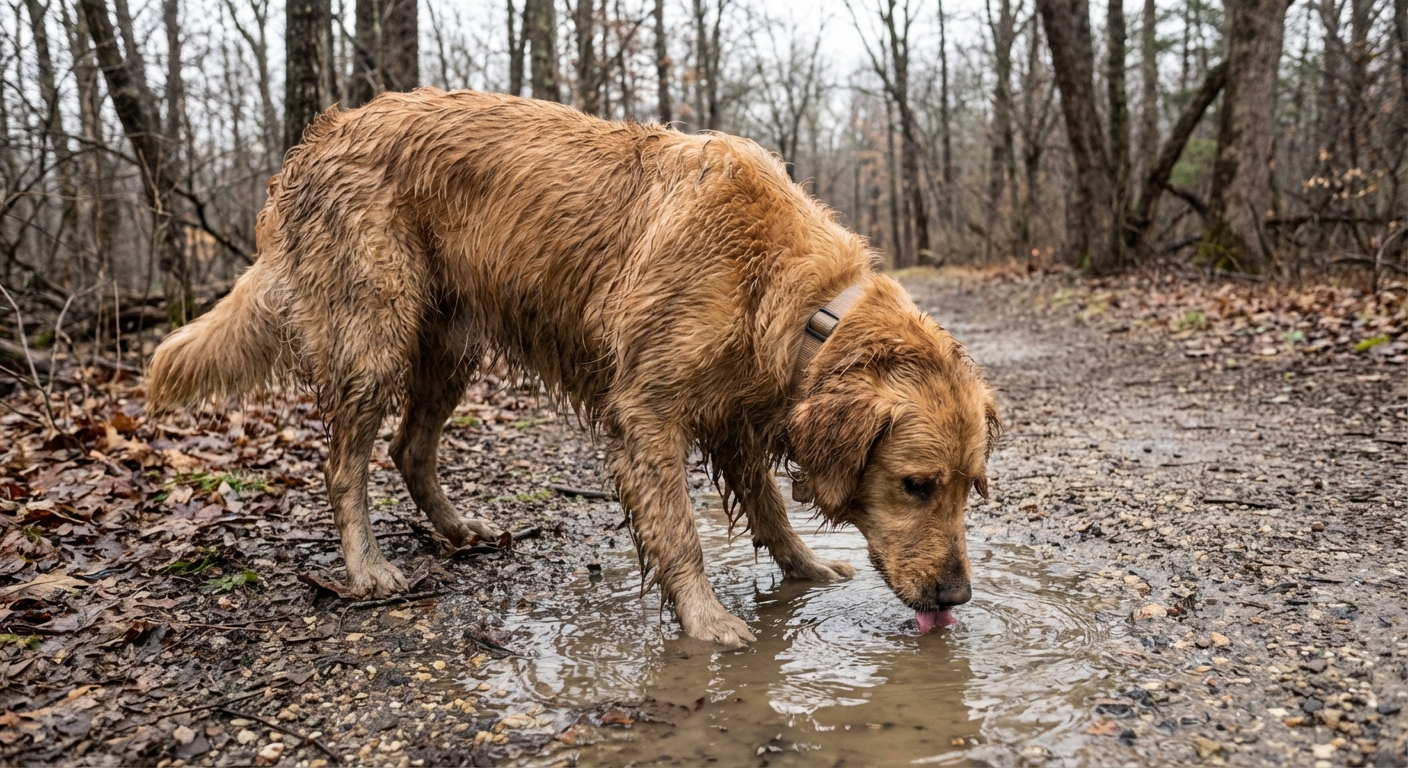
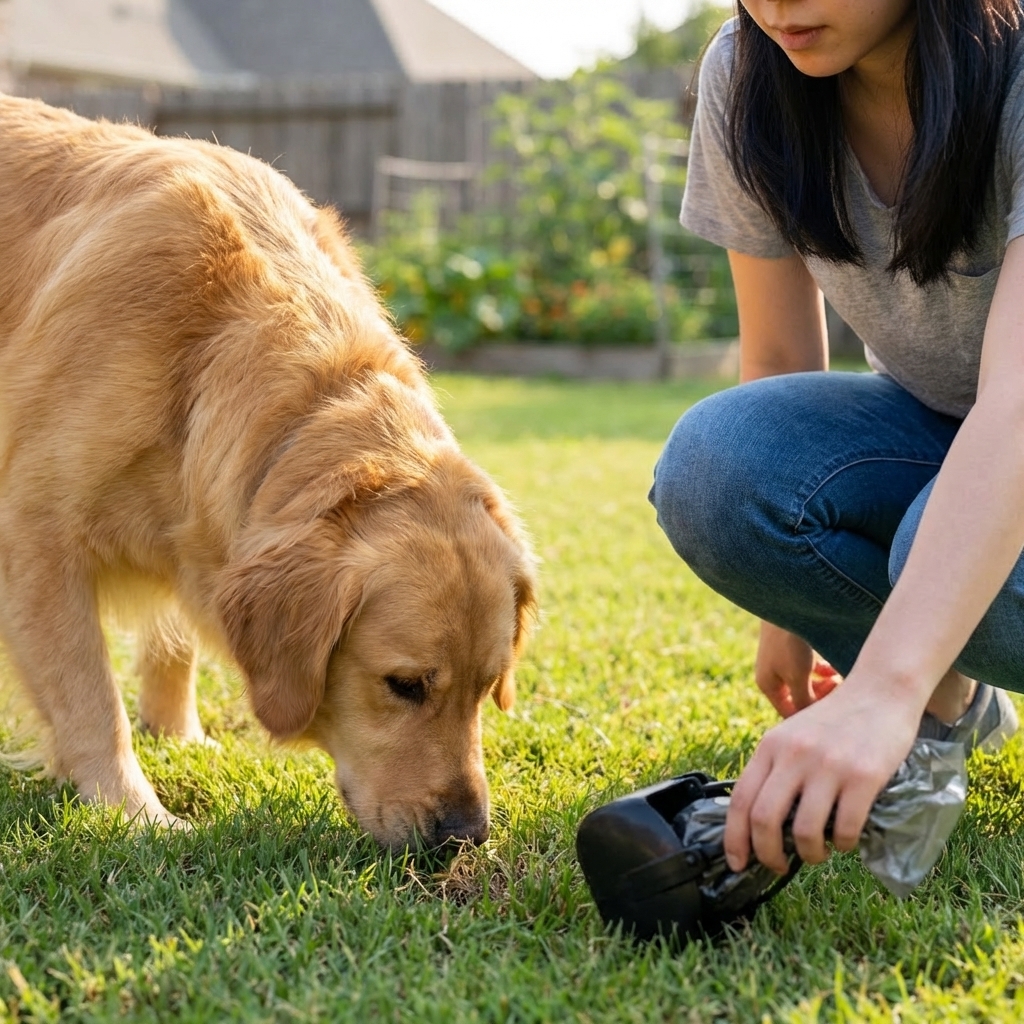
Coccidia spreads through the fecal-to-oral route. That means anything that gets stool residue onto a dog’s mouth can be a risk.
- Shared yards and parks: Infected stool can contaminate grass and dirt.
- Kennels, shelters, and daycare: High dog traffic increases exposure risk, especially for puppies.
- Grooming and paws: Oocysts can stick to fur and feet and later get licked off.
- Stress and crowding: Stress can lower resistance, making symptoms more likely.
Why fast cleanup matters: Coccidia oocysts often need time in the environment to become infective (they “sporulate”). Picking up stool immediately helps break the cycle before those oocysts can mature and spread.
Important note: Most canine coccidia species are host-specific. In other words, dogs typically do not catch “dog coccidia” from cats and vice versa. However, mixed infections are possible, and some other intestinal parasites (for example, Cryptosporidium) can pose zoonotic risk in certain situations. Good hygiene is still essential in multi-pet homes.
Symptoms of coccidia in dogs
Some dogs have no symptoms at all. When symptoms do happen, they are usually digestive and can range from mild to urgent.
Common signs
- Diarrhea, often watery or soft
- Mucus in stool
- Occasionally blood in stool, especially in young puppies
- Increased urgency to go
- Decreased appetite
- Lethargy
- Weight loss or poor growth in puppies
When it becomes an emergency
Seek veterinary care the same day if you notice any of the following, especially in a puppy (and especially if your puppy is very young, such as under 12 weeks):
- Repeated vomiting
- Bloody diarrhea or black, tarry stool
- Signs of dehydration (dry gums, sunken eyes, weakness)
- Not drinking, or diarrhea that is frequent and explosive
- A puppy that seems quiet, limp, or unable to keep food down
Diagnosis: how vets confirm coccidia
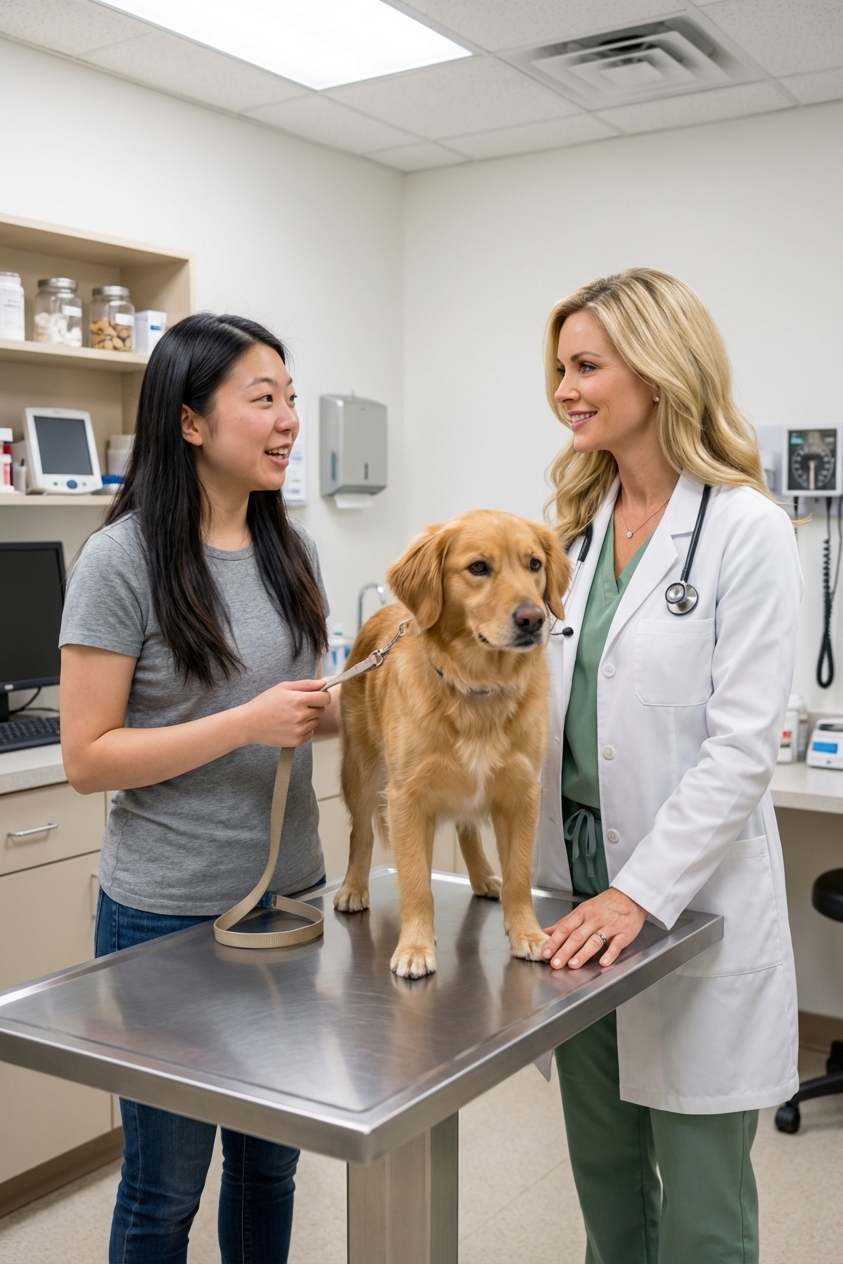
Because many things can cause diarrhea, diagnosis matters. Puppy diarrhea can also be caused by parvovirus, Giardia, intestinal worms, stress, and diet changes, so it is worth testing rather than guessing. Your vet will typically recommend a fecal test. Coccidia can be missed on a simple fecal float if the dog is not shedding many oocysts that day, so your clinic may suggest more sensitive testing.
- Fecal flotation: A microscope-based test to look for oocysts.
- Fecal PCR panels: Often more sensitive and helpful when symptoms persist, especially when multiple parasites are possible.
- Other lab testing: In some labs, additional tests may be available, but PCR is the more common “next step” in many clinics when floats are negative and suspicion remains.
- Repeat fecal tests: Sometimes the best next step if the first sample is negative but suspicion is high.
Tip from the clinic side: bring a fresh stool sample if you can. Seal it in a clean bag or container and keep it cool until your appointment.
Treatment options
Coccidia is treatable, but the right plan depends on your dog’s age, symptoms, and overall health. Always follow your veterinarian’s guidance, and finish the full course even if the stool looks normal after a day or two. Treatment helps reduce symptoms and shedding, but reinfection from the environment is common if cleanup is not aggressive.
Common medications
- Sulfadimethoxine (Albon): A traditional treatment that inhibits parasite reproduction and helps the body clear the infection.
- Ponazuril: Often used off-label in dogs and frequently chosen for puppies or outbreaks because it can work quickly. It is commonly compounded, and dosing and duration vary by veterinarian.
Your veterinarian may also recommend supportive care, especially for puppies.
Supportive care that helps
- Hydration: Diarrhea dehydrates quickly. Your vet may recommend oral fluids, electrolyte solutions, or fluids under the skin in clinic.
- Diet support: A bland, highly digestible diet or a veterinary GI diet can reduce irritation while the intestines heal.
- Probiotics: These can support the gut microbiome during and after diarrhea. Ask your vet for a product made for dogs.
How long does recovery take?
Many dogs improve within a few days of starting medication, but full recovery and normalization of stool can take longer depending on intestinal irritation and reinfection risk. Your vet may recommend a recheck fecal test, especially for puppies, multi-dog households, or dogs in daycare.
Prevention: the steps that make the biggest difference
With coccidia, prevention is mostly about breaking the fecal-to-oral cycle. This is especially important because oocysts can survive in the environment, and many disinfectants do not reliably kill them.
At-home habits
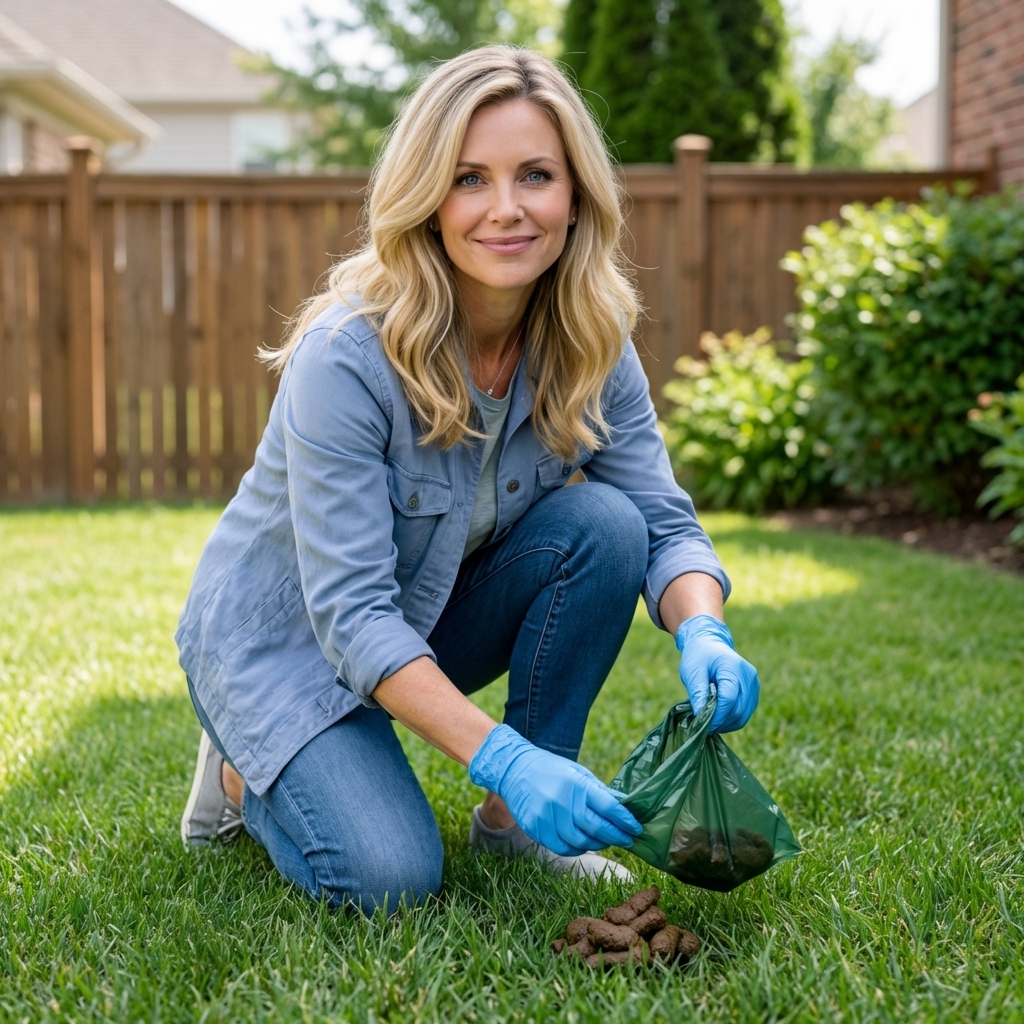
- Pick up stool immediately: This is the single most effective step.
- Wash hands after cleanup: Especially before handling food or treats.
- Keep water bowls clean: Wash daily with hot, soapy water.
- Prevent sniffing or eating stool: Use a leash in risky areas and reward “leave it.”
- Bathing helps: If your dog has diarrhea, a gentle bath can remove contamination from the coat and paws.
Cleaning and disinfecting
Ask your veterinarian what disinfectant protocol is best for your setup. In general:
- Mechanical cleaning first: Remove all organic material. Disinfectants cannot work well through stool residue.
- Hot water and steam are powerful: Heat can help destroy oocysts on some surfaces.
- Wash bedding on hot and dry on high heat: Heat is your friend.
- Outdoor areas are tough: Sunlight, drying, and stool pickup are key. Heavily contaminated soil can remain risky.
Coccidia in puppies and newly adopted dogs
This is where I see coccidia most often. Puppies explore the world with their mouths, and shelters or rescues may have high exposure pressure. If you just brought a dog home, a fecal test is a great baseline even if your pup seems fine.
If your puppy is having diarrhea, do not wait it out. Young dogs can dehydrate quickly, and what looks like “just loose stool” can become an urgent situation fast.
Is coccidia contagious to humans?
Most coccidia species are host-specific, which means the coccidia that infect dogs typically infect dogs, not people. That said, good hygiene is still important because diarrhea can involve other germs too, and contaminated surfaces can spread bacteria and other parasites. Wash hands, clean up promptly, and keep kids away from soiled areas.
What to ask your vet
If you are feeling overwhelmed, these questions can help you leave the appointment with a clear plan:
- Which fecal test did we run, and do we need a repeat test?
- Which medication are we using, and for how many days?
- Do you recommend a recheck stool test after treatment?
- What diet should I feed during recovery?
- What cleaning routine do you recommend for my home and yard?
- When can my dog return to daycare, grooming, or the dog park?
In general, I tell owners to plan on keeping dogs out of shared spaces until stools are back to normal, treatment is complete, and your veterinarian has cleared your next steps (especially if a recheck fecal is recommended).
If there is one takeaway I want you to remember, it is this: prompt treatment plus immediate stool pickup dramatically lowers the risk of reinfection and protects other dogs, too.