Blood in your cat’s urine can signal FLUTD/FIC, crystals, stones, UTI, kidney issues, or life-threatening blockage. Learn warning signs, first steps, and w...
Article
•
Designer Mixes
Clever UTI Tips for Female Cats

Shari Shidate
Designer Mixes contributor
As a veterinary assistant here in Frisco, Texas, I can tell you this: urinary tract issues in cats can go from “a little off” to “this is an emergency” faster than most pet parents expect. The good news is that many feline urinary flare-ups can be reduced, and early action really does help.
Let’s walk through smart, evidence-based tips for spotting trouble early, helping your female cat feel better, and lowering the odds of repeat problems.
UTI or something else?
Many people say “UTI” as a catch-all, but in cats, urinary signs often come from feline lower urinary tract disease (FLUTD). True bacterial UTIs are actually less common in young to middle-aged cats, and are more likely in older cats or cats with other conditions (like diabetes or kidney disease).
That distinction matters because antibiotics help a bacterial UTI, but they do not fix stress-related cystitis, bladder stones, or urethral inflammation.
Common causes behind UTI-like signs
- Idiopathic cystitis (FIC): bladder inflammation often linked with stress and environment.
- Bladder stones or crystals: can irritate the bladder lining and cause blood in urine.
- Bacterial UTI: more likely in seniors, cats with endocrine disease, or cats with urinary tract abnormalities.
- Other issues: constipation, pain, arthritis, or even behavioral litter box aversion can look similar.
Signs your female cat may have a problem
Female cats generally have a wider, shorter urethra than males, and that is one reason they are less likely to block. But they can absolutely be uncomfortable and develop complications. Watch for these red flags:
- Frequent trips to the litter box with little urine produced
- Straining or crying while urinating
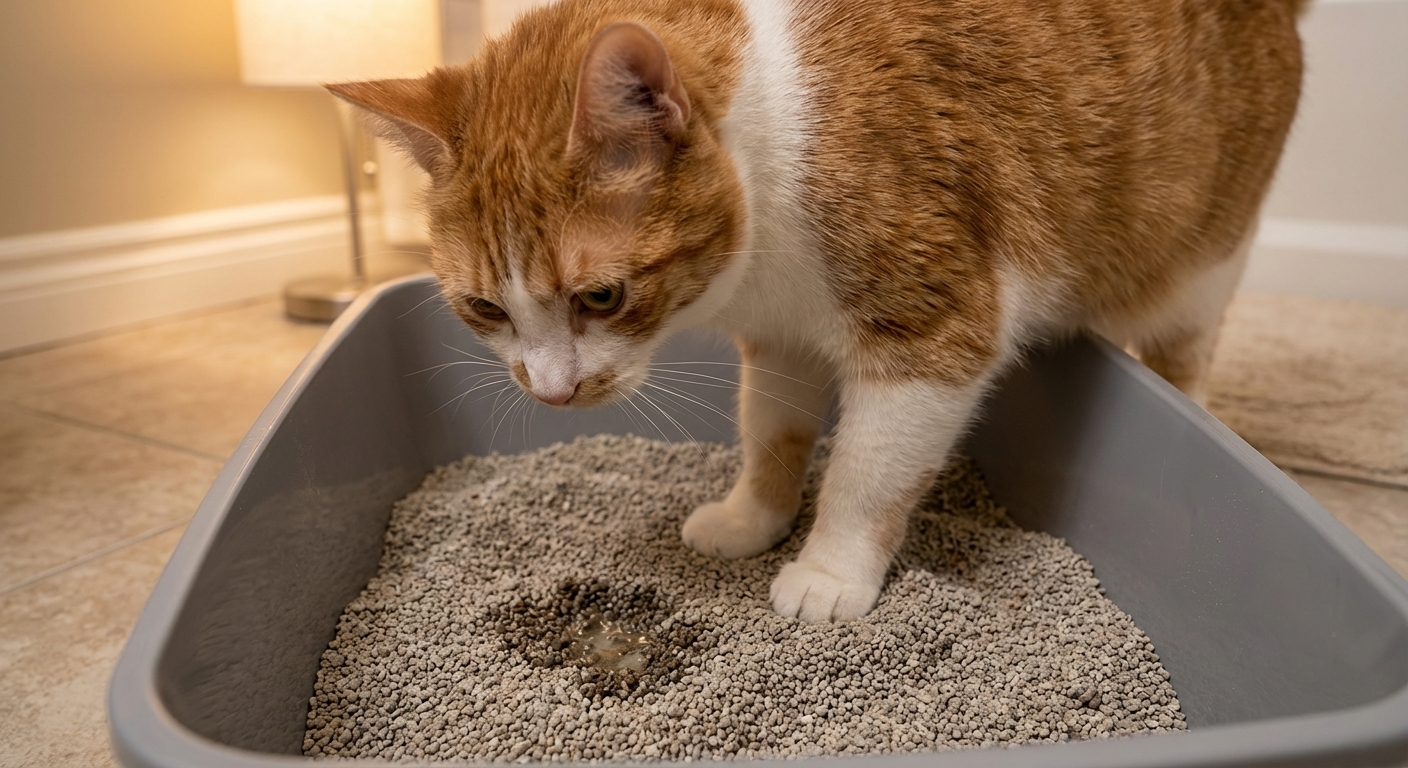
- Blood-tinged urine or pink staining in litter
- Urinating outside the box (especially on cool surfaces like tubs or tile)
- Excessive licking of the genital area
- Noticeably stronger-smelling urine (possible, but nonspecific)
- Hiding, decreased appetite, or acting “not herself”
If your cat seems painful, stops eating, becomes lethargic, or you see repeated straining with minimal urine output, it is time to call your veterinarian the same day.
When it is an emergency
The most urgent urinary emergency is a urethral blockage, which is more common in male cats. Female cats rarely block, but any cat can become seriously ill if they are in significant pain, dehydrated, or have a severe infection affecting the kidneys. And if a female cat strains and produces no urine, treat it like an emergency until proven otherwise.
Go to an emergency vet now if you notice:
- Repeated straining with no urine produced
- Vomiting, collapse, severe lethargy
- Signs of extreme pain (crying out, hunched posture, growling when touched)
- Very pale gums or difficulty breathing
Practical prevention tips
Prevention is about two big goals: more hydration and less bladder irritation. Here are the strategies I see make the biggest difference in real households.
1) Make water irresistible
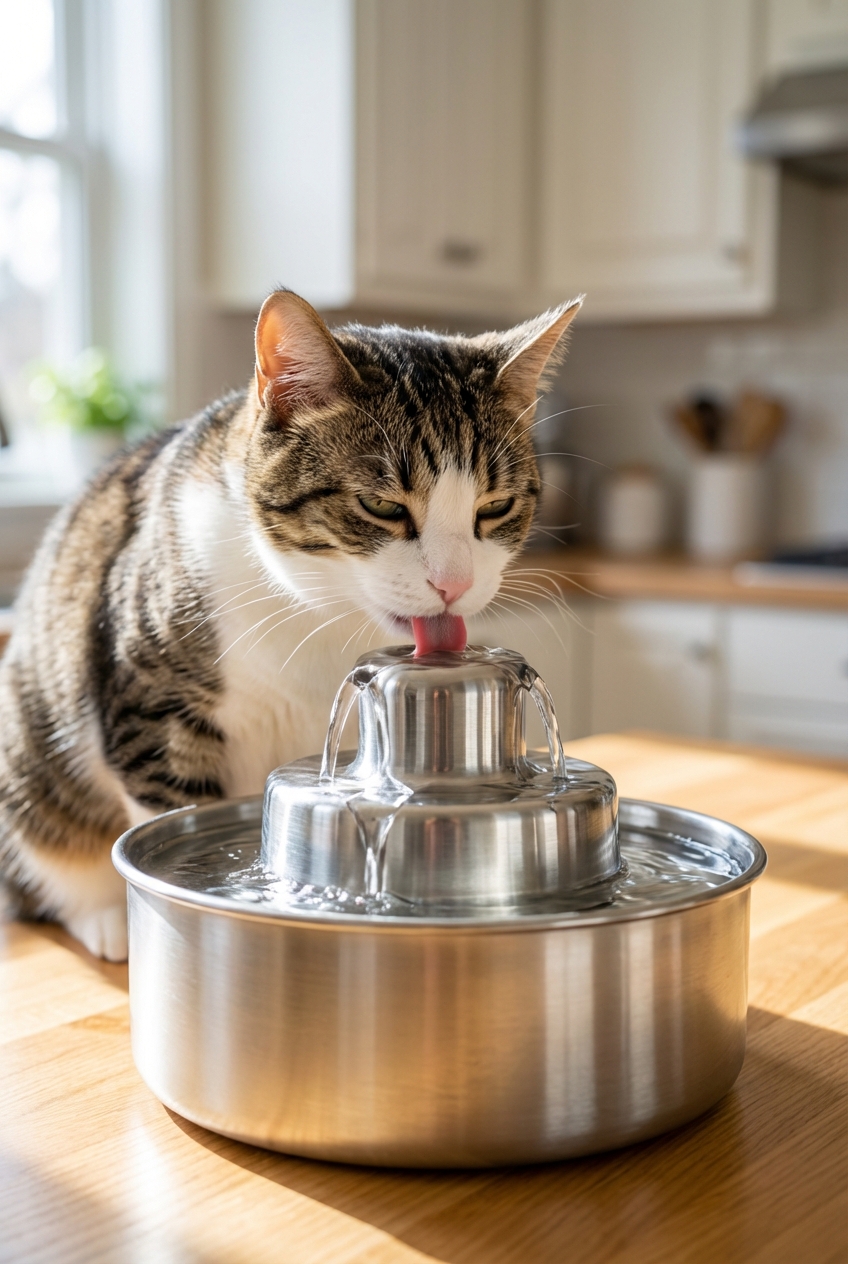
- Use a pet fountain. Many cats prefer moving water.
- Set out multiple bowls in quiet areas, away from litter boxes and food.
- Try a wide, shallow bowl to reduce whisker stress.
- Offer water in different materials: stainless steel, ceramic, glass.
- Flavor water occasionally with a teaspoon of tuna water (from tuna packed in water, no added salt) if your vet says it is okay. Keep this as an occasional trick, not an everyday habit.
Tip: Clean bowls daily. Even a light biofilm can turn picky cats away.
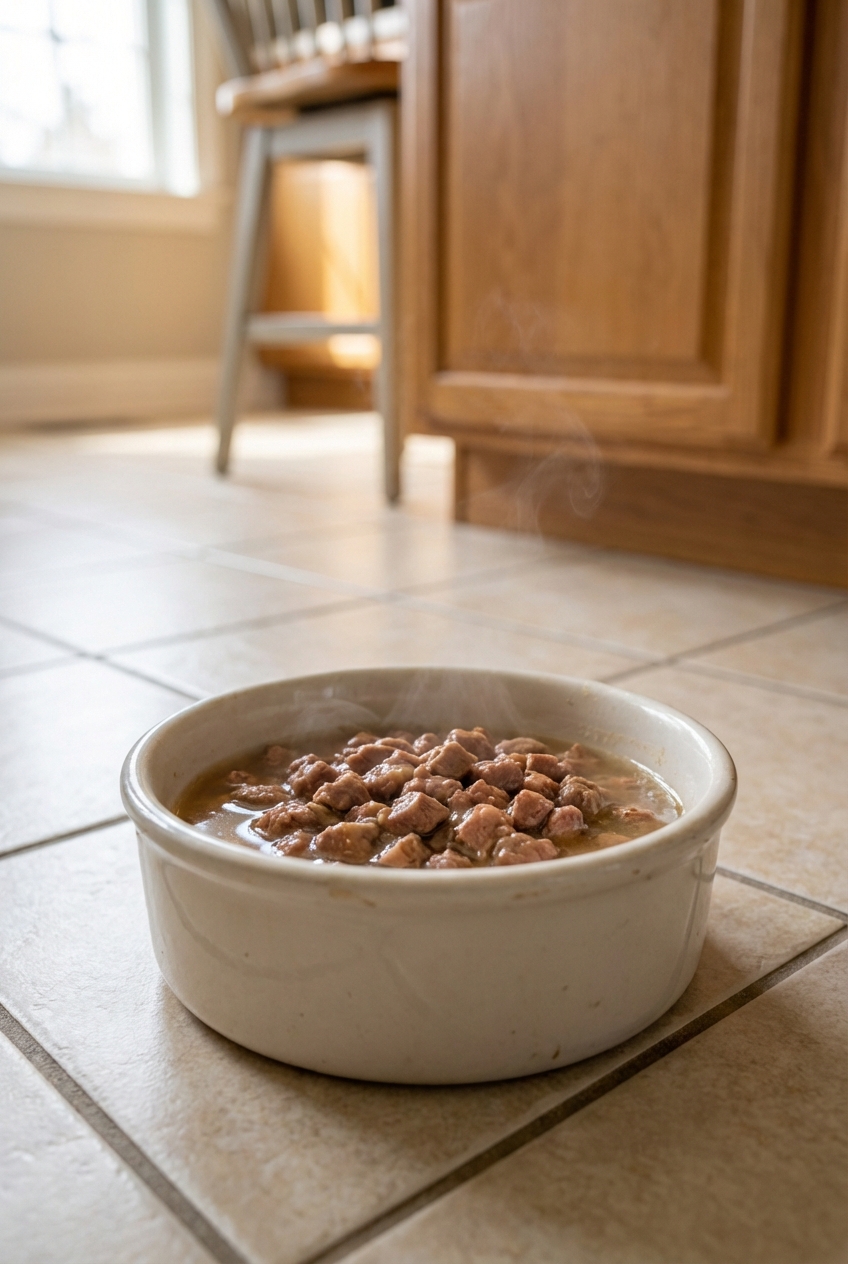
2) Prioritize wet food
Increasing moisture intake is one of the most impactful steps for many cats with recurrent urinary signs. If your cat eats mostly kibble, consider moving toward:
- More canned food (even 50/50 can help)
- Adding a splash of warm water or pet-safe broth to canned food (plain, with no onions, garlic, or added seasonings)
- Veterinary urinary diets if your vet recommends them (especially for crystals or stones)
Any diet change should be done gradually over 7 to 10 days to avoid stomach upset.
One quick note on crystals and stones: management depends on the type. Some stones may dissolve with the right prescription diet, while others do not and may require different treatment. Your veterinarian will guide you based on testing and imaging.
3) Reduce stress
This is the piece many families do not expect. Stress can inflame a cat’s bladder. That can look exactly like a UTI: frequent urination, blood, and discomfort.
After hydration and diet, stress reduction is often the next big lever for cats prone to FIC and FLUTD flare-ups.
- Keep a consistent routine for feeding and play
- Add daily interactive play (5 to 10 minutes, 1 to 2 times a day)
- Create vertical space: cat trees, window perches, shelves
- Provide safe hiding spots and quiet rest zones
- Consider pheromone diffusers in multi-cat homes
- Address conflict between cats (separate resources, slow introductions)
If your cat’s urinary signs tend to flare after visitors, moving, construction noise, or a new pet, stress management is not “extra”. It is treatment.
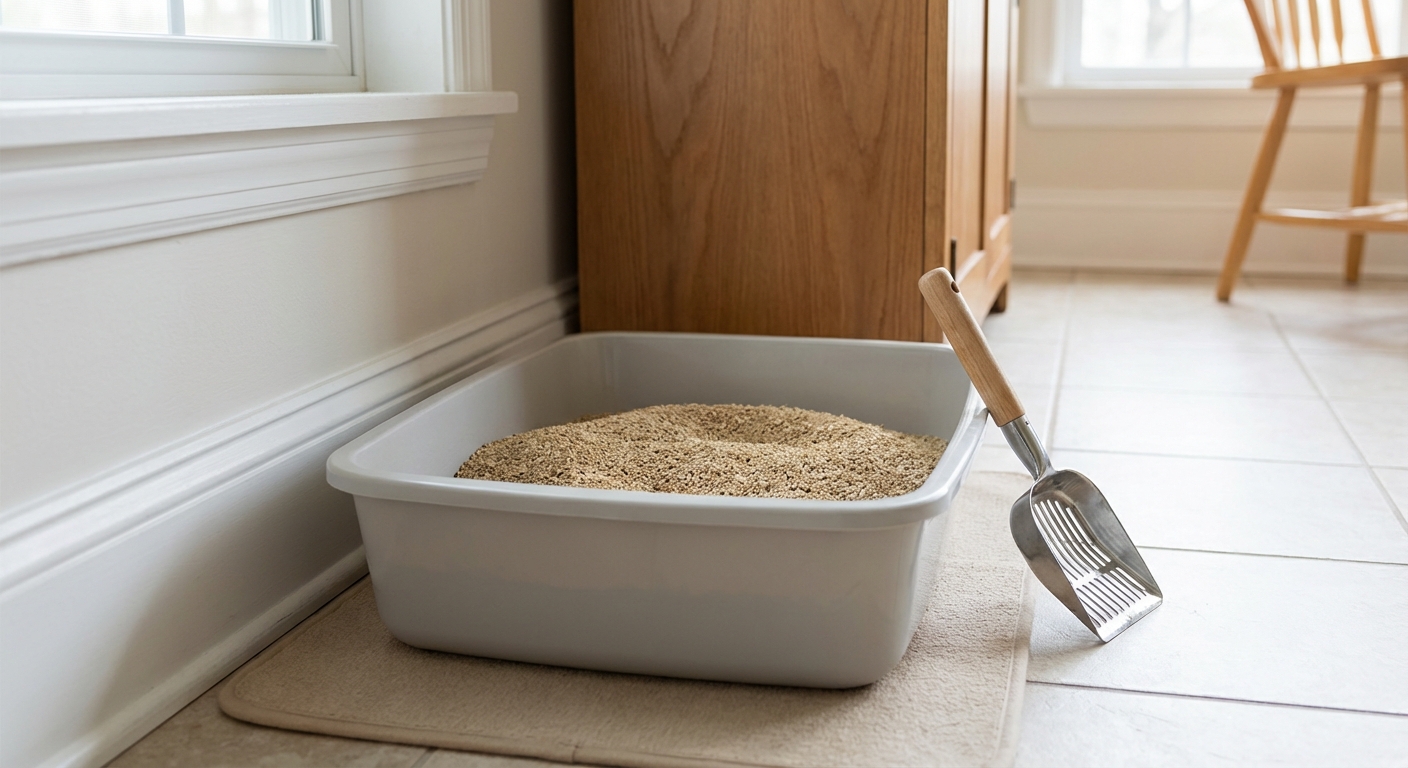
4) Litter box basics
Improving litter box comfort lowers inappropriate urination and can reduce urinary stress.
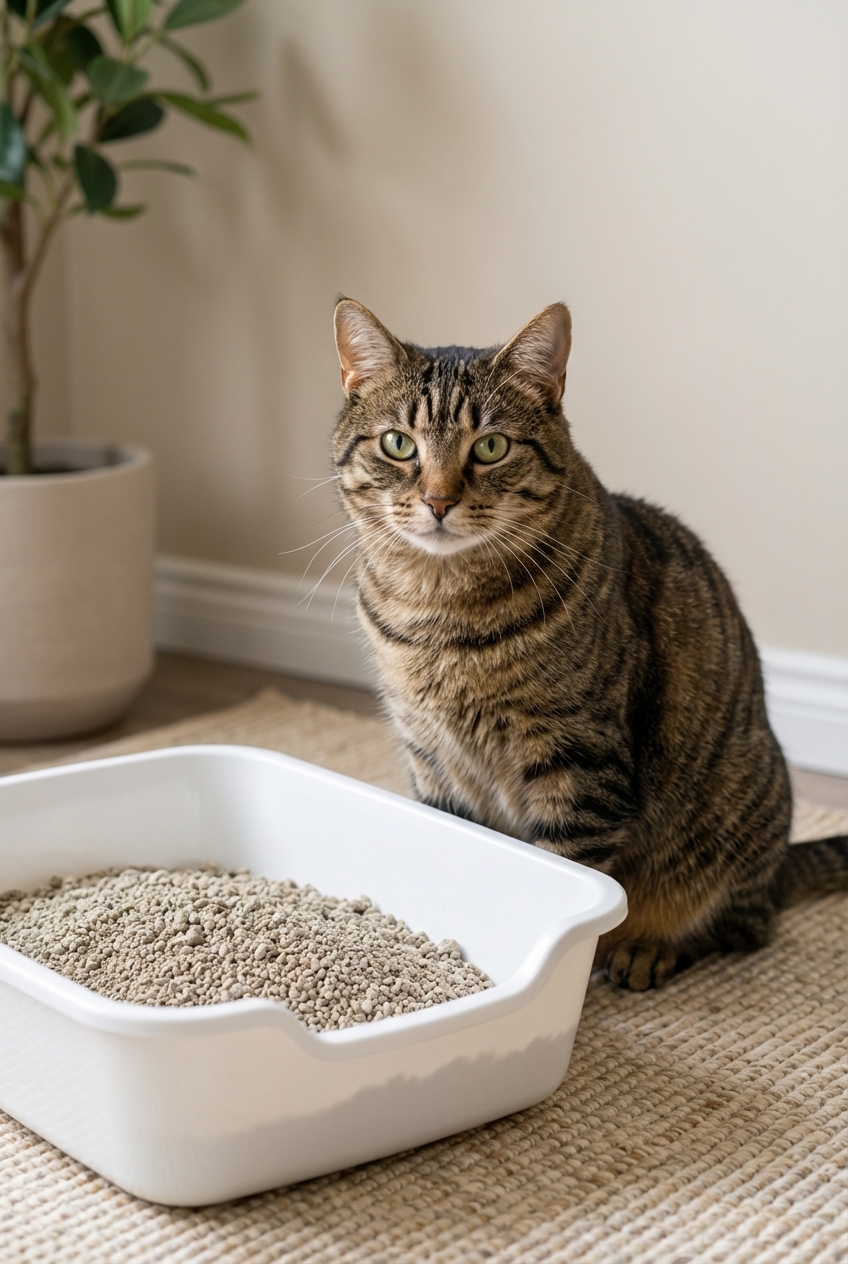
- Have one box per cat plus one extra
- Scoop at least once daily, twice is even better
- Use unscented litter (many cats dislike strong fragrances)
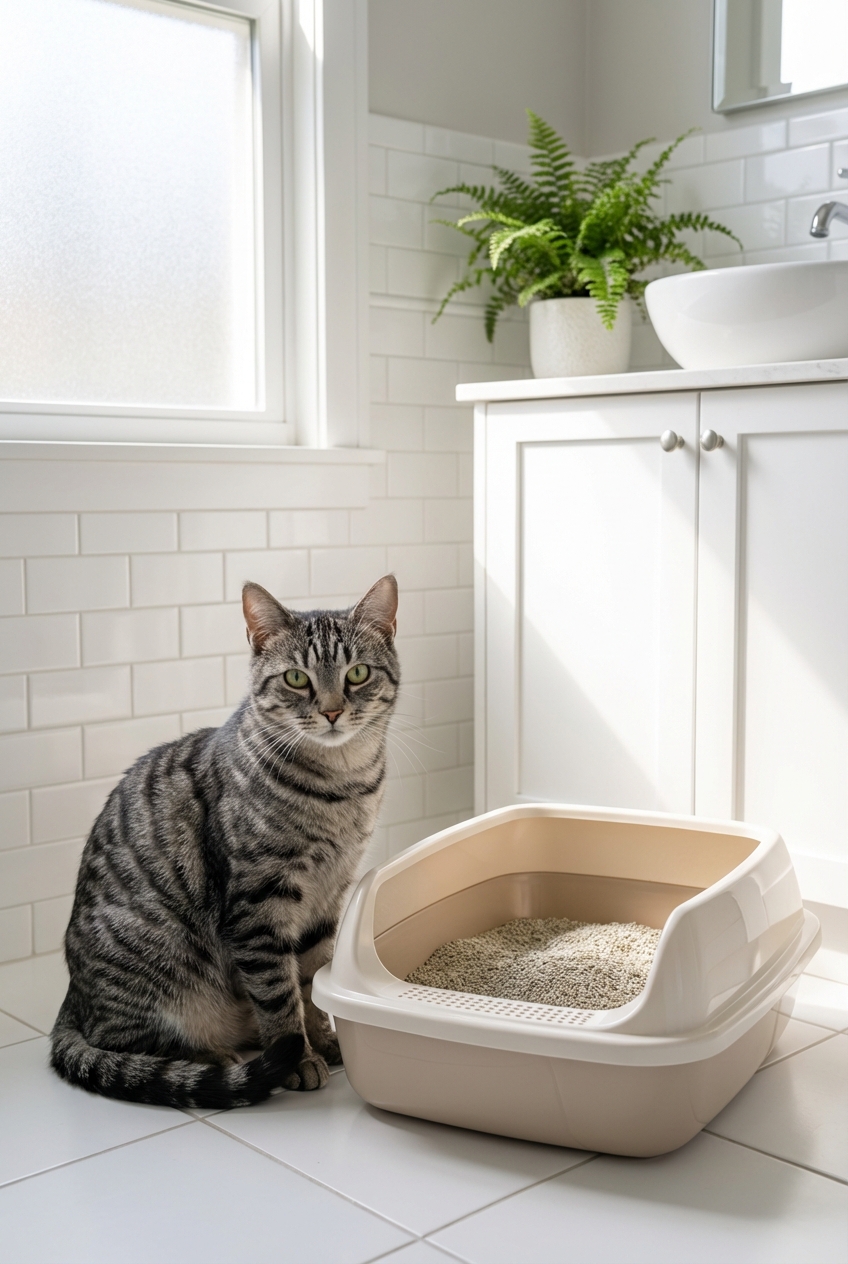
- Choose a box that is large and easy to step into, especially for senior cats
- Place boxes in quiet, accessible locations, not all in one spot
At-home steps while you wait
If your cat is peeing small amounts but still producing urine and acting fairly normal, you can support her comfort while you arrange a veterinary visit.
- Encourage hydration with fountains and wet food
- Keep her warm and calm in a quiet room
- Track litter box output: how often she tries, and whether urine is produced
- Do not give human pain meds (many are toxic to cats)
- Do not start leftover antibiotics. Cats need the right medication and duration based on testing.
If you can safely do so, snap a photo of abnormal urine (like pink litter clumps) and bring it to your appointment. That visual can help your vet.
What to expect at the vet
UTI-like signs deserve a proper workup so you are not guessing. Your veterinarian may recommend:
- Urinalysis to look for blood, crystals, inflammation, and concentration
- Urine culture to confirm bacteria and choose the right antibiotic when infection is suspected (this is ideally run on a sterile sample)
- X-rays or ultrasound if stones are possible
- Bloodwork for older cats or cats with recurrent issues
You may also hear about different ways to collect a urine sample. Some clinics use a clean “catch” sample, while others recommend a sterile sample taken directly from the bladder (called cystocentesis). For culture results in particular, your vet may prefer a sterile sample to reduce contamination.
Treatment depends on the cause. It may include pain relief, anti-spasm medication, dietary changes, stress reduction, increased water intake, and sometimes antibiotics. For stress-related cystitis (FIC), pain control and environmental changes are often the main treatments.
Female-cat specifics
Female cats can get UTIs, but compared to males:
- They are less likely to block, but still can have severe discomfort and blood in urine.
- They may be more prone to bacterial UTIs than young males, especially if older or with underlying disease.
- They can develop urinary issues after major stressors or when litter box access is limited.
Bottom line: never assume “it is just behavioral” when a cat urinates outside the box. Pain is a common driver, and it is fixable once you find the real cause. And if your cat is straining and producing no urine, that is an emergency for males and females alike.
Prevention checklist
- Add or refresh a water station in a quiet area
- Switch one meal a day to wet food, then build from there
- Scoop litter daily and consider an extra litter box
- Schedule short play sessions and keep routine steady
- Ask your vet if a urinary diet is appropriate for your cat’s history
- Ask your vet about supplements only if recommended for your cat (for example, bladder-support glycosaminoglycans or calming options)
You are not overreacting by paying attention early. Catching urinary problems sooner usually means less pain for your cat and a simpler, more affordable treatment plan.