Understand equine Cushing’s (PPID): early coat and behavior clues, laminitis warning signs, ACTH/TRH testing, and day-to-day management with pergolide, die...
Article
•
Designer Mixes
Clever Pony and Horse Care and Training Tips

Shari Shidate
Designer Mixes contributor
Whether you share your life with a backyard pony or a seasoned show horse, “clever” care is really about doing the basics consistently and noticing the small changes early. As prey animals, horses can be subtle about discomfort, and training works best when it feels safe, predictable, and fair to them.
Below are practical, evidence-based tips you can start using this week, without turning your routine upside down.
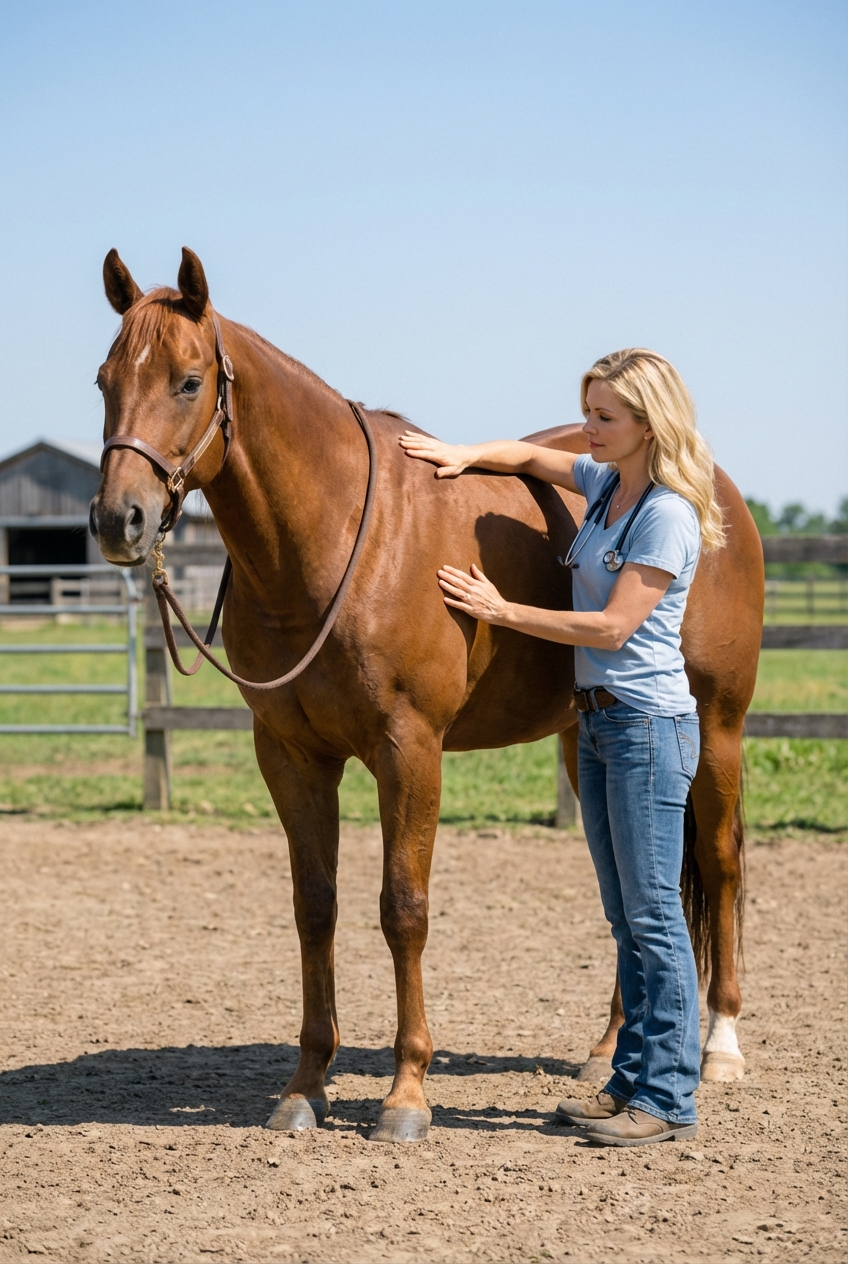
Start with a daily health check
In the clinic, we call this a quick “nose to tail” check. It usually takes just a few minutes, and it is one of the smartest habits you can build.
- Eyes and nose: clear, no thick discharge, no squinting.
- Appetite and water: normal interest in feed and steady water intake.
- Manure and urination: normal frequency and consistency. Sudden changes can be an early warning sign.
- Legs and hooves: feel for heat, swelling, new cuts, or a stronger digital pulse at the pastern and fetlock area.
- Movement: watch a few steps on a straight line. Subtle stiffness is easier to catch early than late.
Clever tip: Keep a simple note on your phone with “normal” for your horse: typical resting respiration, how fast they finish hay, and any baseline quirks. When something shifts, you will know.
Know baseline vitals
If you have never learned your horse’s vitals, ask your vet to show you what to check and what “normal” looks like for your individual horse.
- Temperature: about 99 to 101.5 F (37.2 to 38.6 C)
- Heart rate: about 28 to 44 beats per minute
- Respiratory rate: about 8 to 16 breaths per minute
Clever tip: Write your horse’s typical numbers down when they are healthy and relaxed. Baselines make it easier to spot trouble early.
Hoof care
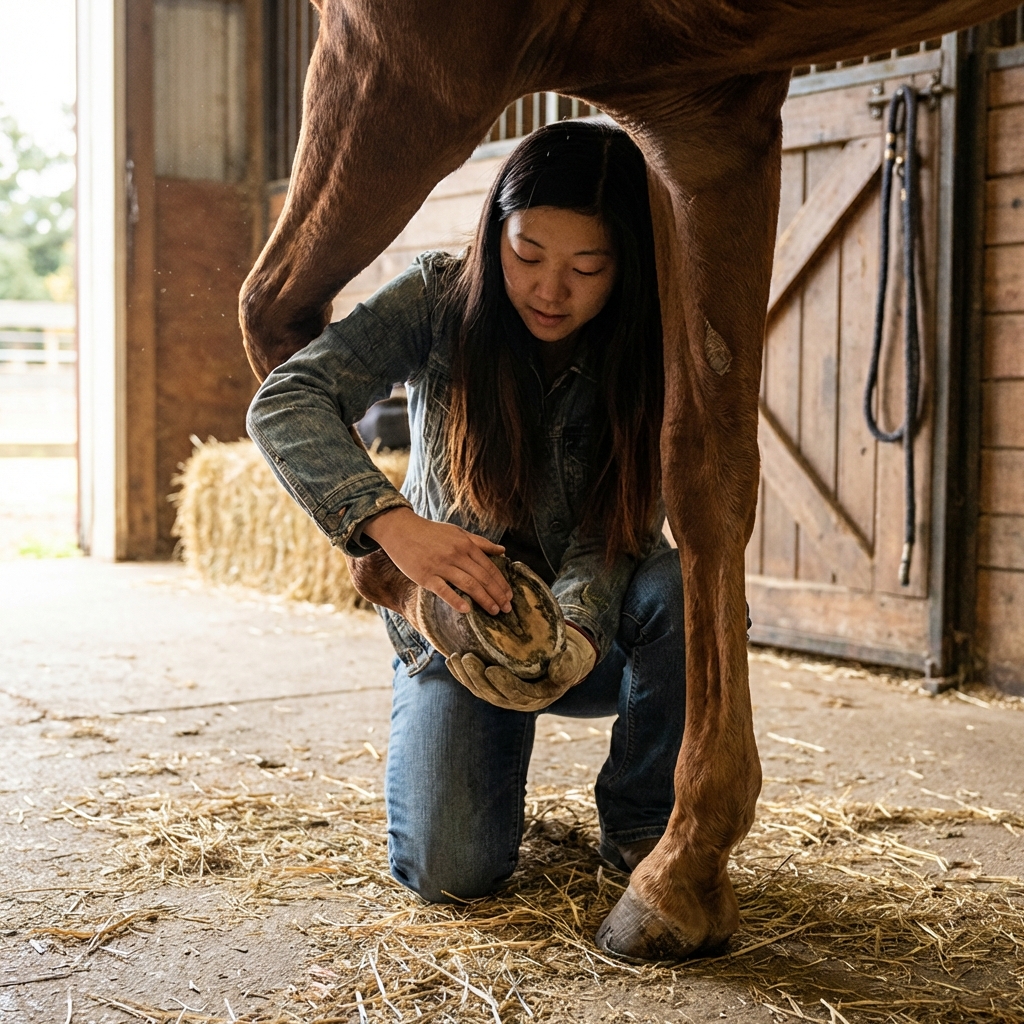
Healthy feet are the foundation for comfort and performance. Most hoof problems start small and become expensive when they are ignored.
- Pick out hooves regularly if your horse is stalled, and at least several times a week if they live out.
- Check for thrush by looking for black, crumbly tissue and noticing a foul odor around the frog. Early treatment is much easier.
- Stick to a farrier schedule that matches your horse’s growth rate and workload, commonly every 4 to 8 weeks.
- Match footing to work when you can. Deep, uneven, or slippery footing increases strain risk.
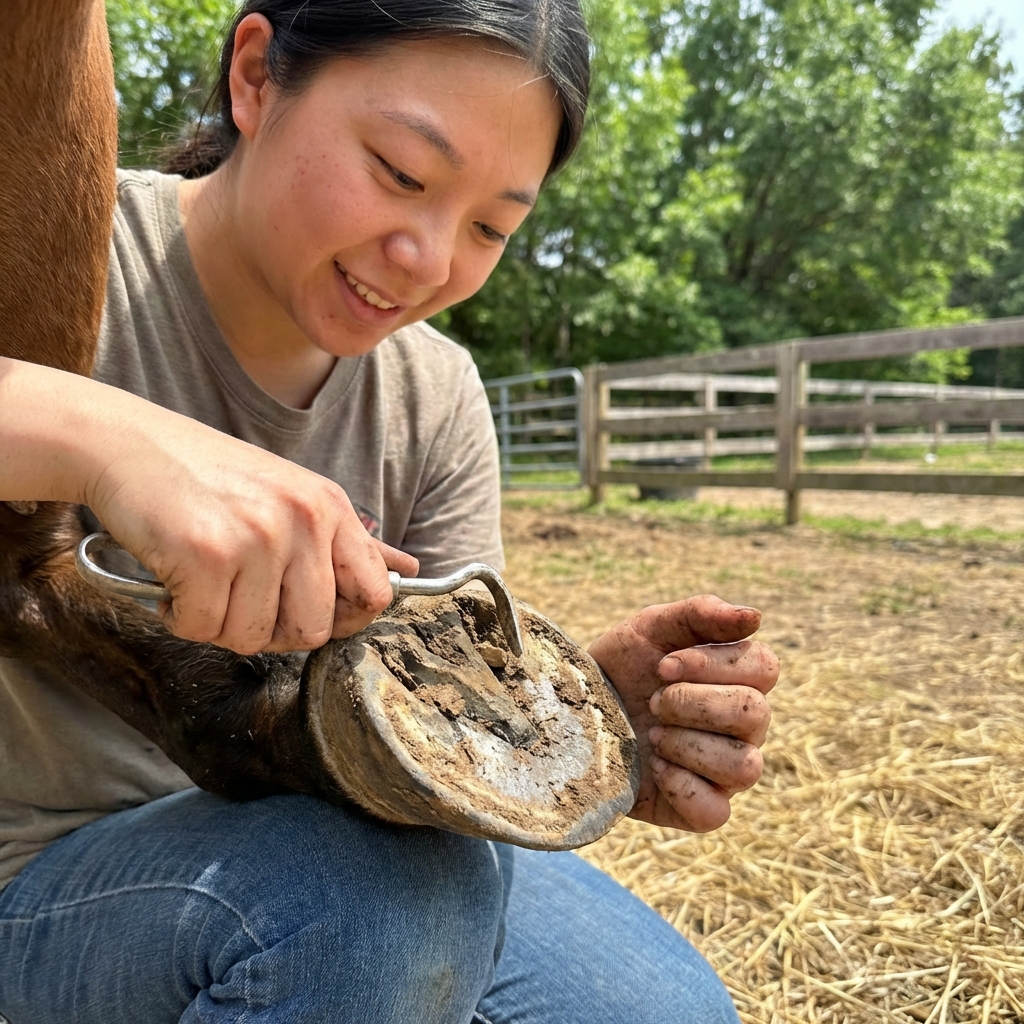
When to call your vet or farrier: sudden lameness, a hot hoof, a bounding digital pulse, or a hoof crack that is spreading.
Feed smarter
Most horses do best when the diet is built on forage first, then balanced with the right concentrate and minerals for their workload.
Simple feeding upgrades
- Prioritize forage: hay or pasture should be the core of the diet for gut health and steady energy.
- Weigh hay portions: “a flake” varies wildly. A basic hanging scale can prevent accidental overfeeding or underfeeding.
- Introduce changes slowly: for feed changes, think 7 to 14 days, longer for sensitive horses.
- Salt and water access: provide free-choice salt and fresh water. Dehydration can contribute to impaction colic risk.
Body condition is feedback
Use a body condition score (BCS) and photos every 2 to 4 weeks. Many owners are surprised at how quickly weight can creep up or drop off, especially in ponies.
Clever tip: If your pony gains weight easily, consider a grazing muzzle during peak grass growth and focus on low-sugar forage options with guidance from your veterinarian or equine nutritionist.
Training that sticks
Great training is not about “winning” a moment. It is about building a horse that understands the question and trusts the answer.
Use the least pressure needed
Horses learn through pressure and release. The release is the reward. Apply a light cue, wait a moment, then release immediately when the horse tries.
- Ask softly.
- Wait a moment.
- Increase gradually only if needed.
- Release fast when you get effort.
Work in short wins
Try 5 to 10 minute training blocks, especially for young, anxious, or easily bored horses. End on a simple success like a calm halt, a relaxed step back, or a quiet stand.
Teach the park
“Park” is a calm, reliable standstill on cue. It is one of the most useful behaviors for grooming, mounting, vet visits, and overall safety.
- Ask the horse to stand square for 5 seconds.
- Reward with a scratch or a brief break.
- Gradually build to 30 to 60 seconds.
- Add distractions later: swinging stirrups, spray bottles, clippers nearby.
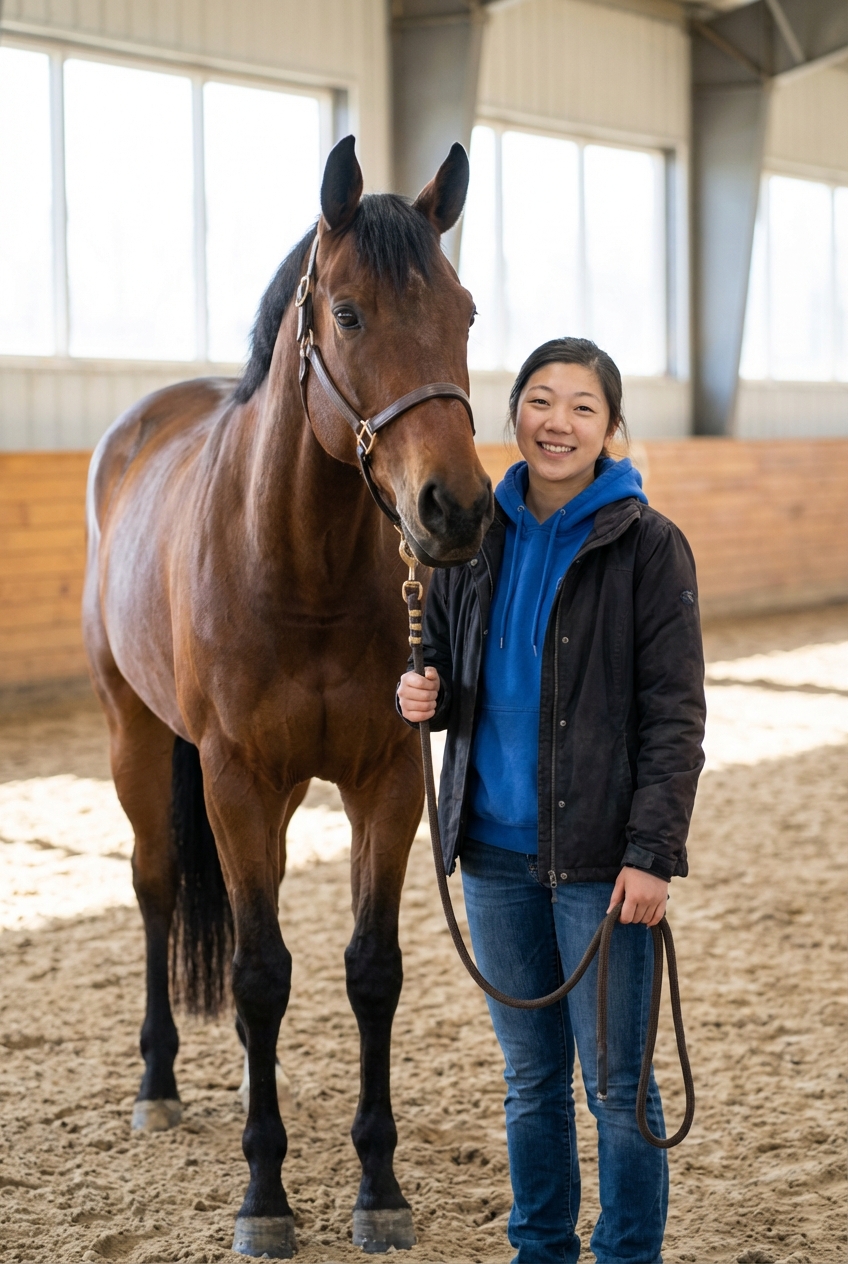
Red flag: If training suddenly falls apart, look for pain first. Soreness, saddle fit issues, dental problems, ulcers, and hoof discomfort can all show up as “behavior.”
Warm-up and cool-down
Just like people, horses benefit from a gradual warm-up to prepare joints, muscles, and the cardiovascular system.
A simple template
- Warm-up: 10 minutes of forward walking, then easy trot transitions before more intense work.
- Cool-down: return to a marching walk until respiration is close to baseline and the horse is no longer breathing hard or sweating excessively.
Clever tip: Add gentle bending at the walk early on. It helps loosen the body without stressing tissues.
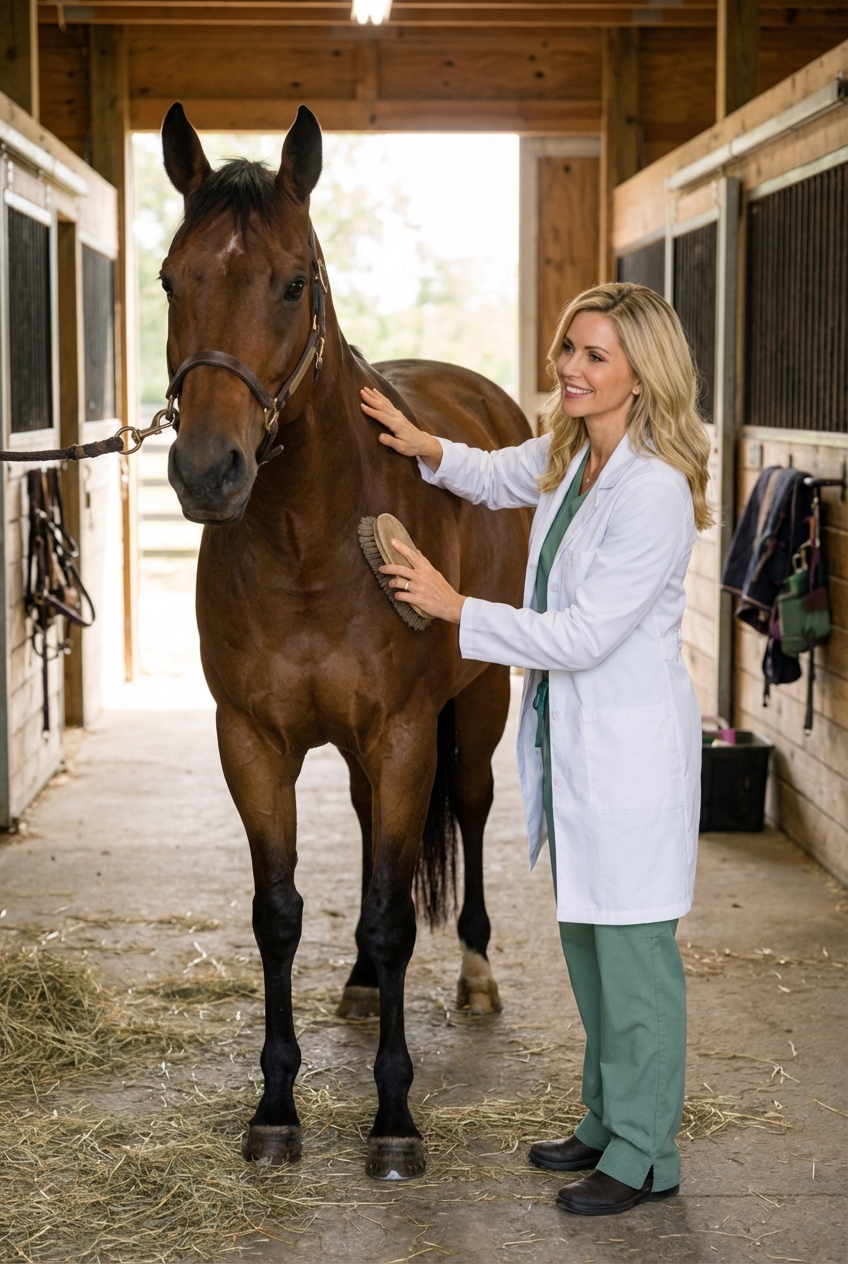
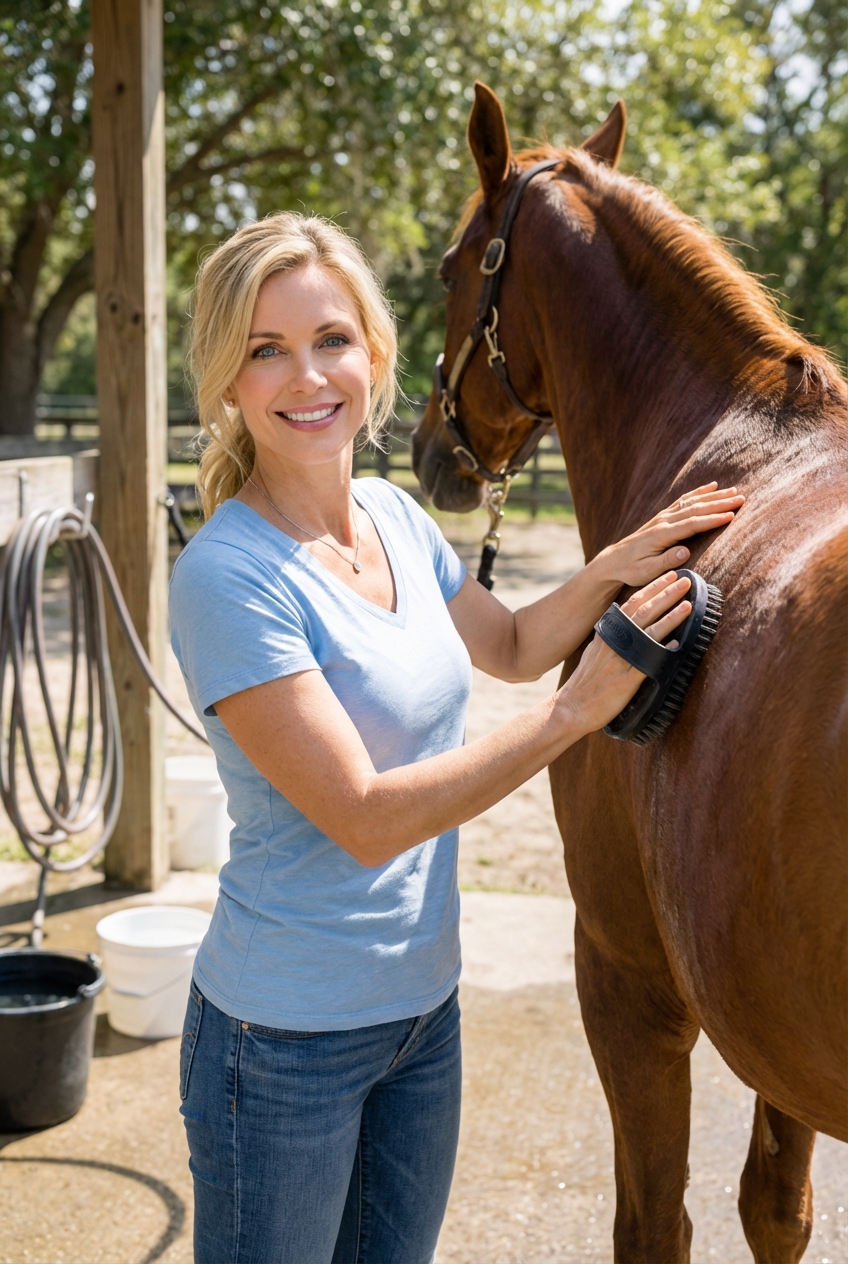
Grooming is health care
Grooming is not only about shine. It is one of the easiest ways to catch skin infections, saddle rubs, ticks, rain rot, and early swelling.
- Check under tack areas every ride, especially behind the elbow and under the girth.
- Clean brushes regularly to reduce spread of fungus and bacteria between horses.
- Protect the skin barrier by avoiding harsh soaps unless you truly need them.
Preventive care basics
Daily habits matter, but long-term health also depends on routine preventive care. Your vet can tailor timing to your region and your horse’s lifestyle.
- Vaccines: review your risk-based plan yearly. Many horses need core vaccines and additional vaccines depending on travel and exposure.
- Parasite control: use fecal egg counts and strategic deworming instead of guessing. This helps slow resistance and keeps programs effective.
- Dental care: schedule regular dental exams, often yearly. Dental pain can show up as weight loss, head tossing, fussiness in the bridle, or slow eating.
Clever tip: Put farrier, vaccine, dental, and fecal reminders on your calendar so prevention does not become an emergency.
Turnout and routine
Many behavior and soundness issues improve when horses get consistent turnout, appropriate social contact, and a predictable schedule. Even small upgrades, like more time moving freely or slow feeding hay, can support gut health and a calmer brain.
Make the barn safer
Many horse injuries happen during ordinary moments: tying, leading, feeding, and turnout transitions.
- Lead with a purpose: horse at your shoulder, not dragging behind or crowding ahead.
- Practice polite doorways: pause, breathe, then walk through. This reduces barging.
- Check tack fit often: weight change, coat change, and muscle development alter fit. Periodic professional saddle fit checks can be worth it, especially if your horse’s body is changing with training.
- Turnout consistency: predictable turnout and feeding schedules can reduce anxious behaviors.
Emergency readiness: Keep your vet’s number visible, know the trailer plan, and have a basic first-aid kit stocked with clean bandage material and a thermometer.
Call the vet sooner
Veterinary teams often tell owners: it is never “too small” to ask, especially if you are seeing a change from normal.
- Colic signs: pawing, rolling, looking at the flank, lack of manure, refusal to eat.
- Any breathing trouble: flared nostrils, heaving, persistent cough, abnormal noise.
- Eye problems: squinting, cloudiness, excessive tearing.
- Non-weight-bearing lameness or sudden severe swelling.
- Fever or a horse that seems unusually dull.
Trust your gut. If your horse looks “off,” take it seriously and document what you are seeing. A short video can be incredibly helpful for your vet.