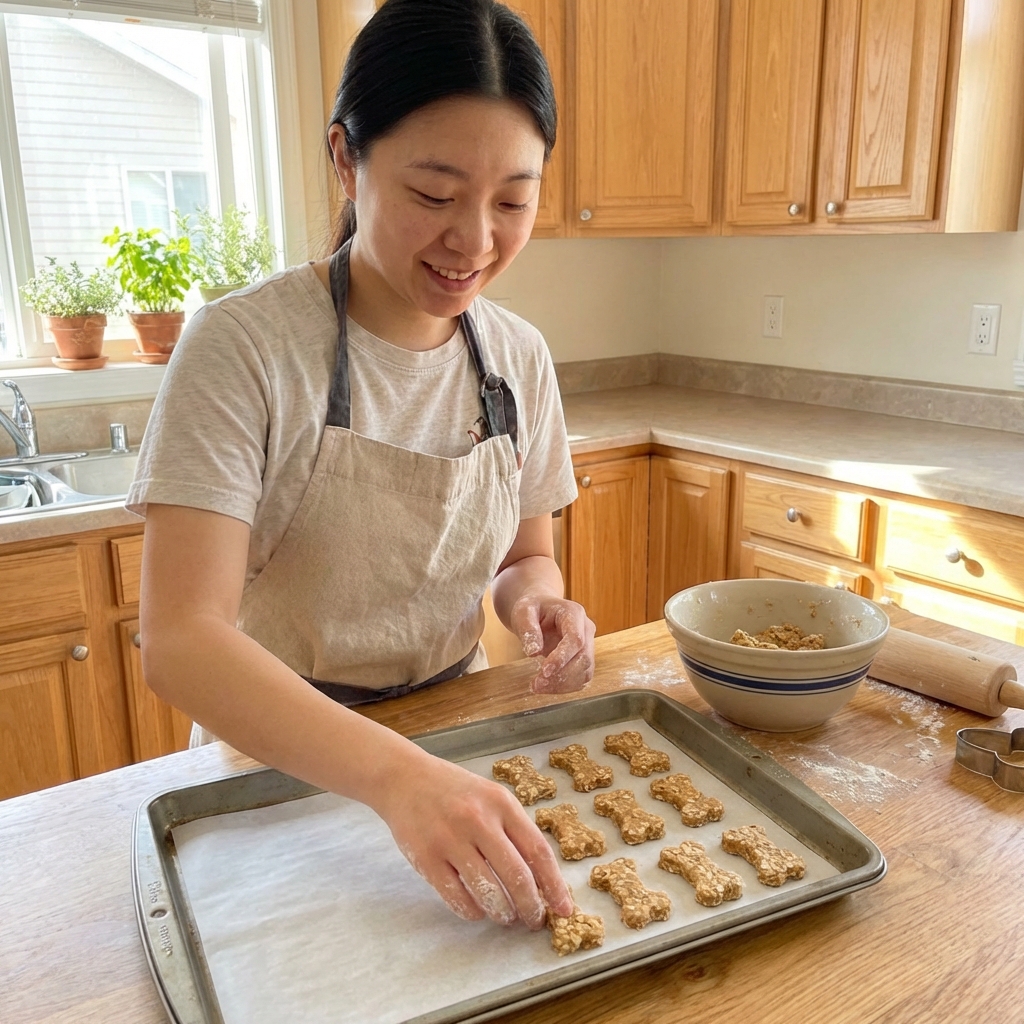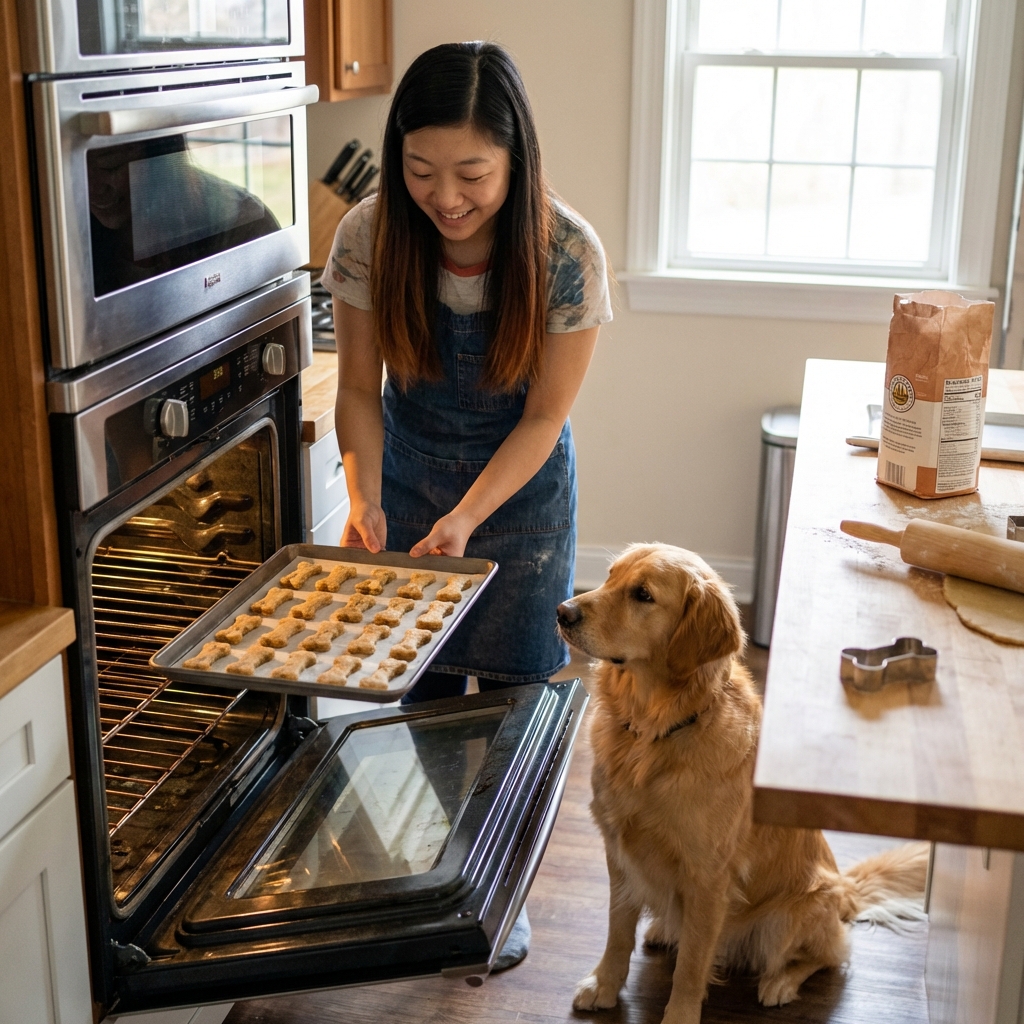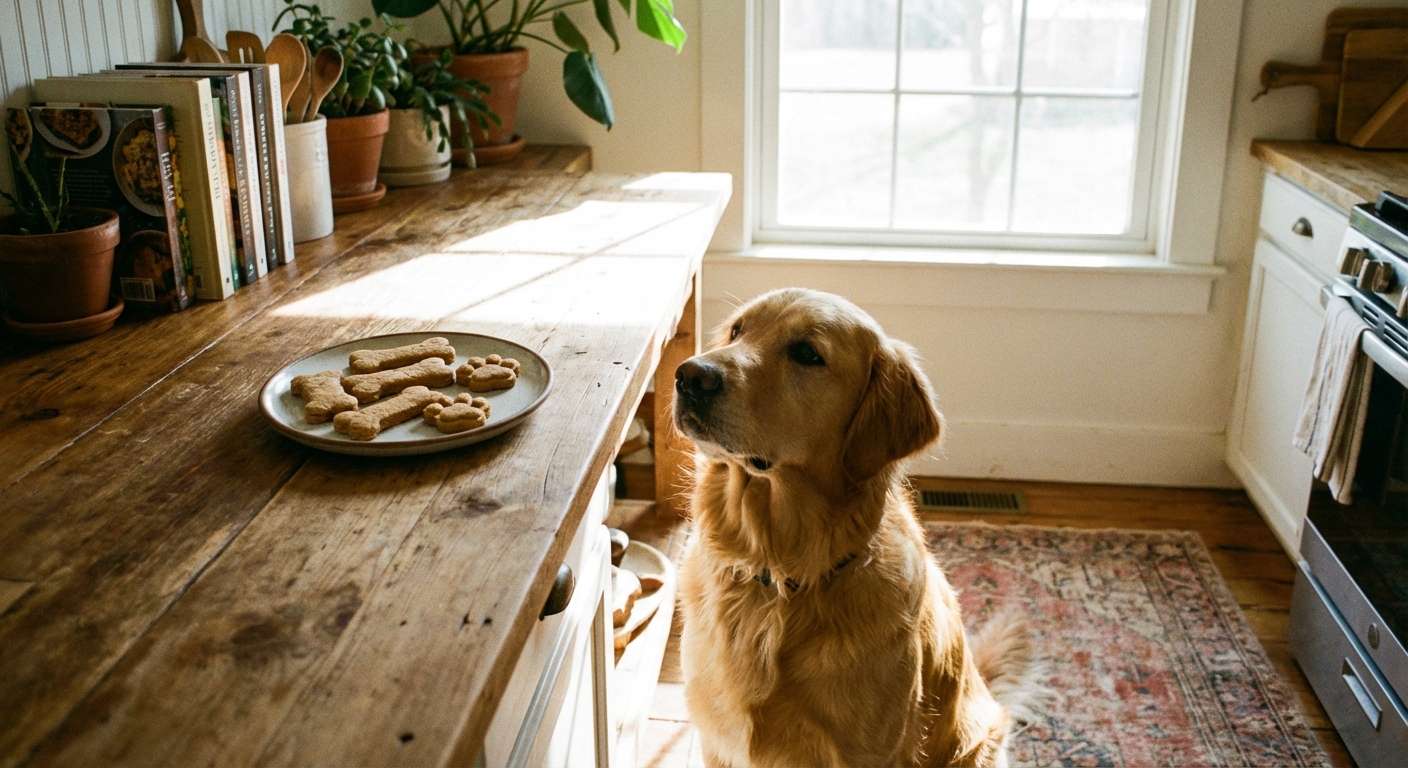
Skip pricey processed treats with 5 easy homemade dog treat ideas—from frozen pumpkin yogurt bites to sweet potato chews. Includes vet safety tips, portion...
Article
•
Designer Mixes
Clever Pictures of King Charles Spaniels

Shari Shidate
Designer Mixes contributor
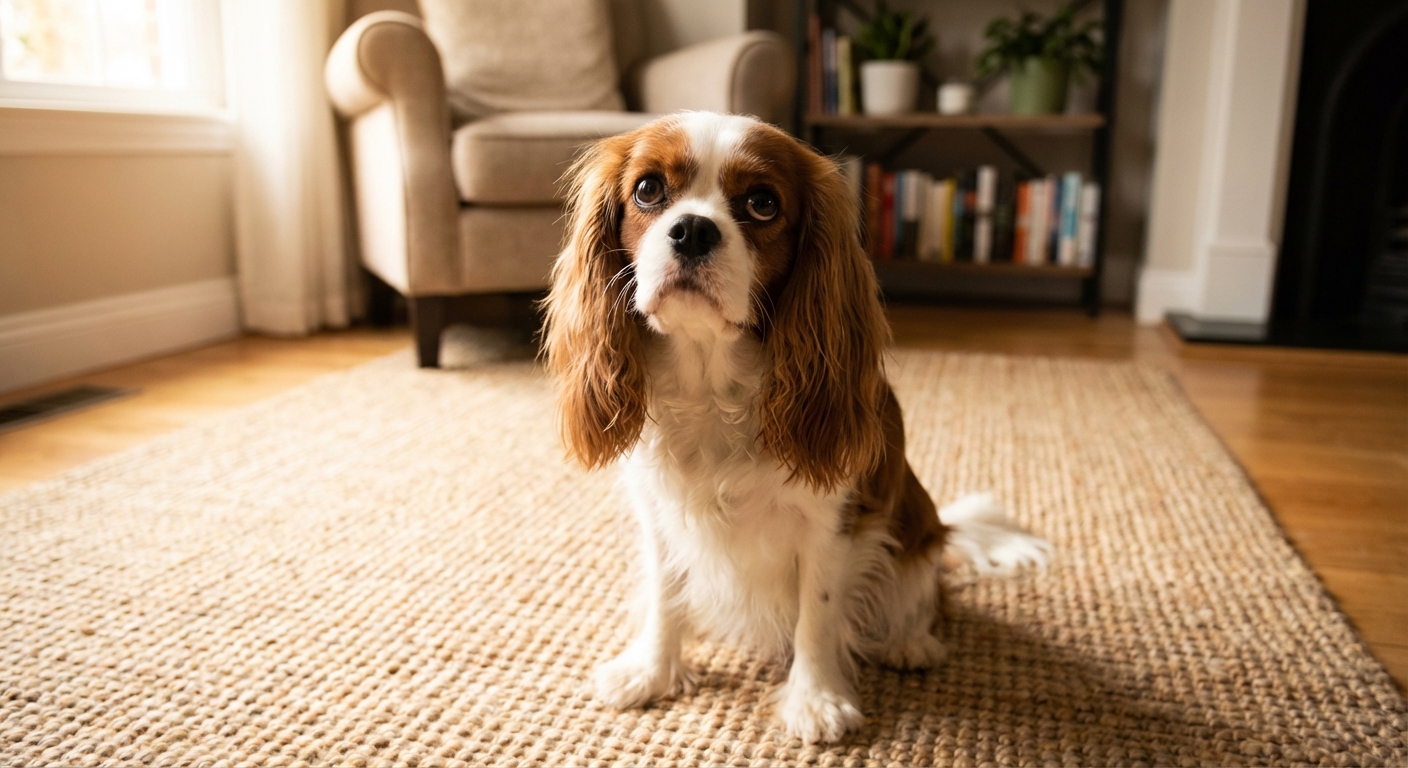
Spaniels in the King Charles family, specifically the Cavalier King Charles Spaniel (often called a “Cavalier”), have a hard-to-beat combo: soulful eyes, an expressive brow, and a knack for looking like they understand every word you say. That is why “clever pictures” of these pups are not just cute; they are memorable. The right photo can capture personality, help kids practice gentle observation and basic dog body language, and even help families choose a breed that fits their lifestyle.
Below you will find age-friendly ideas for taking and enjoying clever Cavalier photos, plus gentle, welfare-focused tips to keep your dog comfortable while you do it.
What makes a picture “clever”
A clever photo usually has one clear idea: a funny expression, a tiny story, or a surprising moment that looks intentional. With Cavaliers, cleverness often comes from their natural traits rather than props or heavy staging.
- Facial expression: Their round eyes and soft features read clearly on camera.
- Body language: Head tilts, paw lifts, and “polite sit” poses look like they are thinking.
- Human-like moments: Resting the chin on the couch, peeking around a corner, or patiently waiting by a treat jar.
- Color and texture: Their silky coat and feathered ears photograph beautifully in natural light.
Clever picture ideas for all ages
These ideas are designed so kids, teens, and adults can participate. The best rule is simple: keep sessions short and positive so your dog stays relaxed.
For kids
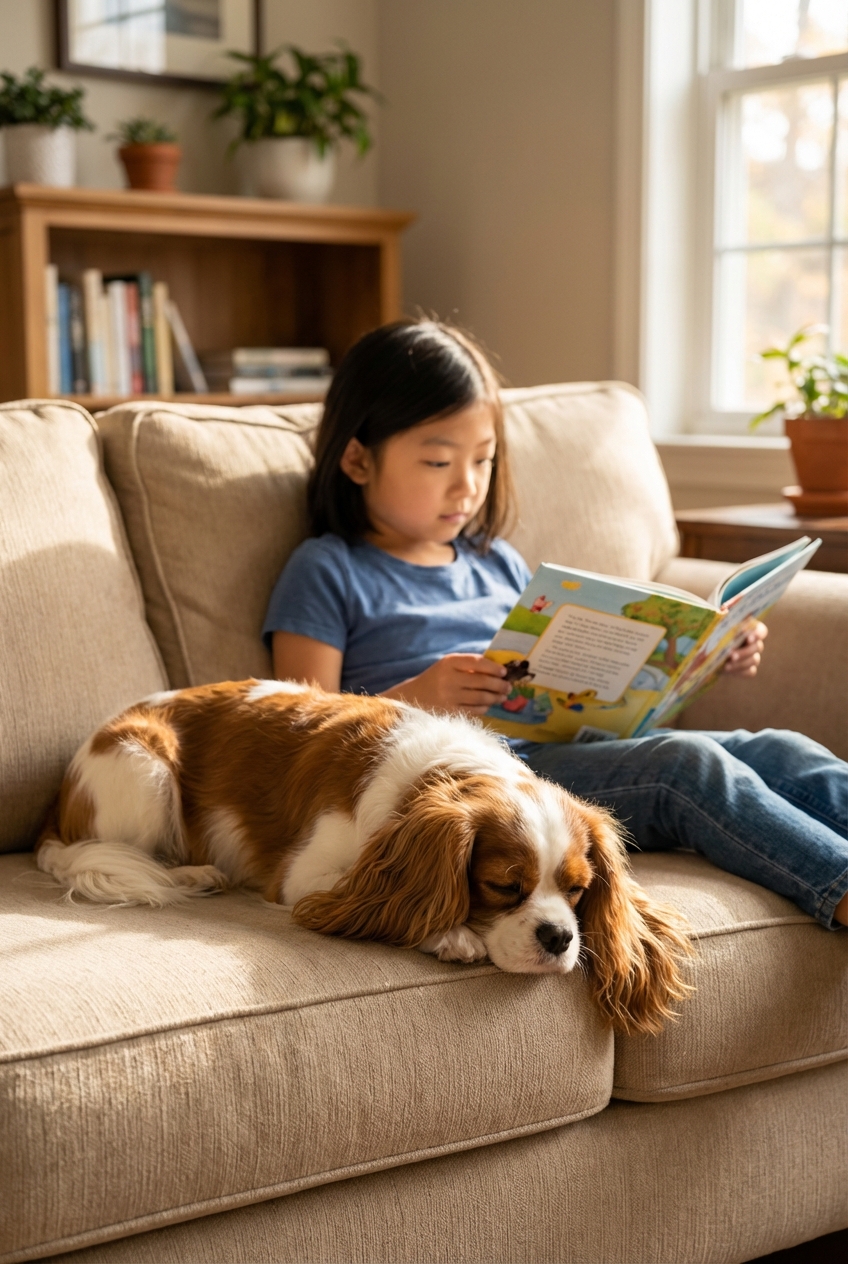
- The “book buddy” shot: A child reading on the couch while the Cavalier leans in nearby. This creates a sweet, storybook feeling.
- Bubble watch: Blow a few bubbles outdoors and capture the dog’s curious gaze. Choose a product labeled non-toxic for pets or children, keep distance, and do not encourage bubble-eating.
- Treasure hunt: Photograph your Cavalier sniffing a treat hidden under a cup. It highlights natural scenting behavior.
For teens
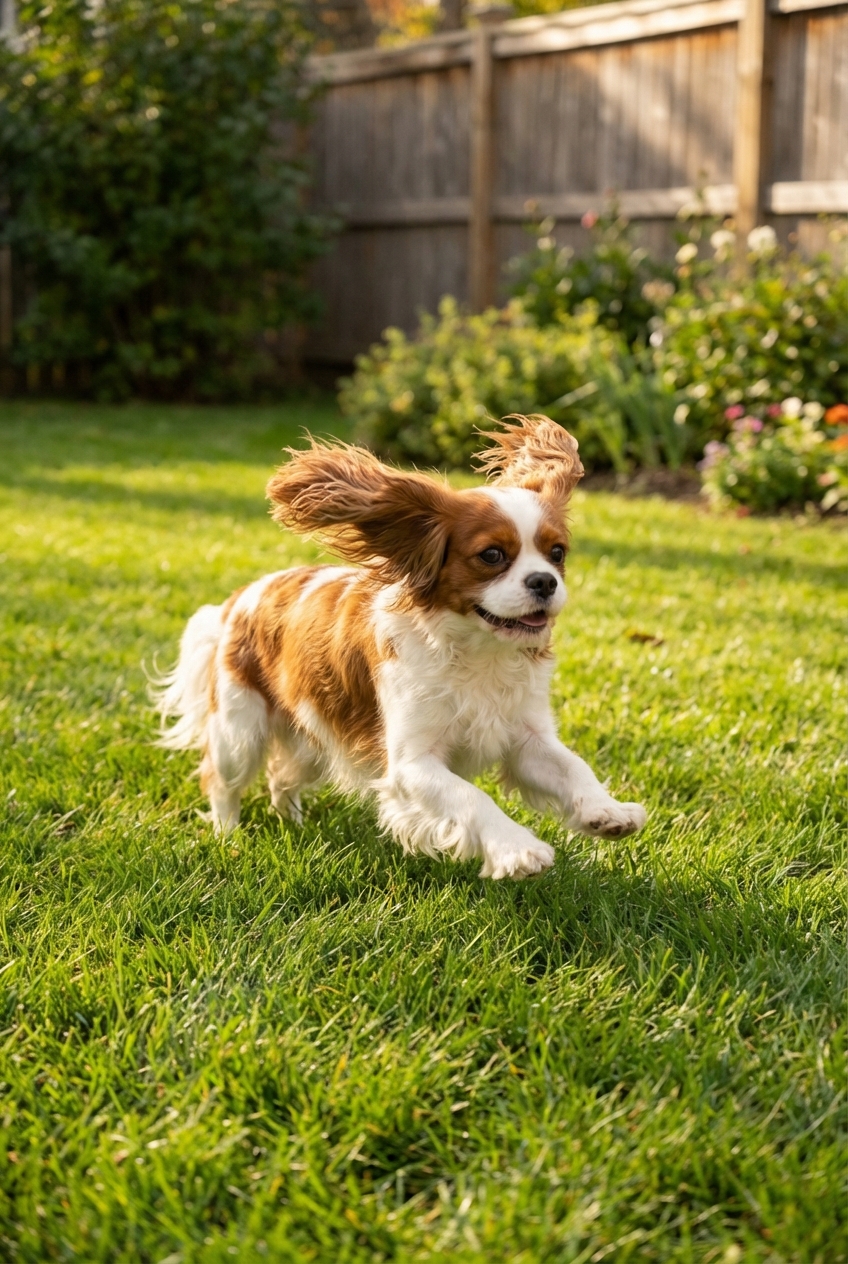
- Action freeze: Capture a mid-run moment in the yard using burst mode. Spaniels can look hilarious and heroic at the same time. Keep it cool on warm days, offer water, and avoid slippery floors.
- “Did you say walk?” reaction: Say a favorite word and photograph the instant perked expression.
- Best-friend portrait: A calm, natural portrait with the dog sitting next to the teen in soft shade.
For adults
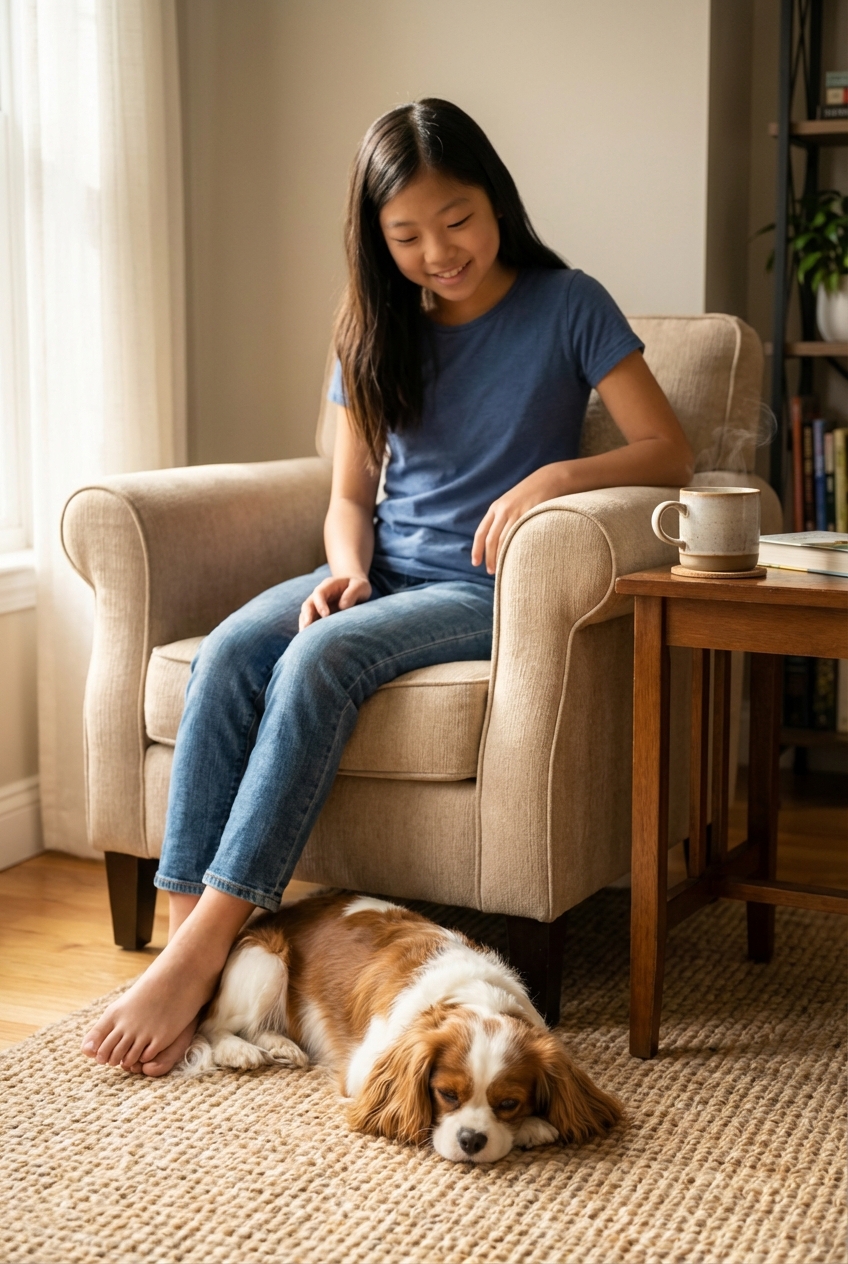
- The “tiny therapist” moment: Your Cavalier curled at your feet during coffee or journaling. This is real life and very relatable.
- Chef’s assistant: A photo of the dog sitting politely in the kitchen doorway. Avoid placing the dog near hot surfaces.
- Holiday simplicity: Use a plain blanket and a single seasonal item off to the side, not on the dog. The expression is the star.
Stress-free photo tips
As a veterinary assistant, I always look at photoshoots through a welfare lens. A relaxed dog photographs better, and you build trust instead of frustration.
Keep sessions short
Try 2 to 5 minutes at a time, then give your dog a break. Many dogs do best with a few micro-sessions throughout the day rather than one long session.
Use natural light
Soft window light or outdoor shade helps you avoid harsh shadows and reduces the need for flash. Flash can startle some dogs, especially in dim rooms.
Reward calm behavior
Use tiny treats, praise, or a favorite toy. If your dog turns away, licks lips, yawns repeatedly, or seems restless, pause. Those can be signs of stress or discomfort, and many trainers recommend treating them as a cue to slow down and give space.
Choose safe spaces outdoors
If you are shooting outside, use a securely fenced area or keep your dog on a leash for safety. Avoid hot pavement and take breaks in the shade on warm days.
Avoid risky props
- No tight hats, glasses, or anything that presses on eyes or ears.
- No candles, hot drinks, or open flames near a curious dog.
- No foods that are unsafe for dogs. Common hazards include grapes and raisins, chocolate, onions, and xylitol-sweetened items.
Helpful camera settings
You do not need fancy gear. A phone camera works beautifully with a few small tweaks.
- Use burst mode: Perfect for capturing ear flops and head tilts.
- Focus on the eyes: Tap the eye area on your screen to set focus and exposure.
- Get low: Shoot at your dog’s eye level for more connection.
- Try portrait mode carefully: It can blur backgrounds nicely, but keep edges clean around feathered ears.
- Use treats as a “lens helper”: Hold the treat near the camera, then reward after the shot so your dog does not lunge at the phone.
Themes that fit the breed
These dogs are affectionate and people-focused. Themes that highlight companionship tend to look the most authentic.
- Cozy companion: Blankets, calm rooms, soft light.
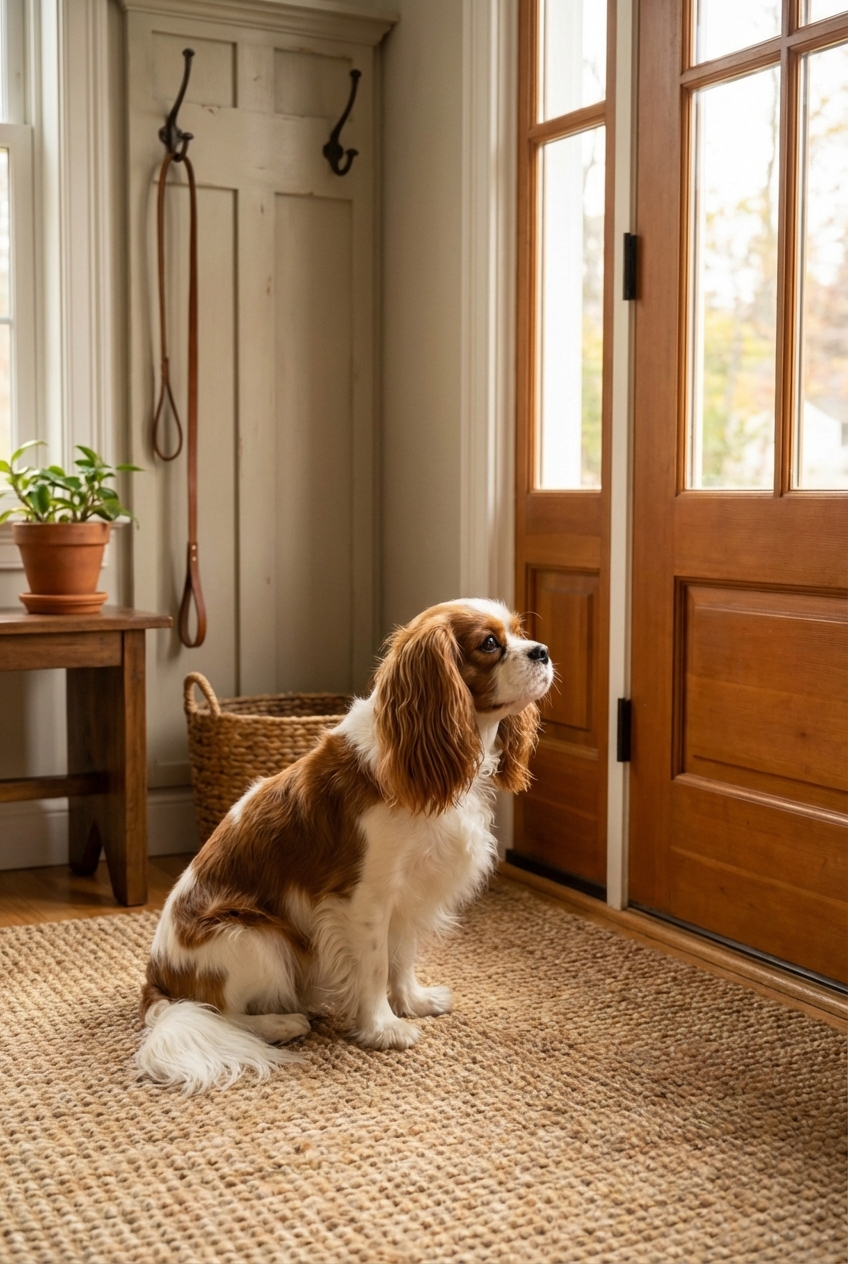
- Polite greeter: Sitting by the door as if “on duty.”
- Window watcher: Looking out the window at birds or neighbors.
- Gentle play: A favorite plush toy, a slow game of tug, or a happy trot.
If your dog dislikes photos
Some dogs love the attention, and some get overwhelmed. If your pup is wiggly or shy, you can still get clever pictures.
- Photograph the in-between moments: Sniffs, stretches, and little glances are often the cutest.
- Use a helper: One person engages gently, one person shoots.
- Choose calm times: After a walk or a meal, many dogs are more settled.
- Try a lick mat off camera: This can keep a dog calmly in one place for a short time.
If your dog shows persistent fear or stress around handling, props, or cameras, it is worth asking your veterinarian or a qualified trainer for guidance. Comfortable photos are always better than forced ones.
Quick photo checklist
- One simple idea (expression, story, or moment)
- Soft light, minimal clutter
- Eye-level angle
- Short session with rewards
- Safety first, no risky props or unsafe foods
When you keep it simple and kind, Cavaliers practically do the rest for you. Their faces tell stories, and that is what makes these pictures feel so clever in the first place.