Worried about a vomiting dog? Learn when vomiting is an emergency, how to offer small sips safely, and the best bland foods (chicken/rice, turkey, pumpkin, e...
Article
•
Designer Mixes
Clever Dog Throwing Up Explained

Shari Shidate
Designer Mixes contributor
If your clever dog is throwing up, you are not alone. I see this worry all the time as a veterinary assistant here in Frisco, Texas. The good news is that many causes are minor and fixable. The important part is knowing when to watch and wait, when to change a few things at home, and when vomiting is a true emergency.
First, what counts as vomiting?
People often use “throwing up” for a few different things, and the distinction matters.
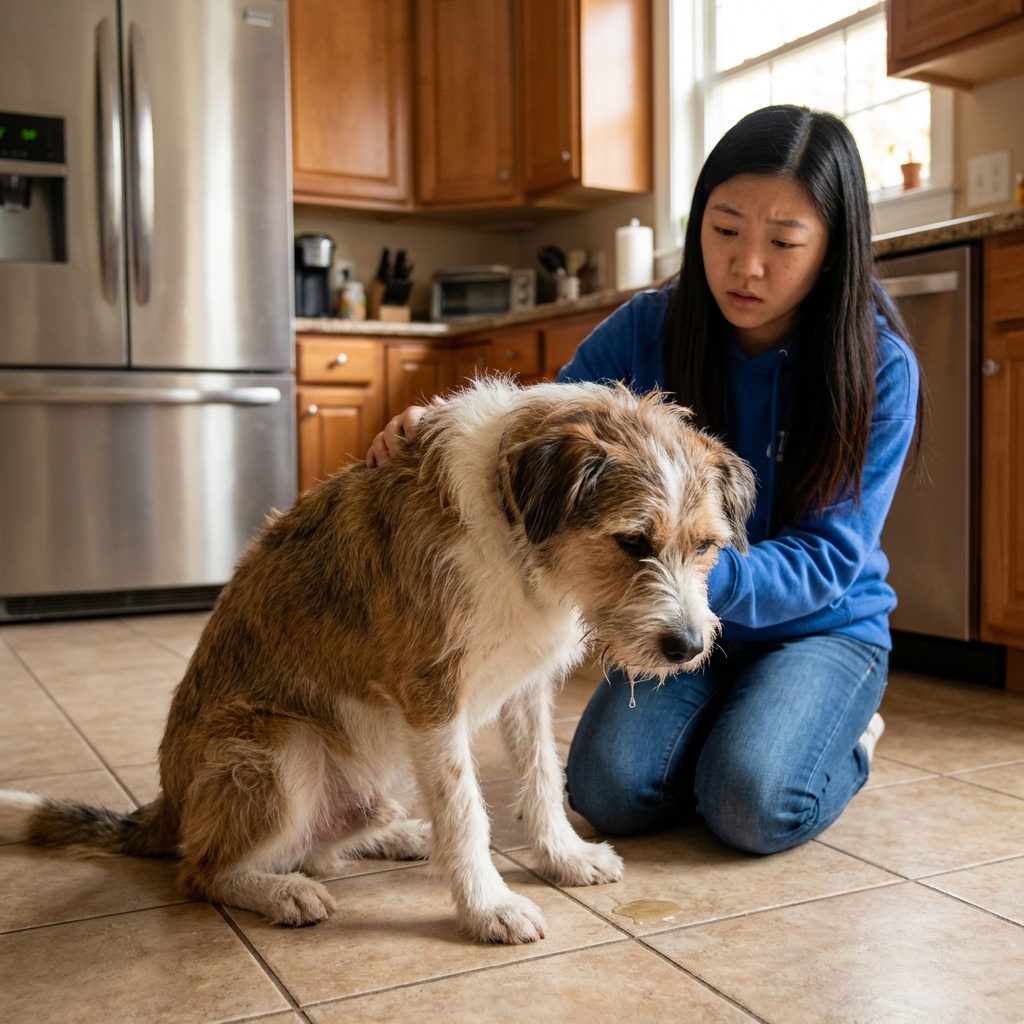
- Vomiting: Active effort. You may see belly heaving, drooling, licking lips, and then food or fluid comes up.
- Regurgitation: More passive. Food seems to “fall out” shortly after eating, often in a tube shape. This can point to esophagus issues and deserves a vet call.
- Hacking or coughing up foam: Sometimes confused with vomiting, especially with kennel cough or airway irritation.
If you are unsure, a quick phone video can be incredibly helpful for your veterinary team.
Common reasons a clever dog vomits
Curious, high-energy dogs tend to get into things. Most cases fall into a few common buckets.
1) Eating too fast or too much
Fast eaters can overfill the stomach, swallow air, and vomit soon after meals. This is especially common in multi-dog homes or with food-motivated pups.
2) Dietary indiscretion (aka “I found something!”)
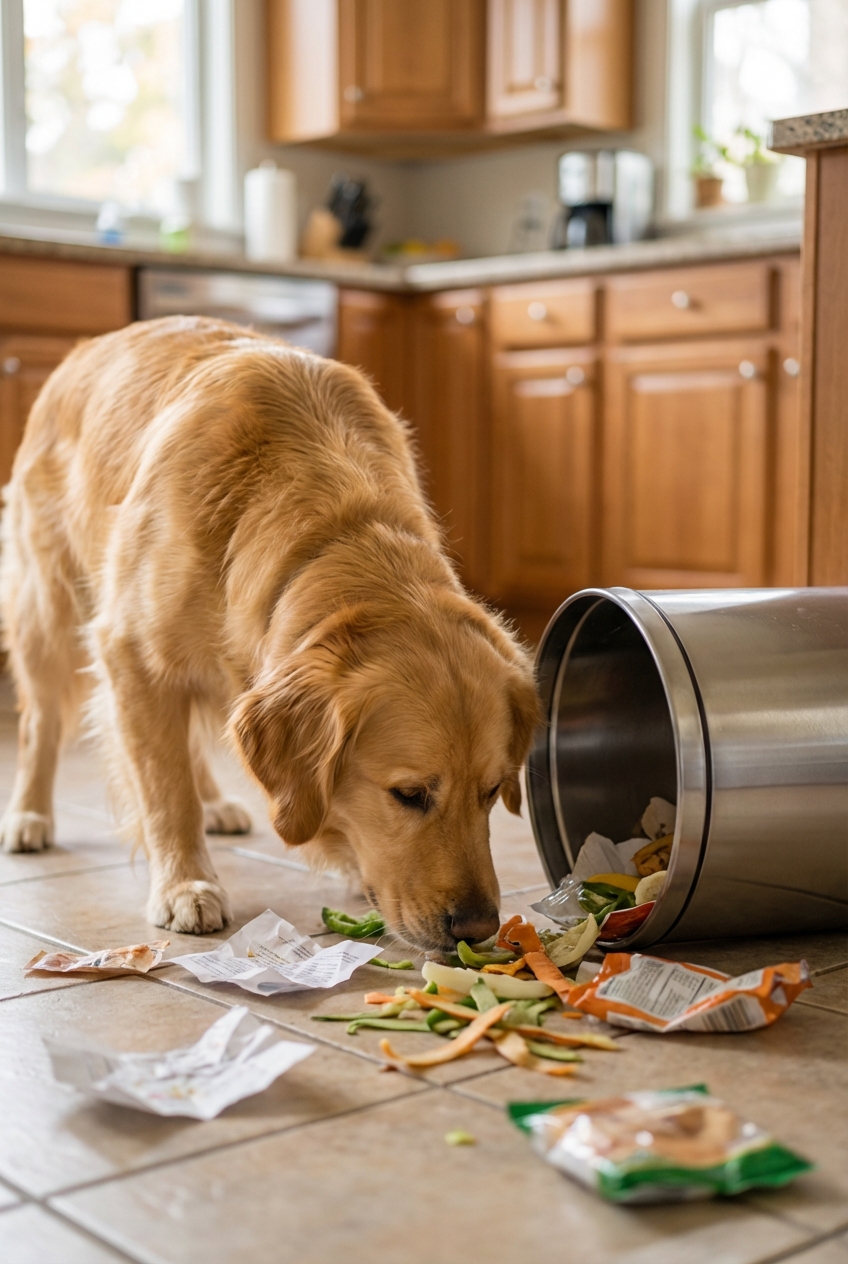
Trash, table scraps, spoiled food, cat litter, chews, sticks, socks, and toys can all irritate the stomach or create a blockage.
3) Sudden diet change
Switching foods too quickly, adding rich treats, or trying a new chew can trigger gastritis. Even “healthy” changes need a slow transition.
4) Motion sickness or anxiety
Car rides, stressful events, boarding, or schedule changes can lead to nausea and vomiting.
5) Parasites or infections
Intestinal parasites, viral and bacterial infections, and ingestion of contaminated water can all cause vomiting, sometimes with diarrhea.
6) Pancreatitis
Often linked to fatty meals, pancreatitis can cause repeated vomiting, belly pain, and lethargy. This is a common reason dogs need supportive care quickly. If your dog has had pancreatitis before, call your vet before trying home diet changes.
7) Food sensitivity or allergy
Some dogs develop chronic, intermittent vomiting due to a sensitivity to an ingredient (often paired with itching, ear infections, or soft stool).
8) Foreign body obstruction
This is the big one we never want to miss. If something is stuck, vomiting can become frequent and your dog may not keep water down.
What the vomit can tell you
It is not glamorous, but details help. If you can, note the timing, color, and contents.
- Undigested food right after eating: fast eating, regurgitation, or eating too much.
- Yellow foam or bile: can happen with an empty stomach, reflux, or mild gastritis. It can also show up with many other causes, so patterns matter. If it is frequent, worsening, or paired with poor appetite, it needs a vet conversation.
- White foam: can occur with nausea, reflux, repeated retching on an empty stomach, or coughing. Watch for respiratory signs like honking cough, noisy breathing, or exercise intolerance.
- Dark “coffee grounds” or black/tarry stool: can suggest digested blood. This is urgent.
- Bright red blood: may be irritation, but can also be more serious. Call your vet the same day.
- Fecal smell or material: can be associated with severe GI obstruction, ileus, or other serious GI disease. Treat as an emergency.
When vomiting is an emergency
These signs can suggest dehydration, obstruction, bloat (GDV), bleeding, or toxin exposure. Please seek urgent veterinary care (ER or your vet) if you notice any of these:
- Repeated vomiting (for example, more than 2 to 3 episodes in 24 hours) or cannot keep water down
- Swollen, hard, or painful abdomen
- Retching with little or nothing coming up, especially in large, deep-chested dogs (concern for bloat)
- Extreme lethargy, collapse, pale gums, or weakness
- Blood in vomit or stool, or black/tarry stool
- Possible toxin exposure (xylitol, grapes/raisins, chocolate, medications, rodent bait, marijuana products)
- Suspected foreign body (missing sock, toy pieces, corn cob, etc.)
- Puppy, senior dog, pregnant dog, or any dog with chronic illness (diabetes, kidney disease, Addison’s, liver disease, etc.)
- Vomiting plus severe diarrhea, fever, or dehydration
Quick dehydration check: gums should be slick and moist, not tacky. If you gently lift skin over the shoulder blades, it should spring back quickly.
What you can do at home for mild vomiting
If your dog vomited once, seems otherwise bright, and there are no red flags above, these gentle steps are commonly recommended. When in doubt, call your vet first, especially for small dogs and puppies.
Step 1: Pause food briefly
For a healthy adult dog with mild vomiting, many veterinarians suggest pausing food for about 6 to 12 hours, then restarting with a bland diet if vomiting has stopped. Do not fast puppies, toy breeds, or dogs with medical conditions without veterinary guidance.
Step 2: Offer small amounts of water
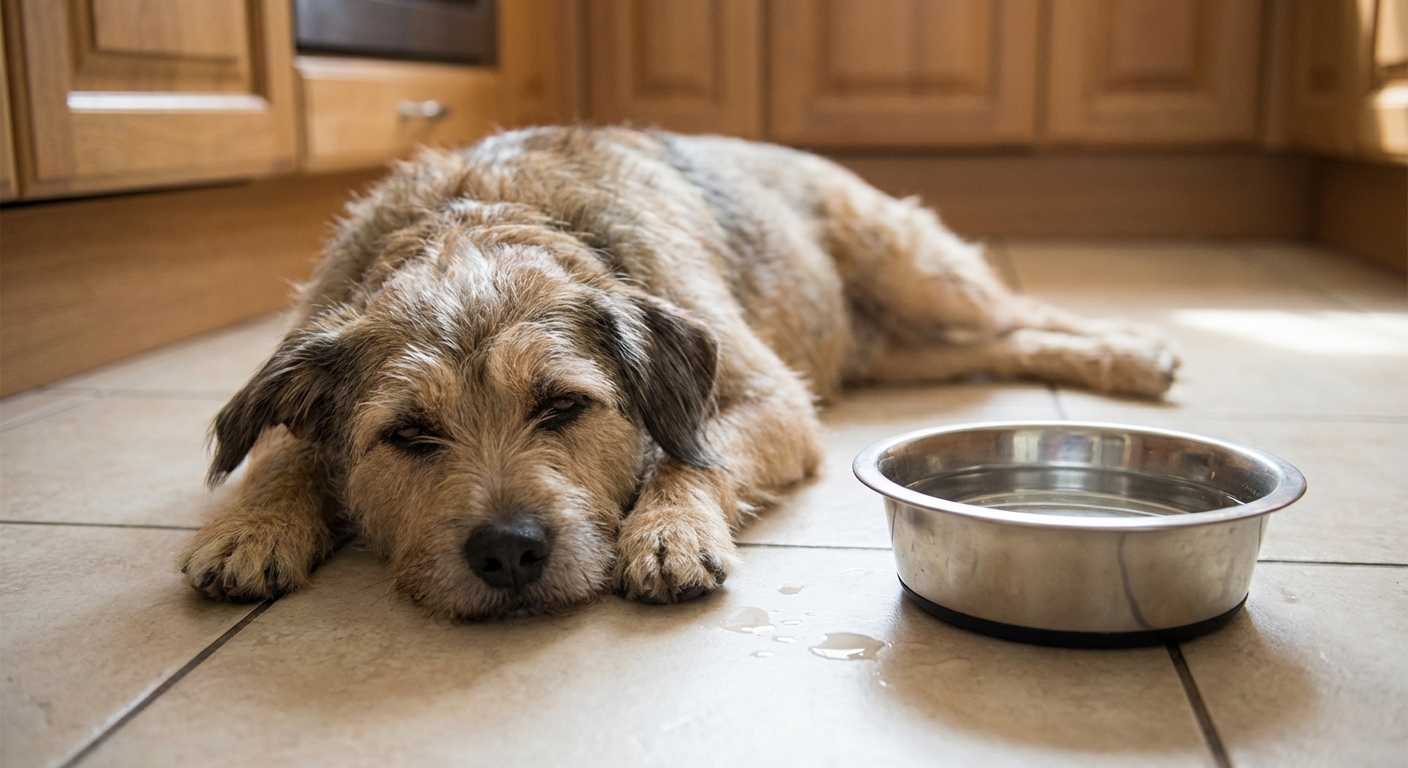
Give frequent, small sips. If your dog gulps and vomits again, remove the bowl and offer teaspoons to tablespoons every 10 to 15 minutes, depending on size.
Step 3: Start a bland diet
Once vomiting has stopped and water stays down, offer small meals of a bland diet for 24 to 48 hours. Common vet-approved options include:
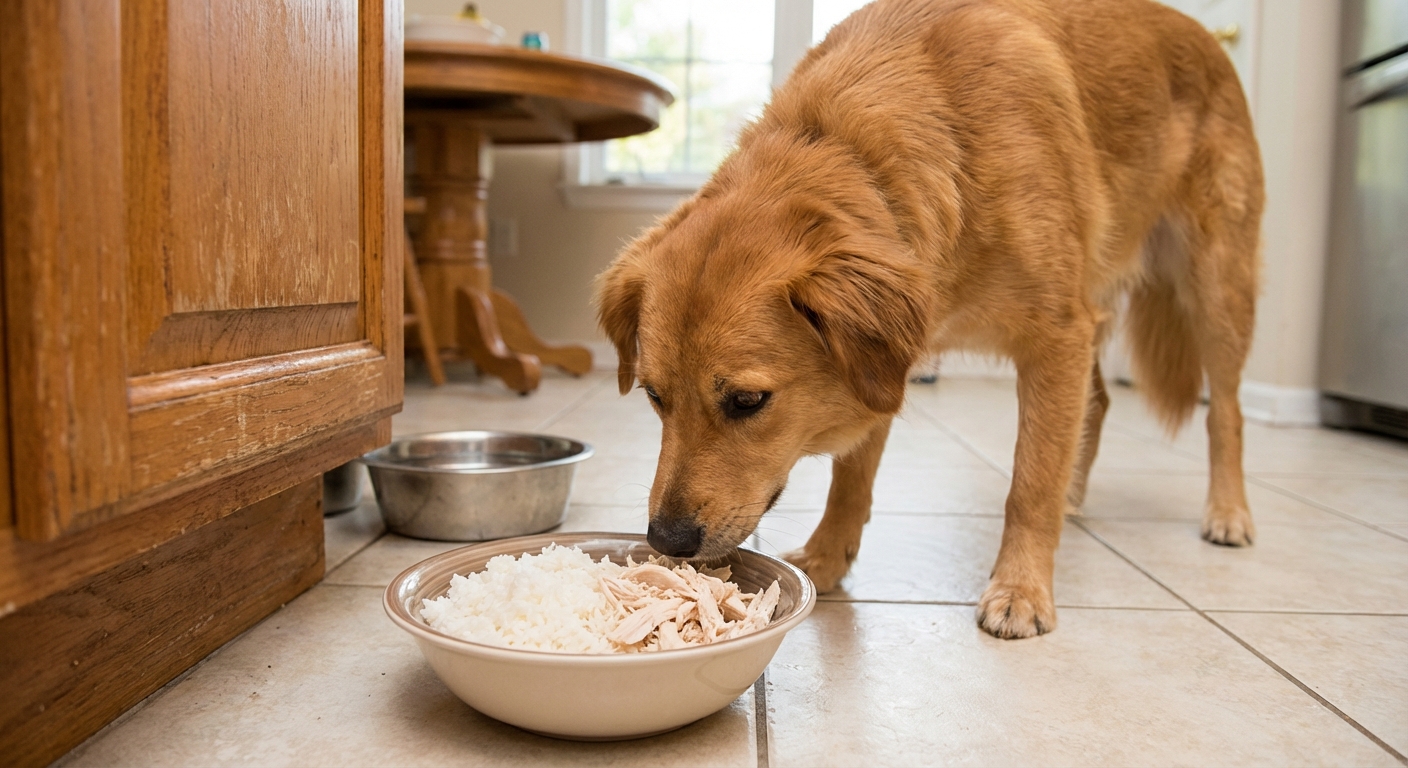
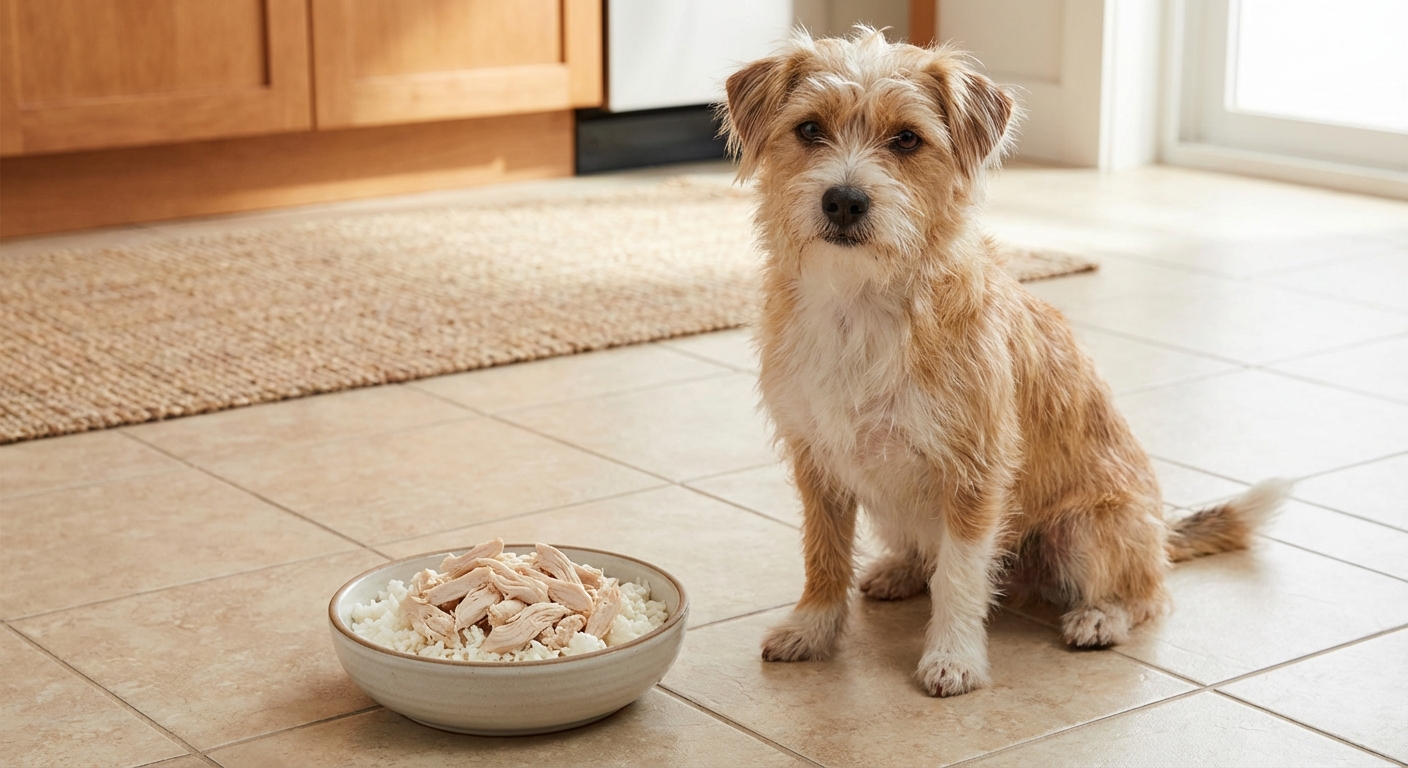
- Boiled, skinless chicken breast with white rice
- Lean ground turkey with white rice
- Plain egg whites (or a small amount of egg) with rice, cooked with no butter or oil
Feed small portions, like 4 to 6 mini-meals a day, then slowly transition back to normal food over 3 to 7 days.
Step 4: Keep things calm
Skip intense play for a day. A nauseated stomach does not love zoomies.

What not to do
- Do not give human medications like ibuprofen or naproxen. Also avoid Pepto-Bismol (bismuth subsalicylate) unless your veterinarian specifically instructs you, since dosing is not one-size-fits-all and it may be unsafe with certain conditions or medications.
- Do not push large meals “to settle the stomach.” This often backfires.
- Do not ignore ongoing vomiting. If vomiting continues longer than 12 to 24 hours, or sooner if your dog is small or unwell, call your vet.
Why some clever dogs need prevention
Many mixes are athletic, curious, and mouthy. That combo can increase vomiting risk from swallowing non-food items, raiding trash, or inhaling meals.
- Use slow feeders or puzzle bowls for speed eaters.
- Pick up tempting hazards like socks, kids’ toys, hair ties, and chew fragments.
- Trash-proof your home with latching lids.
- Keep chews size-appropriate and retire them when they get small enough to swallow.
If vomiting keeps happening
If vomiting is recurrent (on and off for weeks) or your dog is vomiting regularly even if they seem fine otherwise, schedule a veterinary visit. Chronic vomiting can be linked to food intolerance, GI inflammation, parasites, ulcers, endocrine disease, and other medical issues that need a real workup.
What your vet may recommend
If vomiting is persistent, your veterinarian may suggest diagnostics and supportive care based on your dog’s history and exam.
- Fecal testing for parasites
- Bloodwork to check hydration, organ function, pancreatitis markers, and electrolytes
- X-rays or ultrasound for foreign bodies, obstruction, or inflammation
- Prescription anti-nausea medication and stomach protectants when appropriate
- Fluids if dehydrated
Bring details: when it started, how often, any diet changes, possible chewed items, and a photo of vomit if you can manage it safely. If you suspect toxins or infectious disease, avoid direct contact, keep kids and other pets away, and use gloves or a bag for cleanup.
Bottom line
One mild vomit episode with a bright, normal-acting dog is often manageable with rest, small amounts of water, and a short bland diet. But repeated vomiting, signs of pain, blood, dehydration, toxin exposure, or any suspicion of a foreign object should be treated as urgent.
For advice specific to your dog and your situation, contact your regular veterinarian. If your dog looks very sick or you are seeing red-flag symptoms, go to an emergency clinic right away.