A practical 24–72 hour diet and hydration plan for mild dog diarrhea, with bland food options, safe add-ons like probiotics, foods to avoid, and clear red ...
Article
•
Designer Mixes
Clever Dog Loose Stool With Mucus

Shari Shidate
Designer Mixes contributor
If your clever pup suddenly has loose stool with mucus, it can feel alarming. I get it. In the clinic, we see this often, and most cases improve quickly once you address the cause and support the gut. The key is to know when it is a “watch and support” situation and when it is time to call your veterinarian right away.
Quick note: This article is educational and not a substitute for veterinary care. If your dog looks very sick, trust your instincts and call your vet or an emergency clinic.
What mucus in stool usually means
Mucus is a slippery coating the intestines make to protect themselves. A little can be normal, but visible mucus with loose stool often points to irritation in the large intestine, sometimes called colitis.
Large-bowel diarrhea commonly looks like frequent trips, urgency, straining, smaller amounts, and mucus (sometimes with a little bright red blood). Small-bowel diarrhea is more likely to be larger-volume stool and may come with weight loss or more obvious digestion issues if it persists.
What you might notice at home
- Frequent urges to poop, sometimes with small amounts
- Straining, but the stool is soft or watery
- Jelly-like mucus on or around the stool
- Occasional small streaks of bright red blood (from an irritated lower colon)
- Normal appetite and energy in mild cases
Because mucus often involves the large bowel, your dog may need to go out more often, which can look like a sudden training regression even when they are trying their best.
Stool color guide: Small streaks of bright red blood can happen with colitis. Large amounts of blood, clots, or black, tarry stool are not typical and should be treated as urgent.
Common causes in active dogs
Many dogs are adventurous eaters and sensitive to sudden routine changes. Here are the most common triggers we see:
- Diet change or rich treats: New food, new chews, table scraps, fatty snacks, or “too many training treats.”
- Stress colitis: Boarding, travel, visitors, a new pet, storms, schedule changes, or even an intense training day.
- Parasites: Giardia, roundworms, whipworms, and others can cause mucus and loose stool.
- Bacterial infection, toxins, or dysbiosis: After scavenging or exposure to contaminated sources. Contagious causes are possible, especially in unvaccinated dogs or dogs with heavy exposure to other dogs.
- Food intolerance: Some dogs react to certain proteins, dairy, or high-fat ingredients.
- Antibiotics or medications: These can disrupt the gut microbiome and cause soft stools.
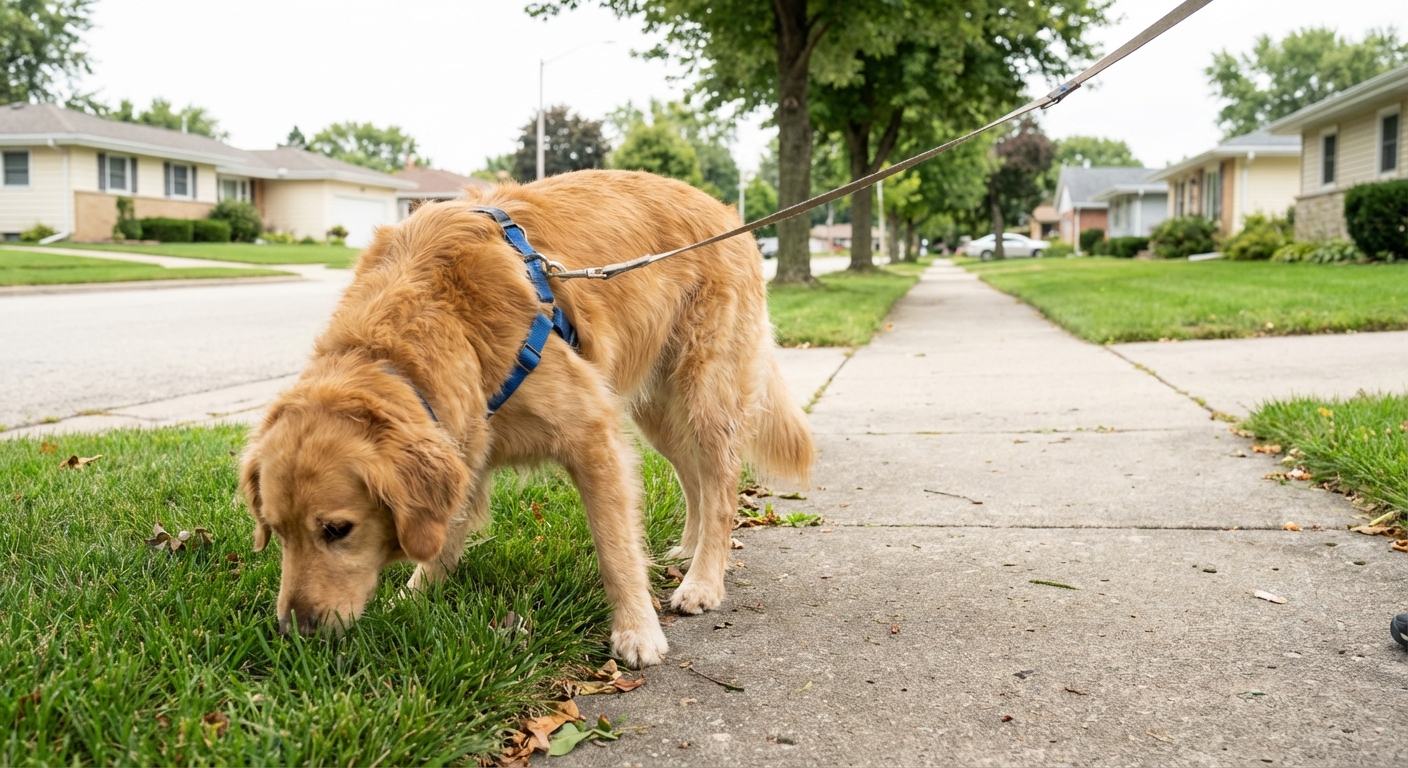
If your dog is a scavenger, even a single “found snack” outdoors can trigger an upset gut. Many mild episodes improve within about 24 to 72 hours, but some resolve sooner and some last longer.
When to call the vet now
Loose stool with mucus is often mild, but it can also be a sign of something more serious. Contact your veterinarian promptly if you notice any of the following:
- Puppy (especially under 6 months), senior, or immunocompromised dog
- Repeated vomiting or unable to keep water down
- Large amounts of blood, clots, or black, tarry stool
- Lethargy, weakness, fever, or obvious abdominal pain
- Signs of dehydration like tacky or dry gums, sunken eyes, decreased urination, marked lethargy, or skin tenting that stays up
- Diarrhea lasting more than 24 to 48 hours or worsening quickly
- Possible toxin exposure or foreign object chewing
- Unproductive retching, bloated belly, or severe pain (possible obstruction or bloat)
- Known conditions like pancreatitis, Addison’s disease, IBD, or a history of hemorrhagic diarrhea
Important: Sudden, profuse bloody diarrhea (sometimes called AHDS) can cause dehydration quickly and may be an emergency, even if your dog seemed fine earlier in the day.
If you are unsure, calling your vet for triage guidance is always a smart move. A simple stool test can save a lot of time and discomfort.
At-home care for mild cases
If your dog is bright, alert, drinking water, and only mildly affected, these steps often help. Choose the options that fit your dog’s age and health history.
1) Prioritize hydration
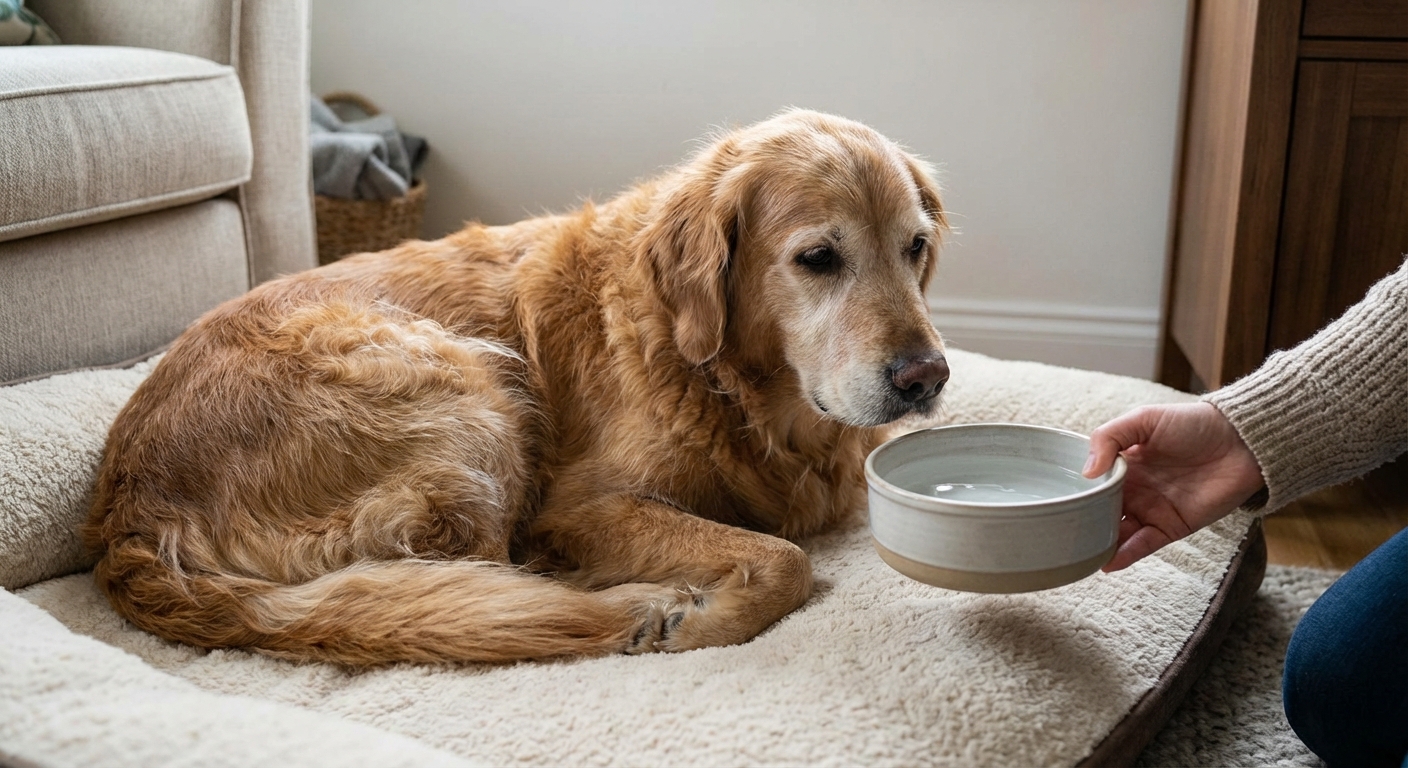
- Offer fresh water frequently.
- If your dog is willing, offer smaller amounts more often.
- Ask your vet about an appropriate oral electrolyte option if stools are very watery.
2) Keep food simple for a short time
For many adult dogs, a short bland diet helps calm the colon. Common vet-approved options include:
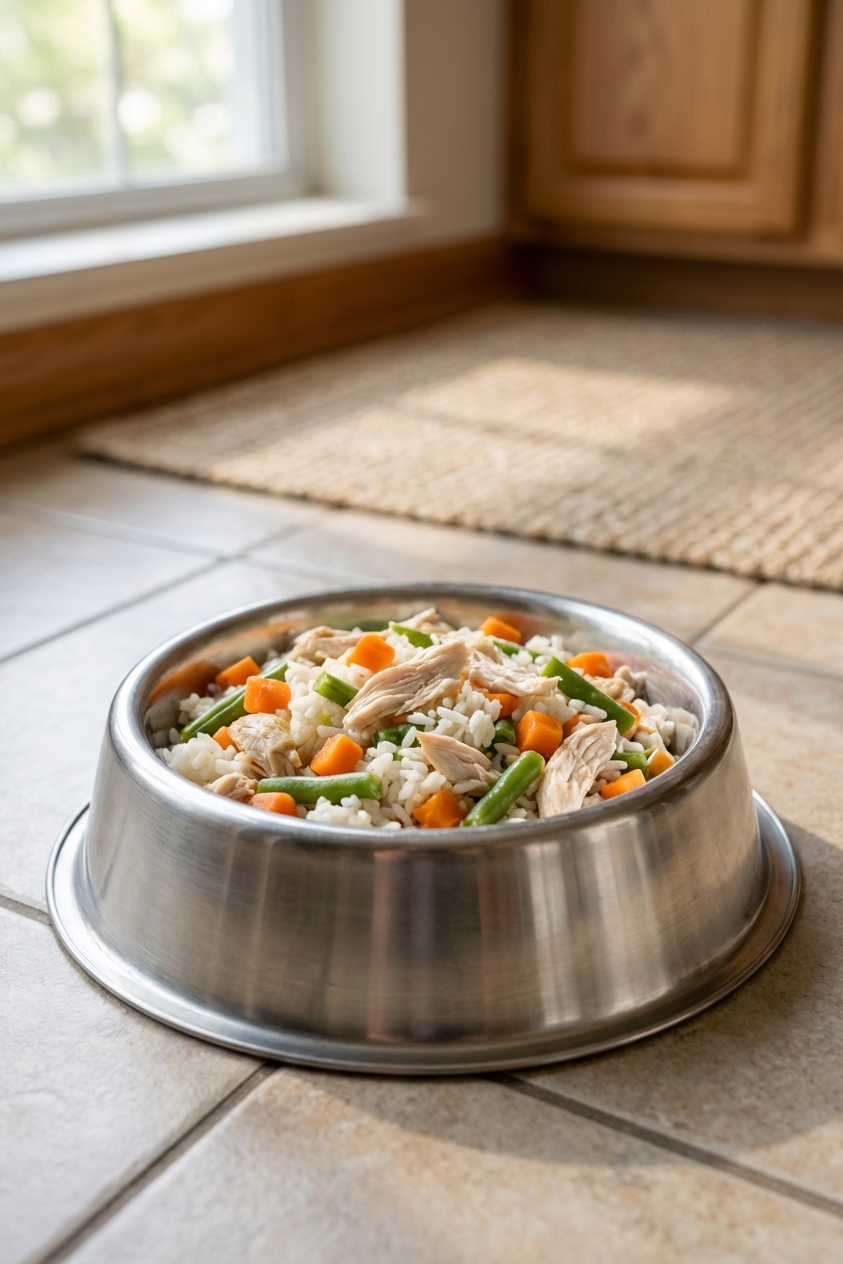
- Boiled chicken breast (no skin, no seasoning) plus plain white rice
- Lean turkey plus rice
- Plain pumpkin puree (not pie filling) in small amounts. It helps some dogs, but it can worsen diarrhea in others, so stop if stools get looser.
How much and how often: Offer small, frequent meals for 24 to 48 hours. If your dog vomits, refuses water, or seems worse, stop the home plan and call your vet. Once stools improve, transition back to regular food slowly over 3 to 5 days.
Fasting note: Some veterinarians may recommend a brief fast for certain adult dogs, but do not fast puppies, toy breeds, or dogs with medical conditions without veterinary guidance.
3) Consider a probiotic
Evidence supports certain veterinary probiotics for acute diarrhea. A probiotic can help restore balance in the gut microbiome, especially after stress or a diet slip. Use a product made for dogs that lists specific canine strains and quality controls, and follow label directions. If your dog is on immune-suppressing medications, check with your veterinarian first.
4) Rest your dog and keep routines predictable
- Keep exercise gentle.
- Reduce excitement and over-stimulation for a day or two.
- Maintain a predictable potty schedule.
Important: Do not give human anti-diarrheal medications unless your veterinarian specifically tells you to. Some can be risky in herding breeds with MDR1 sensitivity, in dogs on certain medications, or when infection, toxins, or obstruction are possible. They can also mask worsening disease.
Training tips during diarrhea
Loose stool with urgency can overwhelm even a well-trained dog. Think of it as a medical need, not misbehavior. Your goal is to prevent accidents, reduce stress, and preserve your training foundation.
More potty breaks
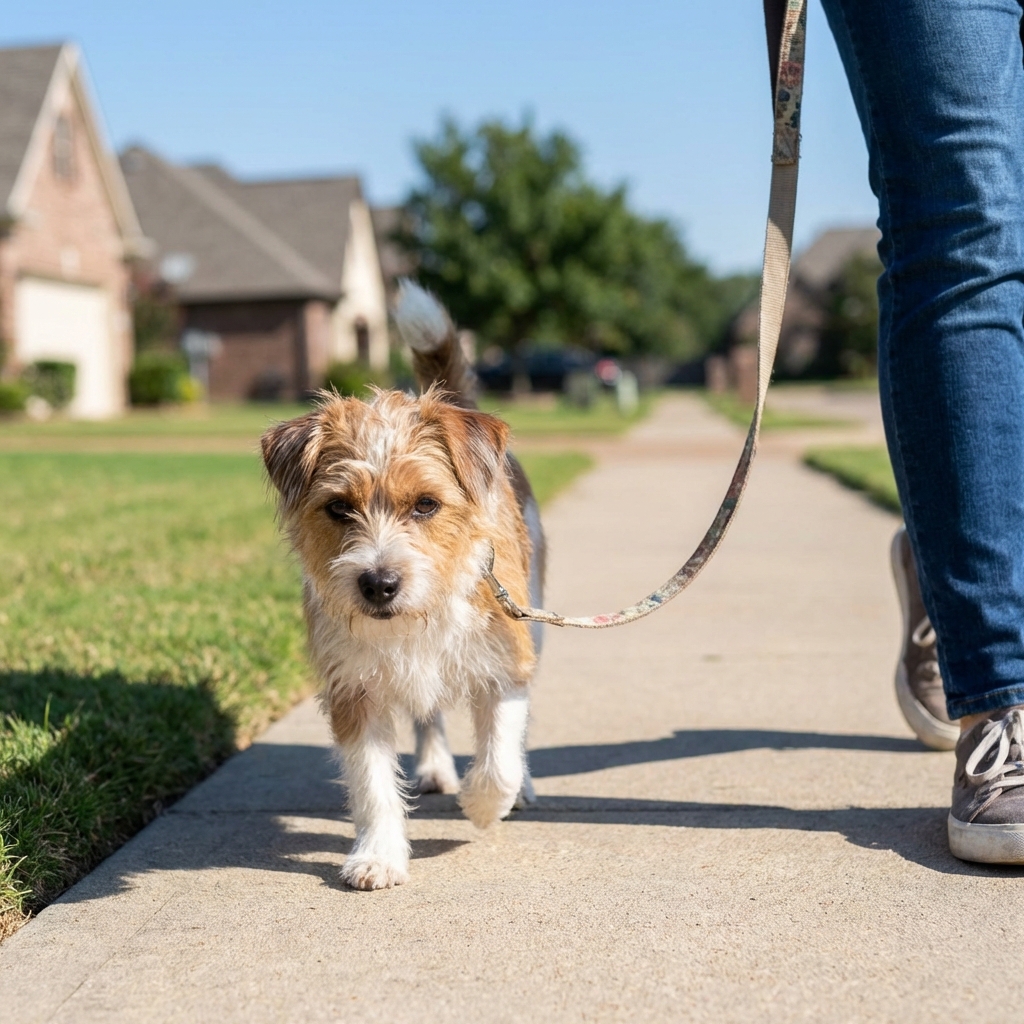
- Take your dog out immediately after waking, after meals, after play, and every 2 to 3 hours.
- Use a leash and go to the same spot so they can get down to business quickly.
- Reward calmly with a tiny, bland-friendly treat if your vet agrees.
Management, not punishment
- Confine to easy-clean areas when you cannot supervise.
- Use a crate only if your dog can physically hold it. With diarrhea, many cannot.
- Clean accidents with an enzymatic cleaner to remove lingering odor cues.
- Avoid scolding. It adds stress, and stress can worsen colitis.
Use gut-friendly treats
During a stool flare-up, high-fat or rich treats can keep the gut irritated. Temporarily swap to:
- Small bits of boiled chicken
- Low-fat, single-ingredient treats
- Kibble from their measured daily portion (if they tolerate it)
Watch the “too much, too fast” pattern
Many clever dogs get lots of enrichment, new chews, new puzzle foods, and training treats. Those are wonderful tools, but the digestive system likes consistency. When stools improve, reintroduce extras one at a time so you can identify what your dog tolerates.
What to track for your vet
If the problem lasts longer than a day or two, having clear notes can speed up diagnosis. Snap a quick photo of the stool if you can. Also track:
- When it started and how often your dog is going
- Any vomiting, appetite changes, or lethargy
- New foods, treats, chews, bones, or table scraps
- Scavenging or trash access
- Recent stressors like boarding or travel
- Medication changes
- Whether your dog is vaccinated and on parasite prevention
Your veterinarian may recommend a fecal test, deworming, diet trial, or supportive medications depending on what they find.
Parasite testing tip: Giardia and some other parasites may require specific tests, and intermittent shedding means a single negative test can miss it. If signs fit, your vet may recommend repeat testing or treatment based on risk.
Prevention
Once your dog is back to normal, a little prevention goes a long way:
- Transition foods slowly over 7 to 10 days.
- Keep treats under control and choose lower-fat options for sensitive dogs.
- Use monthly parasite prevention as recommended for your region.
- Teach “leave it” and “drop it” to reduce scavenging.
- Stick to predictable routines during travel or holidays when possible.
Most mild mucus and loose stool episodes improve quickly with simple, consistent care. The biggest win is catching dehydration, parasites, and worsening illness early.
Frequently asked questions
Is mucus in dog poop always an emergency?
No. A small amount of mucus with mild loose stool can occur with stress or a diet slip. It becomes urgent when you see significant blood, clots, black tarry stool, repeated vomiting, weakness, dehydration, or symptoms lasting more than 24 to 48 hours.
Can stress really cause mucus and diarrhea?
Yes. Stress colitis is real. The large intestine is very sensitive to changes in routine, excitement, anxiety, and travel.
Will my dog forget potty training during diarrhea?
Usually no. They are often trying to get outside but cannot hold it. Use extra potty breaks and gentle management until stools normalize.