Learn vet-approved, low-risk home remedies for mild dog itching—oatmeal baths, cool compresses, allergen rinses, gentle shampoos, and omega-3s—plus urgen...
Article
•
Designer Mixes
Clever Dog Is Itching: Overview and Care

Shari Shidate
Designer Mixes contributor
If your clever pup suddenly cannot stop scratching, licking, chewing, or rubbing their face on the carpet, you are not alone. Itching, also called pruritus (itchiness), is a very common reason dogs visit the vet. And while it can look like a simple annoyance, persistent itch often signals something deeper going on in the skin, ears, or immune system.
As a veterinary assistant in Frisco, Texas, I have seen how quickly mild itch can turn into hot spots, ear infections, and sleepless nights for both dogs and their people. The good news is that most itchy-dog cases improve a lot once you identify the trigger and build a consistent care plan.

Why dogs itch
Itch is a symptom, not a diagnosis. Many different conditions can cause the same scratching behavior, which is why a step-by-step approach is so helpful.
Most common causes
- Allergies (environmental, food-related, or flea allergy dermatitis)
- Parasites (fleas, mites like sarcoptic mange, lice)
- Skin infections (bacterial pyoderma) and yeast overgrowth (often in paws, ears, skin folds)
- Dry skin (low humidity, frequent bathing, harsh shampoos)
- Contact irritation (certain grasses, cleaning products, scented sprays, essential oils)
- Hormonal or systemic issues (like hypothyroidism or Cushing’s, which can weaken skin health and lead to secondary infections; the itching is often indirect)
- Behavior and stress (compulsive licking can start with itch and continue from habit)
- Contagious skin conditions (like ringworm, which is not always itchy but can spread to other pets and people)
Many dogs have more than one issue at once. For example, a dog with seasonal allergies may scratch, break the skin barrier, and then develop a secondary yeast or bacterial infection.
Clues you can spot at home
Before your appointment, take a moment to observe the pattern. These details help your veterinarian narrow the cause faster.
Itch location matters
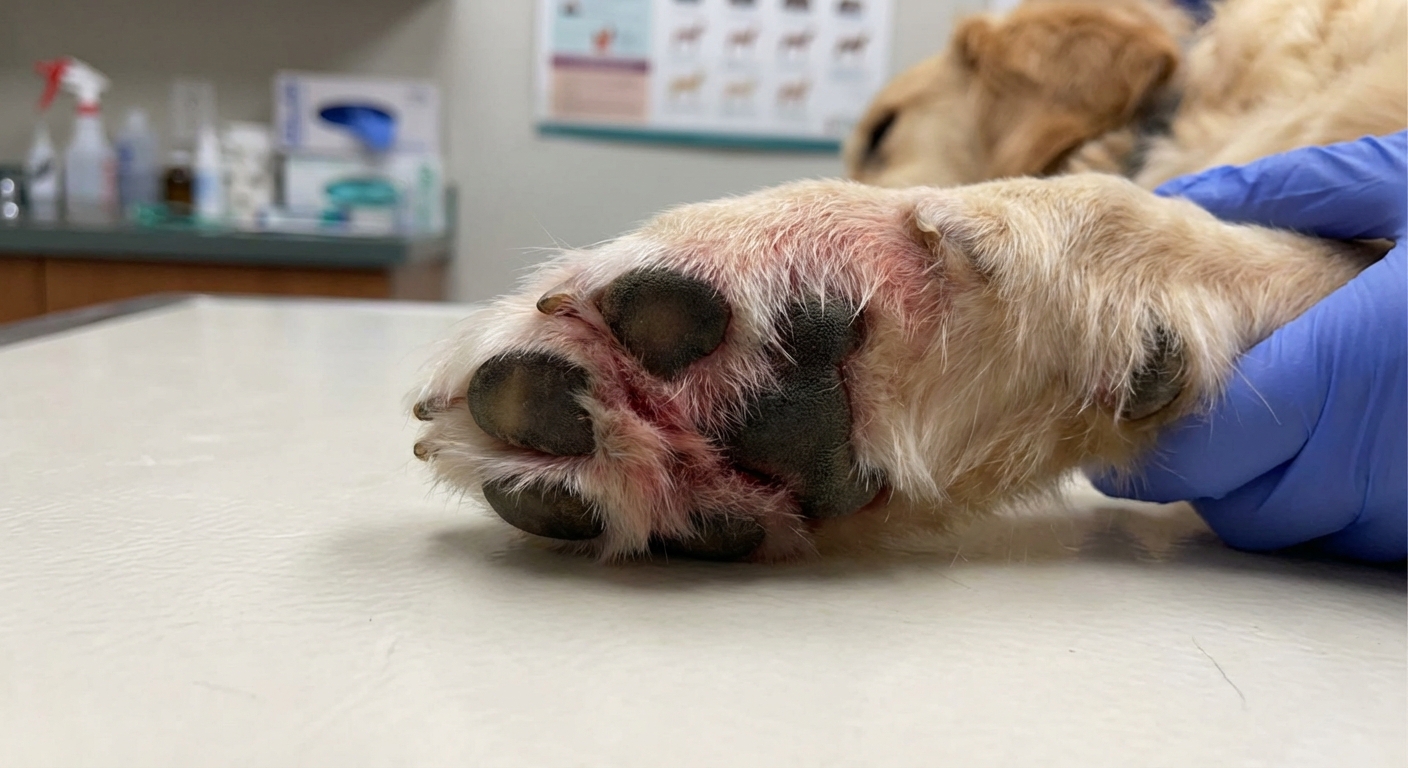
- Paws (licking, chewing, red between toes): often allergies or yeast
- Ears (head shaking, odor, dark debris): often allergies, yeast, ear infection, or ear mites
- Base of tail and rump: classic flea allergy pattern
- Face and belly: common with environmental allergies or contact irritation
- Armpits, groin, skin folds: yeast loves warm, moist areas
Other signs to note
- New bumps, scabs, dandruff, or hair loss
- Greasy coat, musty odor, or skin that feels thickened
- Redness or dark staining on paws from licking
- Changes in diet, treats, or supplements within the last 8 to 12 weeks
- Any other pets in the home itching too (this can suggest parasites or other contagious issues)
- Any people in the home with new circular rashes (possible ringworm exposure)
When itching is urgent
Most itching is not an emergency, but some situations should be seen right away.
Seek urgent vet care if you notice:
- Swelling of the face, hives, vomiting, or trouble breathing (possible allergic reaction)
- Large, wet, painful hot spots that spread quickly
- Relentless scratching that prevents sleep
- Bleeding, pus, or a strong foul odor from skin or ears
- Sudden intense itch after boarding, grooming, or dog park visits (parasites can spread fast, and other contagious skin issues or contact irritation can show up quickly, too)
What your vet may recommend
Because itch has many possible causes, good medicine usually starts with confirming what is actually happening on the skin. In clinic, one of the most helpful “first steps” I see is simple skin and ear testing because it can quickly reveal yeast, bacteria, or parasites that need specific treatment.
Common diagnostic steps
- Skin cytology (microscope check): a quick look for yeast and bacteria
- Skin scraping: checks for mites
- Flea combing and parasite review
- Ear cytology if ears are involved
- Culture in stubborn infections
- Food elimination diet trial if food allergy is suspected
- Allergy testing (mainly for environmental allergens, especially if considering immunotherapy; it does not diagnose food allergy)
Common treatment tools
- Effective flea prevention year-round, even for indoor dogs
- Medicated baths (chlorhexidine, antifungal shampoos) based on cytology
- Topical therapies for hot spots or localized infection
- Prescription anti-itch medications (your vet will choose based on your dog’s needs and history)
- Antibiotics or antifungals when infection is confirmed
- Ear medications tailored to what is seen on cytology
A quick note from the clinic floor: many anti-itch medications calm the symptom, but if an infection is present, you also have to treat the infection or the itch will keep coming back.
Safety reminder: avoid giving over-the-counter human medications (including antihistamines, pain relievers, or topical creams) unless your veterinarian tells you exactly what to use and how to dose it. Some common human products are dangerous for dogs, and others can mask symptoms while the problem worsens.
At-home care that helps
You do not have to do everything at once. Start with safe, high-impact steps and build from there.
1) Support the skin barrier
- Use a gentle, fragrance-free dog shampoo for routine bathing. Avoid human shampoos, which can be too harsh.
- Ask your vet about a medicated shampoo if there is odor, grease, or recurrent infections.
- Rinse thoroughly. Leftover shampoo can worsen irritation.
- Dry well, especially paws and skin folds.
2) Clean paws after outdoor time
If your dog is reacting to pollen or grass, a quick paw rinse or wipe can reduce the allergen load.
- Wipe paws and belly with a damp cloth after walks
- Dry between toes to help prevent yeast flare-ups
- Trim paw hair if it traps moisture (a groomer can help)
3) Take flea control seriously
Even one bite can trigger intense itching for days in flea-allergic dogs. Use veterinarian-recommended flea prevention consistently for every pet in the home, and keep it up year-round.
4) Support with evidence-based nutrition
Skin is a metabolically active organ and it needs quality building blocks. A complete and balanced diet matters, whether you feed commercial food or a properly formulated homemade plan.
- Omega-3 fatty acids (EPA and DHA) can help reduce inflammation in some itchy dogs. Talk to your veterinarian about dosing and a reputable product.
- Protein quality matters. Some dogs do better with limited ingredient diets, but food allergy diagnosis should be done with a structured elimination trial.
- Avoid random food swapping when you are trying to identify a trigger. Frequent changes can make the picture more confusing.
5) Prevent self-trauma
If your dog is chewing nonstop, protect the skin while you investigate the cause.
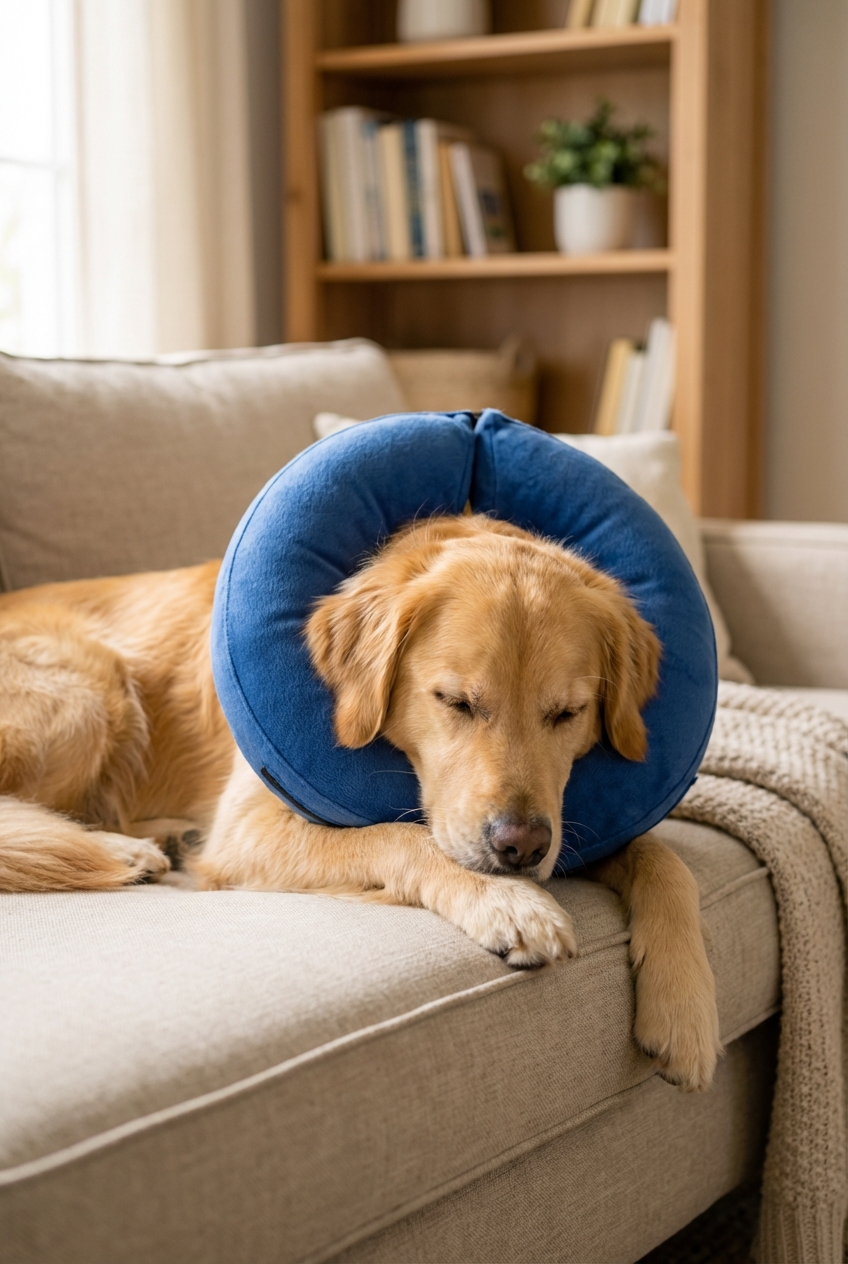
- Use an E-collar or recovery collar to help prevent hot spots
- Try a lightweight t-shirt for belly irritation (supervise for safety)
- Keep nails trimmed to reduce skin damage from scratching
Food vs. environmental allergy
This is a big source of confusion, so here is a simple way to think about it.
Environmental allergies
- Often seasonal at first, then may become year-round
- Common signs include paw licking, face rubbing, recurrent ear infections
- Managed with medications, bathing, allergen reduction, and sometimes immunotherapy
Food allergies
- Can happen at any time, even on a food your dog has eaten for years
- Often looks identical to environmental allergies
- Diagnosis requires a strict elimination diet trial for 8 to 12 weeks followed by a challenge
If you suspect food allergy, the most helpful thing you can do is partner with your veterinarian and be very consistent. “Just a few treats” can completely derail the trial.
Mistakes that slow healing
- Stopping meds early because the skin looks better. Infection can rebound quickly.
- Using leftover ear drops without testing. Ears need targeted treatment, and some medications are not safe if the eardrum is damaged.
- Overbathing with harsh products, which worsens dryness and irritation.
- Assuming it is “just allergies” when there is actually yeast or bacteria present.
- Skipping flea prevention in winter. Fleas do not follow calendars, especially indoors.
- Using essential oils or strongly scented sprays on or around your dog. These can irritate skin and, in some cases, be toxic if licked.
A simple itch log
If your dog is itching on and off, a short log can be incredibly helpful for your vet and for you.
- Itch score (0 to 10) once daily
- Where they itch most (paws, ears, belly, tail base)
- Diet notes (new treats, chews, table scraps)
- Environment (rainy days, high pollen days, new detergents, lawn treatments)
- Bathing and medications (what you used and when)
Patterns often appear within a few weeks, especially with seasonal triggers.
Final thoughts
An itchy dog is not being “bad” or “dramatic.” They are uncomfortable, and they are trying to cope. With the right mix of prevention, skin care, and veterinary support, most dogs get real relief.
If your clever dog’s itch has lasted more than a few days, keeps coming back, or is paired with ear issues, odor, or hair loss, schedule a vet visit. You will save time, money, and a lot of suffering by treating the cause, not just the scratch.