Vet-informed guide to a short-term bland diet for dogs: chicken and rice 1:2 ratio, daily cup ranges by weight, how many meals to split into, and red flags t...
Article
•
Designer Mixes
Clever Dog Diarrhea Facts Owners Should Know

Shari Shidate
Designer Mixes contributor
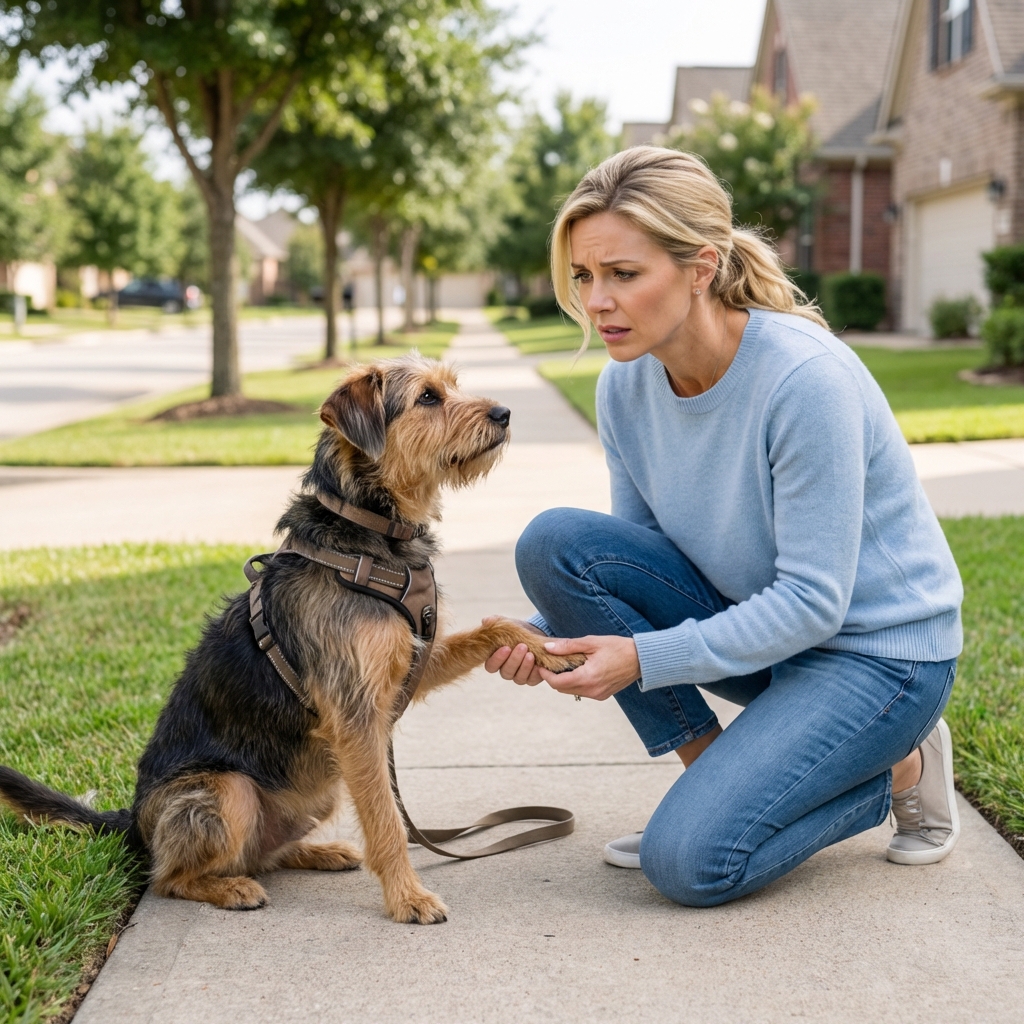
Diarrhea is one of the most common reasons pet parents call a vet clinic, and I totally get why. It is messy, stressful, and it can change fast. The good news is that most cases are mild and short-lived. The not-so-good news is that diarrhea can also be your dog’s early warning system for dehydration, parasites, pancreatitis, toxin exposure, or other problems that need treatment.
Below are smart, evidence-based facts I wish every dog owner knew, plus clear steps you can take right now to help your pup feel better and keep them safe.
Diarrhea is a symptom
“Diarrhea” simply means stool is looser and usually more frequent than normal. The cause can be as simple as eating greasy leftovers or as serious as an intestinal obstruction. That is why your job is not to guess a diagnosis. Your job is to notice the pattern and any warning signs.
Two types to recognize
- Small bowel diarrhea: larger-volume stool, fewer urgent trips, may include weight loss or vomiting.
- Large bowel diarrhea: frequent small amounts, urgency, straining, mucus, and sometimes bright red blood.
This distinction helps your veterinarian narrow down likely causes and choose the right testing.
Common causes
In clinic, we see many dogs with diarrhea from everyday “life stuff,” not rare diseases.
- Diet change: new food, new treats, rich chews, table scraps, or too many training rewards.
- Dietary indiscretion: trash, compost, fatty foods, spoiled food, dead things in the yard, puddle water.
- Stress: boarding, travel, houseguests, storms, moving, schedule changes.
- Parasites: giardia, roundworms, hookworms, whipworms, coccidia.
- Infections: viral and bacterial causes, especially in puppies or dogs with exposure to dog parks and daycare.
- Medications and supplements: antibiotics, NSAIDs, some dewormers, new supplements, too much fish oil.
If you recently changed anything at all, food is often the first place to look.
Next, focus on the biggest short-term risk: hydration.
Hydration is the priority
In the short term, hydration is often the biggest immediate concern with diarrhea, especially in small dogs and puppies. If your dog is losing fluid faster than they can replace it, things can go downhill quickly.
Quick at-home checks
- Gums: should be moist, not tacky or dry.
- Skin tent: gently lift skin over the shoulder blades. It should snap back quickly.
- Energy level: lethargy is a big clue that this is not “just an upset stomach.”
If your dog cannot keep water down, is very lethargic, or has sunken eyes and dry gums, that is an urgent vet visit.
Blood in stool
Seeing blood is scary, but context matters.
- Small amounts of bright red blood: often from large bowel irritation or straining. It still deserves a prompt call, especially if it is happening repeatedly or your dog is a puppy, toy breed, or acting unwell.
- Black, tarry stool: can signal digested blood from higher in the GI tract. This is a red flag and needs prompt veterinary care.
Take a clear photo of the stool if you can. It sounds gross, but it helps your vet triage and decide what tests to run.
When to get help
Use these buckets to decide what to do next.
Emergency care now
- Repeated vomiting or your dog cannot keep water down
- Signs of dehydration (dry gums, weakness, collapse)
- Black stool or large amounts of blood
- Severe lethargy, painful belly, bloating, or unproductive retching
- Suspected toxin exposure (xylitol, chocolate, grapes or raisins, rodent bait, medications)
- Suspected foreign body ingestion (toys, bones, corn cobs, socks)
Call your vet promptly
- Puppies, seniors, or dogs with chronic disease (kidney disease, diabetes, Addison’s, cancer)
- Any blood, significant mucus, or repeated straining
- Diarrhea plus poor appetite, weakness, or your dog seems “off”
- Diarrhea lasting more than 24 to 48 hours, even if your dog seems okay (your vet can tell you if home care is still reasonable or if your dog should be seen)
Trust your gut. If your dog seems wrong to you, it is worth a call.
Home care for mild cases
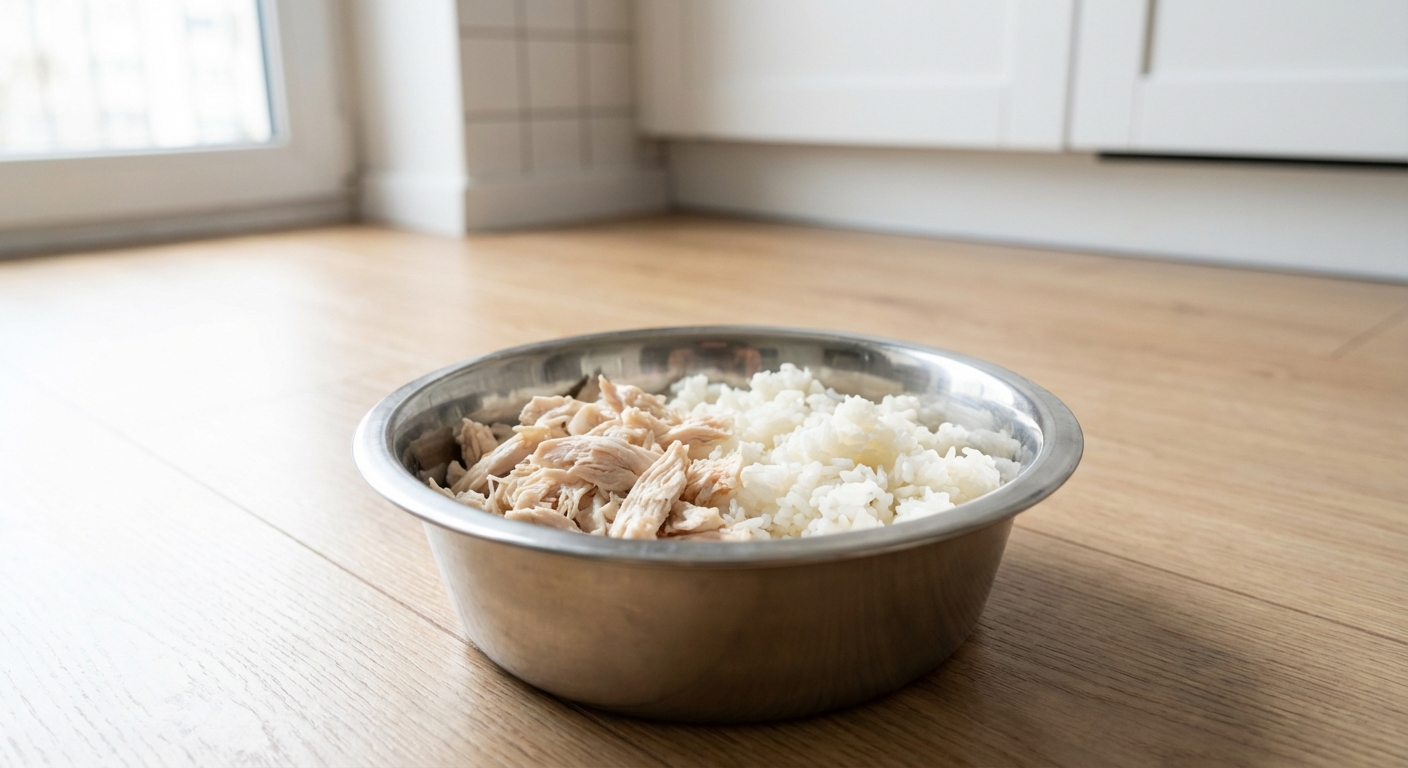
If your adult dog is bright, alert, drinking water, and has mild diarrhea (for example, 1 to 2 loose stools, no worsening, no major warning signs), simple supportive care can help while you monitor closely.
1) Pause the extras
- Stop all treats, chews, table food, and rich toppers.
- Stick to one simple diet option so the gut can calm down.
2) Offer a bland diet
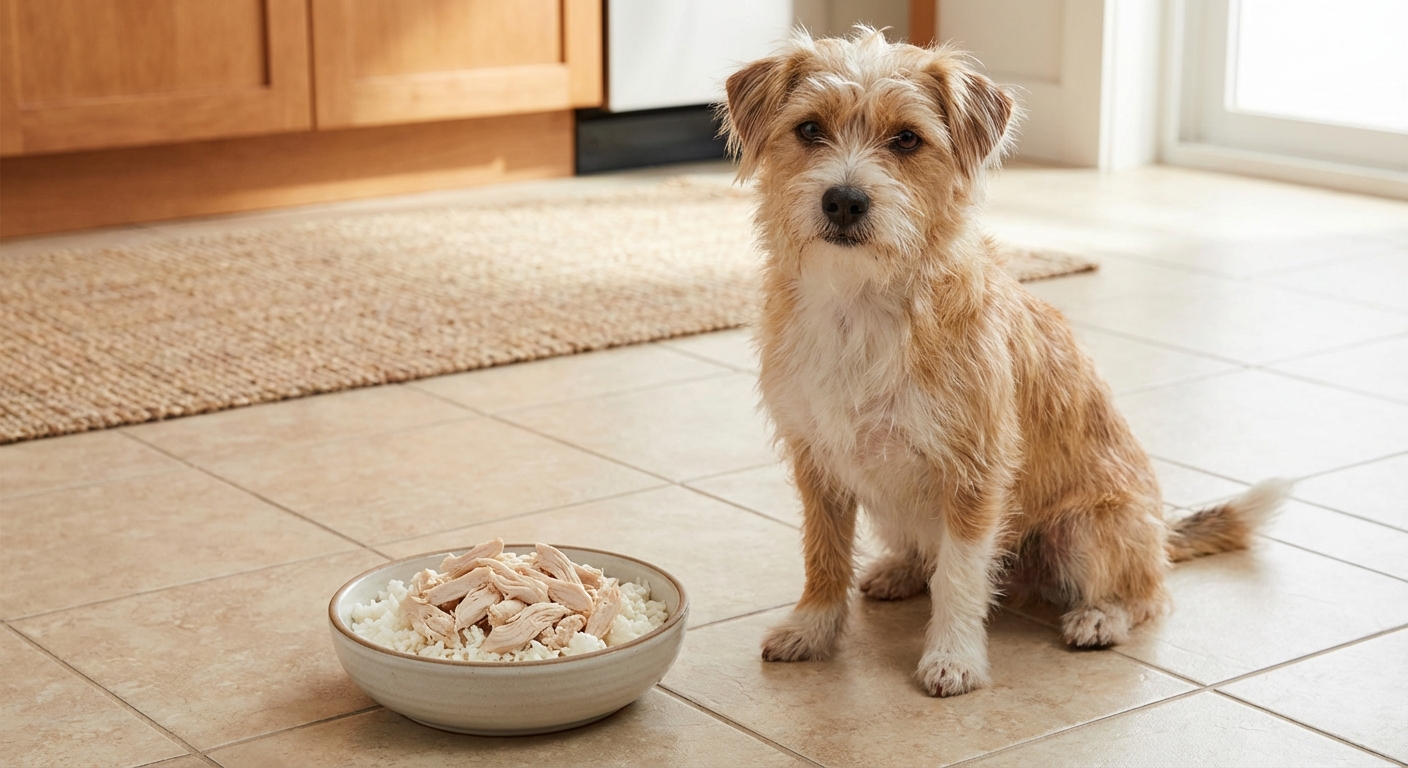
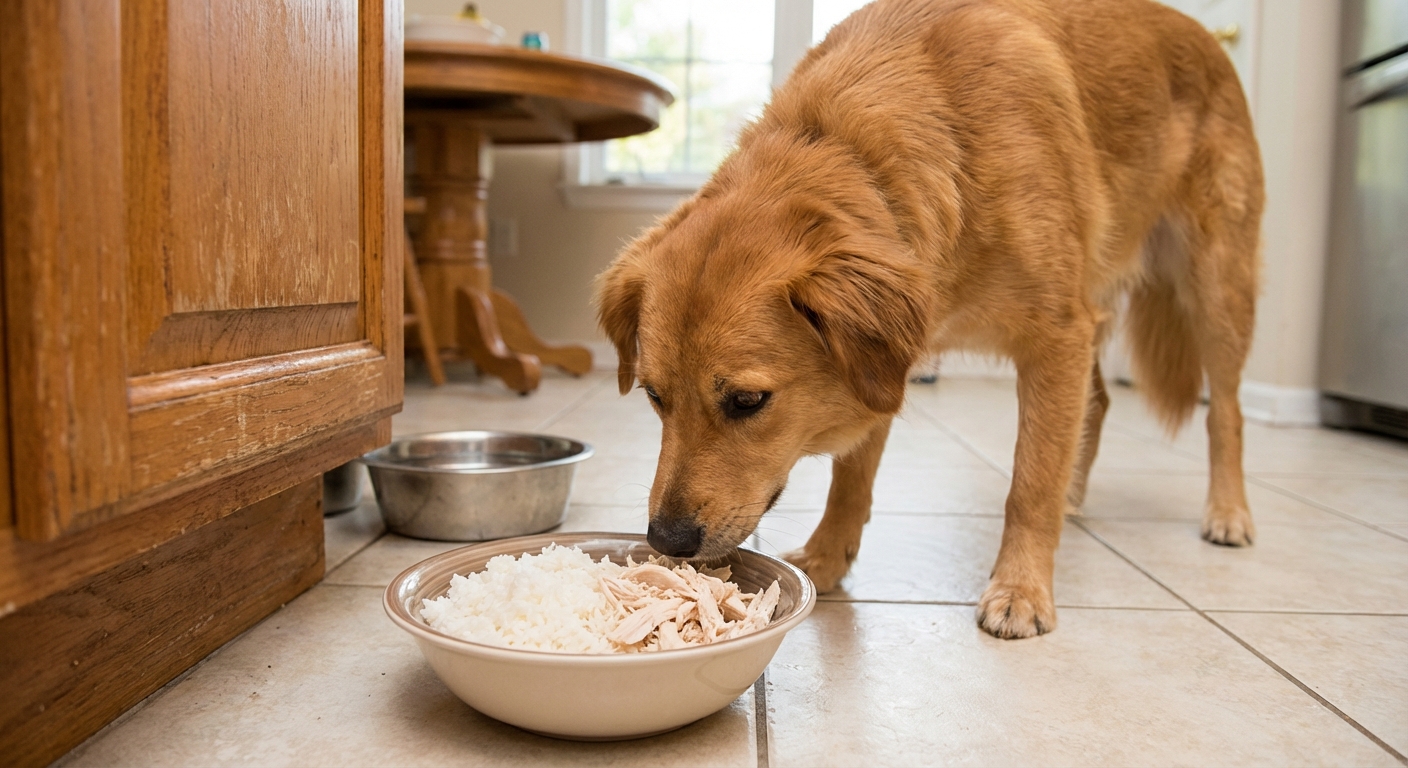
Common vet-approved options include boiled skinless chicken with white rice, or lean ground turkey with rice. Some dogs do well with plain canned pumpkin (not pie filling) added in small amounts for fiber, but it is not a cure-all.
Important: If your dog has a history of pancreatitis, needs a prescription diet, has known food sensitivities, or is on a medically necessary diet plan, ask your vet what the best bland option is for your dog.
Feed small meals, about 3 to 4 times a day for a day or two, rather than one or two big meals.
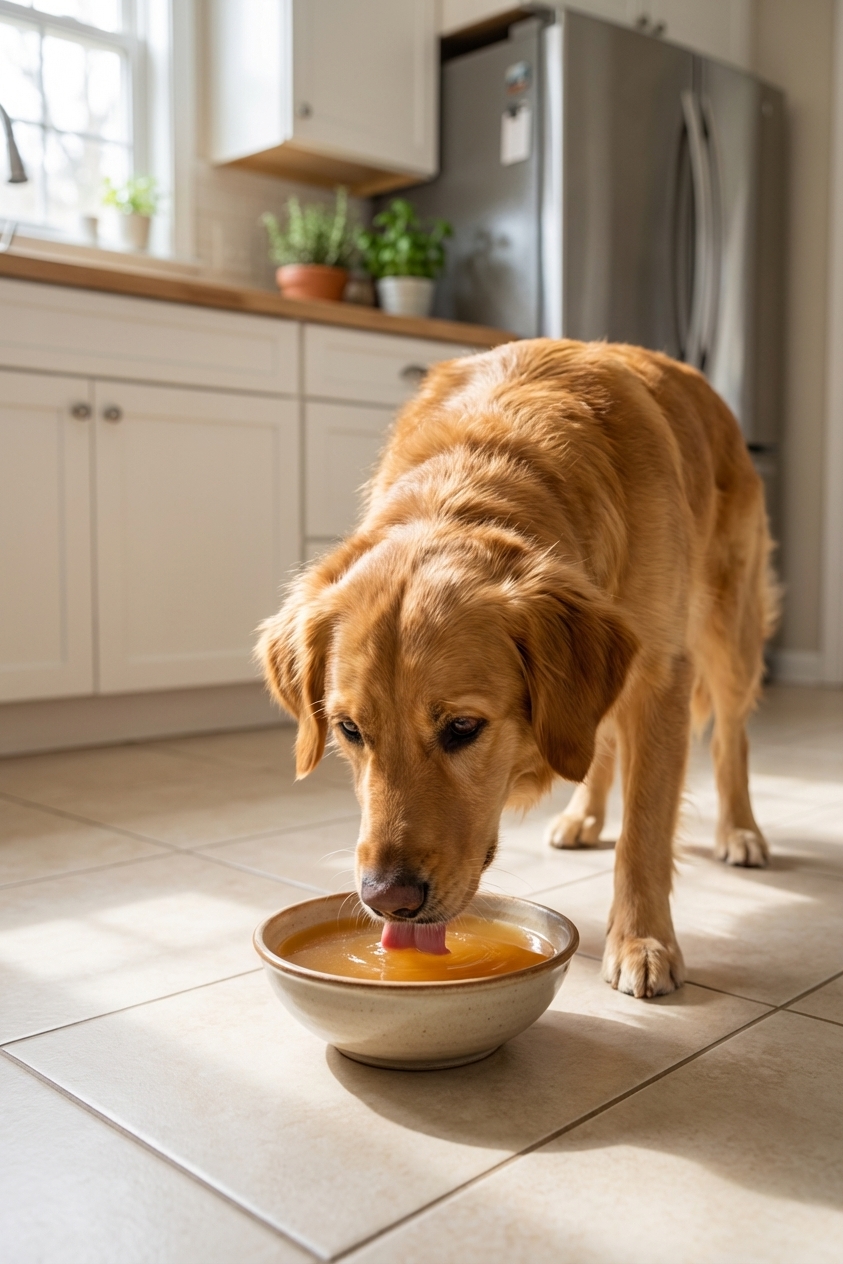
3) Keep water available
Encourage drinking. If your dog is reluctant, ask your vet whether an oral rehydration strategy is appropriate for your dog’s size and health history.
4) Consider probiotics
Some canine-specific probiotics may shorten episodes of acute diarrhea. Use a product made for dogs and follow label directions. If your dog is immunocompromised, ask your vet first.
5) Transition back slowly
Once stools normalize, transition to the regular diet gradually over several days. Fast changes can restart the problem.
A note on fasting
You may hear advice to “fast” a dog with diarrhea. Do not withhold food from puppies, toy breeds, or dogs with medical conditions without veterinary guidance. When in doubt, call your vet and ask what they recommend for your specific dog.
Avoid human meds
It is tempting to reach for the medicine cabinet, but some over-the-counter products can be risky in dogs. Certain medications can cause sedation, constipation, dangerous interactions, or mask a serious issue like an obstruction.
If you want to use any medication, call your veterinarian first. They will tell you what is safe for your dog’s weight, age, and health conditions.
What to tell your vet
These details help your vet quickly narrow down likely causes and decide whether to run a fecal test, bloodwork, or imaging.
- How long it has been going on and how many episodes per day
- Any vomiting, appetite changes, or lethargy
- Stool appearance: watery, pudding-like, mucus, blood (bright red vs black)
- Diet changes, new treats, new chews, table food, scavenging
- Exposure: dog parks, boarding, daycare, new dogs in the home
- Preventatives: heartworm and parasite prevention status
- Any medications, supplements, or recent antibiotics
Fecal tests matter
Parasites like giardia are common, and they can be stubborn. Your vet may recommend fecal testing even if you do not see worms. Depending on the type of test and timing, a single negative result does not always rule parasites out, so follow-up testing is sometimes needed.
Prevention that works
- Transition foods slowly: over 7 to 10 days whenever possible.
- Limit rich treats: keep treats small and consistent, especially for sensitive stomachs.
- Stay on parasite prevention: and do routine fecal testing as recommended by your vet.
- Trash management: secure bins, compost, and pantry items like sugar-free gum (xylitol).
- Reduce stress when you can: predictable routines help many dogs with “nervous tummy.”
The bottom line: diarrhea is common, but it is not something to ignore. When you know what is normal for your dog, you can spot trouble early and get help before it becomes a bigger problem.
Quick reference
Usually okay to monitor for 12 to 24 hours (adult dogs)
- 1 to 2 loose stools, not worsening
- Normal energy, no vomiting
- Drinking water, gums moist
- No black stool and no large amounts of blood
Call your vet promptly
- Diarrhea lasts more than 24 to 48 hours
- Any blood, repeated straining, or significant mucus
- Known sensitive stomach history or recent diet change
- Puppy, senior, or chronic health conditions
Emergency care now
- Repeated vomiting, dehydration, collapse, painful abdomen
- Black stool or large amounts of blood
- Possible toxin exposure or foreign body ingestion