Help a mildly constipated dog with safe homemade options: boost moisture first, add plain pumpkin or sweet potato, use gentle fiber, avoid risky fixes, and k...
Article
•
Designer Mixes
Clever Constipation In Dogs Care Guide

Shari Shidate
Designer Mixes contributor
Constipation in dogs is common, and it can look like a simple tummy hiccup. But when your pup is straining, uncomfortable, or not producing normal stool, it deserves thoughtful attention. In clinic, I have seen how quickly mild constipation can turn into a bigger problem if we miss the warning signs.
This guide walks you through what constipation looks like, why it happens, what you can safely do at home, and when it is time to call your veterinarian.
What constipation looks like
Most dogs have their own normal routine, so the biggest clue is a change from your dog’s baseline. Constipation usually means stool is difficult to pass, infrequent, or both. Some dogs go twice a day, some go once a day, and some are a little less predictable. What matters most is what is normal for your dog.
Common signs
- Straining to poop with little or no stool produced
- Small, hard, dry stools
- Fewer bowel movements than normal
- Whining, restlessness, or a hunched posture while trying to go
- Mucus on stool, or a tiny bit of blood from irritation
- Decreased appetite or low energy in moderate cases
Constipation vs. look-alikes
Some issues can mimic constipation and require faster help:
- Diarrhea with straining: Dogs can strain with colitis and still have diarrhea, mucus, and urgency.
- Urinary blockage: Straining to urinate can be mistaken for straining to poop. This is an emergency, especially in male dogs.
- Anal gland discomfort: Scooting and licking can happen with anal gland issues, even if stools look normal.
Constipation vs. obstipation
You may hear the term obstipation, which is severe constipation where little or no stool passes despite repeated attempts. If your dog is straining repeatedly with no poop, do not wait it out. Call your veterinarian or an emergency clinic.
Why dogs get constipated
Constipation is not a single disease. It is a symptom with many possible causes, which is why the practical approach is to look for patterns and triggers.
Common causes
- Not enough water: Dehydration dries the stool, making it harder to pass. Hot weather, heavy panting, and heat exposure can all contribute.
- Not enough fiber or the wrong kind: Some dogs need more soluble fiber, others do better with a balance.
- Too much bone or indigestible material: Chews, bones, and some raw diets can create dry, crumbly stool.
- Hair ingestion: More common in heavy shedders and long-coated dogs.
- Inactivity: Movement helps gut motility.
- Pain or arthritis: A dog may avoid squatting or assume a posture that makes elimination difficult.
- Medications: Some medications can contribute, especially opioid pain medications and medications with anticholinergic effects. If constipation starts after a new medication, tell your vet.
- Stress or routine changes: Travel, boarding, or a new schedule can disrupt elimination.
More serious causes to keep on your radar
- Intestinal obstruction from a swallowed object
- Chronic colon motility problems (true megacolon is uncommon in dogs and is often secondary to another issue)
- Neurologic conditions affecting hind end function
- Prostate enlargement in intact male dogs
- Pelvic injury or narrowing of the pelvic canal
Quick home check
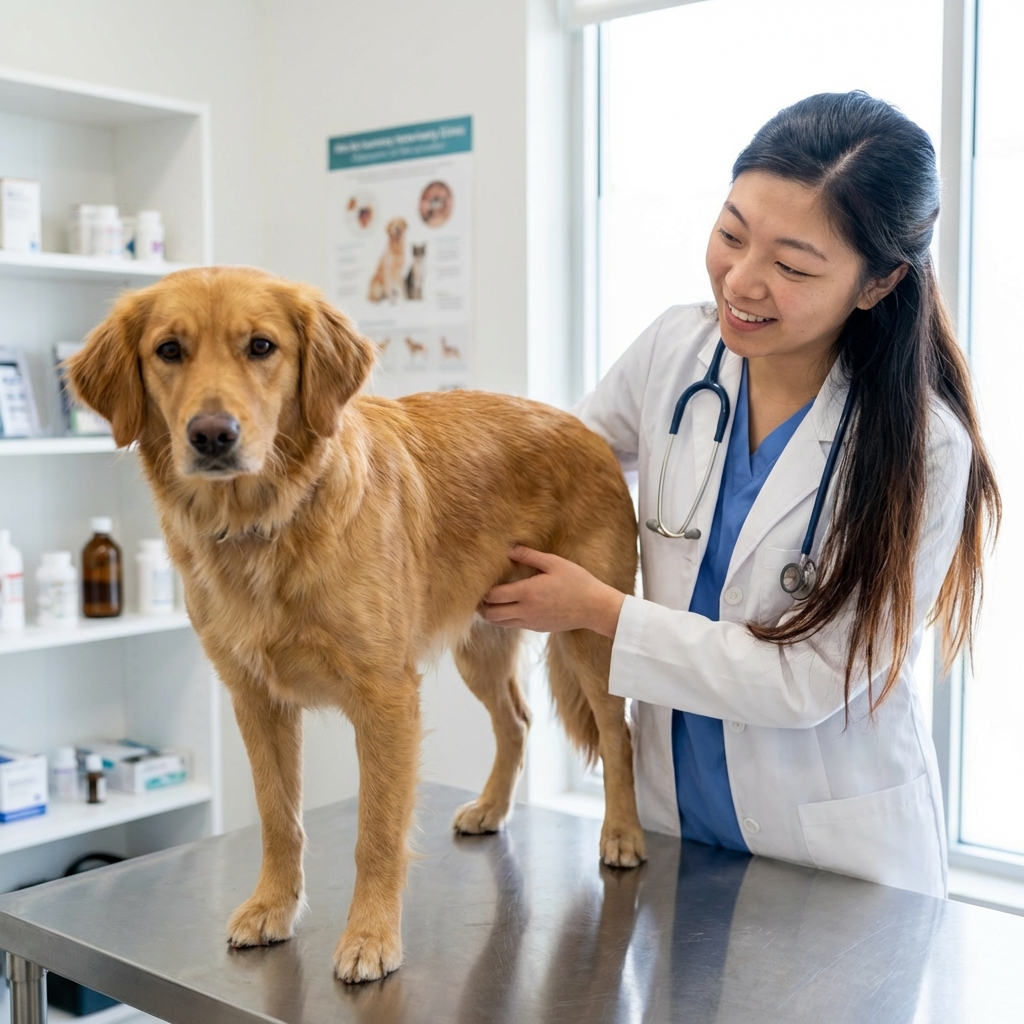
Before trying home care, take two minutes to gather the details your veterinarian would ask about. This helps you make safer decisions.
- Time plus symptoms: If it has been under 24 hours and your dog is comfortable, eating, and acting normal, monitoring may be reasonable. If it has been close to 48 hours since a normal stool, or your dog is repeatedly straining, uncomfortable, or acting off, call your veterinarian sooner.
- Is your dog eating and drinking normally?
- Any vomiting, bloating, or lethargy? These raise concern for obstruction or illness.
- What does the stool look like? Pebbles, dry logs, ribbon-like, or none at all.
- Is your dog urinating normally?
- Any chance they ate a toy, sock, bone, corn cob, mulch, or rock?
- Any new food, treats, supplements, or medications?
Safe constipation care at home
For a bright, alert dog who is only mildly constipated and has no vomiting, no belly swelling, and no known toxin or foreign body ingestion, you can often start with gentle supportive care. If your dog is small, senior, has other medical issues, has a history of constipation, or you are unsure, call your vet first.
1) Hydration first
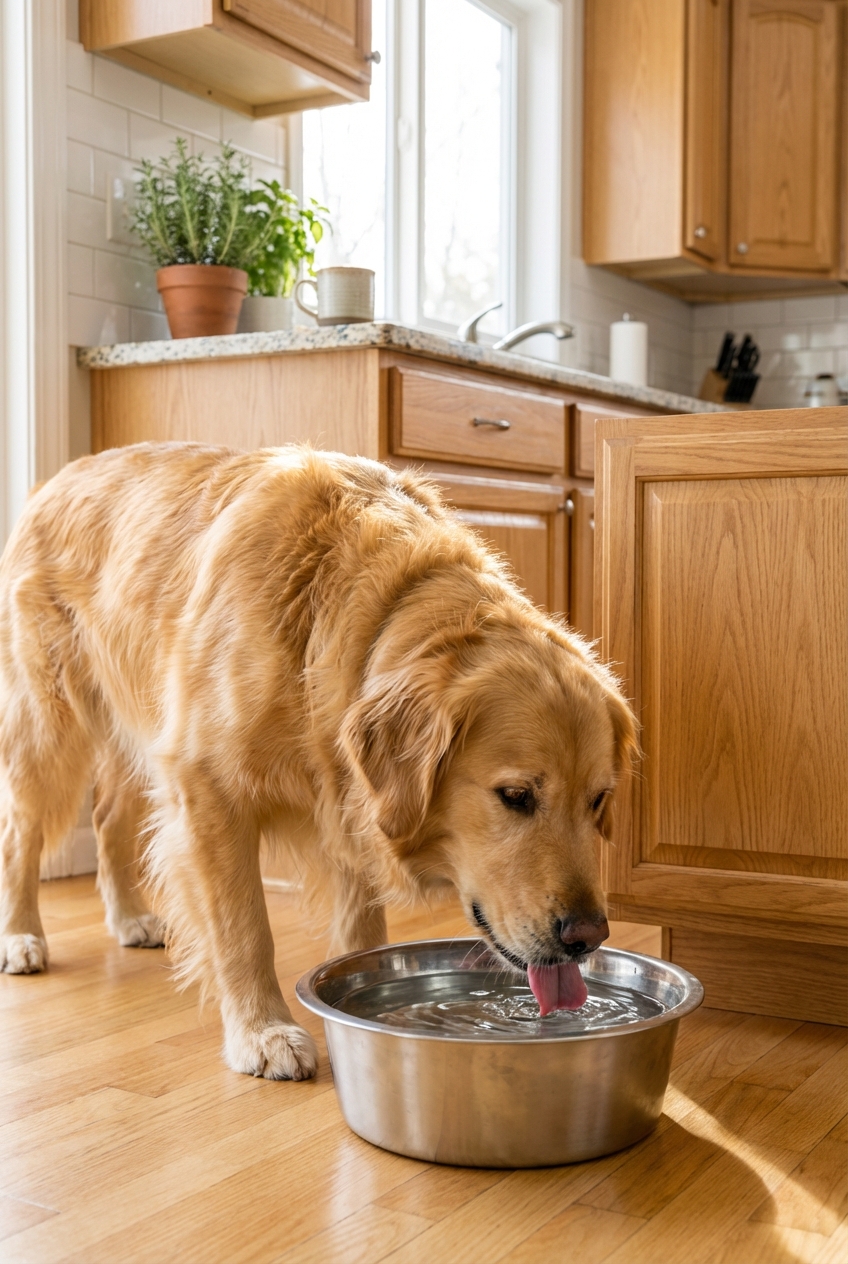
- Offer fresh water in multiple spots.
- Try a pet fountain if your dog prefers running water.
- Add warm water or low-sodium broth to meals to increase moisture.
- If you feed kibble, consider soaking it to make it more water-rich.
2) Add moisture-rich foods
Moisture is one of the simplest ways to soften stool. A few options that are commonly used in veterinary settings as gentle support:
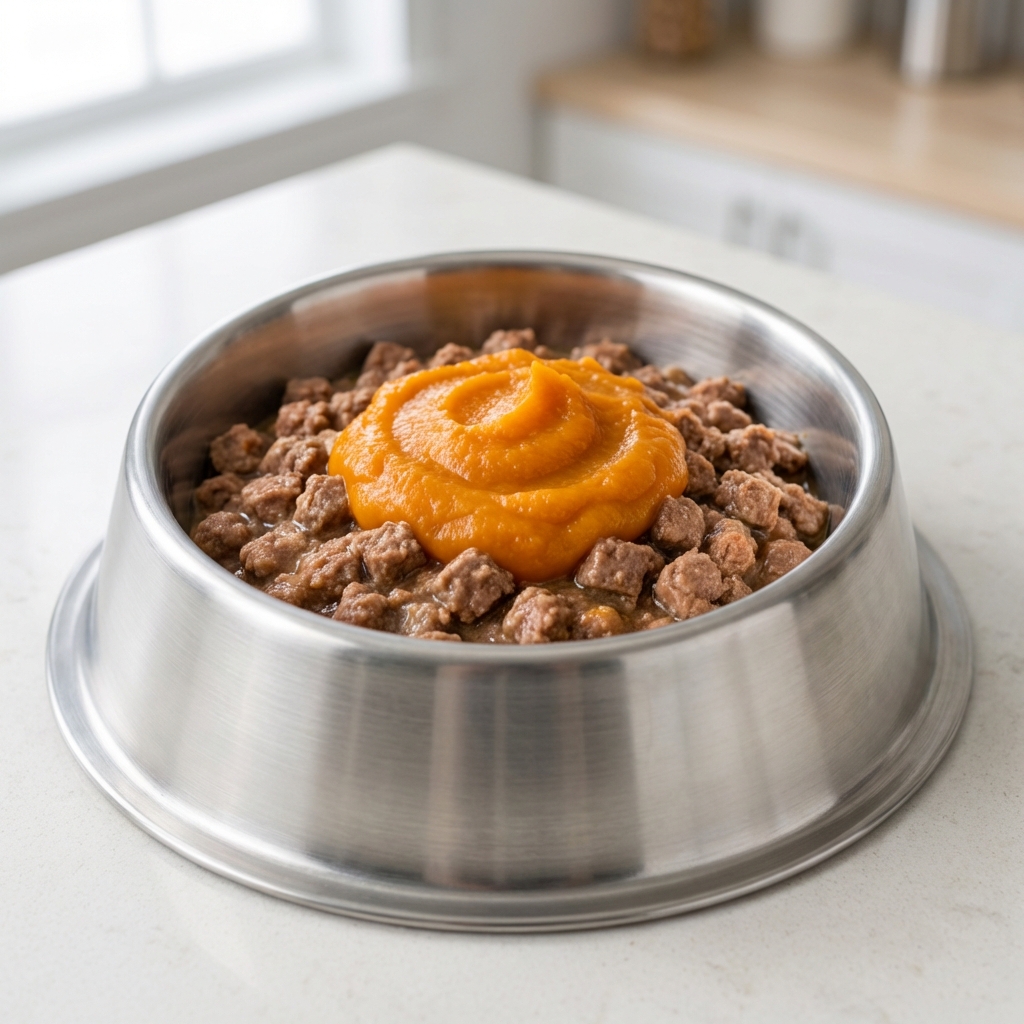
- Canned pumpkin (plain): A small amount can help some dogs due to fiber and moisture. Start small to avoid gas.
- Cooked sweet potato: Soft and fiber-friendly for many dogs.
- Wet food topper: A little canned dog food can increase water intake.
Important: Avoid pumpkin pie filling because it can contain sugar and spices that do not belong in your dog’s bowl. Use only plain pumpkin, and double-check the label for sweeteners like xylitol, which is toxic to dogs.
3) Gentle fiber support
Fiber can help, but too much can backfire, especially if your dog is dehydrated. If you add fiber, also add water. Your veterinarian can recommend the best type for your dog’s situation.
4) Movement helps motility
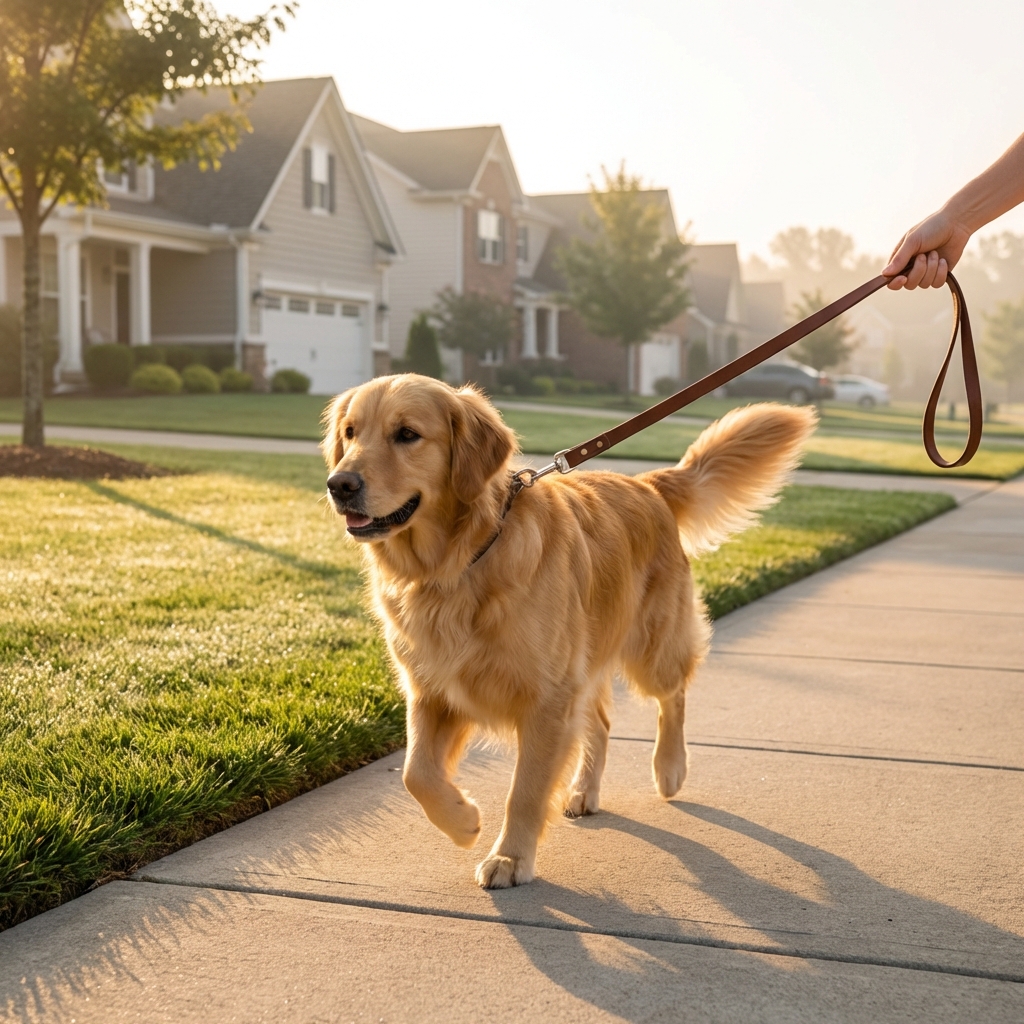
A couple of extra leash walks can stimulate bowel movement. Keep it light and positive, especially for older dogs or dogs with orthopedic pain. If it is hot outside, keep walks short and cool, and focus on hydration.
5) Check the back end basics
- Trim long hair around the rear if it is trapping stool.
- Look for obvious swelling, wounds, or heavy matting.
- If scooting or licking is intense, anal gland discomfort may be part of the picture.
What not to do at home
- Do not give human laxatives unless your veterinarian specifically instructs you. Many are unsafe or risky in dogs.
- Do not use enemas at home. Some over-the-counter enemas contain ingredients that are toxic to pets.
- Do not give bones to fix it. Bones often make constipation worse and can cause obstruction or injury.
- Do not keep waiting if your dog is straining repeatedly with no stool produced.
When it is an emergency
If you notice any of the signs below, contact your veterinarian or an emergency clinic right away:
- Repeated straining with no stool, especially over several attempts
- Vomiting, drooling, or refusing food
- Bloated or painful abdomen
- Lethargy or weakness
- Blood that is more than a small streak
- Suspected foreign body ingestion (toy, sock, corn cob, etc.)
- Straining that might actually be urinary trouble
- Constipation in a very young puppy or a medically fragile dog
What the vet may do
Veterinary care is not just about getting stool out. It is about finding out why it happened and keeping your dog safe.
Common diagnostics
- Physical exam and abdominal palpation
- Rectal exam (to check for pain, masses, foreign material)
- X-rays to look for fecal load, bone fragments, or obstruction
- Bloodwork if dehydration or systemic illness is suspected
Common treatments
- Fluids (subcutaneous or intravenous) if dehydrated
- Vet-prescribed stool softeners or motility-support medications when appropriate
- Enema performed safely by veterinary staff
- Manual removal under sedation for severe impaction
- Treatment of underlying causes such as pain, parasites, diet issues, medication side effects, or prostate enlargement
Preventing constipation long-term
The best prevention plan is simple and consistent: hydration, appropriate diet, regular movement, and paying attention to what your dog is chewing.
Helpful habits
- Feed for digestibility: Choose a diet your dog does well on, and avoid frequent sudden switches.
- Include moisture: Even adding warm water to meals can help many dogs.
- Use fiber thoughtfully: Some dogs benefit from a vet-approved fiber source, especially if they trend constipated.
- Schedule potty breaks: Dogs that hold it too long can become backed up.
- Manage weight and exercise: Movement supports gut motility.
- Choose safer chews: Avoid cooked bones and watch any chew that splinters or breaks into chunks.
- Support mobility: If your dog has arthritis, talk with your vet about pain control and joint support so squatting is not uncomfortable.
If your dog is almost normal but keeps getting constipated, that is your clue to go deeper. Recurring constipation is often a diet, hydration, mobility, medication, or underlying medical issue that needs a tailored plan.
Food ideas
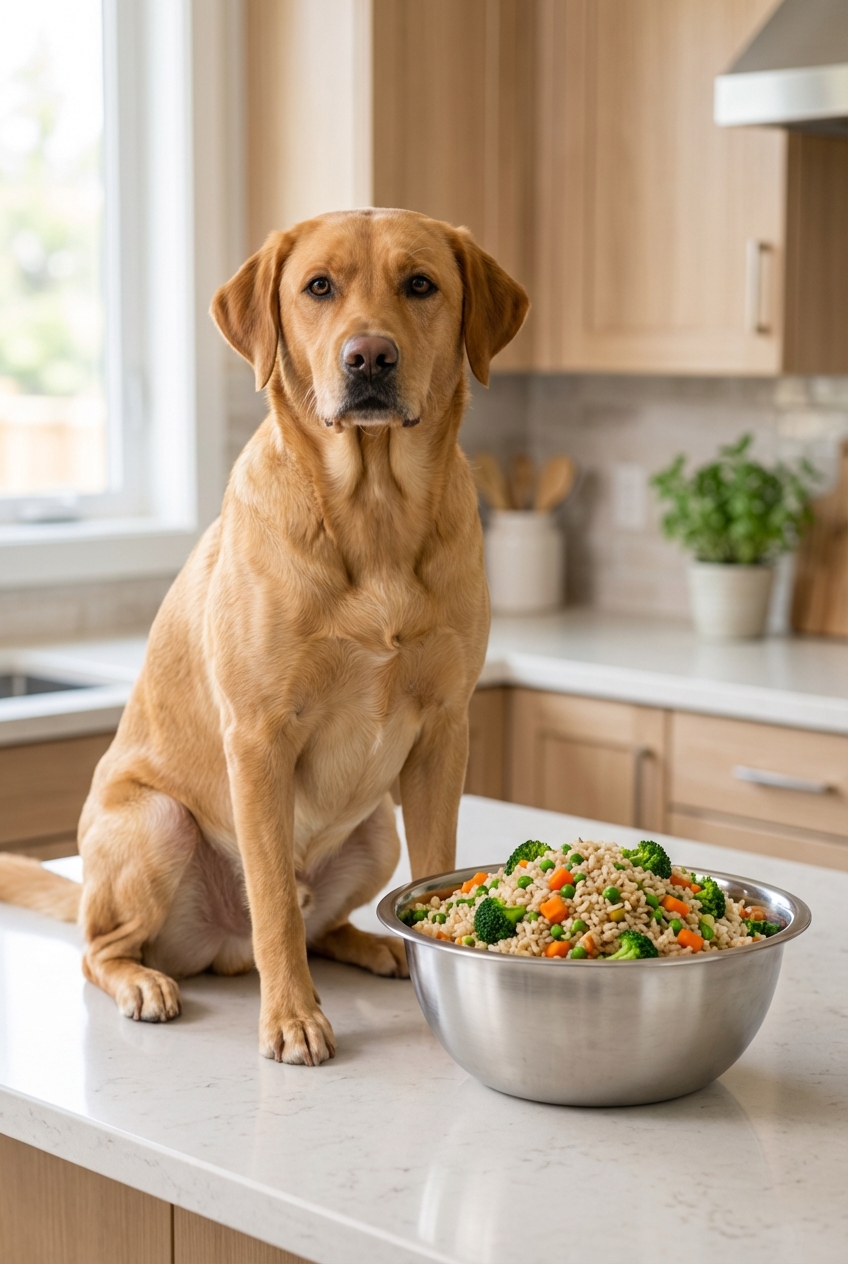
If your veterinarian approves home-prepared add-ins, these are simple ways to increase moisture and support normal stool:
- Warm water mixed into the meal to make a stew-like consistency
- Plain canned pumpkin in small amounts
- Cooked sweet potato mash
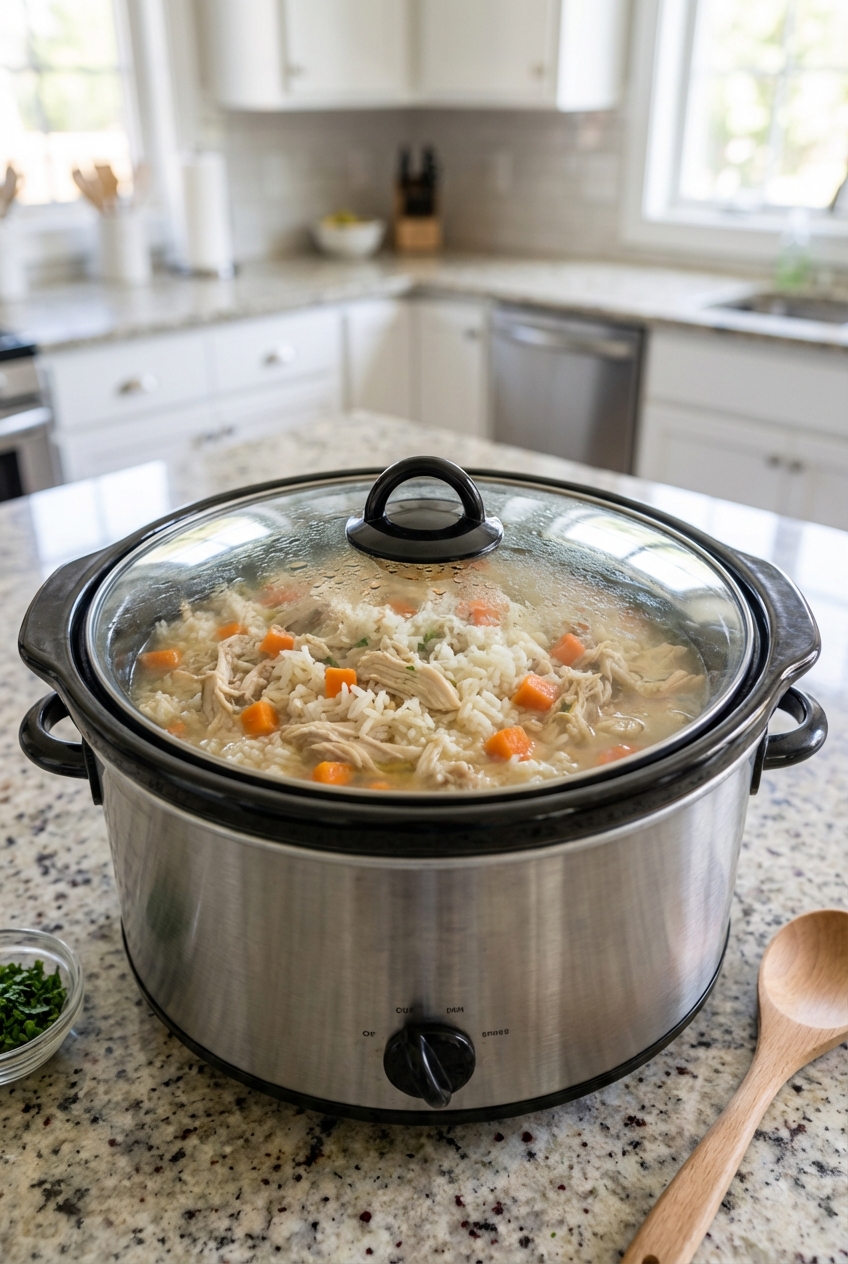
- Lean cooked protein plus steamed veggies for a short-term, gentle reset if your dog tolerates it
Always transition slowly and avoid rich, fatty foods that can trigger pancreatitis in sensitive dogs. If your dog is on a prescription diet or has a chronic condition, do not add extras unless your veterinarian says it is okay.
Fridge checklist
- Is my dog bright, eating, and drinking?
- Any vomiting or belly swelling?
- Is my dog urinating normally?
- How long since the last normal poop, and are they straining?
- Did my dog eat a bone, chew, toy, or anything unusual?
- Have I increased water and added moisture to meals?
- If no improvement within 24 to 48 hours, or sooner if symptoms worsen, call the vet.