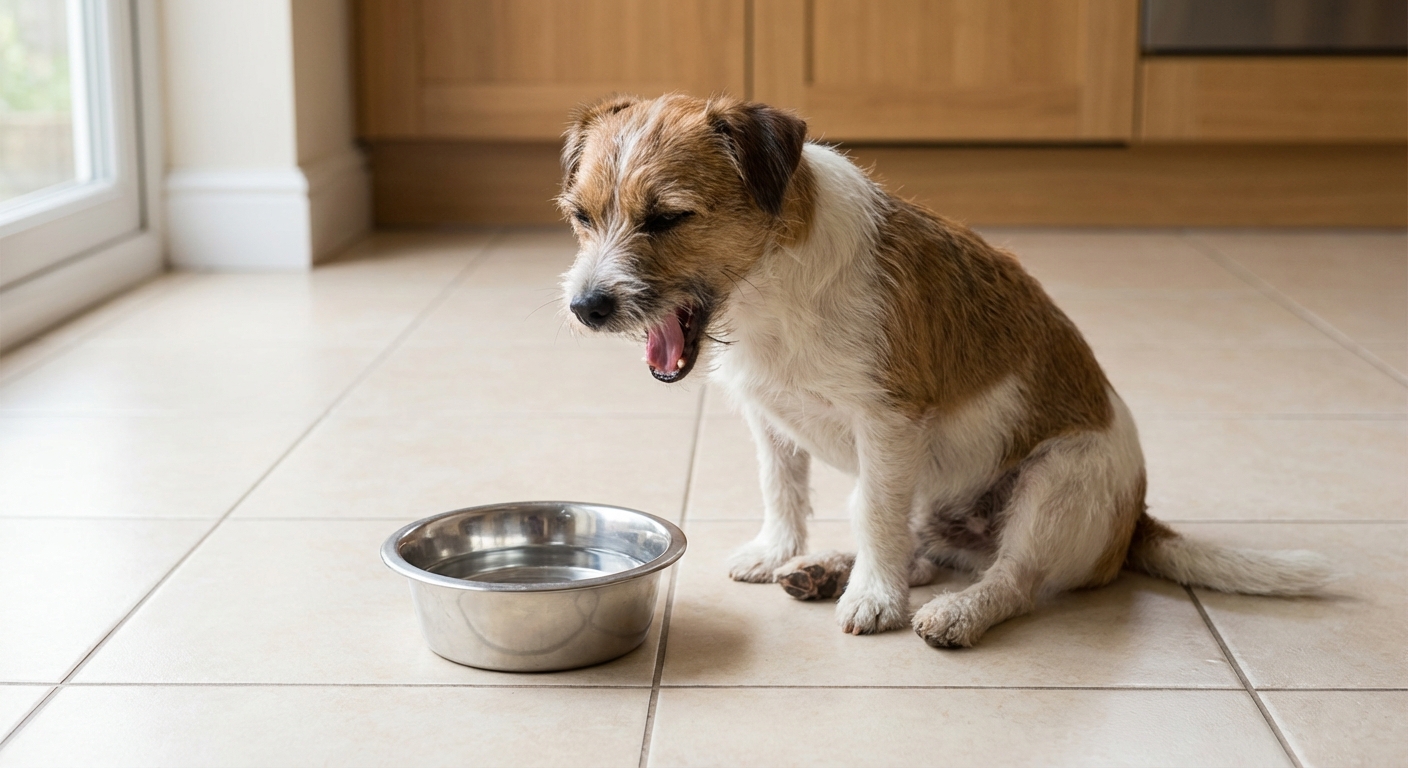
A practical 24–72 hour diet and hydration plan for mild dog diarrhea, with bland food options, safe add-ons like probiotics, foods to avoid, and clear red ...
Article
•
Designer Mixes
Clever Causes of Dog Diarrhea

Shari Shidate
Designer Mixes contributor
Dog diarrhea is a very common reason pet parents call a veterinary clinic, and I get it. It is messy, stressful, and it can feel like it came out of nowhere.
Here is the reassuring part: many causes are simple and fixable. The trick is knowing the clever, easy-to-miss triggers and spotting the situations that need a veterinarian right away.
Quick note: This article is general education and not a substitute for veterinary diagnosis or care.
First: quick safety check
Before we talk about causes, check for red flags. Call your veterinarian or an emergency clinic if your dog has any of the following:
- Blood (bright red or dark and tarry)
- Repeated vomiting or inability to keep water down
- Severe lethargy, collapse, or a painful belly
- Signs of dehydration (tacky gums, sunken eyes, weakness)
- Puppy, senior, pregnant, very small dog, or immunocompromised dog
- Suspected toxin exposure (xylitol, grapes or raisins, rodent bait, human meds)
- Possible obstruction (repeated vomiting, painful abdomen, straining with little or no stool, bloated belly, acting like they cannot get comfortable)
- Diarrhea lasting more than 24 to 48 hours
That 24 to 48 hour window depends on the dog and the situation. A large, otherwise healthy adult dog with mild diarrhea may sometimes be okay to monitor a bit longer with your vet’s guidance, while puppies, seniors, and small dogs should be seen sooner.
If your dog is otherwise bright and drinking, many mild cases can be managed with guidance from your vet.
Clever causes of dog diarrhea
1) The “new treat” effect (even healthy ones)
One of the most common patterns I see is a well-meaning upgrade: new chews, training treats, bully sticks, pig ears, freeze-dried toppers, or a sudden jump in rich foods.
Why it happens: The gut microbiome needs time to adapt. Rich fats and novel proteins can trigger loose stool quickly.
What to do: Stop the new item, return to a bland, simple diet plan recommended by your vet, and reintroduce treats slowly later.
2) Too much fat, too fast
Fatty table scraps like brisket trimmings, bacon, sausage, skin from rotisserie chicken, and greasy leftovers can cause diarrhea and may even trigger pancreatitis in some dogs.
Look for: Stool that looks greasy or very soft, plus belly discomfort, hunched posture, or repeated vomiting (pancreatitis needs prompt veterinary care).
3) Dairy and “cute” human snacks
Some dogs tolerate yogurt well, but many are lactose intolerant. Cheese, ice cream, whipped cream, and milk can lead to sudden diarrhea.
Tip: It often happens within hours of a family movie night snack.
4) Sudden diet change (even switching “to a better food”)
Switching kibble brands, moving from kibble to canned, or starting homemade meals without a slow transition can overwhelm digestion.
Action step: Transition gradually over about 7 to 14 days when possible, increasing the new food in small steps.
5) Stress diarrhea (yes, it is real)
Boarding, guests in the home, travel, storms, fireworks, a new baby, or even a schedule change can trigger loose stool.
Why it happens: Stress hormones can alter gut movement and shift the microbiome.
Helpful supports: Predictable routines, gentle exercise, enrichment, and vet-approved calming aids can make a big difference.
6) Antibiotics and other medications
Antibiotics can disrupt normal gut bacteria. NSAIDs (pain relievers), dewormers, and some supplements can also irritate the GI tract.
Look for: Diarrhea that begins shortly after a new medication starts.
What to do: Do not stop prescription meds without your vet. Call and ask whether a probiotic, stomach protectant, or medication adjustment is appropriate.
7) Too many supplements, especially magnesium and oils
Fish oil, coconut oil, MCT oil, or human supplements can loosen stool if the dose is too high.
Action step: Use dog-specific products and dosing. Start low and increase gradually only if stool stays normal.
8) “Garbage gut” and mystery snacks outside
Dogs are talented foragers. Even a quick lick of something on a sidewalk, a dead bird, compost, cat feces, or a dropped chicken wing bone can cause diarrhea.
9) Parasites, even in clean homes
Giardia, roundworms, hookworms, and whipworms can cause diarrhea, mucus, soft stool, or intermittent symptoms that come and go.
Clue: The diarrhea improves, then returns a week later. Puppies are especially vulnerable.
Best next step: Bring a fresh stool sample to your vet. Giardia often needs an antigen test or PCR and can be missed on a single fecal flotation.
10) Food intolerance (not always a true allergy)
Some dogs do not tolerate certain proteins (chicken is a common one), certain additives, or higher-fiber formulas.
Clue: Chronic soft stool with normal energy, or recurring flares that seem connected to one ingredient.
Evidence-based approach: A vet-guided elimination diet trial is the most reliable way to identify triggers.
11) Too much fiber, too little fiber, or the wrong kind
Fiber can help, but it is not one-size-fits-all. Some dogs get diarrhea from sudden high-fiber foods or lots of pumpkin, while others improve with small, consistent fiber amounts.
Tip: If you want to try pumpkin, start with a very small amount and monitor stool. Check with your vet for dosing based on your dog’s size.
12) Viral or bacterial gastroenteritis
Just like kids can bring home a stomach bug, dogs can pick up infectious diarrhea at parks, daycare, or boarding.
What to know: Many cases are self-limited, but some dogs need treatment and supportive care. Confirming the exact cause usually requires testing, especially if symptoms are severe, persistent, or involve blood.
Clue: Multiple dogs in the household develop diarrhea close together.
13) Eating something toxic or irritating
Some exposures cause diarrhea without dramatic symptoms at first, including certain plants, moldy food, human medications, sugar-free gum (xylitol), and more.
If you suspect toxin exposure: call your vet or a pet poison hotline immediately.
14) Sudden bloody diarrhea (needs same-day care)
If your dog suddenly develops large-volume diarrhea with blood (sometimes described as raspberry jam-like), do not assume it will pass on its own. Some dogs develop hemorrhagic diarrhea syndrome or other serious GI inflammation and can dehydrate quickly.
Best move: Call your vet and plan for same-day evaluation.
What your dog’s poop can tell you
You do not have to be an expert, but a few stool details are genuinely helpful for your veterinarian:
- Watery diarrhea: can mean infection, toxins, parasites, dietary indiscretion, or stress
- Mucus: often suggests large bowel irritation (colitis)
- Bright red blood: can occur with colitis, parasites, dietary indiscretion, hemorrhagic diarrhea syndrome, or more serious disease
- Black, tarry stool: may indicate digested blood and needs urgent evaluation
- Frequency and urgency: frequent small amounts often point to large bowel; large volume watery stool often points to small bowel
At-home care for mild diarrhea
If your dog is acting normal, hydrated, and the diarrhea is mild, these are common supportive steps that many veterinarians recommend. Always confirm with your own clinic, especially for small dogs and puppies.
Hydration first
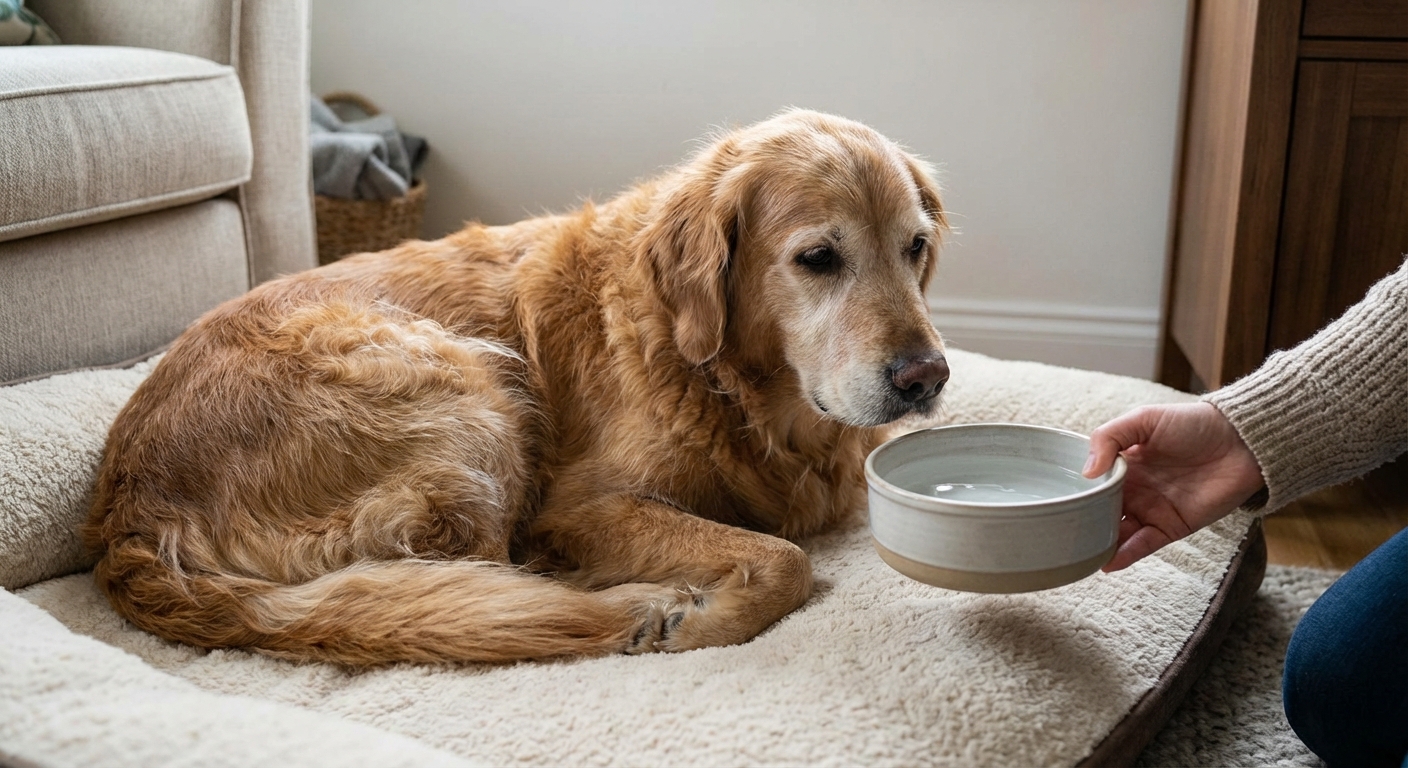
Make sure fresh water is always available. Dehydration is the biggest short-term risk with diarrhea.
Temporary diet reset
Many vets recommend a short bland diet plan, often using a simple lean protein and easy-to-digest carbohydrate. Your vet can tell you the best option for your dog and how long to do it.
Practical tip: Small, frequent meals are often easier on an irritated gut than one or two large meals.
Probiotics
Veterinary probiotics can help stabilize the gut. Ask your clinic for a brand they trust and a dose for your dog.
Skip the “random human meds”
Do not give Pepto, Imodium, or other medications unless your veterinarian specifically approves them. Some dogs can have serious side effects or masking of an underlying problem.
Extra safety notes: Bismuth products can darken stool (which can look like tarry stool), and loperamide (Imodium) is not safe for some dogs, including certain herding breeds with MDR1 gene mutations and some infectious or toxin-related diarrheas.
When to stop home care
Call your vet promptly if diarrhea worsens, lasts beyond your clinic’s recommended window, or if you see any blood, new vomiting, marked lethargy, refusal of water, or signs of pain.
When to test instead of wait
If diarrhea is recurring, not improving, or your dog seems uncomfortable, testing often saves time and suffering.
- Fecal testing: parasite screening, Giardia antigen testing or PCR
- Parvovirus test: especially in unvaccinated puppies
- Bloodwork: checks hydration, electrolytes, organ function, inflammation
- Diet trial guidance: for suspected food intolerance
- Imaging: if foreign body, obstruction, pancreatitis, or other abdominal disease is suspected
If diarrhea becomes chronic or keeps coming back, your vet may also discuss less obvious causes like inflammatory bowel disease (IBD), Addison’s disease, or exocrine pancreatic insufficiency (EPI).
If you can, take a clear photo of the stool and bring a fresh sample. I know it is not glamorous, but it can speed up answers.
Prevention that works
- Transition foods slowly over 7 to 14 days
- Limit rich chews and introduce new treats one at a time
- Use parasite prevention recommended by your vet
- Practice “leave it” to reduce sidewalk snacking
- Keep trash secured and compost inaccessible
- Manage stress with routine, exercise, and calming supports
Bottom line
Dog diarrhea is common, but it is not something you should ignore. Many cases come from surprisingly easy-to-miss triggers like new treats, stress, rich fats, medication effects, or parasites that do not show obvious signs at first.
If you are ever unsure, trust your instincts and call your veterinarian. You deserve peace of mind, and your dog deserves a comfortable tummy.